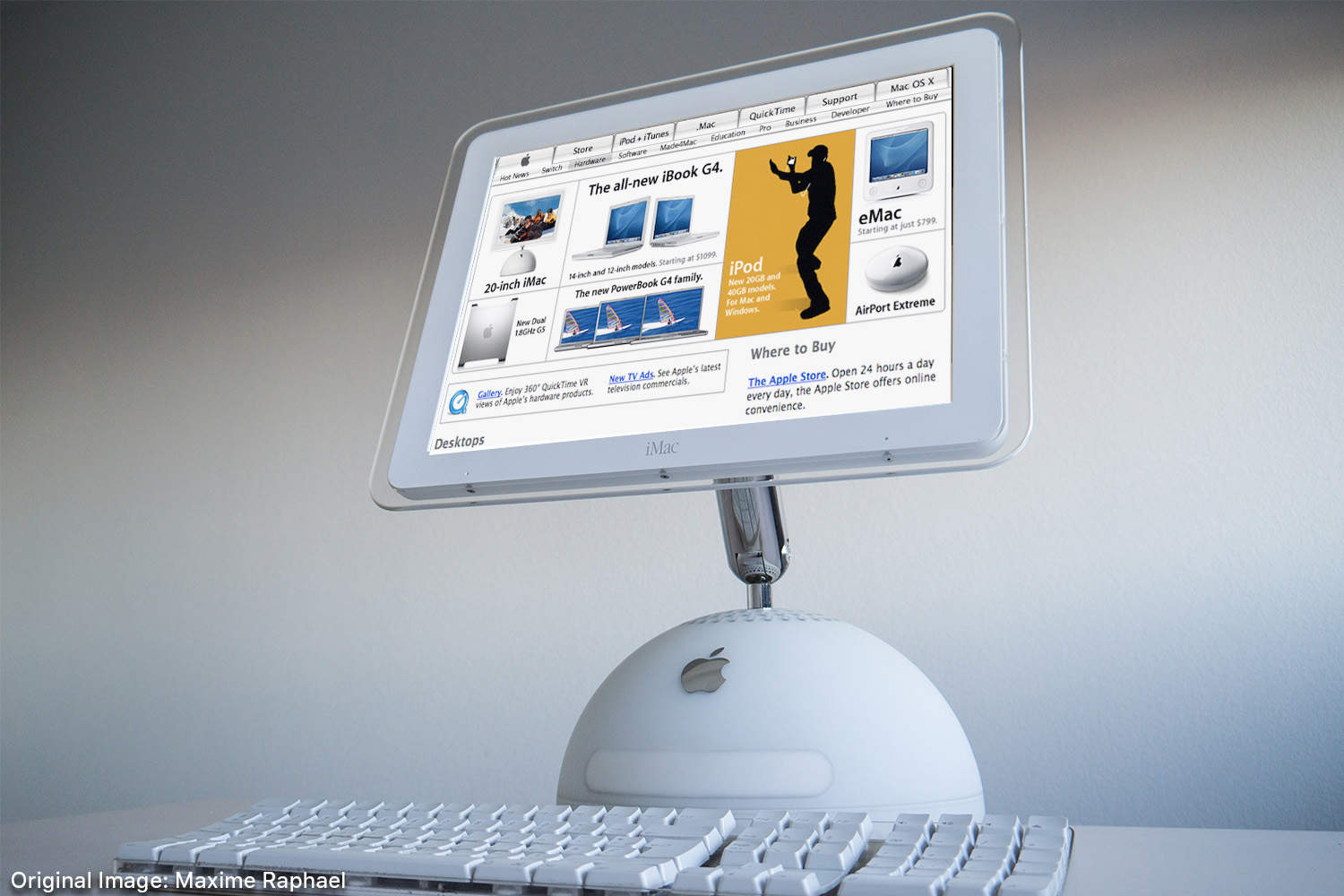
 December 5, 2002: Cupertino says it served its millionth unique customer in the Apple Store online, marking a significant milestone for the company. It is a benchmark worth celebrating for Apple, which launched its online store just five years earlier.
“Reaching our 1 millionth customer is a major milestone, and is proof positive that our online shopping experience is second to none,” Tim Cook, Apple’s executive vice president of worldwide sales and operations at the time, says in a statement. “The Apple Store is a popular way for a growing number of consumers and businesses to buy Apple products, and with extensive build-to-order capabilities, easy 1-Click shopping and free shipping on orders, it’s never been easier to buy a Mac online.”

 November 28, 2001: People download QuickTime 5 for Mac and PC a million times every three days, Apple says, putting the multimedia software on track to exceed 100 million downloads in its first year of distribution. The announcement comes as websites adopt the MPEG-4 format, and online video begins to take off in a big way.
 November 22, 2005: Two-and-a-half years
 November 20, 2007: In a milestone for iTunes movie distribution, Purple Violets becomes the first feature film to launch exclusively on Apple’s platform.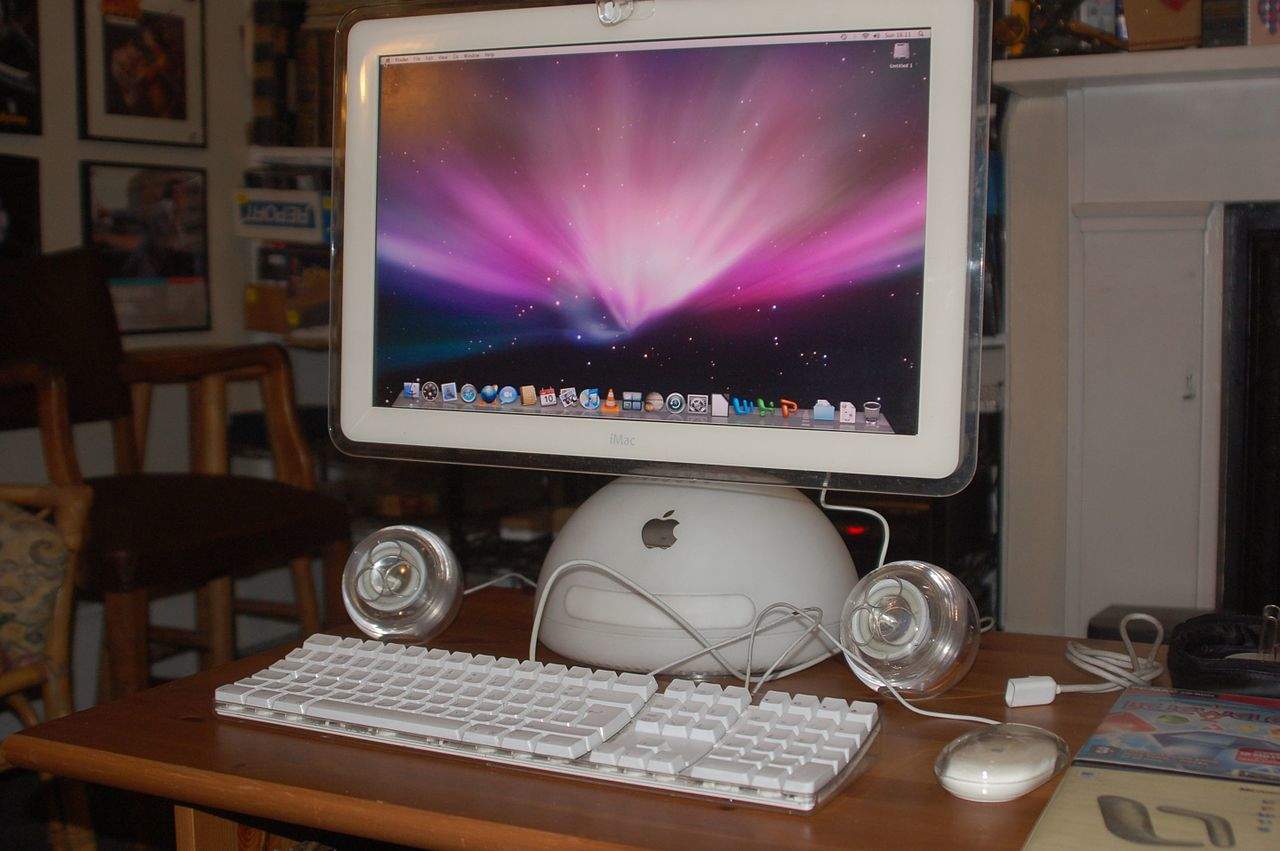
 November 18, 2003: Apple debuts a new iMac G4 sporting a 20-inch screen, the company’s biggest flat-panel all-in-one computer ever.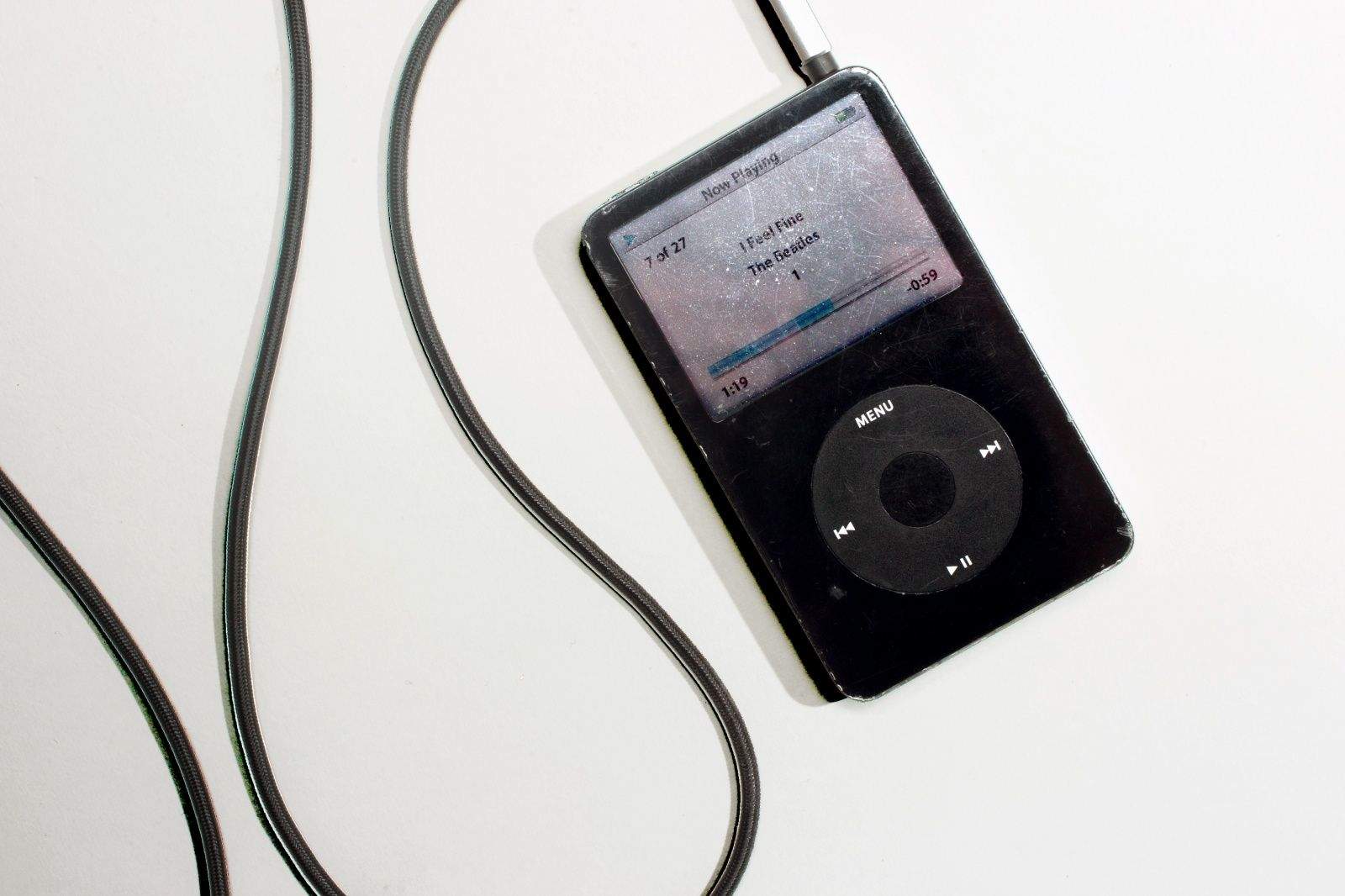
 November 14, 2006: Apple teams up with a slew of airlines to offer the “first seamless integration” between iPods and in-flight entertainment systems.
 November 6, 2003: After porting iTunes to Windows, Apple sets a new record for digital music sales: a massive 1.5 million downloads in one week.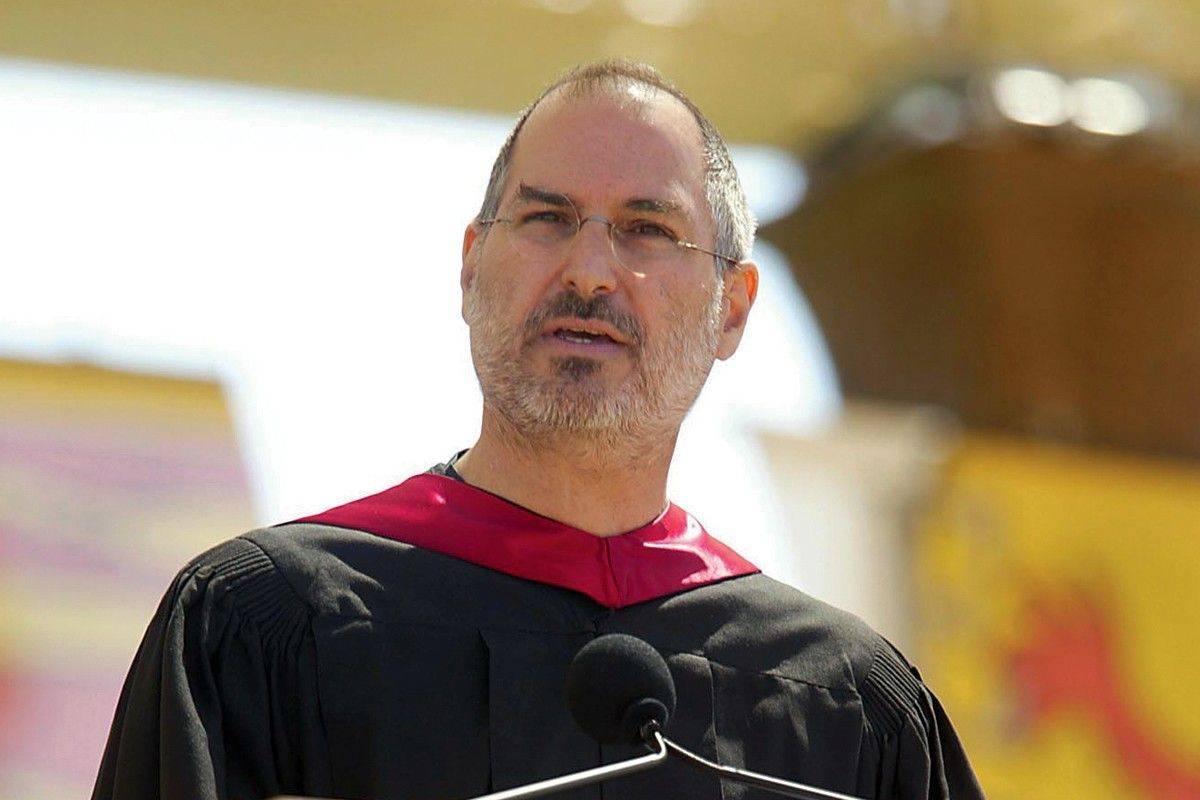
 November 5, 2009: Fortune magazine names Steve Jobs “CEO of the decade.” The accolade comes just four months after Jobs returned to Apple after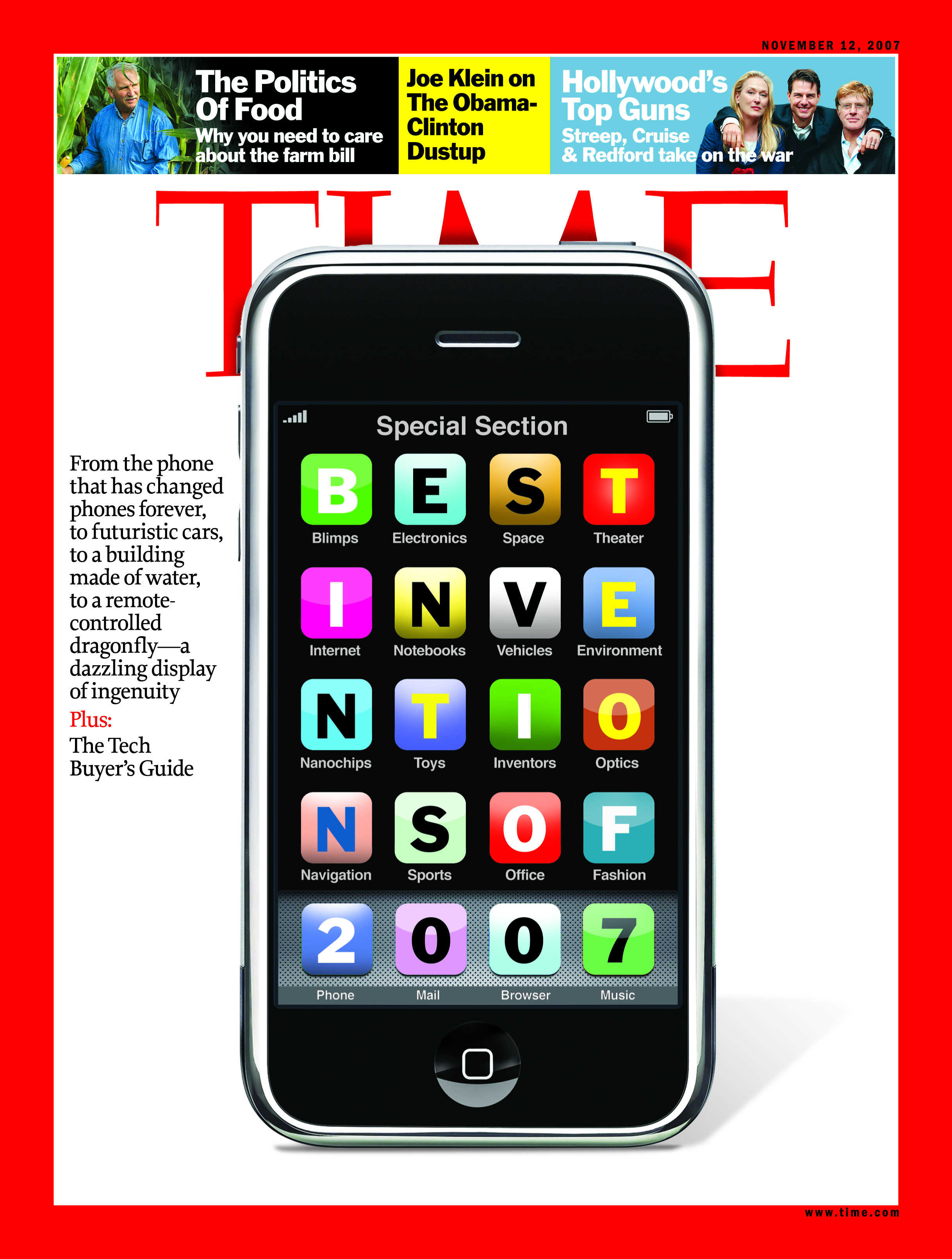
 November 1, 2007: Six months after Steve Jobs showed it off, the original iPhone becomes Time magazine’s “best invention of the year.”
 October 31, 2005: Less than three weeks after launching video downloads with iTunes 6, Apple reveals that it has already sold more than 1 million music videos.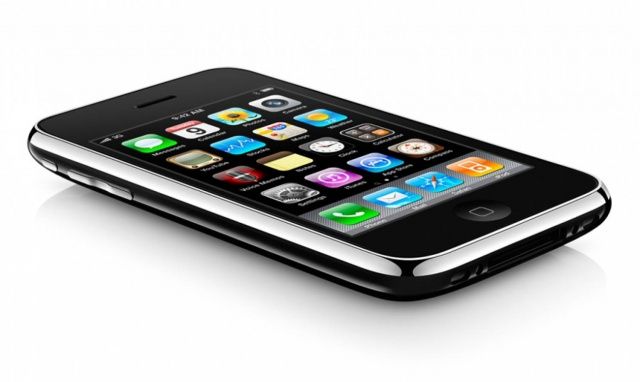
 October 30, 2009: Two years after launching in the United States, the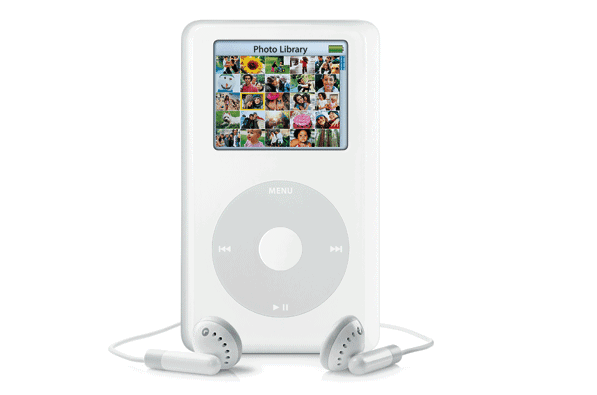
 October 26, 2004: Apple debuts the iPod Photo, a device capable of putting not just 15,000 songs in your pocket, but also 25,000 photographs. The new device “lets you take your entire music and photo library with you wherever you go,” Apple says.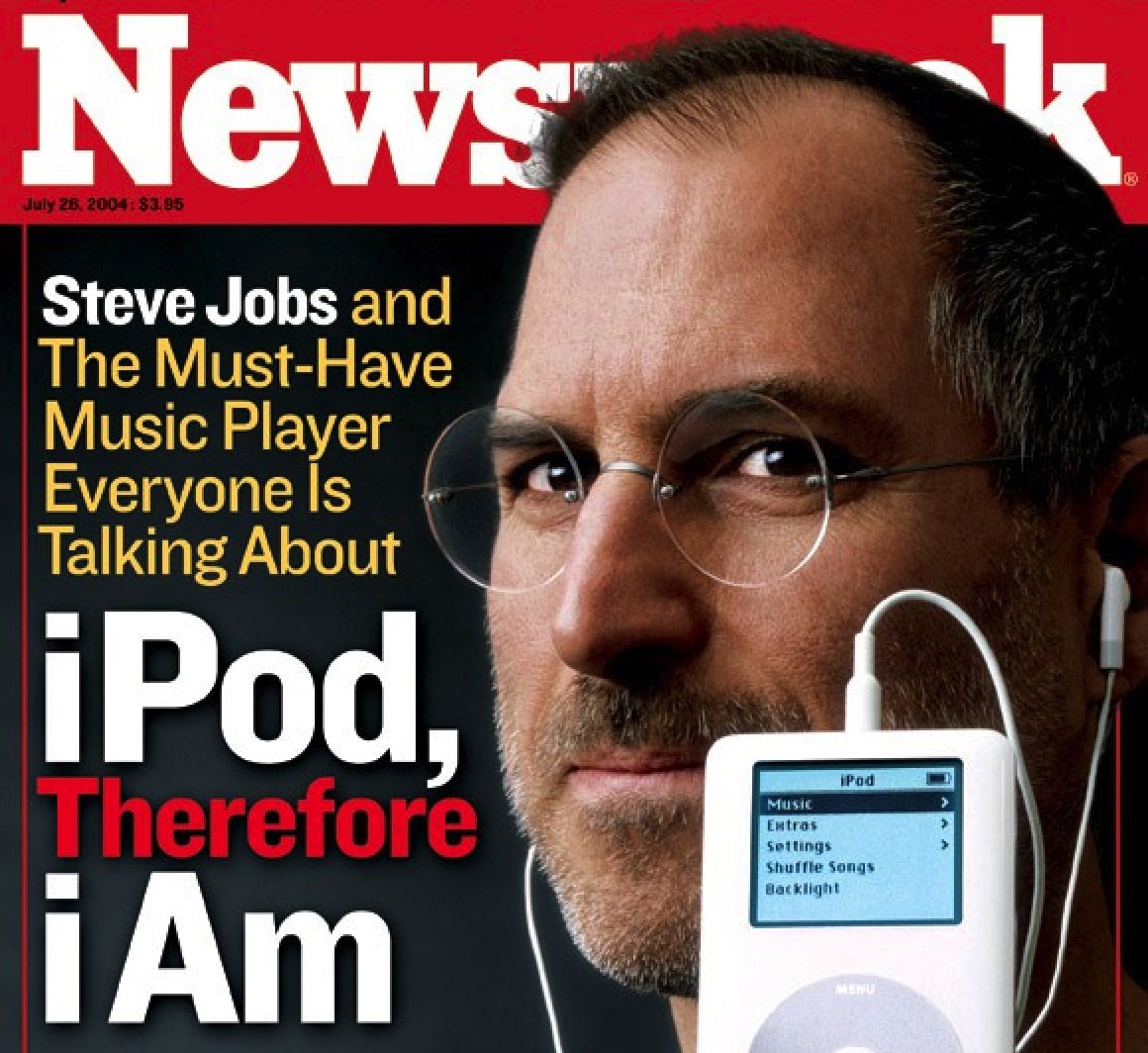
 October 23, 2001: Apple CEO Steve Jobs introduces the first
 October 22, 2008: During a conference call, Apple CEO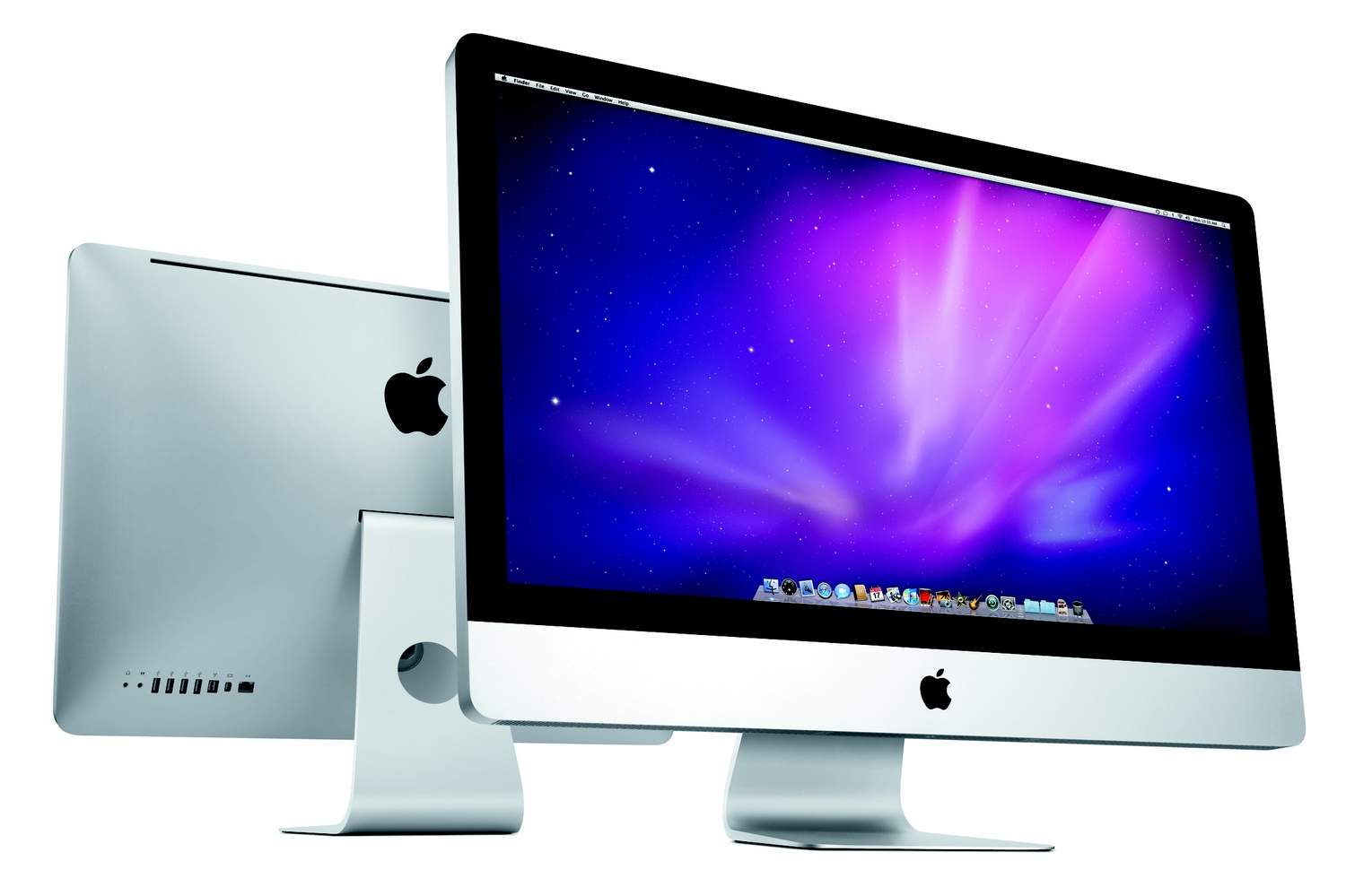
 October 20, 2009: Apple goes big with its iMac redesign, introducing the first 27-inch all-in-one Mac. The sleek, sophisticated aluminum unibody design looks so good that the iMac will remain virtually unchanged for years.
 October 16, 2003: Six months after opening the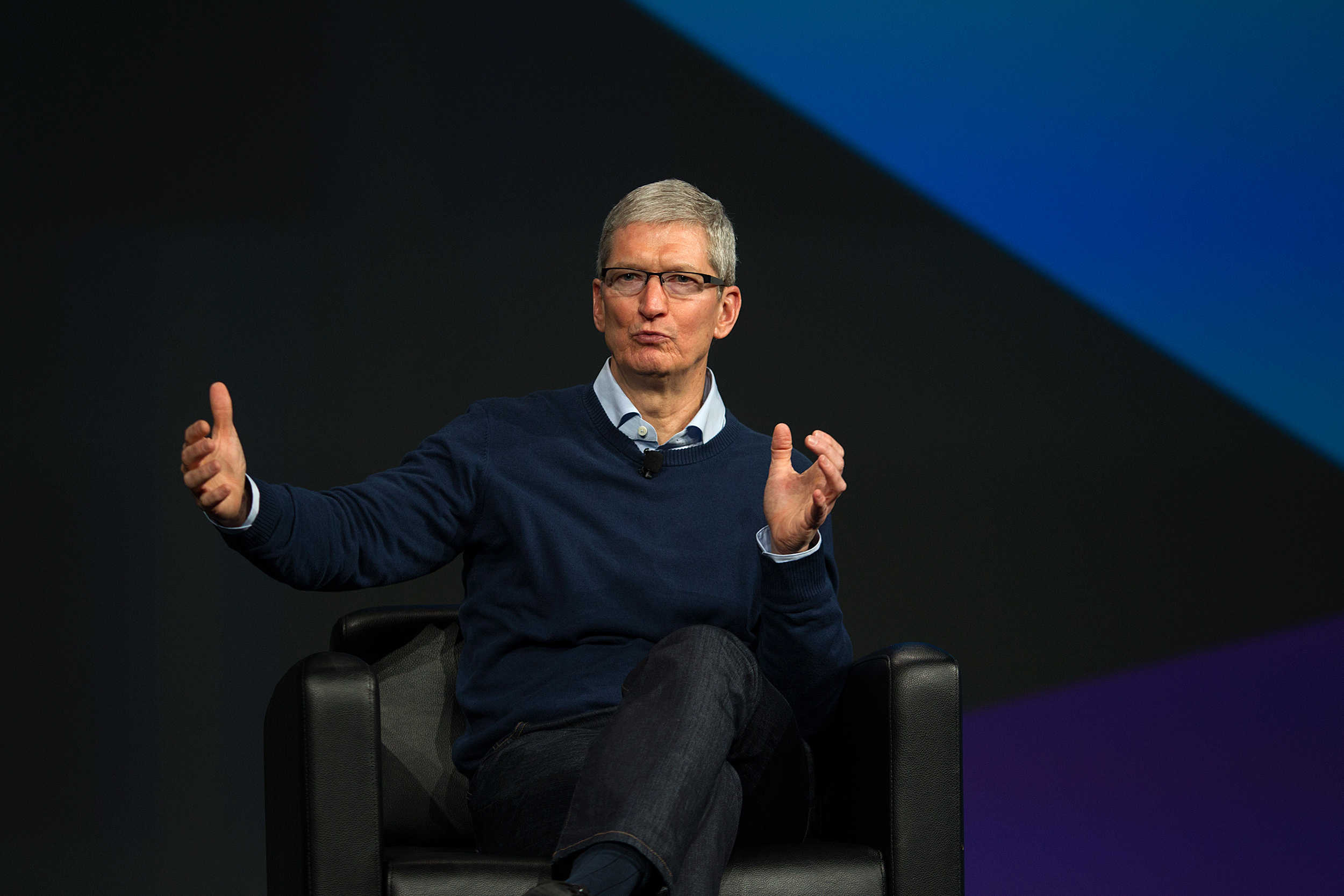
 October 14, 2005: Tim Cook takes the reins as Apple’s chief operating officer. His new role as Apple COO continues his upward climb through the company’s ranks that will make him CEO less than six years later.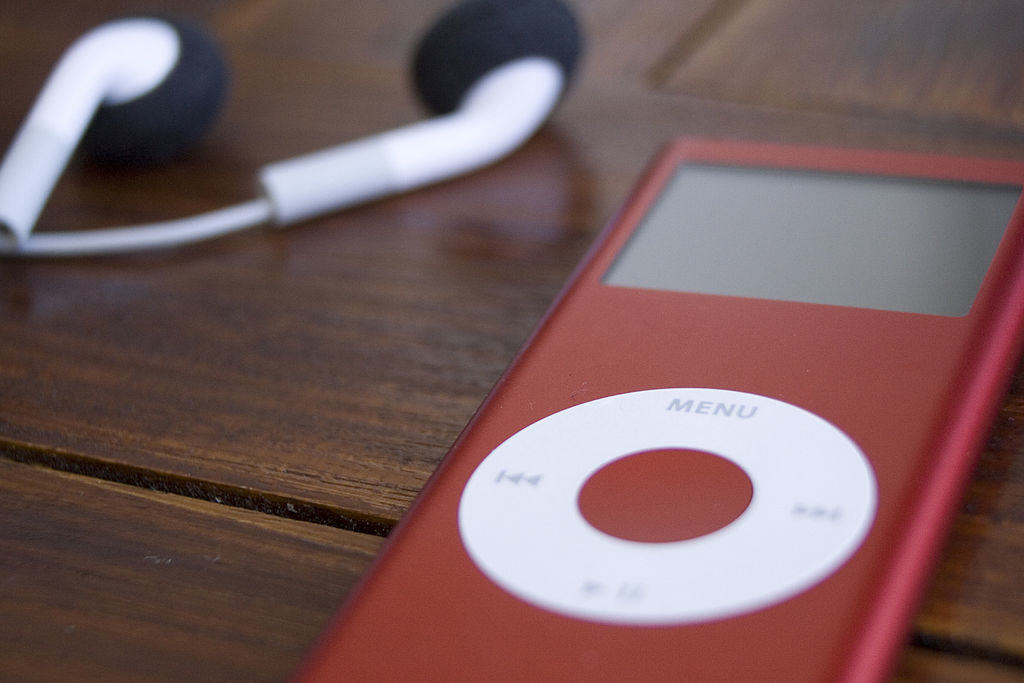
 October 13, 2006: Apple launches a limited-edition iPod nano (Product) Red Special Edition music player in collaboration with U2 lead singer Bono and activist/attorney Bobby Shriver, with 10% of profits going to fight AIDS in Africa.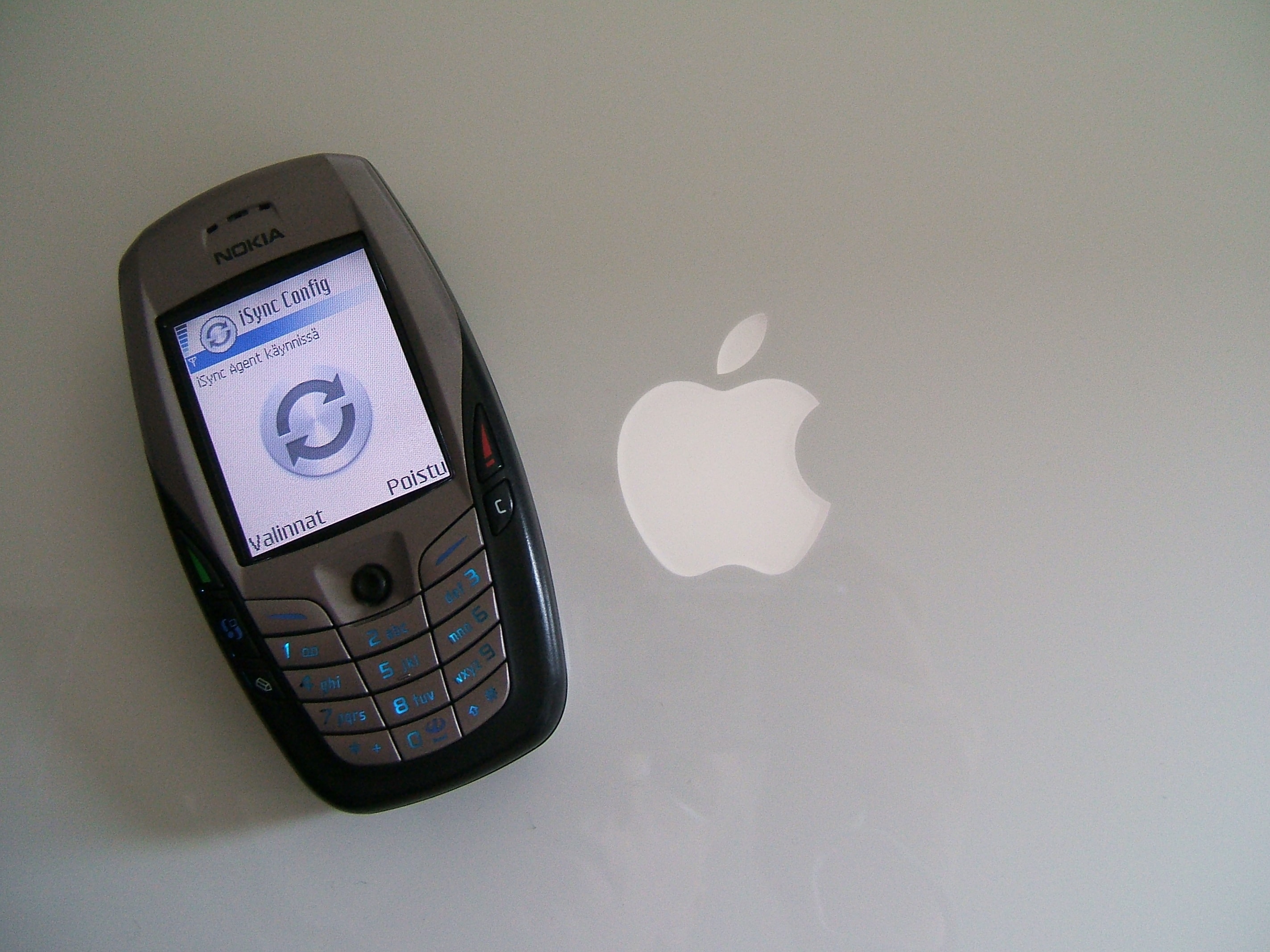
 September 30, 2002: Apple introduces iSync, a tool that lets Mac users synchronize their address books and calendars with their cellphones, iPods and Palm OS-compatible handheld organizers via Bluetooth.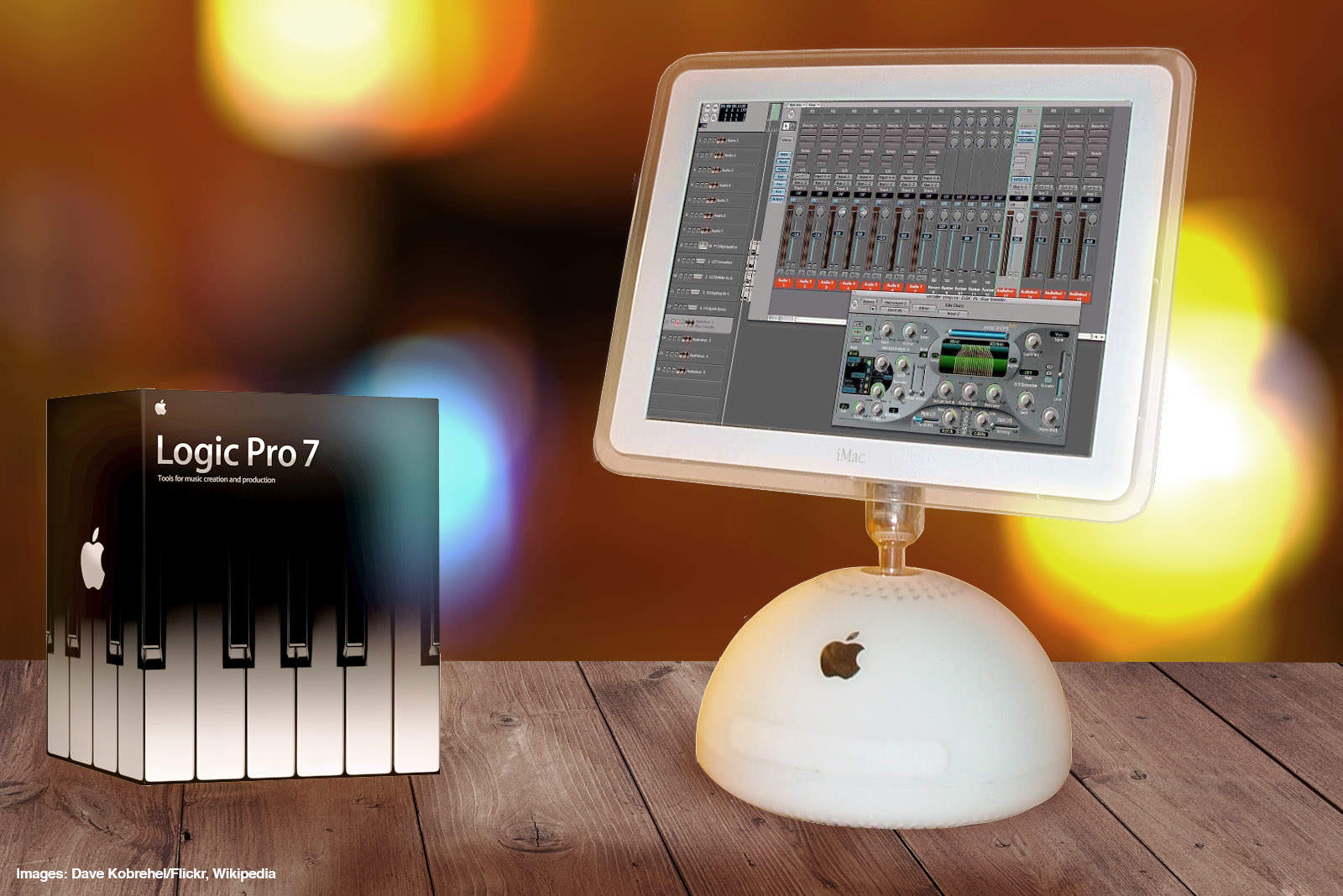
 September 29, 2004: Apple launches Logic Pro 7, its professional music creation and audio production software. The update brings new tools and a streamlined interface in line with other Apple software.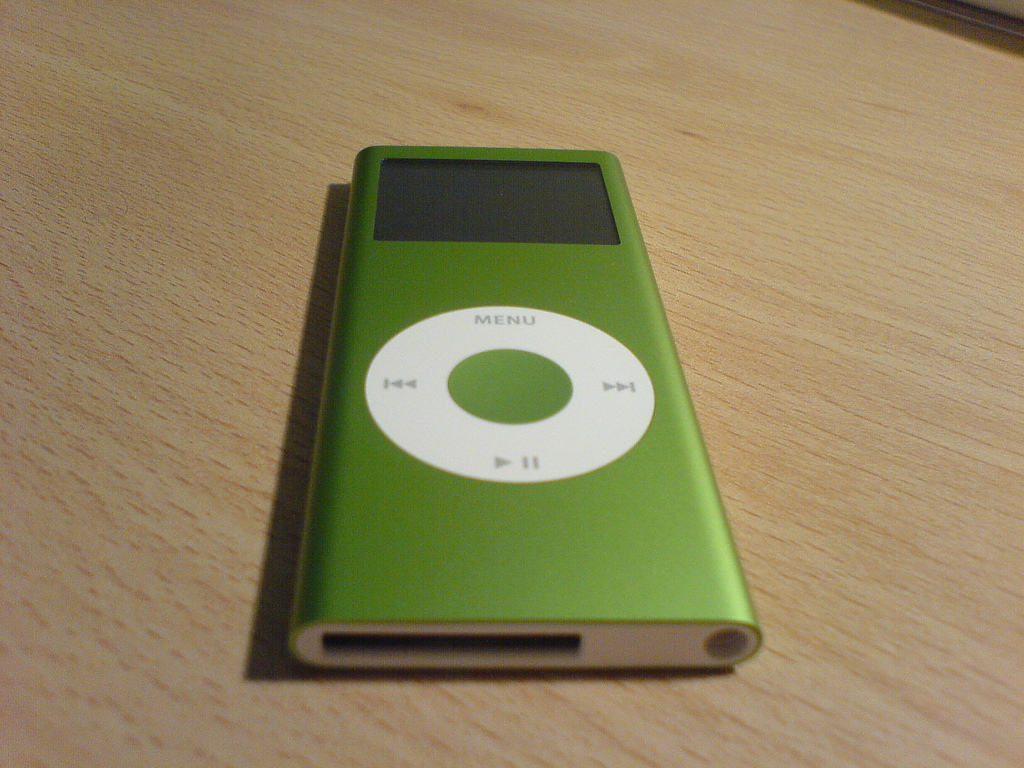
 September 25, 2006: Apple ships its second-generation iPod nano, offering a fancy redesign of the pocket-size original.
 December 15, 2003: Almost eight months after launching the iTunes Music Store, Apple celebrates its 25 millionth download.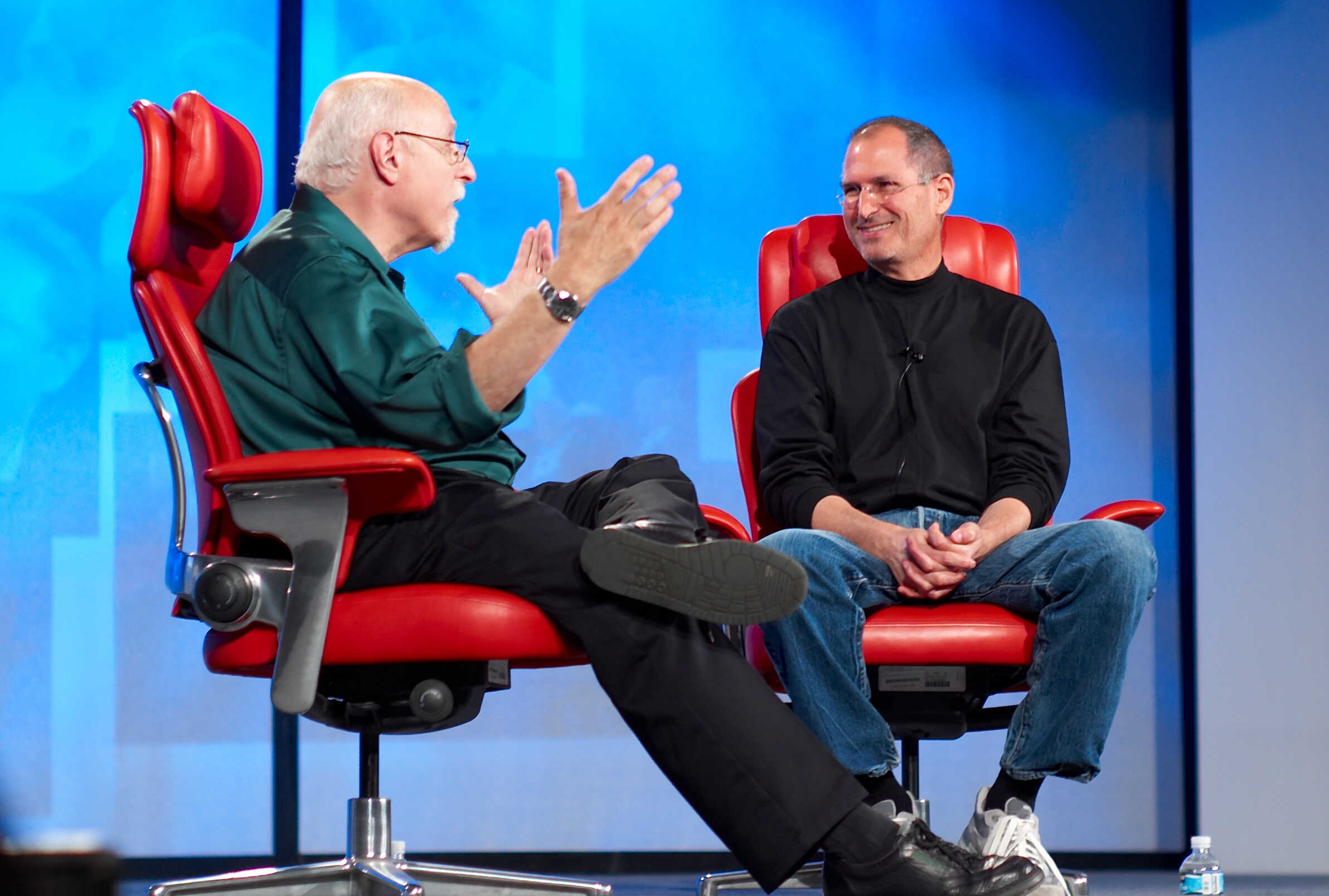
 June 12, 2007: With iPhone frenzy hitting a fever pitch in the buildup to the device’s launch, journalist Walt Mossberg sends the Apple world into a tizzy by whipping out a prerelease unit during a speech. The Wall Street Journal columnist is one of a handful of tech writers given early access to Apple’s revolutionary smartphone so he can put it through its paces for a review.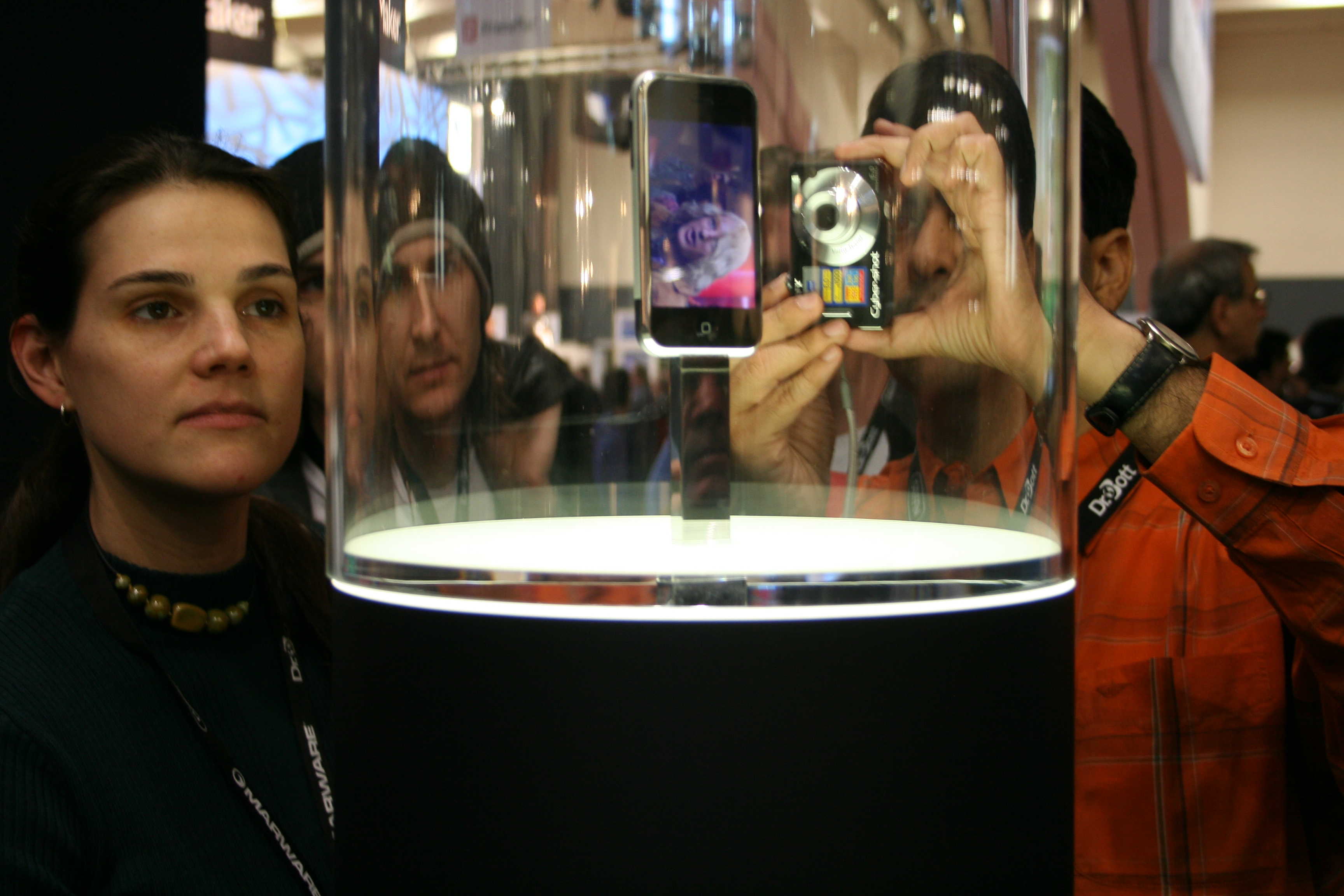
 September 5, 2007: Just months after the
  June 29, 2007: The first-generation iPhone goes on sale, generating massive queues of Apple fans lining up outside Apple Stores around the United States.