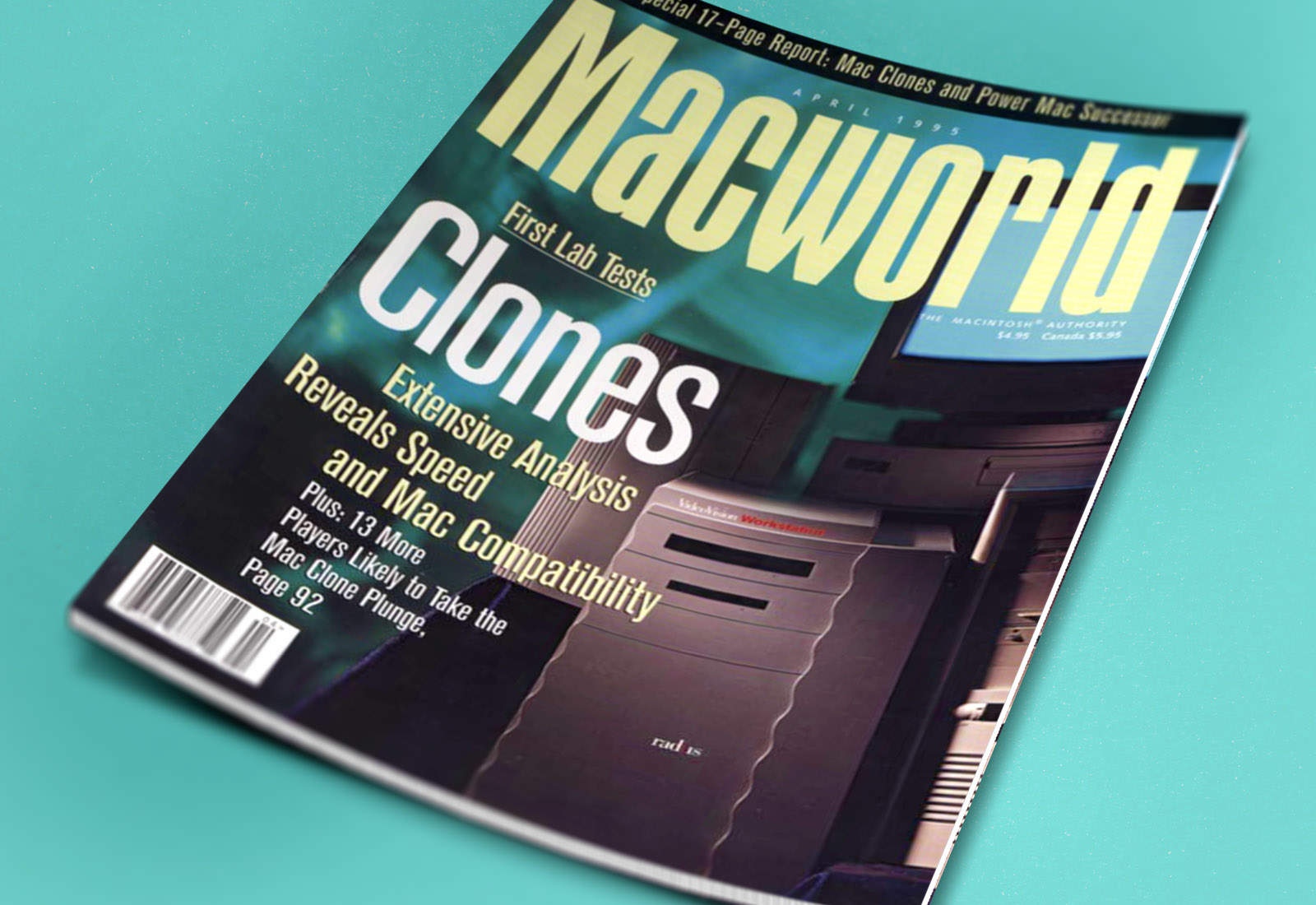
 January 4, 1995: Apple signs a deal with third-party Mac accessory-maker Radius, allowing the company to build Macintosh clones that run on Mac OS.
Radius is the second company to license the Macintosh operating system. (Power Computing did the same thing a month earlier.) However, Radius will become the first licensee to bring a clone to market when its System 100 ships in March 1995.

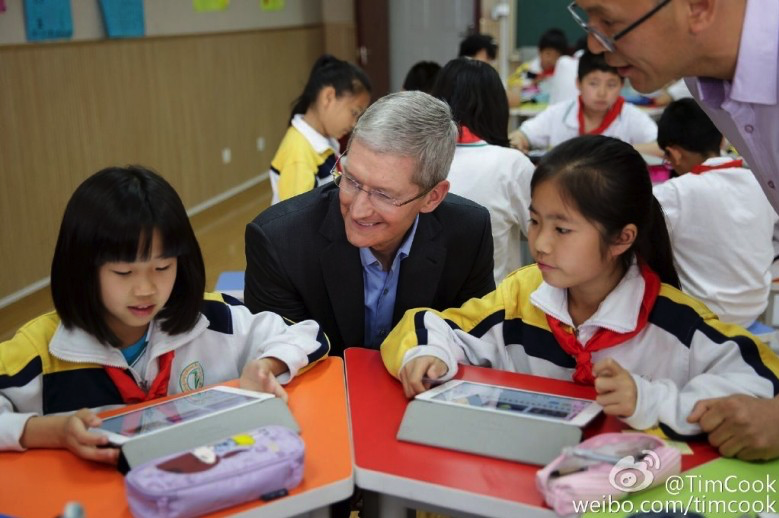
 December 22, 2013: After months of false starts, Apple finally secures a deal with China Mobile to bring the iPhone to the world’s largest telecom company.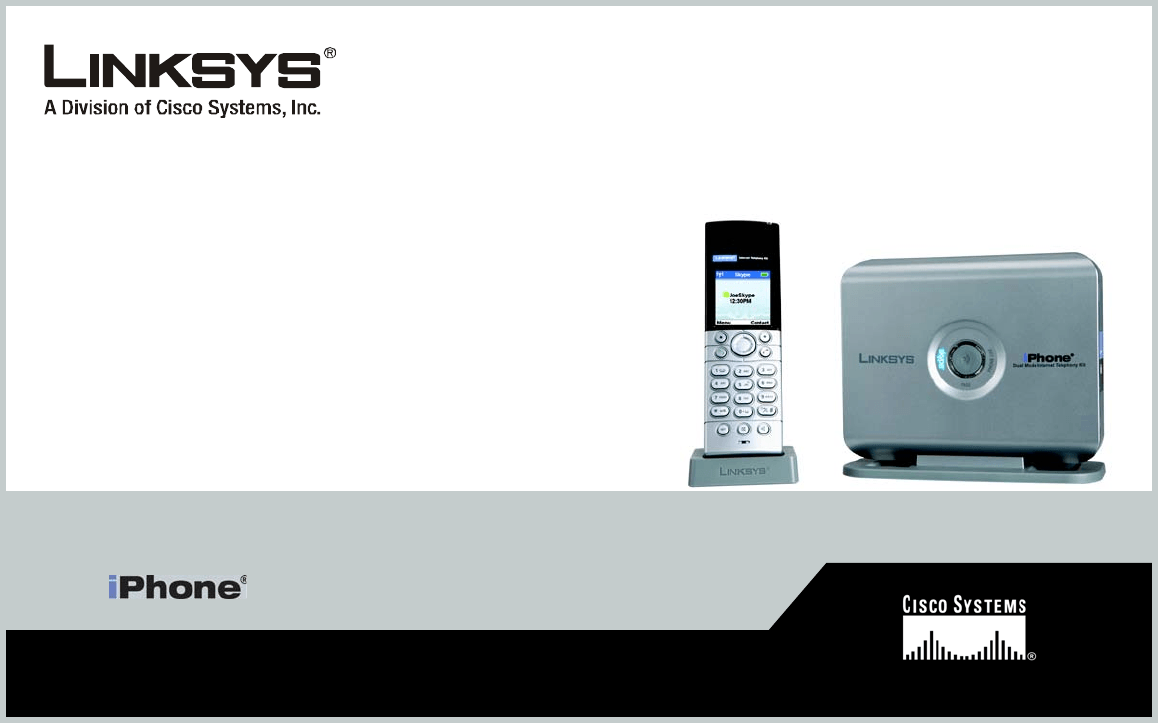
 December 18, 2006: Apple fans mourn the death of the iPhone before it even launches. Linksys begins selling a new handset called the “iPhone,” and Cupertino watchers must come to grips with the fact that Apple’s rumored smartphone probably won’t bear that name after all.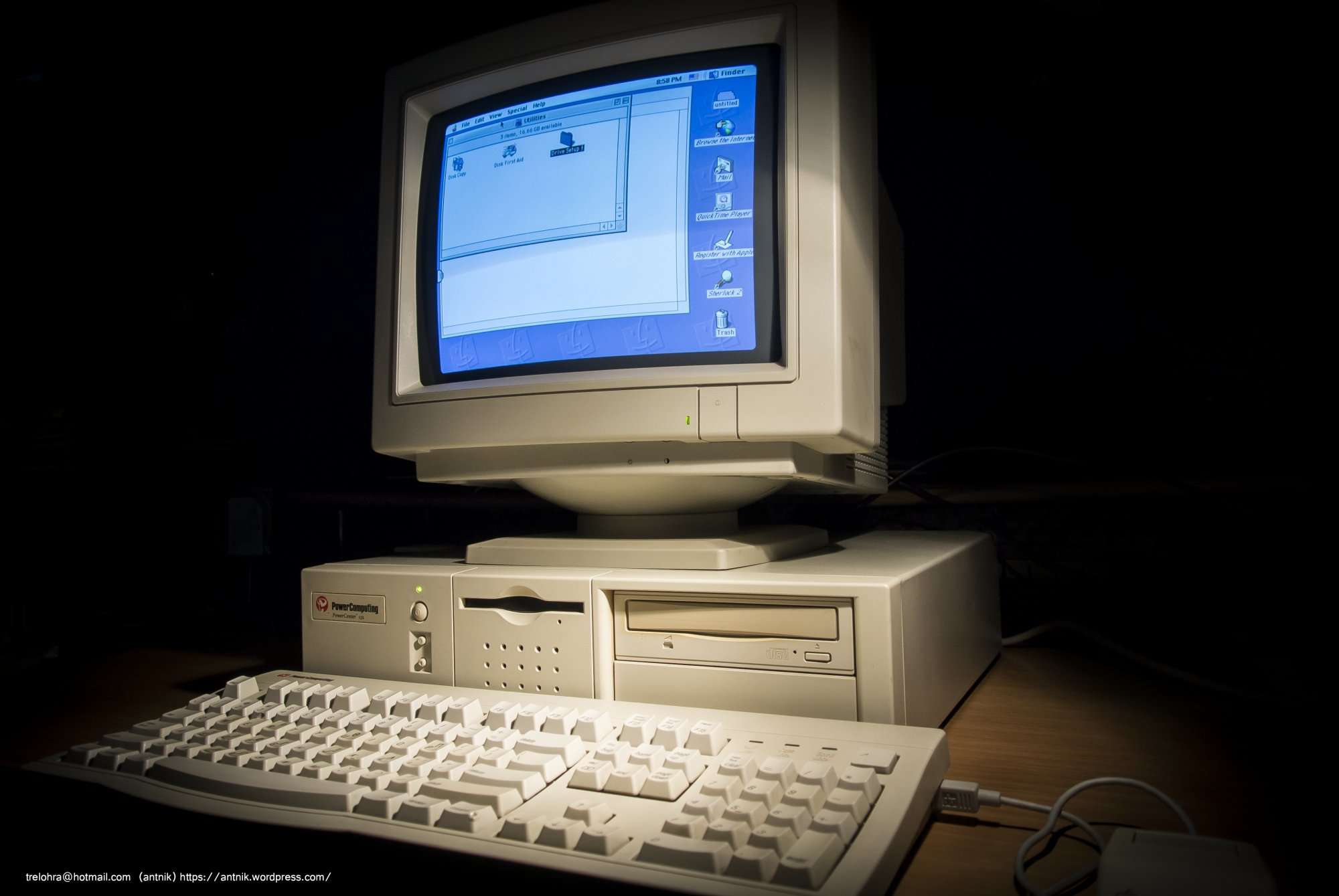
 December 16, 1994: Apple Computer inks a licensing deal with Power Computing, for the first time allowing a company to produce Macintosh-compatible computers, aka “Mac clones.”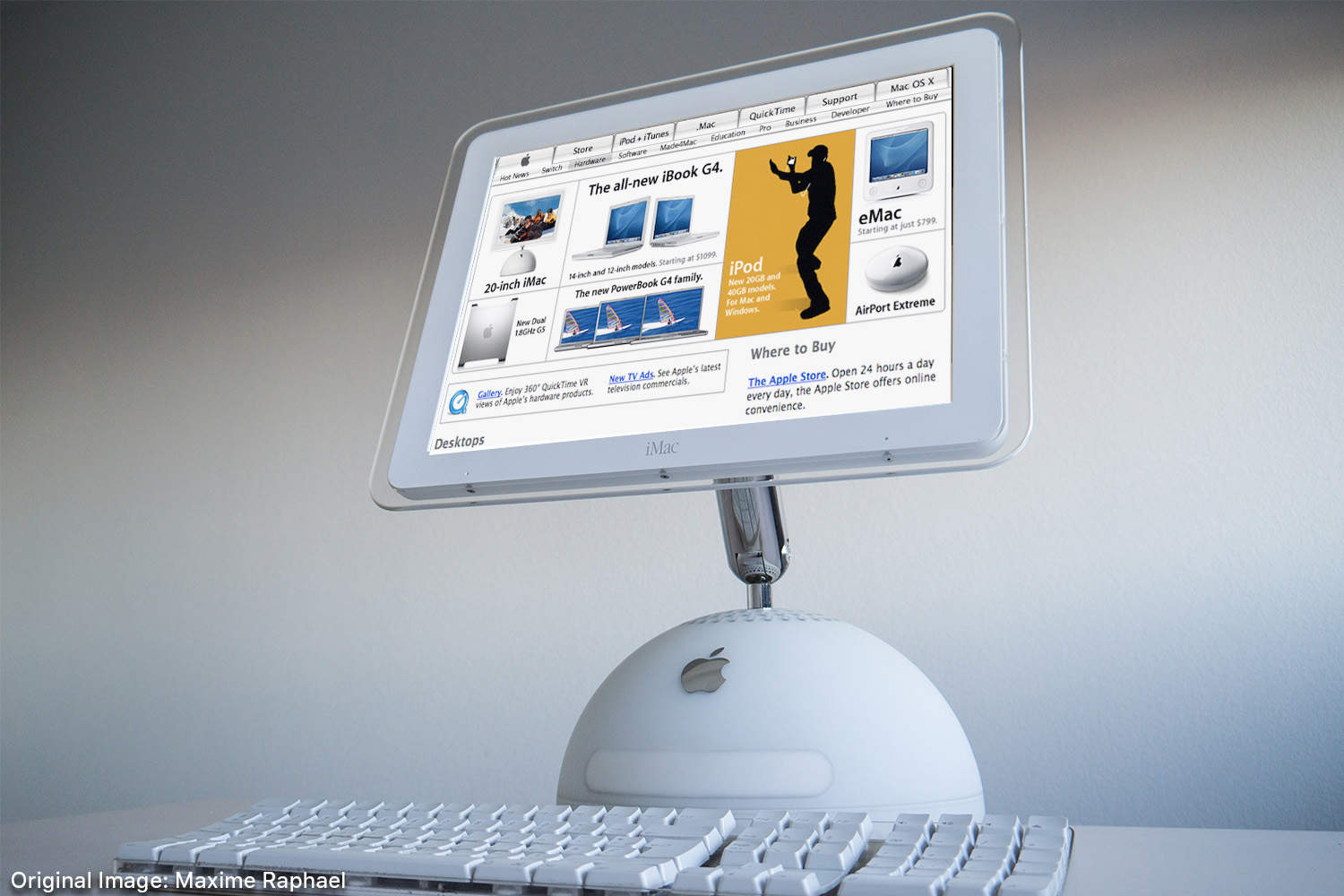
 December 5, 2002: Cupertino says it served its millionth unique customer in the Apple Store online, marking a significant milestone for the company. It is a benchmark worth celebrating for Apple, which launched its online store just five years earlier.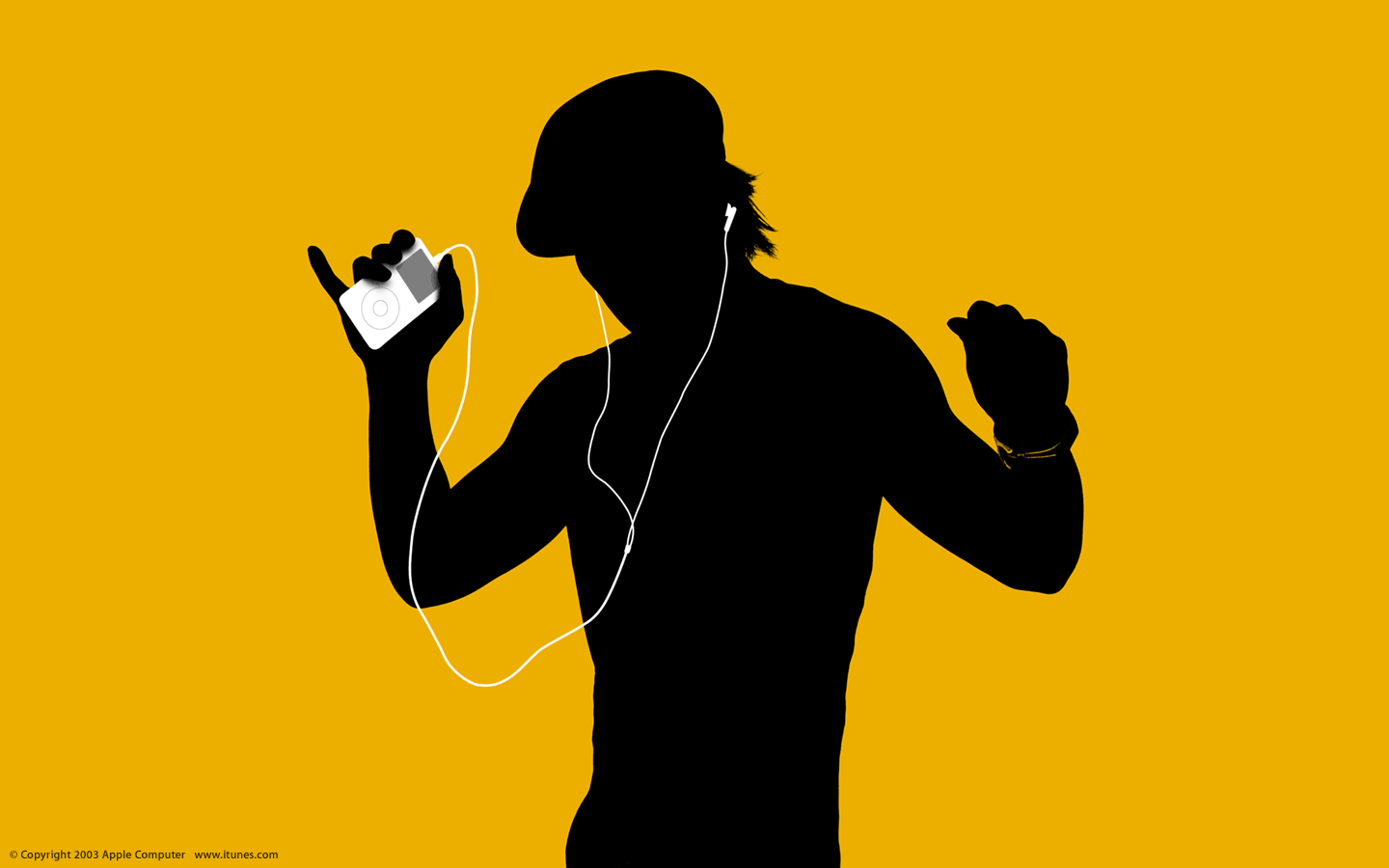
 November 22, 2005: Two-and-a-half years
 November 20, 2007: In a milestone for iTunes movie distribution, Purple Violets becomes the first feature film to launch exclusively on Apple’s platform.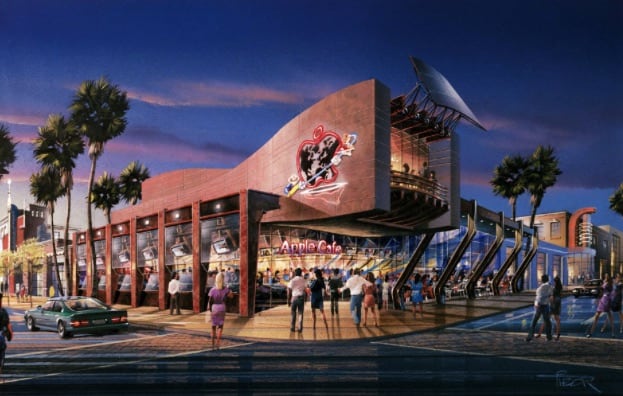
 November 12, 1996: Apple lays out a wild plan to get into the restaurant business, saying it will open a chain of Apple Cafes with a touchscreen point-of-sale system. A bit like the company’s future retail stores — but without the computers and iPhones for sale — the Apple restaurants would open in cities around the world.
 November 6, 2003: After porting iTunes to Windows, Apple sets a new record for digital music sales: a massive 1.5 million downloads in one week.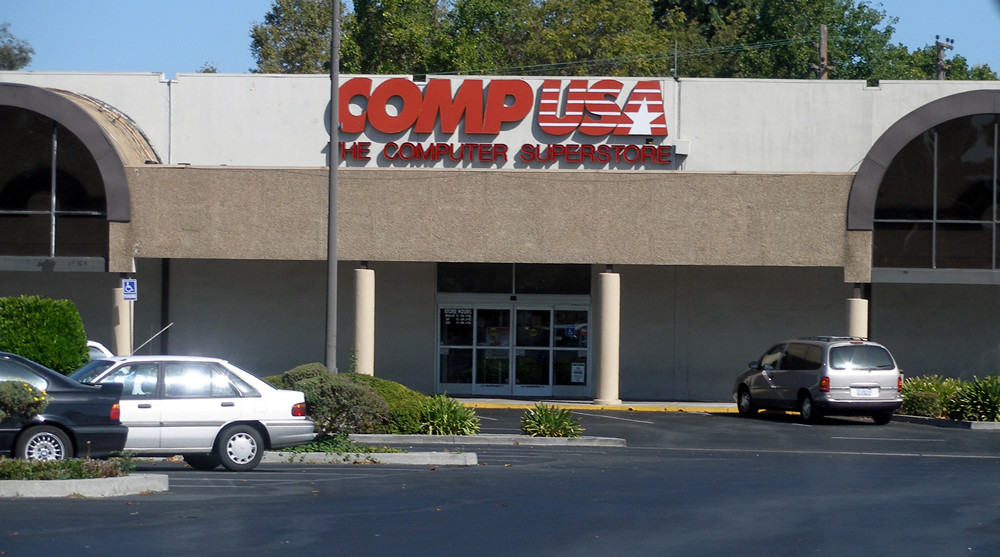
 November 4, 1997: Apple unveils its plan to open small “store within a store” areas inside CompUSA outlets around the United States. Apple-trained employees will staff these mini-stores and sing the praises of the Mac and other Apple products.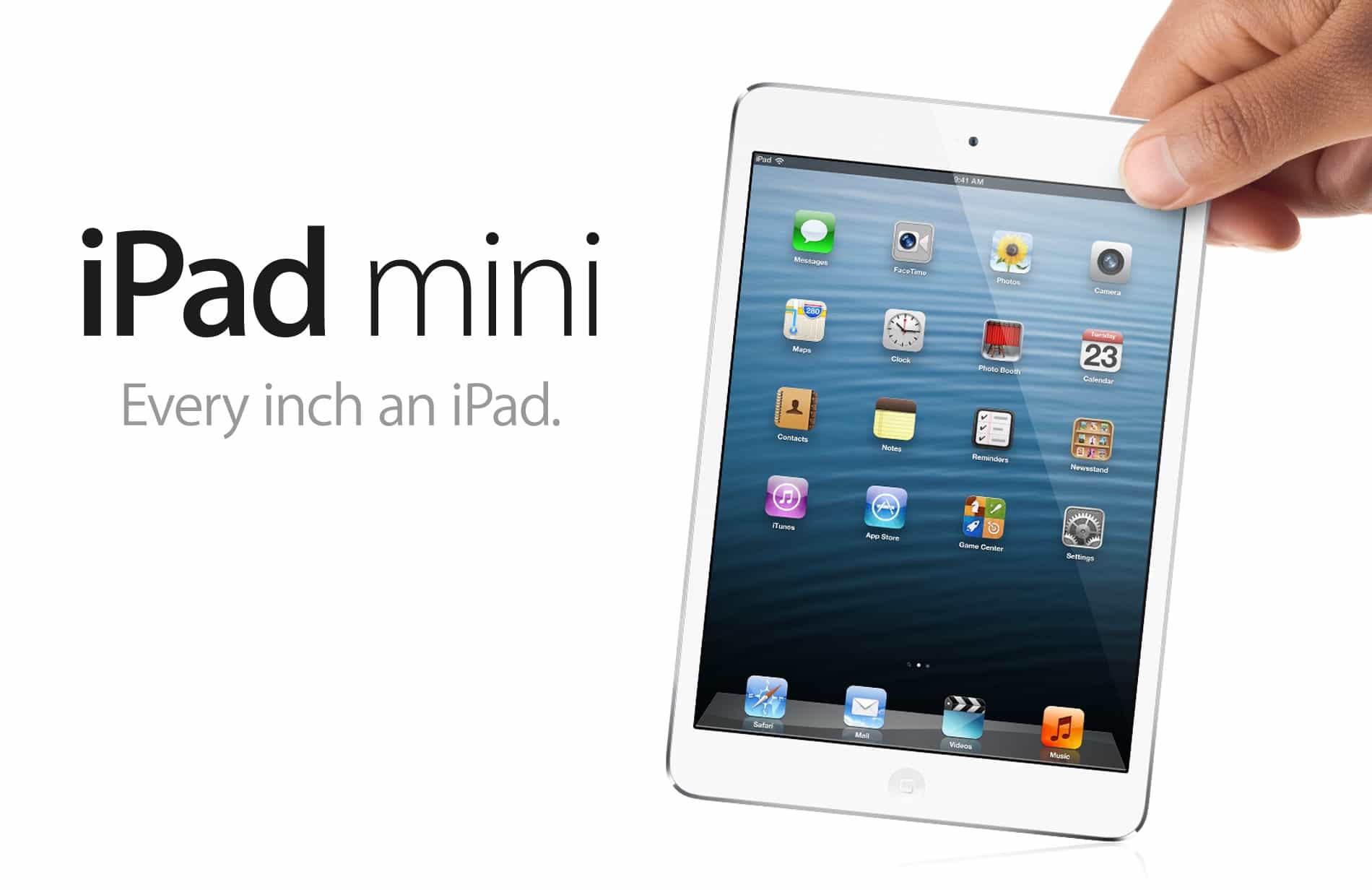
 November 2, 2012: The first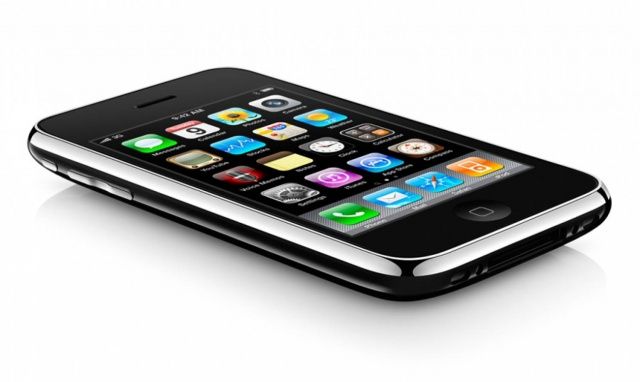
 October 30, 2009: Two years after launching in the United States, the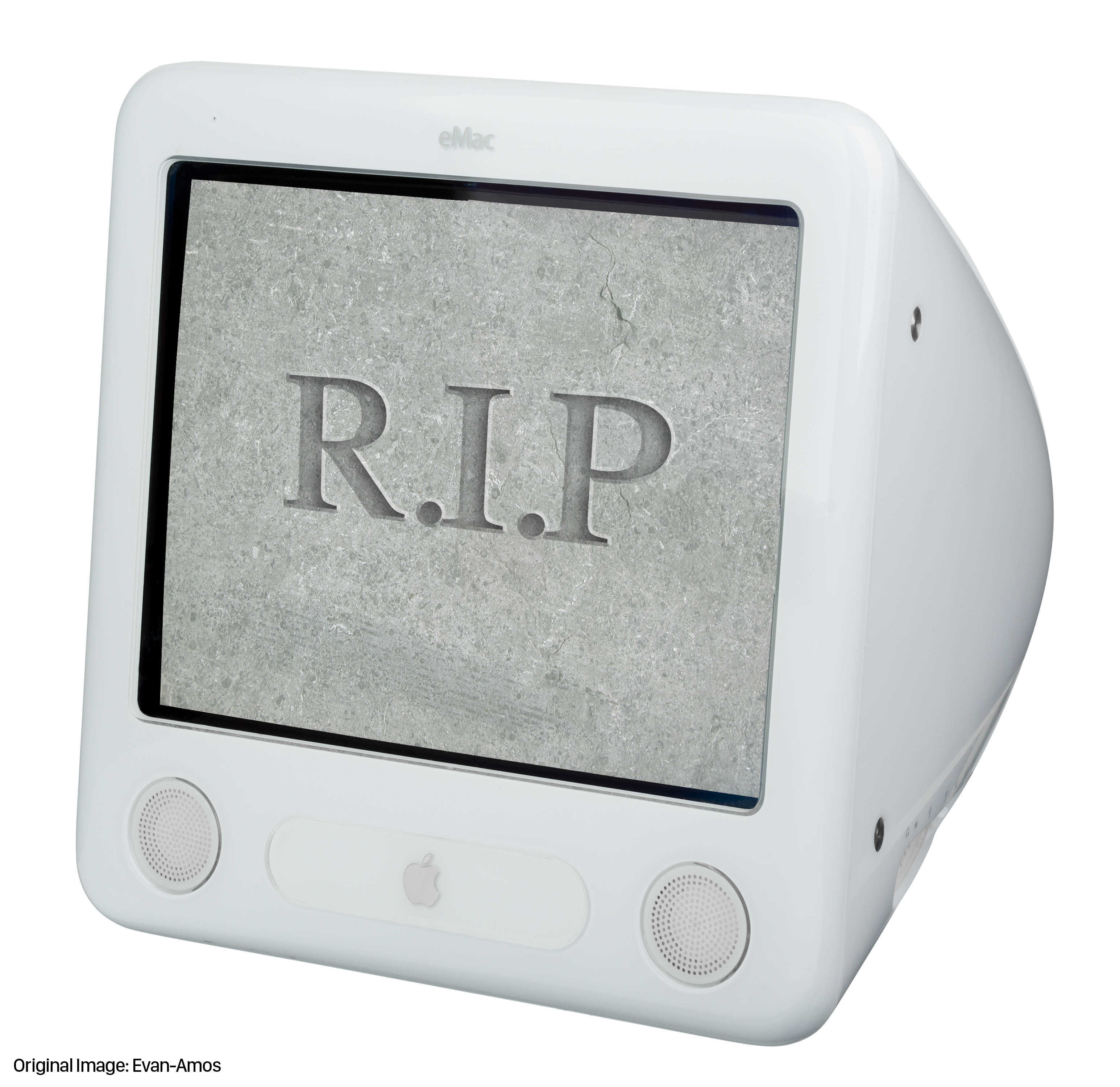
 October 27, 1999: Dell Computer overtakes Apple in the educational market, stealing Cupertino’s crown as the top company selling computers to U.S. schools. Dell’s cheap Windows PCs make sense for schools looking to buy computers without breaking the bank.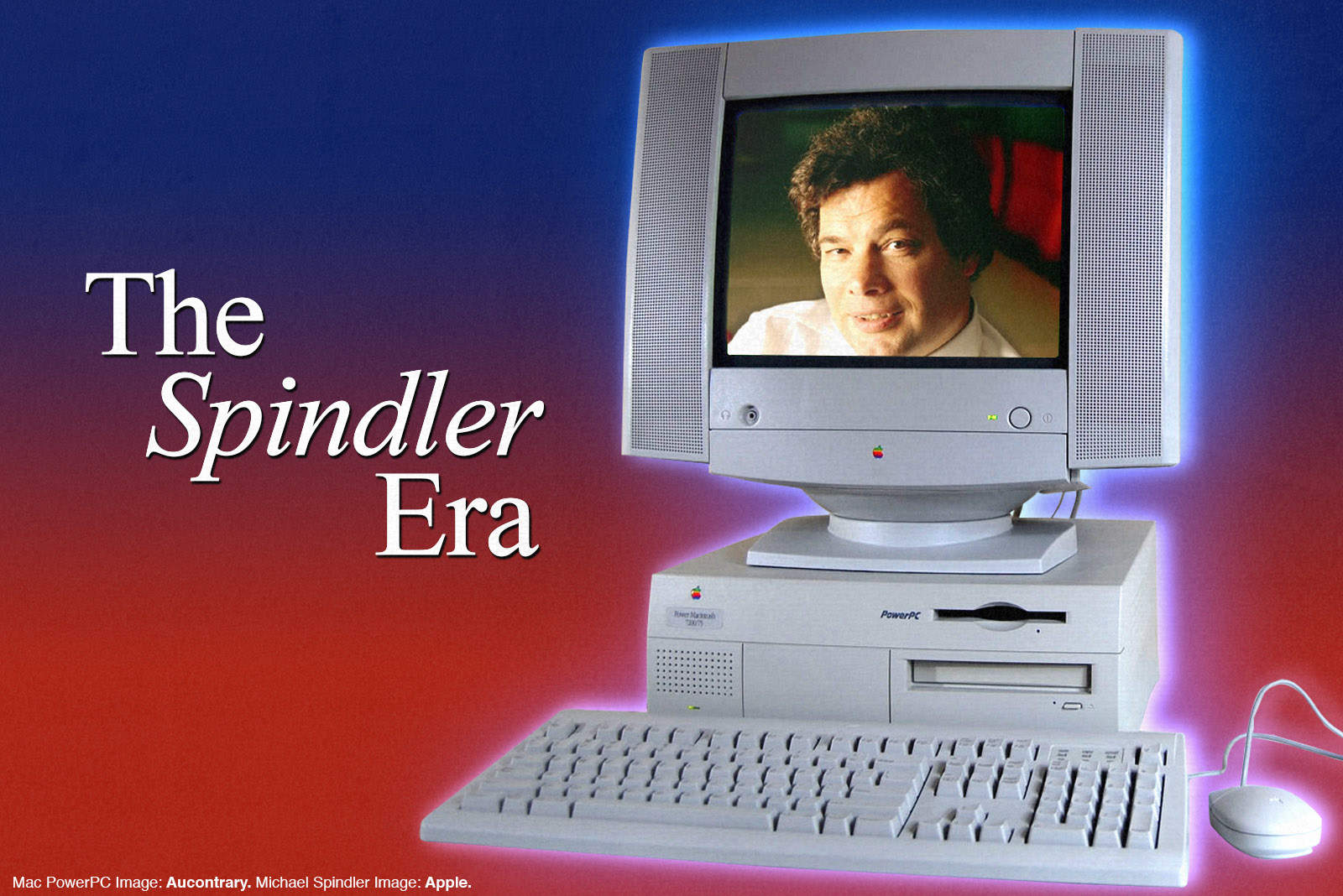
 October 3, 1994: Apple CEO Michael Spindler reassures the world that Apple “is not a lame-duck company.”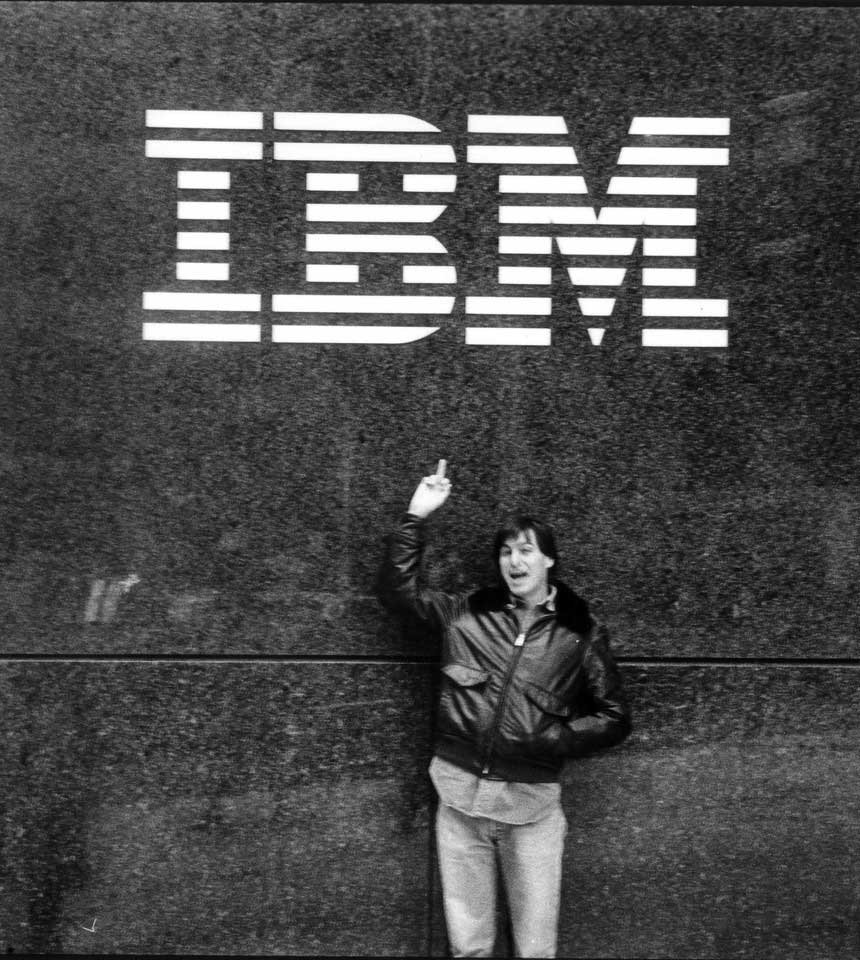
 October 2, 1991: As the Cold War comes to an end, hell freezes over a second time as Apple and IBM sign a deal and agree to put aside their differences. Having been bitter rivals for the past decade, the two tech giants host a press conference at the Fairmont hotel in San Francisco to unveil their new partnership.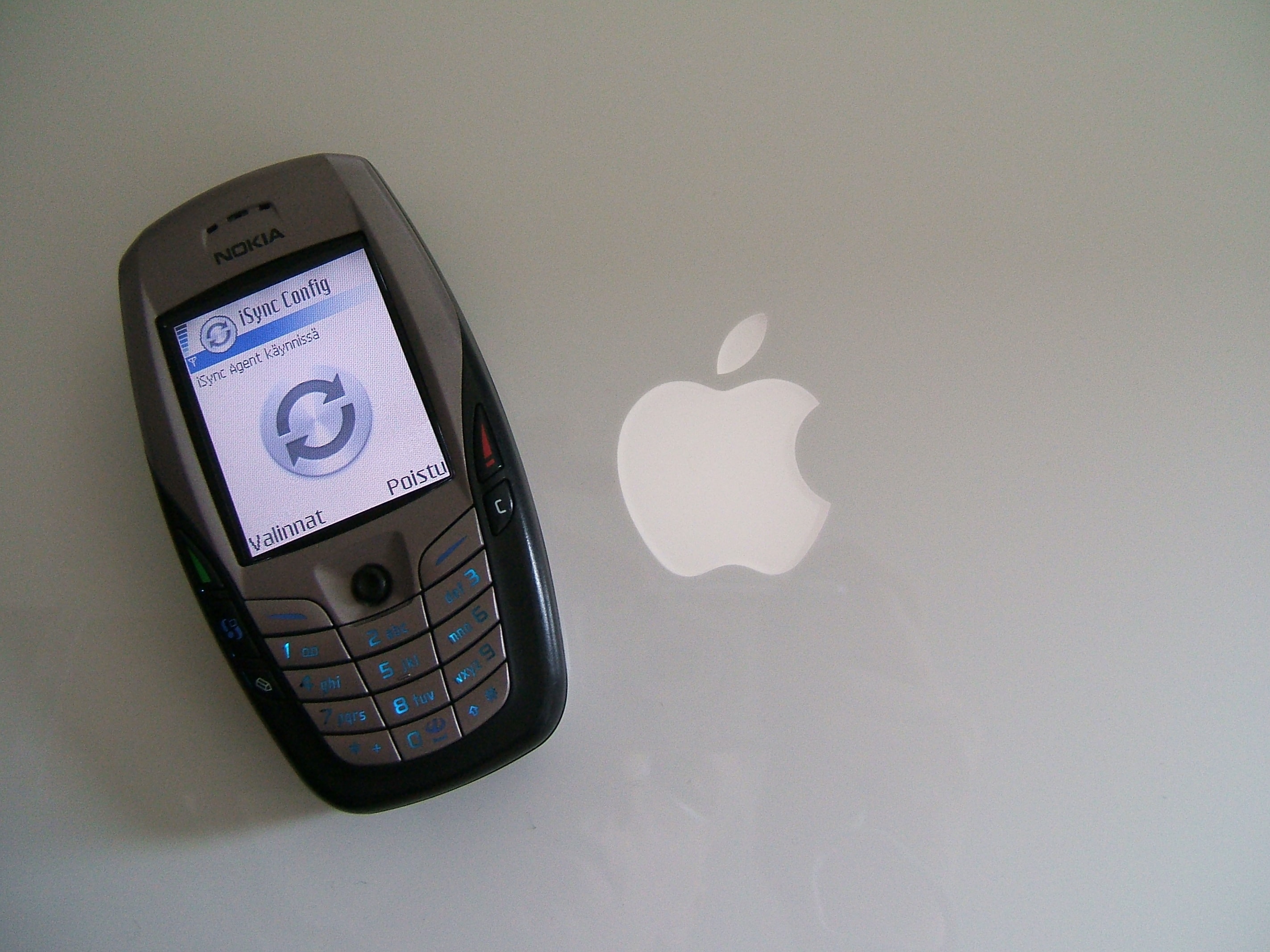
 September 30, 2002: Apple introduces iSync, a tool that lets Mac users synchronize their address books and calendars with their cellphones, iPods and Palm OS-compatible handheld organizers via Bluetooth.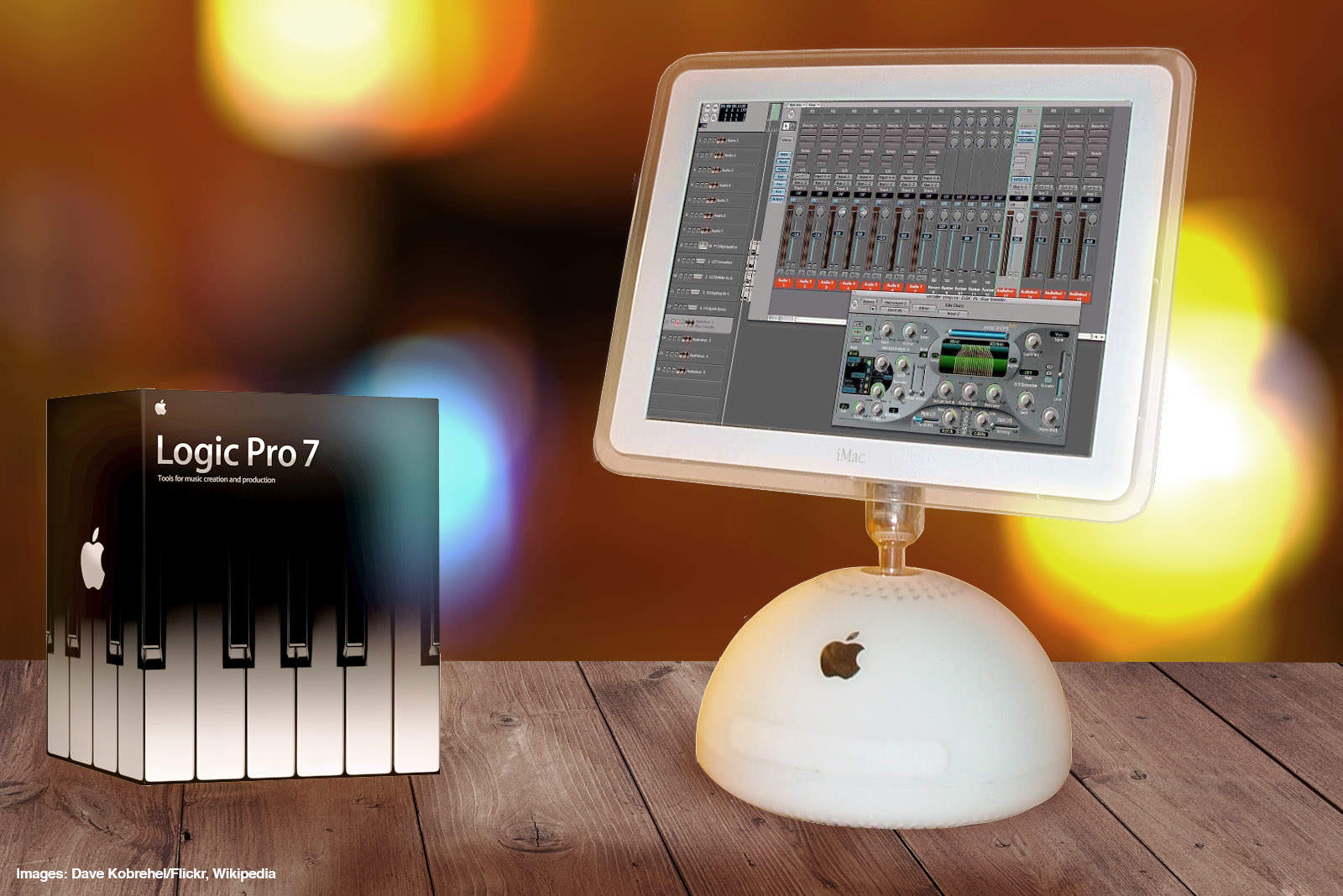
 September 29, 2004: Apple launches Logic Pro 7, its professional music creation and audio production software. The update brings new tools and a streamlined interface in line with other Apple software.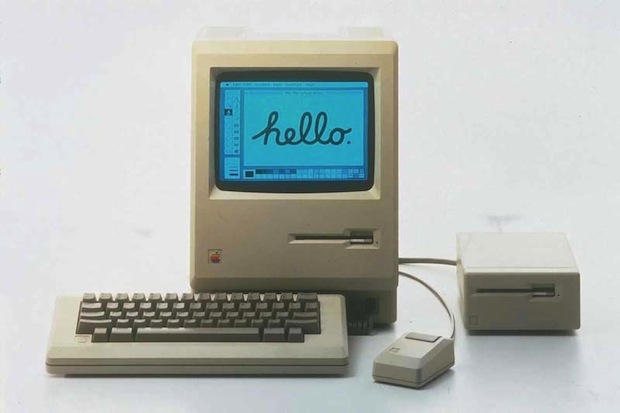
 September 27, 1979: Years before the Macintosh will ship, Steve Jobs and Jef Raskin clash for the first time over the direction of the R&D project to produce Apple’s revolutionary computer. Raskin, the founder of the Macintosh project, wants to produce a machine that’s affordable for everyone. Apple co-founder Jobs wants a computer that’s going to be the best, regardless of price.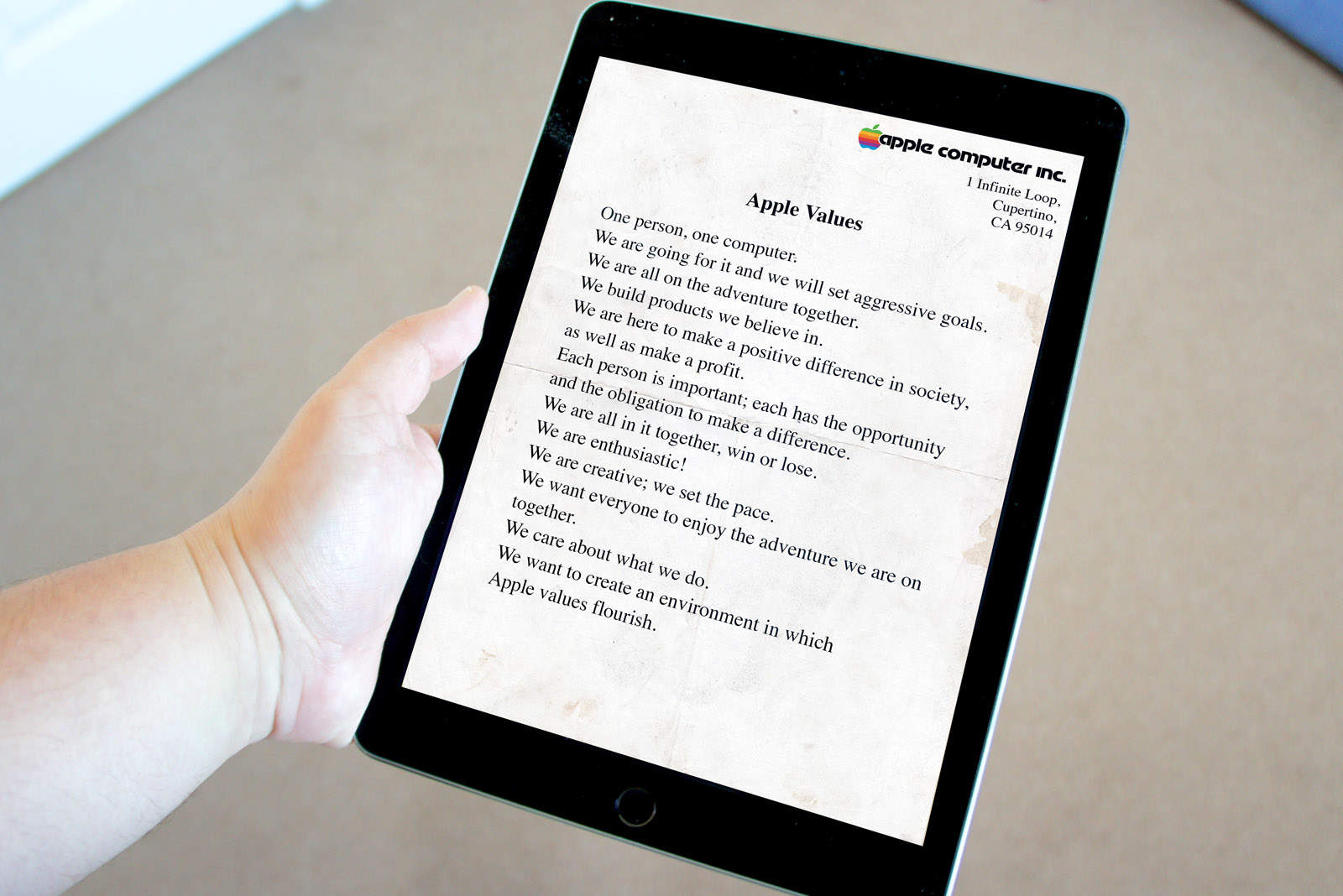
 September 23, 1981: Years before Steve Jobs would tell us to “
 September 19, 2014: The iPhone undergoes its biggest upgrade — both figuratively and literally — since the original, with the release date of the iPhone 6 and iPhone 6 Plus handsets. The iPhone 6 design brings a new 4.7-inch form factor, while the iPhone 6 Plus expands to a massive 5.5 inches.
 September 10, 1984: Apple ships the Macintosh 512K, the first upgrade to the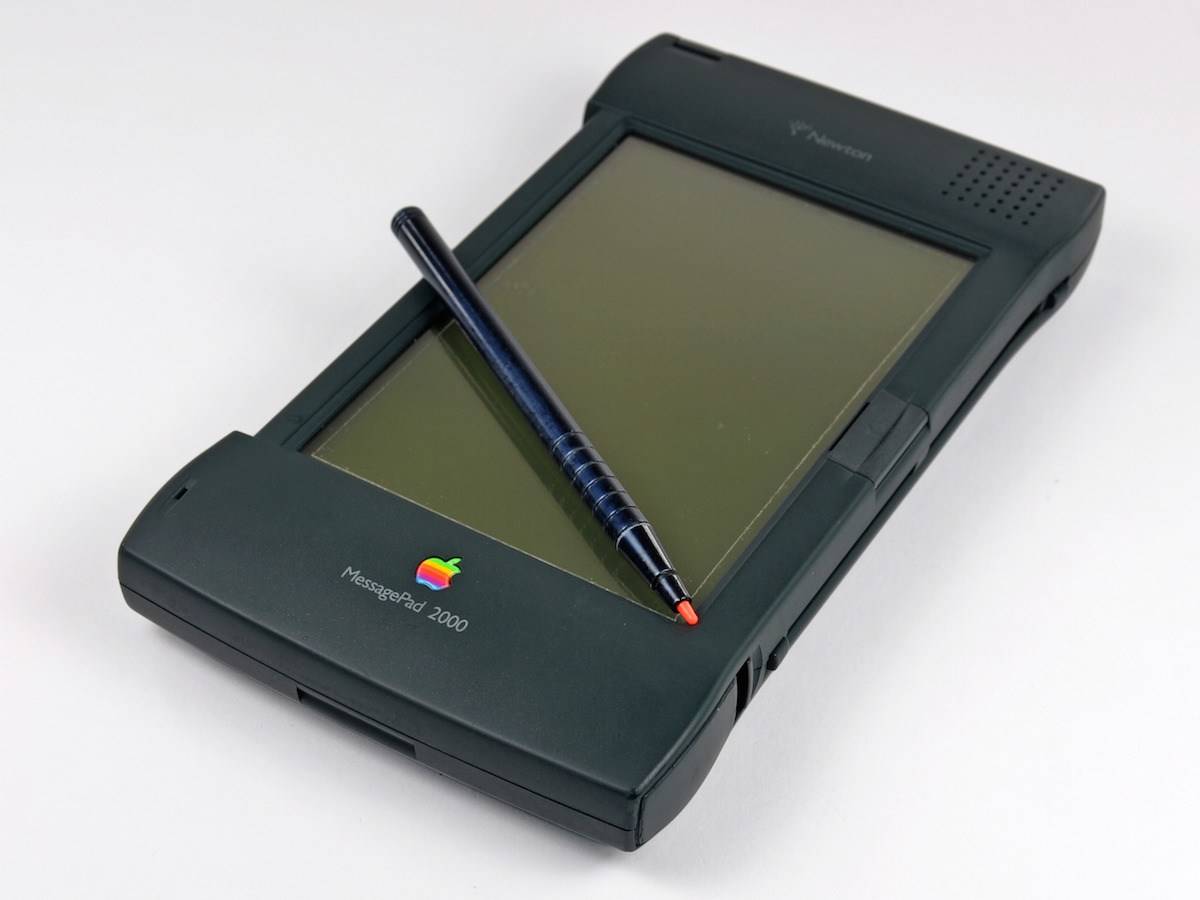
 September 4, 1997: The writing is on the wall for Apple’s Newton product line as the recently returned Steve Jobs effectively kills the Newton Inc. spinoff.
 August 30, 2010: Just two years after
  August 5, 1997: Apple gets into a standoff with Power Computing, a maker of Macintosh clones. A very public clash at the Macworld Expo in Boston marks the beginning of the end for Apple’s mid-1990s strategy of licensing the Mac operating system.