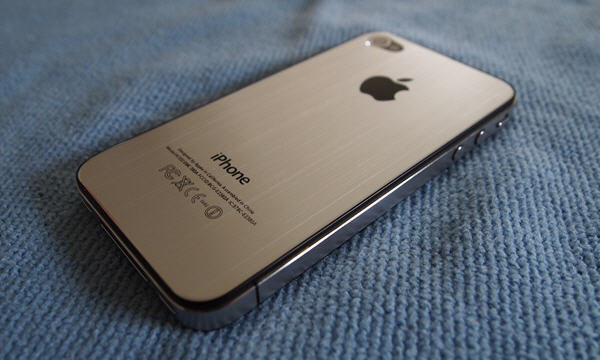
Word that Apple may not release the iPhone 5 as early as expected prompted some observers to talk of a “delay.” Naturally, Wall Street’s sensitive rumor tripwire went into action, the result the start of analysts downgrading estimates for the iPhone.
Piper Jeffries’ Peter Misek Wednesday morning shaved four percent from his fiscal year 2011 revenue projection, telling investors he expects the Cupertino, Calif. company to rake in $103 billion, rather than his previously estimated $106.9 billion. The fiscal year ends September. More dramatic is the analyst’s double-digit refiguring of iPhone shipments.
Yesterday, Apple opened up registrations for 2011’s WWDC, and within ten hours had already sold out of tickets. The more interesting rumor from yesterday, though, was that Apple would refrain from unveiling the iPhone 5 at this year’s WWDC, instead focusing entirely on software. That would mean that instead of the iPhone 5 shipping in June, as it has historically done, the iPhone 5’s launch would be pushed back until later in the year.
After the initial shock, the rumor sounds extremely likely. The report came from Jim Dalrymple over at The Loop, whose sources are solid. Moreover, the early year launch of the Verizon iPhone and Apple’s continued delay in shipping the white iPhone 4 (while repeatedly promising it’s still coming) all imply that Apple’s not planning the iPhone 5 in June, but will push it until later in the year, to debut before the holiday shopping season.
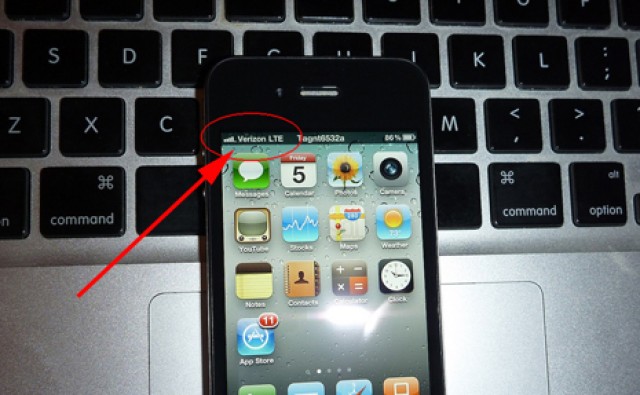
Over at Slashgear, Chris Davies brings up one interesting point: a late 2011 debut might give Apple more flexibility in making the iPhone 5 4G compatible. Qualcomm’s next LTE chipsets are due out at that point, and will allegedly boast improved power efficiency… the very issue that led Apple to leave LTE support out of the Verizon iPhone earlier this year.
If Apple does delay the iPhone 5 until later in the year, it’s all the more likely we’ll see a sizable update boasting 4G capability. For Verizon users, that means LTE; unfortunately, on AT&T, their HSPA+ “4G” smartphones are actually throttled to be slower than their regular 3G phones. If the iPhone does go 4G later this year, the Verizon iPhone 5 is going to be the clear winner: AT&T’s 4G network is a disgrace, and it doesn’t look like it’s going to get substantially better anytime soon.
What can we expect when Apple previews iOS 5 at this year’s WWDC starting on June 6th? More robust integration with MobileMe’s forthcoming digital locker feature, that’s for sure, but what else?
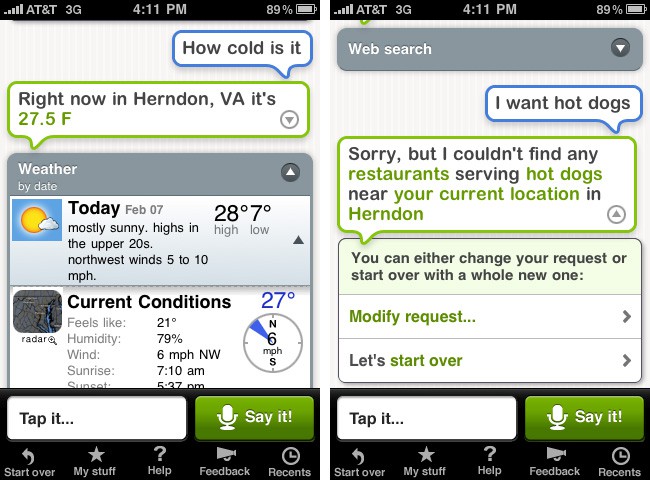
For a hint, look at Cupertino’s acquisitions over the last year, says TechCrunch’s MG Siegler. He points to Apple’s 2010 acquisition of Siri, a startup branding its services as those of a virtual personal assistant.
Siri released a cool iPhone app that allowed you to ask your phone real world questions and have it cough up and map answers to you. For example, ask “Where is the nearest Starbucks?” and Siri would draw you a map, complete with walking instructions, as well as allow you to call them with just the click of a button. Ask “What’s playing at the local drive-in?” might pull up showtimes.
Very swift stuff, and now it’s being reported that Apple has deep baked Siri functionality right into iOS 5. That’s always been the rumor, but the idea of iOS doing this sort of stuff natively is just so sweet it’s liable to make one a little nauseous if they think too long on it.
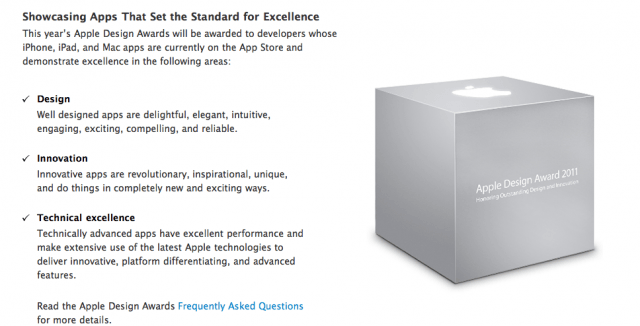
Apple just announced the official dates of this year’s WWDC expo, and as rumored, they are June 6th and June 8th. Accompanying the announcement, Apple has posted a teaser page for their annual Apple Designer Awards, which seek to recognize “apps that demonstrate technical excellence, innovation and outstanding design.”
The good news here is that, unlike last year, Apple will be giving out awards to both iOS and OS X developers. This is a relief, since only iOS developers were recognized last year, with Steve Jobs mysteriously saying that this was just “the normal cycle of things.”
The bad news? If your software isn’t on the App Store, Apple’s not going to bother recognizing your software, no matter how excellent. With the iOS App Store, that’s a non-issue, but considering the fact that the majority of Mac software isn’t on the Mac App Store yet, it prevents developers with a choice: either give Apple a 30% cut of all of your software sales or don’t qualify for an award. That’s sure to cause controversy.
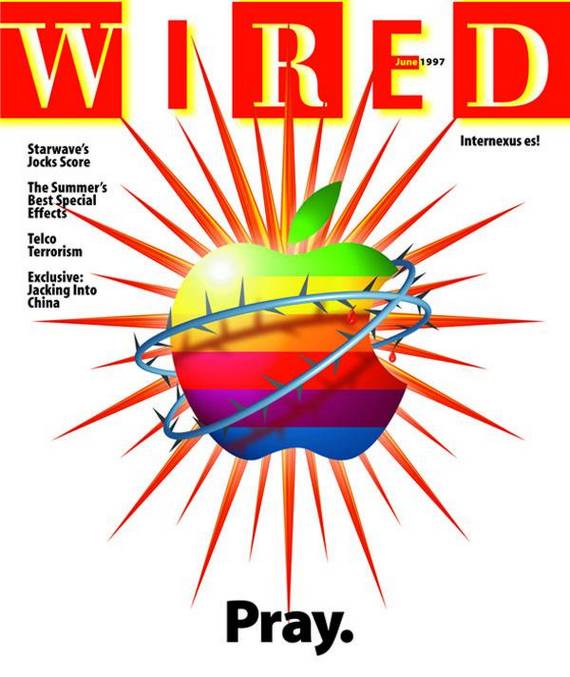
Wired's June 1997 cover. Apple was in deep trouble at the time. The article numbers "101 way to save Apple"
In 1997, Apple was in deep financial trouble. Wired published a now-famous cover story: “101 Ways to Save Apple.”
Some of the advice was prescient, some was silly, but it was a fascinating list of suggestions. And what actually happened between now and then is even more interesting.
Here, for the first time, is a really detailed followup to each and every one of Wired‘s 101 suggestions.
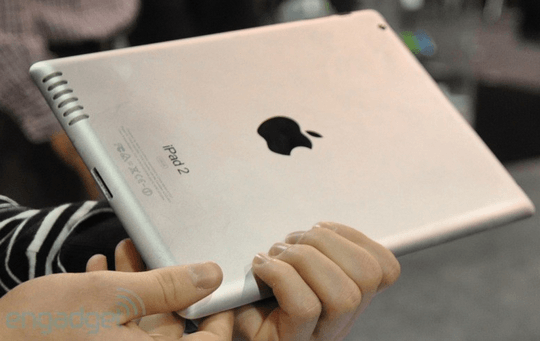
There’s a flurry of conflicting reports today on when the next iPad will debut – we have heard that the next iteration of the magical device will be unveiled in March or June at the WWDC.
Make your guess in the comments, along with the reason you think why Apple would choose that date.
Five correct answers, randomly chosen (though we admit some bias for the funny ones), will win promo codes for cool iPhone or iPad apps.
Apple has finally released the Gold Master version of Xcode 4 after releasing it earlier today and then pulling it suddenly reverting back to the sixth beta preview that was previously released. Why this happened isn’t known and I don’t expect Apple to explain it.
However, now it is back and I highly recommend it. I have to say it is a welcome addition to my developer tools since the crazy multi-window interface of Xcode 3 wasn’t something I liked using.
Xcode 4 introduces a fully updated integrated design environment for Mac and iOS developers — the type of environment I’m more comfortable in. It offers a lot of really nice new tools that were first introduced at last years WWDC.
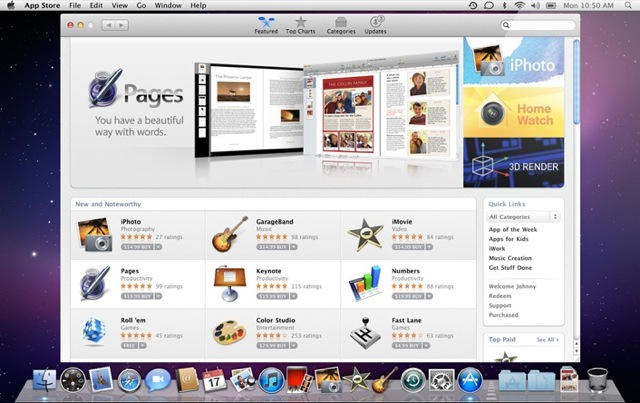
Yesterday we posted some first impressions of the Mac App Store by a list of some of the finest software developers around. Overnight we’ve had more responses from more superb developers, so here for your reading pleasure are their initial thoughts about the Store and what it means for their business.
Overall the mood is positive, but uncertain. There are still many questions to be answered. Almost all the devs we’ve spoken to are keen to get started, but not quite sure yet how they’re going to make it all come together.
(And to all the developers who took part, providing comment for this post and yesterday’s, Cult of Mac would like to say a big, big thank you. You people rock.)
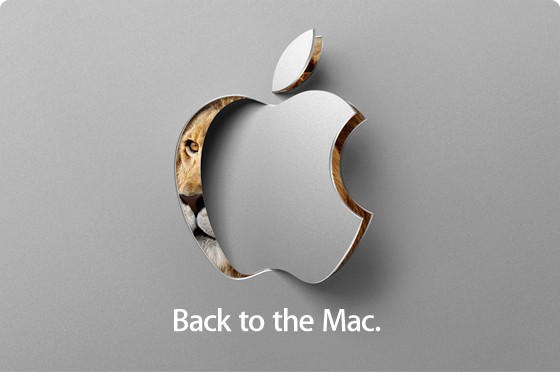
Apple is sending out invites to a special media event on October 20 to discuss the next version of OS X. Although the invite doesn’t expressly say so, the event must be about 10.7. “Back to the Mac,” the invite says, showing a lion peeking out of the Apple logo.
Surprising right? We thought it was all about iOS in Cupertino these days. But apparently the good old Mac is still alive and kicking and Steve Jobs hasn’t forgotten about it.
It won’t be the first time Apple has given a sneak peek of its operating system long before it shipped. In 2008, Apple previewed Snow Leopard at WWDC about a year before it was released.
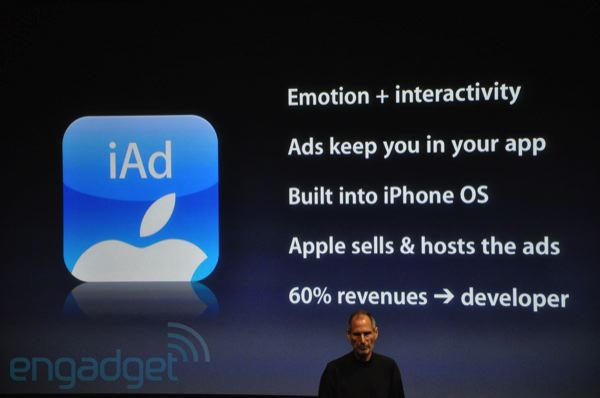
Although Apple’s mobile advertising platform iAd debuted in June with 0 percent of the market, the interactive ads found in apps for the iOS platform may soon have 21 percent marketshare, tied with Google’s mobile efforts. Apple’s gains are coming at the expense of Google and other more well-established online advertisers, suggests a new report.
According to IDC estimates published by Bloomberg Businessweek, Google’s share of mobile advertising will fall to 21 percent in December, down from 27 percent in December 2009. Yahoo will also take a hit, dropping to 9 percent, down from 12 percent. (Yahoo CEO Carol Bartz recently predicted Apple’s advertising platform would ‘fall apart.) Likewise, Microsoft’s market numbers will be trimmed to 7 percent, down from 10 percent. As for Nokia, its mobile ad share almost disappears from the radar screen to 2 percent.