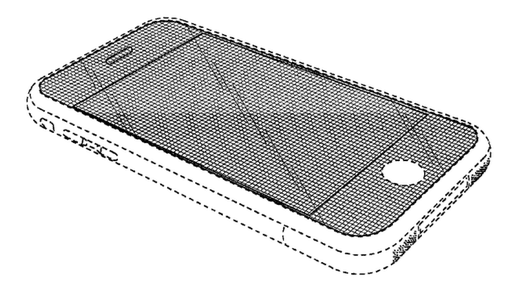
Did iPhones change the way Samsung handsets looked? Yes. Case closed. Oh wait, there are lawyers involved... Photo: Apple/USPTO
One of Apple’s key iPhone patents has been given a non-final rejection in the still-dragging-on Apple vs. Samsung lawsuit.
The reason? According to a new report, it should never have been granted in the first place, due to an issue with prior art and apparent “obviousness.”
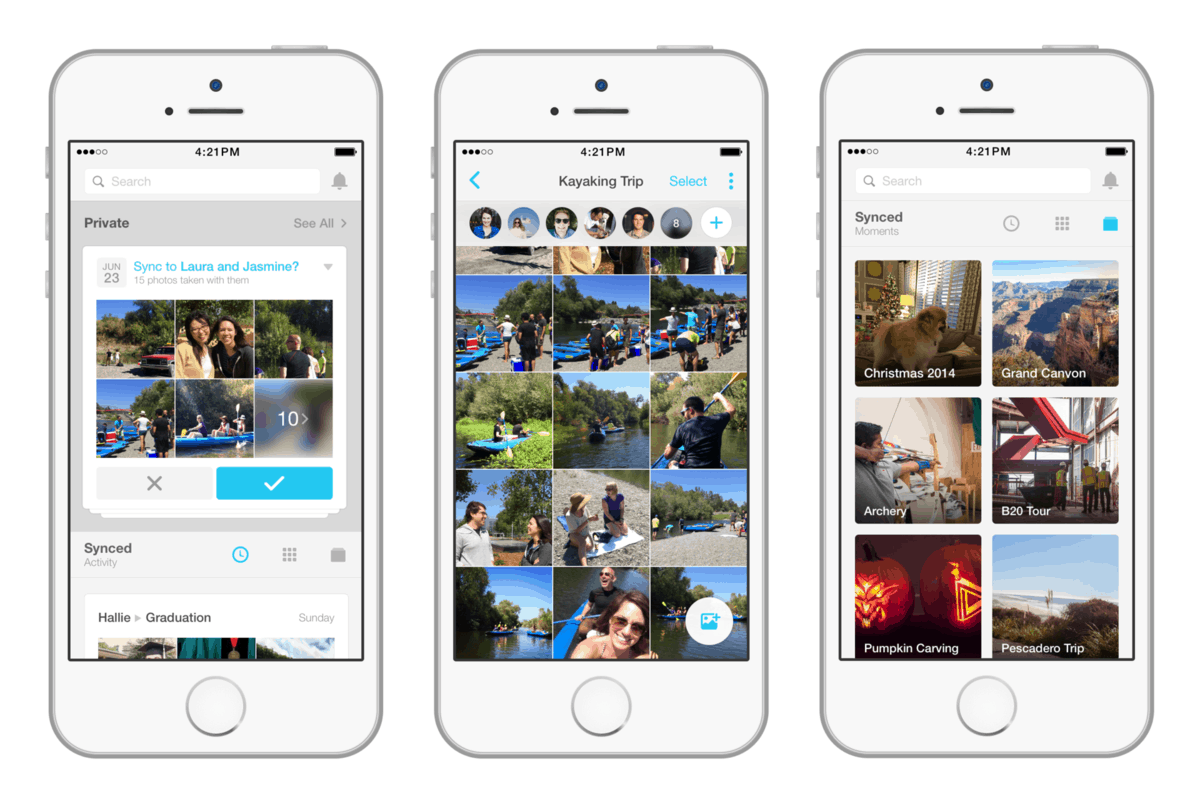
An Apple patent application describes a way of identifying people in digital images using face-recognition technology and then making it easy to send copies of the image to everyone in it.
The concept is highly reminiscent of Facebook’s Moments app, which identifies people and places in images and then allows users to easily share with friends, without having to post the pictures to Facebook.
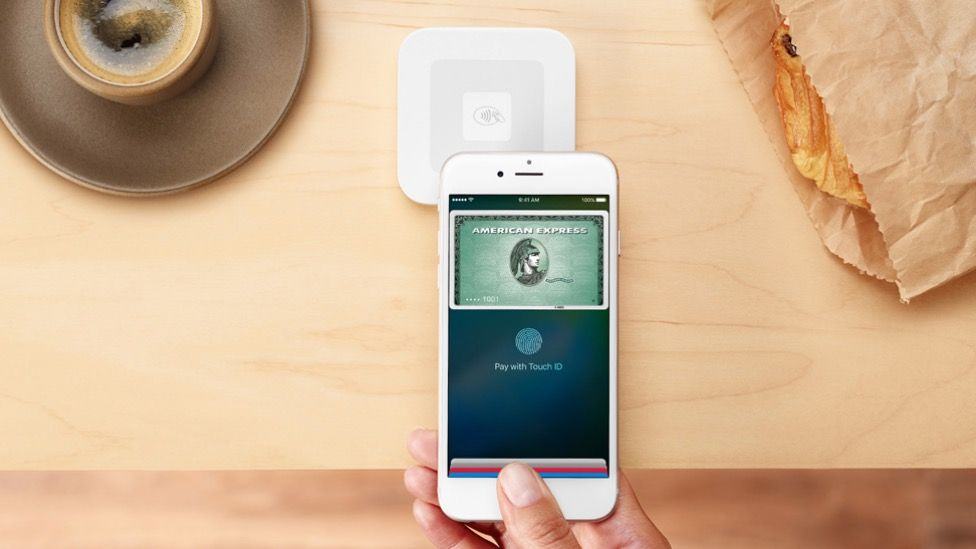
Apple wants to tap into your bank account for ads. Photo: Square
Tim Cook has been adamant that Apple is not in the business of collecting your data, but that doesn’t mean the company isn’t brainstorming ways it could make some extra money by skimming key bits of personal info off your iPhone — like how much money you’ve got in the bank.
In fact, Apple has devised a way to display targeted ads on users’ devices based on what they can actually afford to purchase.
A whopping 9 out of 10 patent lawsuits filed against tech companies in the first half of 2015 were brought by NPEs (non-practicing enterprises, a.k.a patent trolls), a new report reveals.
Thanks to its status as the world’s most valuable company, Apple was the number one target of these attempted lawsuits — with the Eastern District of Texas being the favored location for patent trials on account of their tendency to side with trolls and award large sums of damages.
In a blow against patent trolls everywhere, a federal judge has thrown out a $532.9 million damages award against Apple, saying that the jury in the case may have had a “skewed damages horizon.”
The case relates to a trial which took place earlier this year, in which a Texas court awarded the company Smartflash a little over half of the $852 million it had asked for, after Apple allegedly infringed on its intellectual property with iTunes features related to data storage and managing access through payment systems.
Touch ID could be a big part of Apple's supposed personal payment plan. Photo: Apple
In a few years, “Sorry, I don’t have any cash on me” may no longer be a good enough excuse to give that chronically money-strapped friend when they come around asking to borrow a few bucks.
That’s because a newly released Apple patent suggests that the iPhone maker may be getting into the person-to-person payment game in future versions of its hardware.
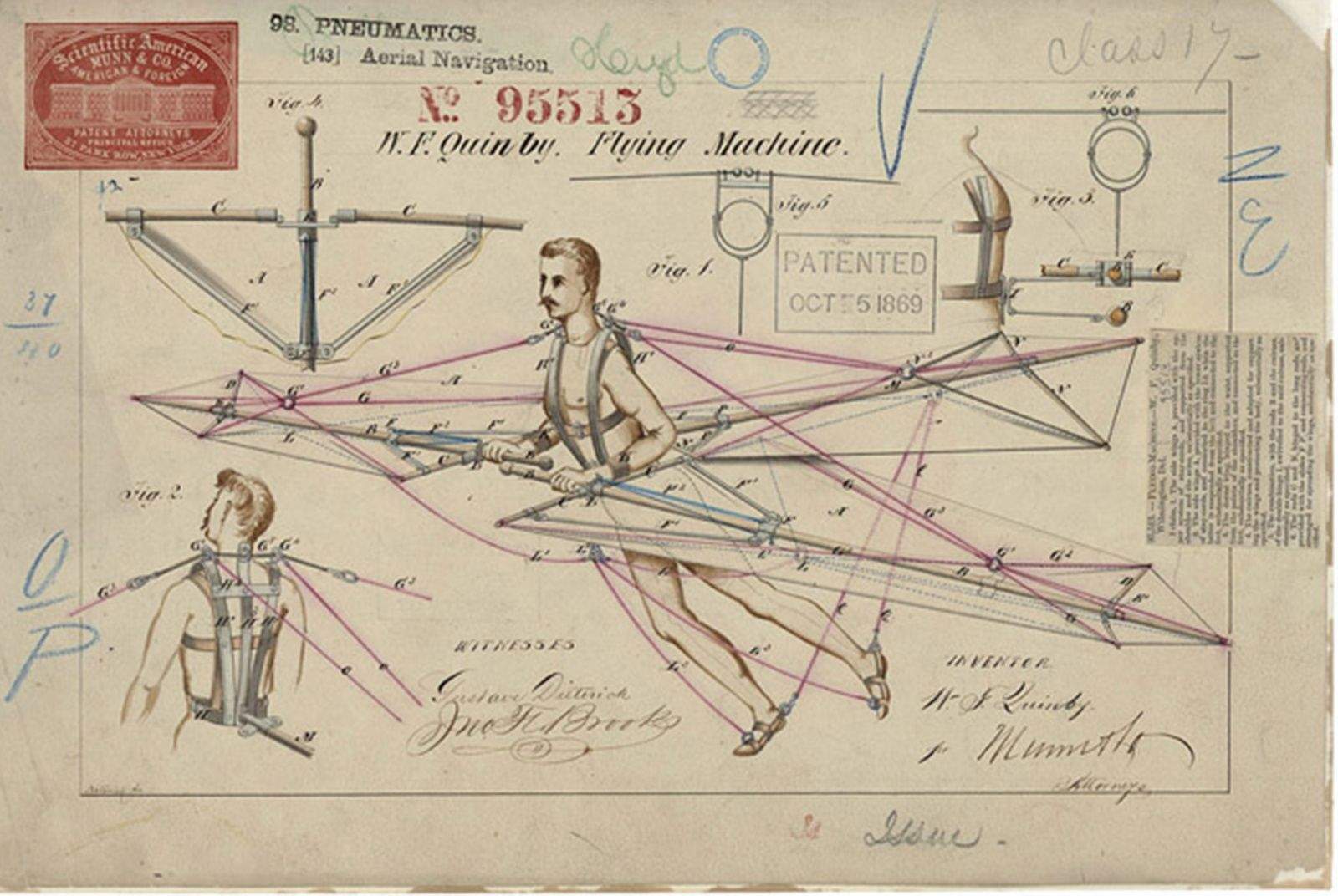
A flying machine from the 1860s drawn with shading, colors and detail not seen in today's patent illustrations. Photo: U.S. Patent and Trademark Office
The illustration that accompanies a patent application is a first glimpse inside the head of the inventor. Finally, an idea becomes a possibility, and even if an invention later proves to be impractical or an outright failure, the drawing serves as a tangible record of humanity’s quest to solve problems and move forward.
But the modern day patent sketches are stark chicken scratches compared to the intricately detailed, da Vinciesque artworks that once accompanied applications to the United States Patent & Trade Office, which first opened in 1790.
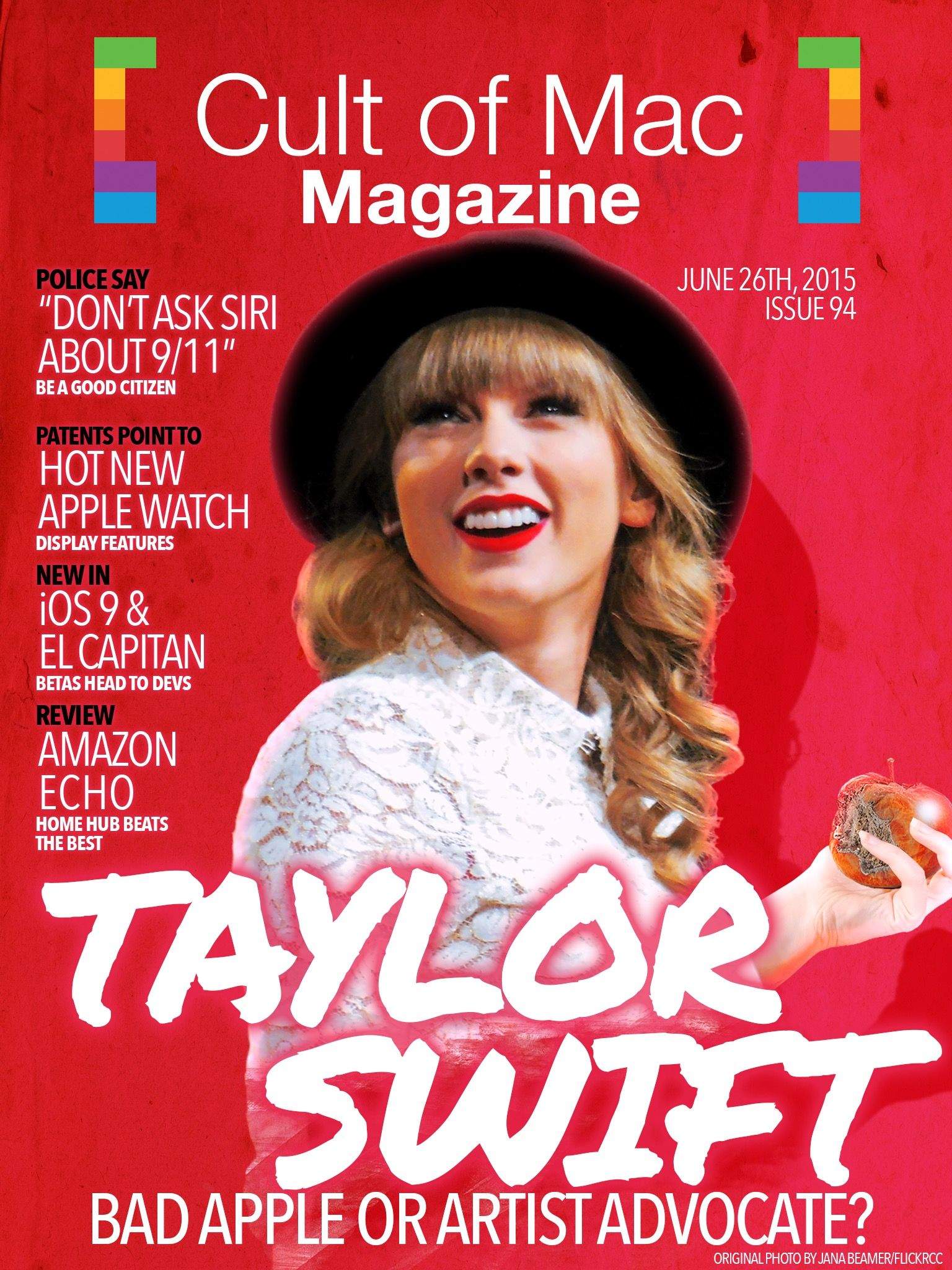
Taylor powers into Apple like no one else. Cover: Stephen Smith
Another week flying by here at Cult of Mac headquarters, and we’ve got a ton of great stories to share with you in the latest issue of Cult of Mac Magazine.
Taylor Swift made waves with her calling out the Cupertino company’s plans to not pay artists for music streamed during upcoming Apple Music free trial period, and we’ve got all the details within. Plus, we take a look at Amazon’s new home hub, the Echo, spend some time trawling the patent office for new Apple gear coming our way, and take a quick tour of the latest iOS 9 and OS X El Capitan betas for developers.
All that and more in this week’s Cult of Mac Magazine. Be sure to download and subscribe to check it all out on your iPhone, iPad, or iPod touch.
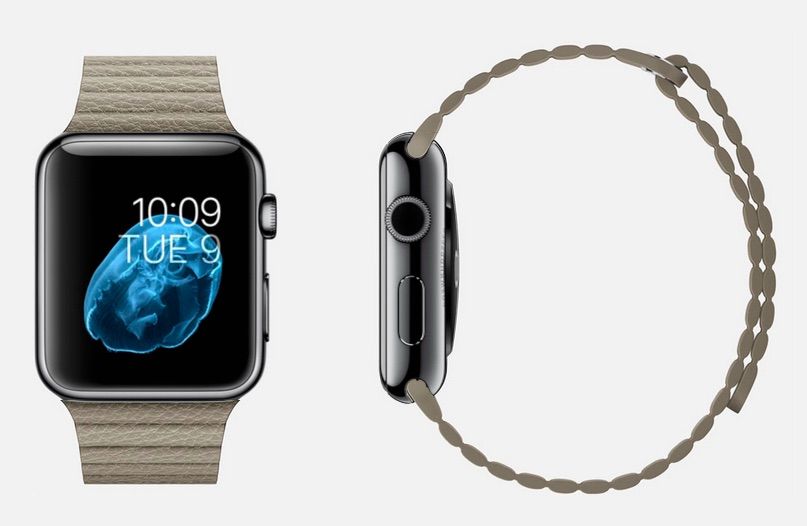
Your Apple Watch band contains some cutting-edge fabrication technology that could extend into other fashion accessories, according to a patent filing released today.
The patent describes an ingenious method for molding “woven fibers” into any desired shape and securing them without stitching.
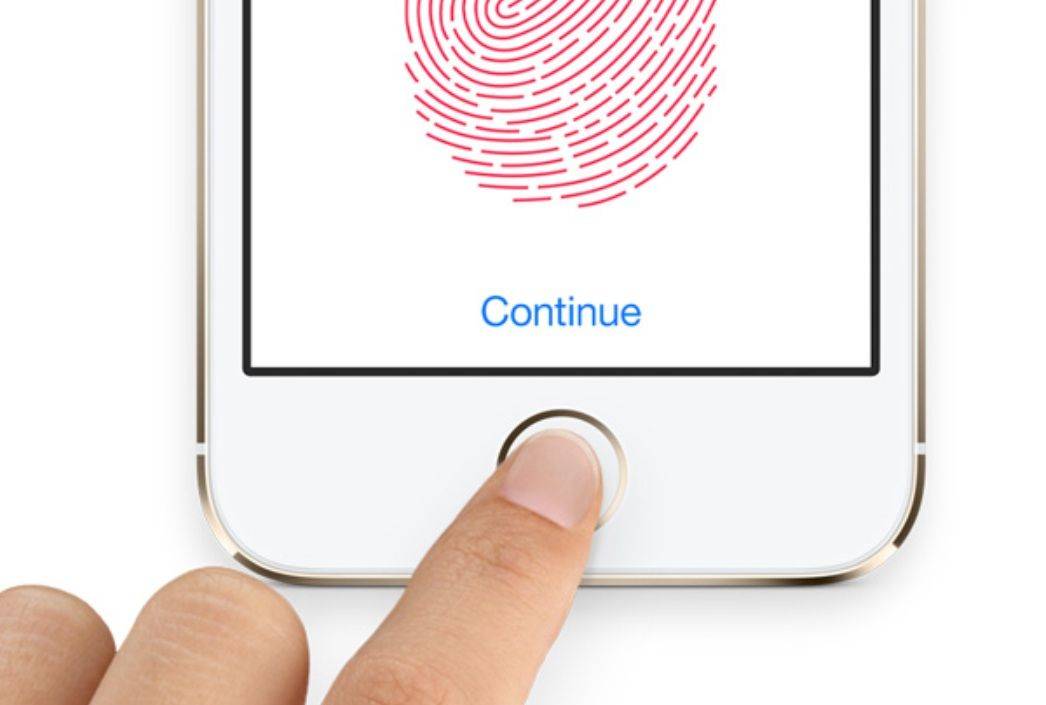
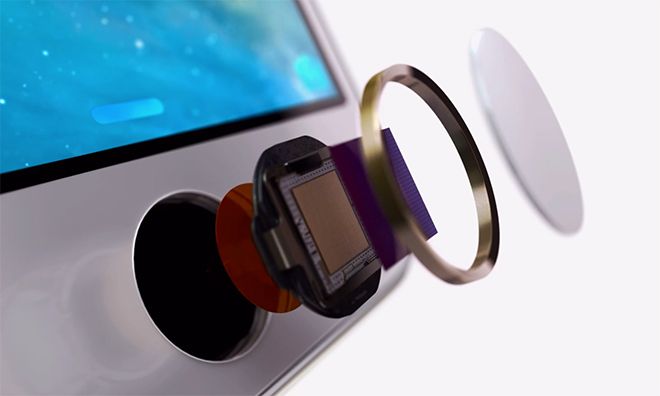
Touch ID as you know it could be about to change. Photo: Apple
Recent reports claim that Apple is looking to eliminate the need for a physical “home” button on future iPhones by integrating Touch ID fingerprint sensors into the main display. Now we have the patent application to prove it!
Published Thursday, Cult of Mac got its hands on a patent application entitled “Fingerprint Biometric Sensor Including Drive Signal Level Updating,” which reveals how Apple has been exploring processing circuitry capable of acquiring fingerprint data by using special “sensing pixels” within screens.