Mobile menu toggle

Search results for: patent

Steve Jobs Loves Noah Wyle in Pirates of Silicon Valley

By

noahwyle

Steve Jobs isn’t the kind of guy who likes it when smartass no-goodniks pretend to be him. Take it from me, a man who once spent the better part of six months in traction after donning a turtleneck and trying to bluster my way past security at Apple’s Corporate HQ by loudly squealing “My name is Steve Jobs!” in my best Truman Capote voice.

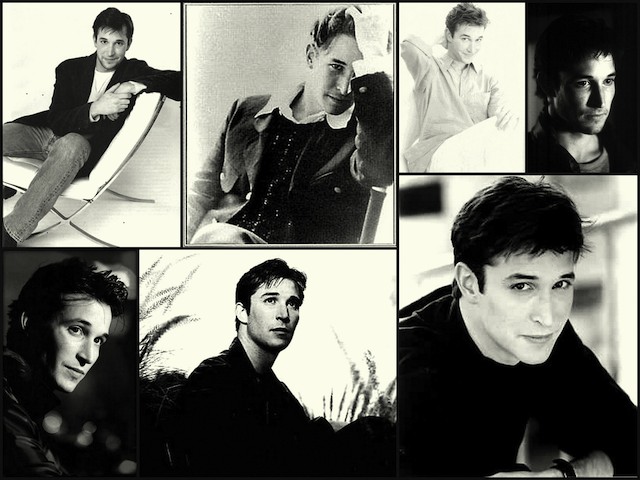
There’s at least one man out there, though, who has pretended to be Steve Jobs and not found his teeth grinning out of the opposite orifice. That man is Noah Wyle, aka that dreamy Dr. Carter from E.R., who played Steve Jobs in the famous 1999 biopic Pirates of SIlicon Valley.

So says Paul Allen, at least. He’s the co-founder of Microsoft, a notorious patent troll and the author of the new biography Idea Man. He says that Noah Wyle portrayed Jobs as a “mean-spirited jerk.” Far from being offended, Jobs seemingly approved, saying that Wyle did “a fantastic job.” Or should we say… fantastic Jobs. Groan, cymbal crash, sound of rotten tomatoes pummeling human flesh.

The Real Reason Apple Is Suing Samsung

By

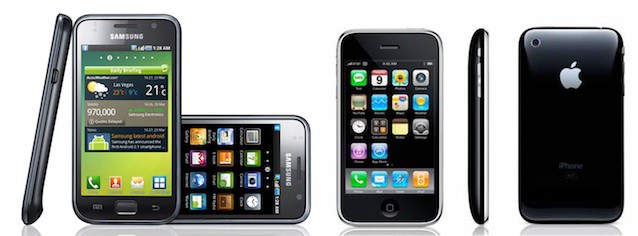
Apple says Samsung's phones and tablets, like the Galaxy S above, rip off its designs.

The blogosphere is seething today with theories about why Apple is suing Samsung, one of its key suppliers and partners.

It’s been suggested that Apple has little interest and chance of winning a “look and feel” lawsuit, otherwise known as “trade dress.” It’s a tactical move, a way to win concessions from either Samsung or Google. Silicon Alley Insider, for example, says it’s to force Google to charge hardware makers for Android, which is currently free.

But the real reason is this: Apple is pissed off with getting ripped off. And it has a good chance of winning, because it has won several trade dress lawsuits before.

Carbon Fiber iPods Will Bring Wi-Fi Syncing [Exclusive]

By

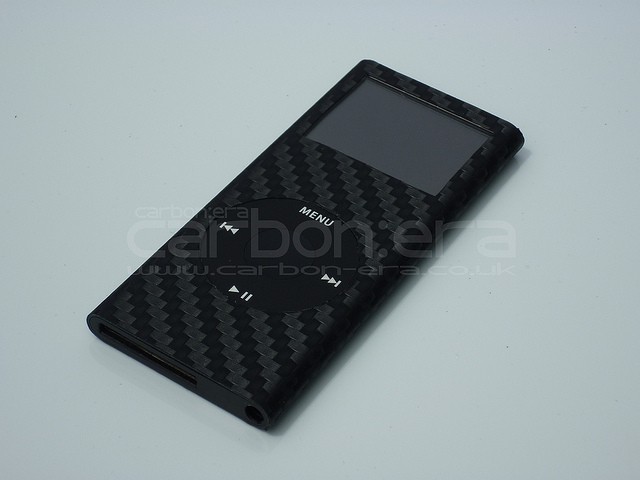
Apple is prototyping iPods with carbon-fiber cases, like this wrap from Carbon:Era. www.carbon-era.co.uk

Steve Jobs is keen to bring wireless syncing to iPods this year, and carbon fiber may be the key.

Following the news that Apple has just hired a leading carbon fiber expert, we can reveal that the company has been testing Wi-Fi syncing in iPods for the past two years.

Getting large libraries of music and movies to synchronize wirelessly over WiFi hasn’t been easy, according to a source close to the company who asked to remain anonymous. But Steve Jobs himself sees it as key to updating the aging devices, which are becoming increasingly obsolete in the iPhone/iPad era.

“Jobs is pushing hard to get WiFi syncing into the next-generation of iPods,” says our source.

New Apple Hiring Indicates Shift from Aluminum to Carbon Fiber for Future Devices

By

Image courtesy of 9to5 Mac

The hiring of a Senior Composites Engineer at Apple has fuelled more speculation that the company could move away from aluminum for building future devices, choosing to use carbon fiber instead. Kevin Kenny began work at the Cupertino campus this month after spending 14 years building carbon fiber bicycles for Kestral Bicycles, where he was the President and CEO.

This isn’t the first time Kenny has worked with Apple; a patent called “Reinforced Device Housing” filed by the company in 2009 had Kenny’s name on it, and depicted an outer casing for electronic devices made from ultra-strong carbon fiber. The patent reveals Kenny was clearly working with Apple for a long time before he became a full-time employee.

Apple Is Thinking Very Seriously Of Interactive, Light-Up Smart Bezels In Future iPhones

By

6a0120a5580826970c014e874ddb65970d-800wi

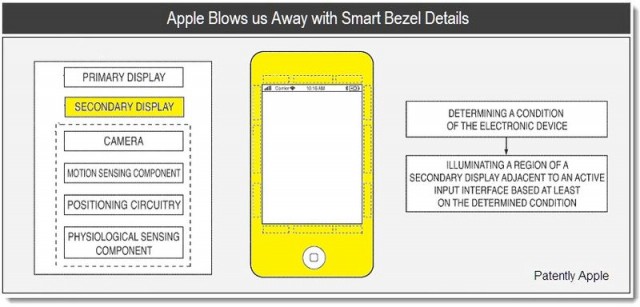
Apple has been rumored to be working on smart bezels for its iOS device series for a long time. The idea is to make all of that empty black space actually do something by imbuing the bezel with all of the touch sensitivity of the display itself. The problem, of course, is how to convey to a user that they’ve just interacted with something in the bezel, as well as avoid accidental triggers.

An exciting new patent shows us exactly what Apple has in mind: bezel’s imbued not just with touch functionality but with an underlying electroluminescent display that would allow the bezel itself to light up with words and icons when needed.

How Apple Made the World Safe for the Future of Keyboards

By

IronMan_Keyboard

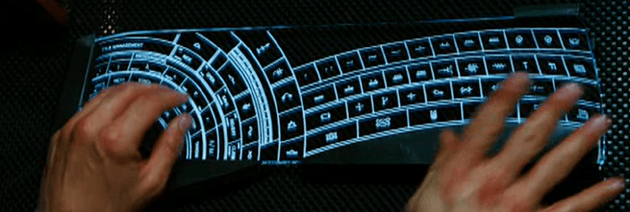
It’s hard to recall now, but the number-one complaint about the iPhone when it first came out was the on-screen keyboard.

Engadget’s Ryan Block asked: “Will the iPhone be undone by its keyboard?” People talked about how on-screen typing would destroy the iPhone in the same way that the hand-writing recognition system helped kill the Newton.

Even more incredibly, one of the main iPad criticisms when it first came out was the visibility of finger smudges on the screen when you turn the power off.

These concerns seem quaint now, textbook examples of the limited human-ape mind trying to grapple with novelty. It’s like people complaining about their new “motor car” a hundred years ago by saying the infernal contraption fails to slow down when they say, “whoa, Nellie!” and won’t speed up when they whip the fender with a riding crop. “It’ll never catch on!”

Many annoying tech pundits (including and especially Yours Truly) bitched and moaned about Apple’s global ban on the sale of third-party physical keyboard and refusal to create one of their own.

I believe Apple deliberately used its red-hot iPhone product to force the world to accept and learn to appreciate on-screen keyboards, and break them of their physical keyboard habit. When Apple released the iPad a year ago, it was usable with two Apple keyboards (the standard Bluetooth keyboard and a new cradle keyboard). But no matter. The on-screen keyboard idea had already been accepted by a critical mass of users.

Despite widespread acceptance, people are still divided on whether on-screen keyboards are good or bad, and most still prefer a physical keyboard. But let’s look at the big picture.

Nokia Targets Apple iPhone, iPad in Second ITC Complaint

By

Lawsuit

Just days after Finnish cell phone giant Nokia was rebuffed by the U.S. International Trade Commission, the Finnish company is back with another patent-infringement complaint against Apple. Tuesday Nokia filed suit charging the Cupertino, Calif.’s devices – including the iPad, iPhone and iPad – violated seven patents.

Although not offering specific patents, Nokia claims they cover technology used for multi-tasking, data synchronization, call quality, positioning and Bluetooth. “Our latest ITC filing means we now have 46 Nokia patents in suit against Apple, many filed more than 10 years before Apple made its first iPhone,” charges Nokia’s Paul Melin, vice president of intellectual property.

French Company Wants To Work With Gorilla Glass To Solar Panel Future iPhones

By

patentlyapple-e1275480649189

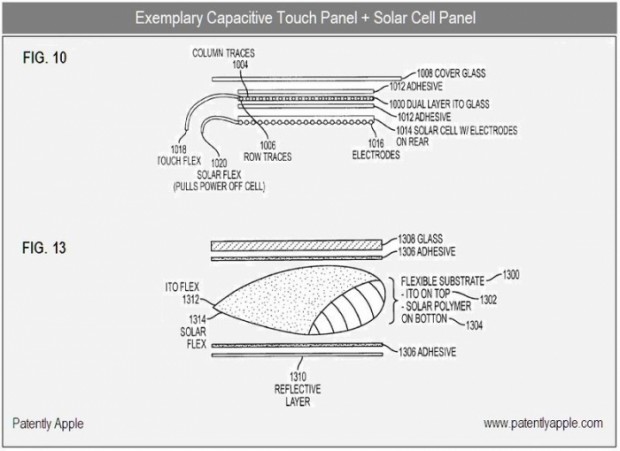
Right now, if your iPhone runs out of juice, your only option is to slap in a third-party battery pack or rush to the nearest USB outlet. In the future, though, you might be able to just lay it out in the sun to soak up some rays, thanks to a prototype solar panel that is completely transparent and thin enough to work with touchscreens.n

The solar panel is made by a French company, and was spotted by Mark Spoonauer over at Laptop Magazine. The layer is only 100 microns deep, yet photosensitive enough to fully juice your iPhone after laying in the sun for just six hours. It’s makers, Wysips, wants to work with Gorilla Glass to integrate the film directly into future glass panels for handsets like the iPhone 4.

I still think it’s unlikely that Apple would ever recommend you lay your iPhone out in direct sunlight when it’s running out of juice, but Cupertino’s certainly toyed with the idea: back in June, we examined a patent for a solar-powered iPhone with invisible collection cells that seems to be forecasting the creation of just such a solar-charging touchscreen.

Apple Files Trademark For Apple Corps’ Official Logo

By

6a0120a5580826970c0147e33488ed970b-800wi (1)

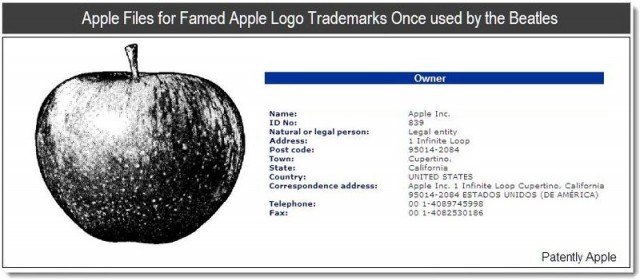
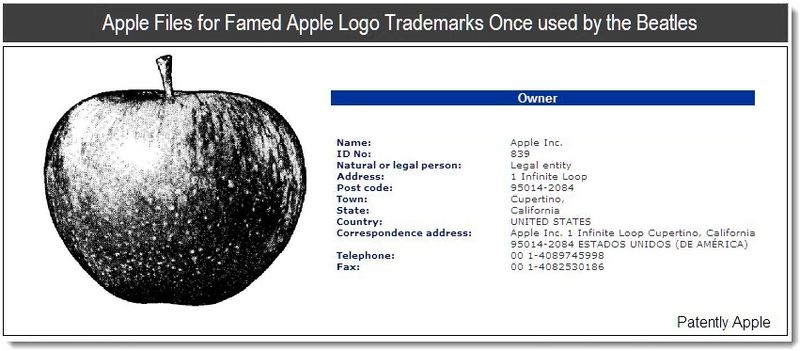
Way back in 1978, Apple Corps successfully got Apple to agree never to enter the music industry in court… a ban that Apple was obviously successful at whittling away at, slowly but surely, over the next twenty odd years. That culminated in a 2007 settlement that resulted in most of Apple Corps’ trademarks being given to Apple, Inc… a settlement that ultimately led to the release of the Beatles catalog on iTunes back in late 2010.

Curiously, though, one Apple Corps trademark that Apple never got was for Apple Corps’ distinctive and fruity logo. That’s now changed, with Apple having applied for Apple Corps’ Granny Smith apple logo with the European Treademarks Office on March 11th, 2011, covering everything from computer hardware, online social networking services, musical instruments, games, clothing, advertising and broadcasting.

In trademark disputes, gaining control over your opponent’s official logo is what is called a fatality. After twenty three years, it looks like the dispute between Apple Corps and Apple is over once and for all.

Apple Employs New Audio Jack Design To Make iPad 2 More Waterproof

By

Screen shot 2011-03-14 at 1.25.14 PM

Back in September, Apple filed a patent that would make the audio jacks in their iOS devices even smaller, using deflectable pogo pins instead of cantilever beams to extend into the jack’s cavity and conduct audio and electricity to your headphones.

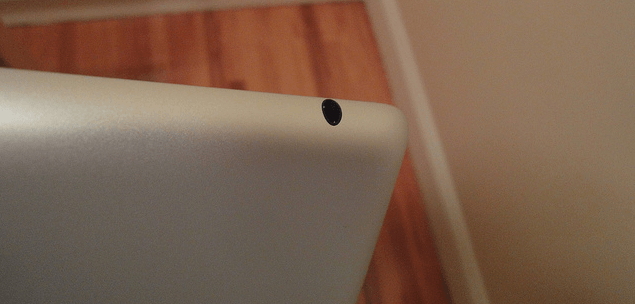
It was an interesting patent, but Apple’s patents have a tendency to never materialize. This one did, though: according to Kevin Fox of Mozilla Labs, the iPad 2 is the first Apple device to use the new pogo pin audio jack.