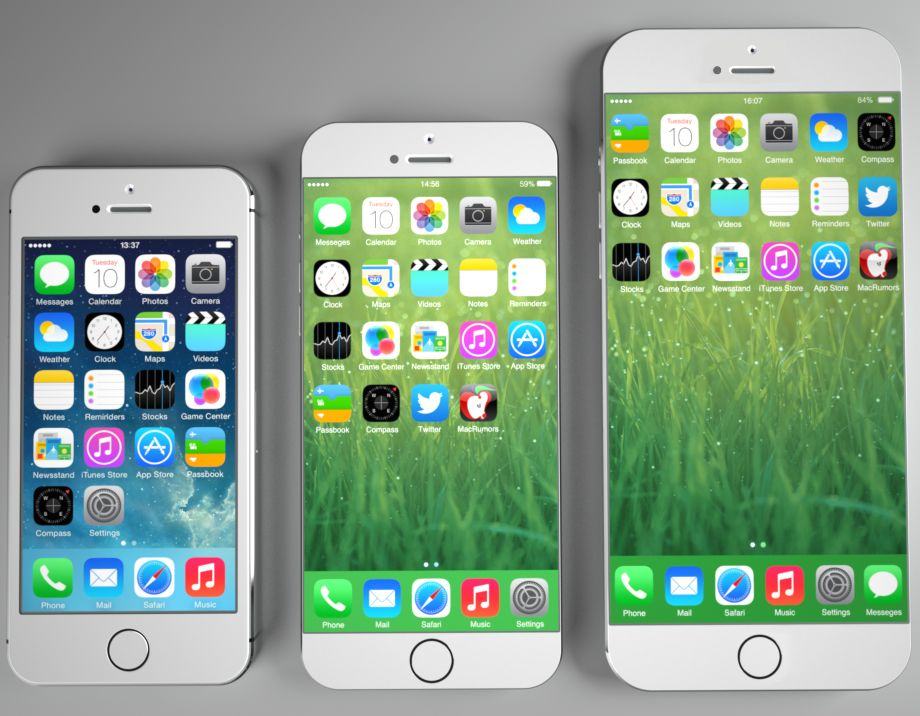
Apple is definitely making a big screen iPhone that will launch this fall, the only question is how much extra is it going to cost you?
Fanboys are notoriously willing to pay an extra Apple Tax for Macs, but some analysts are worried a bigger iPhone with bigger price tag will chase some away. Those fears will probably prove to be unrealized though according to a survey by Raymond James that claims most of Apple’s potential iPhablet customers are totally cool shelling out $100 more.
OMG y’all, it’s CultCast time. This week we bring to thee some more cool iOS 8 features you didn’t hear about at WWDC, plus we’ll tell you all about the new time-lapse video feature we’ve been playing with. Then, with rumors swirling that fall will bring us an iWatch, we have to wonder what features and price point would make us want one adorning our wrists. All that plus Apple’s marketing arm gets major renovations, and in honor of this week’s E3, we say why Nintendo absolutely needs to bring Mario to iOS to survive!
Cheerfully guffaw your way through each week’s best Apple stories! Stream or download new and past episodes of The CultCast now on your Mac or iDevice by subscribing on iTunes, or hit play below and let the uproarious good time commence.
Our thanks to Slingbox for supporting this episode! Slingbox, the best way to watch your TV anywhere, and brings your cable set-top box, satellite receiver or DVR, right to your favorite mobile device, wherever you are in the world. With no monthly fees. Check it out at Slingbox.com/cult, and get $50 off plus free shipping on a new Slingbox.
Unless you’re a retired British gangster gone to seed in the Costa del Sol, chances are that as a man you don’t wear chunky rings on a frequent basis. Nor, as a member of the less-fair sex, have I had the experience of missing a phone call or text message because my iPhone was buried somewhere at the bottom of my handbag.
I do, however, appreciate that neither of these are necessarily true for female readers of Cult of Mac — and that Ringly is therefore not necessarily a product aimed at me.
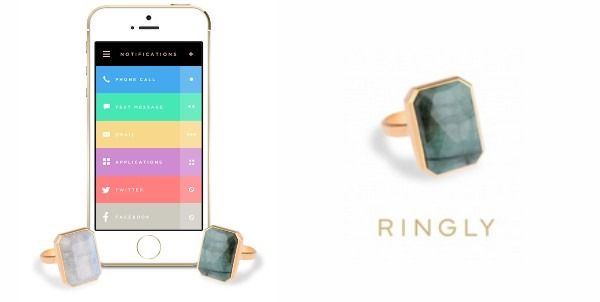
Ringly is a startup that creates smart rings offering customizable Bluetooth notifications, with different-colored LED lights and vibration patterns for different types of alerts. It’s designed to be a functional but also stylish notification system that connects to your iPhone via Bluetooth LE. Notifications can be tweaked on a user-by-user basis, so that it might be possible to have a red light signal an urgent email or phone call, while a blue light could notify you of, say, a retweet or a FarmVille notification.
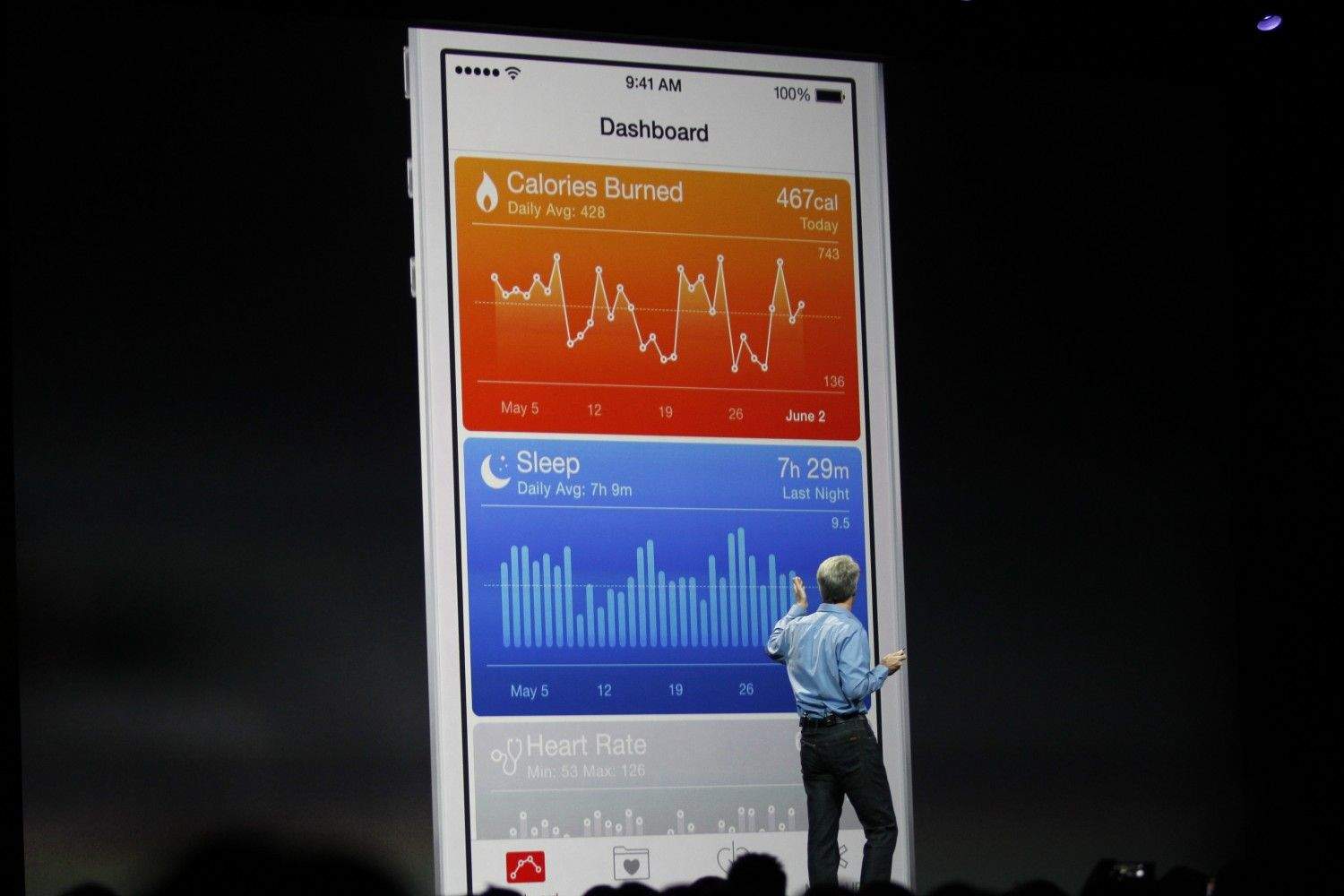
Craig Federighi showing iOS 8's Health app to the world at WWDC. (Photo: Roberto Baldwin/ The Next Web)
Apple will be working closely with the Food and Drug Administration on future products related to the health industry, according to new information provided by the government.
Now more of the details from Apple’s meeting with the FDA have been disclosed. Apple said it may have a “moral obligation” to do more with health-related sensors on mobile devices.
Don't miss a minute of WWDC now that all the sessions are online. Photo: Roberto Baldwin, The Next Web
The code was written. The world (possibly) changed. The banners are gone and Apple is nowhere to be seen at Moscone West after a marathon week of coding and partying with the top software engineers in the world.
If you weren’t lucky enough to make it to this year’s WWDC you can still enjoy all the coding education that came with the show now that all 107 video sessions have been posted on Apple’s developer site. It’s a world class coding education that rivals anything you can pay for at university.
Here are some notable session to get you primed for iOS 8 and Yosemite:
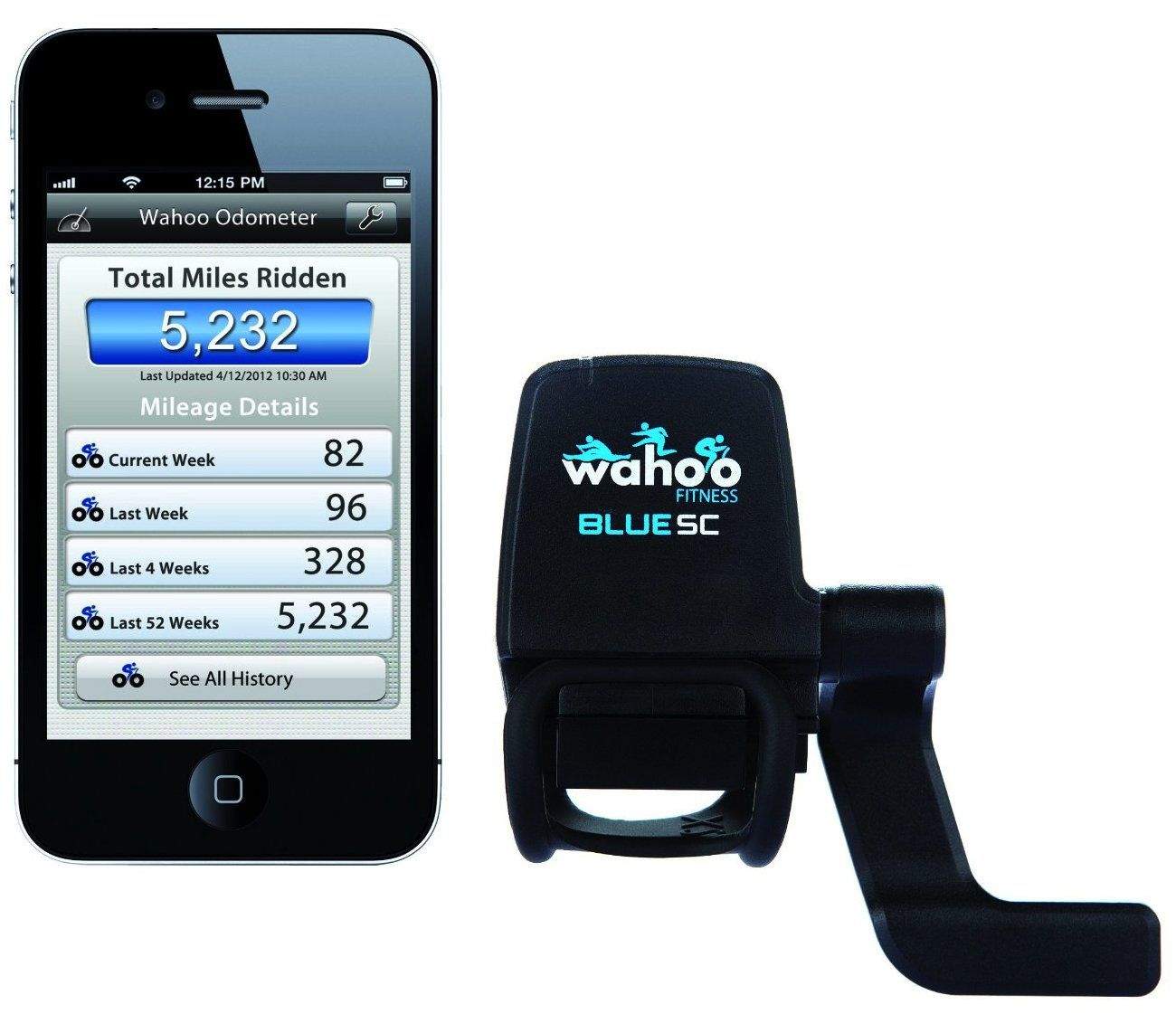
A lot of wearable wrist band fitness trackers aren’t great at measuring cycling compared to running, so if you’re putting together a regimen based on exercise that is easy to quantify, you may be tempted to put your bike away. Not so fast! The Wahoo Blue SC attaches to your bicycle and then works with your favorite cycling app to track your cycling speed, cadence, and distance on your iPhone while you ride. Even better, its internal odometer can break down the lifetime mileage ridden on your bike by week, month and even year. So get peddling.
Based on the sheer amount of biotech experts it’s been hiring, the fact that Apple has its eyes set on the health and fitness tracking sector is one for the “Cupertino’s Worst Kept Secrets” file. But after tons of speculation about the iWatch, Monday’s WWDC keynote provided a first glimpse of an actual Apple creation in this category with its upcoming Health app for iOS 8.
Then Apple dropped a brand new ad for the iPhone 5s, adding a sporty spin to the company’s current trend for showing Apple products used in real-life scenarios in its commercials. If you’re anything like us, it makes you think two things. Firstly, that Apple will revolutionize the health tracking field like it did the personal computer, music player, smartphone and tablet market. Secondly, that we need to hurry up and drop the flab for summer.
With that in mind, here are our picks for the best iOS-compatible fitness devices currently on the market — including the skinny on specific gadgets from the latest iPhone ad (which, incidentally, had fitness-tracking watches conspicuous by their absence.)
Let us know in the comments what tracking gear you’re using and what you hope Apple will provide next.
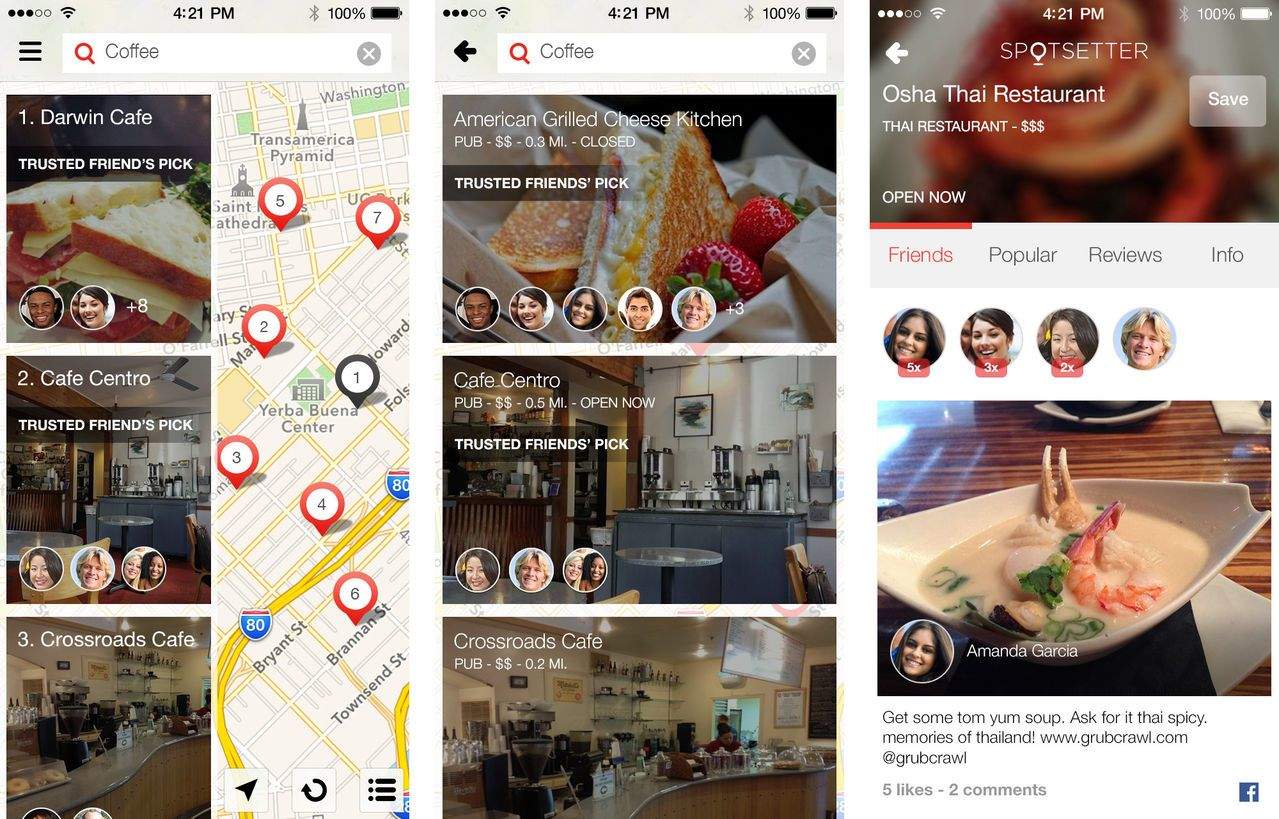
Apple could be looking to make the Maps app more of a social experience. TechCrunch reports that Apple has bought Spotsetter, a service that let users search for places based on recommendations from friends.
Spotsetter worked kind of like Foursquare, expect that it pulled from a host of other social networks, including Twitter and Facebook. The startup allegedly had big plans for wearables as well, which could bode well for an imminent iWatch.
Craig Federighi stalks the stage at WWDC 2014. Photo: Roberto Baldwin/The Next Web
Monday’s fantastic WWDC keynote was the most significant product introduction since Steve Jobs unveiled the original iPad in 2010. But this time, the revolutionary product wasn’t hardware — it was software.
The surprisingly well-executed event demonstrated two things:
1. Steve Jobs’ greatest product wasn’t the iPad or the Macintosh, but Apple itself. He created a company that can very clearly innovate without him.
2. Although there was no new hardware (for now), Apple’s trajectory is clear: It’s getting into some very big things.
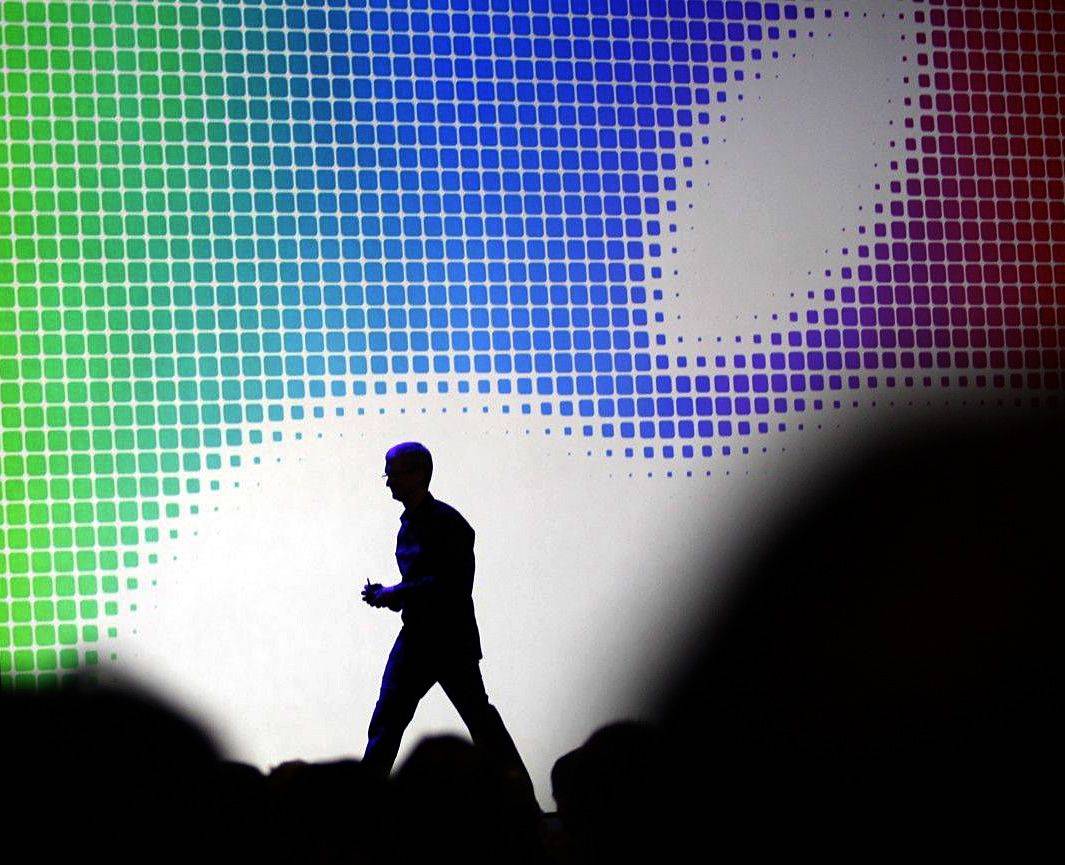
Tim Cook leaves the stage at the end of the 2014 WWDC keynote. Photo: Roberto Baldwin/The Next Web Photo: Roberto Baldwin/The Next Web
Instead of dropping a smartwatch or some other hardware bombshell at WWDC 2014, Apple showcased the futuristic tools it will use to extend its rapidly growing empire.
“Apple engineers platforms, devices and services together,” said Apple CEO Tim Cook as he wrapped up the Worldwide Developers Conference keynote Monday in San Francisco. “We do this so we can create a seamless experience for our users that is unparalleled in the industry. This is something only Apple can do.”
Casual observers (and stock analysts) might fret that there was no big wearables reveal, no amazing new Apple TV, not even a spec boost for an existing device during the highly anticipated WWDC kickoff. Yet while there were was absolutely no talk of new hardware, Apple offered an exciting peek at where the world is headed next with iOS 8 and OS X Yosemite, both of which are available to developers now and will be released to the public this fall.
“We’re always future-focused,” said Cook, who shared presenting duties with Craig Federighi, Apple’s senior vice president of software engineering, and others. Here’s a look at the shiny, translucent, interconnected future Apple is focusing on.
For those of us who will be giddily watching WWDC from the comfort of our own homes (read: those who weren’t lucky enough to get golden tickets), Apple has added its promised WWDC channel to Apple TV for viewing the live stream of the conference’s keynote later today.
The keynote can additionally be streamed from Apple’s website by way of Safari on OS X or iOS, or QuickTime 7 on Windows.