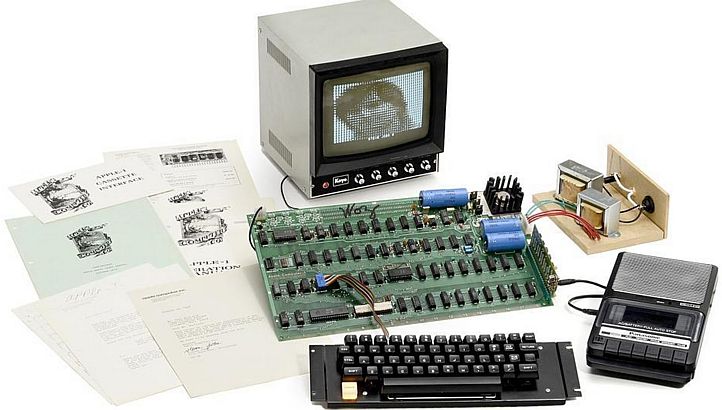
The Apple-1 in all its glory! Photo: Auction Team Breker
April 11, 1976: Apple releases its first computer, the Apple-1.
Designed and hand-built by Steve Wozniak, the computers are sold wholesale by “Steven” Jobs. To finance their manufacturing, Wozniak sells his HP-65 calculator for $500, while Jobs sells his Volkswagen van.
Mac clones did not pan out for Power Computing. Photo: Antnik
January 31, 1998: Mac clone-maker Power Computing goes out of business, having auctioned off its office supplies and computers.
Apple bought out Power Computing, once the fastest-growing PC company of the decade, the previous year. As a result, Power Computing shareholders receive Apple stock as a replacement. As it turns out, that may not have been a terrible deal.
Apple lays out the strengths of the revolutionary Macintosh 128K. Photo: Apple
January 24, 1984: Apple ships its first Mac, the mighty Macintosh 128K.
Bringing a mouse and graphical user interface to the masses, and heralded by an acclaimed Super Bowl commercial that’s still talked about today, the first-gen Mac will quickly become one of the most important personal computers ever released.
Simple settings can help protection iPhone and iPad users when it comes to app tracking. Screenshot: Apple
A massive breach revealed last week exposed location data from apps on millions of iPhones and Android phones. But at least iPhone users have better protection against exposure through a simple action they can take against app tracking, a new report noted Monday.
Gravy Analytics, one of the world’s largest location data brokers, disclosed the big data breach last week. Leaked data points came from smartphone apps ranging from popular mobile games like Candy Crush to dating apps and pregnancy-tracking applications. While investigations into the breach continue, experts point out that iPhones and iPads have a pretty simple way of avoiding exposure in the first place.
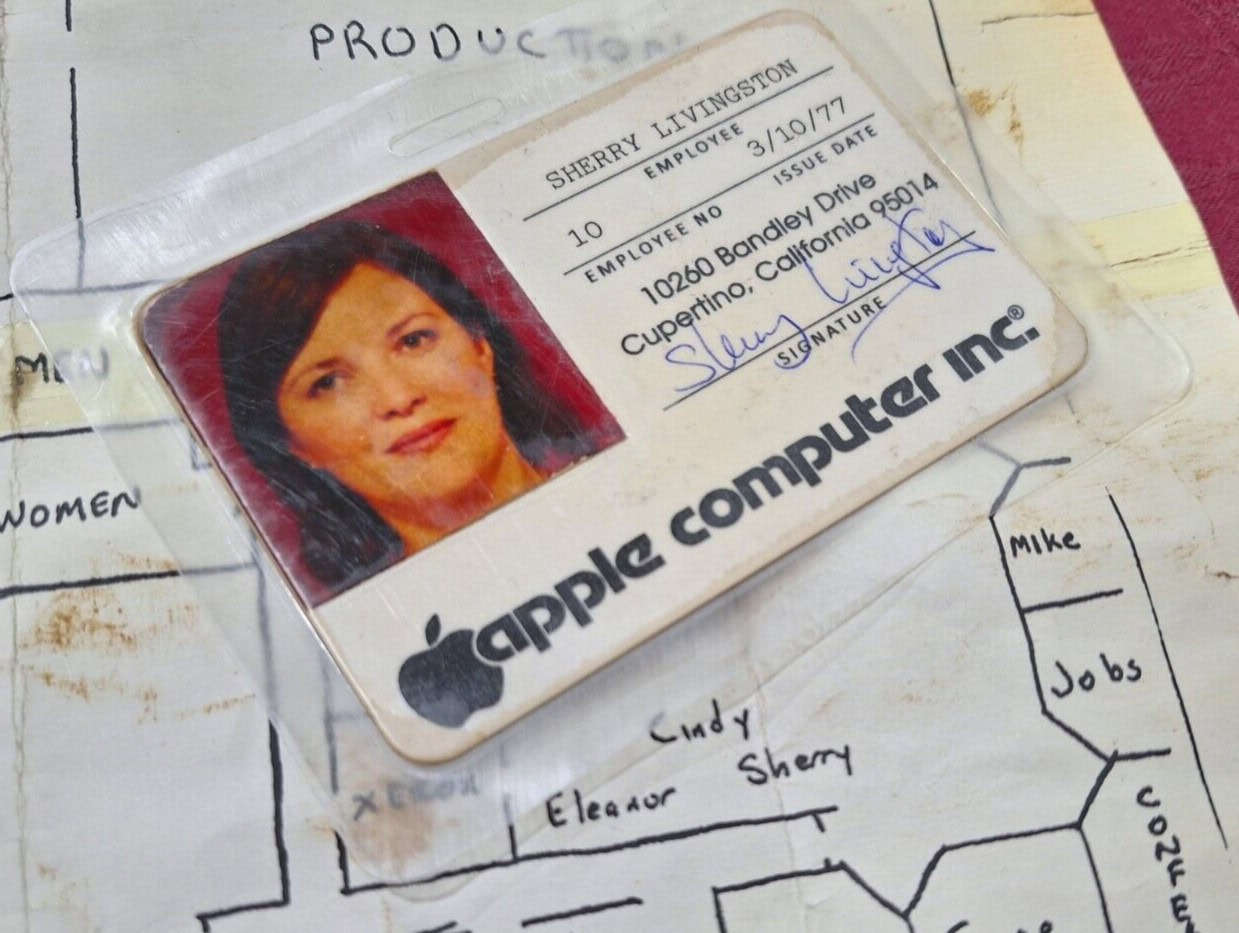
This employee badge for Apple employee number 10, hired in March 1977, is a fake, according to employee number 8. But someone paid real money for it. Photo: [email protected]
This week someone paid about $1,000 on eBay for an allegedly fake Apple employee badge masquerading as the 1977 ID of employee number 10.
The employee badge is a convincing phony, according the an intrepid blogger and the longtime Apple employee (number 8) he contacted to confirm the forgery. And the proof of provenance the blogger sought from the seller appeard to be fake, too, according to several sources.
This item sold for a value that may set a new record for a business card with signature. Photo: RR Auction/Cult of Mac
Steve Jobs’ business card bearing the signature of the Apple cofounder himself sold at auction for an amazing value: over $180,000. This is supposedly the most ever paid for a signed business card.
A collection of other Apple memorabilia brought in big bucks at the same auction, a sign of the popularity of rare items from the iPhone-maker.
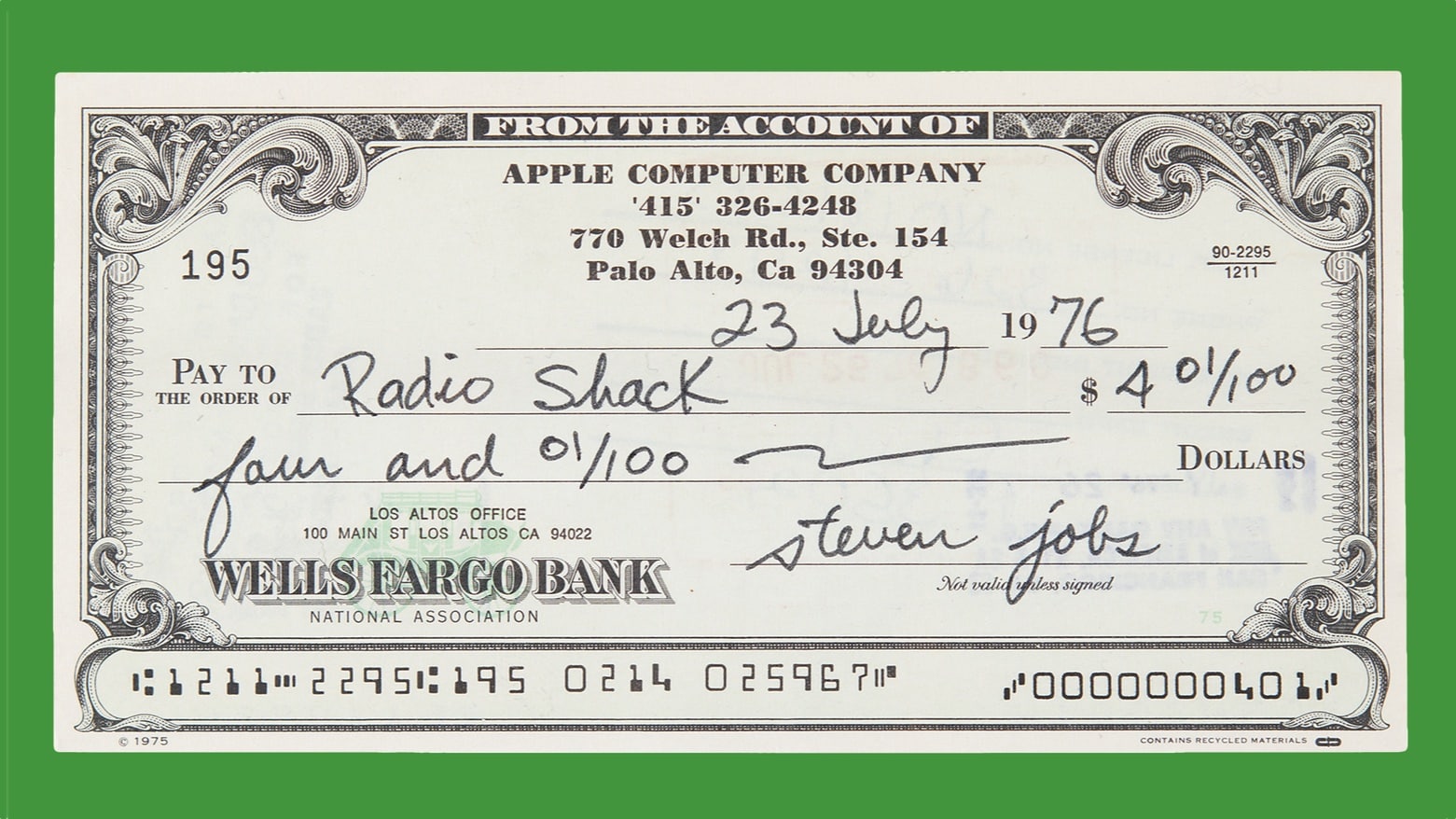
This $4 check signed by Apple co-founder Steve Jobs sold for many thousands of dollars. Photo: RR Auction
Apple is a trillion dollar company today but it started out with very humble origins. There’s no better evidence than company co-founder Steve Jobs hand writing a check to the electronics store RadioShack for $4.01.
And now that check recently up for auction, and bought in 11,500 times its original value. How ‘s that for appreciation?
Yup, those are new Barbie dolls based on three "Ted Lasso" characters. Photo: Mattel Creations
Breakout Apple TV+ comedy hit Ted Lasso may no longer be in production, but it’s never really gone. That’s not only because it’s streaming, it’s because officially related products like the new Barbie Signature dolls keep coming out.
That’s right, Mattel Creations released three new dolls Tuesday based on characters from the show — Ted Lasso, Rebecca Welton and Keely Jones. Step right up, they’re $50 apiece.
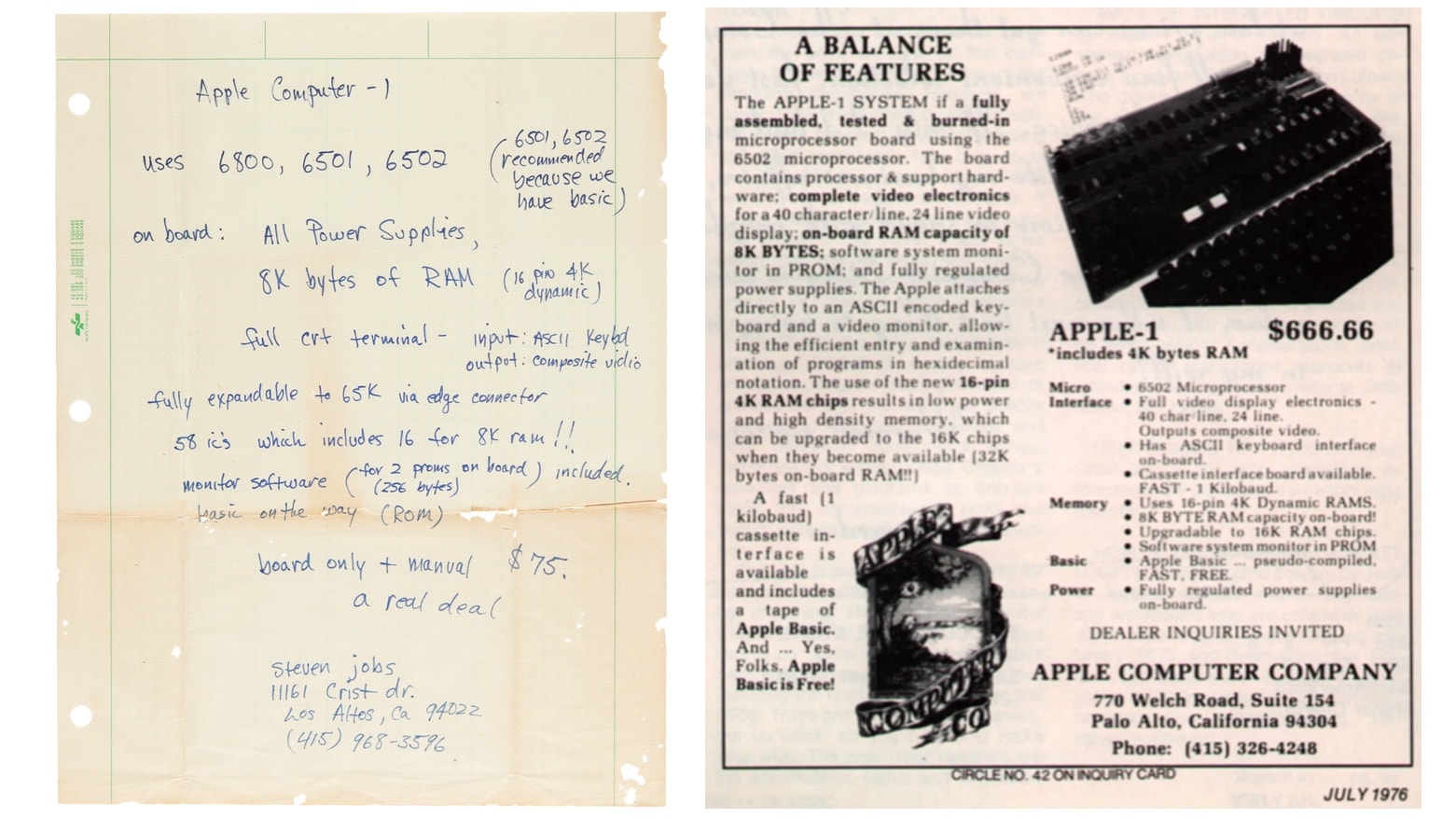
A draft for an Apple-1 advertisement that Steve Jobs handwrote in 1976 just sold at auction for a whopping $175,759.
Other rare Jobs-related items also sold for princely sums, including Apple Computer check “No. 2” signed by company co-founders Steve Jobs and Steve Wozniak.
 April 11, 1976: Apple releases its first computer, the Apple-1.
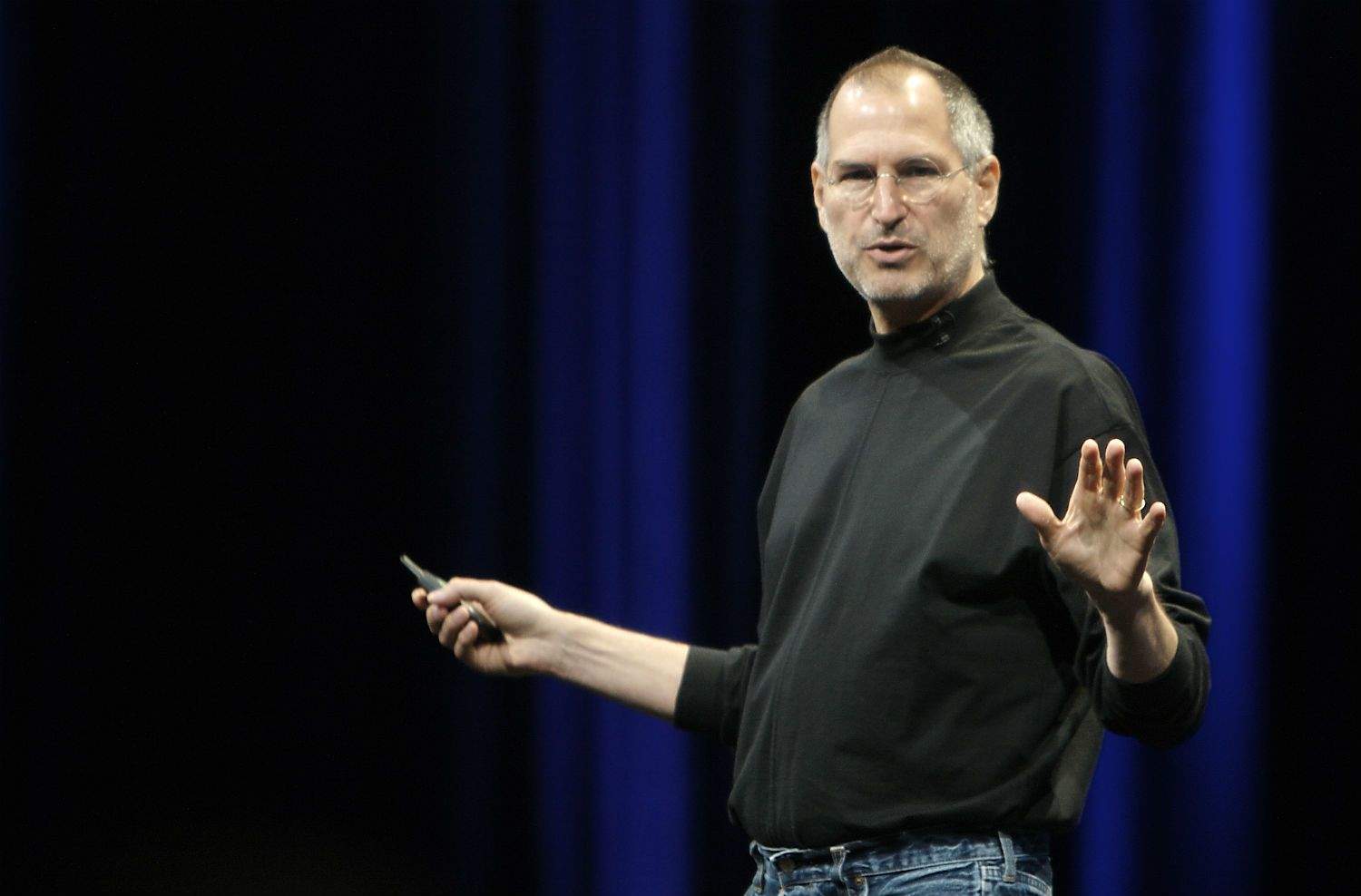
 March 18, 1991: Steve Jobs marries 27-year-old Stanford MBA Laurene Powell.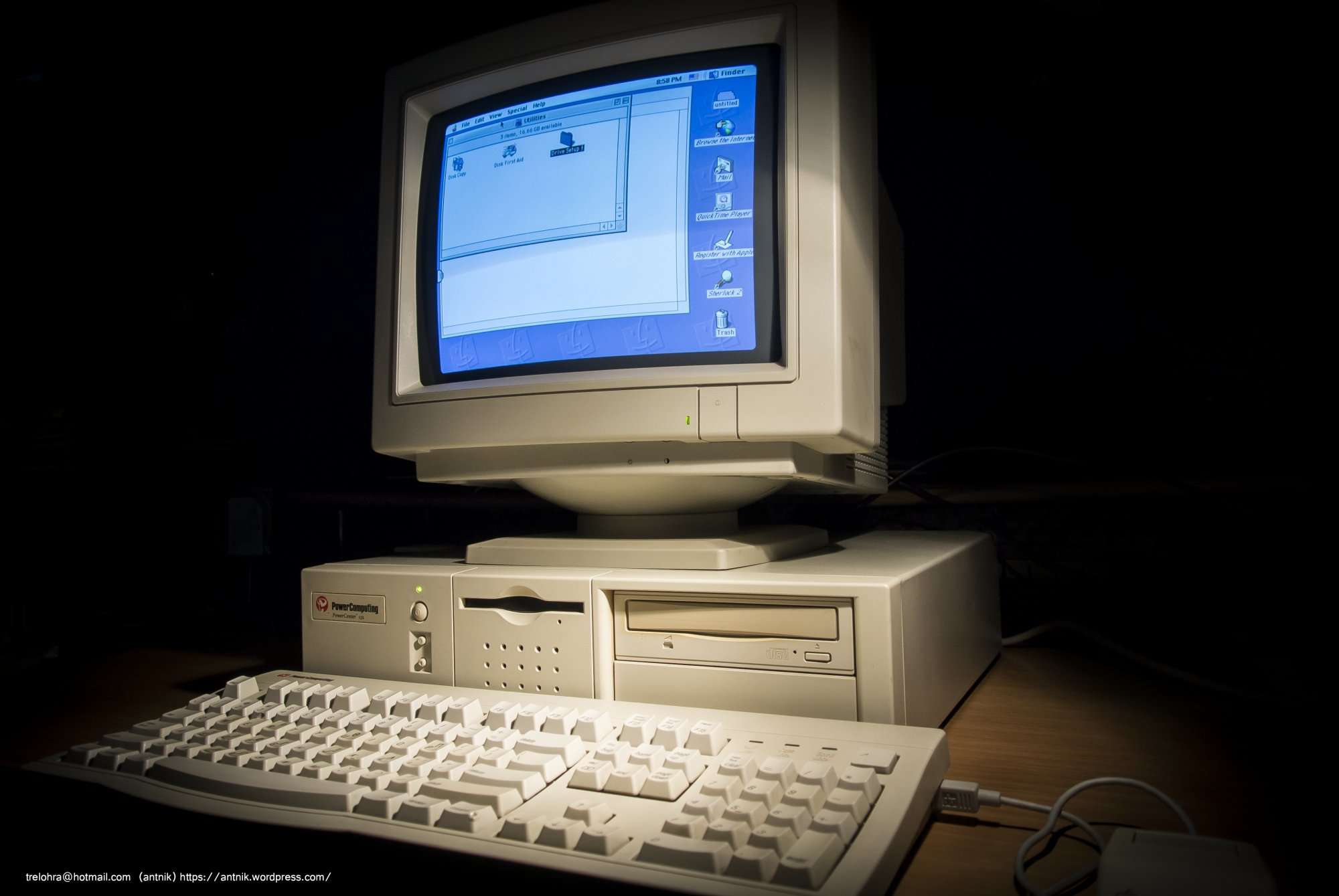
 January 31, 1998: Mac clone-maker Power Computing goes out of business, having auctioned off its office supplies and computers.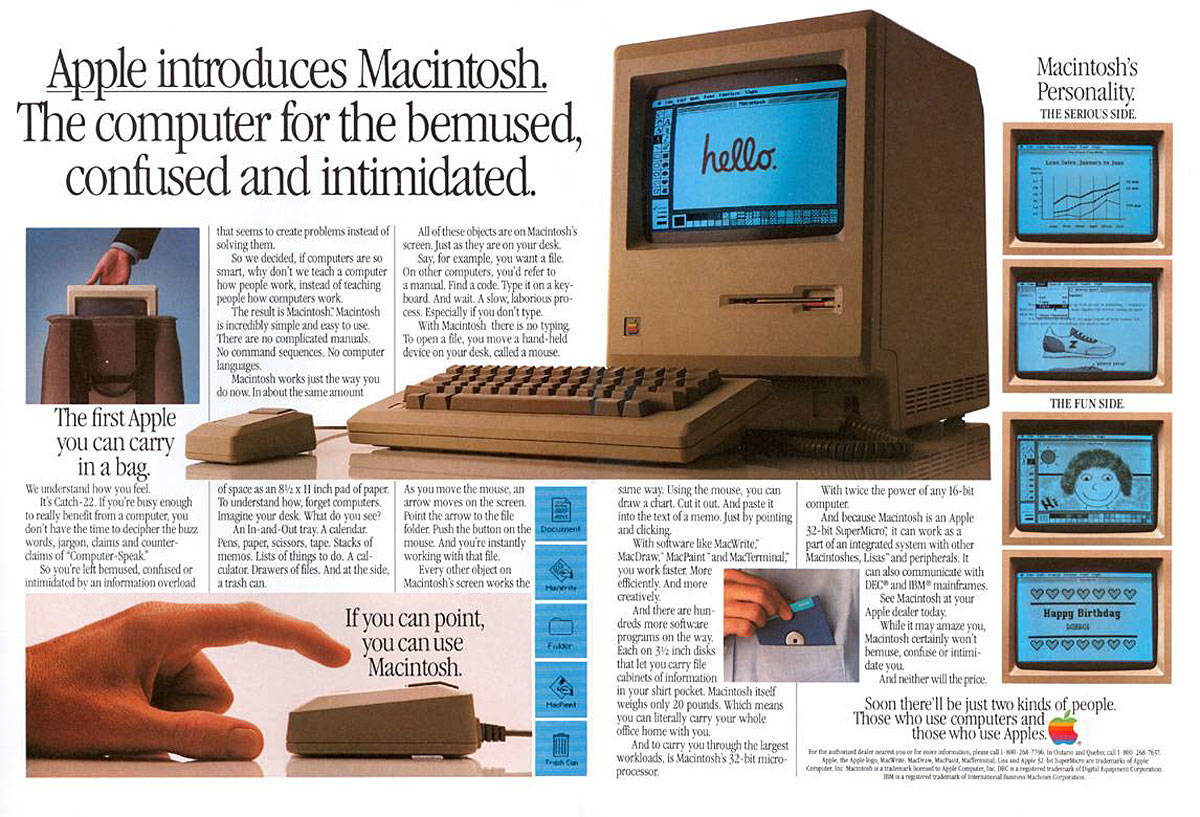
 January 24, 1984: Apple ships its first Mac, the mighty Macintosh 128K.