The next version of Google’s Android-based cell phone sold by T-Mobile opts to drop the keyboard in favor of a virtual version to better chase after iPhone fans, a report suggested Wednesday.
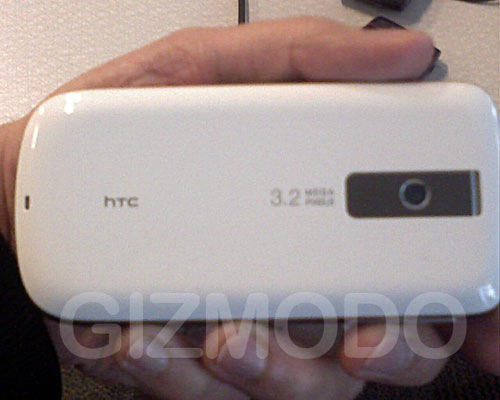
The G2, built by Taiwan’s HTC for U.S. carrier T-Mobile, will appear this Spring without a physical keyboard, according to gadget blog Gizmodo. Removing the keyboard in favor of a touch-screen version will better align the Android phone with handsets such as Apple’s iPhone.
The new phone, alleged pictures of which Gizmodo published, provides a “slimmer, rounded design,” wrote Macnn.
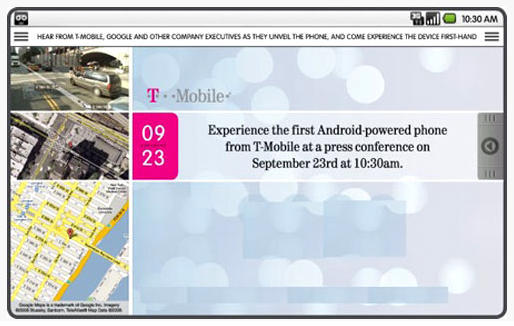
Emulating Apple’s propensity for using media “events” to unveil new technology, T-Mobile sent an “invitation” to technology press Tuesday, encouraging attendance at a New York City event on September 23rd that will mark the debut of Google’s Android smartphone and the software it’s powered by.
The event sets up the first public challenge to Apple’s domination of the touch-screen smartphone market, with the thoroughly-leaked and publicly previewed phone, once known as the HTC Dream but now called the G1. Reportedly tricked-out with features including a slide-out display that exposes a full keyboard, as well as a BlackBerry-like trackball, the phone has been rumored to be the launch device for T-Mobile’s nationwide 3G network and may also boast GPS navigation, a tilt sensor and Wi-Fi connectivity.
We hope that Wi-Fi rumor proves true if the G1 hopes to go toe-to-toe with iPhone.
AT&T announced to its shareholders that it’s iPhone agreement with Apple underwent some substantial changes with the release of the iPhone 3G. AT&T’s press release reads:
“The new agreement between Apple and AT&T eliminates the revenue-sharing model under which AT&T shared a portion of monthly service revenue with Apple. Under the revised agreement, which is consistent with traditional equipment manufacturer-carrier arrangements, there is no revenue sharing and both iPhone 3G models will be offered at attractive prices to broaden the market potential and accelerate subscriber volumes.”
Now of course this substantive change in agreement between Apple and AT&T has the net all a twitter with the possibility that Apple will begin marketing the iPhone 3G on other networks. Even AT&T’s statement that their relationship with Apple is now “consistent with traditional equipment manufacturer-carrier arrangements…” would seem to imply that Apple’s side of the arrangement is also “typical”, meaning that after a predetermined period of exclusivity, they can market their handsets to other carriers.
There are articles at CNET and MacWorld that arrive at this conclusion, and speculate that Apple soon will market the iPhone 3G on other carriers in the US.
The only difficultly is, that it ain’t gonna happen, not right now or anytime we’d call “soon”.
That’s because there’s only one other national GSM carrier and T-Mobile’s 3G network is Voice Only.
That tends to suggest that there isn’t what we call a “Business Opportunity” for iPhone 3G on T-Mobile’s network right now. Of course original iPhones running software 2.0 would be great to have, except Apple seems to have stopped making them.
(note: there are technical details in the comments that are too boring to include in the post)
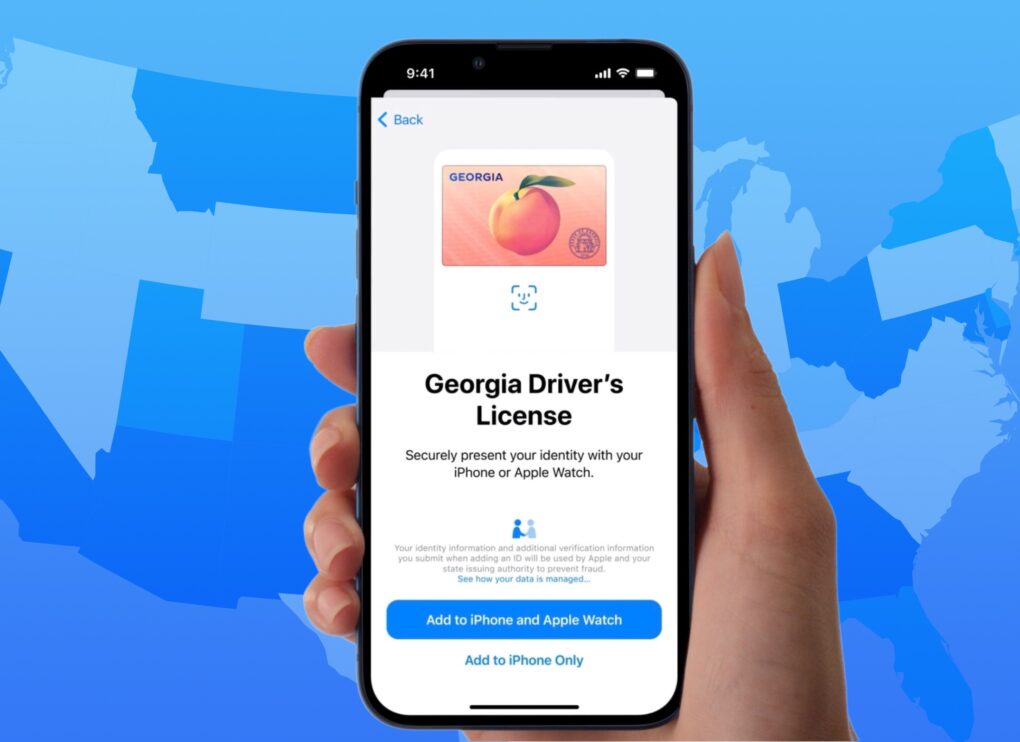
13 states or territories, including Georgia, are fully on board. Image: Apple/D. Griffin Jones/Cult of Mac
When will you be able to add your driver’s license or state ID to Apple Wallet on your iPhone? In the United States, it varies by where you live. It’s not up to Apple: Each state and territory maintains a completely independent registry of drivers and identification cards, so each one must independently pass legislation and implement digital IDs.
If you live in Arizona, California, Colorado, Georgia, Hawaii, Illinois, Iowa, Maryland, Montana, New Mexico, North Dakota, Ohio, Puerto Rico or West Virginia, you can do it today. (Our guide will show you how to add your driver’s license to Apple Wallet.) Otherwise, check our map and lists below to see how likely your state is to let you add your ID to Apple Wallet, and when it might happen.
★★★★★
Stop worrying about losing your furry friend — get Halo Collar 5. Photo: Halo
You won’t find a better way to track your dog than the new Halo Collar 5. It uses GPS to accurately locate your pup anywhere on Earth and can show you the location on your iPhone (or Android). Plus, it offers two days of battery life.
As a bonus feature, you can set up a “fence” so the collar warns your pet to stay in its yard. And you can place virtual fences anywhere you go.
I did real-world testing of the GPS dog tracker and came away very impressed.
Turns out using an iPhone at a Microsoft event is a bad idea. Photo: Off2riorob/Wikipedia CC
September 11, 2009: Microsoft CEO Steve Ballmer snatches an iPhone from an employee during a meeting and pretends to destroy it.
The iPhone freakout isn’t the first time Ballmer behaves in a wacky way and incurs negative publicity as a result. However, it’s an embarrassing moment for a man who ranks among the tech world’s most powerful people.
Chipolo Loop tracker with Find My gets a rechargeable battery and double the Bluetooth range. Photo: Chipolo
Two new Bluetooth trackers offer big improvements over the company’s previous models while maintaining compatibility with Apple’s Find My network, Chipolo said Wednesday. The Loop and Card trackers, both priced at $39, add rechargeable batteries and double their previous Blueooth range to 400 feet.
Pick up this quality iPhone SE at a steep discount. Photo: Cult of Mac Deals
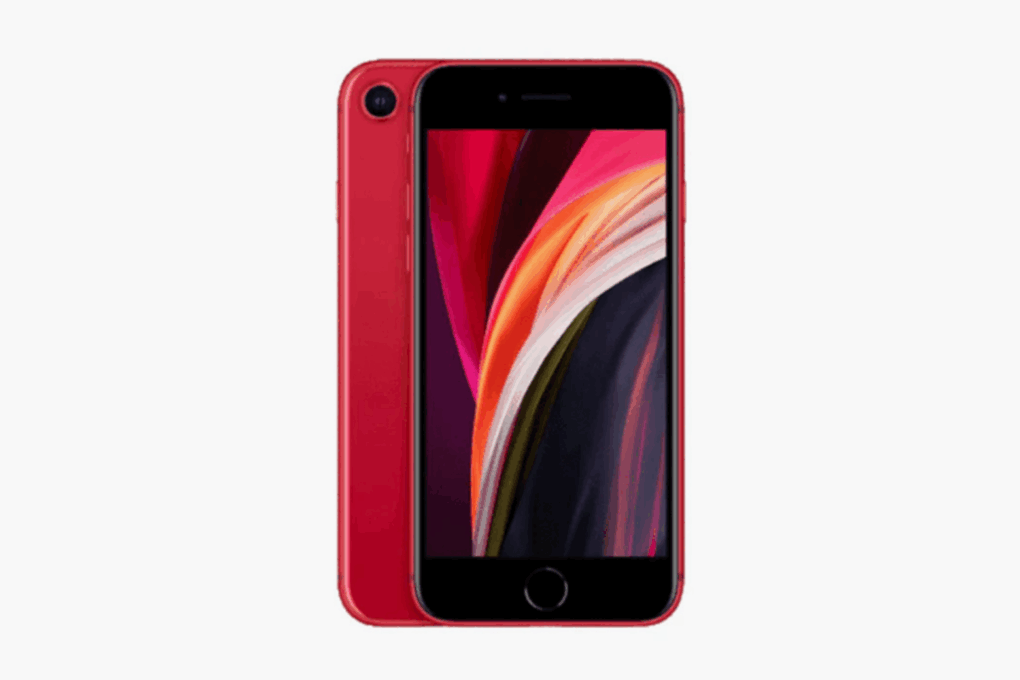
If you’re itching to add a reliable iPhone to your pile of Apple gear — but without dropping flagship-level cash — this deal on an iPhone SE (a refurbished second-gen model) might make your week.
Right now, you can get your hands on a Grade-A refurbished second-gen iPhone SE with 64GB of storage, unlocked and in near-mint condition for just $124.99. Even better? Shipping is free, and the phone is ready to roll with any major carrier.
A new study funded by Qualcomm shows its modem chips topping C1 in real-world, New York City conditions. Photo: Apple
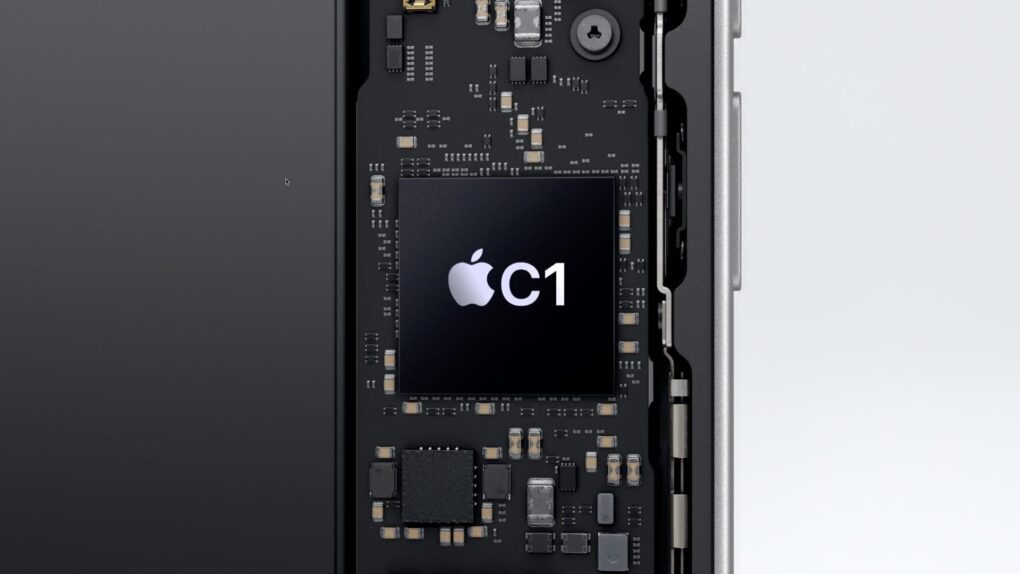
A new Qualcomm study suggests the company’s modems outperform Apple’s first in-house modem chip, the C1 — particularly in challenging urban network conditions.
The research from Cellular Insights, funded by Qualcomm, tested the iPhone 16e — Apple’s first device to feature the company’s homegrown C1 modem — against Android smartphones powered by Qualcomm chips on T-Mobile’s 5G network in New York City.



 September 11, 2009: Microsoft CEO Steve Ballmer snatches an iPhone from an employee during a meeting and pretends to destroy it.