When you’re the most-watched tech company in existence, there’s nothing quite like taking people by surprise.
And although Apple’s “12 Days of Gifts” app — this year available to U.S. customers for the first time — was due to kick off on December 26, Apple has decided to give downloaders a taste of what it is to come by offering Lorde’s new single “No Better” as a pre-Christmas gift.
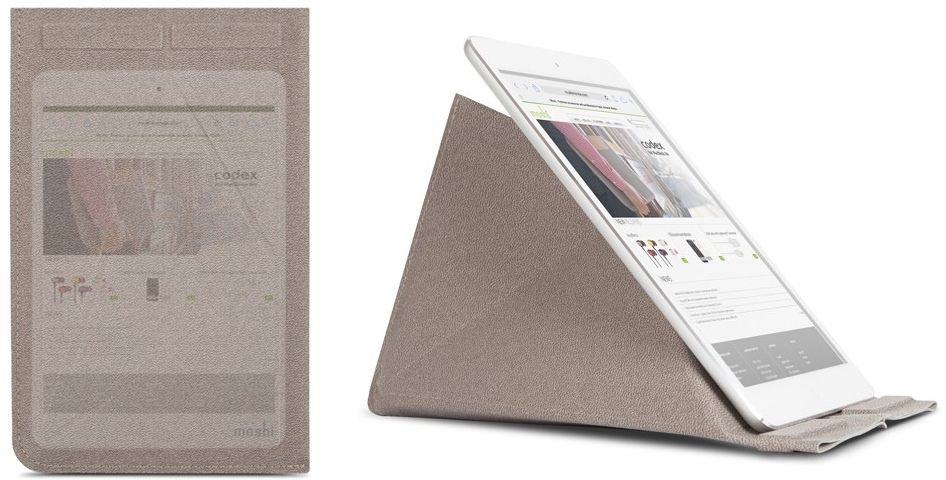
I just spent a week traveling with my Retina iPad mini, and there are a few things I learned. One is that you don’t have to worry about charging it like you did with the first full-sized retina iPad, the iPad 3 – the new retina mini can be juiced in a few hours tops. Another thing is that I like to have a good protective case for when I stuff the iPad into an already-full backpack.
But I don’t want a bulky cover that sticks around when I’m actually using the iPad. And this is where the new VersaPouch Mini Stand Case comes in.
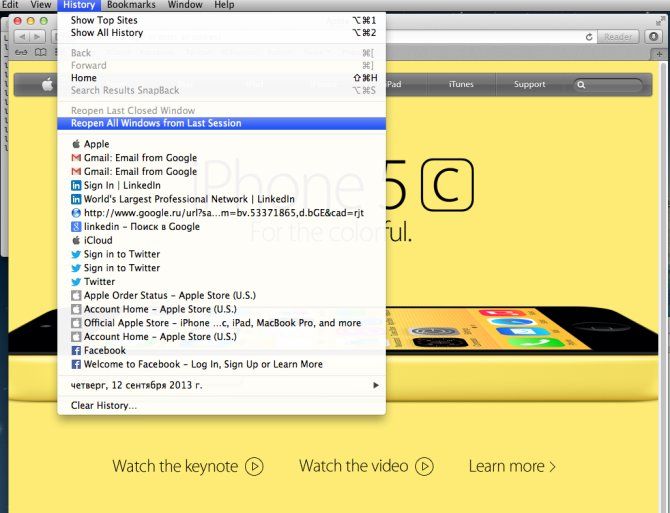
The peeps behind Kaspersky Labs’ Securelist blog have uncovered an Easter Egg in Safari, which they claim lists user IDs and passwords in plaintext.
The problem relates to Safari’s retention of browser history as used in the “Reopen All Windows from Last Session” feature — which enables users to easily revisit sites they opened during previous Safari sessions.
One came out a year ago, and one came out this past week.
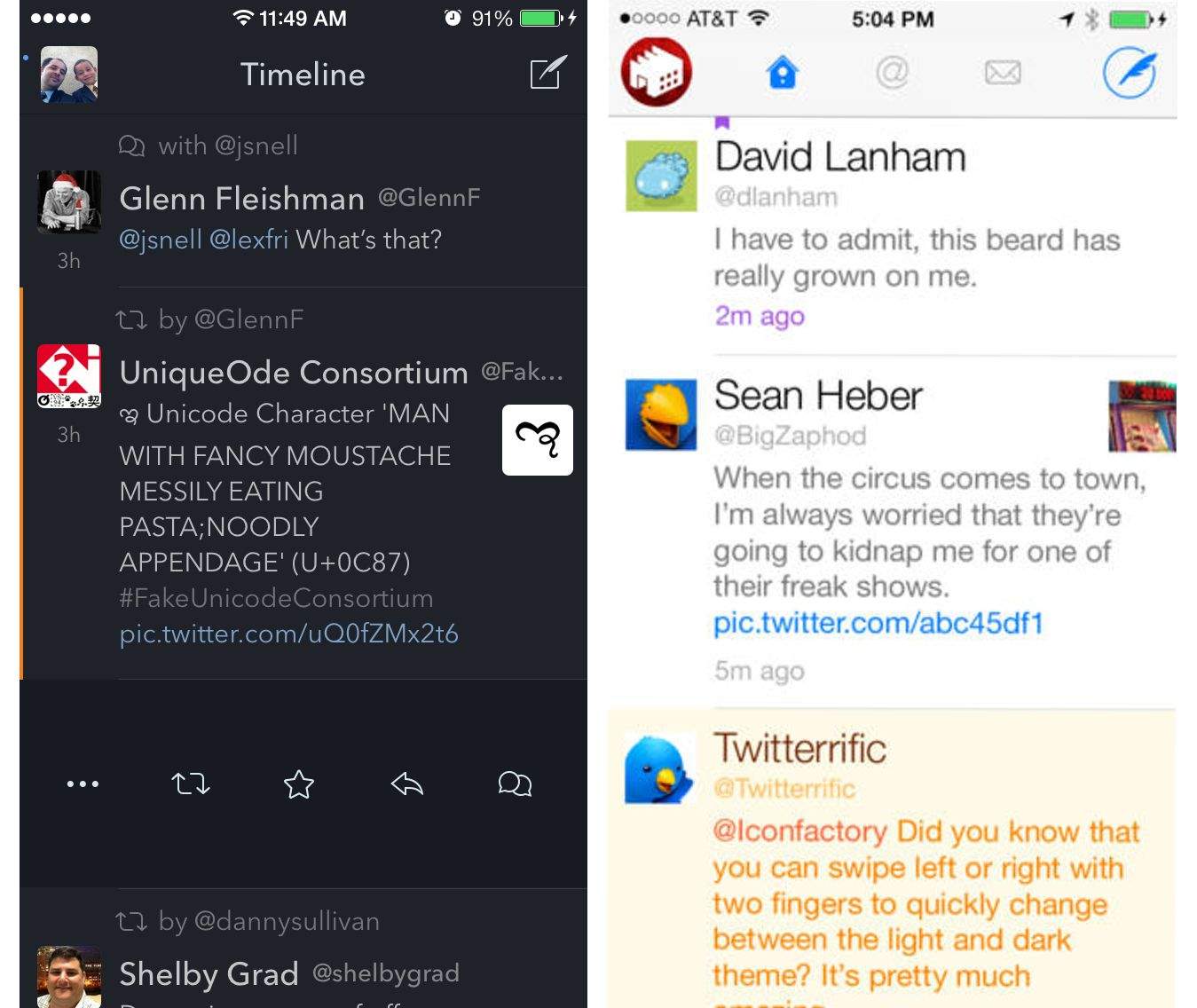
iOS 7 has ushered in a new age of design for third-party Twitter apps. Before Jony Ive’s monumental redesign of iOS was introduced over the summer, apps capitalized on making themselves stand out with a distinct design aesthetic—the robotic, chromatic look of the old Tweetbot, for example.
Several of the biggest Twitter clients in the App Store have undergone their iOS 7 redesigns by now, and while they feel more at home in iOS 7, they’ve also become harder to tell apart at first glance. The launch of Osfoora 2 for iPhone this past week reinforces this design trend.
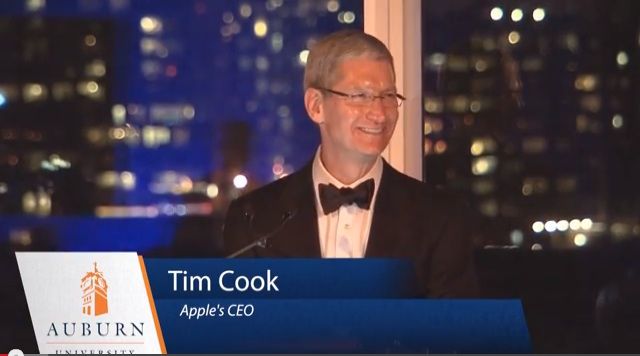
While accepting a lifetime achievement award from Auburn University, his alma mater, Apple CEO Tim Cook told of how The Ku Klux Klan, Martin Luther King and Senator Robert Kennedy shaped his passion for human rights and equality. “Growing up in Alabama in the 1960s, I saw the devastating impacts of discrimination,” Cook said in New York on December 10th. “Remarkable people were denied opportunities and treated without basic human dignity solely because of the color of their skin.”
He recalled childhood memories of watching crosses burn on neighbors’ lawns in Alabama. “This image was permanently imprinted in my brain and it would change my life forever,” Cook said. “For me the cross burning was a symbol of ignorance, of hatred, and a fear of anyone different than the majority. I could never understand it, and I knew then that America’s and Alabama’s history would always be scarred by the hatred that it represented.”
It’s the time of the year for lists: naughty, nice, best of, trends, Thirteen Surprising Bathroom Habits Of Tech Innovators. Stuff like that.
All those listicles can make your eyes water, even though you can’t stop yourself from clicking through to Ten Loudest Grunters in Women’s Tennis, I know I can’t.
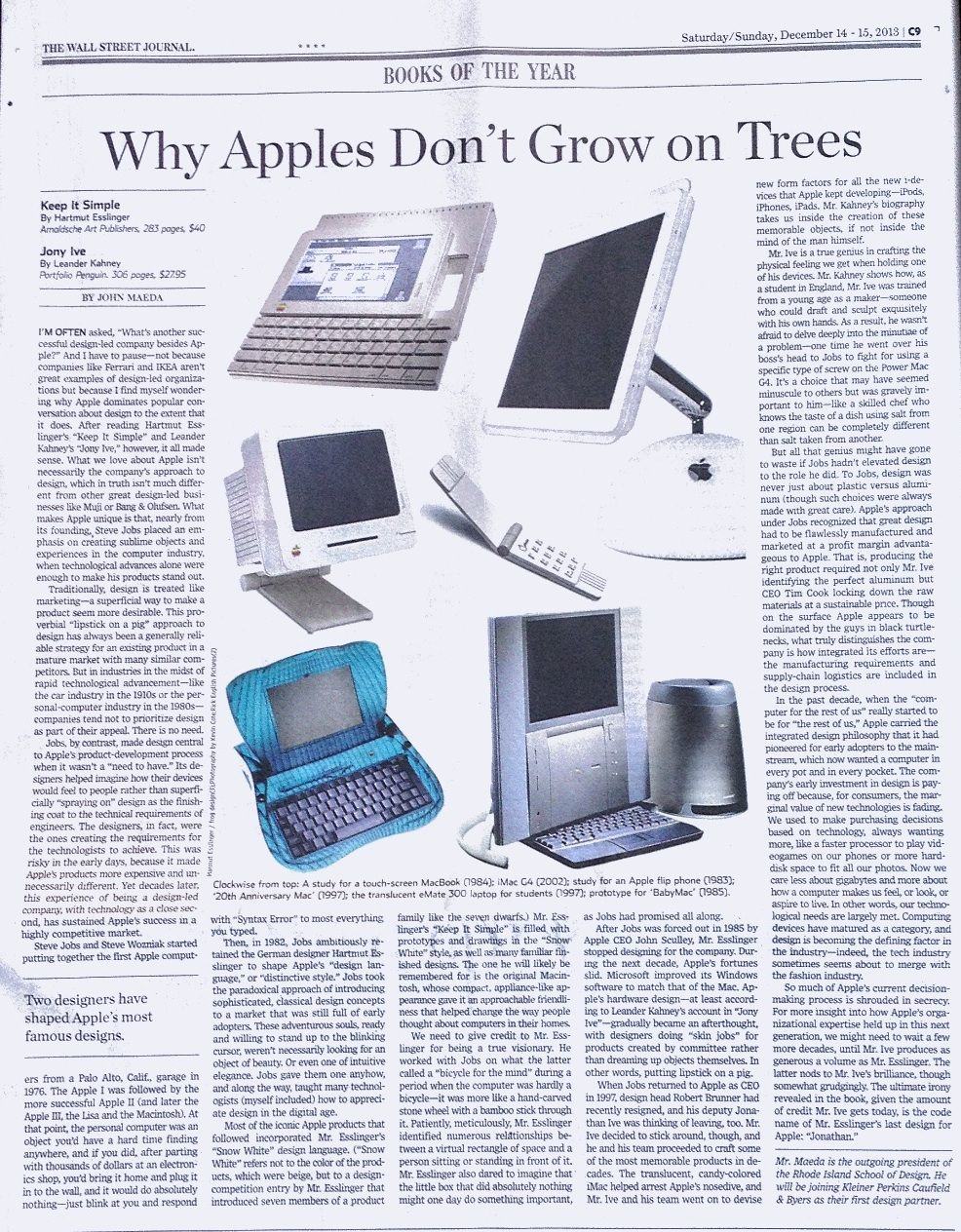
But it was with great pleasure that I spotted Cult of Mac publisher Leander Kahney’s Jony Ive made it into the venerable Wall Street Journal’s Books of the Year section.
We’re all supposed to be better people around the holidays. Unless we happen to be a hackathon dude who fires off a Facebook rant about how San Francisco is filled with human trash.
And, sure, you can delete that stupid stuff. But that same technology that enabled you to quickly air your most callous, thoughtless opinion won’t take it back that easily. His subsequent apology did little to smother the flames about how tech needs better PR to convince the world we aren’t the philosophical disciples of Charles Montgomery Burns.
That’s why Facebook is considering a compassion button – so in this case you could sympathize with your hackathon pal for his complete lack of empathy for the homeless? – for example.
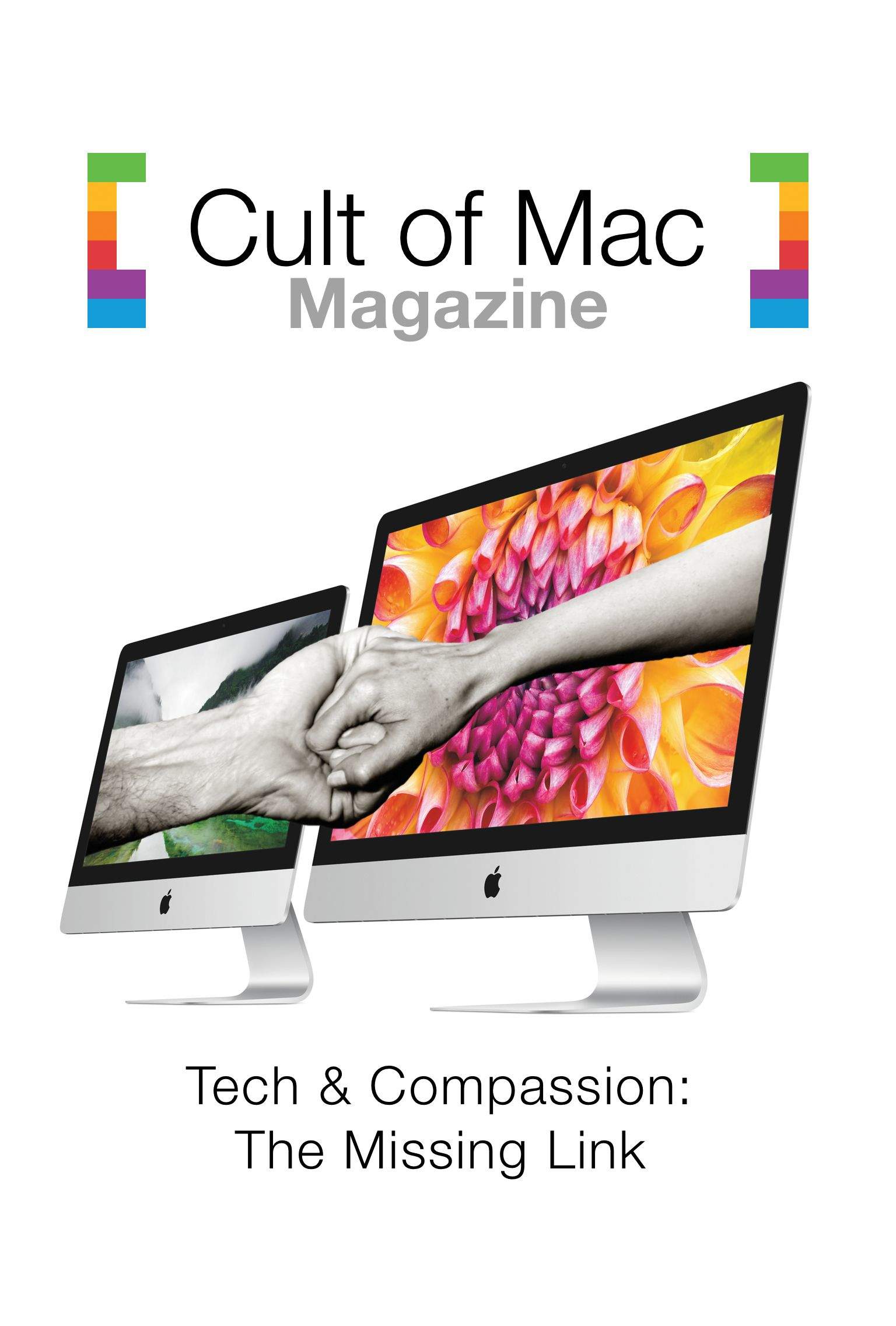
This week, Cult of Mac reports from the front line of digital companies and nonprofits with heart and soul from Stanford’s inaugural Technology and Compassion Conference. The idea behind it is to bring things like mood trackers and compassion training to our iPhones, so we act like jerks a little less. And the world will thus becomes a better place…
We also bring you the best new books, music and movies in iTunes and apps in the store as well as the inside scoop from the behind the counter with our Ask a Genius Column. ‘Cause we’re generous like that.
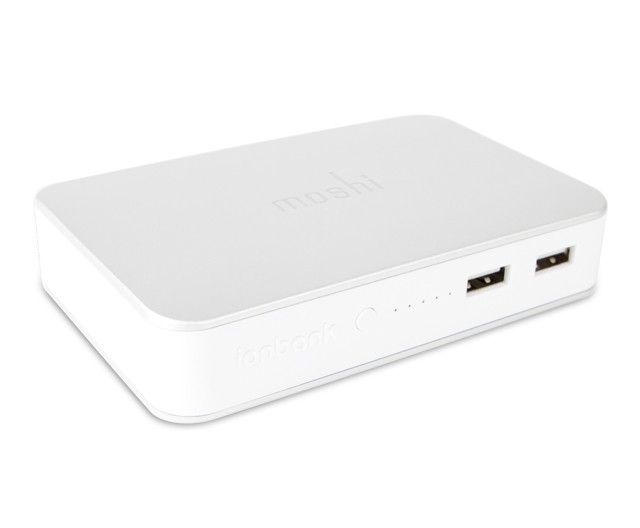
Apple EarPods are sleek and gorgeous. For most people like me though, they fallout all the time. Moshi has released its new Mythro earbuds that promise to stay in-place while still sounding good at an affordable price, so we’ve decided to put them through the ringer to see if they’re a suitable cheap earbud alternative. While we’re at it, we also take a look at Moshi’s first ever iPad charger, the IonBank 10k. It’s light, white, and sleek all over, but does it have enough juice to make it worth carrying around? Check out our findings below:
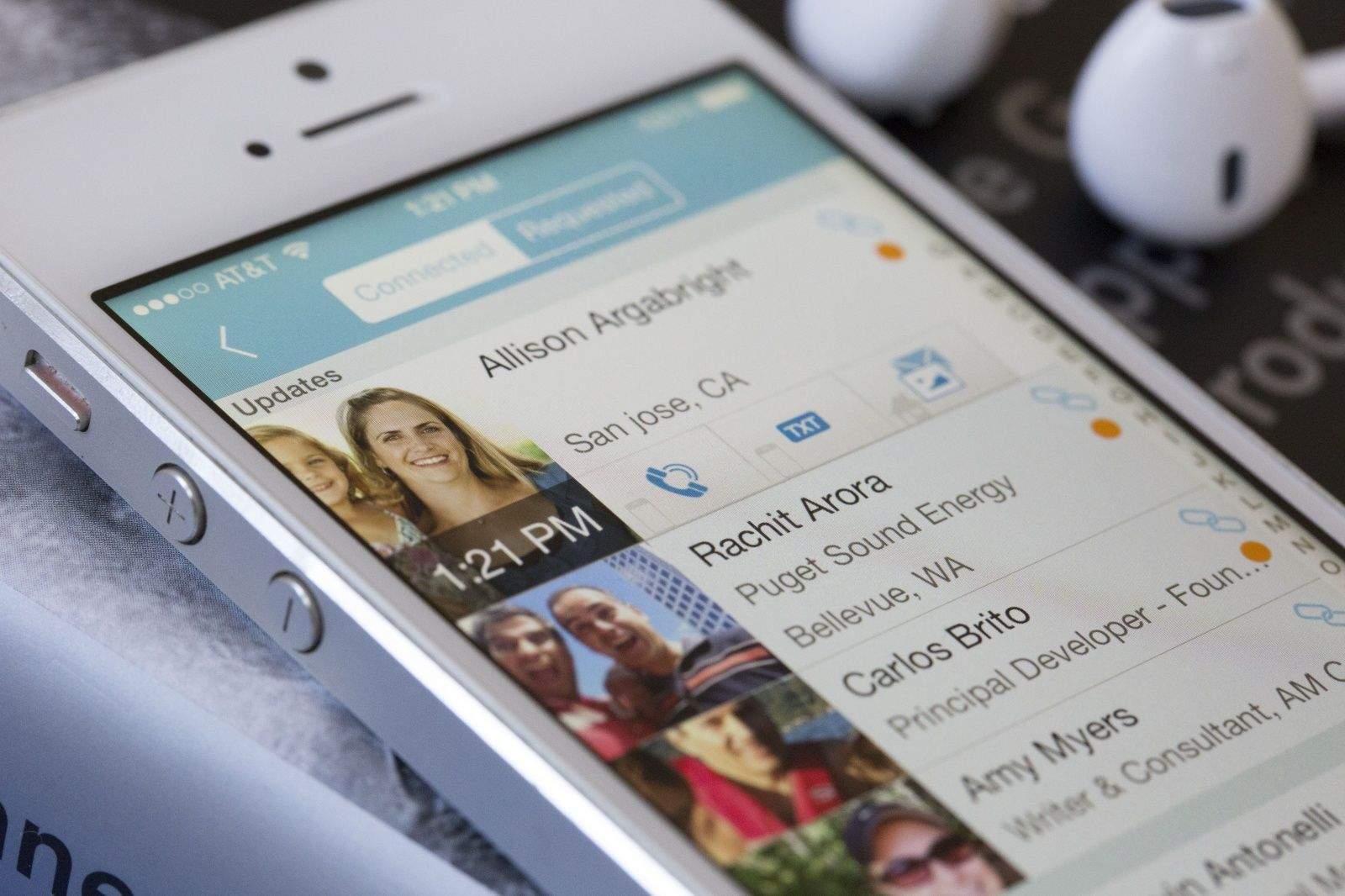
The problem with the native Contacts app on your iPhone is that you have to keep the addresses, phone numbers, and emails updated on your own. If your friend moves, or gets a new number, it’s up to you to get the information and enter it correctly into your Contacts app. That’s just so old school.
Addappt is a new app that aims to change all that. You invite others to download and enter their own information in the app, and then every time something changes on their end, the entry in your app changes, too. Better still, the app will push the changes to your native Contacts app, something I’ve not seen before in an app of this type.
Stickers by Dharma Comics given out at the first Compassion and Tech Conference.
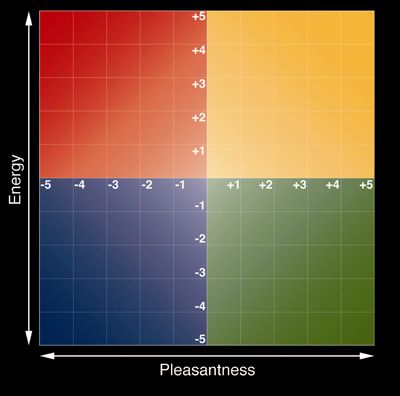
Marc Brackett wants to put a Mood Meter on every smartphone. That way, in addition to helping us get through our daily lives, iPhones can make us more attuned to why and when we feel cheerful, tired or annoyed.
The director of the Yale Center for Emotional Intelligence has been working with a team from HopeLab on an app with a simple interface where users rate their energy and pleasantness using four colors and a five-point scale.
If you’re at all like New Yorker Brackett, you’ll frequently find yourself in the red. And that’s a not necessarily a bad thing.
“I like being angry. It drives me to change education policy,” Brackett said. His presentation substituted a scheduled one about empathy and video games.
Despite the pinch hit, his talk resonated strongly with participants and echoed several of the ideas presented in the projects presented in a later competition.
“I have come to understand that students who are more emotionally confident tend to be strong language learners,” Angela Weikel, Spanish teacher and world languages department chair of San Domenico School in Marin County told Cult of Mac. “So if I can bolster students’ self-esteem through scientific strategies, they are more likely to enjoy learning Spanish and will connect with the culture.” She says she plans to implement Brackett’s ideas to help students’ develop a richer vocabulary and become more aware of their feelings.
Speaking with Brackett afterwards, I wondered whether my own first reaction — which usually involves some gradation of annoyed (irritated, peeved, irated) would move into another realm through diligent tracking. “Not really, but that’s all right. To a certain extent if you can name it, you can tame it. But compassion for all of your states is a better goal.”
Brackett recounted his own struggle with mood states, realizing he doesn’t like to be in the yellow (high energy, high pleasantness) after experimenting with it in a Crossfit class.
“I’m not pumped like the trainer, or the rest of the guys. I’m never going to be like that. I’m a red or blue kind of guy.”
The app (digital mood ring 2.o?) is expected to be available for public consumption by April 2014, if not sooner, in Android and iOS versions. It’ll face competition from dozens of mood tracking apps on the market – ranging from MoodyMe to The National Center for Telehealth & Technology’s T2 Mood Tracker.
While many of the ideas presented during the conference weren’t new — at least if you’ve been to a few meet-ups or tech accelerator showcases in the Bay Area — it comes at a time when the tech boom is seen as an antagonisticforce rather than a one that helps change society change for the better.
When Your iPhone Becomes A Compassion Trainer
You’re going about your business on a regular workday when a text message pops up on your iPhone from an anonymous number: “Stop texting me you jerk!”
How would you answer?
If you participated in a study from the University of Michigan about empathy, there are higher chances you might text something back like “Sorry you’re having a bad day! I think you’ve got the wrong number.”
Sara Konrath, an assistant research professor of psychology at the University of Michigan, says the results of the study that used texting prompts to “train” people in compassion were not conclusive, but the follow-up done six months after the conclusion of the study with the potentially hackle-raising text shows that our phones may help smooth out the rougher edges of our personalities.
“Men in particular less likely to agree that aggression was a good thing,” Konrath said. “It increases pro-social behavior, but not necessarily empathy.”
As part of the texting research, part of the John Templeton Foundation’s Character Project, participants thumbed their way through exercises designed to test for empathy reactions. Six times a day, they reported mood, feelings of connectedness, the number of people interacted with since the last text message and several other factors. Some were prompted to text messages that were empathy boosters (“send a nice text to someone close, try to make them feel loved”) while others were asked to reflect on someone they had trouble getting along with.
Konrath says that while empathy is heritable to an extent, she likens it to a muscle we can all work on strengthening. Conference goers found the results intriguing. “I can imagine structuring peer review around this concept and helping my students approach each other’s work more constructively, with greater focus on how they can become compassionate responders,” said Alyssa J. O’Brien a lecturer in Writing and Rhetoric at Stanford.
Next up for Konrath? Trying to compare face-to-face empathy with text messages and possibly work on an app. Because we’re all different IRL.
My App Is More Altruistic Than Yours!
During the second half of the one-day conference, apps in the empathy space killed each other with kindness in a friendly competition. (Several of the speakers gave a nod to the other presenters and their ideas, opening the doors for collaboration once the gloves were off.) The 10 finalists each got a chance to tell judges and conference goers, who could vote by text message, why their idea would extend the reach of compassion with tech.
More Mood Tracking: personal mindfulness training with contest finalist Dara.
High school senior Sam Reiss was a shoe-in for first place, with a project that brings pen pals to the generation that grew up with Skype. Dubbed X-Change the World, its goals include “enhancing the cultural and global spectrum of youth throughout the world, improving the level of conversational English of our participants and building cross-cultural bridges that lead to greater global curiosity and compassion.”
The platform pairs students from the U.S. with teens in countries including Thailand, Cambodia, Laos, Tanzania and Kenya in a virtual classroom. The project, which already won second place in a national youth service challenge, walked off with the $10,000 prize. Two other projects won $5,000 each plus a consultation with a a growth capital fund exec and a chance to meet the Dalai Lama. They included a taxi game called Compassion in Motion and wellness tracker SeekChange, which includes Siri-like component called Dara to track your moods and activities.