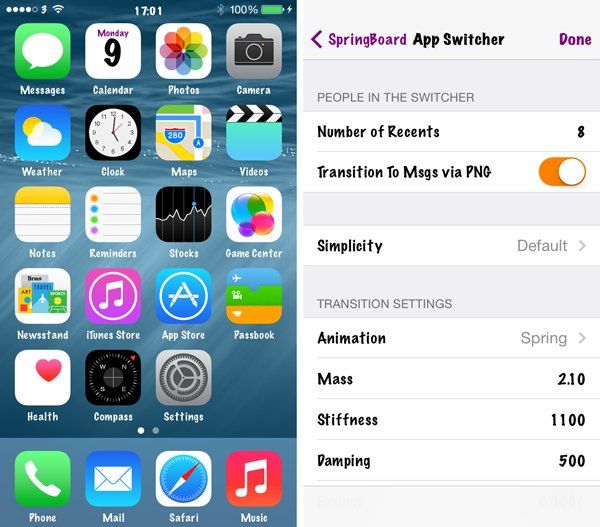
Yesterday Skype announced a major redesign of its iPhone app that was scheduled to hit the App Store sometime next week. For some reason the update is already available. It packs several new features that are designed to make the app easier to use.
Last month, a number of Apple users in Australia woke up to find that their iOS devices had been locked by an “Oleg Pliss,” and that they needed to pay a ransom if they wanted to continue using them. While a few people thought iCloud could have been hacked, Apple denied those rumors.
Now it seems that the hackers involved with the ransom demands have been detailed by authorities in Russia, according to a new report from the Sydney Morning Herald.
Aged 17 and 23, the alleged hackers are both residents of the Southern Administrative District of Moscow, and one has been previously tried for a similar case.
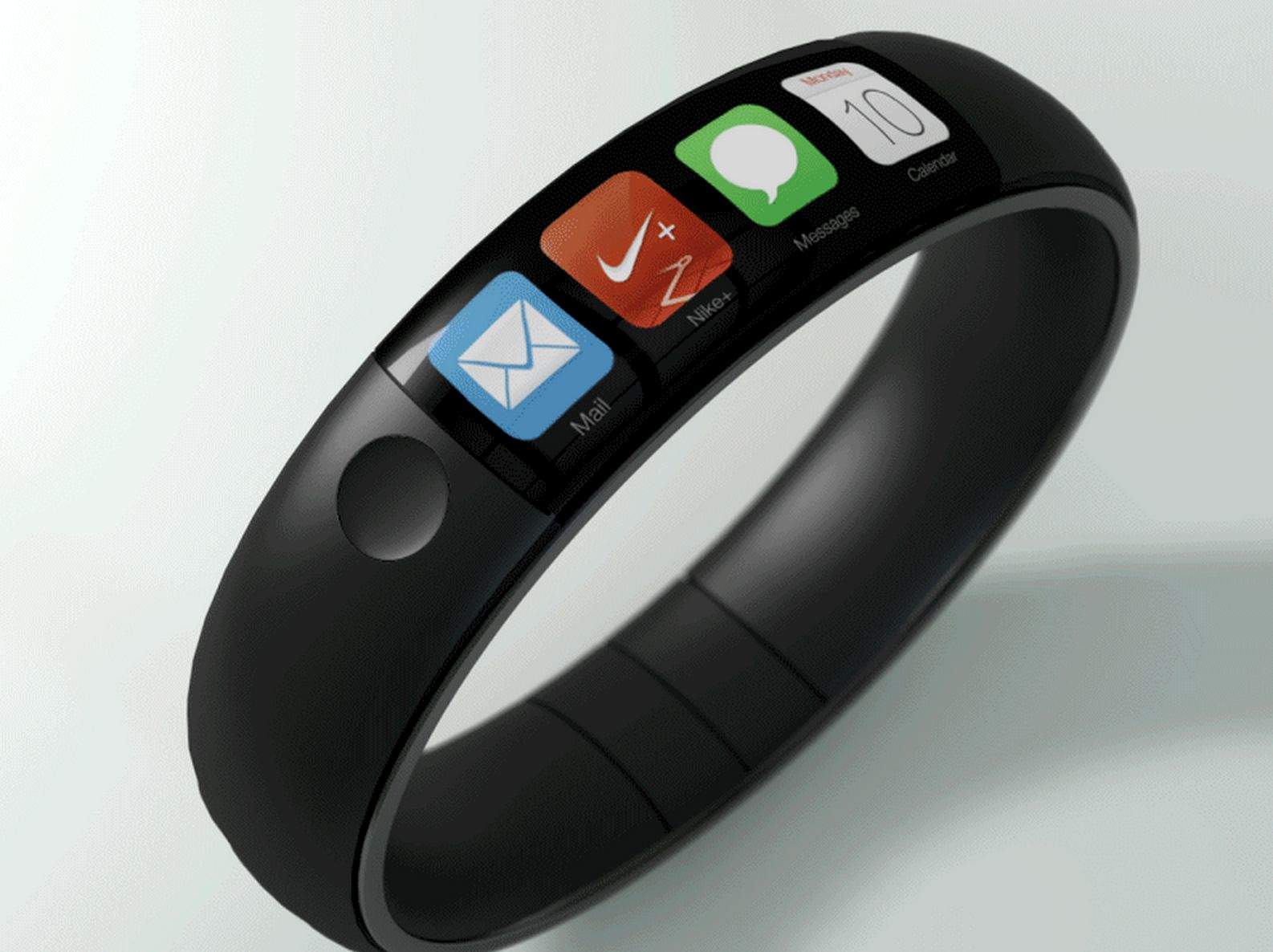
A new patent published Tuesday suggests that the iWatch may be able to able to detect if the user is lifting a weightlifting bar, and count and display the recorded repetitions. Metrics related to intervals between movements could be compared against previous sessions and displayed on an iOS device so that the user could track their progress over multiple sessions.
Interestingly the patent — which was filed in 2012 — specifically mentions a shoe-based sensor, similar to fitness-tracking sneakers like the Nike Hyperdunk+ basketball tracking shoes. In the years since then, however, Apple has pulled back on patent references to shoe wear-out sensors and unitless measurements, but kept the body-bar sensing system and associated watch readout. Other possible devices named in the patent include potential future generation iPods and iPhones.
For years Apple has taken the view that you tell customers what they want, rather than waiting for them to ask. In terms of UI, this meant picking out the “right” option for interface elements, as opposed to allowing users the ability to edit them themselves.
That may be changing in iOS 8, as the beta code of Apple’s new mobile operating system suggests that Apple may also be including a funky variant UI — complete with alternate font and orange and purple color scheme.
iOS 8 is bringing easy time-lapse video to the masses. Photo: Buster Hein/Cult of Mac
Apple poured a ton of love into the iOS 8 Camera and Photos apps, but one feature that did not get enough stage time during last week’s Worldwide Developers Conference was the incredible time-lapse video feature.
The new feature lets you create videos of accelerated sequences of photos over time with stunning simplicity. I finally got around to trying it myself by sweating and wheezing my way to the top of Hayden’s Butte to capture the summer sun setting over Tempe, Arizona, last night.
I only took one run at it, but the results were unbelievably cool:
Starting with iOS 8, Apple is making it impossible for marketers to track you based on your iPhone’s MAC address.
When you walk around a store with your iPhone’s WiFi on, you’re are unknowingly transmitting your MAC address, a unique identifier for your device. Routers need the identifier to join you to a network. Ad agencies and retailers have been tracking these addresses to help offer personalized advertisements to customers based on where they’ve been.
Apple is putting a stop to this practice with MAC address scrambling in iOS 8, which could turn out to be a big win for iBeacon.
While smartwatches are currently a niche product, they may not stay that way for long, says USB analyst Steven Milunovich, who predicts that the iWatch could match sales of Apple’s iPad — unloading 21 million units in fiscal 2015 and a further 36 million units the following year.
The iPad, by comparison, sold 19.5 million units in its first year, rising to 47.6 million in its second. (The iPhone moved a relatively paltry 5.4 million units in its first year of sale, since it was still establishing Apple’s mobile platform.)
Do not adjust your sets: Despite finishing Friday at $645, Apple stock will open today at around $92. This is the result of a 7-to-1 stock split, which will see the price of the stock divided by seven and shareholders of record awarded six additional shares on top of their existing holdings.
DigiDNA COO Victor Broido is living the dream -- and talking it up at AltConf 2014. Photo: Jim Merithew/Cult of Mac
SAN FRANCISCO — Victor Broido has an enviable lifestyle. He lives and works 200 yards from a sun-kissed beach. He often kitesurfs before work. Sometimes he surfs during work.
“It was my dream, as a kid, to surf for an hour before going to the office,” Broido said. “That’s my life. It’s happening right now.”
You might want to punch Broido in the face upon hearing this, but he’s the nicest, most self-deprecating guy. You can’t begrudge him anything. Plus, he worked to attain this way of life.
Broido and his colleagues run DigiDNA, an eight-person company based in Geneva, Switzerland, with a satellite office in Geraldton, a small city in remote Western Australia with a reputation for world-class water sports.
DigiDNA is one of thousands of small, independent software developers spawned by the mobile revolution. In 2013, Apple’s App Store revenues topped $10 billion, and a lot of that money flowed to small startups. There are small indies in every category, from games to databases. Lots of them flocked to San Francisco last week for Apple’s annual Worldwide Developers Conference. DigiDNA was a gold sponsor of last week’s AltConf, the alternative conference that ran parallel to Apple’s event. (DigiDNA has also sponsored Cult of Mac’s Cultcast in the past.)