The term “planned obsolescence” has achieved negative connotations, but it originally referred to a long-standing tradition of changing designs to sell more products.
It was coined by the car industry in the 1930s to refer to annual model updates. Over the years, however, the term has taken on a darker meaning. But planned obsolescence is a good thing. It’s the driving force behind much innovation.
This morning, New York Times reporter Catherine Rampell accused Apple of breaking her old iPhone 4 with the iOS7 update, which made it unbearably slow. “It seemed like Apple was sending me a not-so-subtle message to upgrade,” she wrote in a piece entitled, Why Apple Wants to Bust Your iPhone.
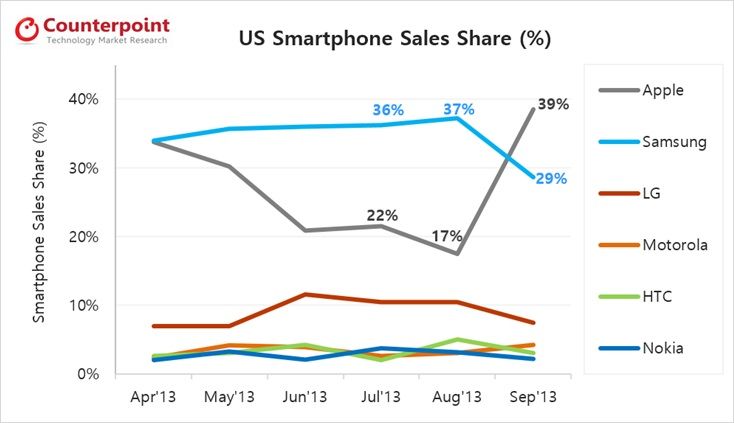
According to Rampell, Apple is feeling the heat from Samsung, HTC and others, and is resorting to sabotaging older iPhones with a software update and force users to upgrade their hardware.
This is bullshit from every angle. The iOS7 upgrade isn’t obligatory, it’s voluntary, and pissing off customers isn’t a good way to keep them as customers. There’s no mention that Apple sold a record-smashing 33.8 million iPhones last quarter.
Truth is, Apple’s products are so far ahead of the curve, it’s a constant criticism leveled at the company: that it is a willing practitioner of planned obsolescence.