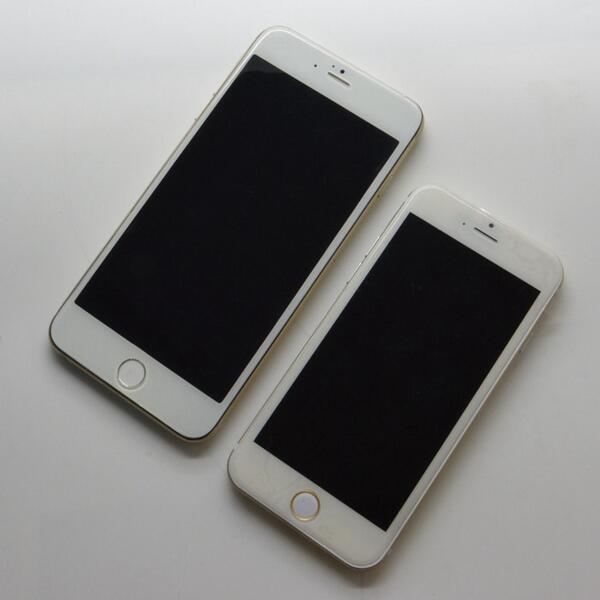
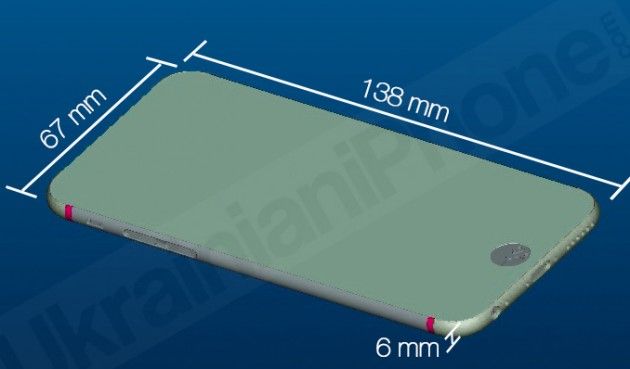
We’ve heard plenty of reports about Apple’s 5.5-inch “phablet” iPhone 6, but most of the leaked pictures so far have claimed to depict its smaller sibling, the 4.7-inch iPhone 6, instead.
That’s changed with some new model photos showing mockups of both sizes of the forthcoming iPhone 6, including both the back and front of the two next generation iPhone models, sitting side by side.
Elizabeth O’Connell is waging war on Apple from an iPhone 5C with a cracked screen.
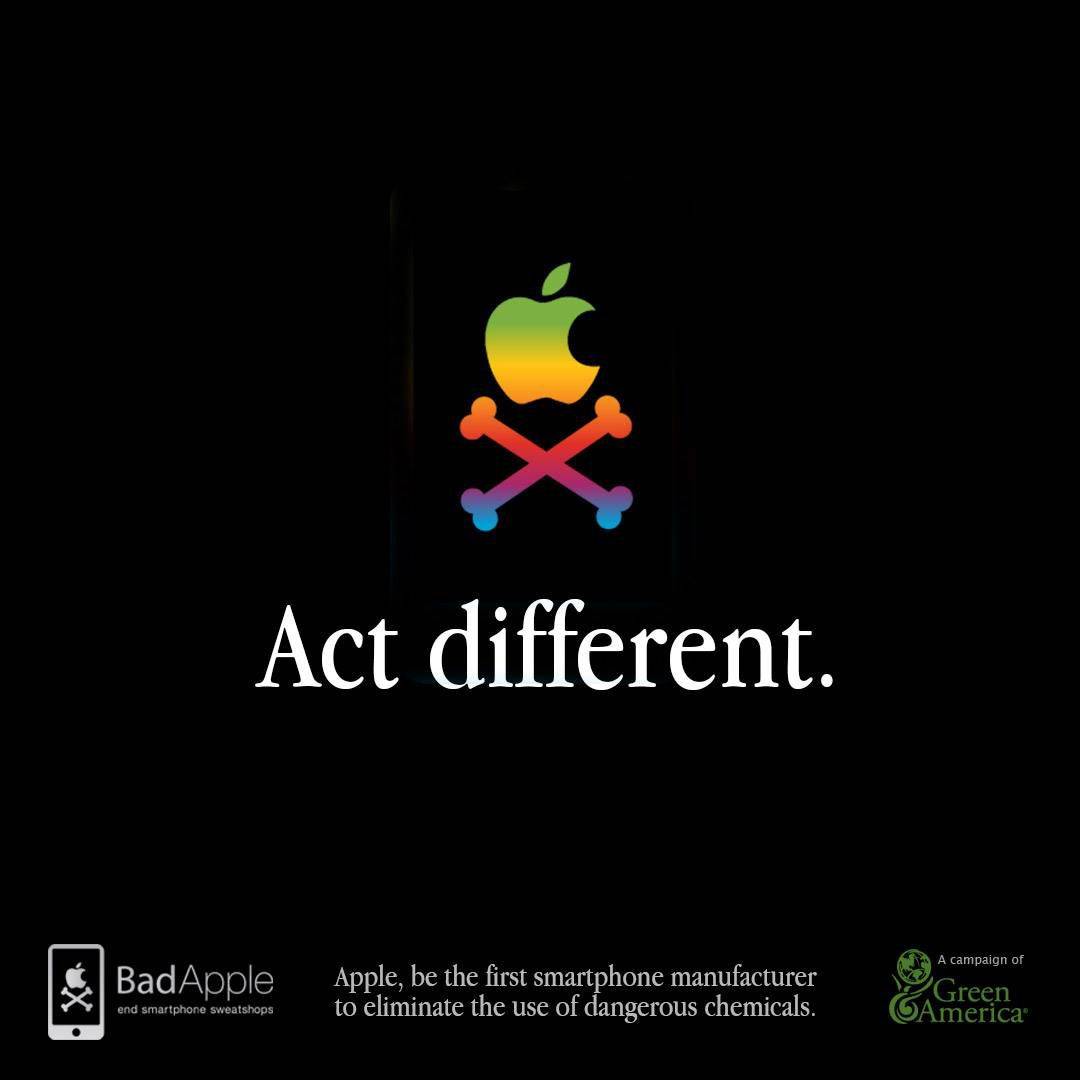
O’Connell, campaigns director for Green America, is part of an 80-strong group of environmental and human rights groups that recently fired off a 17-page letter to Apple’s vice president of environmental affairs Lisa Jackson. At the core of the question are known carcinogens, benzene and n-hexane, the chemicals that make your iPhone screen so shiny.
As former head of the Environmental Protection Agency Jackson, protest organizers say, should know better. The effort is part of Green America’s “Bad Apple” campaign, which features a mock app. At this writing, over 2,000 people have signed up for the “app,” which sends an email to Apple asking to cut the noxious chemicals. Organizers say another 20,000 people have signed a traditional online petition.
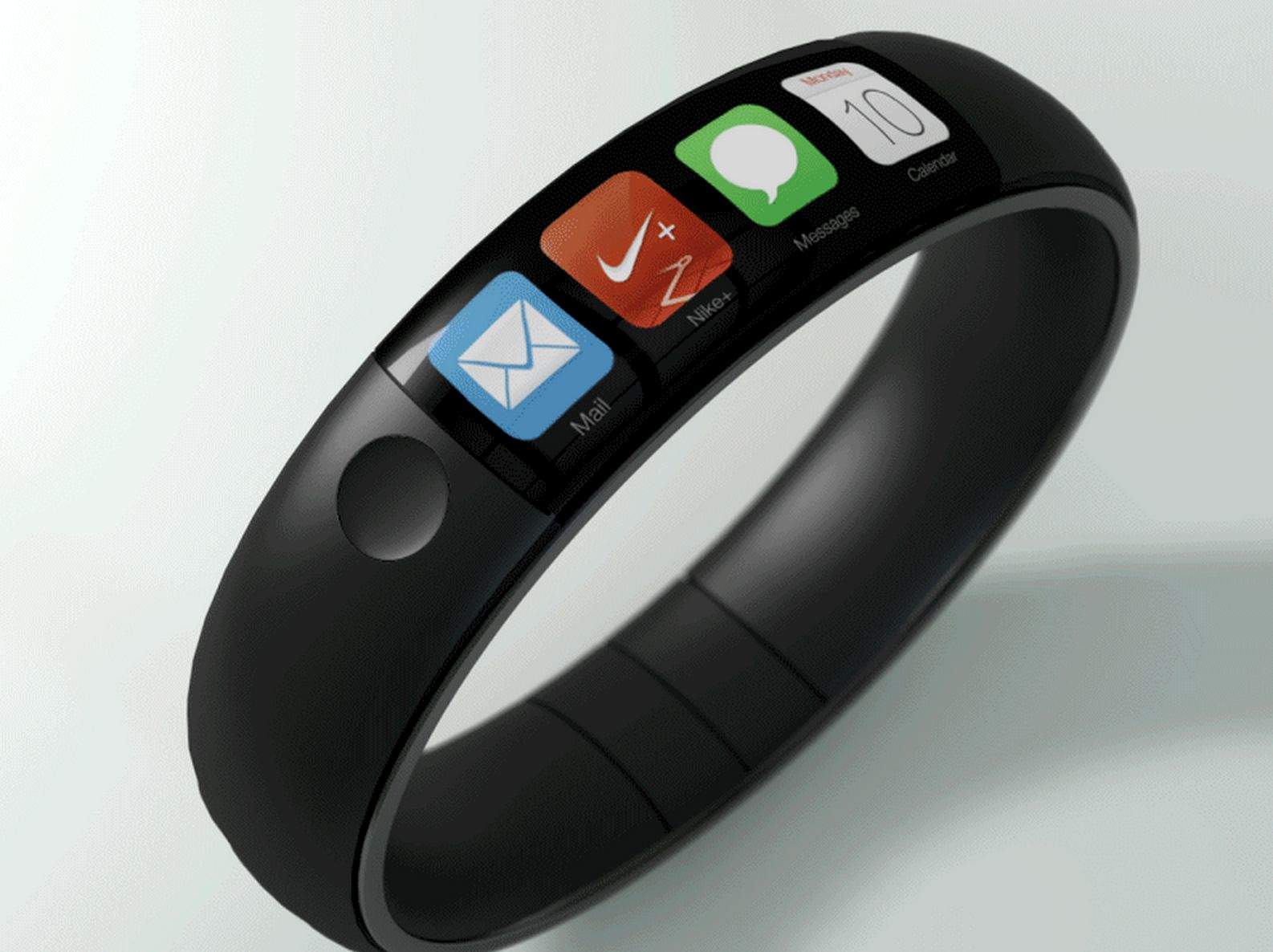
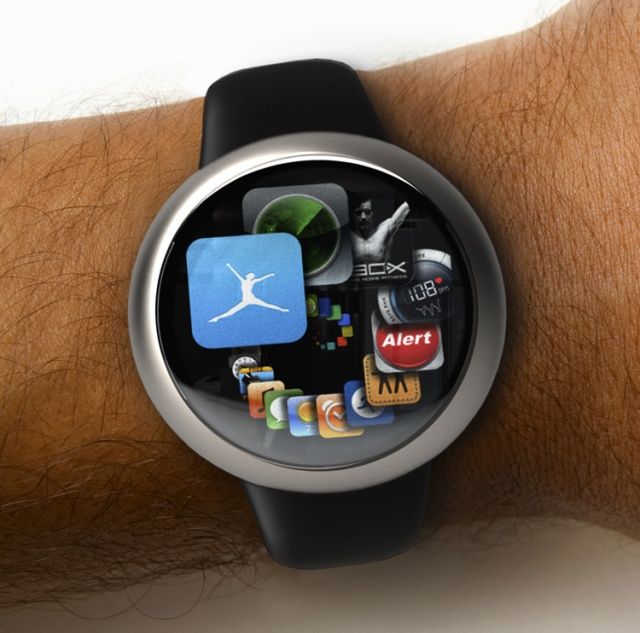
A new patent published Tuesday suggests that the iWatch may be able to able to detect if the user is lifting a weightlifting bar, and count and display the recorded repetitions. Metrics related to intervals between movements could be compared against previous sessions and displayed on an iOS device so that the user could track their progress over multiple sessions.
Interestingly the patent — which was filed in 2012 — specifically mentions a shoe-based sensor, similar to fitness-tracking sneakers like the Nike Hyperdunk+ basketball tracking shoes. In the years since then, however, Apple has pulled back on patent references to shoe wear-out sensors and unitless measurements, but kept the body-bar sensing system and associated watch readout. Other possible devices named in the patent include potential future generation iPods and iPhones.
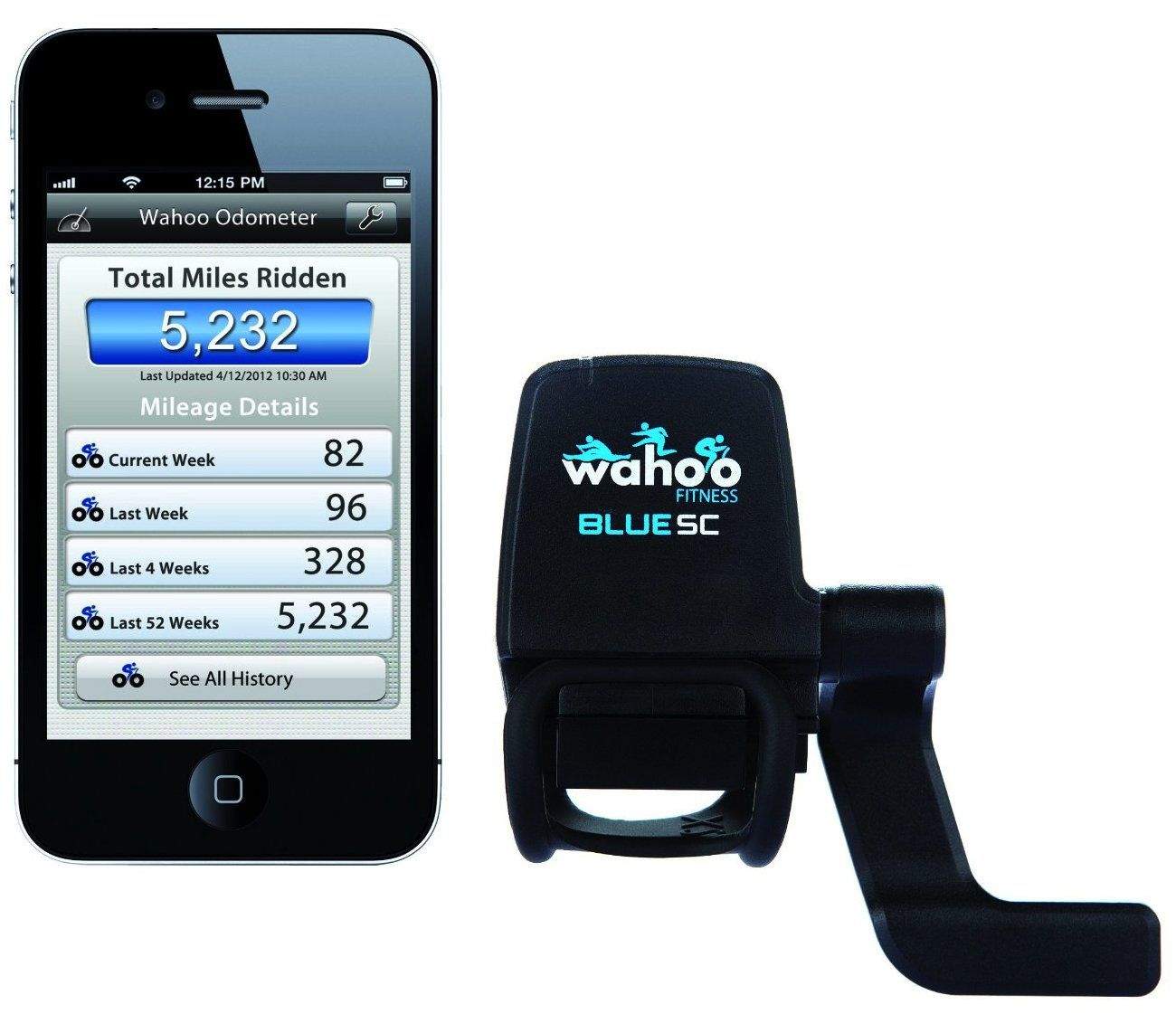
A lot of wearable wrist band fitness trackers aren’t great at measuring cycling compared to running, so if you’re putting together a regimen based on exercise that is easy to quantify, you may be tempted to put your bike away. Not so fast! The Wahoo Blue SC attaches to your bicycle and then works with your favorite cycling app to track your cycling speed, cadence, and distance on your iPhone while you ride. Even better, its internal odometer can break down the lifetime mileage ridden on your bike by week, month and even year. So get peddling.
Based on the sheer amount of biotech experts it’s been hiring, the fact that Apple has its eyes set on the health and fitness tracking sector is one for the “Cupertino’s Worst Kept Secrets” file. But after tons of speculation about the iWatch, Monday’s WWDC keynote provided a first glimpse of an actual Apple creation in this category with its upcoming Health app for iOS 8.
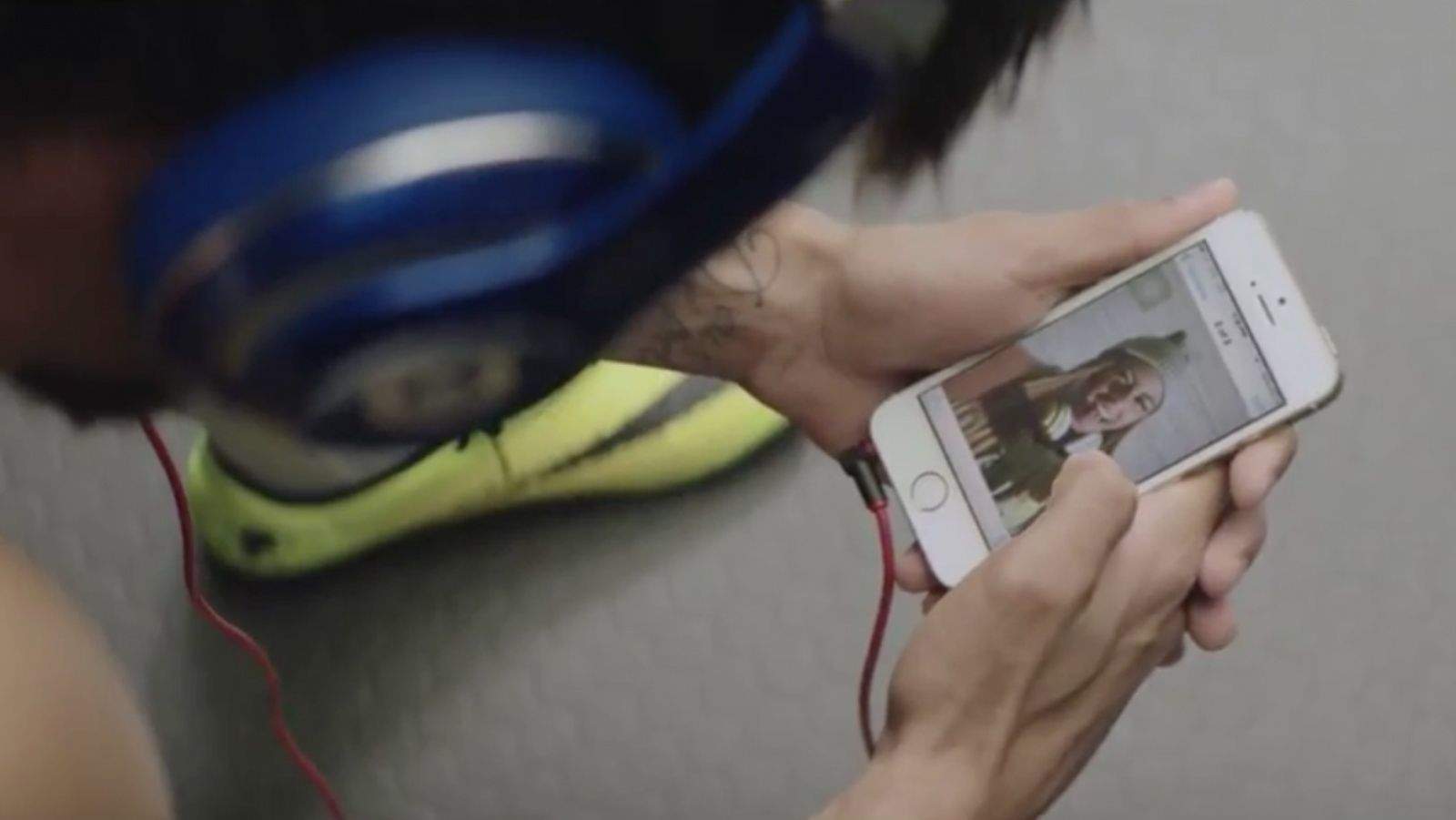
Then Apple dropped a brand new ad for the iPhone 5s, adding a sporty spin to the company’s current trend for showing Apple products used in real-life scenarios in its commercials. If you’re anything like us, it makes you think two things. Firstly, that Apple will revolutionize the health tracking field like it did the personal computer, music player, smartphone and tablet market. Secondly, that we need to hurry up and drop the flab for summer.
With that in mind, here are our picks for the best iOS-compatible fitness devices currently on the market — including the skinny on specific gadgets from the latest iPhone ad (which, incidentally, had fitness-tracking watches conspicuous by their absence.)
Let us know in the comments what tracking gear you’re using and what you hope Apple will provide next.
Apple’s long awaited and heavily rumored iWatch is set to land in stores and on wrists this October, according to a new report from Japanese business newspaper Nikkei.
Unnamed sources tell the paper that Apple has begun finalizing specs for the device, which will feature a curved OLED touchscreen and run a version of iOS 8. In keeping with Apple’s push into fitness and health tracking, as seen through the announcement of its upcoming Health app and API for iOS 8, the device will allegedly use biometric sensors to collect health-related data such as calorie consumption, sleep activity, blood oxygen levels, and more.
The latest ad for Beats headphones prominently displays Apple products, which probably has something to do with the fact that Apple is spending $3 billion to buy Beats.
Clocking in at just over five minutes, you won’t see the ad on TV. It’s tailored for the upcoming World Cup, and Beats is not an official sponsor. Nevertheless, the ad is compelling and filled with celebrity cameos. Could this be the direction Apple is heading with its in-house advertising?
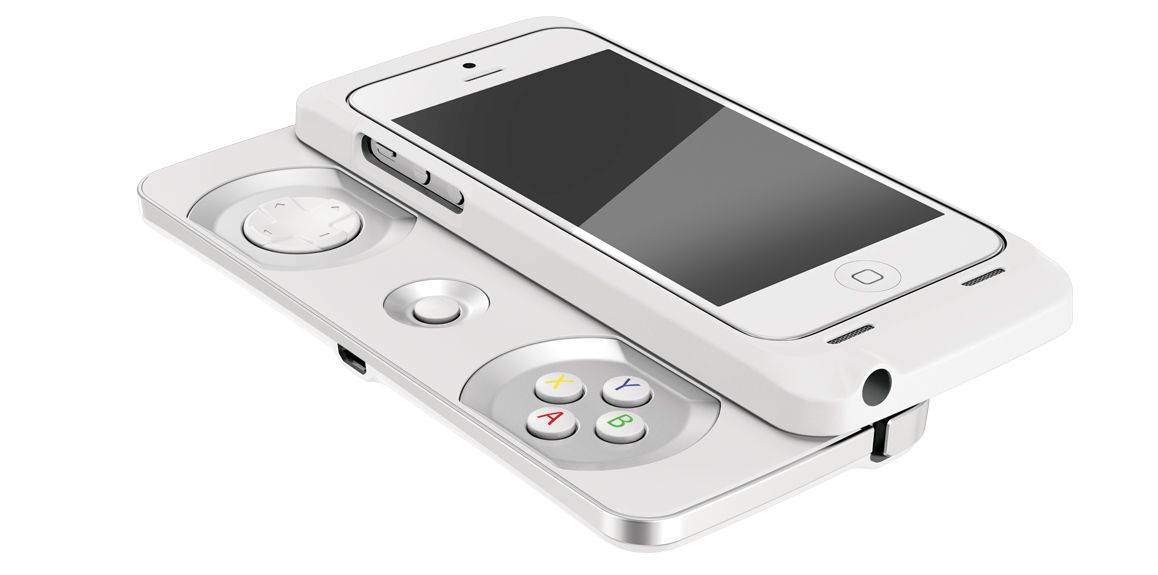
One of Steve Jobs’ biggest complaints about smartphones in the days before Apple created the iPhone was that they all had keyboards which were there whether or not you wanted them. Much the same has previously been true of previous iOS gamepads — which have either been clip-on phone cases in style, or else wireless controllers you need to carry around with you if you want to use them.
It’s this problem that Razer is attempting to solve with its new Junglecat accessory. Snapping onto your iPhone, the Razer Junglecat adds a slide-out gamepad that connects to your mobile device by way of the lighting port. While it adds a bit of heft to your ultra-thin iPhone (and obviously means that your lightning port remains occupied), it does mean that the gamepad itself can remain safely tucked away until you feel like using it.
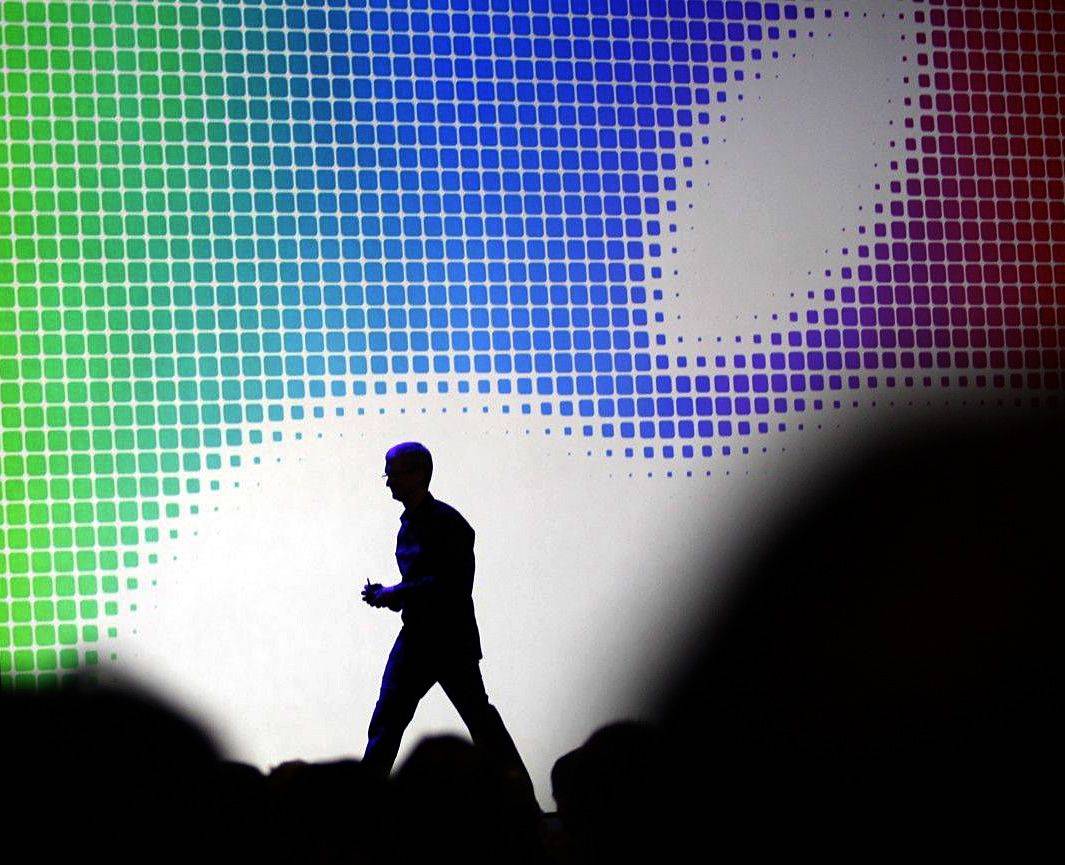
Tim Cook leaves the stage at the end of the 2014 WWDC keynote. Photo: Roberto Baldwin/The Next Web Photo: Roberto Baldwin/The Next Web
Instead of dropping a smartwatch or some other hardware bombshell at WWDC 2014, Apple showcased the futuristic tools it will use to extend its rapidly growing empire.
“Apple engineers platforms, devices and services together,” said Apple CEO Tim Cook as he wrapped up the Worldwide Developers Conference keynote Monday in San Francisco. “We do this so we can create a seamless experience for our users that is unparalleled in the industry. This is something only Apple can do.”
Casual observers (and stock analysts) might fret that there was no big wearables reveal, no amazing new Apple TV, not even a spec boost for an existing device during the highly anticipated WWDC kickoff. Yet while there were was absolutely no talk of new hardware, Apple offered an exciting peek at where the world is headed next with iOS 8 and OS X Yosemite, both of which are available to developers now and will be released to the public this fall.
“We’re always future-focused,” said Cook, who shared presenting duties with Craig Federighi, Apple’s senior vice president of software engineering, and others. Here’s a look at the shiny, translucent, interconnected future Apple is focusing on.
Aside from the odd controlled leaks, Apple isn’t a company known for letting out too much info about advance products (or, really, anything) these days. However, recently we’ve been seeing more and more information come from Apple’s less secretive supply chain — and it seems that Apple has had enough.
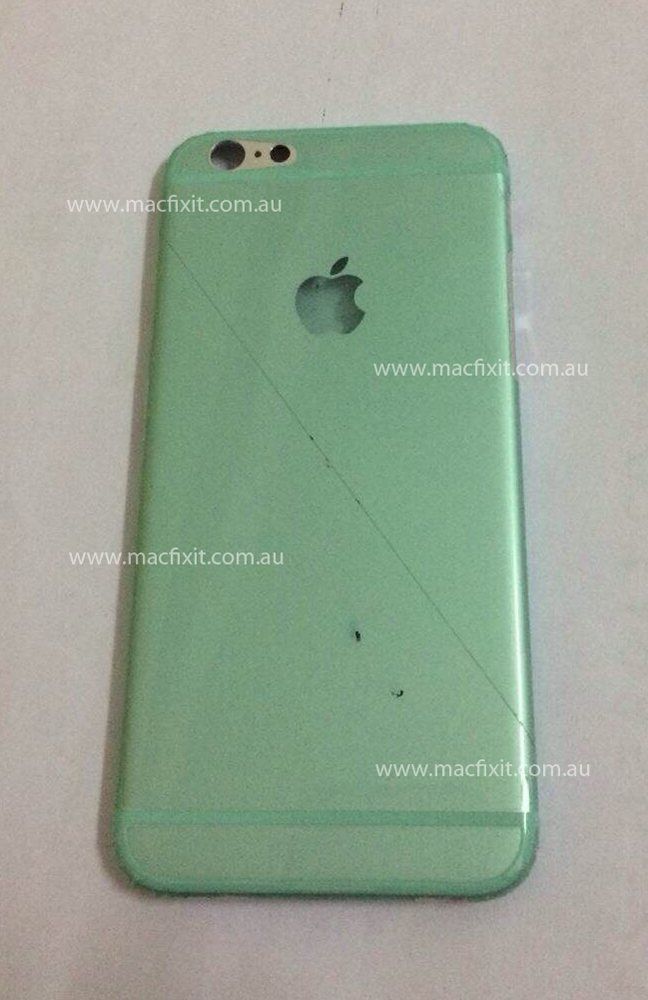
Take this with a grain of salt, but an Australian iPhone repair site with a proven history of leaking upcoming iPhone and iPad parts early has posted what they are claiming is our first look at the aluminum rear shell of the upcoming iPhone 6.