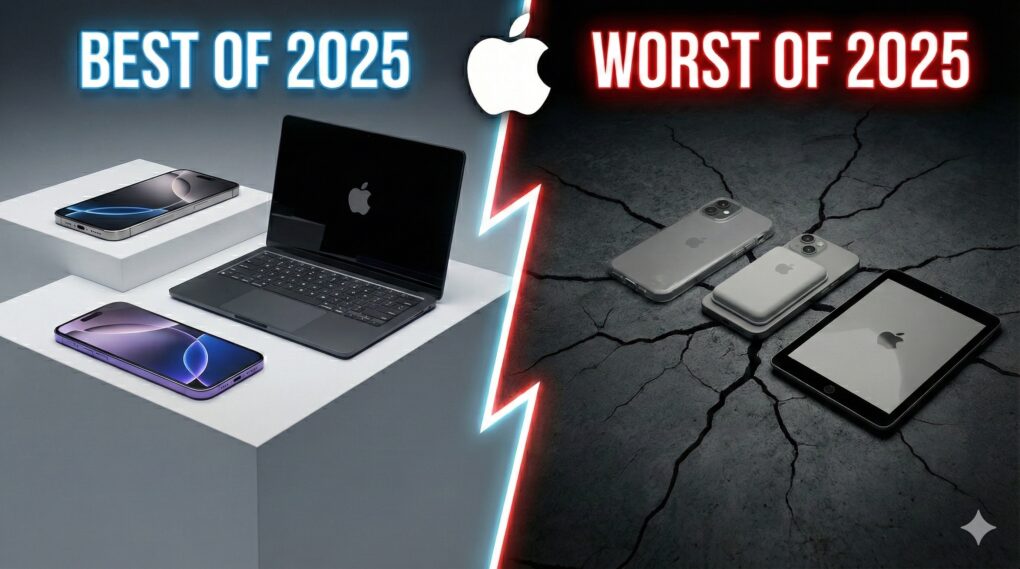
2025 was a busy year for Apple. The company launched multiple new products, some of which pushed its lineup forward in meaningful ways. However, others left plenty to be desired. Looking back, it’s clear that Apple delivered both standout successes and some head-scratching misses.
Here’s a look at the best and worst Apple products of 2025 — the ones that got everything right, and the ones that missed the mark completely.
Best and worst Apple products of 2025
This list isn’t about Apple’s highest- or worst-selling products of 2025. It’s about execution. It’s about products that delivered meaningful upgrades or failed to do so.
On the bright side, Apple showed that it still knows how to nail the fundamentals when it wants to. The iPhone 17, iPhone 17 Pro and M5 MacBook Pro each represent focused, well-thought-out upgrades that improved performance, efficiency and everyday usability without unnecessary gimmicks.
On the flip side, some 2025 launches felt poorly positioned or unnecessarily compromised, making them hard to recommend.
Table of contents: Best and worst Apple products of 2025
Best Apple products of 2025
Worst Apple products of 2025
Best Apple products of 2025
iPhone 17
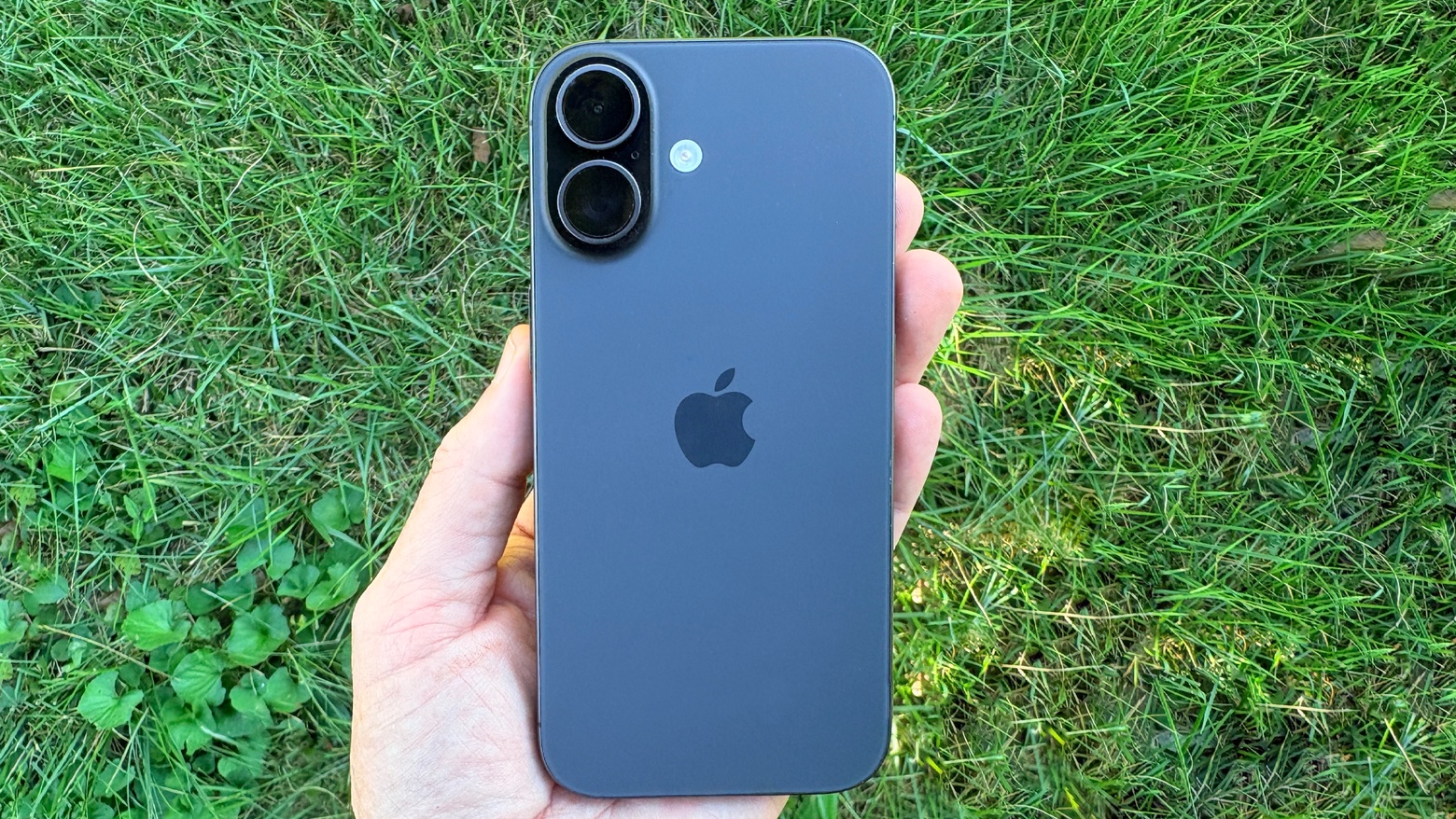
Photo: Ed Hardy/Cult of Mac
The regular iPhone 17 stands out as Apple’s best product of 2025. It might not feature a bold new design, yet it delivers exactly the upgrades that matter.
The base iPhone finally got a 120Hz ProMotion display this year, and Apple didn’t cut corners. The iPhone 17 uses the same panel as the iPhone 17 Pro, complete with 3,000-nit peak brightness, a 1-nit minimum for low-light use, and an antireflective coating that noticeably reduces glare.
The A19 chip ensures the iPhone 17 is among the fastest phones available, with the five-core GPU with Neural Accelerators significantly boosting AI performance. The SoC is also more efficient, allowing the phone to last longer.
Another noticeable upgrade this year? An 18MP Center Stage front camera. It allows you to capture landscape selfies without having to rotate the phone. And in video calls, the camera can follow the subject without requiring any hand gymnastics.
The upgraded selfie camera alone justifies buying the iPhone 17.
Despite all the upgrades, including more RAM and twice the base storage (256GB), the iPhone 17 costs the same as its predecessor: $799.
With tariffs, inflation and a major RAM and NAND supply crunch, it’s commendable that Apple managed to keep the iPhone 17’s starting price so low. It makes the iPhone 17 one of the best value-for-money phones on the market.
iPhone 17 Pro
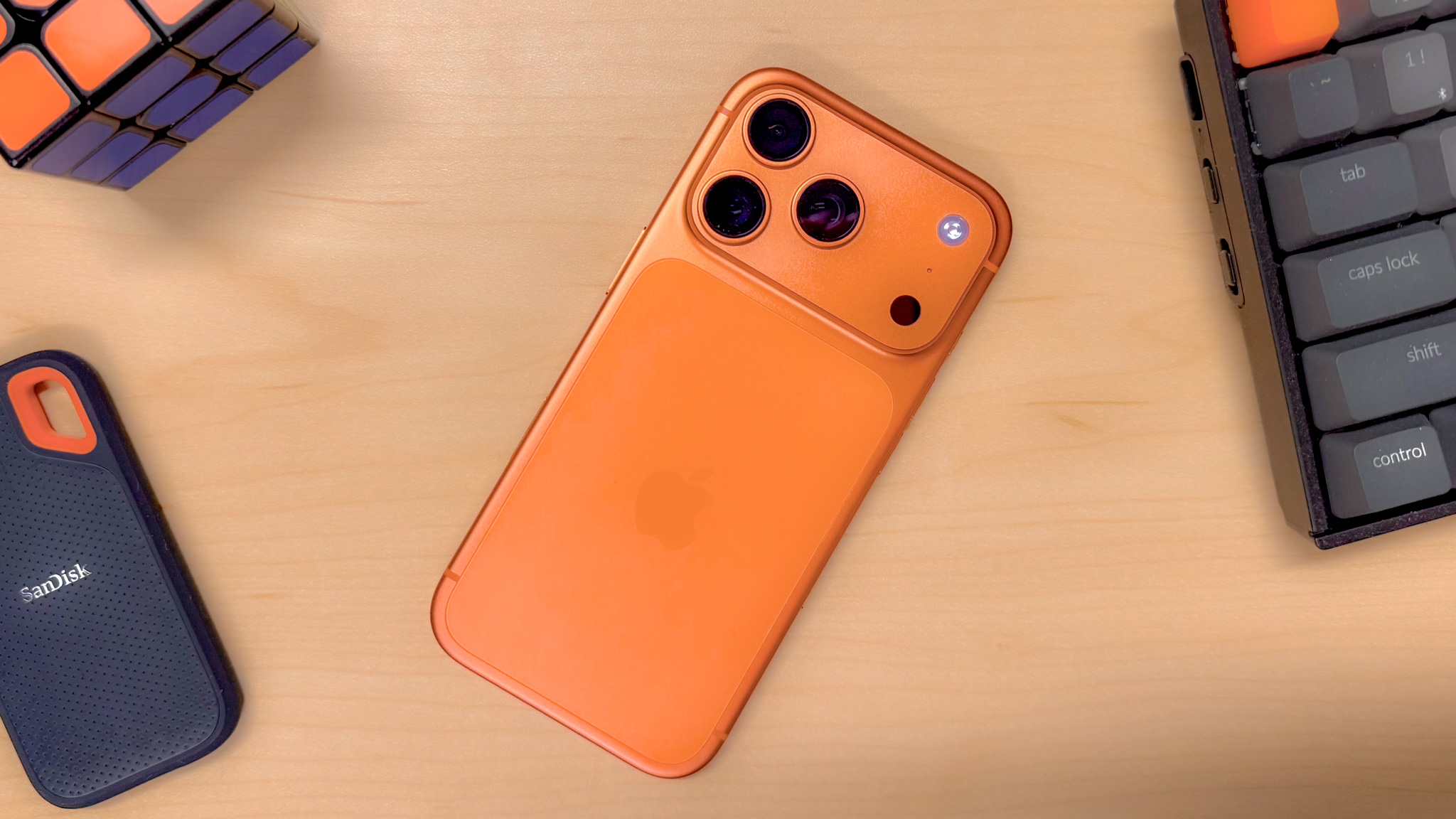
Photo: Ian Fuchs/Cult of Mac
In 2025, Apple gave its Pro iPhones their biggest design revamp in years. The iPhone 17 Pro and Pro Max introduce a redesigned rear camera island housed in a thicker, heavier body that pairs well with a bold new orange finish.
Even apart from the design, the iPhone 17 Pro packed major upgrades in all key areas: an antireflective display, an upgraded selfie camera, better performance, longer battery life, faster wired charging speeds, and a larger telephoto camera.
The regular iPhone 17 steals some of the iPhone 17 Pro’s thunder. Still, if you’re a power user, the Pro model remains the better buy. It’s Apple’s best iPhone Pro to date and one of its strongest product launches of 2025.
No wonder the phone has been selling like hotcakes since launch, with Apple on track for its best holiday quarter yet.
M5 MacBook Pro
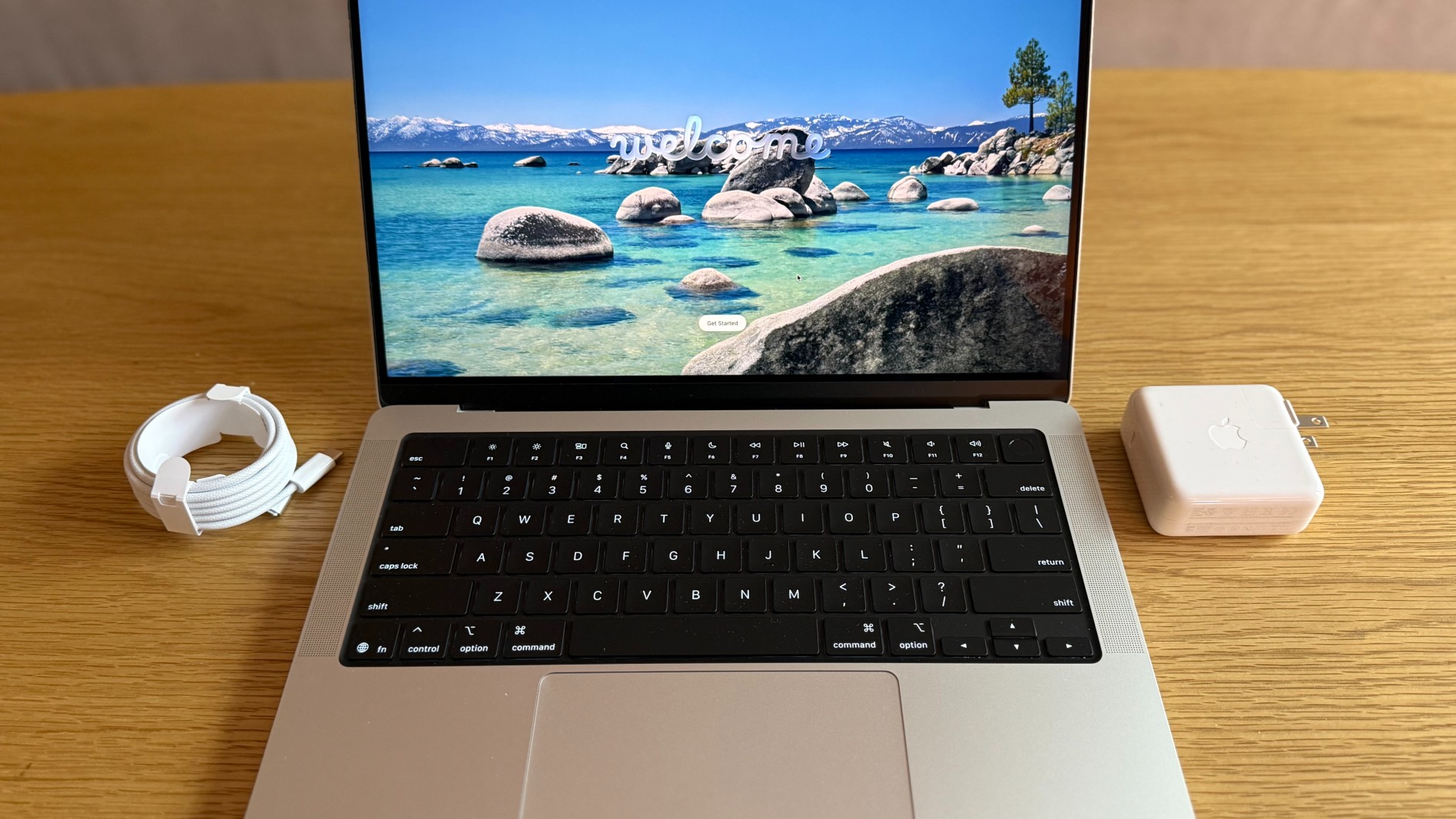
Photo: David Snow/Cult of Mac
The M5 MacBook Pro is one of Apple’s most underrated device launches of 2025. It doesn’t bring a new design or flashy changes. The only upgrade is the faster M5 chip. And that’s the real star of the show.
Featuring the world’s fastest CPU cores, the M5 chip promises to deliver up to 15% faster multithreaded performance over the M4.
It also delivers a big leap in AI performance. Each of the 10 GPU cores now features a dedicated Neural Accelerator, dramatically improving on-device AI workloads. On top of that, the GPU itself gets a sizeable upgrade, offering up to 30% faster graphics performance compared to the M4.
The M5 chip enables the entry-level MacBook Pro to live up to its “Pro” moniker. It even manages to beat older-generation Pro chips in many tasks.
40W Dynamic Power Adapter with 60W Max
Apple’s 40W Dynamic Power Adapter with 60W Max is a great example of the company getting the basics right in 2025. On paper, you might think that it’s just a charger. But it’s a smart one.
The 40W Dynamic Power Adapter is just a wee bit larger than Apple’s 35W dual USB-C charger. And yet, it can deliver up to 60W of power.
Depending on the device connected, Apple’s new 40W power brick can temporarily boost its power output to as much as 60W. That extra headroom comes in handy when charging a MacBook Pro or Air. For iPhones, it delivers up to 40W power, which is enough to juice up the iPhone 17’s battery to 50% in only 20 minutes.
Worst Apple products of 2025
iPhone 16e
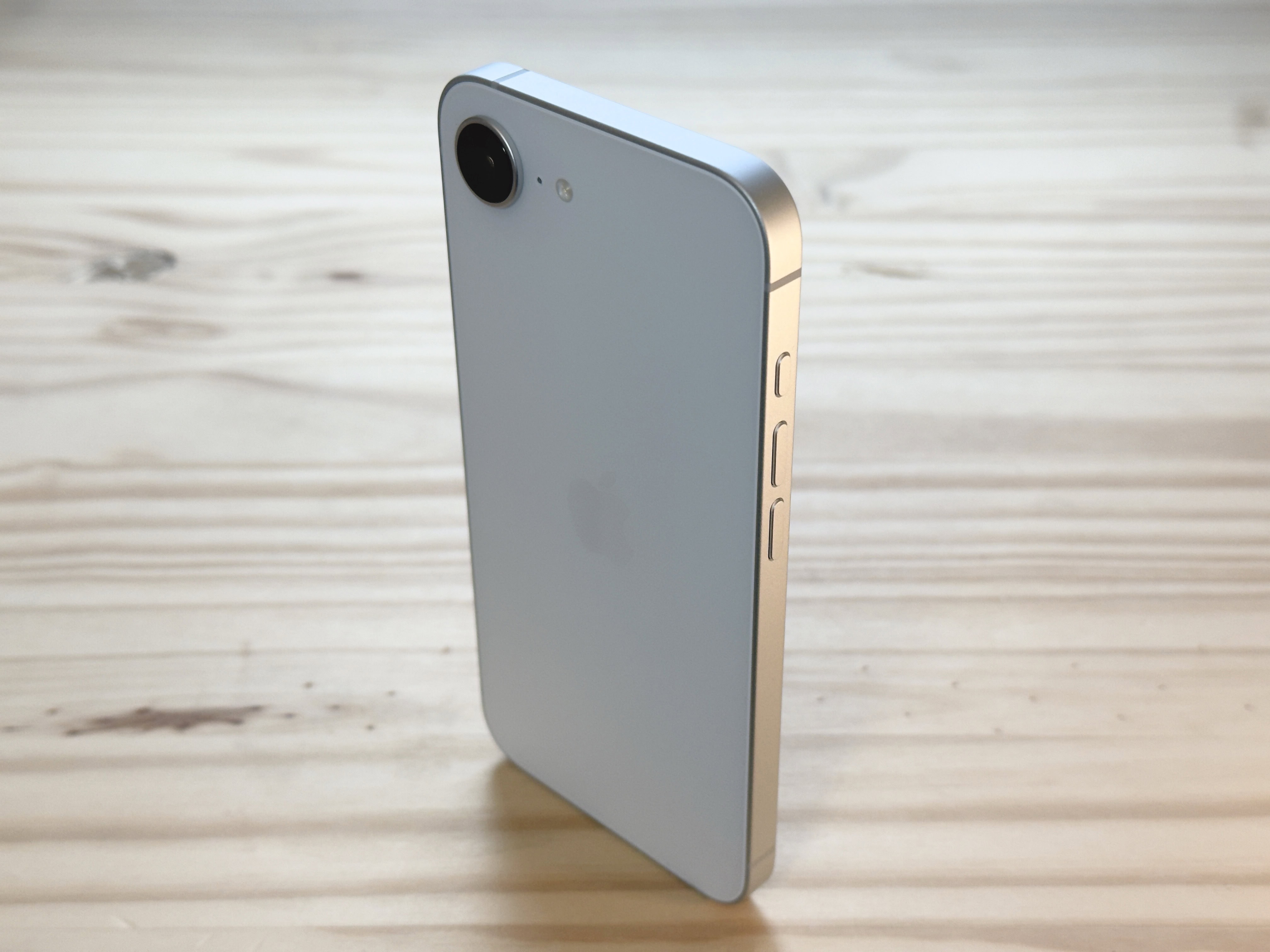
Photo: D. Griffin Jones/Cult of Mac
The iPhone 16e ranks among the world’s bestselling phones this year. Still, it’s among Apple’s worst products to debut in 2025.
The phone packs relatively decent internal specs, including an A18 chip and a 12MP front camera. But it stumbles badly with an outdated Super Retina XDR display that clings to a notch rather than adopting the Dynamic Island.
The single rear camera makes matters worse, making it hard to justify the phone’s $599 list price. Anyone considering the iPhone 16e would be far better off spending an extra $200 on the iPhone 17, which delivers a noticeably more complete and polished experience.
iPhone Air MagSafe Battery Pack
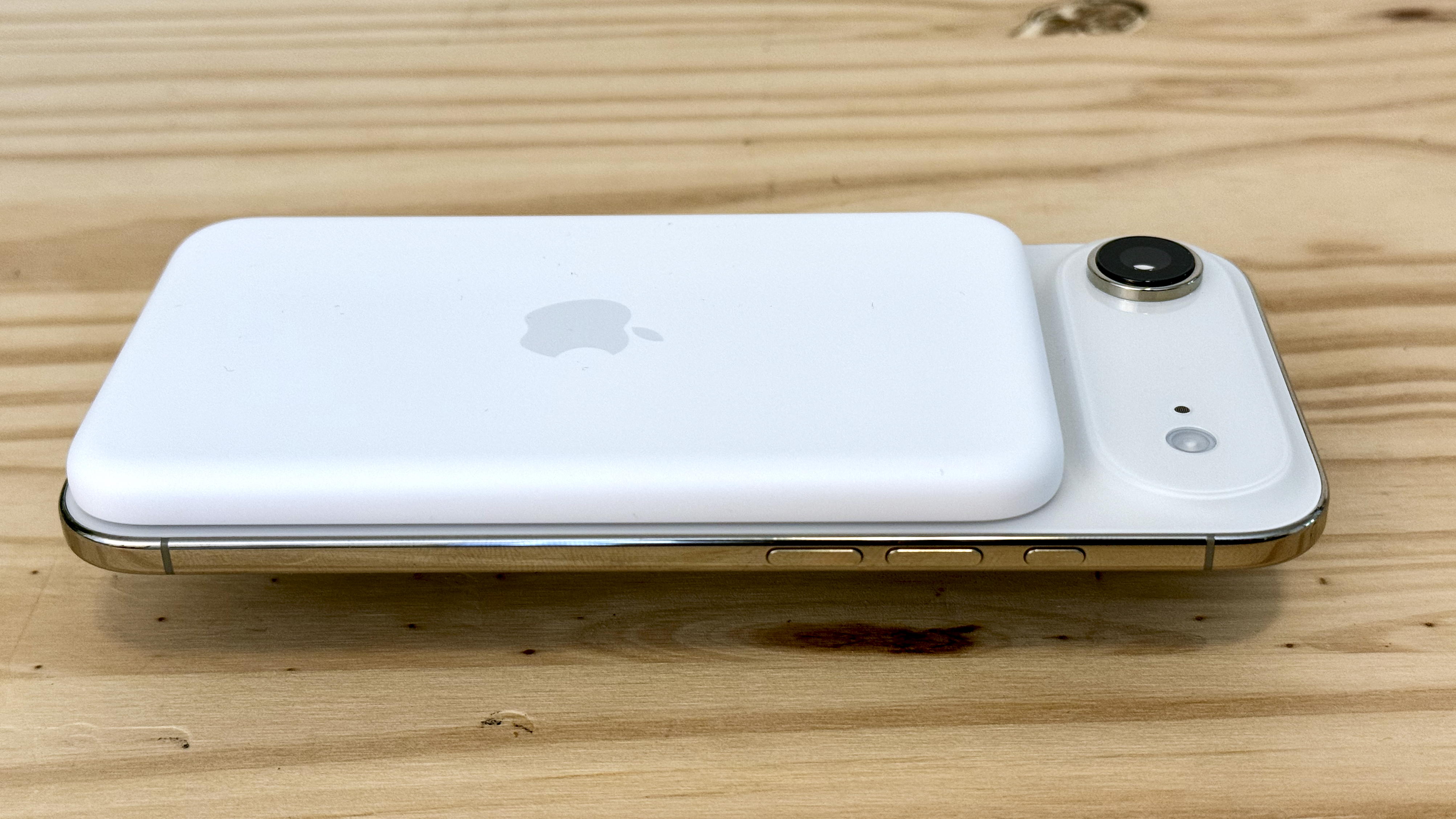
Photo: D. Griffin Jones/Cult of Mac
Apple reintroduced its MagSafe Battery pack this year, but fumbled big time with the execution.
The iPhone Air MagSafe Battery pack exists for exactly one reason: to help the iPhone Air make it through a day of heavy use.
Despite its $99 price tag and MagSafe support, the portable battery pack only works with the iPhone Air. While it can technically charge the iPhone 17 and iPhone 17 Pro, their rear camera layouts prevent the pack from sitting flush, making the experience impractical.
Yes, the iPhone 17 and iPhone 17 Pro last longer and support faster wired charging speeds. Still, Apple should have ensured the MagSafe Battery pack’s compatibility with its non-Air iPhones. (Looking for an alternative? Read our review: Anker’s Nano Power Bank is the iPhone battery pack Apple should have made.)
iPad (A16)

Photo: Ed Hardy/Cult of Mac
Apple spent most of 2024 hyping Apple Intelligence. And yet, it went ahead and upgraded the entry-level iPad this year with only an A16 chip, which doesn’t support Apple Intelligence.
Sure, the base iPad starts at $329, but that’s not an excuse for Apple to lock its headlining AI features out of its most accessible tablet.
In practice, it makes this year’s iPad a no-buy. You are better off spending some extra cash and getting the M3 iPad Air instead.
What about the iPhone Air?
Despite being a sales dud, the iPhone Air is not a flop — at least from a technical viewpoint. Yes, it suffers from some compromises, which kept it from making the list of best Apple products of 2025.
However, the 5.6 mm-thin iPhone required several technological breakthroughs to achieve its slim frame. What’s even more remarkable is how Apple squeezes respectable battery life out of the iPhone Air’s modest 2,900mAh cell, largely through aggressive efficiency optimizations.
Think of the iPhone Air as a stepping stone for Apple toward something bigger. Reports already suggest Apple’s first foldable iPhone could resemble two iPhone Airs attached to each other.
The technology used inside this phone will enable Apple to make its future iPhones, MacBooks and other devices slimmer and lighter — all without sacrificing performance.

Rajesh has been writing about consumer technology for over a decade, with a strong focus on iPhones, Macs and Apple’s ecosystem. He enjoys digging into Apple software updates, hardware changes, and discovering new Mac apps that make work faster and more enjoyable.
You can reach out to him at mail[at]rajeshpandey.me.

