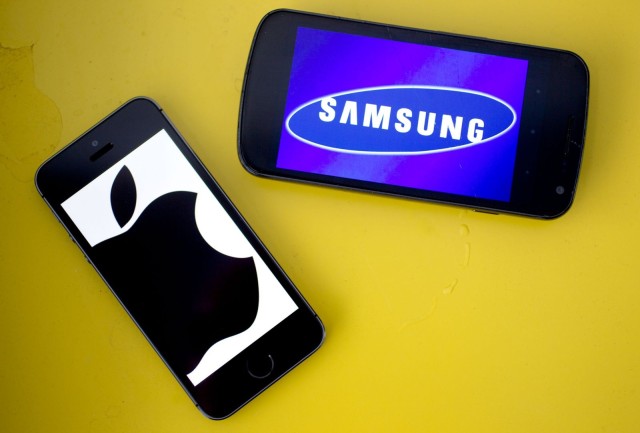
Samsung: you can’t live with ’em, you can’t make iPhones without ’em, a new report reveals.
Apple has reportedly brokered a deal with its long-time South Korean “frenemy” to provide OLED panels for a future iPhone, scheduled to ship in 2017.
Samsung: you can’t live with ’em, you can’t make iPhones without ’em, a new report reveals.
Apple has reportedly brokered a deal with its long-time South Korean “frenemy” to provide OLED panels for a future iPhone, scheduled to ship in 2017.
If the iPhone 6s Plus seems just a little bit too small in your monstrous hands, fret not dear giant friends: Apple may be planning to go even bigger with a super-sized iPhone 7s Pro.
Apple is looking to add a 5.8-inch OLED display to the iPhone in 2017 or 2018, according to a new rumor that claims Samsung is already on board to supply the screens.
Virtually everyone is expecting Apple to make the jump to OLED displays sooner or later, but according to a new report iPhone users may be able to expect the arrival of the new, sharper displays as soon as next year’s iPhone 7s — around one year earlier than was being predicted.
Apple is reported to have spoken with its display suppliers at both LG and Samsung concerning its desire to ramp up OLED production so that it is ready for next year’s iPhone release.
The iPhone 7 will be big business for Apple, but you know who else will be benefitting from it? That’s right: Apple’s long-time frenemy, Samsung.
Despite its own smartphone business running into problems, Samsung will reportedly play a massive part in iPhone 7 manufacturing. As well as the storage chips, RAM and processors Samsung already builds for Apple, a new report from Korea claims that Samsung Display is also Cupertino’s pick to supply Apple with flexible OLED panels for future iPhones.
And Samsung was willing to drop some serious coin to secure the contract.
The arrival of OLED displays for future iPhones is looking more of a sure thing than ever, with a new report stating that Apple is on the verge of finalizing an agreement with Samsung Display and LG Display to build its future screens.
According to sources, Samsung will produce around 90,000 OLED substrates per month for Apple, while LG will produce 60,000.
Total number of smartphone displays that should generate? The report doesn’t make it explicitly clear, but it is likely to be in the region of 400 million displays per year.
People who are hoping Apple will one day sever ties with Samsung as a supplier are likely to be sorely disappointed, as a new report states that Apple will be relying on OLED displays from Samsung Display when it makes the switch to OLED screens for future iPhones.
Apple is allegedly using its secretive new lab facilities in Taiwan to develop microLED displays which are thinner and more energy-efficient than the displays currently used in the company’s products, a new report states.
It’s hardly speculation to suggest that, as soon as Apple is rumored to be entering a new area of production, every manufacturer with capacity wants to get in on the new opportunities.
The latest example of this is Japan Display, which is reportedly in the early stages of converting one of its factories in Ishikawa factory into an test production line to try and win iPhone orders when Apple switches to using OLED displays in the near future.
Apple has reportedly confirmed to its supply chain that it plans to switch from LCD panels to OLED ones for iPhones released in 2017-2018. This potentially means that we might get an OLED Apple handset as early as the iPhone 7s — and not the iPhone 8 as previously thought.
Cupertino is said to be asking display makers in both Korea and Japan to start expanding their OLED manufacturing capabilities to fit its needs.
Apple will adopt OLED displays for its handsets beginning with the iPhone 8 in 2018, according to a new report coming out of Japan.
Apple may be about to broker a deal with Samsung, which would see the South Korean tech giant exclusively supply Apple with OLED panels.
According to a new report, Samsung is currently expanding its OLED production capacity on the basis that a deal with Apple is “on the fast track.” A source claims that negotiations are progressing rapidly, and that Samsung may end up building a dedicated OLED facility with the sole purpose of supplying to Cupertino.
Samsung is supplying Apple with OLED displays for the Apple Watch, and is trying to sell Cupertino on using its panels in other devices as well.
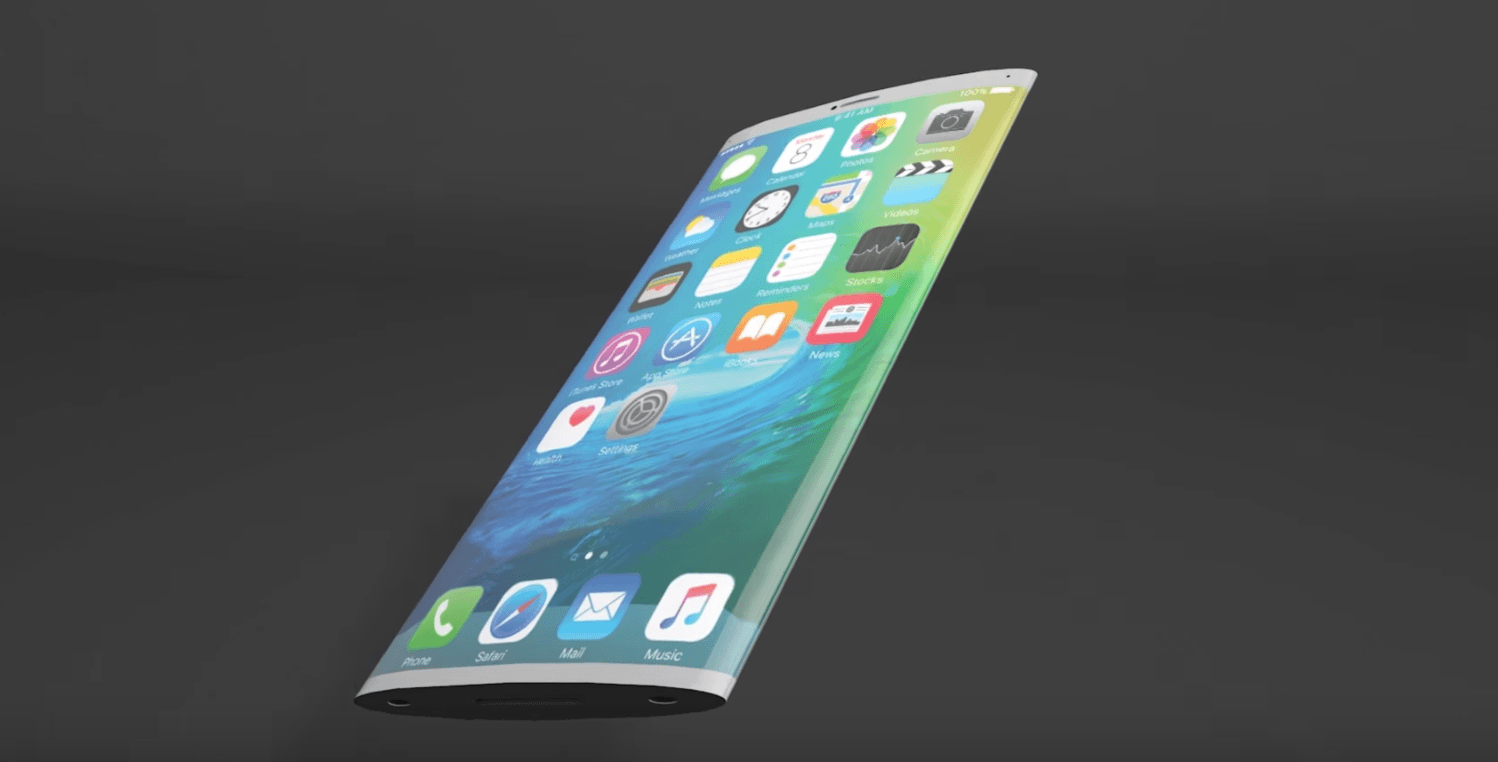
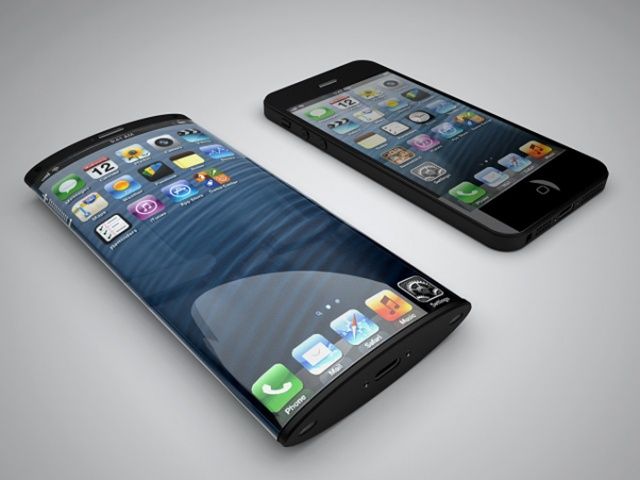
Could future iPhones come with an OLED-based curved screen? Depends on how the tests go.
According to a rumor that’s sketchier than a rapid drawing done with an Apple Pencil, Apple is “serious” about equipping its 2018-era iPhones with OLED-based curved screens.
The South Korean news reports suggests that major Korean display-makers are currently showing off the cutting-edge displays to execs at Apple, and has found Apple to be enthusiastic about the prospect.
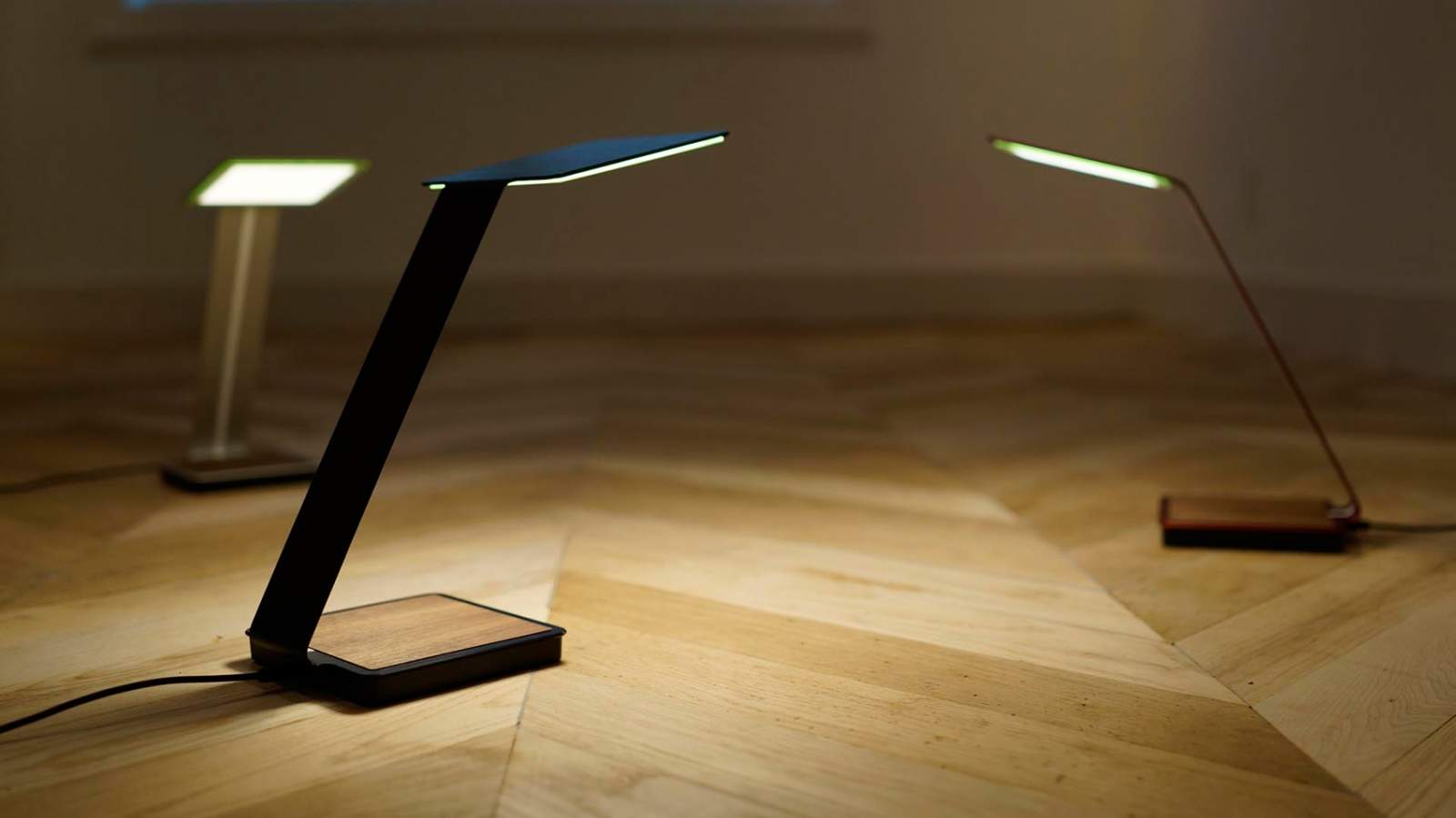
Few of us have ever given much thought to the building of a better lightbulb. But technology has forced us away from the incandescent bulb to LED lights which are more efficient, last longer and, in some cases, provide a variety of color.
The design and engineering team behind the Aerelight isn’t riding the LED wave. They are instead coming in on the wave after that with OLED lighting technology for its elegant razor-thin table lamp.
If you’ve been waiting for Apple to make an iPhone with a flexible OLED display, you may be getting your wish — although not for at least a few more years. According to a new report coming out of South Korea, Apple is “very likely” to release its first iPhone with a flexible OLED display in 2018, and the company’s display suppliers are currently “working on it.”
Does this mean we’re about seeing bendgate part two?
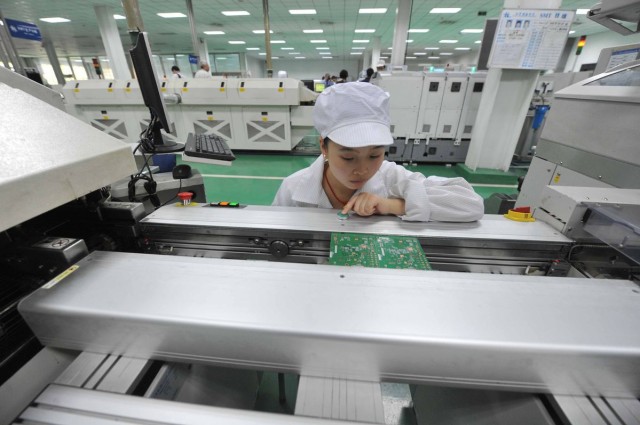
Foxconn’s new $2.6 billion factory dedicated to building displays exclusively for Apple will supply OLED panels for future iPhones and wearables, according to a report from leading Japanese newspaper Nikkan Kogyo Shimbun.
Long-time Apple manufacturer Foxconn is supposedly working with touch panel company InnoLux to put together an ecosystem, allowing it to produce sixth-gen low temperature poly-silicon films, aimed at entering mass production in 2016.
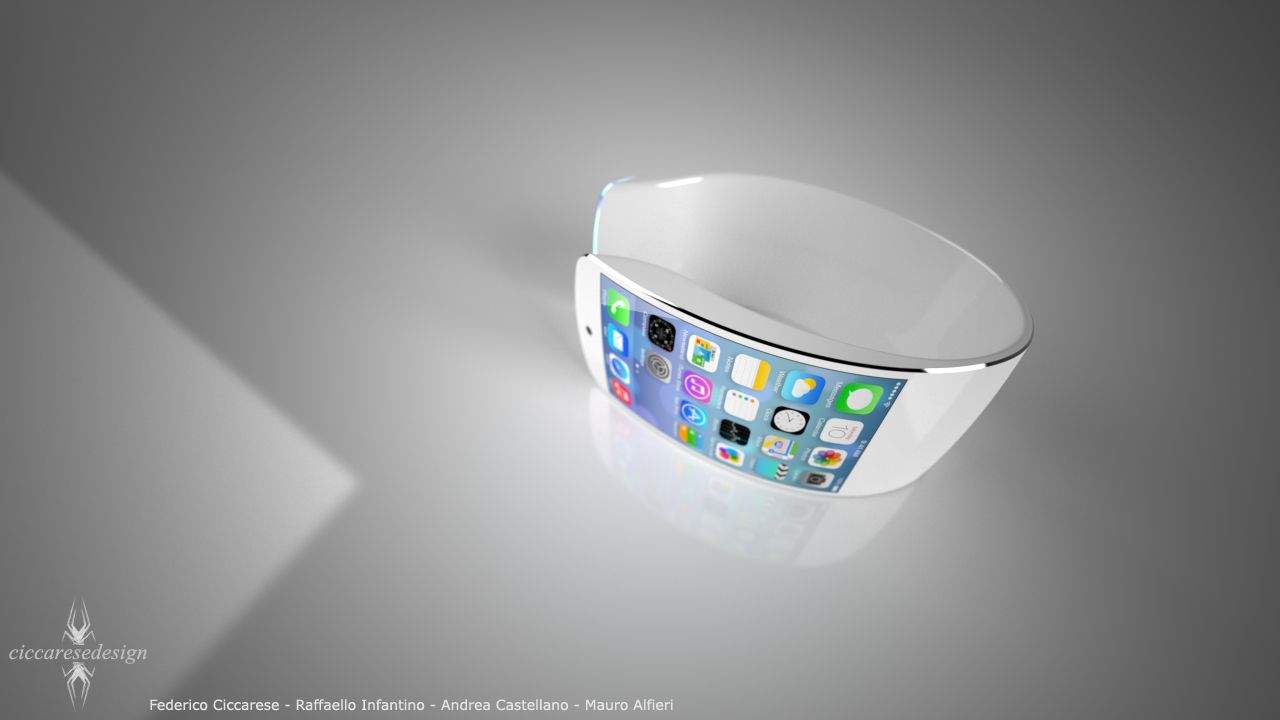
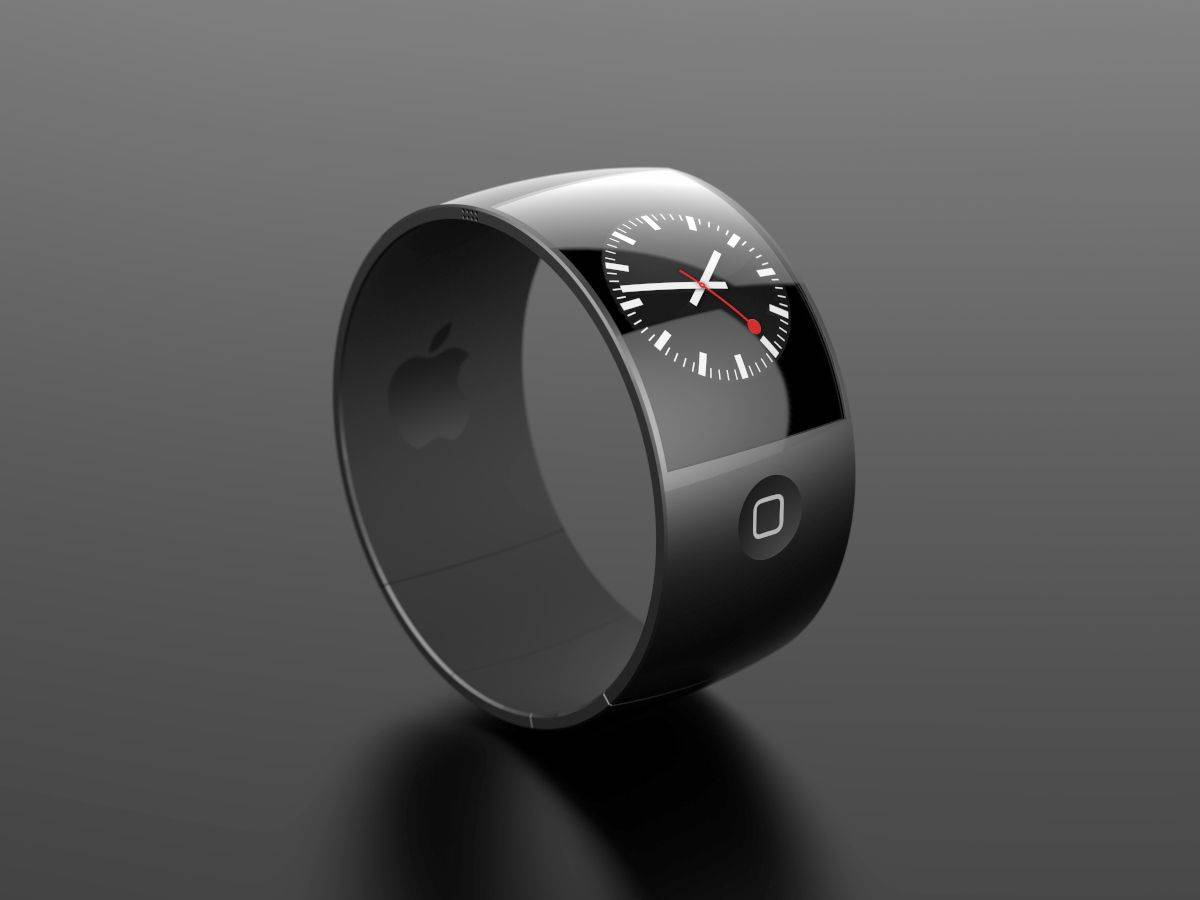
Apple has chosen LG Electronics as its sole manufacturing partner for the iWatch, according to a new report from Korea. The device is expected to use the same curved OLED display technology LG recently debuted with its G Flex smartphone, and production could begin during the third quarter of this year.
Foxconn Electronics is to begin producing high-resolution OLED smartphone displays starting in 2015, according supply chain sources in Taiwan. The company has reportedly reached a deal with Taiwanese panel maker Innolux, which will undertake the production of the 4- and 5-inch screens.
There have been many wearables and quantified-health applications over the past few years, but most have steered clear of proclaiming themselves medical devices. Some of the rumors about the iWatch (such as the fact that it will be able to listen to the sound blood makes as it flows through arteries, and use this to predict heart attacks) may sound a bit too good to be true. But the number of biosensor and biomedical engineers Apple has snapped up recently makes us think the iWatch could be a device that crosses over firmly into the "medical monitoring" category.
According to one recent report, a reason for the long delay before launch is that Apple is awaiting certification from the Food and Drug Administration to get the iWatch approved as medical equipment. Given Apple's recent announcement of the Health app for iOS 8 to collect and show data on calorie consumption, sleep activity, blood oxygen levels and more, plus the conspicuous absence of a health-tracking fitness band in Apple's last iPhone 5s ad, the idea that the iWatch will be geared toward health seems as close to a foregone conclusion as you get for a device that hasn't even been officially announced yet.
With all of Apple’s sales numbers save iPhone either flatlining or declining, calls are louder than ever for Apple to release a revolutionary device in an all new product category. People want the iWatch, and so does Apple.
A new rumor says that final manufacturing plans for the mythical wristmounted iDevice are underway, and LG is likely to be the main provider of Apple’s new iWatch OLED display.
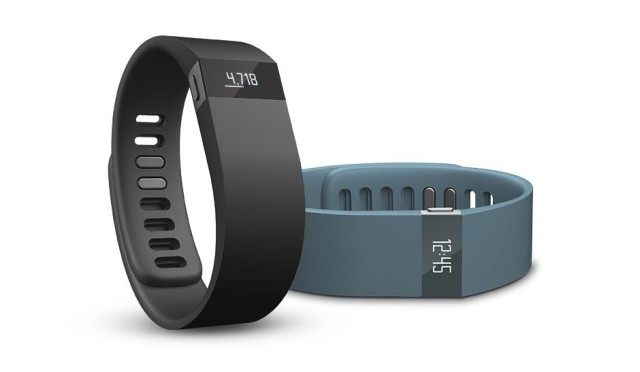
Fitbit has today announced its new fitness tracker, the Force, which combines all of the features found in the original Fitbit Flex with some of the more advanced features found in the Fitbit One tracker. It costs $129.95, slightly more than the $99 Flex, and it’s available today.
Apple doesn’t like OLED displays. Across the board, Apple uses LCD IPS displays in its devices, which have better color accuracy than OLED. Theoretically, though, OLED is better than LCD when it comes to power consumption, though… which is why a new report is floating the possibility that Apple might switch to OLED for the iWatch… and that Foxconn is already building test runs.
A recent hire by Apple might suggest that Apple is interested in finally following the likes of Samsung and LG and release an iPhone with an Organic LED, or OLED, display.
If you’ve got a fairly recent MacBook Air or MacBook Pro, you’ll know that typing in a dark room is a breeze thanks to its backlit keyboard. It now seems as though Apple is looking to extend this feature to the trackpad as well. In a new patent filing entitled “Illuminated Touchpad”, the Cupertino company describes a new touch-sensitive input technology that doesn’t just light up, but also provides an “improved feedback mechanism.”
Apple’s next-generation iPhone could finally put an end to fragile smartphones by adopting a flexible OLED display that can bend and twist without so much as a crack. The technology will reportedly come from Samsung — one of Apple’s biggest display partners — which claims to have already received “huge” orders from certain companies.
Earlier this week, we heard a report from iTV obsessive Gene Munster that Apple was looking to buy up HDTV panels to launch their long-rumored connected television set by the end of 2012. But according to a new report from the sometimes-accidentally-reliable Digitimes, when Apple came knocking for display panels, the big boys all said ‘no.’