Give your iPhone Predator vision. Photo: Cult of Mac
The Cult of Mac crew got its grubby hands — and we do mean grubby! — on hundreds of iPhone cases in Las Vegas this week.
Here are the ones we most wanted to take home.
Flir One Case Gives Your iPhone Predator Vision
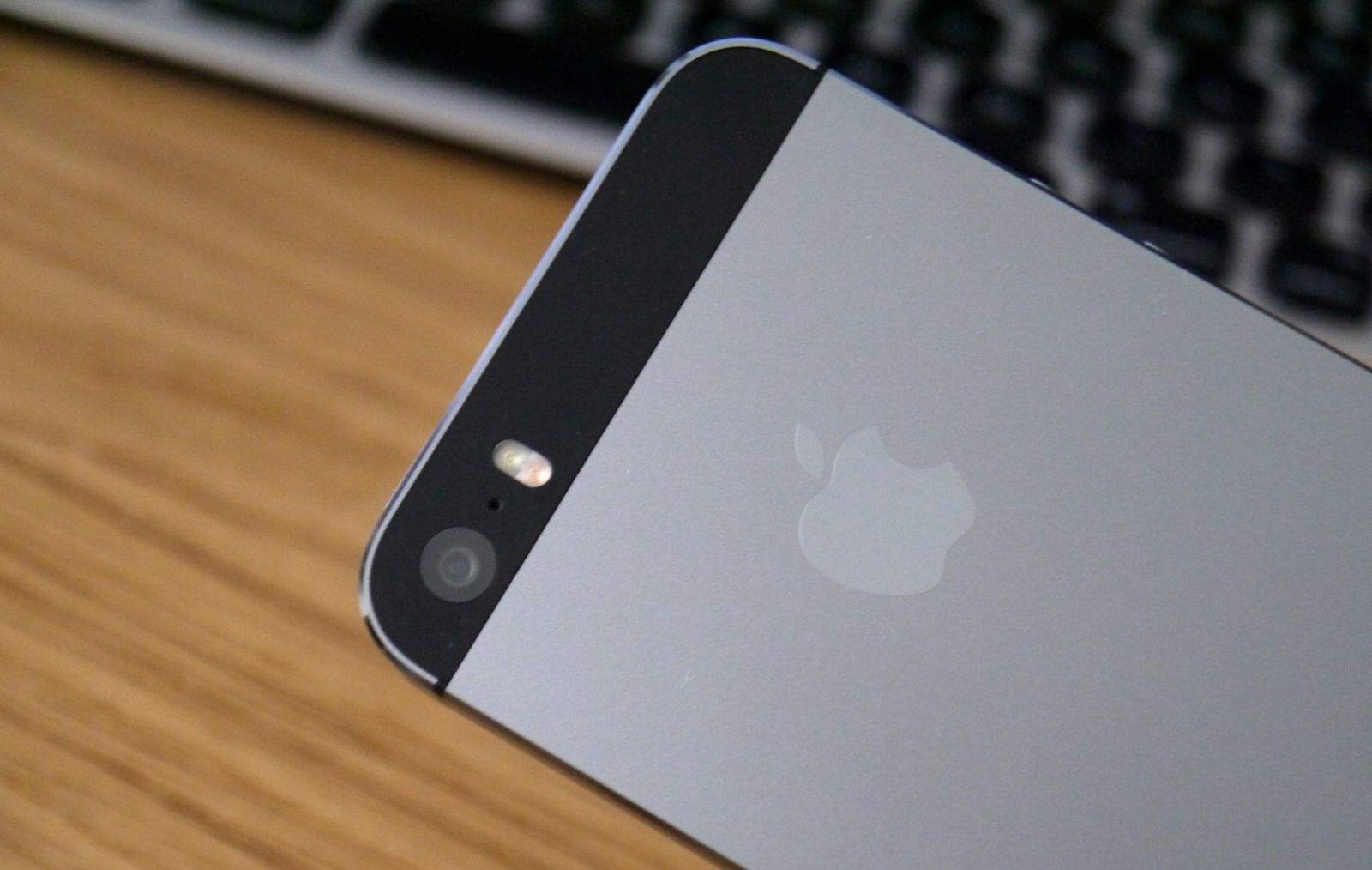
FLIR One debuted their all-new thermal imaging camera case that gives the iPhone 5 and 5s the power to pick up heat signatures up to 100 meters away from live people, animals, and pretty much anything else around you.
Flir One makes thermal imaging products aimed at professionals but the Flir One case will bring the heat sensor to the everyday consumer. It cost $349, which sounds ridiculously expensive at first, but compared to Flir’s cheapest stand alone model that sells for over a grand, it sounds reasonable.
The detachable case comes with a thermal imaging camera on the back powered by its own battery source with up to four hours of charge. It comes with a custom app featuring different filters to interpret the heat signatures, and can be used for all sorts of household projects like looking for studs behind your wall, checking for water leaks, heat leaks, or even ferreting out a termite infestation. It also doubles as a really cool, really expensive, long-range thermometer.
Flir One says we can look forward to tracking heat with it sometime this spring. — Buster Heine
iZZi Slim Lens
Think the only serious, affordable quiver of lenses available for iPhone 5/S iPhoneography are the ones from Olloclip? Nope. Wrong.
iZZi Gadgets has actually offered a lens case for the last year or so in the Orbit Pro, a machined alloy case and four-lens — wide-angle, fisheye, telephoto and macro — carousel (it looks like three lenses, but as with Olloclip’s lenses, the wide angle unscrews to become a macro). The obvious difference, besides the alloy case, is that the Orbit Pro keeps all the lenses on the phone and swappable by a simple rotation of the carousel, compared with the Olloclip method of sliding lenses on and off the iPhone. But the Orbit Pro is bulky, suffers from slight vignetting (darkened corners) and carries an eyebrow-furrowing $240 pricetag.
Now iZZi has fixed all that with their new iZZi Slim. They’ve move the lenses closer to the case, eliminating the vignetting; the case is now made of plastic, making it much slimmer and lighter; and the price? $100. Which is less expensive than the $120 of the combined Olloclip 4-in-1 Lens and Quick-Flip case combo. — Eli Milchman
Retro Cases Add A Game To Your iPhone
PureGear has a lineup of cases that turn your iPhone into a retro physical game, no app required.
The PureView retro game case line up comes with three different analog game options: a traditional maze, a circular maze, and another called Undecided that’s kind of like playing Plinko from The Price Is Right, except you’re aiming for Yes or No instead of fat stacks of cash.
Pureview recently added new option for the iPhone 5c as well as some limited black and grey editions for the iPhone 5/5s. Each game case will set you back 30 bucks, but they’re more addicting than Candy Crush, don’t need WiFi and won’t waste your battery. Oh yeah, and they’ll protect your iPhone when you get mad and toss the maze across the room. — Buster Heine
Clever New Space Pack Will Double Your iPhone’s Battery And Storage
Mophie’s Juice Packs are widely considered to be the best battery cases you can get for the iPhone. They attach via Lightning and give you a backup power reserve for long days when a normal charger isn’t available.
Today at CES, Mophie unveiled its new lineup for battery cases for the iPhone. The Space Pack not only doubles battery life, but it has a pretty cool trick up its sleeve: additional storage.
Available in black and sliver, the Space Pack adds up to 32GB of storage that can be accessed any time the case is on the iPhone. The SSD hard drive inside the case works with Mophie’s free Space app. You can view just about any file type in the app’s browser and create folders to manage your stuff.
If that sounds cool, it’s because the idea is awesome. Not only do you have an extra reserve of battery life, but you can effectively double your iPhone’s storage.
Mophie launched preorders at CES with shipping slated to begin on March 14th. The 16GB model costs $149.95, and the 32GB model costs $179.95. Not cheap, but maybe worth it if you need more battery and storage than your iPhone can offer. — Leander Kahney
New Straitjacket Case: Where Hard Plastic Meets Silky Silicone
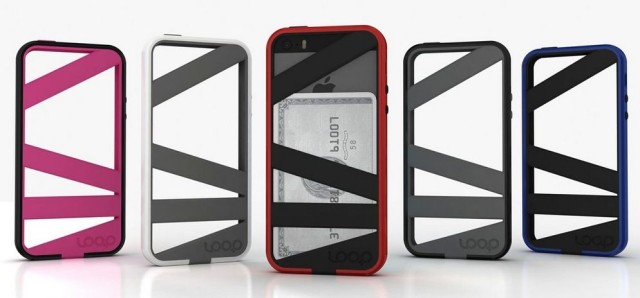
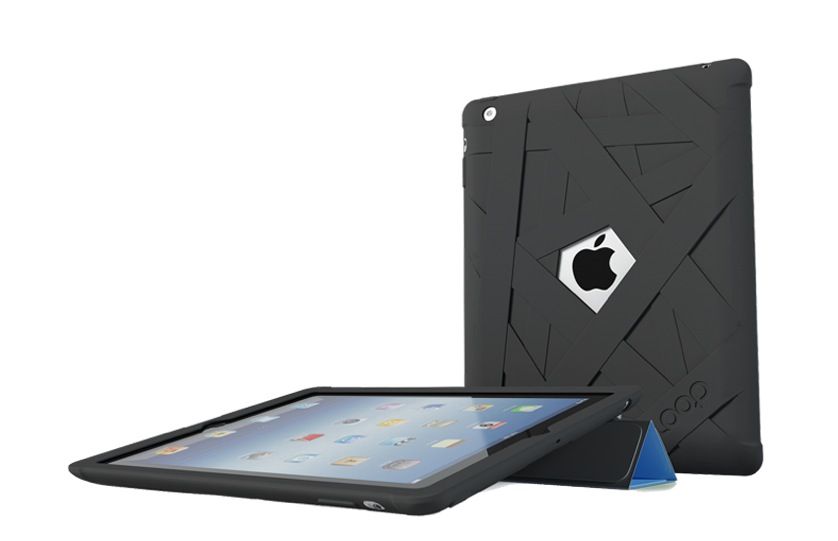
Loop Attachment, the company behind the awesome Mummy cases for iOS devices, is at CES in Las Vegas this week showing off its latest product for the iPhone. It’s called the Straitjacket, and it fuses a hard plastic bumper with the silky smooth silicone that Loop Attachment is famous for.
The result is a minimalist case that’s protective without being too big or too bulky. It carries the Mummy’s trademark design, which aims to showcase your iPhone’s beautiful aluminum casing, and it provides complete access to all of your handset’s buttons, ports, and cameras.
The Straitjacket also holds a credit card, so you can slip your favorite piece of plastic in the back and not have to worry about carrying a wallet.
“The Straitjacket represents the next step in the evolution of our design language,” said Christopher Peterson, Chief Creative Officer of Loop Attachment. “The driving design intent of the case was to balance the common conviction for slim, space-saving design with the desire for tasteful expression.”
The Straitjacket will be available to order from Loop Attachment’s online store in late January. Pricing is yet to be confirmed. — Killian Bell
Fre iPhone 5/s Case Goes Camo
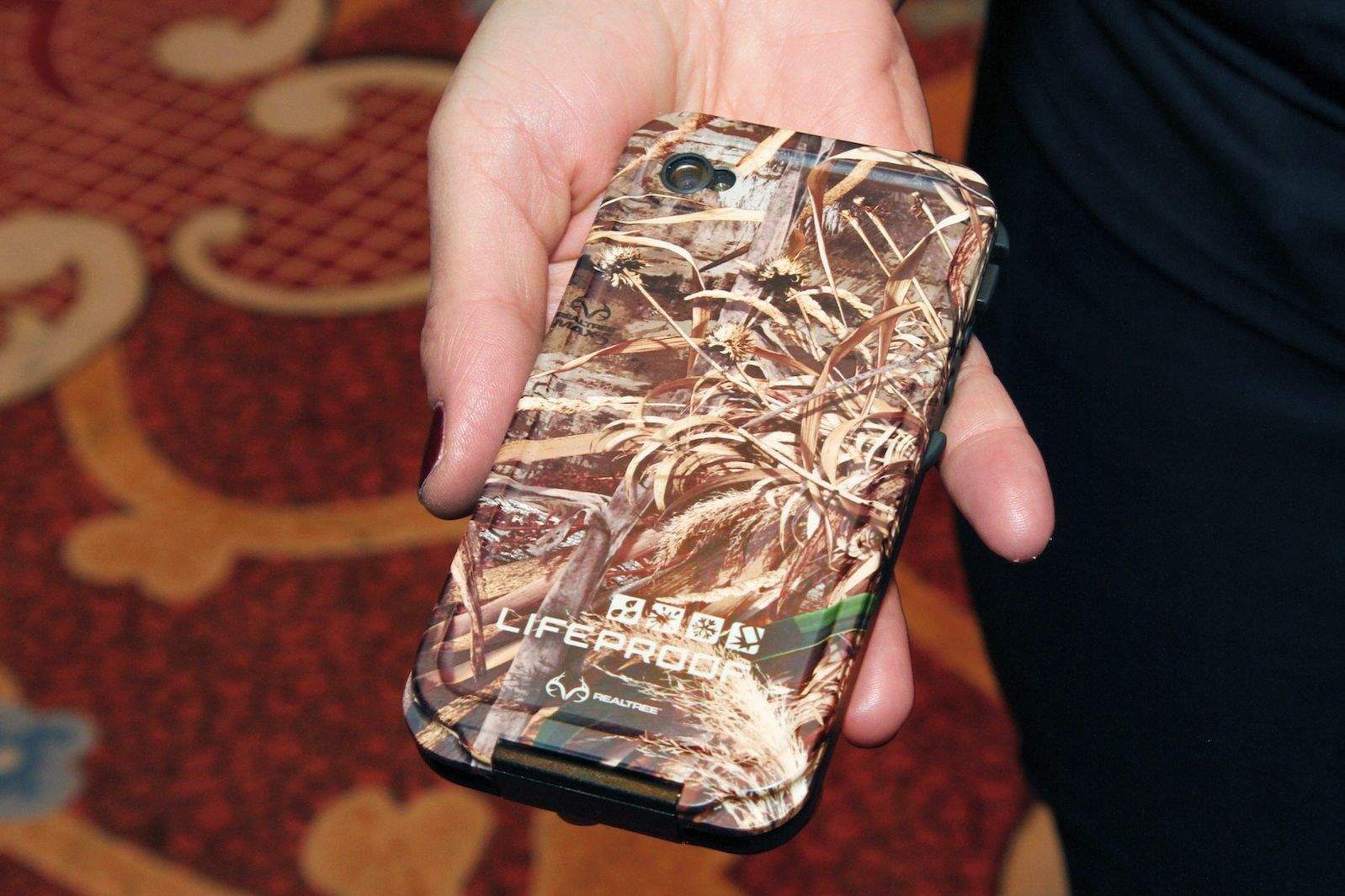
I’m not sure I get the whole camo thing. But it’s everywhere, it’s really popular and people can’t get enough of it. Trucks, iPhone cases, curtains, lingerie — if it exists, it probably comes in camo. (Note: If you need camouflaged lingerie, you’re probably doing it very wrong. Or very right. I’m not entirely sure at this point.)
If you know camo, you’ve heard of Columbus, Georgia-based Realtree, the outfit LifeProof partnered with to camouflage up their uber-popular Fre iPhone 5/s case, which now comes in four Realtree colors: Xtra, Max5, Xtra Green and APC, which is essentially pink. Pink camo.
The Realtree Fre is available for the same price as the non-camo Fre ($90). — Eli Milchman
The Fastest-Charging iPhone Battery Packs In The West?
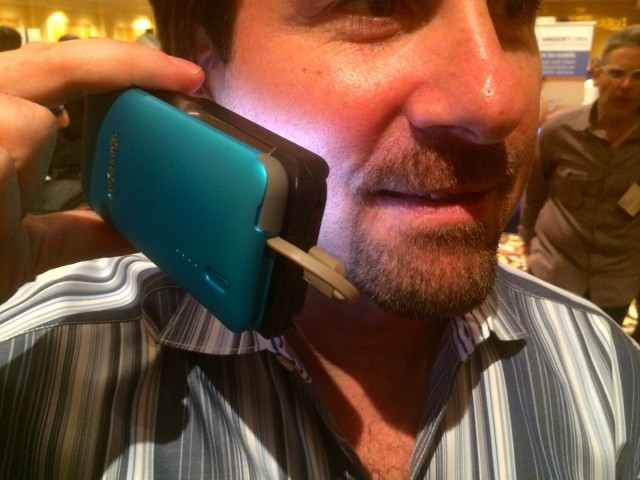
MyCharge president Jim Dara demonstrates the new Talk & Charge battery pack for the iPhone 5 line. Instead of attaching it to your iPhone, you just hold it next to it, which makes it easy to use with just about any iPhone case.
The simplest solution is always the best. Take external battery packs for your iPhone, which are sometimes hard to use when you’re actually talking on the phone. Either you have to remove your case to snap in a battery case, or you have a long cord dangling to an external pack in your pocket.
MyCharge’s clever Talk & Charge ($100) is a slim external battery pack that works with any and every iPhone case on the market because it doesn’t physically attach to your iPhone; you just hold it against the back of your iPhone while talking, like an electronics sandwich. Simple.
It’s almost the same size and shape as an iPhone 5s or 5c. It boasts a 3000mAh battery (good for more than two full iPhone 5 charges) and a Lightning cable built right in, so you’ll never forget your charging cable again. It’s a nice touch.
In fact, I think all of MyCharge’s wares are thoughtfully designed. The tech is pretty good too. According to the company, they are the fastest chargers on the market. Check out their well-designed charging bricks:
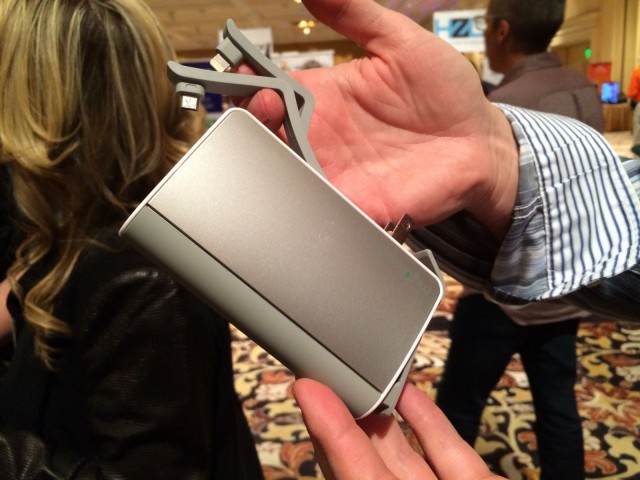
One of MyCharge’s Hub series battery packs, which come in a range of sizes but all have built-in cables and AC charging prongs.
I was impressed with the Hub series of external battery packs (3000-9000mAh, $80-$120), which offer 13 to 40 hours of extra talk time. Each brick has built-in cables for Lightning and micro USB, which tuck away nicely into a slot on the side when not in use. Likewise, AC outlet prongs in the bottom can be pulled out when the brick needs recharging. Altogether, there’s no need for all the extra wires and chargers you need with other other external battery packs. It makes for a neat, compact, all-in-one solution that’s one of the best I’ve seen.
MyCharge claims its products are the fastest-charging battery packs on the market. Not only do they charge your devices faster, they are themselves recharged in less time than competing devices, according to the company.
It’s a combination of using the best components available and having good, smart firmware, said Jim Dara, president of MyCharge. For example, while competing batteries output the same voltage to every device plugged into them, MyCharge’s packs maximize the voltage for each device. So iPads get the maximum 2 amps and charge faster, Dara said.
I couldn’t independently test this, but Dara said the company is very careful to test its claims and tries very hard not to overstate them. I believed him. — Leander Kahney
Browsing the App Store can be a bit overwhelming. Which apps are new? Which ones are good? Are the paid ones worth paying for, or do they have a free, lite version that will work well enough?
Well, if you stop interrogating me for a second, hypothetical App Store shopper, I can tell you about this thing we do here.
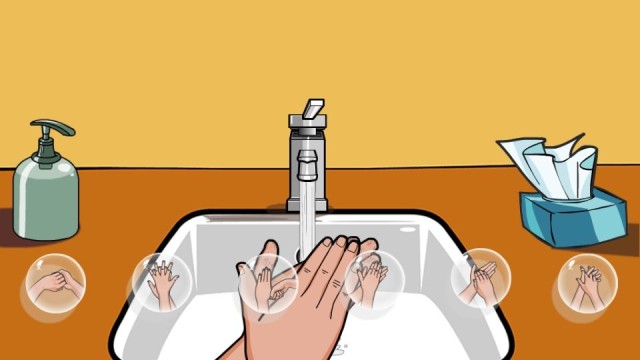
Every week, we highlight some of the most interesting new apps and collect them here for your consideration. This time, our picks include a self-improvement program that wants to save you time, a guide to how to properly brush your teeth, and a timer with a beat.
Here you go:
Better Every Time — Productivity — Free
The App Store is full of things to help you set goals and keep you accountable, usually by making everything visible to your friends so they can goad you into persevering. Better Every Time takes a different approach, offering no social media connectivity whatsoever. Instead, it turns your quest of betterment into a journey to the top of a mountain and leaves it to you to check in along the way. Doing so just takes a few seconds, leaving you free to improve yourself.
So it’s basically an app that doesn’t want you to use it too much, which is an interesting angle.
In these troubled economic times, we don’t really have the luxury of putting real coins into a jar every time we drop a bomb in front of Grandma. Luckily, we have Swear Jar, a virtual container you can drop change into so you can quantify your dirty mouth. You can use any denomination of change you want, and it’ll keep a running tab of your blue streak. It even has motion controls so that you can jingle the coins around.
Because you have to do something between curses, right?
Simple Additives — Health & Fitness — $0.99 (lite version available)
Food labels can be scary places. Reading the ingredients of whatever you’ve just crammed into your gob can be confusing or even the worst decision you’ve made all day. I don’t know how to keep the stuff in your food from terrifying you, but for those perplexing moments, try Simple Additives. It’s an app that will tell you what those unpronounceable things in your snack do and also whether or not they’ve been linked to cancer or harmful side effects.
I don’t know if I’m really doing you a favor by pointing you toward this, though. Everything’s tasted like poison for like three hours now.
It’s important for people to learn proper tooth-brushing techniques, and not just because toothpaste and floss are way cheaper than root canals and fillings. Brushing is just an important part of fitting in with society because society is full of people who will notice if you have broccoli stuck in your teeth or if your breath smells like the inside of a garbage disposal.
MyTeeth is here to help with a selection of slightly creepy-looking children who will brush along with your kids — or you — to ensure that your chompers get nice and clean. Just don’t stare into their beady little eyes too long. I think I saw Cthulhu in there.
I’ve featured timers here before, but this is one you should definitely check out.
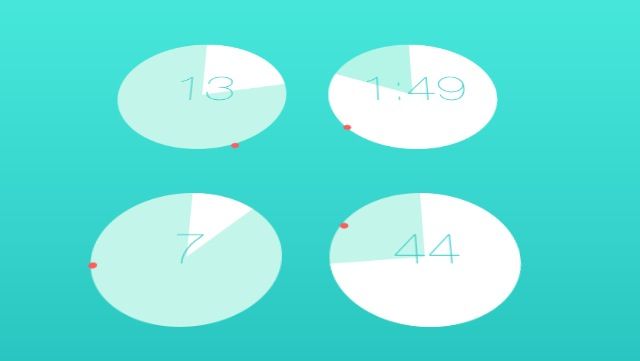
Humming Timing looks at other time-keeping apps and wonders why they have to be so quiet. Its solution: to make a countdown using music from your iPhone’s library. So for example, you’ll put your cake in the oven, set the app for 35 minutes, and it will craft an exactly 35-minute-long playlist from your tunes and tell you which song to listen for for the end.
It’s basically a timer you can dance to. If that’s something you’ve been looking for.
A few years ago I bought a cycle computer to help me train for the Death Ride, a single-day, 130-mile bicycle ride through California’s Sierra Nevada mountains. It was a top-of-the-line GPS-equipped device from Garmin. It had digital maps and turn-by-turn directions and every feature under the sun. It measured speed and performance, including things like cadence (pedaling speed) and climbing rate.
I bought it mostly to use with a heart-rate monitor, which fellow riders advised me to use to modulate my effort. If you keep your heart below a certain threshold, you can pretty much ride all day. All the other members on the team (The Leukemia and Lymphoma Society’s Team in Training program. Fantastic, btw) had the same high-end models. We all had different bikes, but the same Garmin computer.
At first I didn’t much care for most of the measurements it took. But as I got fitter, I got faster, and I started to look at my average speed over those long-distance training rides, which were often 100 miles or more. Every week the average speed crept up, even though the rides got longer and harder.
Oddly, because I wasn’t expecting it, that one simple number proved to be a huge motivator. Every weekend I’d look forward to a 120-mile ride through the hills of the Bay Area just so I could add 1 or 2 MPH to my average speed.
Proselytizers of digital fitness gadgets pitch the “quantified self” as the best way to take control of your health; know thyself through your data.
I’m not an A-Type personality by any means, someone who sets goals and measures my performance. I’m the opposite, in fact. I mostly avoid all the numbers in my life — my bank balance, the traffic to the Cult of Mac website, sales of my books. Because if the numbers aren’t good, I get depressed and I can’t function for a day or two. Better to avoid the numbers altogether.
I’ve suffered from depression since I was a kid. It’s not a big deal, but once a month or so I need to withdraw for a couple of days. It’s a physical thing, regular as clockwork. As I’ve grown older, a couple of days can sometimes stretch into several days, and sometimes, very rarely, into weeks.
For me, the best cure for depression is exercise. It doesn’t actually cure depression, because I can’t exercise when I’m into the deep blue. I can’t force myself to do it. But it does keep it at bay. If I exercise regularly, it don’t get depressed as often. Trouble is, work and life too often get in the way.
More recently, I’ve started wearing a Jawbone Up wristband, which I bought mostly out of curiosity. I had the idea I’d use it to get fit, but I really didn’t like it at first. I was exercising only sporadically, and the graphs just showed how sedentary I was. They were clear, graphic representations of chronic inactivity. I was flatlining. Again, instead of motivating me to get off the couch, I simply stopped looking at it.
Then I started running regularly at the gym. I uploaded the Jawbone once a week or so, but didn’t pay it much mind. But again, as I slowly got faster and better at running, I started to pay more attention to the data. The graphs would show a huge spike of activity in the day when I exercised, making me feel slightly guilty, even anxious, on the days that I didn’t.
The feedback started to become a motivator. It wasn’t the main motivator — that was the running itself. I started to look forward to the run. The graph at the end of the day was just the icing on the cake.
Browsing the App Store can be a bit overwhelming. Which apps are new? Which ones are good? Are the paid ones worth paying for, or do they have a free, lite version that will work well enough?
Well, if you stop interrogating me for a second, hypothetical App Store shopper, I can tell you about this thing we do here.
Every week, we highlight some of the most interesting new apps and collect them here for your consideration. This time, our picks include something to keep you up-to-date on late-night TV, a creepy virtual boyfriend, and an app to help you randomly name your baby.
Here you go:
Late Night Talk Show Review — Entertainment — Free ($0.99 Upgrade)
If you missed your favorite late-night talk show, and you’re jonesing for a monologue, a Top 10 List, or whatever the hell Jay Leno does, you might want to pick up Late Night Talk Show Review. It collects video clips from 11 shows (and an assortment of things from Comedy Central) and updates them regularly. So if people are still gathering around water coolers these days, you will be all set to discuss that funny thing that Conan said.
I don’t know — my office just got a water cooler recently. I don’t really know how this whole thing works yet.
PocketBoy was the developer’s idea to keep his girlfriend from feeling lonely when he was away. It’s a blank virtual “doll” that you can slap your loved one’s face on and listen to it say adoring things in a not-at-all creepy robot voice. It’s endearing in a way that I can’t quite figure out, and the different “play” modes are pretty cute. I’m not sure what the whole “Frog Mode” bit is all about — “There is no Frog Mode, silly” — but even that’s pretty cute.
Unless you have some amazing relatives you were close to and to whom you want to pay tribute, naming a baby is hard. And not just for the reasons outlined in this amazing Saturday Night Live sketch where Nicolas Cage reveals that cruel schoolchildren can make fun of any name you can come up with. Name My Baby hopes to take the stress out of the whole ordeal by randomly generating first and middle names for both boys and girls. And even if you aren’t expecting, it’s kind of entertaining to see some of the combinations it comes up with.
This is Cult of Mac’s exclusive column written by an actual Apple Store Genius who answers all your questions about working at an Apple Store. Our genius must remain anonymous, but other than “Who are you, anyway?” ask anything you want about what goes on behind that slick store facade.
This week our Genius answers why the iPhone screen can be repaired in stores while the iPad has to be shipped away from special care. We also discuss whether working at the Apple Store can be turned into a solid career, plus the top 5 most annoying things customers do at the Apple Store.
Got a question you want the inside scoop on? Send us your questions and the answers will be published first in Cult of Mac’s Magazine on Newsstand. Send your questions to newsATcultofmac.com with “genius” in the subject line.
Q: What you are never allowed to say to customers?
Employees are taught not to use certain words that might tarnish the image of the brand. We are constantly in a struggle to portray Apple as positively as possible so that our customers return to buy from us again.
Here’s an idea of some of guidance I received when going through training.
Never say “crash,” instead say “quit unexpectedly.”
Your iPhone isn’t “frozen,” it’s “unresponsive.”
Your MacBook did not crash, it “powered off unexpectedly.”
it’s not a “bug,” it’s a “software issue.”
Never say “unfortunately,” use something to portray the situation in a better light like, “as it turns out.”
Instead of saying the iPhone is incompatible with something we are supposed to say it does not work with…
Q: Is there a central management tool I can use to manage multiple Apple TVs on the same network?
Unfortunately, there’s not right now, but I wouldn’t rule it out in the future. The Apple TV was called a “hobby” for years until 12 months or so ago when Captain Cook said TV is an area of intense interest. Apple hasn’t made any big changes to the Apple TV for years now. I suspect Apple will release some big new features for Apple TV in 2014, but I don’t have any insider knowledge about it.
Q: Why does Apple not want customers to jailbreak iPhones? Have often do people bring in jailbroken iPhones for support?
Modifications made to iOS can cause security vulnerabilities, instability, shortened battery life, and other issues. The iPhone is different than many other devices in that it has a closed file system which means you can’t browse the files on your iPhone like you would on a Mac. It is set up this way to be more secure from malware and to prevent viruses or bugs.
Jailbreaking the iPhone opens up this file system in a way allowing apps to be installed outside of the app store and allowing changes to the functionality of the iPhone software. While this can mean opening your iPhone up to a whole new set of features, it can also mean losing the protection of Apple’s walled garden.
Jailbroken devices aren’t too common in the Apple Store as most people have learned to restore devices to Apple’s software before service. Every once in a while I find an iPhone running the forbidden software. Usually it means just restoring the iPhones software back to the most current update. Occasionally, we deny service if issues arise from the unauthorized modification.
Rather than slogging through a lake of reviews to find something you’re just going to put down after 30 minutes, Cult of Mac has once again waded through the iTunes store to compile a list of the best new movies, albums and books to come out this week.
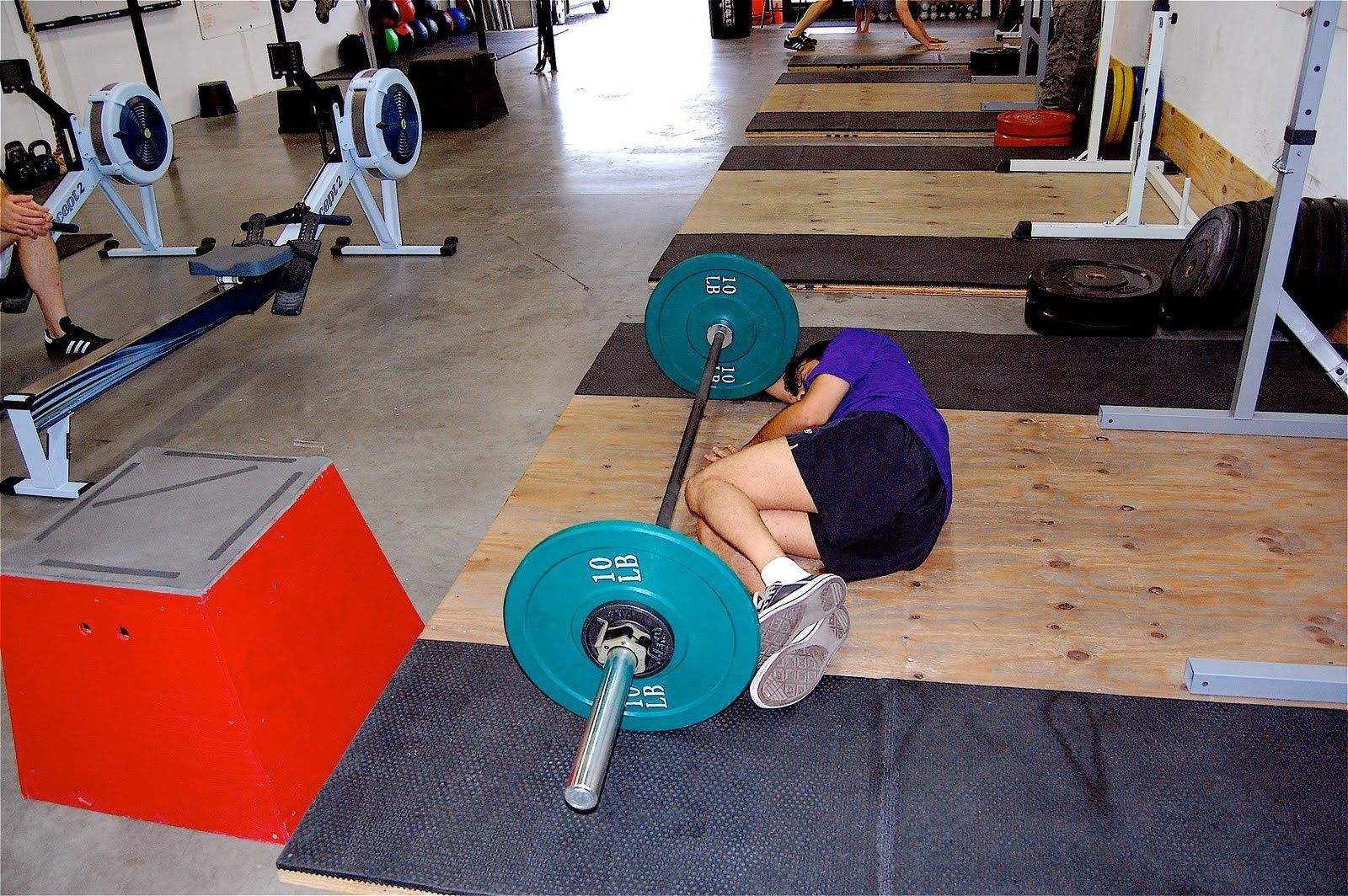
CC-licensed, thanks Crossfitpaleofitness on Flickr.
There are many pitfalls on the road to building abs at least strong enough to support your desk job and lung capacity to sing through your next epic road trip. To get there, you plan on using your omnipresent iPhone and Mac plus a tracking device like Jawbone or Fitbit and a bunch of apps.
Before you dive in, Cult of Mac polled a number of fitness experts to find out how you can avoid the fitness fails that gadget-happy folks commit most often: it turns out that over relying on apps, trackers and yourself may leave you flat.
Move That Goal Post
It’s about as well-worn concept as an obsessive marathoner’s favorite shoes: goals matter. Focusing on the gadgets (personally, I live for having another manual to read!) instead of the outcome is an easy way to get your desire for six-pack abs lost in the shuffle.
“For technology to be effective you need to start with a strong, well-thought goal(s), and determine your tactics to achieve that goal,” says Michael Rucker, director of digital products at Club One Fitness in San Francisco.
“This might seem straightforward, but I cannot tell you how many indoor cyclists who purchase a popular accelerometer like a Fitbit or Jawbone UP and then quickly become frustrated because given their fitness affinity they would have been better off with a heart rate sensor (with a corresponding appropriate algorithm) for calorie tracking.” Rucker declares himself “device agnostic” but says he’s currently a fan of easy-to-use Moves app.
How to make sure you don’t get left on the wayside with your gadgets gathering dust? “Pair the right tech with well thought-out goals and this creates a powerful combination akin to giving a carpenter the perfect hammer, opposed to a plumbing wrench,” Rucker says.
CC-licensed, thanks mike_mccormick on Flickr.
Why That Tracker Is All Washed Up
If you’re getting started (or getting started again) on a quantified self kick, it’s also good to think about which device will go the long haul for you. Some people will prefer a wristband, others a tiny tracker, says John La Puma MD, but each comes with pros and cons.
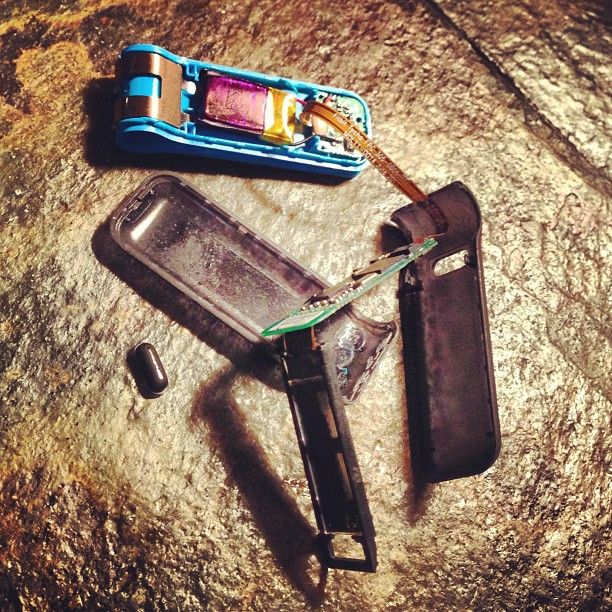
“In the first case you tend to stop wearing it after a few weeks, in the second case people sometimes forget the tracker in their pocket and it ends up in the washing machine,” La Puma, who is also the author of “Refuel: A 24-Day Eating Plan to Boost Testosterone, Lose the Gut and Pump Up Strength and Stamina, Naturally,” told Cult of Mac. As a physician who specializes in fitness, La Puma says losing the tracker is the most common mistake he sees. “They fall into the oven, come off while
running, or stay on a previous pair of pants,” he says.
The other speed bump on the way to tracking your health? Not taking advantage of wireless syncing. “Getting your numbers delivered to you is another way of getting a nudge to succeed,” La Puma says.
Time After Time
Once you’re setup with a tracking system, give it some time. The initial glow of seeing your habits may wear off quickly once you see you’re logging in as many steps as a poodle with a hip replacement but eating like an Olympian power lifter.
“The key mistake people make is not using them consistently, says Jenn Mitchell, a trainer and the force behind comebackmomma.com. “The best way to track trends with eating, activity and sleep is to stick with it for at least a month. The use of these tools need to become a habit.”
Her favorites? Get started with My Fitness Pal, a free app for tracking food intake as well as activity with a large following and built-in community. “I find that clients who can make a connection with others really find success using at app like this.
If the time crunch is limiting your workouts, try Interval Timer by Deltaworks. “You can get a great cardio workout in as little as 15 minutes with a good interval program. I recommend compound movements that use multiple body parts like burpees for best result,” she adds.
Mitchell also suggests getting family and friends involved in a “friendly competition” as of keeping yourself on track.
Stop Fudging Your Calorie Counts
Tracking your calories is a good way to keep your intake in line with your goals, but there are a few costly pitfalls you can take. Not all apps are created equal, says personal trainer Julian Hayes II who runs 206fitness.
“Some common mistakes people make with fitness apps is underestimating how much food they are eating when it comes to food tracking apps such as myfitnesspal.com and loseit.com,” Hayes says. “When this happens, they throw off their calorie numbers and, in turn, overeat for the day.”
Hayes recommends Fitbit, because in addition to accurate food tracking clients also can also monitor sleep quality – which may explain some of those late-afternoon sugar attacks. If you’re working with a trainer, Fitbit also helps them keep an eye on what you’re eating to bolster accountability. Going solo? Try social fitness network Fitocracy, he says, where you get virtual cheer leading from the community.
Don’t Keep It To Yourself
It may feel better to keep your 15-minute mile to yourself, especially in early days as you slouch from couch to 5K. While you may never want to broadcast your risible fitness levels to the world, be smart and sharing them with someone who will support your goals.
“People sometimes keep their numbers to themselves: they don’t have to go up on Facebook or Instagram, but they do need to be shared with someone who can help you evaluate and improve them,” says physician La Puma.
Take The Old To the New
CC-licensed, thanks ToddMorris on Flickr.
If your habits are already on track, don’t bore yourself out of a good thing. Runners, especially, are prone to getting into a groove that quickly becomes a rut. New shoes, a new route and new training can help break things up.
“It’s easy to get bored of the same old scenery if you run the same loop every time you go for a run. Varying your running route keeps things interesting, motivating and challenging,” says personal trainer Justin Hepner. Hepner also advocates buying some new kicks to start the year off right, “a new pair of running shoes is an invitation to run. Seeing them will remind you of your resolution. It’s an investment in your fitness.”
And mix it up, he adds, if you don’t have variety in your routine, it’s a non-starter in the long run. “Try mixing in some interval training or pace training. Add some weight or strength training and/or some stretching or yoga. It will make you a better runner.”
Overtrack at Your Own Risk
Many of the experts Cult of Mac polled said that tracking is good, but over tracking is risky. It can quickly spiral into focusing on the wrong things or over focusing on some unobtainable ideal.
“One of the potential hazards that really scares me is when people are influenced to change their original vision of success in unhealthy ways because of the limits of the technology being used,” says Rucker of Club One Fitness.
Rucker recalls working on a biometric tracking case study where an experience athlete started “obsessing” over weight when given a wireless scale.
“Also, many of the algorithms in activity tracking technology are initially standardized for general populations,” he notes. “People who begin self-experimentation need to remember they’re an n of 1 and should be wary of general baselines and instead create their own baselines calibrated to the technology they’re using.”
Rather than slogging through a lake of year-end lists to find something you’re just going to put down after 30 minutes, Cult of Mac has once again waded through iTunes to compile a list of the best new movies, albums and books to come out in 2013.
Enjoy!
The Ten Best Albums of 2013:
J. Cole – Born Sinner
Pretty much everyone picked Kayne West’s Yeezus as the album of the year, and while I really enjoyed the different direction and sounds Ye slayed us with, I was more impressed with J. Cole’s sophomore album Born Sinner.
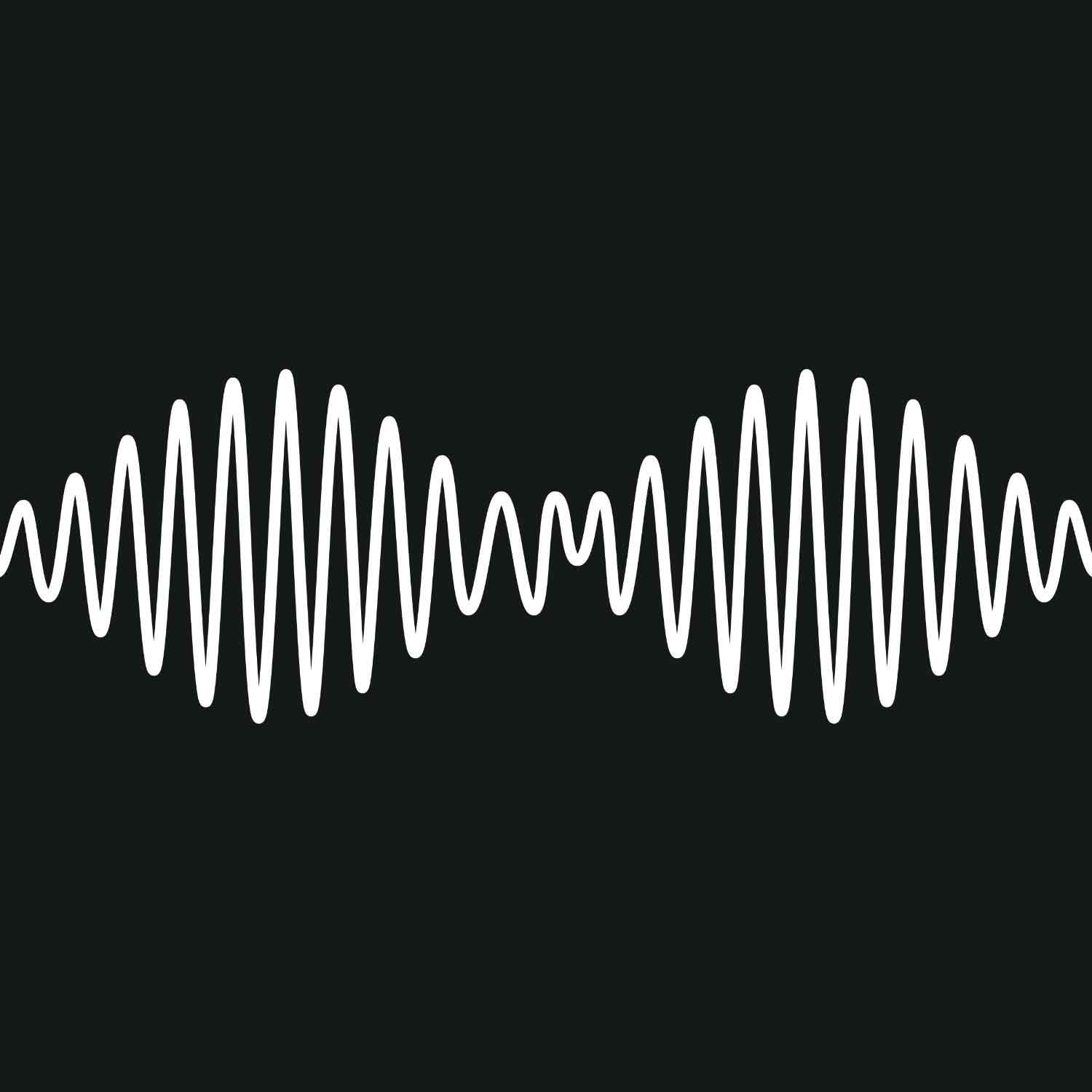
In year filled with pop megastars and divine rap albums, good, solid rock was hard to find but the Arctic Monkeys’ latest album AM provided just the right amount of distortion, power and melody with Do I Wanna Know earning more repeats listens on my Rdio list than almost any other song this year.
How many times did you listen to Random Access Memories this year? 13? 50? 112? It doesn’t matter, because every single spin of this record was a delight as Daft Punk wooed us with their beats for the best album of summer. iTunes
HAIM – Days Are Gone
This darling sister trio from Los Angeles created their addictive sound with a combination of R&B, pop, classic rock and more, to create one of the most impressive debut albums of the year. Everything about HAIM is a labor of love. Danielle, Este and Alana won’t do anything if they don’t feel totally comfortable with presenting it, Valley girl tics, snorting laughter and all.
Even the best of artists are supposed to fizzle out after their fourth or fifth album, but Tegan and Sara’s seventh effort Hearthtrob was one of their best albums in nearly 10 years. The sisters busted out new songs about regret, failed romance, solitude and self-loathing for their most adult-themed album yet that still managed to feel amazing.
If Kanye’s not making the list, we have to give a spot to one of his most visible proteges – Pusha T. After having his first solo album pushed back for years, Push’s My Name Is My Name served up some of the MC’s finest lyrical flows and combined them with more minimalist production to deliver one of the most compelling rap albums of the year.
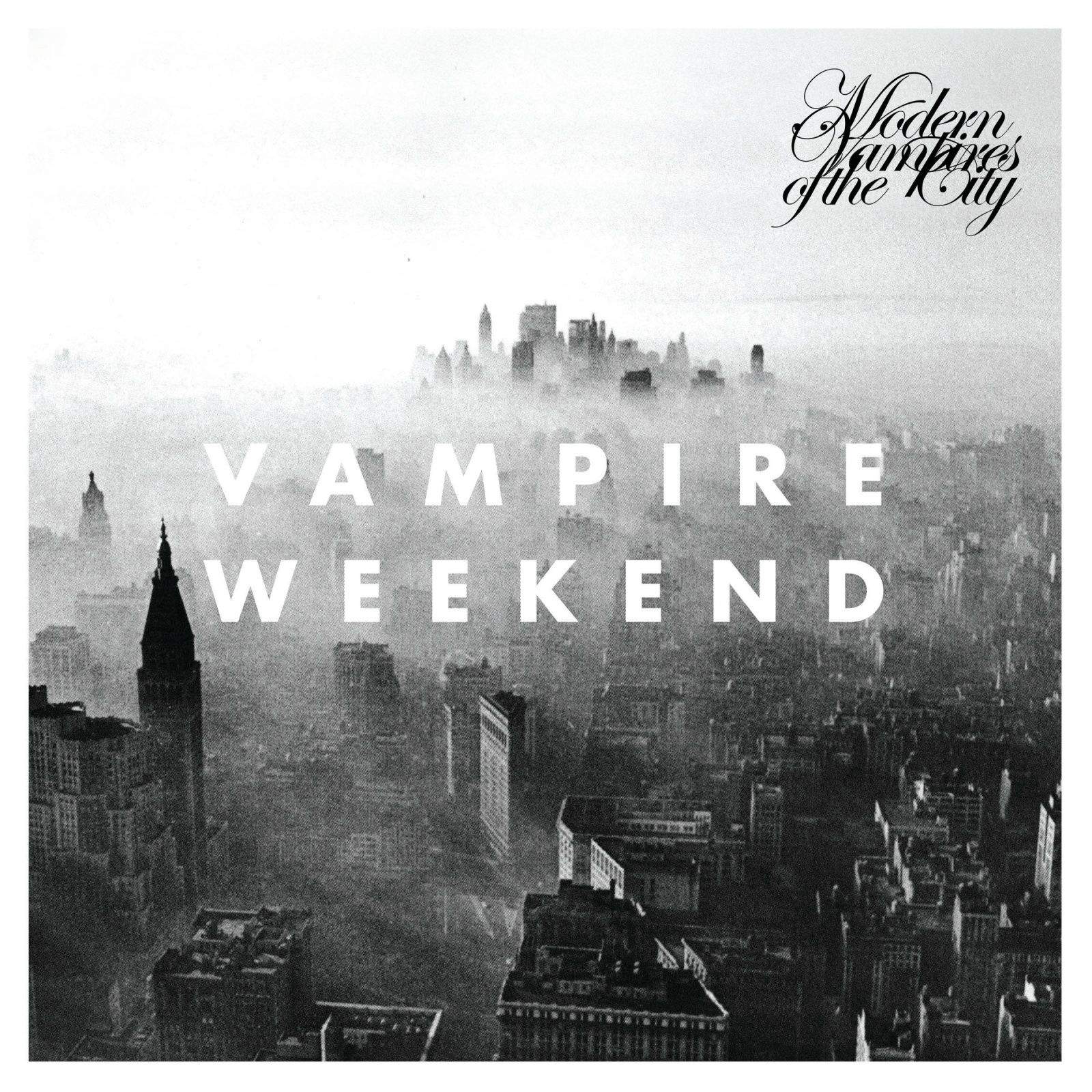
Vampire Weekend rose to prominence on a tsunami of hype in 2008 with their fun guitar licks and tales of college romance, but Ezra Koenig and his band have matured into some of the best songwriters of our time with their phenomenal album “Modern Vampires of the City” that spins a chorus of new songs about love and loss while still being one of the funnest bands to listen to.
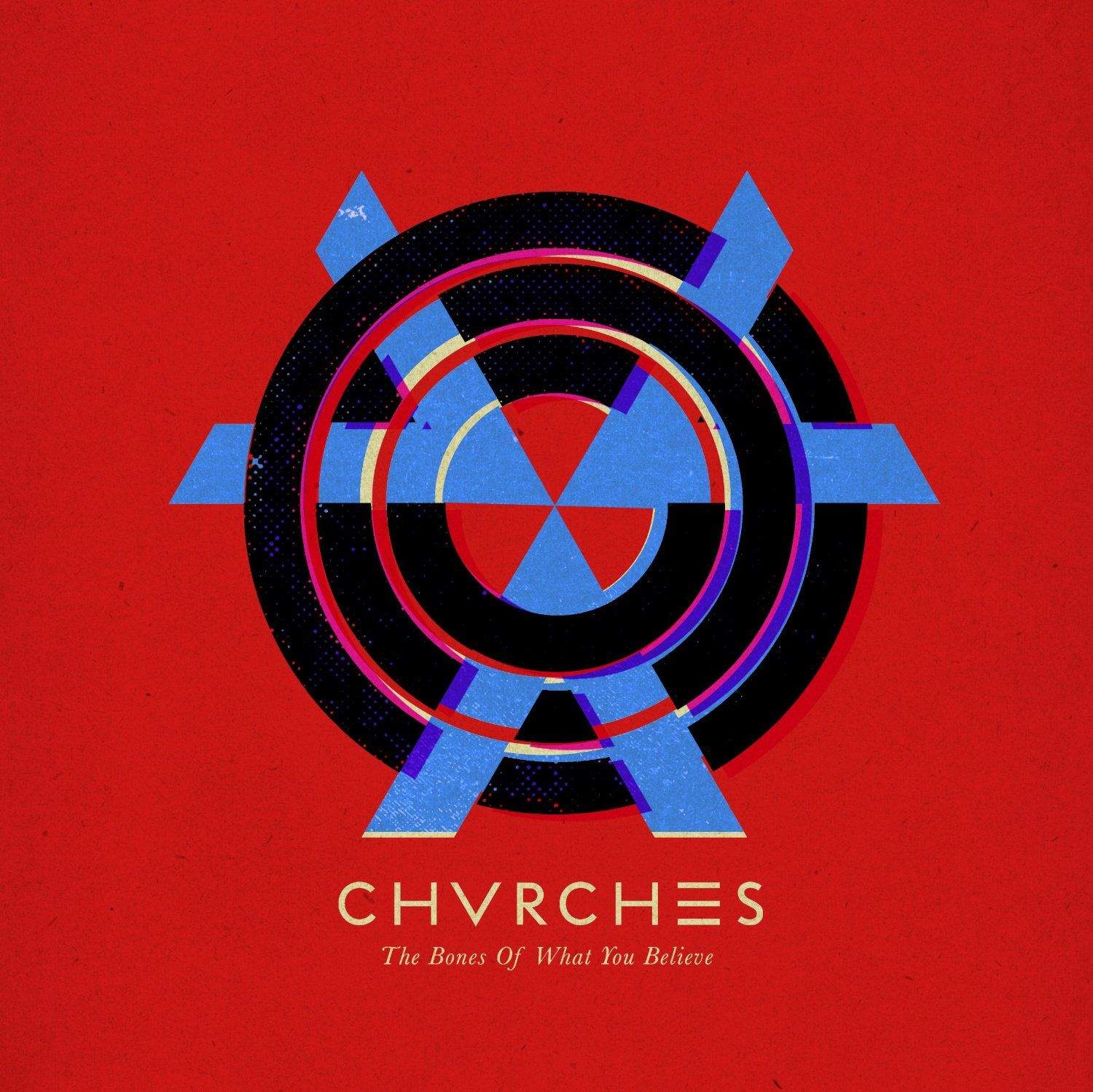
I’m almost ashamed to admit how much I listened to The Bones of What You Believe this year. Mostly because it’s like totally a hipster album, but also because I think I’ve been hypnotized by The Scottish trio’s explosive pulsating songs that are layered into some sort of neon electric masterpiece.
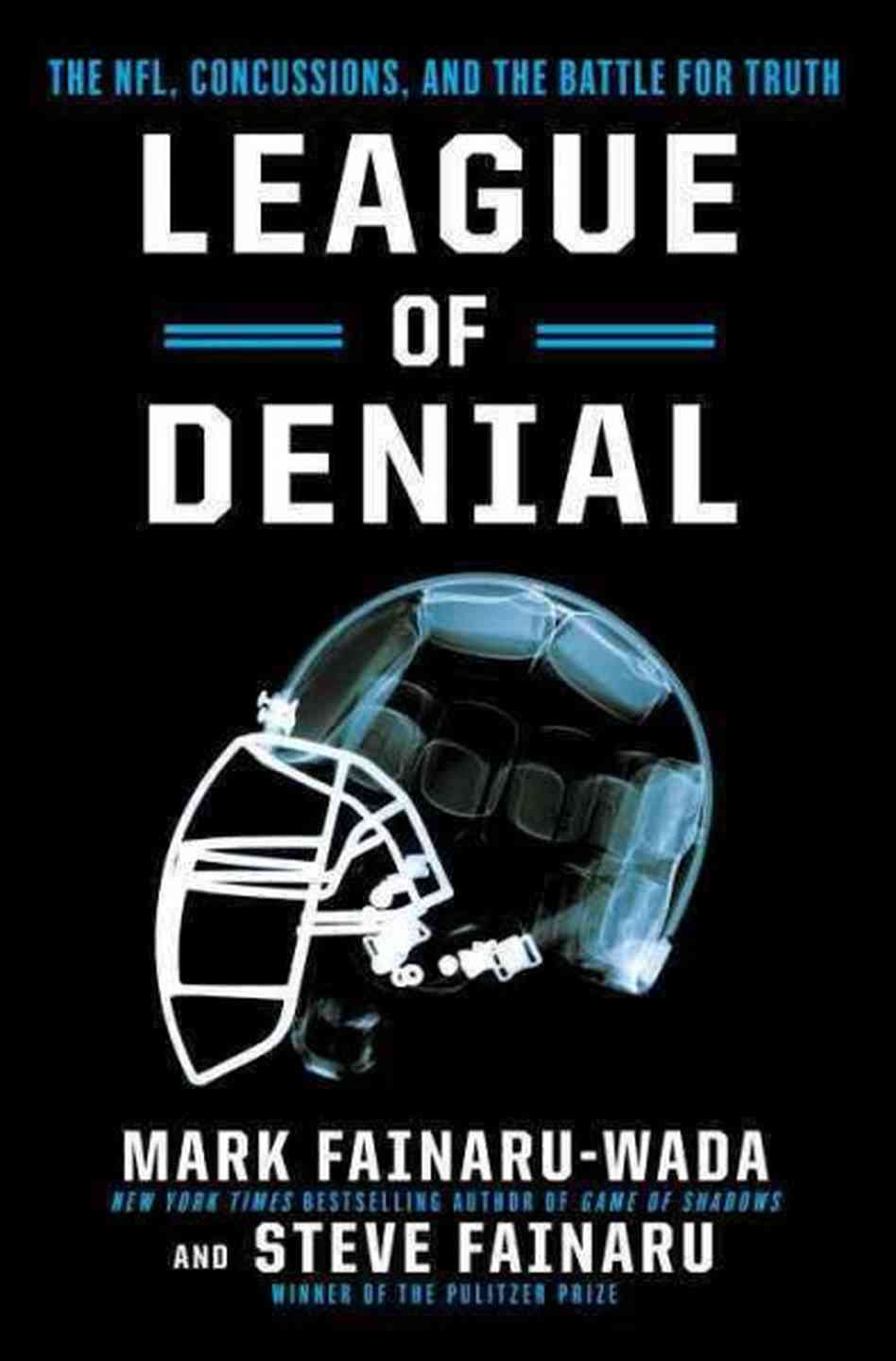
Maybe I just watch too much SportsCenter, but I don’t recall any sports book making as much noise this year as League of Denial which sent shockwaves through the NFL with its painful stories of NFL players who have suffered football-related concussions and the repercussions of the sport.
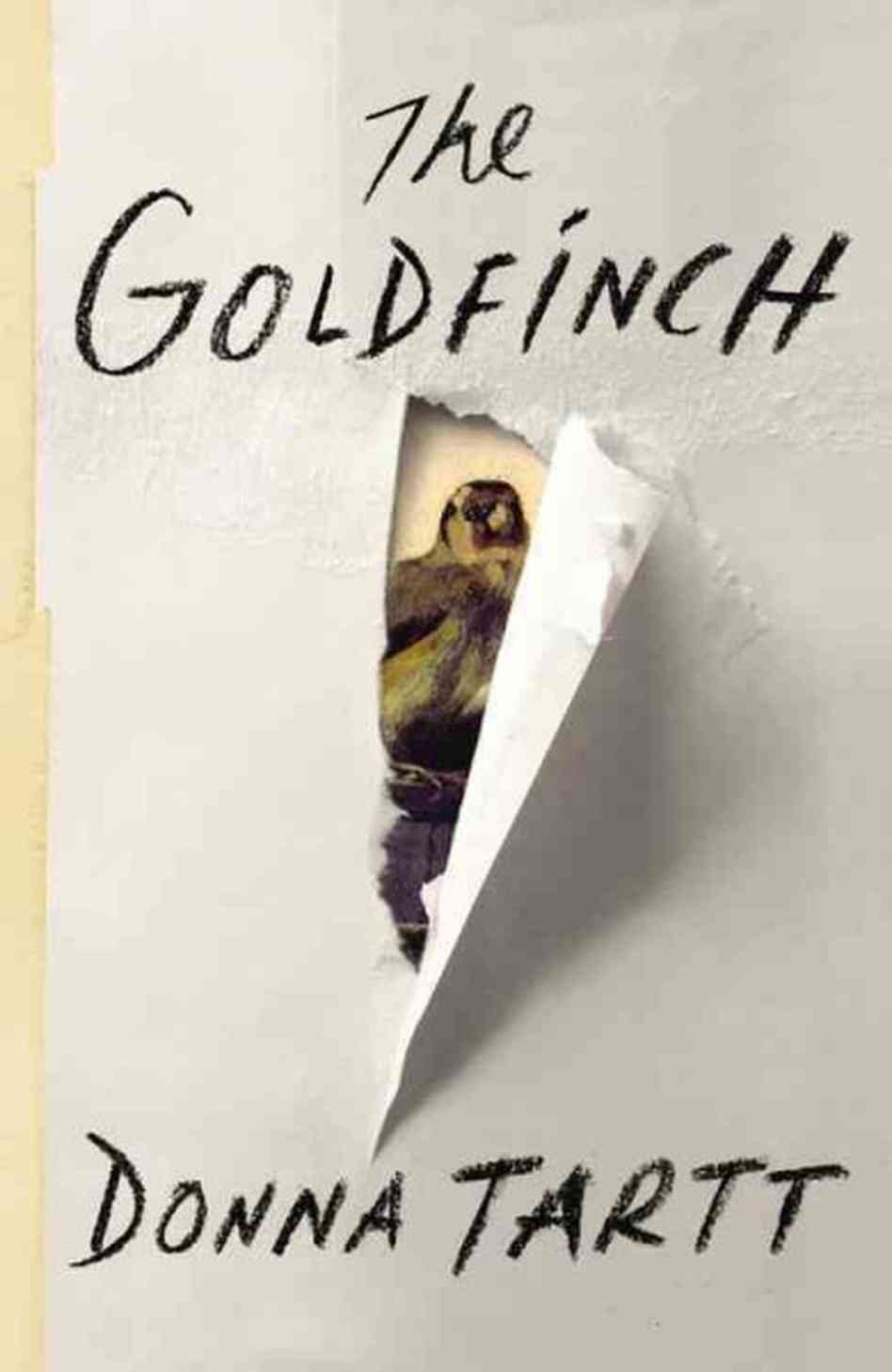
The Goldfinch
The Goldfinch starts off with a bang – literally – as a 13-year-old New Yorker named Theo and his mother are rocked by an explosion at a New York museum. Theo survives the blast, but his mother doesn’t, leading to 800-pages detailing the aftermath of his experience over the course of a decade and a half.
The book moves us through the life of Theo as an adult, as he drifts between the drawing rooms of the rich and the dusty labyrinth of antiques in his shop. He is alienated and at the center of a narrowing, ever more dangerous circle as the novel unfolds with a healthy serving of suspense.
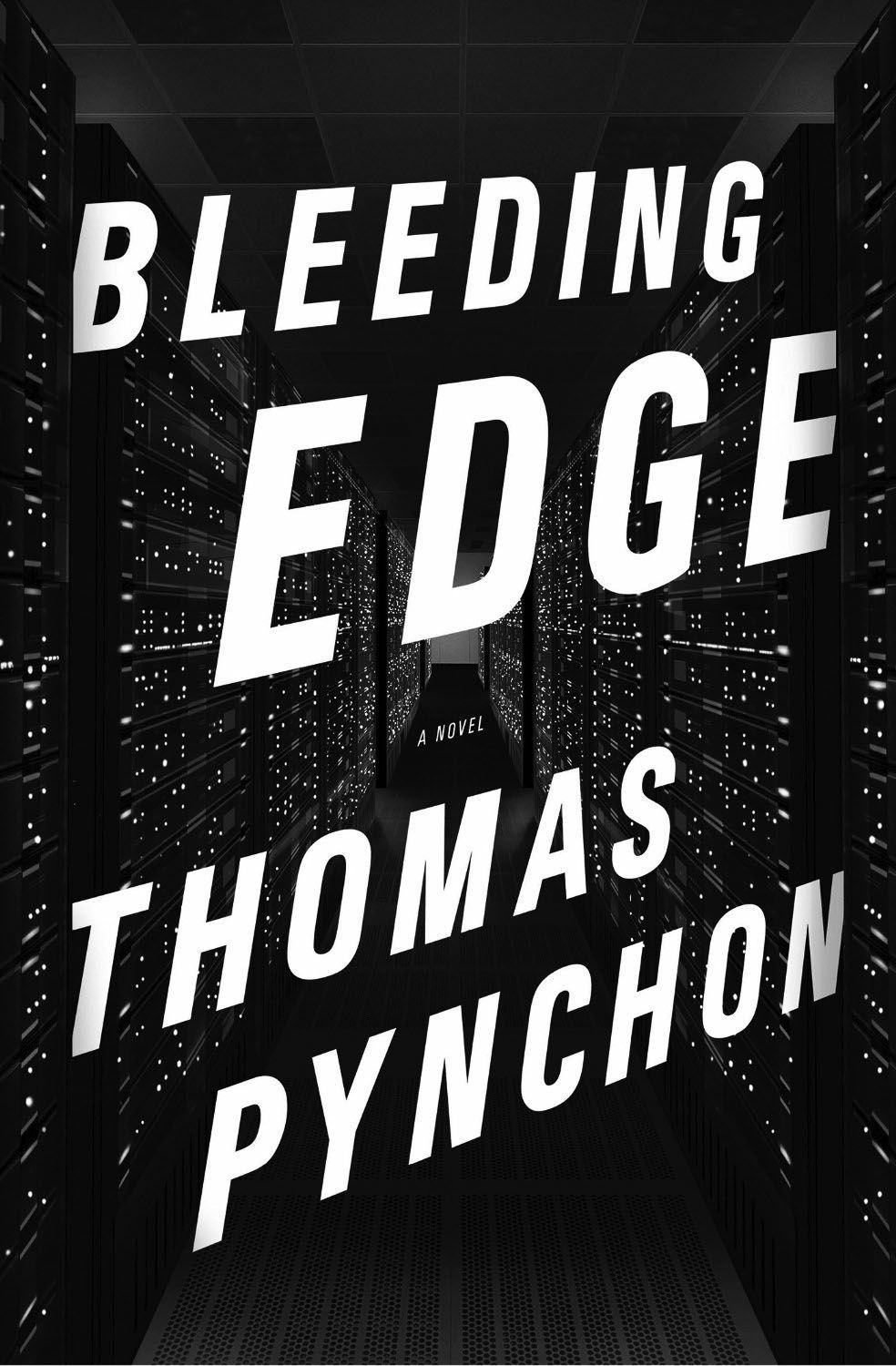
Bleeding Edge
The Lowland
Rather than focusing on the culture gap between Bengali immigrants and their Americanized offspring, Jhumpa Lahiri’s work for her second novel takes a turn by exploring a family that is bound together by painful tragedy and bad choices more than by love. Reactions from critics have been mixed despite Lowland’s nomination for the National Book Award, but the Lahiri’s characters are just vivid and lonely as some of her best short stories, making Lowland a must-read for 2013.
You Are Now Less Dumb
Our Newsstand editor recommended David McRaney’s second bookto me earlier this year and proved to be one of the funnest and most insightful reads of 2013 thanks to McRaney’s wonderfully smart and entertaining commentary on scientific studies related to self delusion. You Are Now Less Dumbis grounded in the idea that we all believe ourselves to be objective observers of reality–except we’re not. But that’s okay, because our delusions keep us sane.
Lawrence in Arabia: War, Deceit, Imperial Folly and the Making of the Modern Middle East
by Scott Anderson
It seems like not a week goes by without some news reports of violence in the Middle East, but if you want to dig into the history of the region that shaped the problems, dive into Lawrence in Arabia, a group biography that weaves the stories of legendary British officer T.E. Lawrence, who played a key role in the Arab revolt against the Ottoman Turks during World War I; German Curt Prufer, who conspired with the Ottomans; Zionist agronomist Aaron Aaronsohn, and American oil company representative William Yale.
White Girls
by Hilton Als
White Girls, Hilton Als’s first book since The Women fourteen years ago, finds one of The New Yorker’s boldest cultural critics deftly weaving together his brilliant analyses of literature, art, and music with fearless insights on race, gender, and history. The result is an extraordinary, complex portrait of “white girls,” as Als dubs them—an expansive but precise category that encompasses figures as diverse as Truman Capote and Louise Brooks, Malcolm X and Flannery O’Connor. It’s the best book you probably never heard of this year.
This Explains Everything: Deep, Beautiful, and Elegant Theories of How the World Works
by John Brockman
Fans of You Are Now Less Dumb will probably also enjoy John Brockman’s compilation of explanations on everyday occurrences. In This Explains Everything, Brockman asked experts in numerous fields and disciplines to come up with their favorite explanations for everyday occurrences. Why do we recognize patterns? Is there such a thing as positive stress? Are we genetically programmed to be in conflict with each other? Only instead of having to spend years reading research paper for the answer you’re presented with elegant answers to 150 questions for the world’s scientific minds.
Tenth of December
by George Saunders
While Jhumpa Lahiri decided to make another go at writing novels, George Saunders went with what he does best with his fourth collection of rambunctious and original short stories. Tenth of December shows why Saunders is one of the most inventive writers of his generation. The honest, accessible collection has earned nods as a National Book Award finalist and showcases the manic energy of Saunders that few writers possess.
The Good Lord Bird
by James McBride
John Brown’s disastrous raid on Harpers Ferry has already been retold by countless Civil War buffs, but you’ve never heard a retelling of the events leading up to it in as an imaginative a way as James McBride’s The Good Lord Bird.
Ten Best Movies of 2013:
The Spectacular Now
The Spectacular Now was one of the most surprising movies I saw in 2013 even though the plot sounds like its just another teen-angst-drama movie. The film focus on tale of Sutter Keely as he finishes off his senior year of high school and falls in love for a good girl despite his reputation as a wise-ass troublemaker. The movie starts off as a unlikely romance tale but then unfolds into a charming, insightful look at youth with snapshots of the confusion and passion as Keely deals with family drama, friends moving on, in this wonderful coming of age movie based on the book by Tim Tharp.
Dallas Buyers Club
Watching Matthew McConaughey morph from everyone’s favorite shirtless surfer bro to a serious character driven actor over the last two to three years has been quite amazing, but no film showcases McConaughey’s talent more than Dallas Buyers Club.
The Way, Way Back
Steve Carell usually plays the exact same lovable goof in every movie, which is one of the reasons why The Way Way Back is so good as we get to see him take on the role of a sleazy, condescending boyfriend in this endearing coming-of-age tale about shy 14 year-old boy named Duncan who has trouble fitting in.
Fruitvale Station
I only just got around to watching Fruitvale Station last night, but holy crap is this movie a stab in the gut. It quickly jumped into my top 10 list thanks to the performance of Michael B. Jordan in the role of Oscar Grant III, a 22-year-old Bay Area resident, who crosses paths with friends, enemies, family, and strangers on the last day of 2008.
Django Unchained
Technically, Django Unchained came out at the tail end of last year, but I don’t care. Cristoph Waltz’s performance is so perfectly hilarious he won a Golden Globe for his portrayal of Dr. King Schultz and Jamie Lee Fox is both hilarious and brutal, but the real kicker is watching the greatest movie star of our generation fill the shoes of the abhorrent slave trader Calvin Candies.
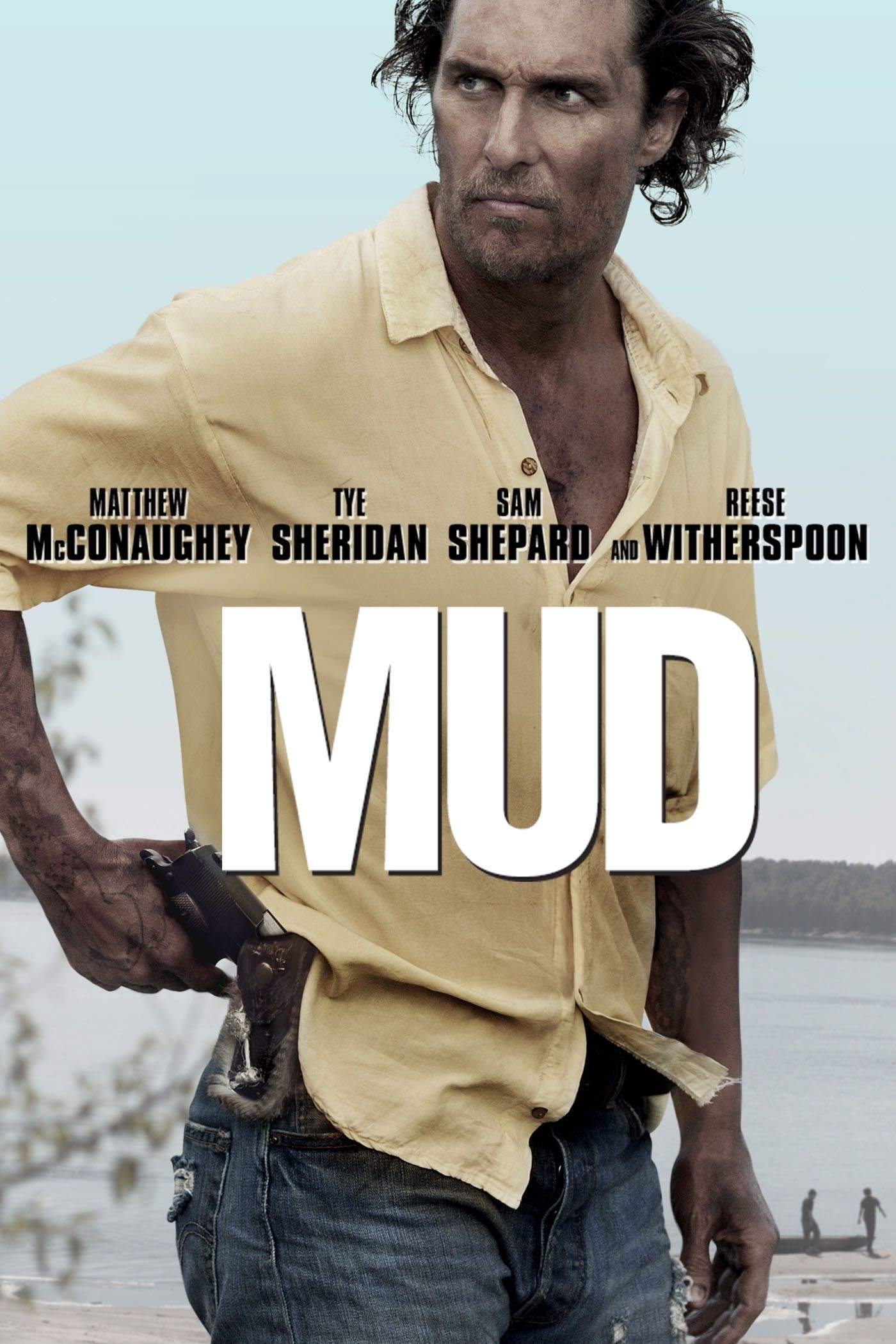
Mud
Have I mentioned how bad ass Matthew McConaughey is as an actor now? If a movie about a drug dealing cowboy with AIDS isn’t your thing, check out McConaughey’s other incredible film Mud, about two young boys who encounter a fugitive and form a pact to help him evade the bounty hunters on his trail and to reunite him with his true love.
Rush
Formula One has never ever peaked my interest during my past 28 years of existence until Thor himself got behind the wheel. Rush is a re-creation of the merciless 1970s rivalry between Formula One rivals James Hunt and Niki Lauda. Hemsworth fans will undoubtedly fall in love with his portrayal of Hunt, but the most intriguing character in the movie is actually the calculated, obsessive little rat, Niki Lauda.
Pacific Rim
2013 was packed with big budget action movies featuring huge stars and even bigger comic book characters, but my favorite action movie of the year was Pacific Rim. The film doesn’t have much to offer in regards to amazing acting performances – although Idris Elba and Charlie Day give memorable efforts – but it does boast a shit ton of incredible fight scenes between the colossal Yager machines and nasty Kaiju monsters. It’s absolutely ridiculous but you won’t be able to take your eyes away from the visual spectacle of robots and godzilla-like monsters destroying the largest cities in the world without breaking a sweat.
The World’s End
The world was supposed to end in 2012 but instead we were served two great apocalyptic comedies this year with This Is The End and Simon Pegg’s The World’s End. Both films feature a great cast of supporting actors crawling through the end of humankind while all-too-ready to dispense some of the best cracks of the year, but I have to give the nod to The World’s End as the funniest movie of the year thanks to the creative ways morphs from a character character analysis of guys who peaked in high school and are broken people in adulthood, before robots aliens suddenely attack and all hell breaks loose.
Don Jon
Joseph Gordon-Levitt has risen up as one the hottest young actors around thanks to a string of lead roles in indie film over the past few years, but in 2013 JGL decided to get behind the camera in his first directing role for the hit film Don Jon which he also wrote.
Yes, there’s pulchritude aplenty throughout the film, but rather than throwing sex on the big screen for the sake of sex, Jon and Barbara struggles against a media culture full of false fantasies provides a compelling and honest reflection we all can relate to.
This is Cult of Mac’s exclusive column written by an actual Apple retail store genius who answers all your questions about what it’s like to work at an Apple Store. Our genius must remain anonymous, but other than “Who are you, anyway?” ask anything you want about what goes on behind that slick store facade.
As the year is winding to a close, we revisit the five most top questions you guys asked the genius this year, including tips on escalating to a manager, secrets of the Apple Store, coming clean when your MacBook is waterlogged and more..
If you’ve got a question you want an inside scoop on, send us your questions and the answers will be published first in Cult of Mac’s Magazine on Newsstand. Send your questions to newsATcultofmac.com with “genius” in the subject line.
Q. What’s the most polite way to escalate an issue to a manager?
First, make sure you follow your technician’s protocols. When working on an issue, we have a set of troubleshooting guidelines that we have to follow to try to isolate your issue. We must get that done first before we can get a manager involved, so give us time to get all of the housekeeping issues squared away first. After those are out of the way, you’ll be given a couple of options to fix your issue and at that point you could ask for a manager.
If you’re not satisfied with the options presented by the Apple Specialist or Genius helping you, the best way to ask for a manager is to be straight up. Say, “I don’t think this is right and I’d like to talk to a manager.” Being nice really does go a long way in the Apple Store.
If you throw a temper tantrum, we’re still going to help you, but we’ll basically just do everything down to the letter of the law to resolve your issue and get you out of our hair. However, if you’re polite and friendly, managers will be more willing to go above and beyond the basics to repair that connection you have with the Apple brand.
Keep in mind that requesting a manager isn’t a silver bullet for killing any Apple issue you have. Even when a manager does finally come around, a lot of times they’ll just reaffirm that the Genius is following Apple policy, reiterate your options and go help another customer.
Q. What are some hidden “features” of the Apple Store that most customers don’t know about/notice?
Apple Stores are designed to be more and more efficient every day. Next time you visit a store, take a look around to see some of the hidden features that help the wood-and-steel adorned stores sell as many iDevices as possible. It’s easy to spot our portable Point of Sale (POS) systems which consist of an encased iPod with dedicated apps that allow us to scan products and swipe cards.
What you might not see is the cash drawers at the end of the display tables. With one click these drawers pop open wirelessly for cash transactions. Our special iPods, called EasyPays, can also print receipts to the hidden printers underneath the product tables.
The tote bags that are given to carry out purchases can also be found here. The tables also house security alarms that are triggered if a device is removed from the table. Inside, there’s also a network and power hubs for the display products. You can usually find a couple of card terminals around the store that are used in case of EasyPay issues.
If you’re at the Genius Bar, in the training or setup area and need a quick charge, check under the tables – or bar depending on the store – to find hidden power outlets and ethernet ports for wired network connections, cables not included.
You can also request any inventory from any EasyPay. Requested inventory is brought out, often in under a minute, after a chime is played in the back to notify our inventory specialists to bring the product out to the specified user.
Employees at the Genius Bar can now make a similar request to bring out your device for pickup after repair from the iPads they use to process all service and repairs. Behind the Genius Bar there’s a whole range of hidden drawers to store the various cables and peripherals needed to diagnose and troubleshoot Macs. The setup tables have a similar drawer in the side of their tables that store the tools and cables to transfer contacts to new iphones.
Q. Have you ever worked drunk?
The job can be pretty stressful sometimes. Occasionally, I’ll have a drink before work or on a lunch break. It’s not a bad way to relax and most of the managers at the store don’t care unless you’re always coming in sloppy drunk.
There are always a few situations throughout the day where it’d be great to take a short drink break after helping out a particularly horrible customer, but I don’t make it a habit. Fixing people’s iPhones really isn’t any easier after a few drinks so there are few benefits to being hammered on the job. As for what happens after work, it isn’t uncommon for employees and managers to meet up and toss back a few.
Q. My 30-day-old MacBook Pro had a little accident involving water on the ride home. The screen isn’t working, but it will output video to an external monitor. What’s my best bet when approaching the Genius Bar – pretending I don’t know what happened, or fessing up?
Honesty is the best policy right? The Apple Geniuses are going to find out one way or another that your MacBook is water damaged. It’s better for them to find out from you right away, so fess up to it, but ask them what the best options are.
Ask them what was damaged and what repairs can be done. Sometimes – especially in your case where you purchased it very recently – they may be able to talk to a manager to help you out, so it’s good start off on the right foot.
The Genius Bar is there to fix your computer, but it’s really about fixing your relationship with Apple. Because the company wants to represent itself well and get great customer satisfaction scores, a manager might give you a break and only make you pay a partial amount of the repair, or even hook you up with a free repair.
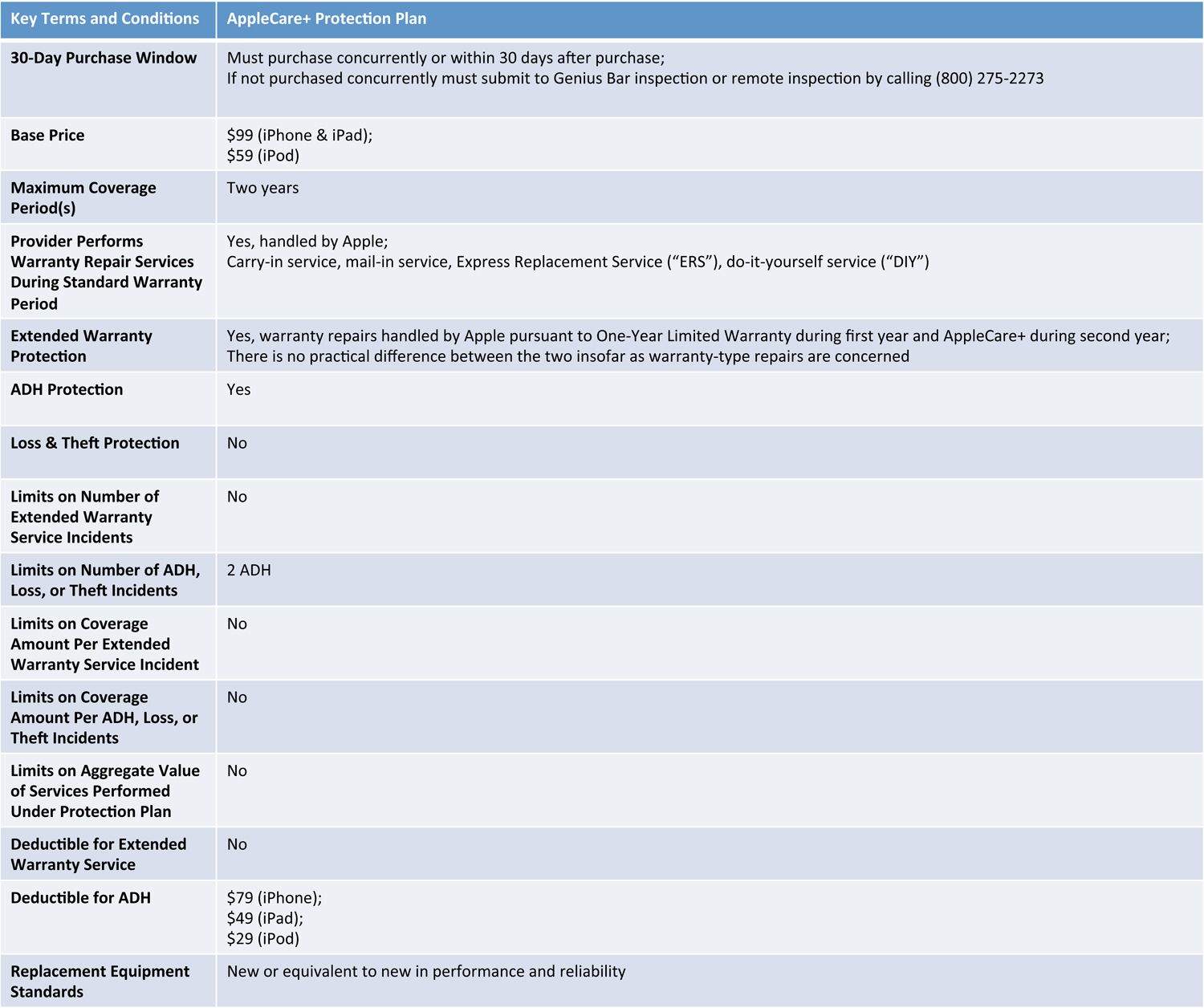
Q. Am I really getting a NEW iPhone when I pay $49 for Apple to replace a broken iPhone covered by AppleCare+?
My line is that, yes, it is a new iPhone, but Apple terms and conditions state that “Apple may use parts or products that are new or equivalent to new in reliability and performance,” meaning the iPhone you’re getting is really “reconditioned,” not straight from the factory like it is when you buy a brand new iPhone.
We’re told to say that they aren’t “refurbished” because they’ve been totally gutted down to the frame. Apple’s stance is that they really are brand new devices, in the sense that they get a new enclosure, display, and innards, but there are a lot of parts that have been recycled from old iPhones, like the metal frame and some other parts.
We know they’re just rebuilding them. I’ve seen some that had a screw missing, others with a bad display, but it’s only been a small percentage. I’ve seen reconditioned iPhones that lasted twice as long as a new iPhone, so they’re not necessarily worse.
Soon, a doctor could prescribe you an app. Photo: Flickr/Jason A. Howie
Your iPhone isn’t capable of the instant diagnosis and treatment of illnesses yet, but in time it may rival the Tricorder of Star Trek fame.
Whether you’ve made a New Year’s resolution to lose weight, to keep better track of your kids’ immunization schedule, or to provide more help to your aging parents, there’s a florid universe of apps in 2014 to help you to do it all.
Last year, more and more people used devices such as Jawbone UP, Nike Fuel or the FitBit Flex to track their health, fitness and dietary habits. But in 2014 and beyond, mobile health apps are going to expand well beyond that to become, as David Albert, CEO and Founder of San Francisco startup AliveCor puts it: “physician-guided self-management,” systems.
Soon, the worried — well quantified-self fans — and the rest of us are increasingly going to be able to collect more kinds of information about ourselves on our mobile devices. Once those daily habits and vitals are tracked, algorithms will be able to make recommendations on actions to take, or they will whisk that data straight back to the doctor for a more informed discussion during a later visit.
Already, smartphone owners in the United States and the United Kingdom can produce their own electrocardiograms with AliveCor and send them off for instant analysis. In the coming year, some doctors will be prescribing Type 2 diabetes patients a digital health product that incorporates an app called BlueStar from Baltimore, MD startup WellDoc to manage their conditions. Both products have been examined and cleared for the U.S. market by the Food and Drug Administration. They’ve also been through extensive use and testing in clinical trials.
“We see AliveCor [eventually] becoming your personal healthcare portal,” beyond ECGs, Albert said in an interview. “You’ll use it to analyze yourself, and to communicate with the doctor, and your healthcare providers will use it to provide you with feedback, guidance and coaching.”
The general hope is that digital technology, wireless sensors and cloud storage can make healthcare management more efficient, reduce costs and shift much of the balance of managing individuals’ health back to the individual from the doctor’s office.
While anyone can buy AliveCor’s sensors, access to WellDoc’s BlueStar Type 2 diabetes management product will only be available with a prescription. A half-hour in-person product installation and training session accompanies the prescription. Once installed, the BlueStar software uses the information that’s entered into the system to make personalized recommendations on how users should regulate their blood sugar levels.
A randomized controlled trial of the WellDoc Bluestar system published in the American Diabetes Association’s journal in 2011 showed that there was a significant two-point reduction in users’ three-month average glucose levels, said Chris Bergstrom, Welldoc’s chief strategy and commercial officer in an interview. That means that the chances of those users’ diabetes getting worse are also significantly reduced.
WellDoc’s BlueStar algorithms will coach people with Type 2 Diabetes on how to better manage their conditions.
The hope from the medical community is that individuals will use apps not only to keep fit, but to better manage their chronic conditions so that they don’t progress to the next stage.
It’s a significant goal both here in the U. S. and globally. The World Health Organization estimates that two thirds of the 55 million people who died in 2011 suffered either from some form of cardiovascular disease, cancer, diabetes or a chronic lung disease.
In the U.S. alone, almost 24 million people suffer from diabetes and someone has a heart attack every 34 seconds.
For more people than ever before, there’s an increased financial incentive to live healthily: A new Obama administration rule that became effective at the beginning of the year allows employers to either reward employees for meeting certain health-related goals, or to penalize them.
The incentives are designed to get people to stop smoking, exercise more, lose weight and maintain certain levels of cholesterol, blood pressure and a healthy body mass index. According to the Pew Research Center, a quarter of adult Americans have high blood pressure, 13 percent have some sort of chronic lung condition such as asthma, bronchitis or emphysema, and 11 percent have diabetes. Employers can now start offering their employees up to a 30 percent discount on their healthcare premiums if they participate in specific programs to help them to achieve their health goals.
Two other reasons that we’re likely to see more and more mobile healthcare apps: The Obama administration has been incentivizing healthcare systems to digitize their patient records in order to make doctor-patient interactions between office visits easier, and to encourage patients to manage their own health between visits, says Priyanka Agarwal, an assistant clinical professor of medicine at the University of California School of Medicine in San Francisco.
And the Affordable Care Act, aka Obamacare, also encourages the formation of “Accountable Care Organizations,” which will flip the financial incentive system to compensate doctors for keeping their patients healthy, rather than rewarding them for treating patients when they’re in a health crisis.
Nevertheless, the potential of the app universe has so far been stymied by the legacy healthcare systems, says Michael Wasser, an independent software developer and co-creator of HealthSherpa, the indie web site that helps people comparison-shop for insurance plans offered through the federal healthcare insurance exchange.
That means that it’s hard for third-party developers to build apps that can help family members to easily access and manage information relating to either their kids or elderly parents.
“The problem with these types of apps is that they frequently require health records to be useful (which most electronic medical record systems wall off),” he said. “In my opinion, this lack of information availability is why Google Health was shutdown and why Microsoft HealthVault hasn’t been very successful. I personally believe there’s a category of app could exist that we currently see very little to none of at the moment.”
A survey of the more than 40,000 healthcare-related apps in the U.S. iTunes store conducted last Fall by the IMS Institute for Healthcare Informatics in Parsippany, New Jersey, found that most apps fall in the diet, exercise and wellness category.
Agarwal, for her part, says that we’ll see more usage of healthcare apps once more of them have been clinically tested, like drugs, so that more doctors can start recommending them.
The IMS report also notes there are legal liability issues that need to be sorted out, in addition to other questions relating to privacy and security.
Below are some apps rated highly for their functionality and popularity by IMS, and other doctor-recommended apps (listed on HealthTap:)
DIET/FITNESS
Calorie Counter and Diet Tracker by MyFitnessPal HD Cost: Free. This is probably the most popular diet and exercise logging app that comes with a huge database of three million different kinds of foods (including ethnic foods like dim sum dishes.) Unlike other apps, if what you’re eating is not in there, it allows you to add it. Once you’ve created a fitness profile and goal, the app establishes a daily food and exercise budget for you. Users can track their food and water intake, log their exercise routine, connect with friends, and track their progress.
The advantage of this app is that everything is in one place: it also syncs up to the Jawbone UP system. The problem with using a lot of different exercise and dieting apps is that you have to re-enter the same information over and over again.
Quit It 3.0: If you’re still smoking but want to quit, this is a $0.99 cent motivational program that constantly reminds you of how much money you saved, and how much your lungs benefited from not inhaling all those chemicals.
BodyWeight Training Cost: $2.99. This app provides its users with more than 200 video demonstrations of exercises that can be completed at home. The 10-week fitness program of half-hour workouts is based on the book You Are Your Own Gym by the military trainer Mark Lauren. A lot of doctors on Healthtap recommended this app.
GENERAL INFORMATION
HealthTap This is a free app that lets you pose health questions to a network of 50,000 doctors licensed to practice medicine in the U. S. The Palo-Alto-based company received a second round of venture funding this spring from the high profile venture companies Khosla Ventures, the Mayfield Fund and Mohr Davidow Ventures.
Users can pose short questions to the network on an anonymous basis. You can pay to speed up the response time by sending a “charitable donation” of $0.99 cents. But before that happens, you are shown a list of other previously-asked questions and answers that may answer your own.
You can also use the app as your personal health record in that there’s a profile to fill out that lists your contact and insurance information, your medications, your allergies, the medical procedures you’ve had, your immunizations, and so forth.
The app also helps users find doctors, look up symptoms, and find out about health conditions (what does it mean to be obese, technically, anyway?) It even features other doctor-recommended apps.
iTriage Cost: Free. This app lets you look up symptoms by tapping on a naked avatar corresponding to your gender. I found this app to be overwhelming and clunky. For example, tapping on the lower back pulled up a menu of everything from “Backache or pain” to “Urinary retention.” Tapping on “Backache or pain,” gave me a massive list of potential ills that ranged from lumbago to a bladder infection to cancer. Tapping on low back pain (lumbago) provided me with a description of the problem, symptoms, potential tests and treatment. The experience was the equivalent of trying to figure out what the problem is myself by opening a medical encyclopedia. In other words, not very helpful.
PRESCRIPTIONS
Goodrx Cost: Free. Goodrx helps you to comparison shop for your drugs through a mobile app. It provides coupons and discounts on those drugs. As the company says, it’s like an “Orbitz” for prescription drugs. Some of the prices listed for some of the drugs I use were lower than my current co-pay with insurance.
Dosecast Cost: Free. If you’re taking a lot of different medications, this simple, elegant app is a neat way of scheduling your doses, keeping track of when you need a refill, and recording the prescription numbers all in one spot.
SYMPTOM CHECKER
Kids Doc Cost: $1.99. Anyone with a small child can relate to the experience of panicking and not knowing what to do when your child falls off the end of the bed and crashes loudly onto the floor, or when they suddenly develop a rash or a fever. The American Academy of Pediatrics developed an iPhone app called KidsDoc, where you can look up symptoms and then decide what to do based on a matrix of possible listed actions. It also provides dosage tables for common over-the-counter medications and first aid “topics” and illustrations. This would have saved me hours on the phone with nurses over the past four years.
Both of these apps enable you to keep detailed logs of your baby feeding schedules, naps, and diaper changes. They also enable you to chart your child’s growth.
MANAGING KIDS’ DOCTORS SCHEDULES
Baby Health Record. Cost: $3.99 I balk at keeping a social security number in an app, but keeping the rest of my daughter’s information in one portable location instead of a paper file in my study appeals to me. This app is a file of all of her basic information, including her blood type, vaccinations, growth history, doctor and dentist appointments and medical history. Obviously, if you decide to use these and other health-related apps, it’s crucial to password-protect your device.
OTHER
One other interesting app that’s worth mentioning that wasn’t listed by either the IMS Institute or HealthTap: HomeTouch. It’s a system developed in the United Kingdom by a British dementia specialist that uses tablets to help the elderly and their family to stay on top of the parents’ care remotely.
With all the horror stories of in-home nurses and nursing homes abusing or neglecting the elderly, this is an idea that’s definitely worth further exploration anywhere in the world.
iOS VLC will play just about any media file you throw at it.
It’s the holiday season again, and iOS devices top the lists of many of us, adult and child alike. If you’ve gotten one this year (kudos!), here’s our handy guide to get you started: the 12 “must have” apps for your brand new iPhone and iPad. Because, seriously, there are way too many apps out there to figure this out all on your own. You’re welcome.
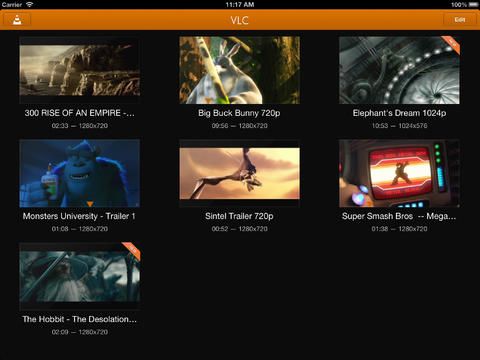
VLC – Universal – Free
If you want to play movies you’ve downloaded on your iPhone or iPad, but don’t want to limit yourself to officially sanctioned formats via iTunes and the Videos app on your iPhone, VLC is your app. It’s a free, open-source port of the computer-based media player and it will play all those different video formats, like WMV and OGG files, without the need for conversion. You can watch your movies you’ve downloaded to your iOS device, or you can sync directly with Dropbox or iTunes on your Mac, as well as an embedded web server. VLC in the App Store
Keep track of everything, right here.
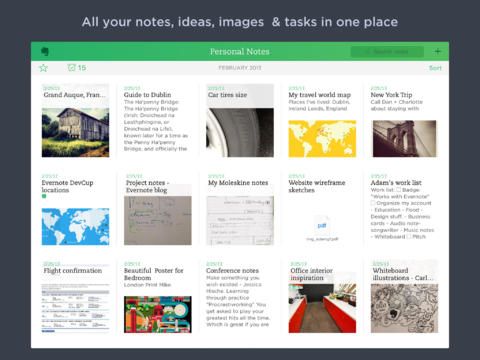
Evernote – Universal – Free
This is, hands-down, the single most used app I have on my iPhone. You can create and edit text notes, reminders, and task lists and sync them across all your devices, including the web. You can record voice, audio and photo notes, search for text inside images, organize all your stuff into notebooks and tags and even share notes via email, Facebook, and Twitter.
Add to your Evernote shopping list on your Mac, for example and it will appear on your iPhone for use at the store. Share that note with your roommates or spouse, and you have the ideal solution for making sure everything gets purchased the next time one of you is at the store. Evernote in the App Store
Just tell it what you want to do; no muss, no fuss.
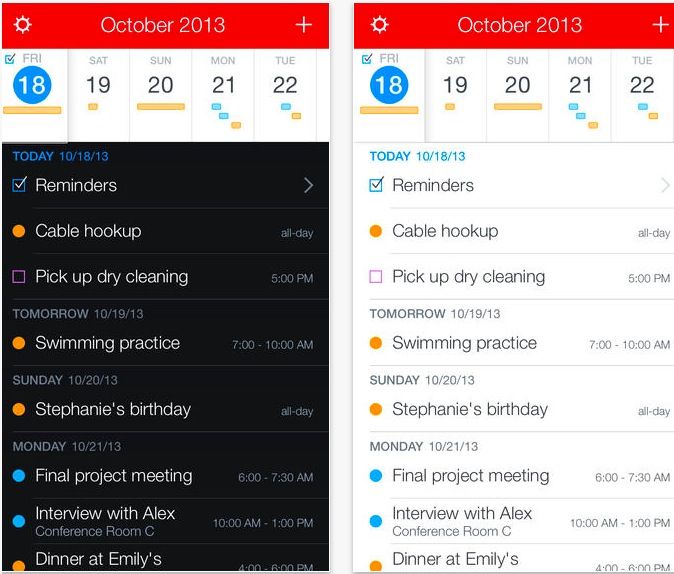
Fantastical 2 – iPhone – $3.99
This, well, fantastic, calendar replacement app uses a natural language parsing engine to help you make appointments and reminders with text or dictation. Say, “Lunch next Tuesday with Amy,” and Fantastical 2 will figure out what you mean, and place in on the appropriate slot.
You’ll never want to swipe those fiddly date and time wheels again. While the original Fantastical is still just as great, the new version has been updated for iOS 7. If you’re sick of the way typical digital calendars work, this is the app for you. Fantastical 2 in the App Store
Find what you want, when you want, super quick.
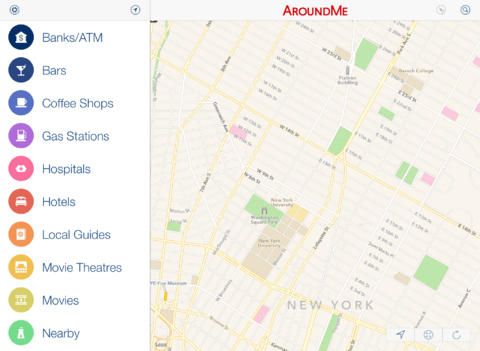
AroundMe – Universal – Free
AroundMe uses your location data to quickly let you find the nearest bank, bar, gas station, hospital, hotel, movie theater, restaurant, market, or taxi cab. You’ll get a complete list of nearby businesses in your chosen category, along with your distance from them, and you can quickly get the location up on a map. You can even send the info along to a buddy, or add the location to your Contacts. As if that wasn’t enough, you can even use AroundMe to fill you in on the details of the place using Wikipedia. AroundMe in the App Store
Free, powerful Pocket Casts is what Apple’s Podcast app wants to be.
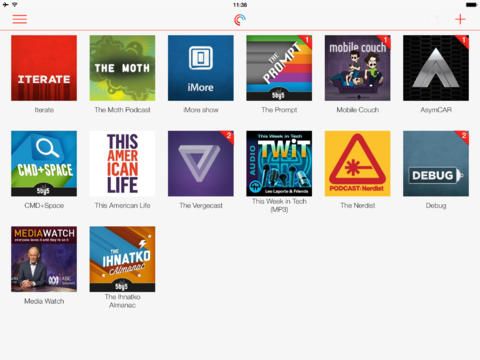
Pocket Casts – Universal – $3.99
Our very own Killian Bell says this is the best podcast app out there, and it’s got the ratings to prove it. Pocket Casts is a sraightforward, easy to use, powerful “podcatcher” app that lets you subscribe and play any podcast out there, sync and back them up, filter your episode lists, set up auto downloads, and a ton more.
The killer feature here? Refreshing up to 50 podcasts in the same time it can take other podcast apps, even Apple’s, to refresh one. Grab it now and see what you’ve been missing.
Still the easiest Twitter client out there.
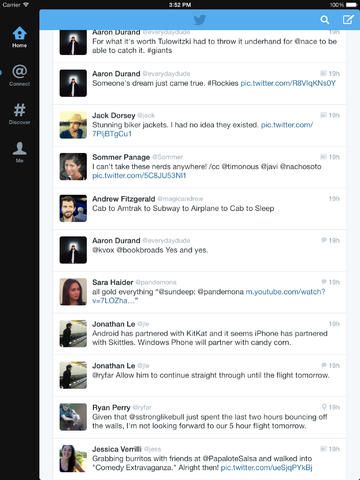
Twitter – Universal – Free
Power users may prefer apps like Twitterrific and Tweetbot, but for the rest of us, the official Twitter app is really all we need. The latest update adds quite a bit of functionality, including a neat swipe between panels interface, easy conversation drilldowns, and more. If you need to access Twitter on your iPhone or iPad, but don’t want a cluttery interface or more features than you can shake a stick at, this is the one to start with. Twitter in the App Store
Boxie makes Dropbox just that bit more useful on your iPhone.
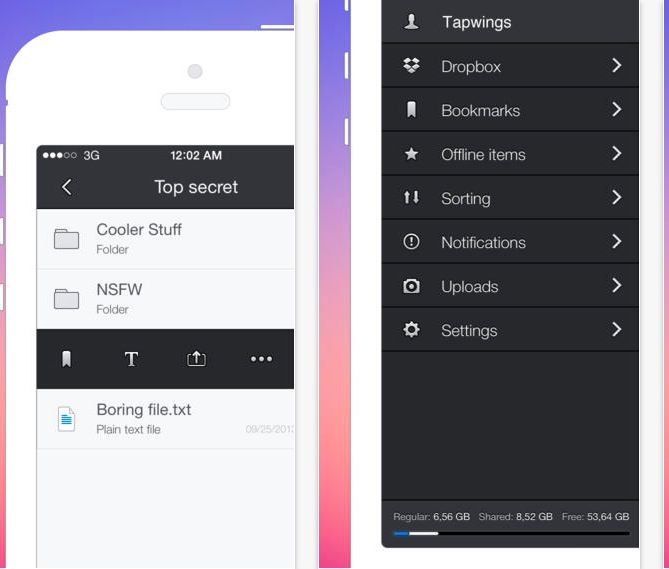
Boxie – iPhone – Free
The original (and best, in my opinion) cloud storage drive, Dropbox, has its own iOS app, but Boxie makes that app feel old and slow. This super-useful Dropbox client app features many more ways to manage, organize, and access all your Dropbox content, with a gorgeous interface to boot. Boxie turns your Dropbox storage into something truly useful, getting you access to all your stuff with a minimum of effort or slow loading times. Boxie in the App Store
Google’s mapping app is still the king of the roost.
Google Maps – Universal – Free
I hate to say it, but you really need to download Google’s navigation app. While Apple Maps is much improved these days, Google has been at it quite a bit longer, and while I much prefer Apple’s driving interface, Google Maps is just a more comprehensive experience.
Finding and getting to your destination is just much easier with Google Maps, and the voiced turn-by-turn navigation just seems to make a little more sense than Apple’s does. Don’t leave home without this on your iPhone or iPad. Google Maps in the App Store
Share your photos, make friends, see what they had for dinner.
Instagram – iPhone – Free
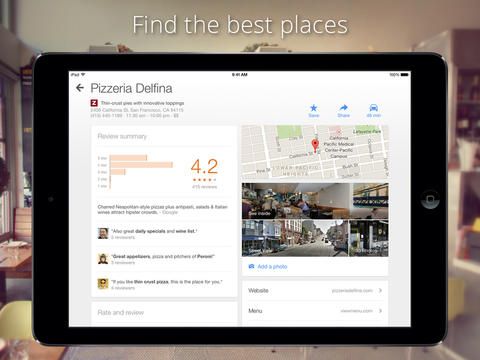
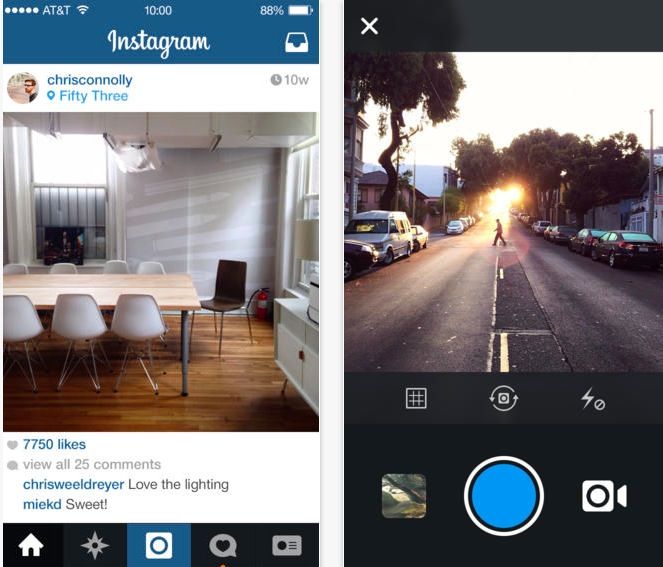
Instagram is not only a photo sharing service within an app, but an entire social network, itself connected to other services out there like Flickr, Facebook, and Twitter. It launches quickly and lets you capture that moment in time so you can filter and contrast it into something visually interesting (usually!). Getting your photos out there is super fast, and now Instagram even does video sharing, with 15 second clips that use the same filtering system as the photos. Instagram in the App Store
Give Mailbox a try and change your whole attitude on email.
Mailbox – Universal – Free
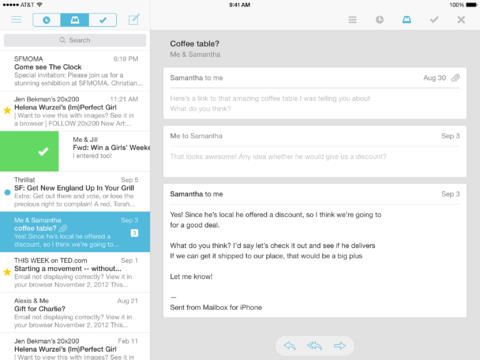
Email may have revolutionized the way we communicate in our business personal lives, but Mailbox has truly change the game for mobile email management. Using a few easily remembered swipe-based gestures, Mailbox lets you deal with your email quickly and efficiently, storing some in lists, scheduling others to look at later, or just deleting the crap out of the stuff you really aren’t gonna read anyway. Mailbox puts the productivity back into your email workflow, and you’ll thank the developers for the innovation. Mailbox in the App Store
Read it later, indeed.
Pocket – Universal – Free
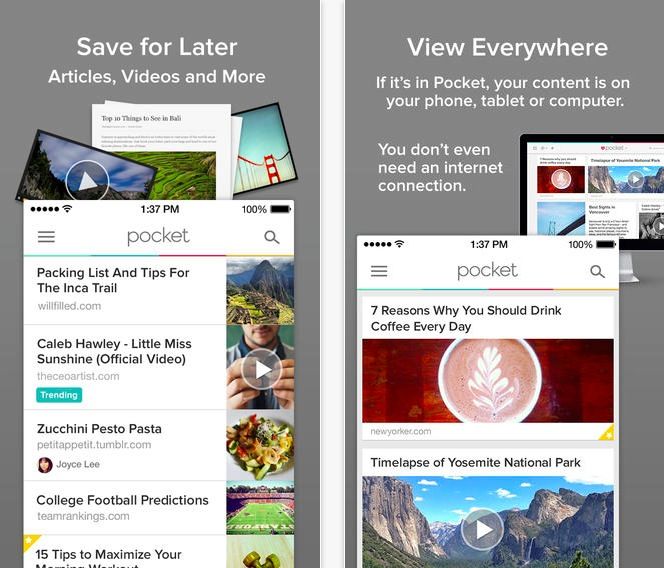
Pocket, formerly Read It Later, may not be the first such service where you can send long web articles to your iPhone or iPad to read later, but it’s quickly become my “read this later” service of choice. There’s a Pocket extension for every web browser out there, and a click sends it along to the Pocket servers, which deliver your own mix of saved reading material for offline perusal at your own convenience, even offline. Pocket is simple to use, and I’d never be able to read those long articles without it. Pocket in the App Store
Seems silly, but Bump is insanely useful.
Bump – iPhone – Free
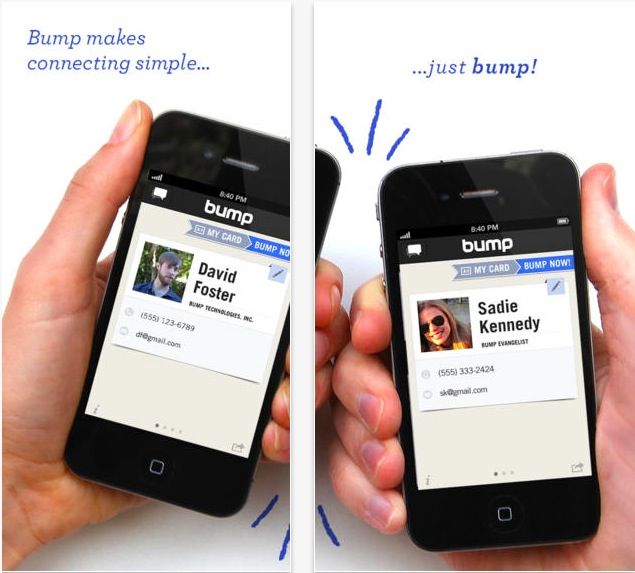
Incredibly simple, Bump lets you do just that: touch your iPhone to another one running Bump and you’re instantly sharing your contacts, files, and photos. Heck, you can even use Bump with your Mac, provided you’ve downloaded the Mac app to your computer. It seems like a silly thing, but getting files around from device to device has never been simpler. Bump in the App Store
This is Cult of Mac’s exclusive column written by an actual Apple Store Genius who answers all your questions about working at an Apple Store. Our genius must remain anonymous, but other than “Who are you, anyway?” ask anything you want about what goes on behind that slick store facade.
This week our Genius answers why the iPhone screen can be repaired in stores while the iPad has to be shipped away from special care. We also discuss whether working at the Apple Store can be turned into a solid career, plus the top 5 most annoying things customers do at the Apple Store.
Got a question you want the inside scoop on? Send us your questions and the answers will be published first in Cult of Mac’s Magazine on Newsstand. Send your questions to newsATcultofmac.com with “genius” in the subject line.
Q: Why can the Apple Store fix my broken iPhone screen in under 30minutes, but when I broke my iPad screen they had to swap it with an entirely new device, rather than just swapping the glass?
Apple really hasn’t made the iPad has repairable as the iPhone quite yet, even for Geniuses. Because of the design of the iPad display, when certain components break we have no choice but to swap your iPad for a new one and send the broken unit to be refurbished.
Right now it’s impossible to pop-off the iPads’ display and replace it with a new one due to all the glue Apple uses to keep it secure in the frame. With the iPhone, we can turn out the screws at the bottom and access a number of different components that can be replaced, like the vibration motor, speakers, camera, receiver and more.
The iPad is designed to be as thin as possible and I guess that meant Jony felt sacrifices to repairability outweigh the benefit of thinner and lighter iPad. Apple hasn’t developed a system yet for us to reattach iPad displays and looking at how thin everything is becoming, I’m not hopeful that will change soon.
Q: How long have you been working at the Apple Store? Are there any opportunities to make a career out of it and would you recommend it?
I have been working at the Apple Store just short of two years now. I started in a part-time position at the Genius Bar as a Family Room Specialist, a sort of lower-level genius that handles the mobile support queues and a few other tasks like training sessions. I applied to work full-time after I had learned the ropes and shortly after I was promoted to Genius. Despite the seemingly high turnaround, the fight for the better paying positions, like genius, can be pretty tough. There is a lot of competition. Most of the management positions require management experience, especially in retail, but on some occasions the experienced and qualified geniuses gets promoted to a management position.
For me, working at Apple has helped me develop and grow each day. It is a happy place to work, most of the time. Difficult customers and crazy workloads can sometimes make it hard to keep positive but it’s these people that succeed best at the Apple Store. In the end, It’s just a job for me. One that looks good on the resume. If you can get one of the higher paying roles and stay positive in the craziness that is the Apple Store you can definitely make a career out of it.
Q: What are your top five customer pet peeves?
Backup your stuff before you get to the store if you expect to keep any of your data. If you’re worried about losing your content, back it up regularly.
Don’t bring in three different devices for one genius bar reservation. Make a reservation for each product if you have multiple devices with issues.
If you are going to throw a fit in the store because we can’t see you at the Genius Bar right away, make an appointment in advance. It takes little time and can save you a temper tantrum in the middle of the mall.
Even if you think you need a replacement, don’t just say, “I need a new iWhatever.” We can’t just swap stuff willy-nilly.
Don’t hassle your technician for a replacement when your device is out of warranty. It doesn’t matter how many products you own. If you want extended coverage, buy a protection plan.
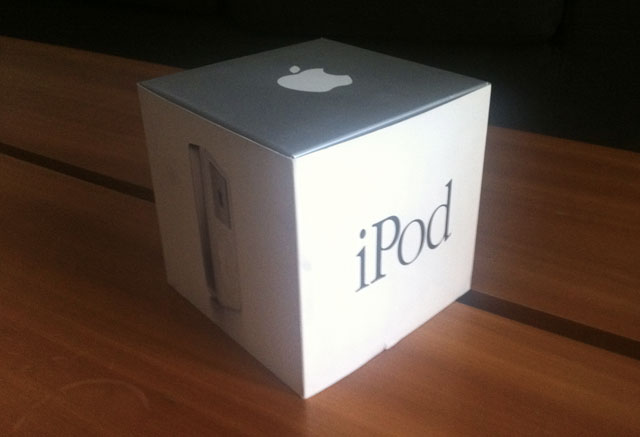
When the original iPod launched, it was a very different beast to the svelte little beauties we know today. They were large, they only worked with Macs and they synced via bulky Firewire cables. Nonetheless, they were the best music players around at the time, and they made you feel proud to be an Apple fan-boy and to own a Mac.
Back then, the web unboxing meme hadn’t taken off, and yet all the love, care and attention that Apple puts into their packaging was already present. So I thought it would be a fitting tribute to unbox an original iPod as if it was the latest toy to be “Designed in Cupertino, CA.” Enjoy…
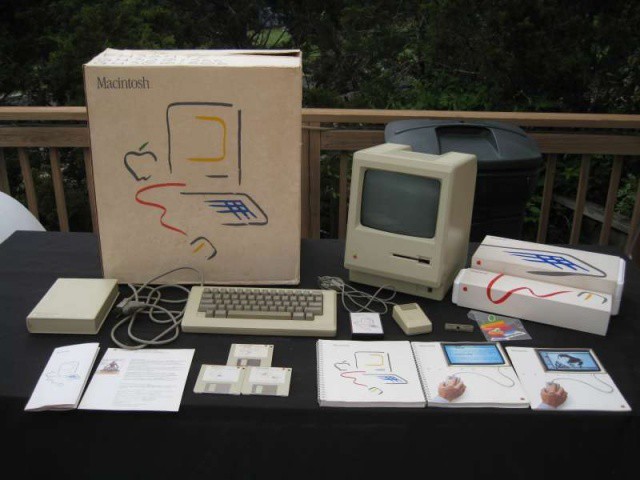
Everything that was in the 1984 Macintosh 128K's original retail box. Swoon.
Back in 1984, Apple released the first Macintosh home computer, a magnificent piece of vintage computer design that would shape the destiny of the next 25 years of Apple’s corporate history.
What would it have been like to pull a vintage Macintosh 128K out of the box? To first separate the keyboard from its styrofoam lining? To first snap open the hard plastic floppy disc case? To first learn how to use MacWrite using an audio tape?
Over on eBay, one seller has been trying to sell a vintage Macintosh, still in box with complete documentation, equipment and even packaging. In his attempts to sell his prize, he has given us all a treat: a wonderfully thorough and loving unboxing of what it would have been like to open a vintage Macintosh up for the first time.
Since eBay items disappear when the auction ends, we’ve archived these incredible unboxing pics on our servers. Prepare to see a lot of them below.
Look: We know that not every iOS game is perfect. They all have their little quirks and irregularities and some are flat-out broken. But among those that are actually playable, some contain a core mechanic that stumbles somewhere along the way. And maybe it’s a cool idea, but it feels like it could just be executed a little better.
That’s where this series comes in.
We round up games that are not necessarily bad but just fall short in some area, and we suggest other titles that do it better — so your brand-new iDevice become a gaming machine that you’ll never want to put down.
Culprit 1:Alpha Zen The Issue: Wasted potential.
Alpha Zen is a cool enough idea: It’s a puzzle game that has you fitting words together crossword-style to fit within a defined space. But that’s basically it.
It’s not so much that it’s too easy to put the words together. It’s that your payoff for doing so is really small. You got those words to fit into that box, and now what? I guess it’s on to the next set of words and the next oddly shaped box. It doesn’t give you much to admire or appreciate, and no sense of progress.
It’s not a bad game, though. It’s just short on satisfaction.
The Solution:The Room and The Room 2
These puzzle games, on the other hand, are about nothing but payoff.
The Room and its sequel have you solving mysterious puzzle boxes, examining clues, and always wondering what the hell is going on, and while you never quite figure it out (I don’t think; it’s actually kind of vague), it’s the process of getting there that’s so satisfying.
Some rooms start you off with a simple box, but after you’ve spent 20 minutes prodding it and examining its various secret compartments, maybe it ends up as a pyramid. Or it’s opened up to reveal intricate and beautiful mechanisms. Or a freaking laser comes out of it.
All of these things are awesome, and maybe it’s not fair to expect “words in a space” to live up to that, but I do know which one I’d rather spend an hour on.
Culprit 2:The Simpsons: Tapped Out The Issue: Cynical and imagination-stifling
The Simpsons: Tapped Out presents players with an interesting scenario: What if the entire fictional town of Springfield were suddenly and unceremoniously wiped off the map? How would you rebuild it?
And then you start playing it and you find out: You’d rebuild it one building at a time and with massive delays in between. Tapped Out is one of those dreaded “freemium” games which attempts to extract money from players by refusing to let them play it. Restoring a building takes time, and players can run down the clock with an in-app purchase. Or they can wait or just delete the app like I did.
Even outside of that chicanery is the fact that what you’re really building is another person’s world. You might decide where the Kwik-E-Mart and the nuclear power plant go, but they’re still prefabricated pieces of an already existing world. So whatever your configuration, you’re building Springfield.
And if you’re going to start with a blank slate and build a world, why not make it your own?
The Solution:Minecraft: Pocket Edition
Yeah, I mean, this is pretty obvious.
The biggest world-building game since Sim City is almost the exact opposite of Tapped Out‘s ready-made building blocks. It has blocks, sure, but what you build with them is up to you.
Minecraft in all its various incarnations is basically what I hoped the Lego tie-in games would be: “Here are some blocks, go make whatever you want. And also, look out for monsters.” Because you need monsters, you know.
While both games promote patience, the types they encourage are diametrically opposed. Tapped Out teaches the patience of refusal: “If you wait, you’ll get this.” Minecraft, on the other hand, gives you the patience of creation: “If you take your time and plan, you can make this world exactly how you want it to be.”
Which sounds better?
Culprit 3: The Infinity Blade series The Issue: Repetitive and grind-crazed.
The Infinity Blade series is a mobile juggernaut because of its slick production values, epic plot, and simple gameplay. It’s also incredibly boring, and the series’ overarching plot, which involves generations of a family attempting the same quest over and over and a battle against beings that can die repeatedly and still come back, actually serves as a metaphor for the experience of playing it.
Success in Infinity Blade requires proper gear, and getting proper gear demands that you fight the same battles several times with little variation. You can speed things up by exchanging real money for in-game currency, but that just makes you better equipped to do the same thing.
The combat is at least interesting, though; it requires pattern recognition and a sense of rhythm and timing. But it’s all you do, and it doesn’t offer much variety because that’s more or less how that whole “infinity” thing works.
The Solution:Bit.Trip Run!
I didn’t cut developer Gaijin’s running-based rhythm-game-in-disguise a whole lot of slack when I reviewed it last month, but an update with new control schemes means it’s worth checking out again.
Run! tasks you with guiding the brave, perpetually running Commander Video through a bunch of colorful worlds rife with obstacles and hurdles to overcome. Like in Infinity Blade, timing and rhythm are crucial, but where Bit.Trip wins out is in its variety. The Commander must run, slide, kick, jump, and use a shield to keep moving forward, and the individual levels provide enough different barriers that it keeps you focused and challenged.
Plus, the narrator is the guy who does the voice for Mario, and that’s just straight-up awesome.
Culprit 4:Draw Something The Issue: Neither social nor cooperative
Draw Something isn’t nearly what it used to be, but when it came out last year, it seemed like everyone was playing it. If you aren’t among “everyone,” here’s how it works: One person chooses one of three objects and draws it and then their friend tries to guess what the drawing is. It’s like playing Pictionary without having to be at a lame party.
People were crazy about this game, but they missed its critical flaw: Despite being a game you could play with your friends, it contained no social interaction or any real need for cooperation. You’d be looking at a crappy drawing of a gorilla with your friend’s name on it, but the fact remained that for all the “fun” you two were having “together,” anyone in the world could have drawn that half-assed gorilla.
It’s also hard to think of a game for which the cost of losing is lower than this one’s. If the other person guesses correctly, you earn coins that you can use to unlock more colors to draw with terribly. If you lose, the next round starts. That’s it. Draw Something tries to trick you by including a “Winning streak” counter, but it really doesn’t mean or do anything.
The Solution:Spaceteam
Just look at this.
Do you see all those people in the same room working together to complete a task? Doesn’t that seem, I don’t know, pretty social? Don’t they all look happier than any Draw Something player you’ve ever seen in your life?
Spaceteam is a multi-player extravaganza in which a team of players take the roles of a spaceship crew. Everyone has his or her own oddly named control panel on their screen, and the game displays adjustments that need adjusting. When the instructions appear, the player calls them out, and the person with the appropriate console flips the switch or turns the dial or whatever. Every once in a while, everyone has to shake or invert their devices to avoid imaginary wormholes.
Is there any part of that that doesn’t sound like a good time with your friends? Next to that, is there any part of Draw Something that does?
Browsing the App Store can be a bit overwhelming. Which apps are new? Which ones are good? Are the paid ones worth paying for, or do they have a free, lite version that will work well enough?
Well, if you stop interrogating me for a second, hypothetical App Store shopper, I can tell you about this thing we do here.
Every week, we highlight some of the most interesting new apps and collect them here for your consideration. This time, our picks include something to help you make good choices, a simple flight locator, and instructions for keeping your hands really super clean.
Here you go:
Smart Decisions — Productivity — Free
I clearly have a lot on my mind — I can’t even decide which pants to wear. Luckily, Smart Decisions exists. It’s an app that breaks up your major (or minor) quandaries into their component parts and helps you reach conclusions simply and methodically. First you identify the problem, and then you list out the alternatives. After that, you figure out the most important factors to consider and rank them in order of importance. The app then has you compare two options at a time based on the factors you listed. After you’ve exhausted all combinations, it tells you what your best choice is.
Apparently, I want cereal more than pancakes. That was a surprise.
Cold and flu season is upon us, and you might not know this, but that thing where you just hold your hands under the water for a second before wiping them off on your pants? That’s not doing a darn thing.
If you’d like to know a better way to wash your hands, Hand Wash is here for you. It trains you in the World Health Organization’s Five Moments method, and it even contains a little game that will grade your mastery of washing technique and duration.
Now, stop using your hand as a tissue and go clean up. I want to sneeze just looking at you.
Where Is My Flight is a pie-simple tracker with a single box. You put the flight number in there, and it tells you where and when to find it. If you’re the one flying, you might find it helpful that the app tells you which terminal you’ll be in so that you can plan your overpriced airport meals accordingly.
If you’re not the one flying, you’ll find the landing-time estimates handy so you can time your pick-up accordingly. It’s just a simple, useful app, and anything that removes any of the annoyances of air travel is worth checking out.
Here’s an app that might come in useful for any big meals you might be planning.
Thyme lets you set individual timers for each burner of your stove and your oven so that you can see at a glance how much longer everything has to go. It sure beats my usual method of setting one timer on the microwave, one on my phone, one on the back of the stove (which never works, anyway), and then just watching the clock.
So you go out to dinner with a bunch of your friends, and when the bill arrives, you decide to save time and just pay the whole thing yourself. But you’re a little obsessive-compulsive, so you insist that your friends pay you back exactly what they owe. But how do you figure it out? That’s a lot of math to fit into one head.
This app has you covered. You just enter in the menu price of every item, tell it who ordered what, and enter in the tip and tax percentages, and it gives you the exact amount each person needs to pay you back, to the cent. And nothing screams “friendship” quite like making change.
Here’s how to make sure your new iPhone rings true in all the places you take it – these are Cult of Mac’s favorite, top-rated accessories for 2013.
EarPod Covers
Earskinz are a pair of silicone covers custom-made to fit Apple’s EarPods designed to add grip to the slick surface and to make them stay in your ears. If you don’t have the ideal ear shape that Apple was designing for — and seriously, who does? — these are definitely for you. They also help by shutting out ambient noise for better sound and allowing you to listen at a lower volume.
The EarSkinz not only keep your headset in place, but the slight extra thickness forms a pretty decent seal in my ears, let you walk through busy city streets listening to podcasts and audio books with the sound at a reasonably low level. Both our reviewers can’t imagine using their iPhones without them.
There’s no point in obscuring the beautiful line of your iPhone 5 or 5s with a clunky case: go for the AL13 Ultrathin bumper, a precision-cut aluminum number that shows off the design of device while providing some additional protection. The bumper case comes in a gorgeous metal box, cushioned with black foam, with a design aesthetic that matches the AL13 itself.
The material of the bumper case is metal, transmits vibrations from the iPhone a bit more than other rubber or plastic cases. That’s not a bad thing when it’s in a pocket, but set it on a glass or metal table and you’re going to hear it.
Ultimately, unless you own nothing but glass tables, the AL13 is a delightfully simple, minimalist, elegant design for an iPhone 5 case, and provides just enough protection while allowing the gorgeous design of the iPhone itself to shine forth. While $80 might be a bit on the steep side for many of us, for those to whom design matters, it’s a small price to pay for such a well-crafted and delightfully Apple-like iPhone case.
The Armpocket i30 is perfect for walking, running, hiking, and pretty much any physical activity that requires easy storage of and access to all models of the iPhone 5 (and older versions too!) when pockets aren’t an option. The i30’s storage is generous without being too bulky, providing three separate sections to hold stuff in place via a pocket in front and a strap on the back.
The problem with many armbands that I’ve used over the years is twofold, reviewer Rob LeFebvre notes. If the armband is too small, it only holds an iPhone without a case and nothing else. Two, unless it’s cinched incredibly tight on a bicep, the weight of the phone tends to bounce while running, making the whole concept less than useful. The Armpocket i30 armband is a fantastic little iPhone 5 holder that solves both of these problems.
Screen protectors are the best way to keep your device’s display in great condition, but applying them is a pain in the butt. Enter Tru-Fit which comes with its a film applicator, which is essentially a plastic frame the shape of your iPhone. You place the film inside the frame, then clean your iPhone’s display using the included microfiber cloth.
Unlike other screen protectors, the Tru-Fit also comes with a sticky sheet that you can use on your front of your iPad’s display to ensure you’ve removed any dust and debris, and to prevent anything from settling on it while you’re getting the protector ready. It’s durable, anti-glare and has a terrific grip. The anti-glare version is available for the iPhone 5s and iPhone 4 models – but not for the iPhone c.
If putting together those Lego sets hasn’t left you completely exhausted, the HiRise is the docking station for you.
Twelve South’s HiRise for iPhone and iPad mini, is a combination dock and stand that looks great, is made of solid materials, fits both an iPad and an iPhone at the same time, works with cases, and best of all, will almost definitely work with all future iterations of iPhone and iPad that have a Lightning connector.
It also works with most cases, so you don’t have to dance the on-off fumble every time you need a charge. One caveat: putting it together. While beautifully packaged, the HiRise comes disassembled, like something you’d buy from IKEA. The screws didn’t want to fit, the hexwrenches were so small that they hurt my fingers to use, and even after I put the HiRise together, the two arms were very slightly crooked from one another.
“Once the HiRise is put together, I don’t have a single complaint about it. But I never want to put one together again,” says reviewer John Brownlee.
Sure, with those sleek, lean lines it looks great naked. But once you take it outside your house, it’s a good idea to have some protection, an easy way to prop it up and carry it. And speakers!
Here’s a hand-picked selection of all the iPad accessories Cult of Mac reviewed this year — but only the best ones. These add-ons all received the highest rating, or a full four stars, from our gadget-weary team of reviewers. Shine on!
Screen protector
Screen protectors are the best way to keep your device’s display in great condition, but applying them is a pain in the butt. It’s hard enough ensuring they go down straight, but you also have to worry about trapping dirt, dust, and bubbles beneath them. But not with the Tru-Fit. Inside the packaging is the Tru-Fit Film Applicator, which is essentially a plastic frame the shape of your iPad. You place the film inside the frame, then clean your iPad’s display using the included microfiber cloth.
Unlike other screen protectors, the Tru-Fit also comes with a sticky sheet that you can use on your front of your iPad’s display to ensure you’ve removed any dust and debris, and to prevent anything from settling on it while you’re getting the protector ready. It’s durable, anti-glare and has a terrific grip. Available for the iPad Air, iPad 2/3/4 and iPad Mini.
The Acase for iPad mini is a beautiful case. Its high-quality leather design provides an elegant look while providing your device with protection from head to toe — for only $40. It fits like a glove, and the iPad mini is held securely inside with a leather flap that slips in behind the device.
The build quality is excellent; the stitching is strong and neat, and I have no worries about it falling apart after months of heavy use. Acase has clearly used the best materials and built this thing to last. Reviews editor Charlie Sorrel recommends the “vintage brown” version of the case, which has a soft matte leather finish, over the black and chestnut brown versions. The vintage one gains character with a bit of wear, the other two probably won’t.
If you’re looking for excellent protection for all iPad models (plus most iPhones, too), check out Loop Attachment’s Mummy Case, which swathes your device in oops-proof rubber. What sets it apart from the cheap silicone cases on eBay for a few dollars: a special coating that not only makes it super soft and smooth, but also keeps out dirt and grime.
Reviewer Killian Bell says: “I’ll happily hand my iPad to my kids while it’s in the Mummy Case, safe in the knowledge that if they drop it on the kitchen floor, it’s not going to get damaged.” The Mummy covers a large portion of your iPad’s front bezel, which provides some protection for its display. It should be more than enough to prevent it from getting damaged if it lands flat on its face, but for added peace of mind, you can combine the Mummy with a Smart Cover.
If putting together those Lego sets hasn’t left you completely exhausted, the HiRise is the docking station for you.
Twelve South’s HiRise for iPhone and iPad mini, is a combination dock and stand that looks great, is made of solid materials, fits both an iPad and an iPhone at the same time, works with cases, and best of all, will almost definitely work with all future iterations of iPhone and iPad that have a Lightning connector.
It also works with most cases, so you don’t have to dance the on-off fumble every time you need a charge. One caveat: putting it together. While beautifully packaged, the HiRise comes disassembled, like something you’d buy from IKEA. The screws didn’t want to fit, the hexwrenches were so small that they hurt my fingers to use, and even after I put the HiRise together, the two arms were very slightly crooked from one another.
“Once the HiRise is put together, I don’t have a single complaint about it. But I never want to put one together again,” says reviewer John Brownlee.
Bring the noise: UE Boom by Ultimate Ears/Logitech.
Your iPad can double as a music maker — if you grab a decent speaker. To get some serious sound from your device, check out the UE Boom by Ultimate Ears/Logitech.
“Where this intensity comes in handy is outside,” says reviewer Rob LeFebvre. “I’ve used the UE Boom in my yard, on my bike, and in my car and it’s loud and lovely in every location. I was able to provide music for a smaller outdoor BBQ just the other day with only the Boom as our speaker of choice.”
The fact that up to eight Bluetooth devices can pair with the UE Boom at one time is yet another killer feature, as it let several of the BBQ guests play their favorite tunes through the device, without ever having to re-pair between users. I let my iPhone 5, iPad mini, and Macbook Air all pair with the UE Boom so I can send audio from any one of these devices at a moment’s notice, without having to re-pair or mess with configurations.
It’s not the cheapest of speakers – coming in at a pricey $171 – but it may be the only one you’ll ever need.
The Logitech Bluetooth Easy-Switch Keyboard K811 was so nice we reviewed it twice. Both Killian and Charlie found it the best keyboard they’d ever used – whether it was for stay-at-home or cafe-airport-train use. It’s lightweight, reliable, has a great feel.
And it works across iDevices, so you can connect it to whatever you need to type with while on the go. Charlie says, “Buy it. There’s almost no way you’ll be disappointed. Quite the opposite in fact: you’ll look forward to using it.”
I’ve been a fan of Apple products from way back. As I left for college, my dad bought an Apple IIGS for the home. All I remember was a ton of boxes and a computer that came with big, fat manuals.
When I got my first Mac, it was a Performa 638CD. It was a beige box contained in (I think) white boxes. It wasn’t very exciting.
Then, back in 2008, I bought the very first model iPhone, the one with a silver back and a black plastic area on the bottom to let the signal in. The box was delightful.
Everything was sensual, from the solid rigidity of the glossy cardboard box to the way each piece nestled gently, safely, inside its own separate section. The iPhone was the first thing I saw when I opened the box.
This first iPhone iteration was a brand new object of desire. I’d never seen such a device, let alone the kind of phone that would all but become ubiquitous over the next five years. If the choirs of angels didn’t sing when I lifted the rectangle of glass and plastic from its carefully molded resting place inside the packaging, but they should have.
Underneath the iPhone were three separate sections: one for the headphones, one for the iPhone dock and a final one for the charging brick. Under those glorious white accessories was the 30-pin connecting USB cable.
What an achievement of design, this box. The packaging alone proved that Apple was making this iPhone for people like me. This wasn’t just messing around; this device was worth some seriously put together casing.
When I was the tech guy for a small non-profit in Alaska a few years back, we used to order new Macbooks every few years to replace the ones that were obsolete or end of life. We’d purchase a dozen or more, depending on the budget.
Opening the boxes to set the MacBooks up became a ritual: I knew exactly what I would find in each box. Every piece had its special place inside the package, which itself had a foam piece glued to the inner top of the flip-up lid to help cushion the MacBook from any inadvertent harm when being transported in the retail carton. There was a handle built in to each container, and everything just, well, fit.
That’s the thing about every product Apple designs these days: the stuff each device comes in is as much an object of attention as the actual iPhone or Mac that it comes in.
It says to purchasers: “Yes, your device is special. It is made just for you (in California).”
It’s yet one more thing that Apple gets right: the box that brings your new miracle of technology into your life makes you feel good even before you use the device itself.
So as you open that shiny new iOS or Mac that came from under the tree in brightly wrapped paper, pause a moment to notice the attention to detail heaped upon the lowly packaging.
You’ll feel good, and be glad you did. Happy Holidays!
If you’re fortunate enough to receive a new Mac this Holiday season, in addition to graciously thanking whoever gave it to you, you should make some time to take care of a few basic preliminary matters, which will end up saving you time and money in the long-run.
Unboxing. Unbox your Mac while being careful not to rip, tear, destroy, or discard any of the box or accompanying materials. There are a number of reasons why this is a good idea, but here are two of the biggest ones.
First, if something ends up being wrong with your Mac – whether it’s defective or an incorrect model – you’re going to need its original packaging (provided you’re still within Apple’s return policy period). Note here that although Apple’s return policy normally permits returns for up to fourteen days after purchase Apple has extended the deadline for returns on purchases made during the holiday season. This year, any purchases made between November 1, 2013 and December 25, 2013 can be returned through January 8, 2014.
Second, let’s think long-term here. Macs retain their value like no other consumer electronics products and, therefore, there’s a good chance that you may want to resell your Mac at some point in the future. Having your Mac’s original packaging materials always helps make the product look more attractive to potential buyers and will certainly help you sell it faster and for a better price.
Initial Inspection. Conduct a basic inspection of your new Mac. Have a good look at its exterior. Is there any damage? It doesn’t matter how slight because exterior damage may be evidence of a greater issue or defect. Make sure there aren’t any scratches on its body, chips or cracks in its screen, or any other evidence of damage or mishandling.
If your Mac is even slightly damaged you should take advantage of Apple’s extended holiday return policy and exchange it for a new one.
In my experience, Apple permits the return of damaged Macs provided the damage is reported very shortly after purchase. The longer you wait, however, the more likely an Apple representative will assume you caused the damage.
There are at least two reasons why you should do this: first, if your Mac turns out to be defective you’re going to have to take it to Apple for repair. If your Mac has undocumented damage an Apple Genius or repair technician may refuse to honor its One-Year limited Warranty or AppleCare (if you purchased AppleCare) because of the damage. It’s going to be their word against yours and – whether or not you eventually convince Apple honor the warranty or AppleCare – that’s not an argument you ever want to have to make. If Apple doesn’t honor your Mac’s warranty or AppleCare you’re stuck paying for the repair out of pocket.
Second, damage will always reduce the resale value of your Mac. If you ever do decide to resell your Mac you may have a more difficult time getting a good price, or even finding a buyer, if it’s damaged.
Check for Defects. Apple makes great products, but defects are a sad reality of any manufacturing process. You should put your Mac through at least an elementary vetting process where you inspect it for potential defects. Defects are different from physical damage. Unlike physical damage, which is not covered by Apple’s standard One-Year Limited Warranty or standard AppleCare (not to be confused with AppleCare+, which does provide limited coverage for accidental damage on iPhones) defects are fully covered and, therefore, there’s less of a sense of urgency here. That said, without going into all of the reasons, it’s always better to get defects handled sooner than later.
Chances are your Mac will not be defective, but do your due diligence just in case. When I’m checking my Macs for defects, I like to break it down by the various hardware components that make it up and I go through them one-by-one – asking myself whether each component behaves as advertised. For example, does the screen have an unacceptably high number of dead pixels; is my Mac able to connect to Wi-Fi and Bluetooth devices; does the battery hold a proper charge; etc.?
If something seems to be awry with any part of my Mac – something is visibly broken or a component is just not performing as I think it should – I research the specific symptoms online and make a decision about whether or not I should take it in for further inspection, repair, or replacement.
Save the Date. If, after carefully unpacking and inspecting your new Mac, you’re happy with its condition then it’s time to set a few extremely important reminders. Mark your calendar or, better yet, set an alarm on your Mac’s iCal to notify you of the key dates in your Mac’s life. Determine the relevant dates by going to Apple’s Warranty Status page. This page will tell you when your One-Year Limited Warranty and/or AppleCare (if you purchased AppleCare) are set to expire. Once you have determined these dates, you should proceed to set the appropriate alarms.
First, set one to go off on January 6, 2014. If your Mac was purchased during this holiday season then this is two days before you will have to decide whether or not to return your Mac to Apple. Second, set an alarm for two weeks before your Mac’s One-Year Limited Warranty expires. When it goes off, take some time to give your Mac a thorough inspection for any defects that may have manifested during the first year of its life. Third, if you purchased AppleCare or have any other operative dates (third-party insurance, credit card purchase protection, etc.) set an alarm to go off one to two weeks before those expire and conduct the same type of inspection when the time comes.
Stay Informed & Never Stop Learning. If you’ve followed the our advice, you’ve taken several of the most essential steps towards protecting yourself from the some of the most common issues owners of Apple products experience. Enjoy your new Mac, but also remember that it’s an expensive piece of equipment and worth owning responsibly. It’s up to you to stay informed about the particular model of Mac you now own as well as Apple products in general.
It’s the season for new iPhones and iPads. If you’re buying a new device you may be wondering how to best protect it from the risk of defect or damage. Aside from using a case, you may also be thinking about purchasing a supplemental protection plan.
There’s a reason why many consumer rights advocates agree that protection plans are a bad deal for consumers. The plans are expensive and only a small fraction of people that buy them actually end up using them. With that said, some people find value in the peace of mind and ease of repair that protection plans offer.
If you do decide extra protection is right for you then weigh your options carefully. Protection plans aren’t cheap and their terms and conditions vary widely from one plan to another. Buying an overly-expensive plan or assuming that a plan offers coverage where it doesn’t can be a frustrating and costly mistake.
So, how do your options stack up? Let’s look at a few of them with a focus towards plans most suitable for the new iPhone 5S. Hopefully this article will give you some ideas about the types of things you can look out for when you’re shopping for protection plans. You’ll find a table summarizing the protection plans at the end of this article.
Apple’s One-Year Limited Warranty
While not technically a protection plan, Apple’s One-Year Limited Warranty is your first line of defense. It comes included with every new or refurbished Mac including the iPhone and iPad regardless of where you purchase it. For example, if you buy a new iPhone 5S from your local T-Mobile store it’s still covered by Apple’s One-Year Limited Warranty. The warranty covers your device from manufacturing and design defects, but it does not protect it from theft, loss, or accidental damage. As the name suggests, it gives you coverage for one year. If you find a defect within that first year, Apple will repair or replace your device, free of charge. There is no signup fee; there is no deductible.
If defects are your main concern, then remember that Apple’s One-Year Limited Warranty provides very good protection at no extra cost to you. If, however, you are genuinely concerned about loss, theft, accidental, damage or extended warranty coverage beyond the first year then maybe a protection plan is right for you.
Apple’s One-Year Limited Warranty at a glance.
AppleCare+
Despite recent price changes, AppleCare+ is still the Cadillac of protection plans in terms of convenience and service. AppleCare+ offers extended warranty coverage and protection from accidental damage from handling (known as “ADH”). AppleCare+ is only available for the iPhone, iPad, iPod Touch, and iPod Classic and for those devices AppleCare+ is your only AppleCare option (i.e. you cannot purchase standard AppleCare for those devices).
The plan’s convenience and service quality are its standout features. First, Apple is your one-stop-shop for everything you need. You can buy AppleCare+ along with your device, or any time within 30 days after purchase. When doing the latter, Apple does require you to have your device inspected either in-person at an Apple Store or through remote diagnostic by calling (800) 275-2273. Servicing your device under AppleCare+ is also extremely convenient. You can choose from the many service options Apple offers: carry-in to an Apple Store or Apple Authorized Service Provider (“AASP”), mail-in service, do-it-yourself service (“DIY”), etc. Carry-in service often results same-day service, which is as good as it gets.
Second, you should expect parts and labor under AppleCare+ to be of the highest quality because Apple, the original manufacturer, is doing the work. It’s one thing to say Apple has a great track record in this regard, which it does, but Apple also backs it up on paper. The AppleCare+ policy states that when repairing your device Apple will use new parts or parts that are equivalent to new in performance and reliability.
AppleCare+ does have its drawbacks. It has always been one of the more expensive protection plans and upcoming changes to AppleCare policies and procedures may, someday, render it a less attractive option. The recent increase to the ADH service fee has made it even more expensive. AppleCare+ for the iPhone will now cost you $99 up front and $79 per ADH incident (limited to two ADH incidents). AppleCare+ for the iPad will now cost you $99 up front and $49 per ADH incident (limited to two ADH incidents).
While this may sound like a great idea, remember that Apple’s current procedure for carry-in service for many devices is to simply give you a new device. The current process usually takes a matter of minutes, which is one of the plan’s best features. If these proposed changes become a reality, then you may be forced to wait while a technician performs the repair work. Time will tell whether this negatively impacts the quality of service, but it will most certainly increase the amount of time you need to wait for a repair.
AppleCare+ at a glance.
Third-Party Protection Plans
If you’re looking for coverage or pricing options that are different from AppleCare+, then third-party protection plans may be a good alternative. Third-party protection plans give you diverse options in terms of cost, coverage, and service.
However, the diversity in these plans is a double-edged sword because they vary widely depending on who is offering the plan, what you’re protecting, and specific protection options (e.g. two-year vs. three-year terms, deductible-free plans, etc.). To make things more difficult, important information is often buried deep in contract legalese.
The devil is in the details: read the fine print and evaluate your choices carefully in terms of pricing, coverage, and service. For simplicity’s sake, let’s compare SquareTrade’s iPhone 5S protection plans to AppleCare+ for the iPhone 5S (prices and plan options as of September 2013).
Pricing differs both in terms of the signup fee and ADH service fee. SquareTrade’s iPhone protection plans cost between $124 for up to two years of coverage and $154 for up to three years of coverage. AppleCare+ costs $99 for two years of coverage. SquareTrade does offer special promotional pricing from time to time. AppleCare prices generally do not change. For repairs, SquareTrade’s plan costs $50 per ADH incident for the iPhone 5S whereas AppleCare+ costs $79 per ADH incident.
Term of coverage is also different. AppleCare+ provides two years of extended warranty support plus two incidents of ADH. There are no other limits on support or service. SquareTrade gives you up to two or three years of extended warranty support (depending on the plan you buy) plus up to four incidents of ADH, but limits the life of the protection plan to the value of the protected device. Note the emphasis placed on “up to” when describing SquareTrade’s plan. Once SquareTrade performs repair or replacement services that, in aggregate, add up to the value of your insured device the plan is terminated and your device is no longer covered.
These differences in coverage term can impact you in unexpected ways. For example, consider how the different coverage terms play out in situations involving warranty-type defect repair (i.e. defects typically covered by warranty). If your iPhone is still under its One-Year Limited Warranty Apple will service it under that, no questions asked.
If your iPhone is no longer covered by its one-year warranty Apple will service your iPhone under AppleCare+ (assuming you purchased AppleCare+). Under AppleCare+ Apple will repair or replace your defective device with no limitations just as it did under the warranty period. Warranty-type service does not carry a deductible, it do not count as an ADH incident, and there are no limitations on number of defect repairs.
Under SquareTrade’s protection plan, SquareTrade will refer you to Apple if your iPhone is still covered by its one-year warranty. If your iPhone is not covered by its warranty, then SquareTrade will have you mail it to them so they can do the repairs. There is no deductible for warranty-type service under SquareTrade’s plans either, butthe cost of repairs will be deducted from the life of your protection plan.
For example, let’s say SquareTrade values your iPhone at $549 and during the second year of ownership a manufacturing defect in the iPhone’s screen renders it inoperable. SquareTrade will service your iPhone, but it will deduct the value of the repair from your protection plan contract. If SquareTrade values the repair at $230 then you will have $319 left of coverage ($549 – $230 = $319) under the protection plan. Should misfortune strike again, you had better hope the cost of repair doesn’t exceed $319. Under AppleCare+ the warranty service will not impact your remaining ADH coverage in any way.
Finally, the service is very different. You can expect both the process and quality of repair services to vary dramatically between third-party protection plans. No matter how you look at it, there is more red tape involved under third-party protection plans than there is under AppleCare+.
The quality of repair services also varies. As mentioned above, AppleCare+ guarantees a high standard: replacement parts are guaranteed to be new or equivalent to new in performance and reliability. Not all third-party protection programs make specific guarantees about labor or replacement parts. Many of these plans guarantee only re-manufactured parts, refurbished parts, parts of merchantable quality, or are silent on the subject altogether. SquareTrade guarantees new or refurbished parts. The quality of repair parts and/or workmanship may matter to you and, if it does, you should take time to understand how different protection plans will repair your device.
SquareTrade’s protection plan at a glance (focused on iPhone 5S).
Carrier Insurance Plans
Mobile carrier insurance plans are just third-party protection plans offered directly by your mobile carrier (usually through an affiliated insurance company). Many of the same caveats with mobile carrier insurance plans also apply to other third-party protection plans – read the fine print.
Two of the biggest advantages of mobile carrier insurance plans are their low up-front cost and extensive coverage. First, mobile insurance plans typically do not charge a hefty signup fee. For example, AT&T’s Mobile Insurance Plan for the iPhone 5S costs $6.99 per month for the duration of AT&T’s standard two-year mobile services contract. If spending $99 or more up front on a protection plan isn’t in your budget right now, then perhaps a low monthly fee would work better for you.
Second, mobile insurance plans typically offer far more coverage in terms of types of loss and amount of coverage than you might get with AppleCare+ or third-party protection plans. AT&T’s Mobile Insurance Plan protects your device from “loss,” which it defines as accidental loss, theft, ADH, or warranty-type failure outside of coverage period of the original manufacturers warranty. AppleCare+ and SquareTrade do not cover lost or stolen devices. AT&T’s Mobile Insurance Plan guarantees protection from two loss incidents per twelve-month period, for a total of four loss incidents over the life of your contract. The coverage value for each incident is capped at $1500, which is more than enough to cover an iPhone 5s (although each loss incident also carries a hefty deductible). AppleCare+ and SquareTrade have more stringent limits due to ADH allotments or limitations on value of service (discussed earlier).
The biggest disadvantages of mobile carrier insurance plans are that they’re extremely expensive in the long term and they suffer from many of the same process and service quality headaches common to third-party protection plans.
Process and quality of service considerations are similar to other third-party protection plans. AT&T’s Mobile Insurance has a claims filing process, which imposes certain duties that you need to understand. For example, if your loss incident involves any violation of law or loss of possession (e.g. your iPhone 5S was stolen) you are required to promptly notify local law enforcement and obtain proof of that notification. If you have ever had to report stolen property to the authorities, you know that it is not often a very convenient or streamlined process…
AT&T’s Mobile Insurance Plan at a glance (iPhone 5S).
Credit Card Purchase Protection
Credit card purchase protection programs offer a superb way to mitigate risk without paying out-of-pocket for a protection plan. A number of different companies offer cards (credit and debit) that include automatic purchase protection.
Credit card purchase protection programs give you additional but limited return, extended warranty, ADH, loss and theft protection for anything you buy using the card. There are no enrollment conditions; there are no signup fees; there are no deductibles. Although many cards that offer purchase protection charge annual fees there are plenty that do not. For example, the AMEX Blue Cash Everyday card has no annual fee and includes purchase protection as one of its benefits.
Credit card protection programs typically offer extensive coverage from ADH, loss, or theft for up to 90 days after purchase and extend the terms of any manufacturer’s warranty by a year or more beyond expiration. For example, AMEX’s purchase protection program will extend Apple’s One-Year Limited Warranty by one year after it expires. Moreover, AMEX’s purchase protection program also extends manufacturer service plans by up to one year (i.e. AppleCare+ because Apple is the manufacturer).
The biggest drawbacks to credit card protection programs are their limited coverage, varying terms and conditions, and lack of convenience compared to more comprehensive protection plans such as AppleCare+ or SquareTrade. Coverage from loss, theft, or ADH lasts only for a short time; after 90 days you’re on your own.
Stickers by Dharma Comics given out at the first Compassion and Tech Conference.
Marc Brackett wants to put a Mood Meter on every smartphone. That way, in addition to helping us get through our daily lives, iPhones can make us more attuned to why and when we feel cheerful, tired or annoyed.
The director of the Yale Center for Emotional Intelligence has been working with a team from HopeLab on an app with a simple interface where users rate their energy and pleasantness using four colors and a five-point scale.
If you’re at all like New Yorker Brackett, you’ll frequently find yourself in the red. And that’s a not necessarily a bad thing.
“I like being angry. It drives me to change education policy,” Brackett said. His presentation substituted a scheduled one about empathy and video games.
Despite the pinch hit, his talk resonated strongly with participants and echoed several of the ideas presented in the projects presented in a later competition.
“I have come to understand that students who are more emotionally confident tend to be strong language learners,” Angela Weikel, Spanish teacher and world languages department chair of San Domenico School in Marin County told Cult of Mac. “So if I can bolster students’ self-esteem through scientific strategies, they are more likely to enjoy learning Spanish and will connect with the culture.” She says she plans to implement Brackett’s ideas to help students’ develop a richer vocabulary and become more aware of their feelings.
Speaking with Brackett afterwards, I wondered whether my own first reaction — which usually involves some gradation of annoyed (irritated, peeved, irated) would move into another realm through diligent tracking. “Not really, but that’s all right. To a certain extent if you can name it, you can tame it. But compassion for all of your states is a better goal.”
Brackett recounted his own struggle with mood states, realizing he doesn’t like to be in the yellow (high energy, high pleasantness) after experimenting with it in a Crossfit class.
“I’m not pumped like the trainer, or the rest of the guys. I’m never going to be like that. I’m a red or blue kind of guy.”
The app (digital mood ring 2.o?) is expected to be available for public consumption by April 2014, if not sooner, in Android and iOS versions. It’ll face competition from dozens of mood tracking apps on the market – ranging from MoodyMe to The National Center for Telehealth & Technology’s T2 Mood Tracker.
While many of the ideas presented during the conference weren’t new — at least if you’ve been to a few meet-ups or tech accelerator showcases in the Bay Area — it comes at a time when the tech boom is seen as an antagonisticforce rather than a one that helps change society change for the better.
When Your iPhone Becomes A Compassion Trainer
You’re going about your business on a regular workday when a text message pops up on your iPhone from an anonymous number: “Stop texting me you jerk!”
How would you answer?
If you participated in a study from the University of Michigan about empathy, there are higher chances you might text something back like “Sorry you’re having a bad day! I think you’ve got the wrong number.”
Sara Konrath, an assistant research professor of psychology at the University of Michigan, says the results of the study that used texting prompts to “train” people in compassion were not conclusive, but the follow-up done six months after the conclusion of the study with the potentially hackle-raising text shows that our phones may help smooth out the rougher edges of our personalities.
“Men in particular less likely to agree that aggression was a good thing,” Konrath said. “It increases pro-social behavior, but not necessarily empathy.”
As part of the texting research, part of the John Templeton Foundation’s Character Project, participants thumbed their way through exercises designed to test for empathy reactions. Six times a day, they reported mood, feelings of connectedness, the number of people interacted with since the last text message and several other factors. Some were prompted to text messages that were empathy boosters (“send a nice text to someone close, try to make them feel loved”) while others were asked to reflect on someone they had trouble getting along with.
Konrath says that while empathy is heritable to an extent, she likens it to a muscle we can all work on strengthening. Conference goers found the results intriguing. “I can imagine structuring peer review around this concept and helping my students approach each other’s work more constructively, with greater focus on how they can become compassionate responders,” said Alyssa J. O’Brien a lecturer in Writing and Rhetoric at Stanford.
Next up for Konrath? Trying to compare face-to-face empathy with text messages and possibly work on an app. Because we’re all different IRL.
My App Is More Altruistic Than Yours!
During the second half of the one-day conference, apps in the empathy space killed each other with kindness in a friendly competition. (Several of the speakers gave a nod to the other presenters and their ideas, opening the doors for collaboration once the gloves were off.) The 10 finalists each got a chance to tell judges and conference goers, who could vote by text message, why their idea would extend the reach of compassion with tech.
More Mood Tracking: personal mindfulness training with contest finalist Dara.
High school senior Sam Reiss was a shoe-in for first place, with a project that brings pen pals to the generation that grew up with Skype. Dubbed X-Change the World, its goals include “enhancing the cultural and global spectrum of youth throughout the world, improving the level of conversational English of our participants and building cross-cultural bridges that lead to greater global curiosity and compassion.”
The platform pairs students from the U.S. with teens in countries including Thailand, Cambodia, Laos, Tanzania and Kenya in a virtual classroom. The project, which already won second place in a national youth service challenge, walked off with the $10,000 prize. Two other projects won $5,000 each plus a consultation with a a growth capital fund exec and a chance to meet the Dalai Lama. They included a taxi game called Compassion in Motion and wellness tracker SeekChange, which includes Siri-like component called Dara to track your moods and activities.
Rather than slogging through a lake of reviews to find something you’re just going to put down after 30 minutes, Cult of Mac has once again waded through the iTunes store to compile a list of the best new movies, albums and books to come out this week.
Enjoy!
Best Albums
Childish Gambino – Because The Internet
It’s been a few weeks since anyone’s released a rap album worth getting excited about, but Donald Glover aka Childish Gambino, breaks the cold streak this week with his second album, Because the Internet. The album is soaked with bouncy energetic beats as Gambino ruminations on celebrity and fame spread throughout the 19 tracks.
The album is slim on super-star appearances which is all the better, leaving Glover plenty of opportunity to show off his colorful wordplay and rhyming, proving Childish Gambino is the best rapper you’ve never heard even though you’ve probably seen his face.
Honestly, Kells deserves this spot just for his recent resurgence with appearances on Lady Gaga’s “Do What U Want” and Beiber’s “PYD” alone. The 46 year-old crooner has been on a serious tear in 2013 with his 13th album, Black Panties being the ultimate night cap.
Has Kelly relaxed into playing a caricature of himself? Possibly. Black Panties ditches the soul-fused tones of his last two albums in favor of Kelly’s signature raunch. If you were expecting R’s album to be about anything other than what’s inside those panties, hah, what were you thinkin’? And while sex and pornography parade through every track, there’s still an air of indignation for newcomers throughout the record as Kells sets out to show why he will always be our generation’s most prominent sex master.
Childish Gambino and R. Kelly both dropped 19 tracks on their new albums this week, which seems like a ton of extra goodies in this era of singles and EPs, but then E-40 comes to the table and drops 45 tracks on his new album The Block Brochure pts 4, 5, & 6. Who in their right mind does that?
All that music doesn’t that E-40’s latest effort is full of fluff. Far from it. The legendary rapper still lets it fly with the best of them musing about life Northern California in one of the best rap albums this fall with appearances by T.I., 2 Chainz, Gucci Mane, Chris Brown, Juicy J, Young Dro and many more.
After cementing himself as everyone’s favorite shirtless actor, Matthew McConaughey has undergone one of the most interesting acting renaissances over the last few years thanks to great character roles in movies like Bernie, The Paperboy, and Killer Joe. I just watched his latest movie, Dallas Buyers Club, last week and was blown away how far Matty’s come as a serious actor.
You’ll have to wait a couple more months before Dallas Buyers Club hits iTunes, but in the meantime, check out his critically acclaimed role in Mud where McConaughey plays a fugitive drifter on the Mississippi River who enlists the help of two young boys to reconnect with his estranged girlfriend. Apple even dropped the rental price on Mud down to $0.99 for the week so you can catch his memorable performance on the cheap.
I don’t have any kids and after watching Prisoners, I’m not sure I ever really want any. I mean, sure kids are sweet and cute and great but then what happens when someone snatches up your child and the cops are powerless to do anything?
That’s pretty much what happens to Hugh Jackman in Prisoners as his six-year old daughter comes up missing. The only lead in her disappearance is a dingy RV that was parked on their street earlier, but after the police fail to connect its driver with the crime the investigators are forced to let him go, leading Jackman to take matters into his own hands.
As far as I’m concerned, there is no better way to get yourself into the Christmas spirit than curling up on the couch and watching Elf. Even though the movie came out over a decade ago, it’s hard to think of any actor giving a better Christmas performance than Will Ferrell as Buddy the Elf.
Despite being a human, Buddy was raised by elves in the North Pole after crawling into Santa’s gift bag as a baby. Now a full-grown adult, Buddy sets off for New York City to find his biological father while spreading Christmas cheer to all the cotton-headed ninny muggins along the way.
Parents, or anyone who’s a fan of children literature and fables, will probably enjoy this first English translation of Sun-mi Hwang’s fable The Who Dreamed She Could Fly.
The story is about a hen named Sprout who would really hates laying eggs on command. One morning, Sprout gets a view out the barn doors of the other animals grazing the grounds at their leisure and realizes how much she wants to be free. An escape plan is hatched and Sprout seeks out into the wild on her own.
Fans of Charlotte’s Web will enjoy the layers of the themes as well as the array of animal characters in this little window into Korea.
This slot was originally going to go to some book about gold and the history of why we value it. I don’t really know much about gold so it sounds interesting. Then my editor was raving about Morrissey’s autobiography and I thought, screw it, I know less about Morrissey than I do about gold and he’s way cooler.
As vocalist of The Smiths, Steven Patrick Morrissey rose to fame in the U.K. in 80s before taking off on a highly successful solo career and becoming one of the most iconic stars of our time. Some have called him one of the most influential artists ever while Pitchfork says he’s merely “one of the most singular figures in Western popular culture from the last twenty years.” His autobiography covers his entire life from birth to present and truly is one of the most fascinating biographies you’ll read this winter.
The Chelsea Hotel has become an American icon of art and counterculture ever since it was founded by a visionary French architect in 1884. Over the years a countless number of celebrities and arts have cohabited and created there, including Arthur Miller, Allen Ginsberg, Bob Dylan, Janis Joplin, Patti Smith, Andy Warhol and Sid Vicious, making the Chelsea one of the most important artists’ communities in the world.
Now with the future of the hotel teetering between two futures, author Sherril Tippins new book, Inside The Dream Palace, takes readers behind the scenes at the Chelsea to deliver an entertaining history of the hotel and its famous guests as well as diving into the mystery of why and how did this hotel become the largest and longest-lived artists’ community in the known world?
This is Cult of Mac’s exclusive column written by an actual Apple Store Genius who answers all your questions about working at an Apple Store. Our genius must remain anonymous, but other than “Who are you, anyway?” ask anything you want about what goes on behind that slick store facade.
This week our Genius answers some of the most common questions Geniuses get about how to fix iPhone email problems, as well as what to do when your free iCloud storage becomes too full. Also, if you’ve upgraded to iOS 7 recently you may have noticed your iPhone rebooting at random. Our genius will tell you whether it’s a hardware or software issue and how to troubleshoot it before taking you iPhone to the genius bar.
Got a question you want the inside scoop on? Send us your questions and the answers will be published first in Cult of Mac’s Magazine on Newsstand. Send your questions to newsATcultofmac.com with “genius” in the subject line.
Q: My iPhone keeps restarting randomly. Is it a hardware issue, or is there anything I can do to fix it?
Most of the time an iPhone restarting randomly is a software issue. App updates that have bugs can cause this to happen, especially new iOS 7 apps that haven’t worked their bugs out. Or it can even be an operating system issue.
The first step to a solution would be to notice when it usually happens. If it happens during the use of a particular app, you might try removing the app and reinstalling it from the App Store. If it is one of the apps included in iOS or you have tried removing apps and your iPhone continues to restart unexpectedly you should restore your iPhone using iTunes. Make sure to do a backup before proceeding with the restore as it will remove all the content and restore the factory settings.
If after restoring the backup you still encounter the restarting issue you may need to set the phone up as a new device, as the issue may be stored in your backup.
Personally, I have found my iPhone performs much better when I have restored it and set it up as new. This is a good way to clean up your iPhone if you want a fresh start. If it is still restarting randomly, it may need to be replaced so make a reservation at the Genius Bar for service.
Q: I keep getting notifications that my iPhone hasn’t been backed up to iCloud because there is not enough storage. What should I do?
This is probably one of the more commonly asked question in the Apple Store. If you have iCloud backups turned on for your iPhone, it will regularly save your camera roll, accounts, documents and settings.
The free iCloud storage space is 5 GB which is pretty small if you’re trying to store all your photos and documents in the cloud. The warning pops up whenever backups require more space than your storage plan size.
If you look in the Settings app on your iPhone you can view your iCloud backup and storage settings in the iCloud settings.
Here you can view your iCloud storage size. Click into the to “Manage Storage” option to display your backups and see the size of each backup. You can select each one to see how much space is required for the next backup. You can also delete an old backup from inside the backup info at the very bottom of the page.
You might also want to consider whether to upgrade your iCloud storage. Apple makes it easy to upgrade storage right from the backup settings by clicking change storage plan and choosing a storage plan up to 55 GB for $100 a year thats charge annually to your iTunes account.
If you don’t want to upgrade, trimming your backups below your allotted storage plan will get you back up and running. If you want to ditch the service altogether, just disable iCloud backups in the iCloud settings and have fun with iTunes — unless you like living life on the edge without a backup.
Q: My Mail.app suddenly stopped being able to send and receive emails. What should I check?
In most cases, at least cases in the store, mail accounts quit working due to incorrect passwords, however there are other possibilities as well.
Here are a couple steps to follow to get your account working again. While trying these steps, first make sure to confirm you have a good Wi-Fi or 3G/4G connection on your iOS device to ensure a connection to your mail servers.
1. Verify you have the correct password. If you have changed the password recently, you will have to update it in your settings. Go to the Mail, Contacts, Calendars page in the Settings App and update your password for the account login. If your account requires SMTP password authentication, you’ll have to also update the password in your outgoing settings. If it still doesn’t work, try logging on the web to make sure you aren’t trying the wrong password.
2. Verify you have the correct settings for you email provider by going to your web mail. Most providers have an easy-to-follow guide on how to setup their email accounts with iOS devices.
3. If that still doesn’t work, sometimes Account Settings data can get corrupted over time. Try removing the account and adding it back on.
These three steps usually get people back up and running.
If you’ve ever hesitated over whether to “like” the status update about your cousin’s fractured leg or dearly departed pug, you get that technology can be awkward at times.
Yet thanks to our iPhones, we carry around a device that allows us to help find the way, locate a first responder, donate to disaster victims and reach-out-and-touch someone in a thousand ways that boy scouts of yesteryear could only dream about.
Do you need a ride? A place to sleep? Want my leftovers? Even in more pedestrian situations, we’re helping each other more thanks to our phones – as you might remember from our issue focused on how apps are breaking down social barriers.
Maybe your gran told you to never talk to strangers, but now you’re couch surfing, carpooling and maybe even getting free food from them thanks to apps. And you have no intention of going back to those dark “stranger danger” days.
Yet, the connection between acting compassionately and technology isn’t so apparent. Every time we zone out playing games during that tedious daily commute, let an iPad babysit our kids, send a scathing tweet or shut off someone’s Facebook statuses, we are going in another direction. Definitely not the kind of direction that earns you a merit badge.
So much so, that tech and compassion might strike you as an “oxymoron,” as Sona Mehring the CEO at Caring Bridge told a recent audience of about 350 educators and tech experts, telling the story of the nonprofit she started in 1997 to help two friends with a premature baby keep friends and family in the know.
She wasn’t preaching to the converted at Stanford’s inaugural Technology and Compassion Conference. Rather, she was connecting the dots for a crowd of about 350 — many of them educators — who were either initially as skeptical as she was or unsure where the good could be found in devices that are more frequently in the news for bringing out the worst in people.
After all, the benefits hyped from “killer apps” are rarely their saintly virtues.
But it seems an arbitrary distinction: when talking broadly about technology, it’s not inherently good or bad. Like any other tool, it depends on what you do with it. Use your hammer for Habitat for Humanity, it’s all good. Hit your co-worker with it bang-bang Maxwell style, and the hammer of justice will come find you.
As heavy technology users — or developers — we have a new mission. It’s to spread this idea that even if the old news adage if “it bleeds it leads” still holds up in pixels, tech is not inherently cold, inhumane, or even evil.
Read on for more about how companies and nonprofits are working to expand the reach of tech with heart and soul.
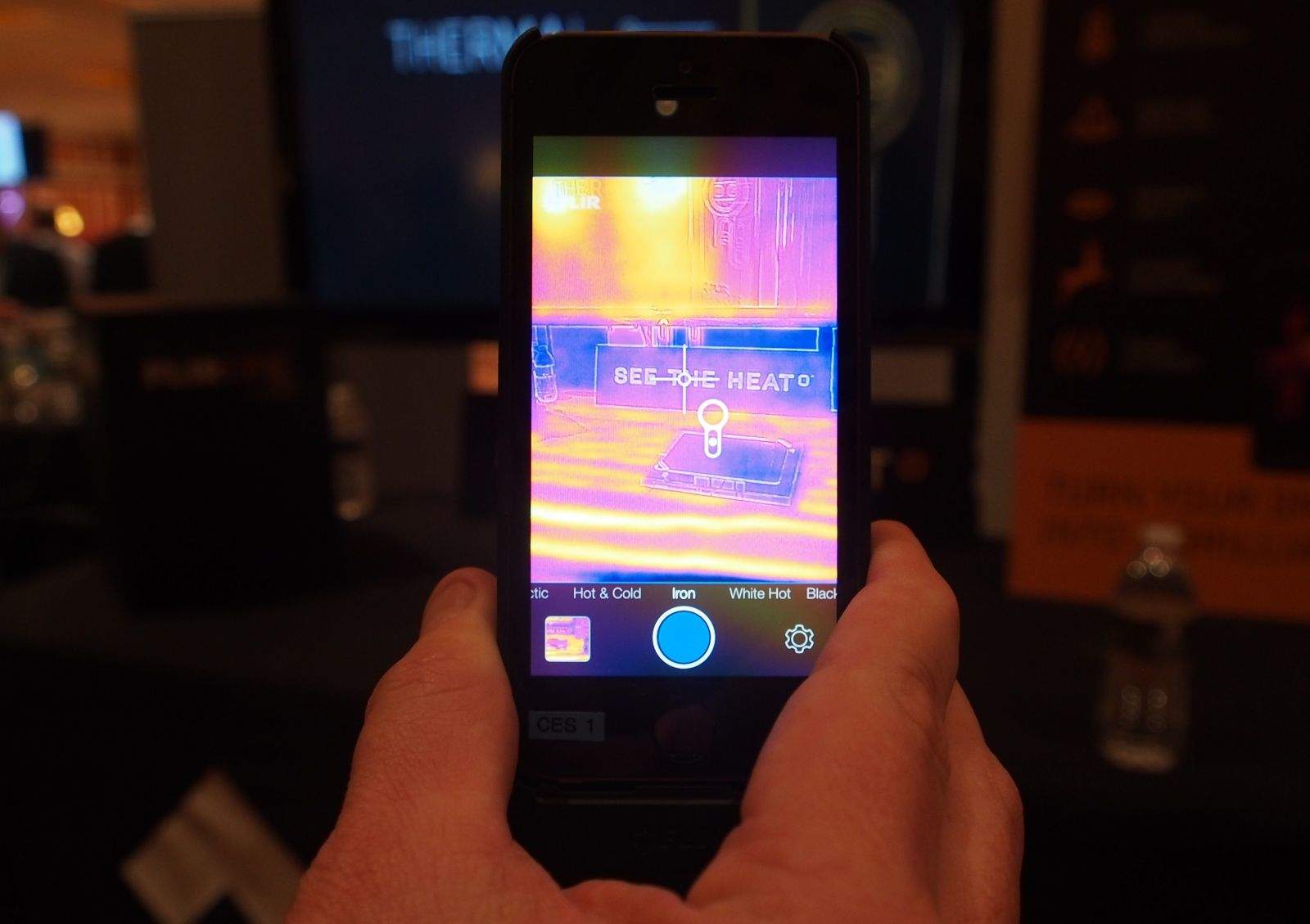

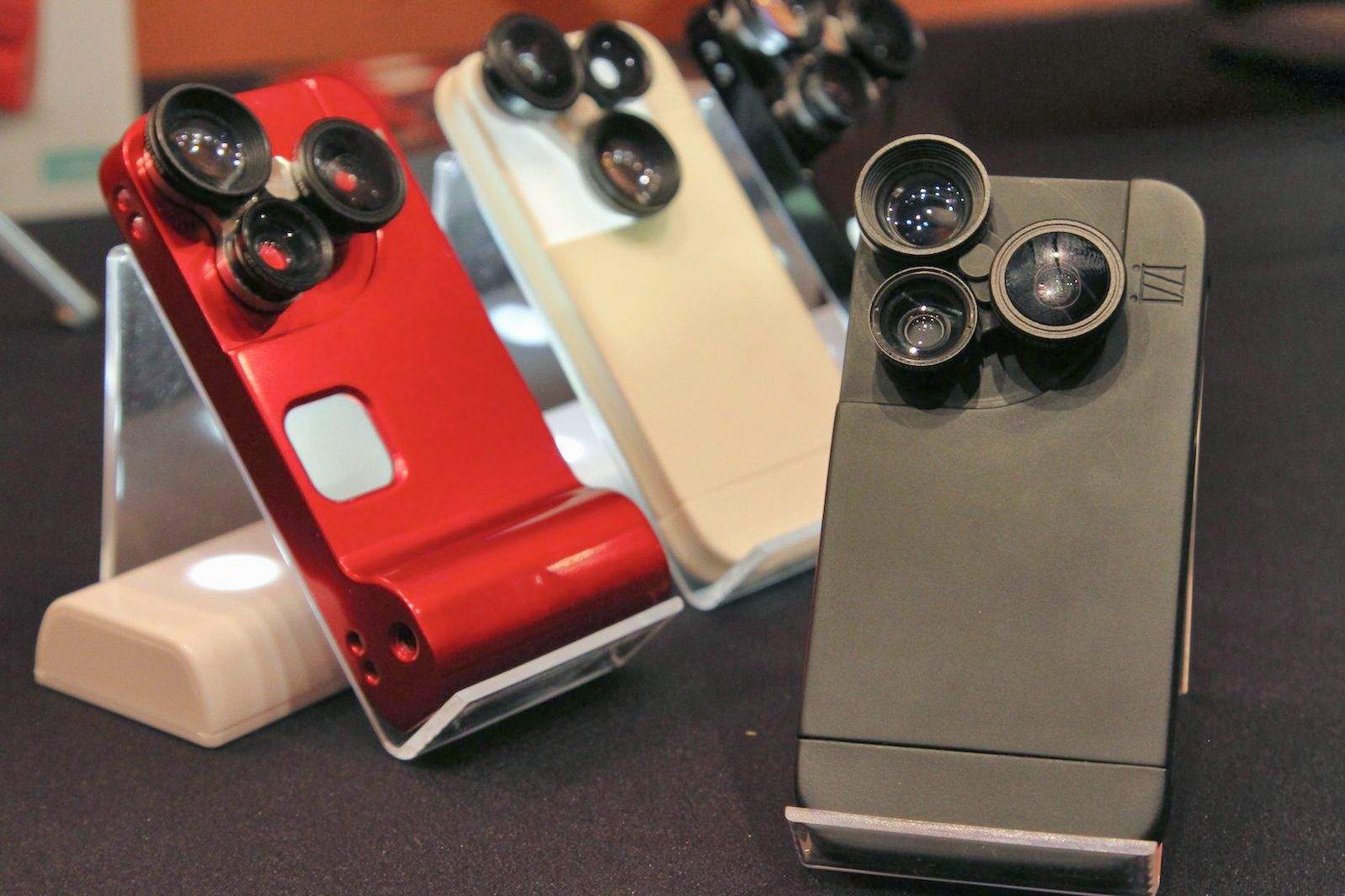
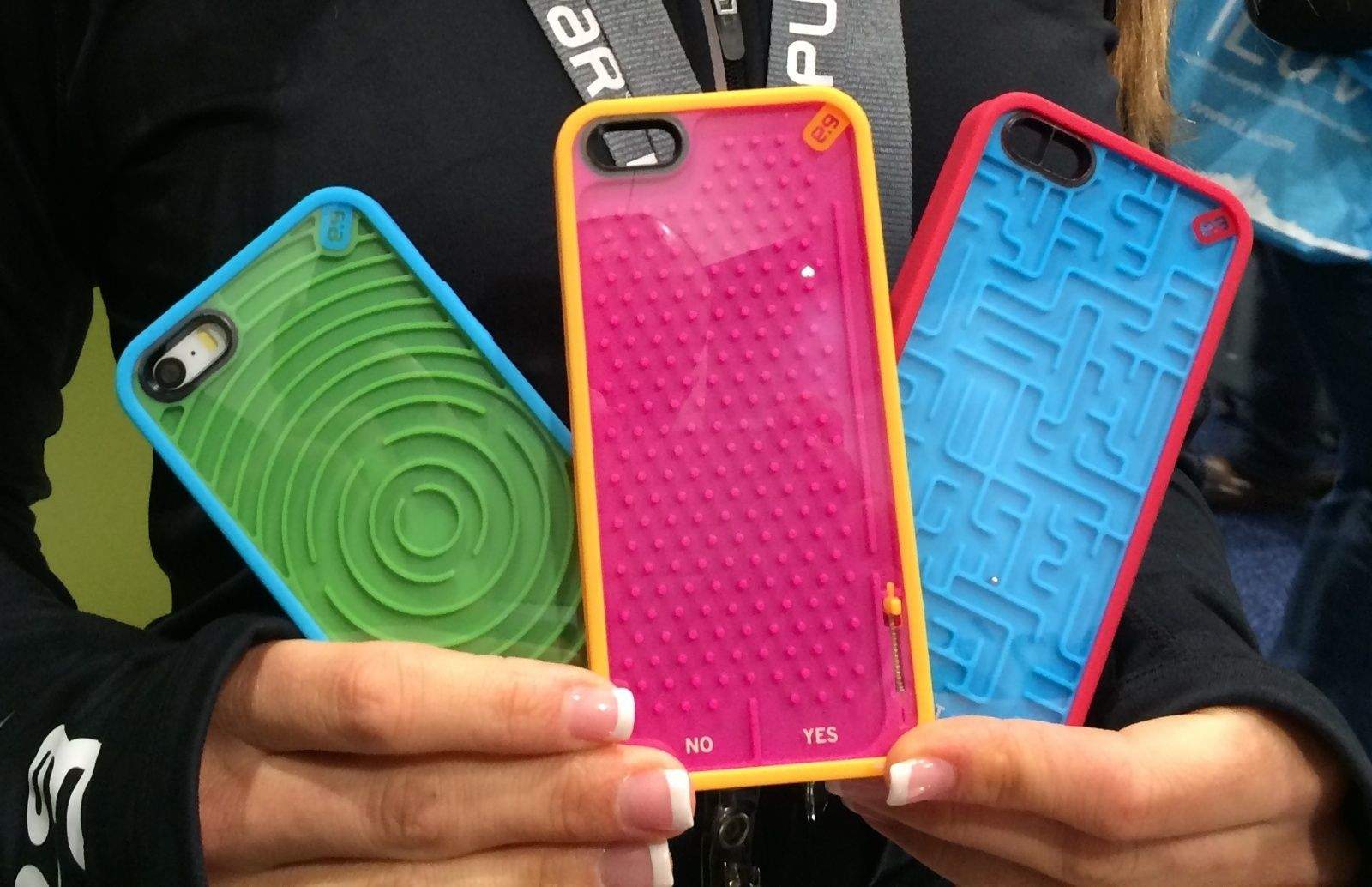
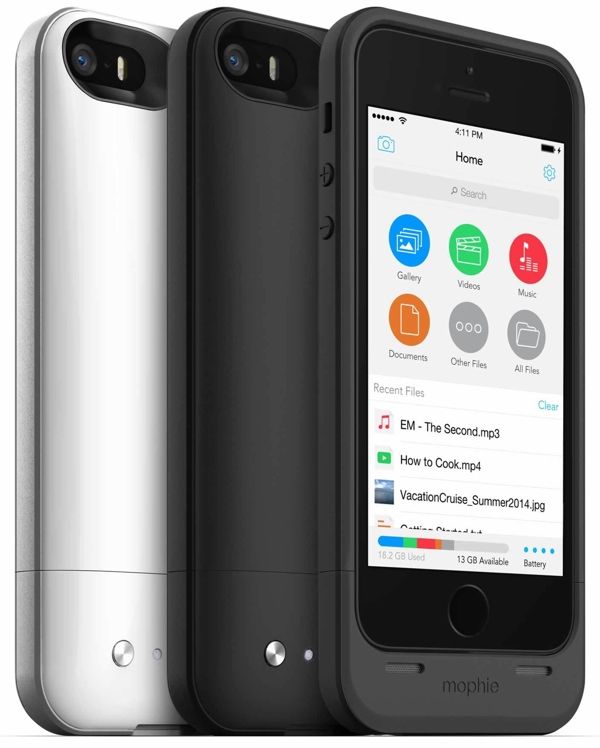 Mophie’s Juice Packs are widely considered to be the best battery cases you can get for the iPhone. They attach via Lightning and give you a backup power reserve for long days when a normal charger isn’t available.