Eating sashimi at his local sushi bar, this strange but adorable Japanese man wondered if his iPad would be as excellent a plate as a tablet computer, and promptly proceeded to smear raw fish, tofu, rice and curry across his device’s pristine IPS display.
His astute conclusion? “It’s better to eat with normal dishes… iDish is flat surface, Curry can’t be scooped. My iPad got fishy smell. You need to be careful.” Words to live by.
Japan’s Aircord Labs have taken the iPad and brought its IPS display into the third dimension not by the usual methods — replacing the display or donning some red-and-blue glasses — but through a custom programmed app and a neat trick of crystallography. Placing a special glass pyramid on top of the iPad’s display, three separate app-generated images are merged into an animated, three-dimensional hologram.
It looks incredibly neat, even if it’s not exactly practical. Practical or not, though, it’s got me feeling some sort of primeval upgrade tug… an insistent doubt that causes me to look at my own iPad and go, “And here I am, using it in two-dimensions like some kind of sucker.”
Unable to walk and chew gum at the same time, I’ve always admired how musicians can play and turn the page on sheet music without losing the plot.
They may need a little less coordination now thanks to a new iPad app and a Bluetooth foot switch called BT-105.
Still a prototype, maker Airturn says this Bluetooth version of their wireless, hands-free automatic page turner will be compatible with Bluetooth-enabled computers including the iPad.
With the tap on a foot switch, you turn to the page forward, if you hit it too soon, another tap turns the page back. On the demo, the musician flips the switch using a third-party app with a zoom feature, moving the sheet music half a page at a time.
Expect to see start seeing this page-turning app in late 2010.
The iPad is a runaway hit and is going mainstream fast. CC-licensed photo by Mat Buchanan.
The iPad is a runaway hit and it’s going mainstream faster than anything they’ve seen, Apple execs are saying.
“It is not following a typical early adopter curve and taking a while to cross over into the mainstream,” said Apple COO Tim Cook during an analyst conference call.
With the iOS 4.0 update, Apple finally figured out how to bring free major updates to the iOS operating system to non-contract devices like the iPod Touch…. which makes this rumor coming out of Stuff.tv pretty questionable.
According to their app developer sources, a paid update to iOS 4 for the iPad is a “definite.” That’s a pretty big contradiction of Apple’s own iPad EULA, which reads:
Apple will provide you any iPad OS software updates that it may release from time to time, up to and including the next major iPad OS software release following the version of iPad OS software that originally shipped from Apple on your iPad, for free. For example, if your iPad originally shipped with iPad 3.x software, Apple would provide you with any iPad OS software updates it might release up to and including the iPad 4.x software release. Such updates and releases may not necessarily include all of the new software features that Apple releases for newer iPad models.
Of course, Apple’s free to change course on this, but if they figured out how to bring iOS 4 to the iPod Touch without a fee, there’s little doubt in my mind they can manage it for the iPad… even if Cupertino was tempted to go back on its word.
Apple has released an update to its iBooks application for the iOS and the latest version brings with it a few nice new features.
As well as the ability to now choose between 6 different fonts for your books, you can also double-tap images to see them in greater detail; and experience books that include audio and video.
In addition to new features, we also get welcome bug fixes, or, “stability and performance improvements.” I’ve lost count of the number of errors I get when opening a book in iBooks, so I’m hoping these issues are now fixed. So far, so good.
The full list of features from the app’s description is as follows:
• Double-tap an image within a book to view it in greater detail.
• Experience books that include audio and video.
• Enjoy substantial performance improvements when reading PDFs.
• Look-up definitions to English words inside books without a specified language.
• Addresses an issue that may have caused some book downloads to not complete.
• Includes many stability and performance improvements.
You can download the update through iTunes or the App Store on your device, or grab iBooks from the App Store for free if you don’t already have it.
This basic black iPad case and carrier has a few tricks in its sleeve: Berlin company Bagjack designed it so that it props up your device as you wear it for hands-free access.
Hang the CircDisCover iPad Case over one shoulder and voila’: next time you’re at a trade fair or conference or standing in line at the airport, you can access your iPad — either horizontally or vertically — without having to prop it up somewhere or hunt and peck with one hand.
httpv://www.youtube.com/watch?v=p-ECt7X4bew
I know, I know: who wants to wear a man purse? You should: this simple, clean design can be worn right under the arm (think public transport, on your bike), on your wrist or horizontally with a wide carrying strap like a regular computer case.
The only trouble with these kind of wear-it-20-different-ways type garments, at least for me, is that I probably learn to do two of them and never bother with the rest. Still, once you figure out how to wear it in hands-free mode, you’re golden.
You can pre-order it in black, white or grey for €129 euros, here.
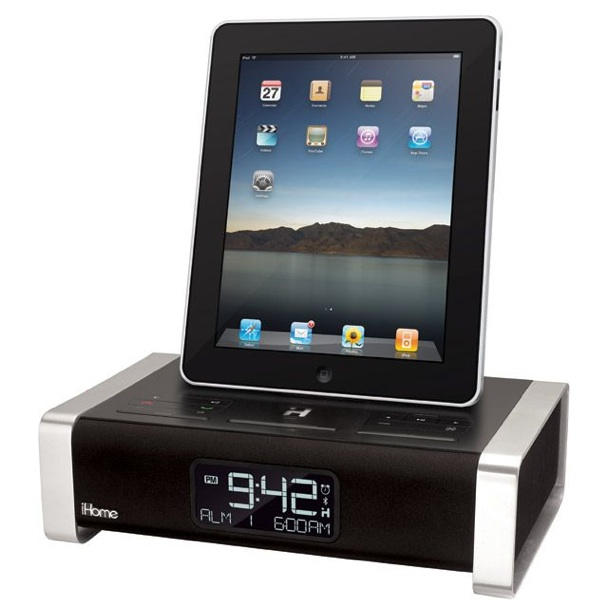
It was just a matter of time before someone devise a way to let you wake up to a custom alarm from your iPad. The iPad dock, charger and radio called the iA100 — all the variations of iSleep or i40winks were apparently already taken — is being billed as an “amazing app-enhanced, Bluetooth-enabled FM radio alarm clock.”
Though its top-heavy looks don’t immediately appeal (and could be dangerous, depending how clumsy you are in the morning), it has enough features to keep you up at night tweaking your sleep habits: it comes with a Free iHome+Sleep app download that lets you set up custom alarms, sleep stats, social media alerts, weather and overnight news. The iHome + Sleep app can also customize your wake up and nap settings, so so you don’t have to fiddle with it to get a day’s siesta.
iHome wants to put this new model beside your bed, though they are playing coy and haven’t released pricing or availability yet. It also works with your iPod or iPhone, too.
What do you think — is a wake-up call worth using your iPad for or will you stick to an old school alarm or using your iPod or iPhone?
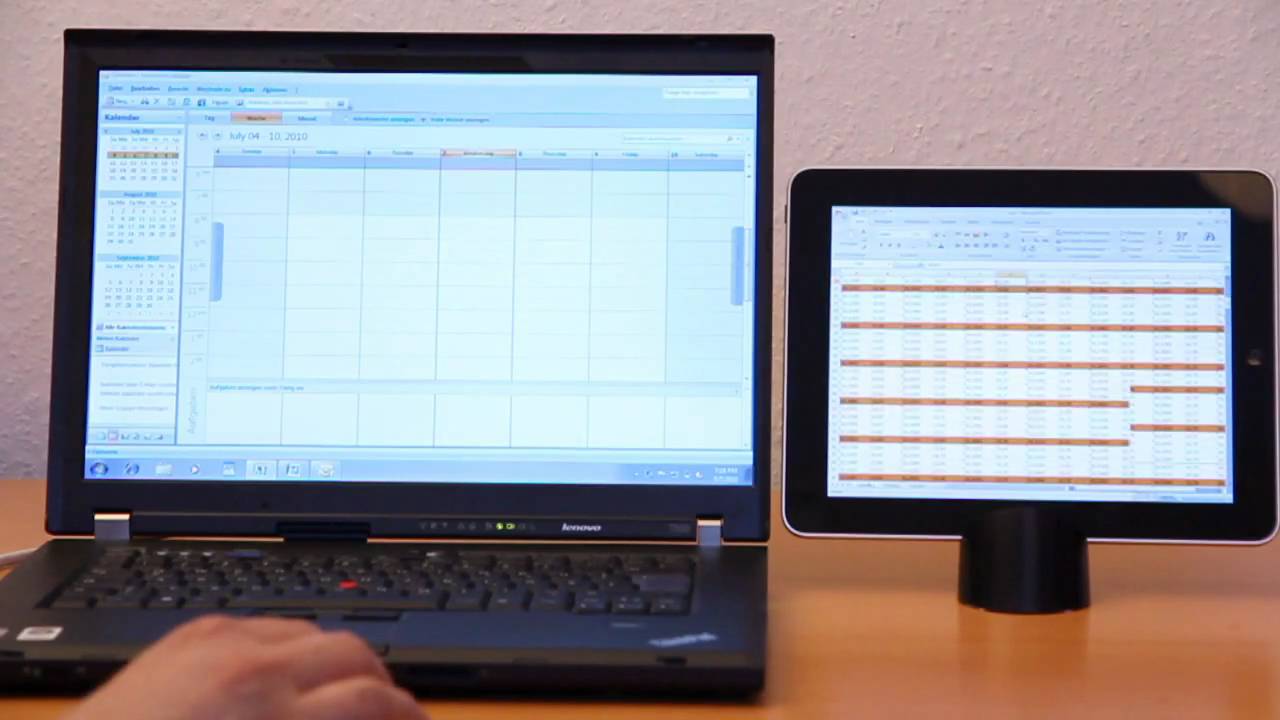
For those one-foot-in-one-foot-out Cult readers who have an iPad and a Windows machine (or running Windows on a Mac), there’s now an iPad app called Maxi Vista that lets users turn their iPads into a second display — just like Air Display, which we reviewed last month, does for Macs.
We haven’t tried it yet (we’re somewhat allergic to Windows devices) but it looks like it works practically the same way as Air Display does, seamlessly creating additional screen real estate wirelessly over a wifi network. At $10, it’s even priced the same as Air Display.
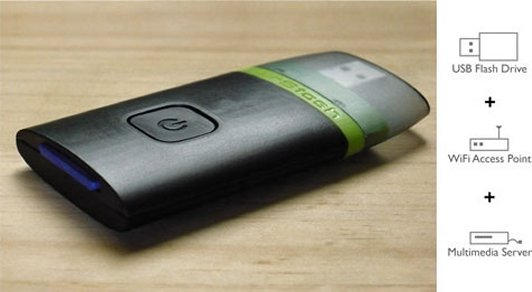
The AirStash is a $100 USB card reader with a built-in Wi-Fi hotspot. It is used to stream media to other devices, which means broadcasting movies, music, and video to your iPhone, iPod touch, or iPad and other gadgets with limited amounts of memory.
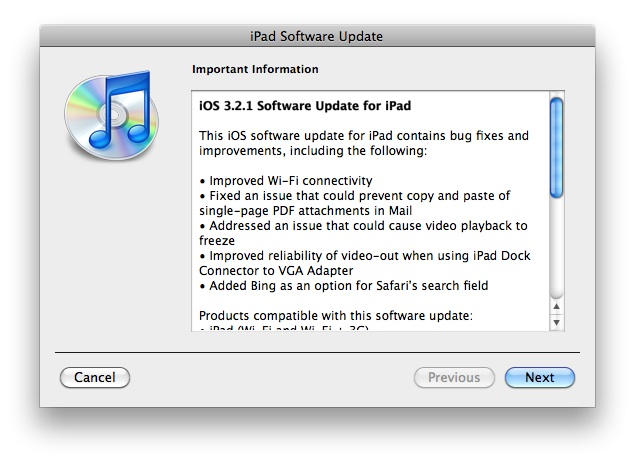
Hot on the heels of the iOS 4.0.1 bug fix update, Apple has released a 3.2.1 update for the iPad.
The update fixes several issues, including Wi-Fi connectivity problems. It also adds Microsoft’s Bing to Safari’s search box.
– Improved Wi-Fi connectivity
– Fixed an issue that could prevent copy and paste of single-page PDF attachments in Mail
– Addressed an issue that could cause video playback to freeze
– Improved reliability of video-out when using iPad Dock Connector to VGA Adapter
– Added Bing as an option for Safari’s search field
The update is available through iTunes (plug in your iPad via USB) or can be downloaded here: iPad iOS 3.2.1.
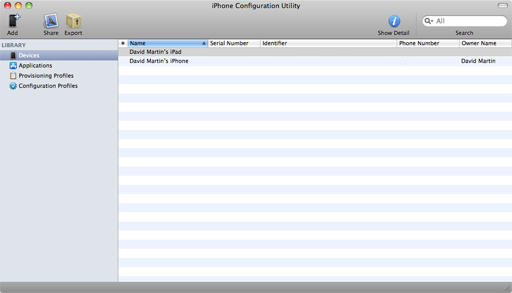
Apple iPhone Configuration Utility hits version 3.0. The new version was released today and includes enhanced support for iOS 4 and bug fixes. I highly recommend this often under utilized tool as something to have in your arsenal of tools for advanced iOS troubleshooting.
Way too little, way too late: speaking at the opening keynote at the Worldwide Partner Conference, Microsoft CEO Steve Ballmer told his audience that we should expect Windows 7 tablet computers “sometime before the end of this year.”
“We know you really want to know what’s coming,” said Ballmer. “[Tablets] will come from the people you would expect. From Asus, from Dell, from Samsung, from Toshiba, from Sony.”
Microsoft just doesn’t get it. Their business is software, so it’s understandable they are focusing on selling a tablet operating system instead of a single iPad-challenging tablet themselves (even if that business model is so stagnant that it has directly contributed to the death of possibly revolutionary products).
The problem is: Windows 7, as an operating system, isn’t capable of taking on iOS. One was built from the ground-up to support multitouch; the other is a bad hackjob rlaid on top of a desktop operating system.
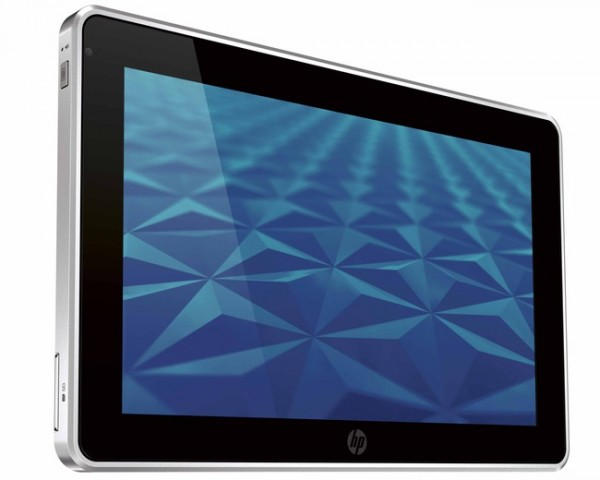
HP knows full well that Windows 7 isn’t up to the job of taking on iOS: that’s why they killed the Windows 7 Slate and purchased Palm’s mobile, multitouch operating system, webOS. It’s only a matter of time before Microsoft’s other hardware partners get the same memo.
At the end of the day, Microsoft is going to enter the slate arena several years late, just like they did with Windows Phone 7. How can a company this hopelessly entrenched in the business models of the past hope to survive when the likes of Google and Apple are swimming in the same waters, faster, stronger and smarter?
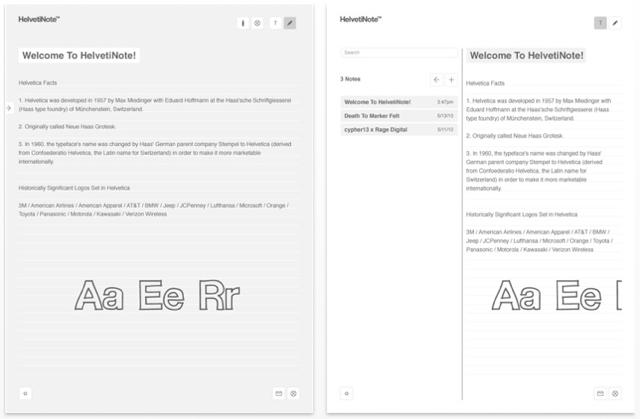
There’s no point debating exactly what collective aneurysm in Apple’s generally unassailable design hive mind has led to Cupertino’s corporate blind spot when it comes to their cross-platform Notes application and its inexplicable reliance on the hideous Marker Felt font.
The good news is, there’s no reason to use it: the App Store is filled with better and more attractive note-taking apps. The newest on the scene is HelvetiNote, a gorgeous note-taking app for the iPad that is as minimalist, muted and beautiful as another Cult of Mac favorite, Reeder.
It certainly looks gorgeous and functional. My only complaint would be the lack of syncing with other note-taking services… namely the likes of SimplenoteApp. If you’re looking for an alternative to the eye sore of the iPad’s default Note.app, HelvetiNote is three bucks well spent.
Animated Knots by Grog is a great app that teaches you to tie all kinds of handy knots. This is the first app we’ve reviewed to earn five Black Turtlenecks using our rating system!
With outstanding 3D visuals and impressive gameplay, Glu’s best-selling Deer Hunter 3D is recognized as the greatest hunting game available for the iPhone & iPod Touch. Now Deer Hunter 3D for iPad has hit the App Store and gives fans the opportunity to enjoy this highly popular game on the iPad’s high-resolution screen.
Globe-trotting IT executive Steve Shantz wrote a short post comparing the battery life of his Windows 7-running Dell XT2 tablet with that of his colleague’s 3G iPad.
Flying from Chicago to Singapore on business, Steve’s Dell battery gives out on him after just 2.5 hours of work. There are many more hours to go. His iPad-toting colleague, meanwhile, lands in Hong Kong and still has plenty of juice left.
Again, in the conference the two of them attend, Steve is left running around looking for power points, while his friend happily cruises through the day without them.
A growing number of large US businesses are arming their employees with the iPad, proving that the tablet computer’s usefulness goes way beyond keeping the kids quiet.
Recent corporate converts to the iPad include Wells Fargo, SAP and Telllabs.
“This iPad thing has taken the world by storm,” Ted Schadler, vice president and principal analyst at Forrester Research Inc. told Bloomberg. “It came in as a consumer product and very quickly the people who actually bought them were business people.”
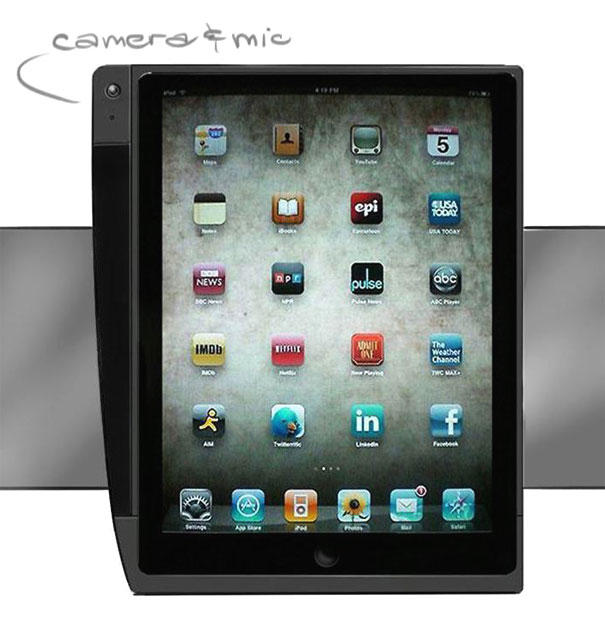
By many people’s estimations, the iPad is missing anywhere from between one and two cameras, and Apple’s curious choice to eschew adding at least one web cam to their tablet when they already had their video-conferencing standard FaceTime in the wings is often cynically described as a move to encourage customers to quickly upgrade to the second-gen unit once it pops out of Cupertino’s manufacturing shops.
Why wait until then, though? This iPad Cam-Case design by Chet Rosales adds a swiveling camera to the enclosure. Of course, without proper support from Apple (and a port of FaceTime to iPad), a case like this would be pretty useless… but we’re hopeful, if not optimistic, that Apple might choose to sell something like this themselves when the camera-equipped, second-gen iPad comes out sometime in the next year. Let’s not leave the early adopters behind.
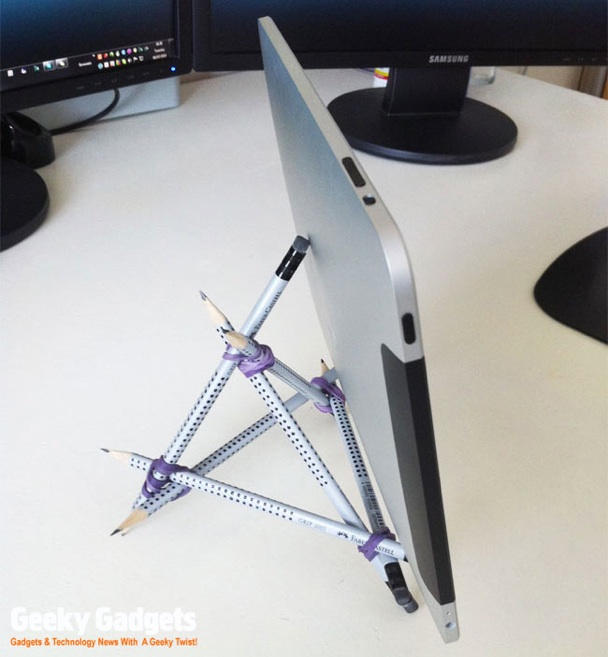
This is the iPad version of the quickie, DIY iPhone stand made from office supplies. This one isn’t made from the usual yellow No. 2 pencils but a handful of Faber-Castells — the fittingly cultish 2001 Grip model with a triangle shape.
The makers over at Geeky Gadgets suggest using pencils with erasers to avoid scratching but note that you should extend the two pencils until there is plenty of wood to rest your device on or wrap a little tape around the metal on each to protect the edge of your iPad.
Would you use one of these to prop up your iPad in a pinch?
We have laptops and desktops but what do we call the iPad, which is neither? It’s been suggested we call it a “kneetop” because it rests on our knees. But what about thightop, tummytop, or crotchtop? Vote below, or leave new suggestions in the comments.
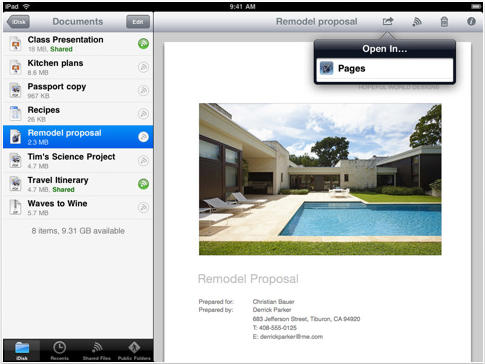
Apple has issued an update to its MobileMe iDisk application today and version 1.2 brings some welcome improvements. As well as support for multitasking and fast app switching, iDisk is now a universal application and works natively on the iPad.
What’s more, iPad users can now export documents from iDisk in to iBooks or office applications like Apple’s own Pages, Numbers & Keynote offerings.
Another big improvement is the ability to listen to music from within the iDisk application – this means you can save space on your device by uploading your tracks to an iDisk folder and then listening to them from there. Obviously this will require a data connection to your iDisk, however.
The full list of improvements is as follows:
Designed for both iPhone and iPad
Multitasking support for iPhone 4 and iPhone 3GS (iOS 4 required).
Quickly switch to another app and back to iDisk
Play audio from your iDisk while using another app
When app is opened, the last file or directory viewed is displayed
Option to open iDisk documents in compatible apps such as iBooks
When sharing a file, an email can be sent from any configured email account
The URL for a shared file can be copied and pasted
Various stability improvements
iDisk is the last of Apple’s MobileMe apps to be updated for multitasking and iOS 4. All we’re waiting on now is the MobileMe Gallery app improvements and iPad support!
Download MobileMe iDisk for your device from the App Store here.
Two of the most popular sporting games for iPad have gone on sale today for a limited time only courtesy of Gameloft, who have slashed the prices of Real Soccer HD (previously $6.99) and NFL 2010 HD (previously $4.99) to just $0.99.
I’ve found both games to be a great buy, in fact, Real Soccer is one of my favorite soccer games for the iPad, so if you’ve been considering either of them, now is a great time to snap them up!
Gameloft also has a sale currently running on two of their other games including Hero of Sparta HD and Brain Challenge HD, both of which have also been reduced to $0.99.
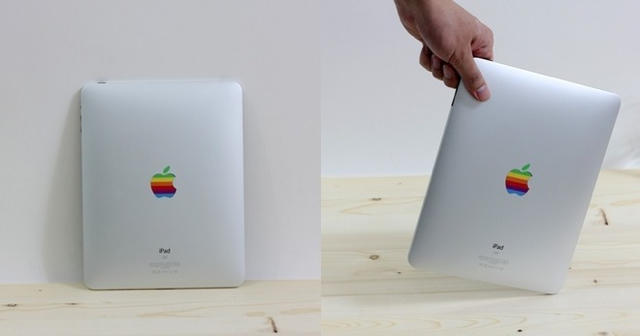
Machine-carved unibody aluminum is fine and all, but sometimes I miss the less austere Apple aesthetic: the cheery white plastic, the GLBT-friendliness of the rainbow logo. For just $3.50, you can retro your iPad up with this wonderful retro logo decal for the iPad.
As Charlie Sorrel over at Wired notes: “If Apple was in any way nostalgia-minded, it should include these stickers in the boxes of its products instead of those awful, thin white stickers that we throw away by their thousands every day.” Amen to that.