Give it a go before you give it up. Image: D. Griffin Jones/Cult of Mac
For the first time in 18 years, Apple redesigned the oft-overlooked Phone app. The overhaul in iOS 26 simplifies the Phone app’s layout, putting your favorites, call history and voicemails in one tab, and providing easier access to search.
Its fancy Liquid Glass-inspired layout goes hand-in-hand with the Phone app’s excellent call filtering features.
Here’s how you can learn to love the new design — and how to nope out of it if you don’t like it.
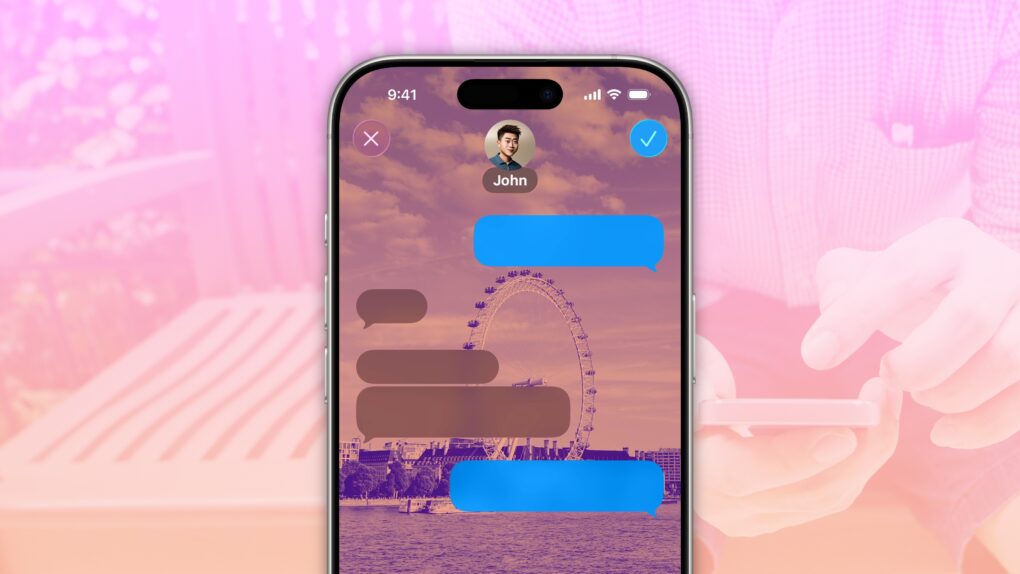
A background image can set a tone for the conversation. Image: D. Griffin Jones/Cult of Mac
Accidentally texting the wrong person can bring disastrous consequences, and yet it’s incredibly simple to mix up threads. Luckily, iOS 26 offers a great way to keep things straight: You can add specific backgrounds to various Messages conversations on your iPhone so you can easily tell them apart.
For instance, if you set a shimmery blue background for your group chat with co-workers, you’ll never confuse that conversation for a sensitive one-on-one text with your closest colleague. You’ll never accidentally send a message to your boss meant for your partner if the chats look obviously different.
Setting up an iPhone Messages background is super-easy — here’s how it works.
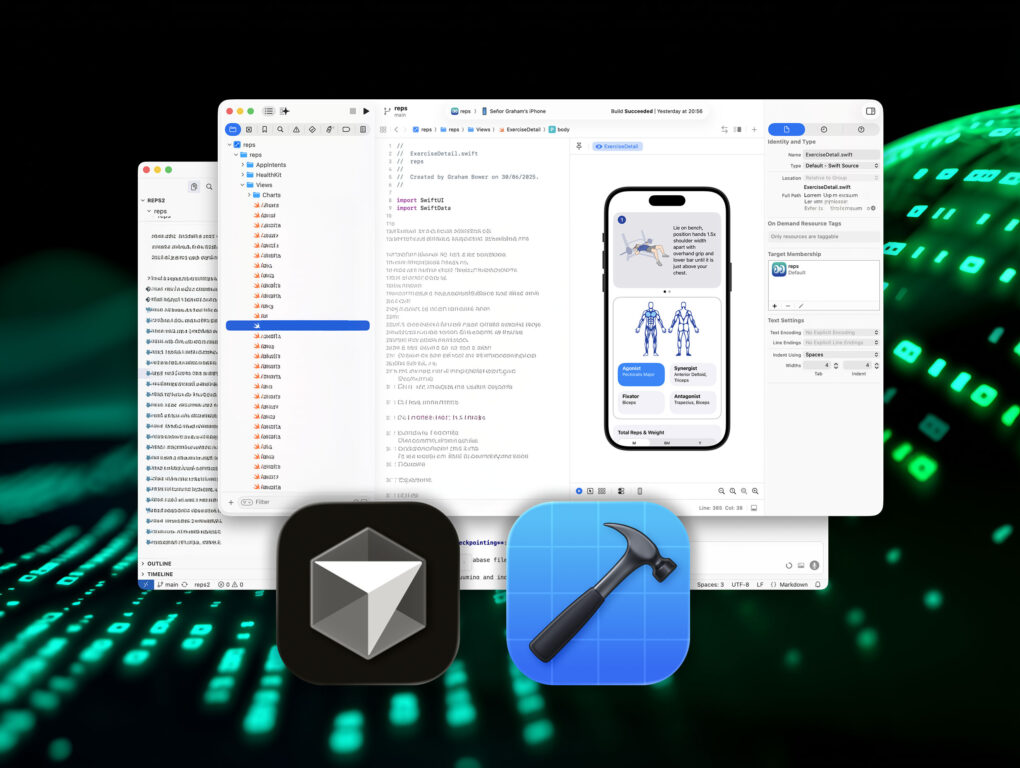
Reps & Sets was built with AI coding tools, but it took more than just a few prompts
A year ago, I had no clue how to write an iPhone app. Now I’ve shipped a fully-fledged strength training app, built with AI coding tools, or “vibe coding” as it’s become known.
A lot of people get vibe coding wrong. They think it’s just for prototypes and messing around. It’s not. Used properly, it’s a skill you can learn and master. And with modern AI tools like Cursor, and the new Coding Assistant in Xcode, it’s now more accessible than ever.
So, if you’re curious about vibe coding and keen to give it a go, here are ten lessons I learned the hard way.
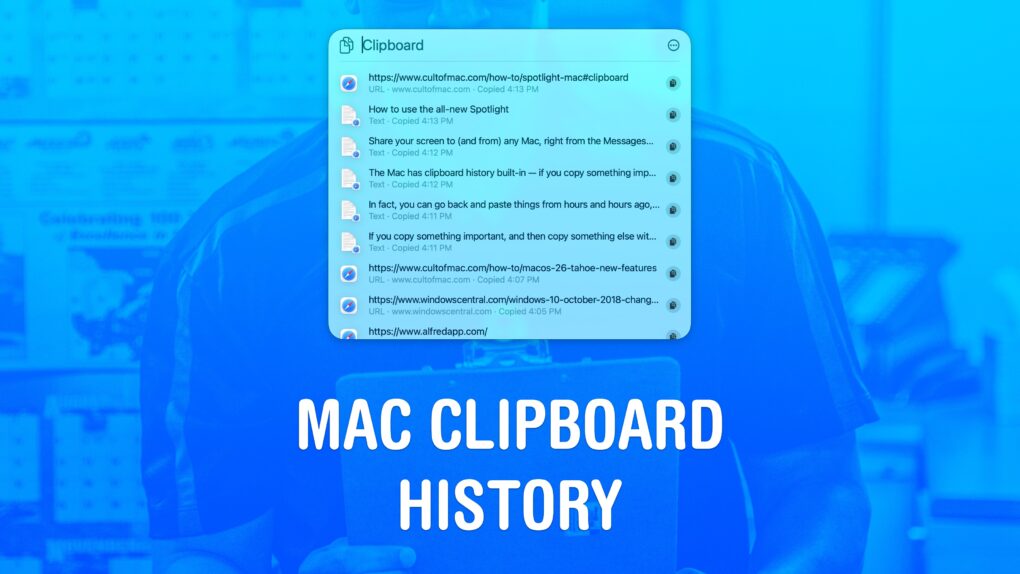
Copy and paste items from ye olden times of ... this morning. Image: D. Griffin Jones/Cult of Mac
Using a clipboard history manager on a Mac is a total game-changer. If you copy something important, then copy something else without thinking, the first item doesn’t disappear. You can go back and get it again. In fact, you can go back and paste things from hours and hours ago, like a link you copied earlier in the day.
You can also copy a bunch of things in a row and quickly paste them elsewhere, without switching back and forth and back and forth.
macOS 26 Tahoe added a built-in clipboard history that does all that for free. Here’s how it works.
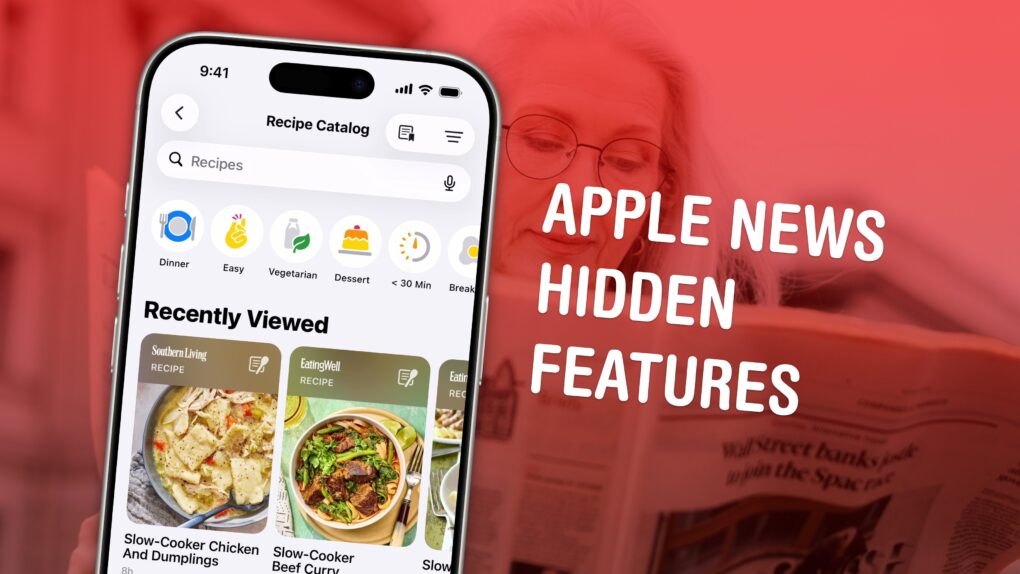
Don't let your News+ subscription go to waste. Image: D. Griffin Jones/Cult of Mac
Apple News gives you a streamlined way to keep up with current events. It’s a sane, if somewhat generic-looking, way to stay on top of the news that matters to you. If you want more, Apple News+ offers paywall-free access to major publications, local news and magazines. And to sweeten the deal, it has fun daily puzzles, excellent recipes and audio stories.
Admittedly, not a lot of people pay for Apple News+ on its own. It’s hardly a fan favorite. But if you have the Apple One Premier bundle, you can enjoy all of its hidden benefits — here’s how to make the most of it. Keep reading or watch our quick video.
There's a bunch of great new features to check out. Image: D. Griffin Jones/Cult of Mac
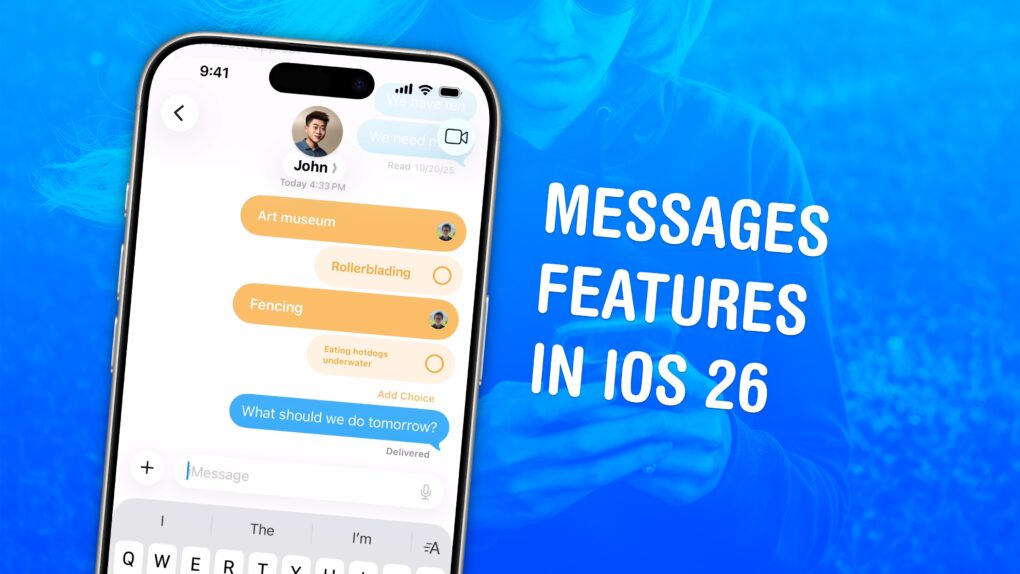
The Messages app gains flashy new features in iOS 26 that make group chats far more fun and efficient. It also filters out spam texts, translates conversations and more.
As the iPhone’s default messaging app, Messages is one of Apple’s darlings. The app gains new features with every major update, but iOS 26 stands out as one of the best in years. Here’s how all the new Messages features work — keep reading or watch our quick video.
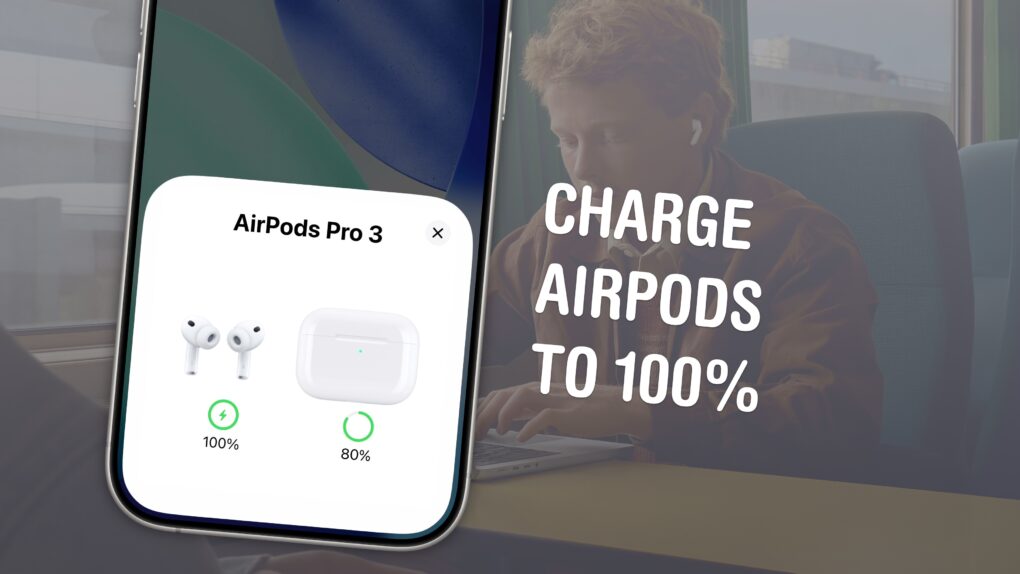
It’s like you get an extra 20 percent for free! Screenshot: D. Griffin Jones/Cult of Mac
You can charge your AirPods to 100% and get more battery life out of them by switching off the default setting, which limits them to 80%. The charge limit can help preserve your AirPods’ battery to extend their useful life. But that comes at the expense of more frequent charging every day. And if you find yourself in a situation where you need that extra battery life, this tip lets you unlock it — for one day or forever.
If you want to squeeze as much battery life out of your AirPods as possible, and you don’t mind upgrading every few years, here’s how to change the setting. Keep reading or watch our quick video.
Letting an AI agent handle the busywork. AI image: ChatGPT/Cult of Mac
Clawdbot. Moltbot. OpenClaw. The rapid rebranding might confuse you, but behind that name is a genuinely useful tool. OpenClaw is a self-hosted AI agent that you can run on your own Mac or PC.
More importantly, it can carry out actions on your behalf, like reading and modifying files, running shell commands, and even installing new tools. Think of OpenClaw as an AI agent running on your Mac that can act as your always-on digital butler.
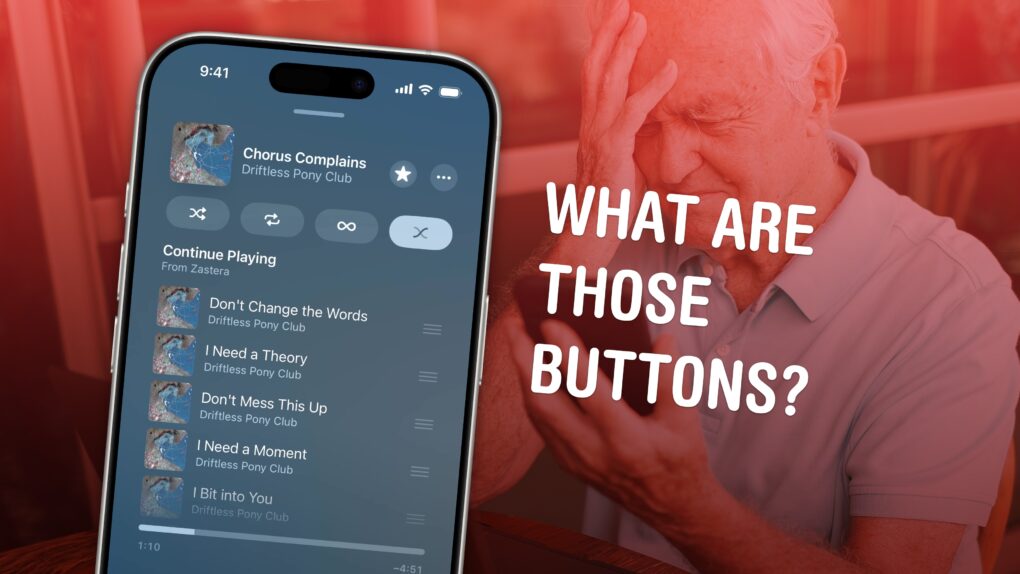
It's not really obvious what these buttons do. Image: D. Griffin Jones/Cult of Mac
All the tiny signs, symbols and icons on the Apple Music app’s Now Playing screen lack labels — and it’s not obvious at all what they do. Do you know what tapping the infinity symbol does? How about the two wavy lines?
This quick guide runs through all the Apple Music buttons and controls, so you can get acclimated to its interface. Keep reading or watch our short video.
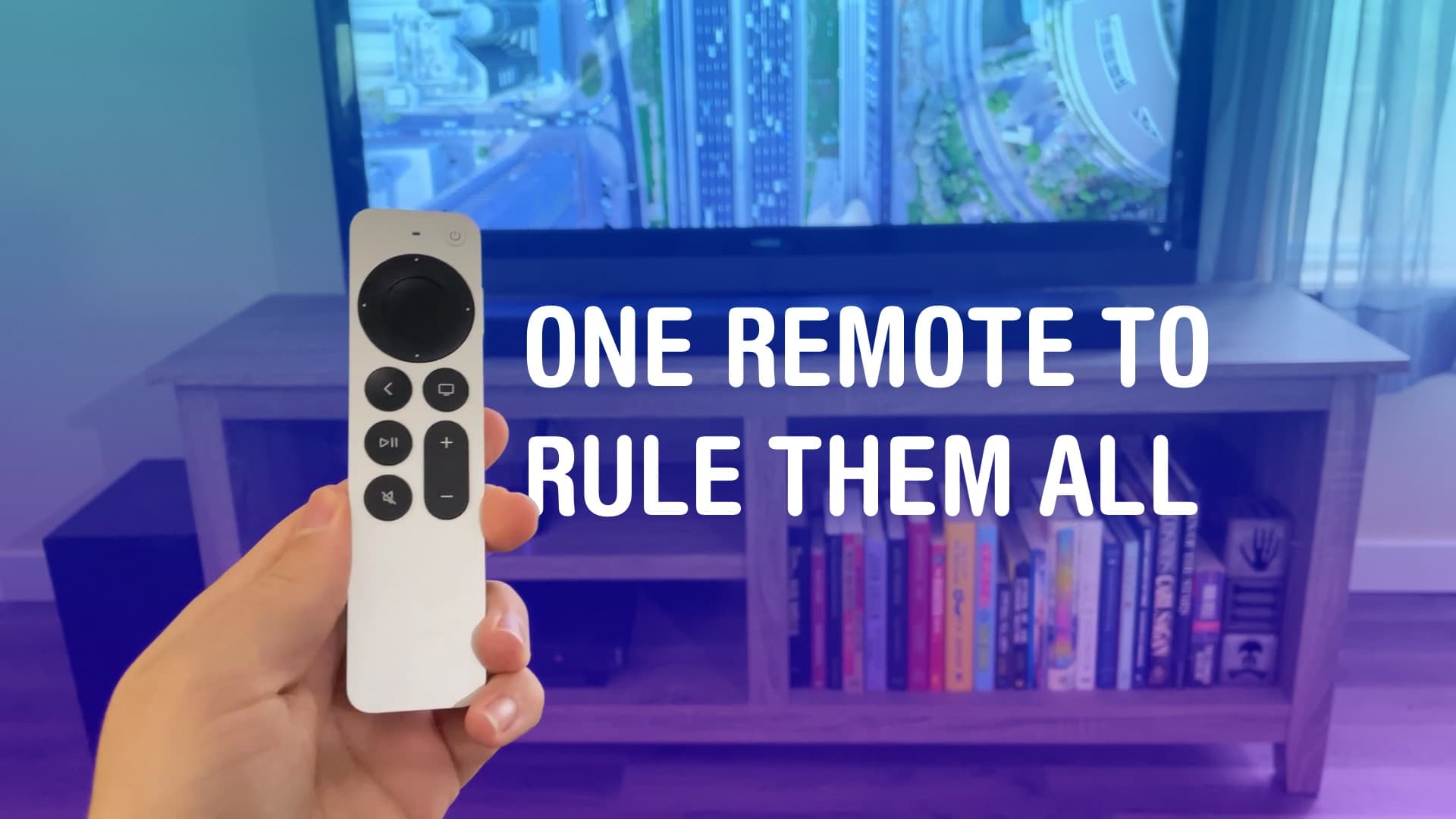
All hail the mighty Siri Remote. Image: D. Griffin Jones/Cult of Mac
You can set up your Apple TV’s Siri Remote to control the volume levels of a separate sound system. It might not work out of the box. But with a little poking around in Settings, you can set it up so you can use the convenient volume buttons built into the Siri Remote to control sound bars, etc.
That means you won’t need to keep two or three remotes lying around — you can make it all work from just one. It just takes a little setup.
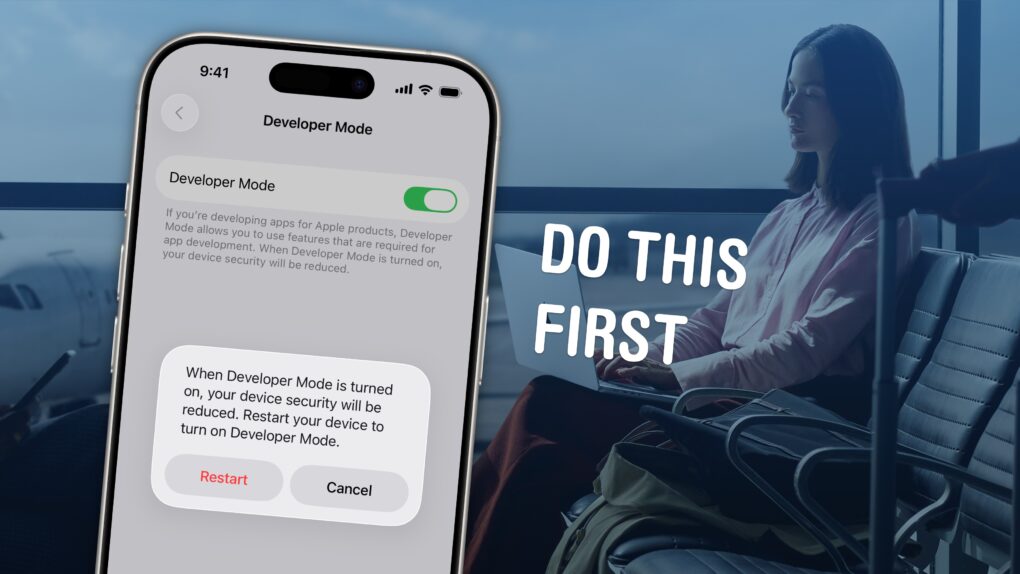
You'll need to turn on Developer Mode to put your own apps on your iPhone. Image: D. Griffin Jones/Cult of Mac
Developer Mode lets you run unsigned code on your iPhone or iPad. Enable it, and you can download and run apps that are not from the App Store (or alternative app marketplaces) or in TestFlight, Apple’s tool that lets developers invite users to beta-test new apps.
If you want to write your own apps in Xcode, you will need to enable Developer Mode on your iPhone or iPad before running your app.
Developer Mode is also essential if you want to sideload apps onto your device from a Mac, using an app like Sideloadly. This could include apps that aren’t allowed on the App Store (such as porn app Hot Tub) or apps that are no longer available from their original developers, like Apollo (the now-shuttered Reddit client). For sideloading to work, you will need to turn on Developer Mode.
Read on to see how to enable Developer Mode on your iPhone or iPad, as well as the potential security implications.
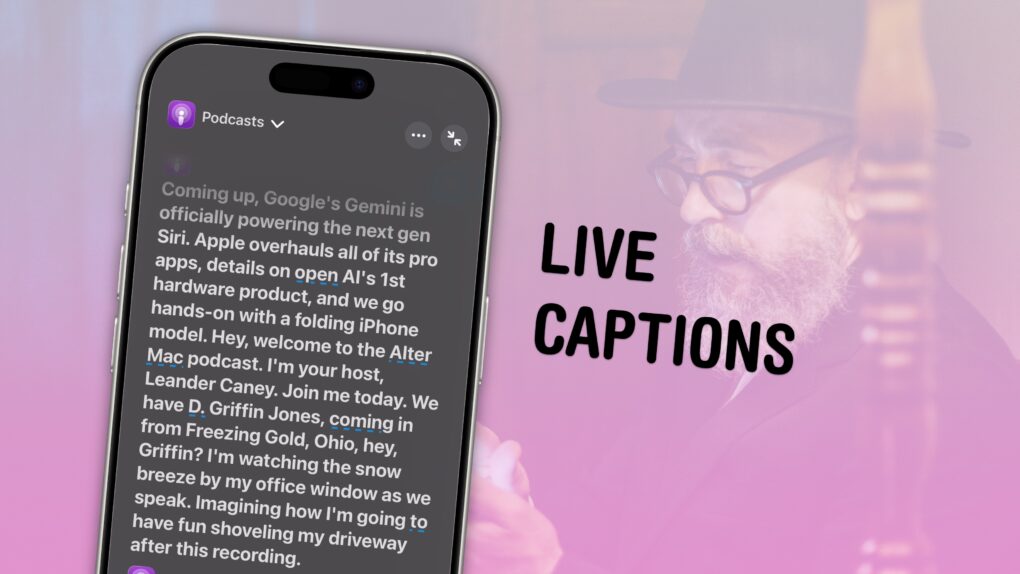
With Live Captions on, you can read a podcast ... kinda. Image: D. Griffin Jones/Cult of Mac
The iPhone’s Live Captions feature generates subtitles of any media playing on your device or heard by its microphone. Powered by the Neural Engine in Apple’s custom silicon, the ability to convert words from music, videos and real-time conversations into text on the fly is a boon to many users in many situations.
If you’re hard of hearing, for instance, the ability to see instant captions on the screen is a game-changer. Or, if you don’t have headphones when you’re sitting in bed late at night and your partner is asleep — or you’re in any situation where you don’t want to make noise, like on the bus or in an office — you can turn on Live Captions to get subtitles.
The applications are endless and exciting. Here’s how to use Live Captions on your iPhone.
It's surprisingly easy to add custom tracks to your Apple Music library. Image: D. Griffin Jones/Cult of Mac
If you come across a live concert recording, a demo track or an indie song that’s not already in Apple Music, you can add it to your Apple Music library really easily. It’s simple to upload music to Apple Music and, in fact, you don’t even need an Apple Music subscription — just a computer and your iPhone.
Adding music to your library manually used to be the only way to listen to music on your computer, way back before the iTunes Music Store made paid downloads popular and Apple Music entered the streaming area. Even after 25-plus years, Apple still supports the feature — and thankfully so, because I use it all the time.
It’s the top reason why I don’t use Spotify. While Spotify technically supports custom music as well, it’s a convoluted and clunky process. On Apple Music, it’s dead simple to add your own tracks and only takes minutes. All you need is a Mac or a Windows 10 PC with iTunes.
Here’s how it works — keep reading or watch our quick video.
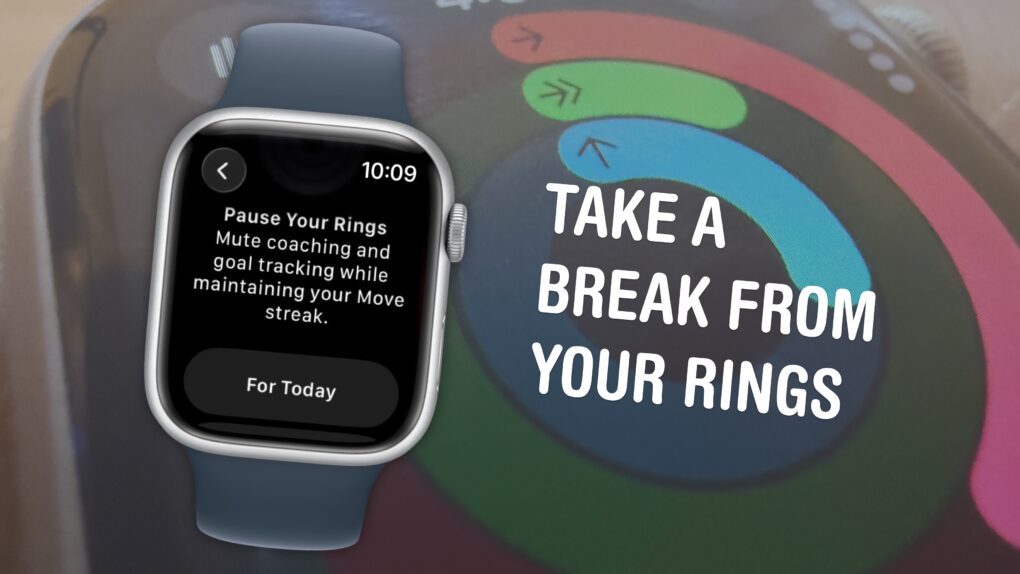
You can pause them without losing your streak. Image: D. Griffin Jones/Cult of Mac
The Apple Watch doesn’t just count your steps — its three Activity rings track different levels of energy you burn throughout the day. And the perpetual challenge to “close your rings” provides a motivational push that gamifies fitness.
Apple’s smartwatch gives you a bunch of options for customizing your Activity rings (and for taking a break when you need it). You can set different goals for each ring for different days of the week to fit your workout schedule. When you want a rest day or if you fall ill, you can take up to a month-long break without losing your streak.
If you’re all-in on the fitness tracking, you can add widgets that show your rings on your Apple Watch face and widgets on your iPhone. Or, on the other hand, if you find it all a bit annoying, you can turn off all the notifications so they won’t bother you anymore.
Here’s everything you need to know about the Apple Watch’s Activity rings.
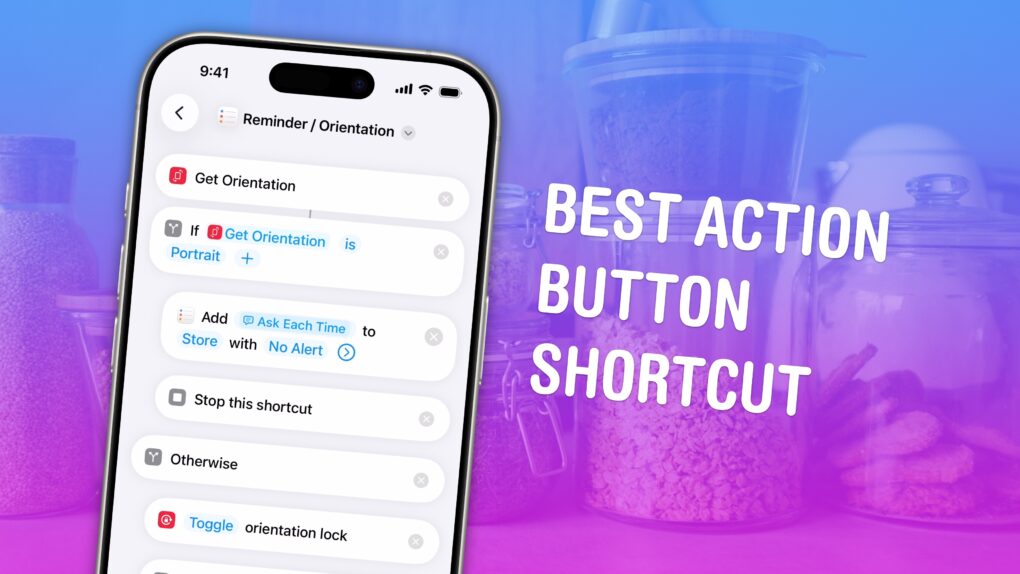
Two things I use all the time in one elegant shortcut. Image: D. Griffin Jones/Cult of Mac
I finally figured out the perfect set of controls to assign to the iPhone’s Action button. I created a shortcut that cleverly combines the two controls I want to use it for.
The Action button can toggle the flashlight, mute audio, toggle an accessibility feature, open the camera, start translation, run any shortcut of your choosing and more. It’s so open-ended that figuring out what to use it for can trigger decision fatigue.
Don’t panic — I discovered what you should use the iPhone’s action button for. And I’m sharing the shortcut, which combines two actions into one elegant system, so you can use it, too.
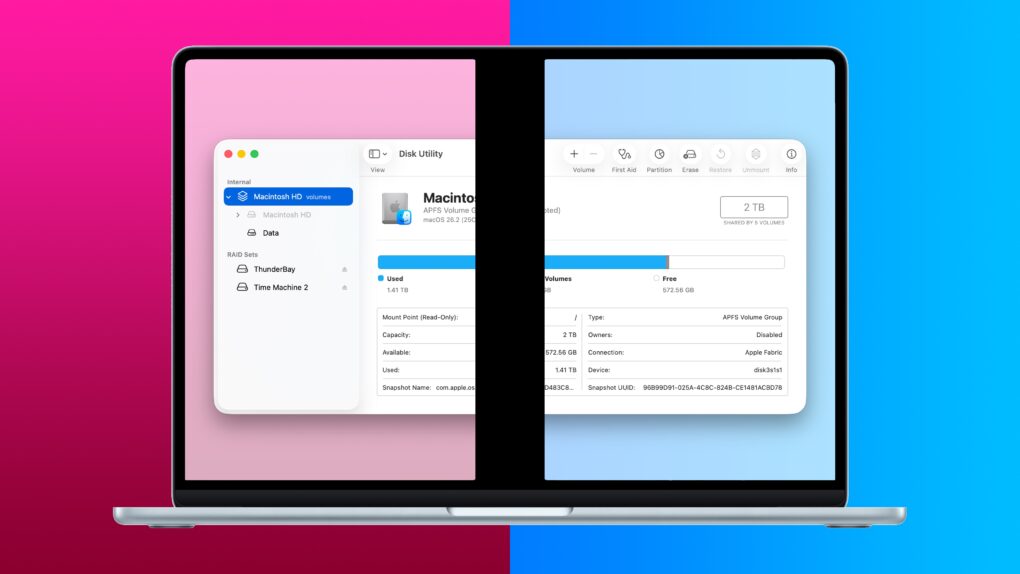
The built-in tools make it easy to partition your Mac hard drive. Image: D. Griffin Jones/Cult of Mac
If you want to install a beta version of macOS, either for software development or for simply poking around, the smartest way to do it is to partition your Mac’s hard drive. That will create a new storage area just for the different installation, with entirely separate data, so none of your precious documents are at risk.
You also might want to have different versions of macOS on hand for testing old versions of the operating system, too. It’s easier than keeping a pile of aging Macs around (my go-to strategy).
Luckily, the Mac comes with a very handy tool to partition your hard drive for free. Read on to find out how to partition your Mac’s hard drive with Disk Utility.
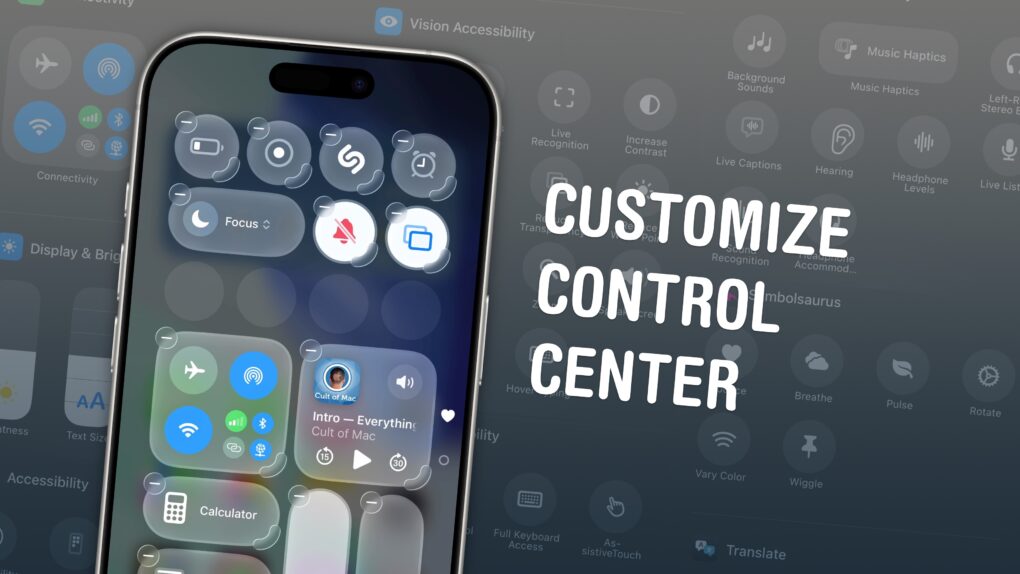
Make Control Center your own with these customization options. Image: D. Griffin Jones/Cult of Mac
If you want to make your iPhone easier to use, you can customize its Control Center to gain faster access to the buttons and toggles you rely upon to perform frequent tasks.
Plus, you can remove all the junk you never touch from the iPhone Contol Center, putting the vital controls you actually use front and center.
Keep reading to find out how and why you should customize the iPhone Control Center to make the device your own.
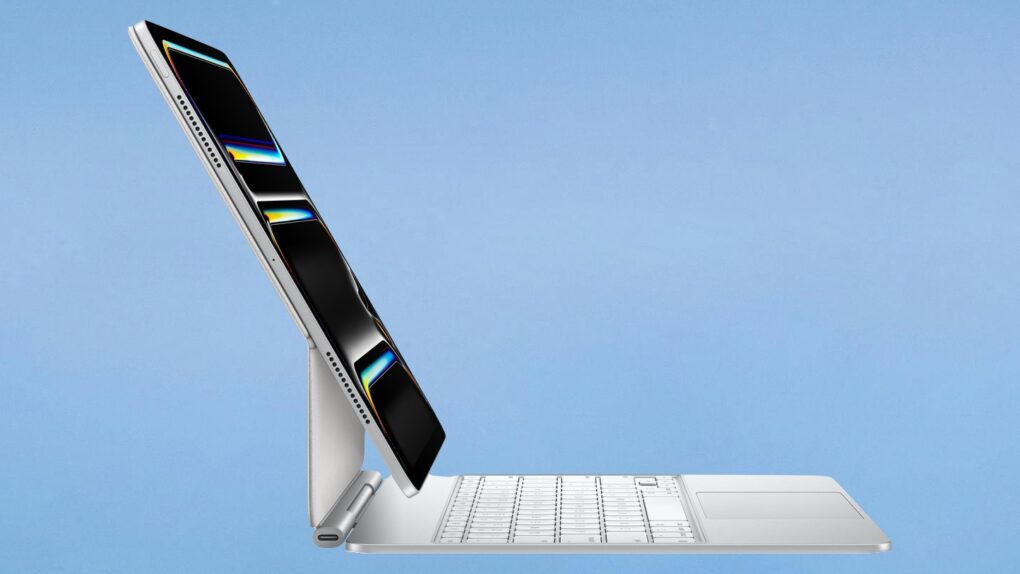
Your Apple Magic Keyboard for iPad might have a firmware update that needs installing. Image: Apple/Cult of Mac
On Tuesday, Apple released firmware updates for the Magic Keyboard designed for the iPad Pro and iPad Air. This is something the company does periodically.
Making sure the accessory is on the latest version ensures it works reliably and remains fully compatible with the latest versions of iPadOS.
Updating is really very easy. Here’s what to do.
You can easily deactivate Liquid Glass in iOS 26 and macOS Tahoe if you really can’t tolerate it. Photo: Gemini/Cult of Mac
iOS 26’s Liquid Glass user interface brings dramatic change to the iPhone, so it’s no surprise that some people hate it. If the new translucent look is just not for you, you can tweak or turn off Liquid Glass in iOS 26.2. And it’s easy.
Plus, you will find the same settings in macOS Tahoe 26.2 and iPadOS 26.2, so you can turn off Liquid Glass on all your Apple devices if you like. Here’s how.
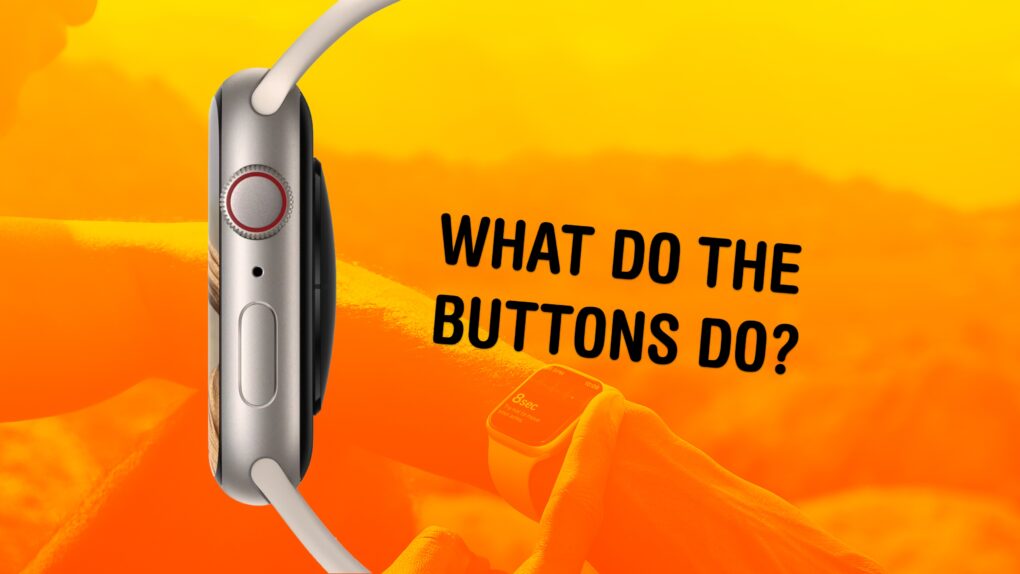
The buttons on the Apple Watch switch apps, activate Apple Pay, open Siri and more. Image: Apple/D. Griffin Jones/Cult of Mac
What do the buttons on the Apple Watch do? The Apple Watch borrows a lot from the iPhone, but the biggest difference between the two devices comes down to the way their buttons work. Each individual button does different things, depending on whether you click, double-click or hold them down.
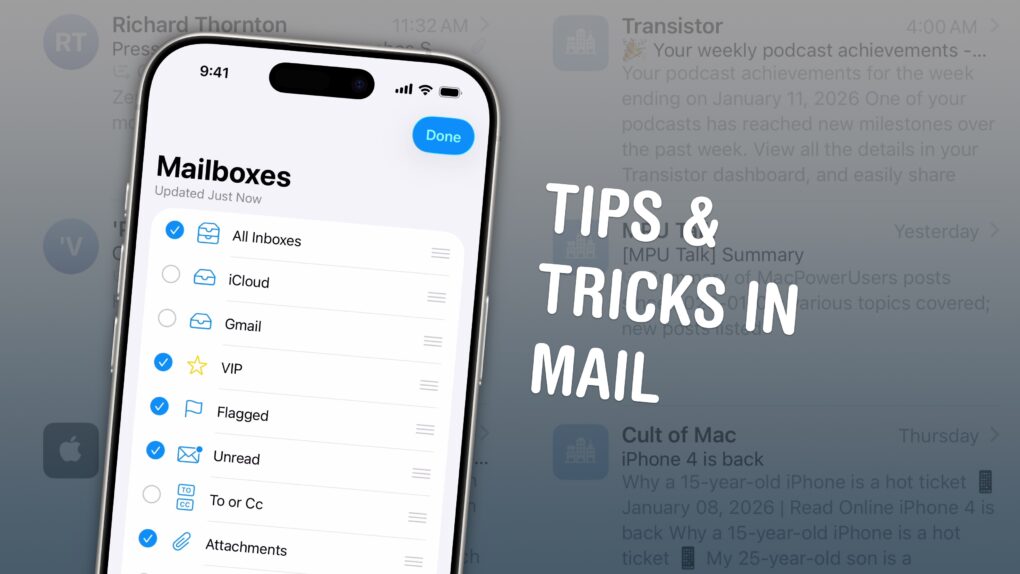
Take better care of your email inbox with these hidden features. Image: D. Griffin Jones/Cult of Mac
Some people achieve and maintain zero unread emails; some let that red badge climb into the thousands. It’s never too late to change your ways — you can become one of those clean inbox people like me. These six tips will help you get to Inbox Zero using features in Apple’s Mail app that you might not have known about.
The obvious Tip No. 0 is this: You should always hit the Unsubscribe button at the bottom of every unsolicited promotional email as soon as you get the first one.
After you kill all those unwanted subscriptions, these six lesser-known features of the Apple Mail app on iPhone, Mac and iPad will make you a true pro at managing your email.
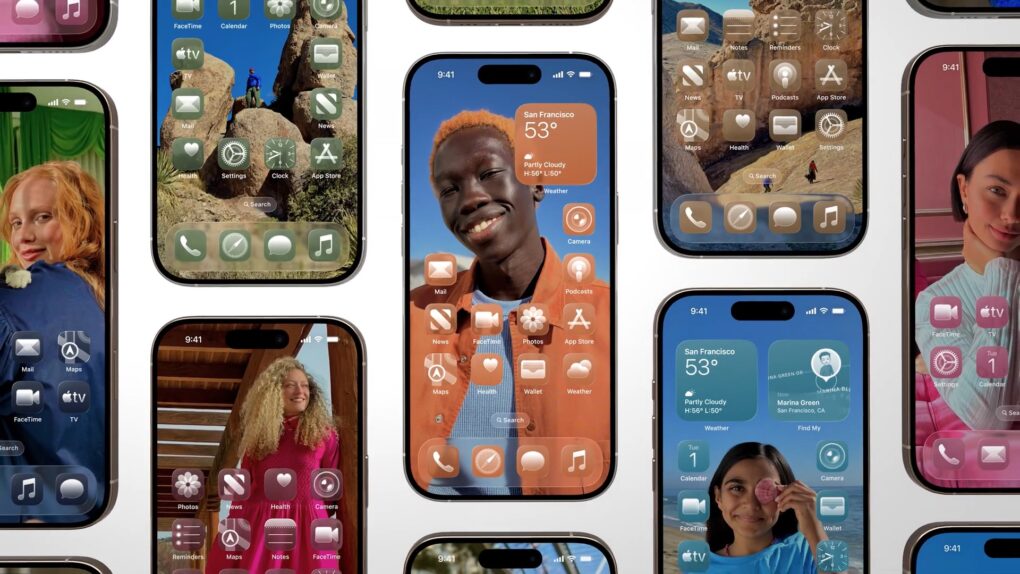
You can customize your iPhone's Home Screen in fun new ways. Screenshot: Apple
You’ve probably seen some beautiful custom iPhone Home Screens on social media. Some people go to great lengths to creatively customize their Home Screen. You can go for a specific theme and aesthetic using custom icon colors and widgets.
Why spend so much time and effort? For one thing, you likely look at your Home Screen dozens (or even hundreds) of times every single day. A custom Home Screen that matches your style can bring a little spark of joy to your daily life every time you whip out your iPhone. And iOS makes Home Screen customization easier than ever.
Keep reading (or watch our video) for a quick introduction into the world of custom iPhone Home Screens. You’ll find out about new features in iOS 26, how to go above and beyond using Shortcuts, and how you can top off your iPhone aesthetic with widgets. I’ve scoured the internet (Reddit, mostly) to find the finest examples.
Take control of your notifications. Image: D. Griffin Jones/Cult of Mac
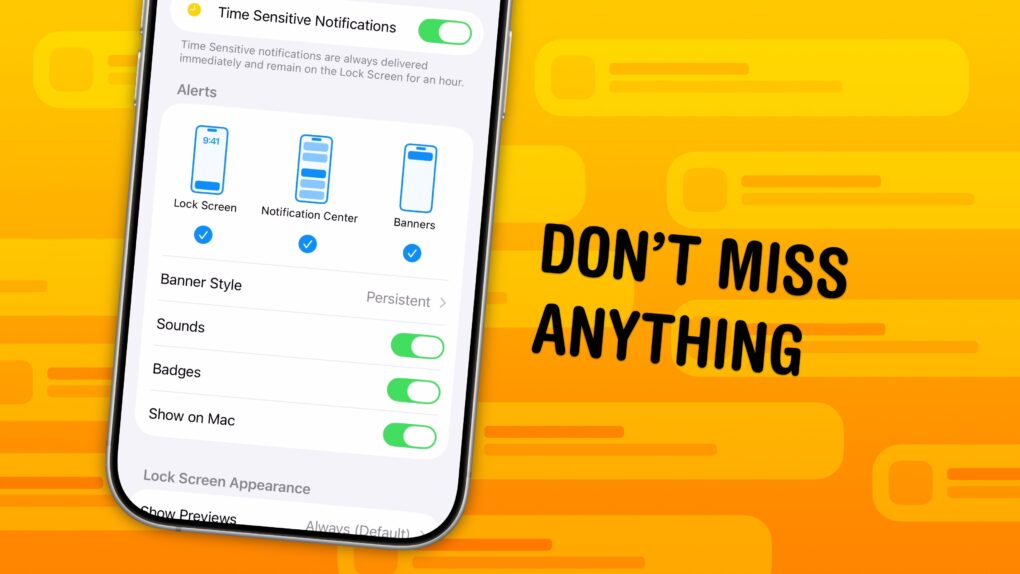
You can set up persistent notifications from specific apps so they stick to the top of your iPhone screen. With persistent notifications in iOS, when your phone is unlocked and an important alert comes in, the notification will stay visible at the top of the screen until you act upon it.
It’s an easy way to make sure you don’t miss (or forget about) critical notifications on your iPhone.
This proves super-handy for things like medication reminders. It also works wonders if you’re the sort of person who ignores notifications once they disappear from your iPhone screen. I’ll show you how to make your notifications sticky.
If you don’t use a trackpad or Magic Mouse, you can set up Hot Corners to zip around your Mac. Image: D. Griffin Jones/Cult of Mac
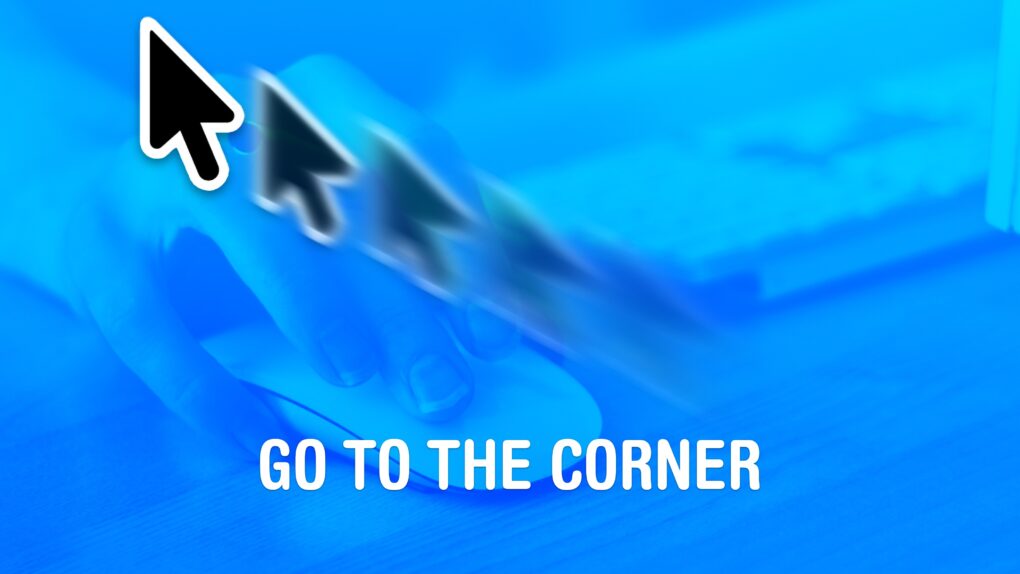
Mac Hot Corners are shortcuts for your mouse. Enable the Hot Corners feature, and you can throw your mouse cursor to the corner of the screen (the easiest place to hit) to perform quick actions. You can instantly lock the screen, start a screensaver, show the desktop, show all windows and more.
If you use your Mac with a standard two-button PC mouse instead of Apple’s Magic Trackpad or Magic Mouse, Hot Corners can replace the multitouch gestures that you miss out on. The Mac’s built-in Hot Corners feature provides a quick and easy way to navigate your computer, and I recommend that you turn them on and use them.
Add more blur to the background or bring it into focus. Image: King of Hearts/Wikimedia Commons/D. Griffin Jones/Cult of Mac
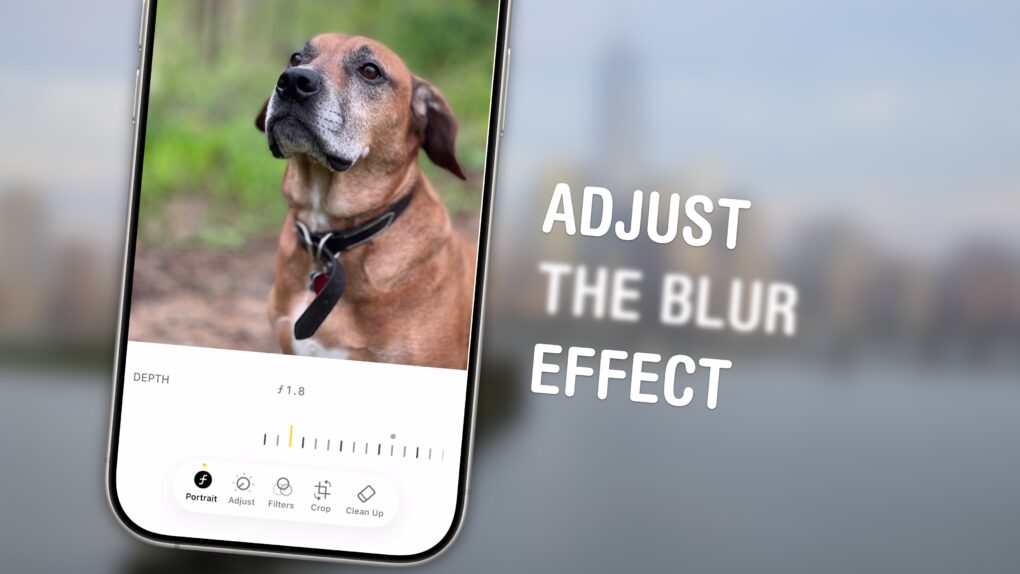
You can adjust the background blur of a Portrait mode photo on iPhone and Mac — even after you’ve taken the picture.
Because the iPhone stores the depth data that it uses to create the blur effect along with the image itself, you can adjust how blurry or clear the background looks. It’s super-easy to get just the right amount of aesthetically pleasing background blur, aka bokeh, to make your images look perfect.
Why would you want to tweak the background blur on your iPhone photo? A blurrier background, under the right conditions, can make for a very dramatic picture. It can effectively emphasize the subject of your shot. Or, you might want to turn up the blur to intentionally hide details behind you. On the other hand, if you’re in a photogenic location, you might want to decrease the blur so you can see more of the gorgeous background scenery.
Either way, I’ll show you how to edit Portrait mode’s background blur in photos on iPhone and Mac.