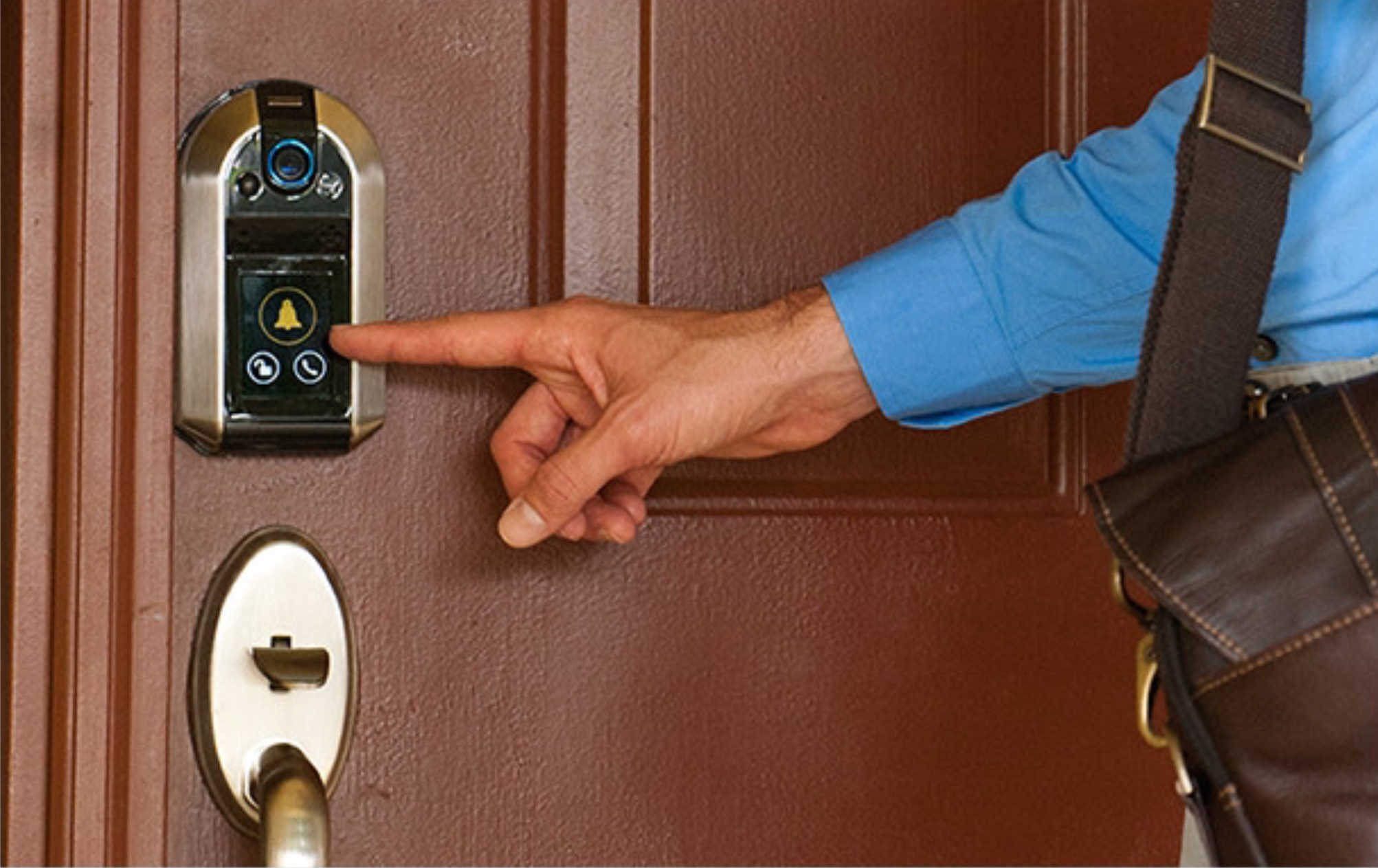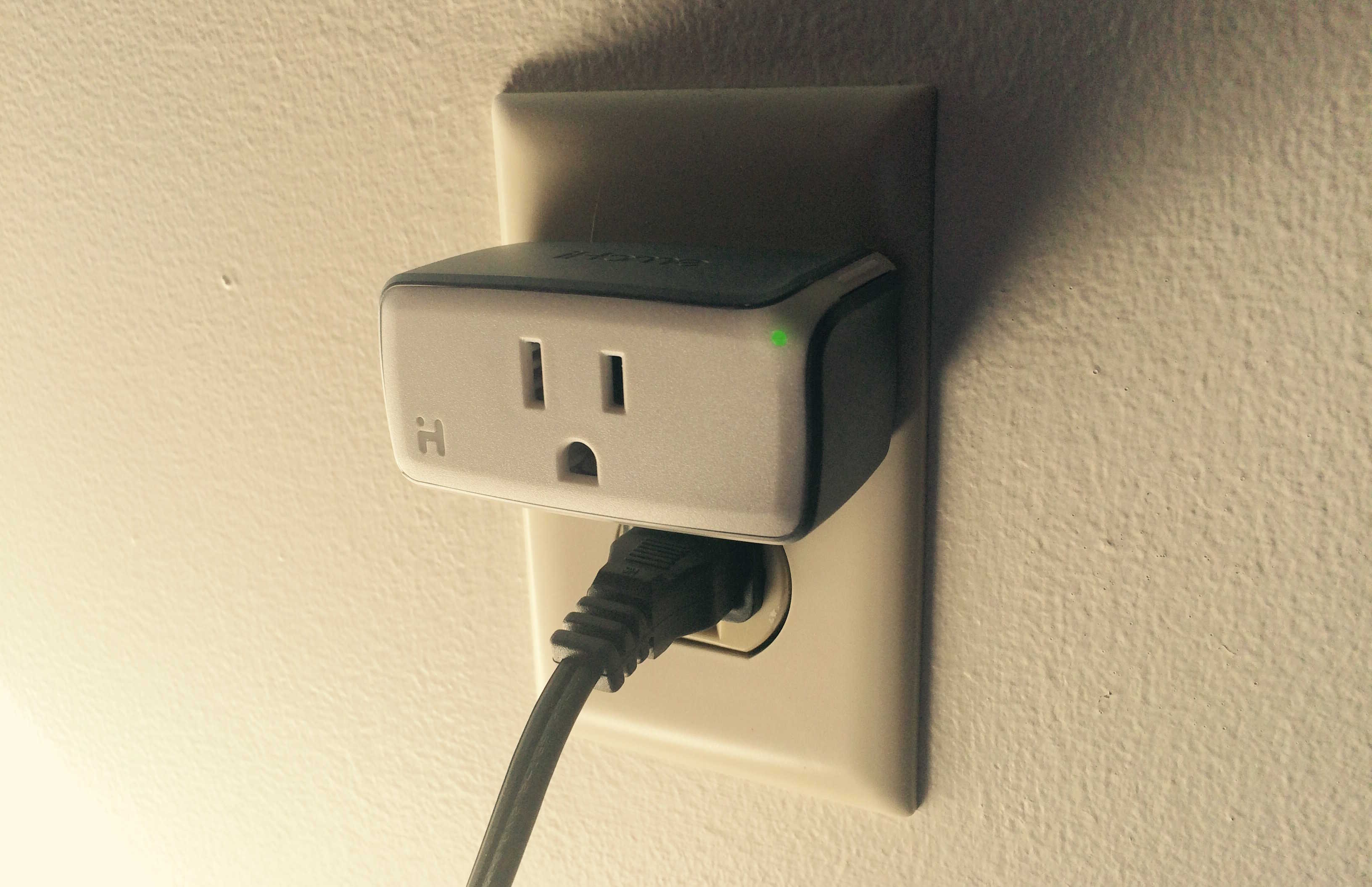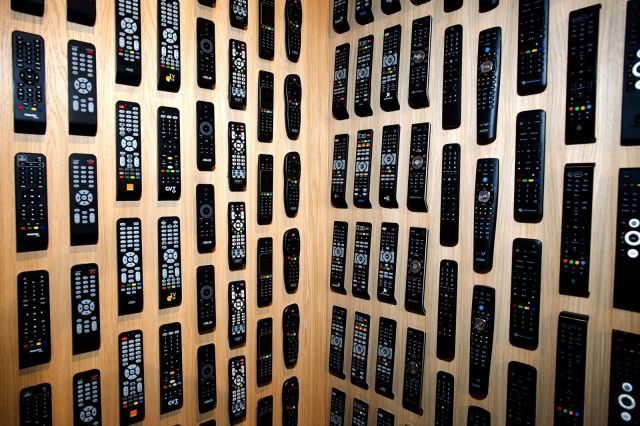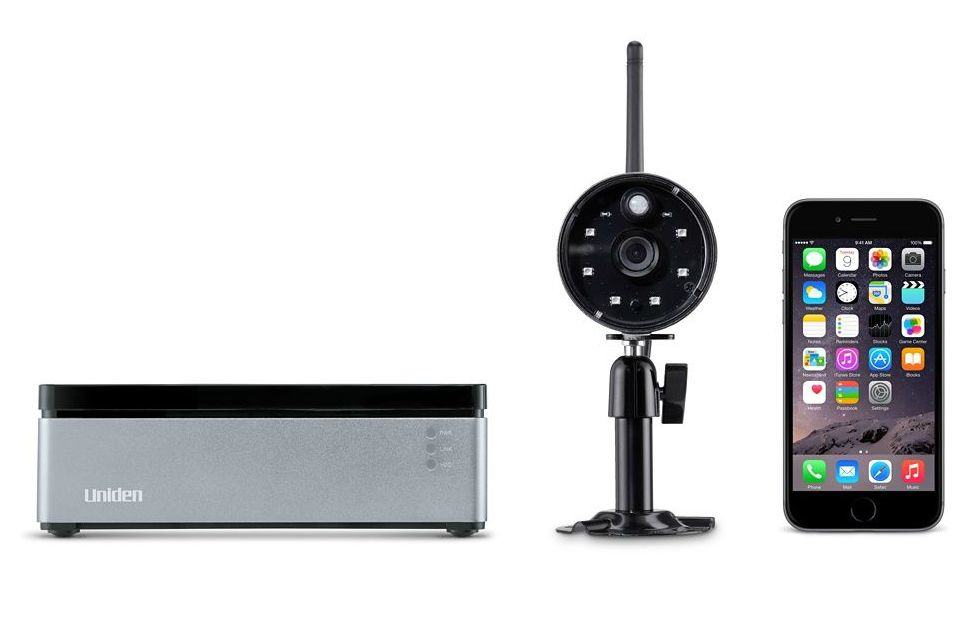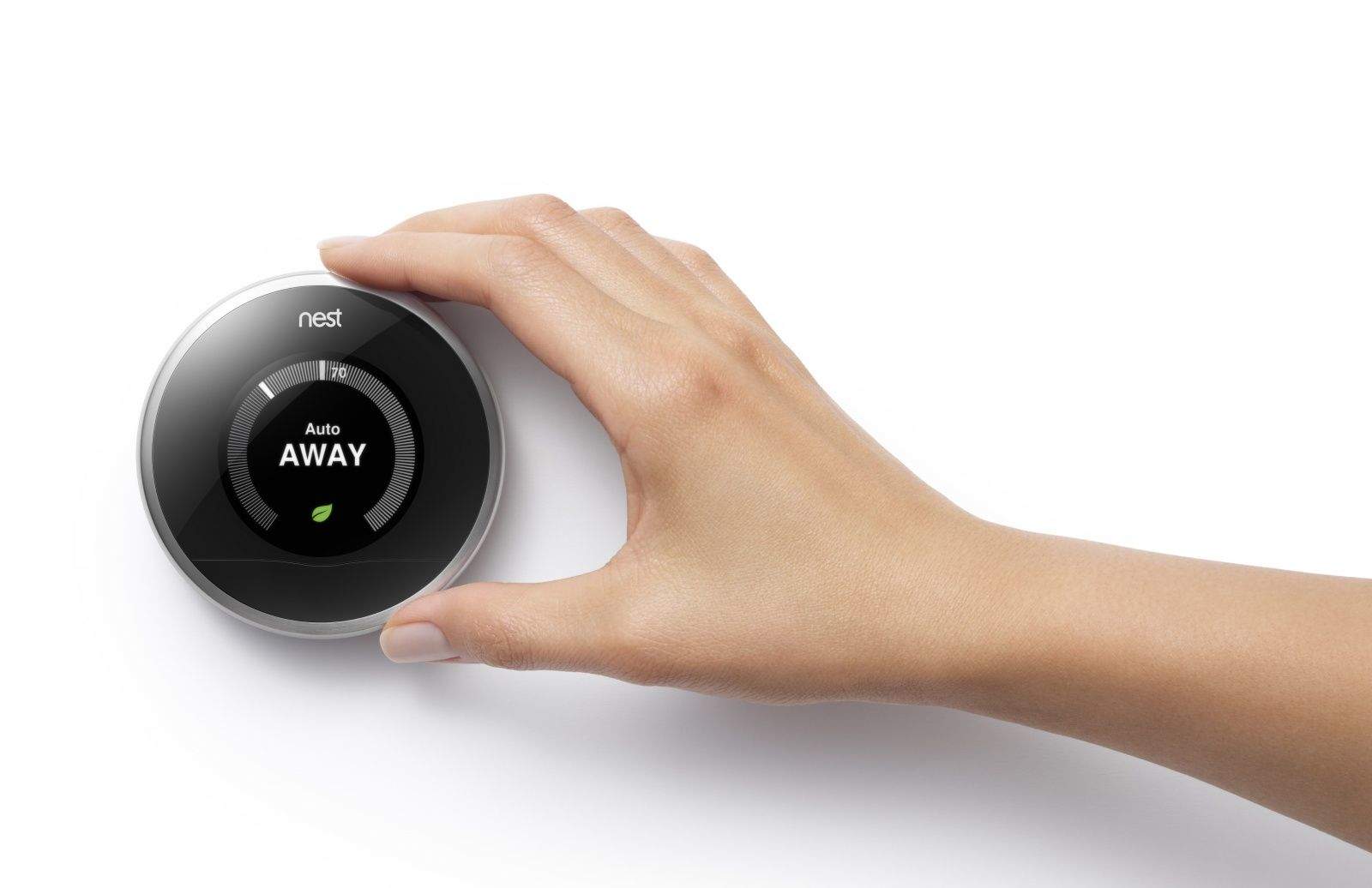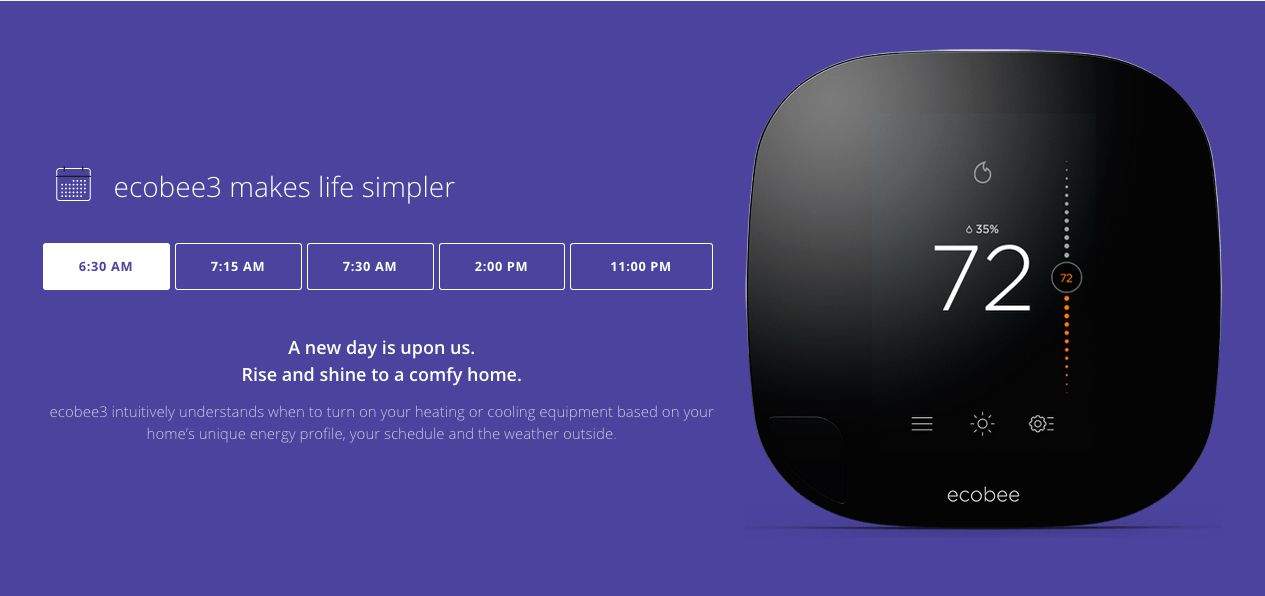
If you’re starting to figure out how you can use HomeKit to make your house less dumb, you can now get started by heading to the Apple Store and picking up the ecobee3, the first thermostat that works with Apple’s smart-appliance platform.
The device retails for $249, and it’s available in North America Apple Stores today.
Apple announced HomeKit to developers at WWDC last year. Photo: Apple Photo: Apple
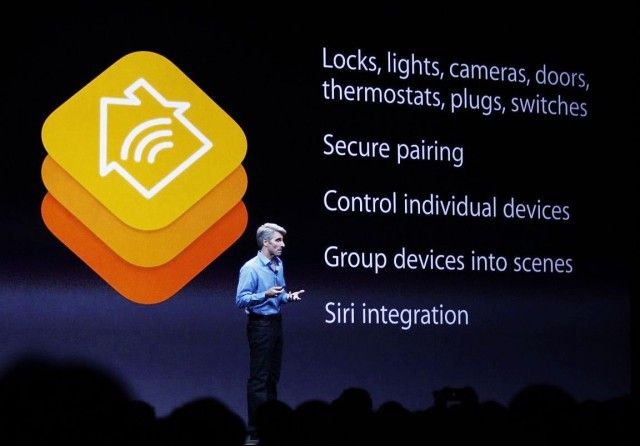
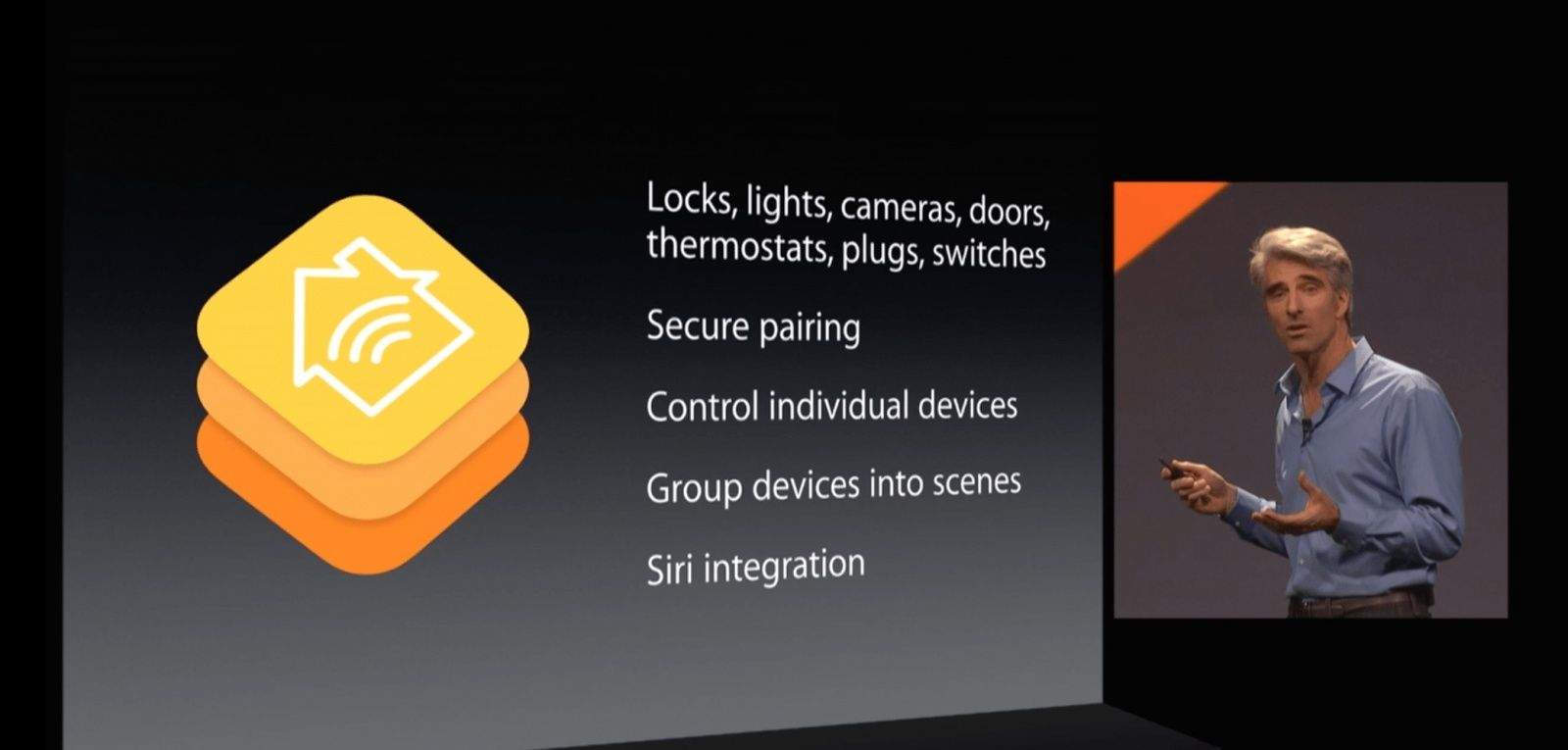
Apple is gearing up to introduce its smarthome platform HomeKit alongside the launch of iOS 9 this fall. It will let users control smart devices like lights, door locks, and thermostats from their phones. You’ll also be able to issue voice commands to digital assistant Siri, and the company has updated the list of things you can say to get things done around your house.
But when we looked at the list of commands, we noticed that Apple is making some strange assumptions about how people might be using the new automation features. Here are some of the examples Apple gives and why they have us scratching our heads.
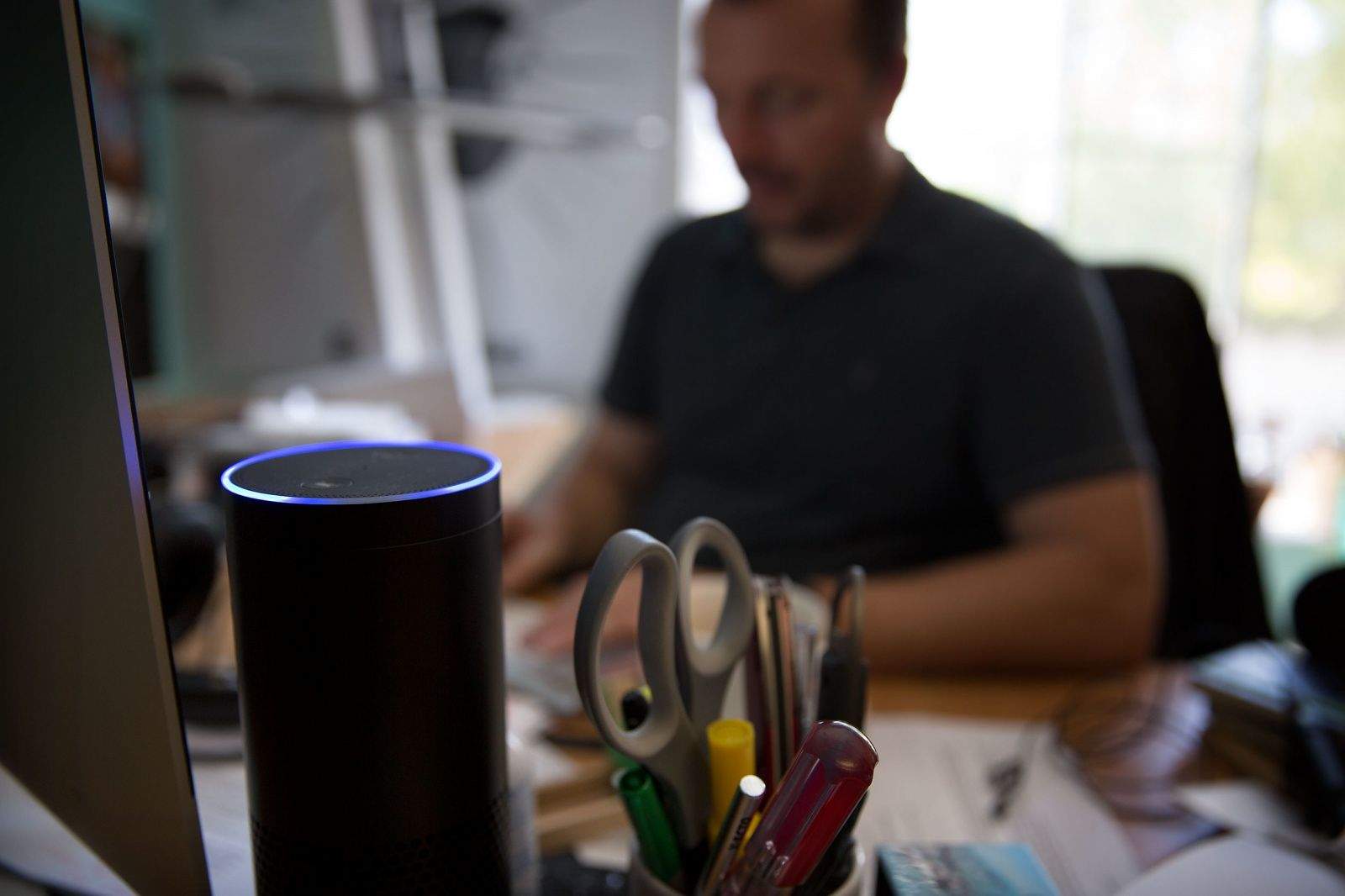
Amazon’s Echo — an odd voice-activated domestic hub — just went on sale to the general public. If you’ve got $200 to burn, I recommend it. It’s oddly great — and it gives you a glimpse of the future.
If Apple’s Siri-controlled HomeKit comes close, controlling your home by voice is going to be a lot of fun.
It's straight out of a David Lynch movie. Photo: Ben Bacal (via YouTube)
If you have an extra $11.5 million sitting around, and you’ve always wanted to live somewhere that looks like a great place to plan a heist while your robot butler serves you drinks, we may have found your new home.
The house at 535 Haynes Avenue in Beverly Hills once belonged to tycoon, filmmaker, and real-life Iron Man, Howard Hughes. And if its classic charm and amazing views weren’t enough for you, it’s also entirely automated and runs from an iPad.
You can see more of the swanky house in the video below.
The countdown to WWDC 2015's big revelations begins. Photo: Jim Merithew/Cult of Mac
With the Worldwide Developers Conference less than a week away, we’ve already got a pretty good idea about what Apple will reveal at this year’s conference.
The company focuses on developer-related products at the conference, but there are plenty of goodies that normals will go crazy for too, like the bevy of improvements coming to iOS 9, a new Apple TV and maybe even a new music streaming service.
Here’s what to expect from WWDC 2015, which runs June 8 to 12 at Moscone Center in San Francisco. (Cult of Mac will be liveblogging the Apple keynote, which starts at 10 a.m. Pacific next Monday, so be sure to check back then for news and instant analysis.)
More Apple coverage than you can shake a selfie stick at. Cover: Stephen Smith/Cult of Mac
Download the latest Cult of Mac Magazine to find out what we’re all expecting from next week’s WWDC 2015, why we’re waiting for HomeKit’s killer app, what Kahney’s Korner has to say about the big Jony Ive promotion, a bit on our epic journey from hacked Facebook page to recovery, and check out an ‘Apple Watch Song’ fanboy anthem for the ages.
All that, plus product reviews, helpful tips, and more in this week’s Cult of Mac Magazine.
Hidden in HomeKit documentation published today is the intriguing confirmation that Apple TV will serve as the digital hub for Apple’s new home-automation setup.
Where are the smart voice-activated refrigerators? Where are the Jetsons-style gizmos that have us firing up our Apple Pay, and convince us that Apple is taking home automation seriously?
While there’s nothing wrong with what we got, it was the same predictable range of smart light bulbs, thermostats, and other gadgets that techies have had for years.
And after a year of waiting, we want more. Much more.
HomeKit is all about letting your things talk to your other things. Photo: Apple
Almost a year since Apple unveiled its home-automation platform HomeKit, the first compatible products were officially announced today — allowing you to start building that Jetsons-style smart home you’ve always dreamed about, operated via Siri using your iPhone, iPad or even Apple Watch.
Among the first wave of HomeKit offerings are smart lights, thermostats, and home sensors for tracking air quality, temperature, smoke, humidity, air pressure, energy, and water consumption in your house.
The biggest Apple TV update ever could make an appearance next month at WWDC, according to a new report that claims the new set-top box will feature innovative new software features to go with the hardware upgrade.
Apple announced HomeKit to developers at WWDC last year. Photo: Apple Photo: Apple
It’s been nearly a year since Apple unveiled the HomeKit platform, and we’re still waiting on an official launch. A report earlier today claimed that Apple is delaying the launch of its home-automation platform until August or September, but an Apple spokesperson has refuted the report, saying everything is ontrack for the June launch.
HomeKit is all about letting your things talk to your other things. Photo: Apple
Apple announced its HomeKit platform at last year’s WWDC, but fans hoping to get a closer glimpse of Apple’s home automation platform will have to keep on waiting, as a new report claims Apple is delaying the launch of HomeKit until August or September.
HomeKit is all about letting your things talk to your other things. Photo: Apple
HomeKit just gained a powerful new partner: Communication firm Broadcom announced yesterday that its WICED (“Wireless Internet Connectivity for Embedded Devices”) software now offers full support with Apple’s connected-accessory framework.
WICED is the first software development kit to meet HomeKit’s standards for Wi-fi and Bluetooth Smart, which gives it a head start over other companies looking to get in on Apple’s platform.
In this demonstration video, a mother gestures to turn off the lights thanks to the Reemo smartwatch she is wearing. Photo: Reemo/YouTube
This is the year computer power migrates to our wrists. We have the roll-out hype of the Apple Watch to thank for that. But one company wants that power to be flexed through a flick of the wrist.
Reemo is software and a wrist device you probably haven’t heard of. It doesn’t come in gold or send your heartbeat to a loved one.
It is built around the emerging technology of gesture control — users become maestros in their homes and offices. With a range of gestures and arm movements, users can control the volume on televisions and stereos, trigger door looks, drop the temperature of a room and power lighting up or down.
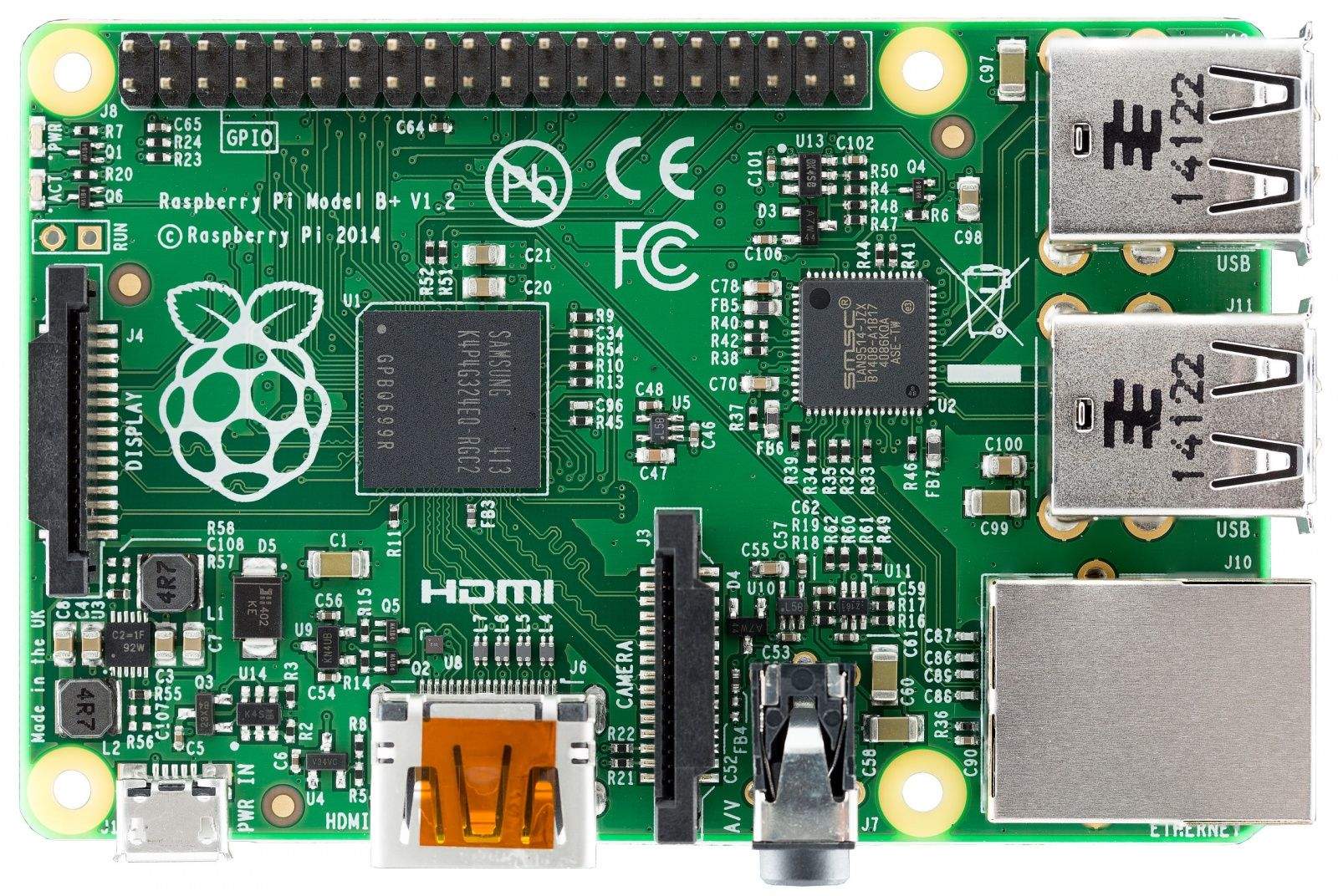
The tiny Raspberry Pi computer can power many cool DIY projects. Photo: Lucasbosch/Wikimedia CC
The credit-card-size Raspberry Pi has taken the tech world by storm. Thousands of geeky kids and adults use the tiny, low-cost computer boards to learn about coding and create fun projects like motion detectors, birdhouses that tweet when birds are present, and mini weather stations.
You, too, can use this sweet little nerdy device to reproduce some of the cool things your Mac can do, without dedicating your entire computer to the project. Let’s take a look at what kinds of things might be interesting to an Apple fan with a new $35 Raspberry Pi 2.
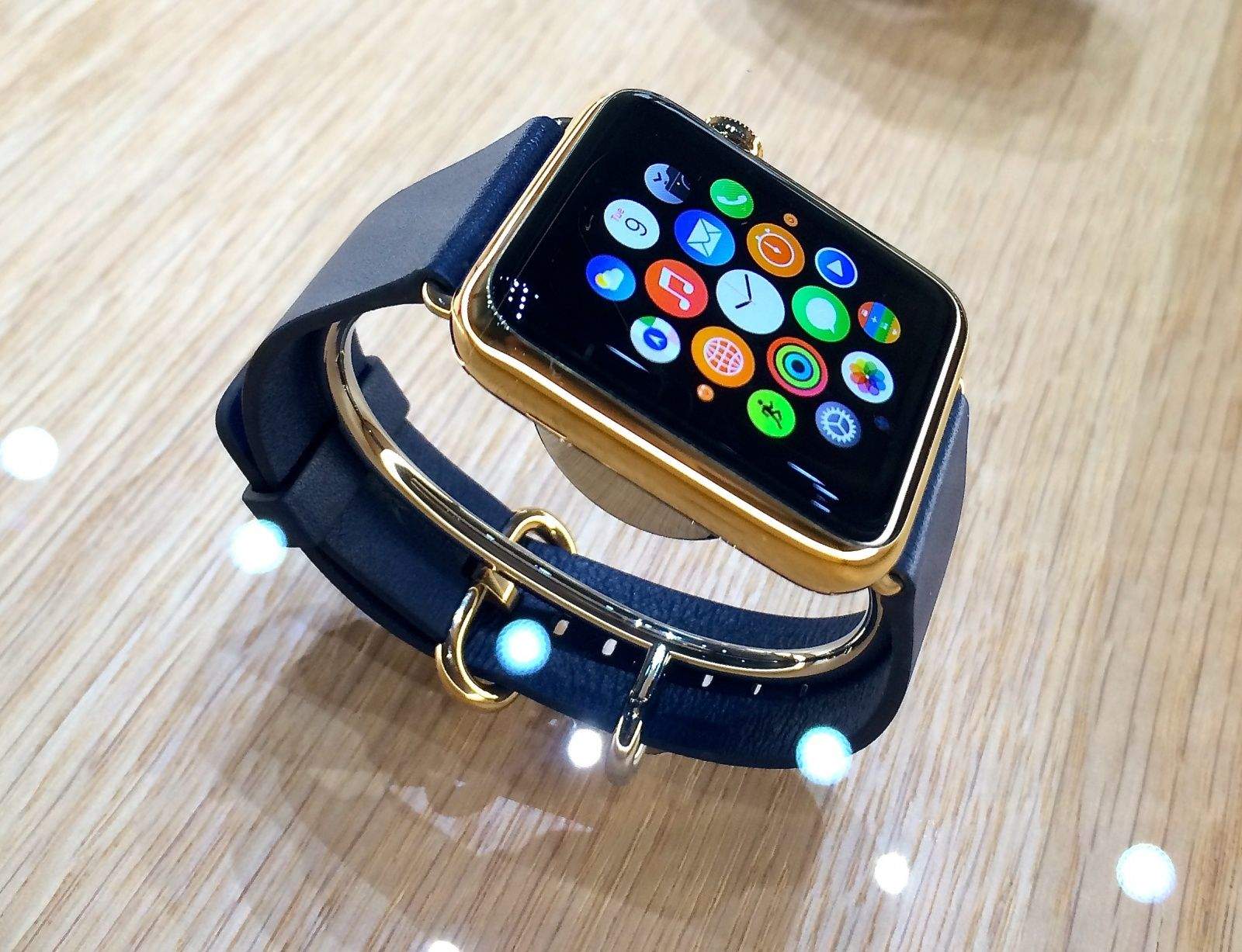
The closer we get to Apple Watch, the more advanced it looks in comparison to its competition. Photo: Leander Kahney/Cult of Mac
Ever since Tim Cook unveiled the Apple Watch last September, it’s been one disappointment after another as far as I’m concerned. Apple’s first wearable won’t come in the minimalist form factor of the fitness bracelets I love. Worse yet, the launch version of the fashion-forward device will lack GPS, suffer from underwhelming battery life and fail to offer truly native third-party apps.
For the first time, I realized I would not be buying an Apple product when it first hit the market. “It’s not worth lining up for,” I told my dad when he asked what I thought after the Apple Watch’s big reveal.
But a funny thing happened on the way to Apple Watch’s launch day, which is coming sometime this spring. And I’m not talking about the previously unthinkable — an Apple fan calling the Microsoft Band the best smartwatch on the planet. No, I’m talking about wading through an ungodly sea of really bad smartwatches at International CES earlier this month and seeing indisputable proof of just how innovative and disruptive Apple Watch actually will be.
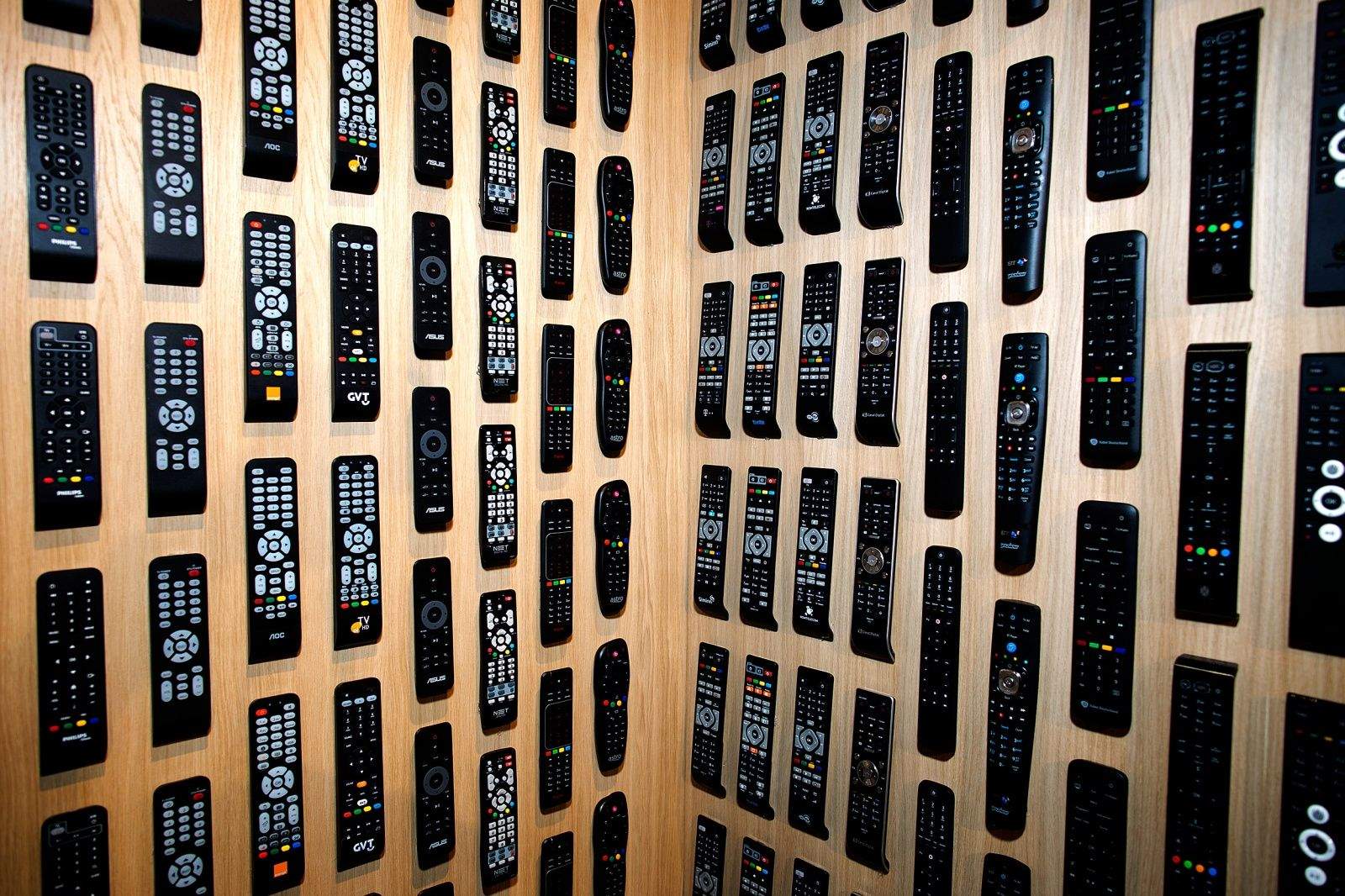
Wall of Philips remotes. Photo: Jim Merithew/Cult of Mac Photo:
The year is 2018. After a long day at work, you pull into your driveway, whip out your iPhone 10 Plus and say, “Siri, I’m home.”
Your garage door opens silently, beckoning you to enter the ultra-connected smart home of the future.
As you walk in, your lights turn on. The wife used to get on you about leaving the lights on, but her nagging feels like a distant memory now. Your thermostat cools everything down to a comfortable 69 degrees. Knowing that you pulled into the driveway two minutes ago, your oven has started preheating itself. You usually fix dinner for yourself on Thursdays, so it’s time for frozen pizza.
Anything goes at International CES, the world's largest consumer electronics show. Photo: Jim Merithew/Cult of Mac Photo:
LAS VEGAS — Walk the halls of the massive International CES trade show and you’ll be bombarded by an outrageous number of pitches for products with radical new features.
You can glimpse the shiny happy future of consumer electronics at the show, although some of the innovations on display are clearly destined for the dustbin of gadget history.
At the biggest booths, reps for big companies like Sony and Samsung — but, sadly, not Apple — talk up the latest additions to their product lines. At smaller booths, inventors show off prototypes for products that may not ever roll off an assembly line. There’s a nonstop blitz of “world’s first” products.
It’s impossible to see everything, but it’s a blast trying. Here are Cult of Mac’s picks for the best of CES 2015, from Lightning-enabled headphones and massive TVs to drones and self-adjusting belts.
iDevices' HomeKit-compatible Switch lets you control anything you plug into it using an iOS app. Photo: iDevices
LAS VEGAS — iDevices’ first HomeKit-compatible product will be a simple on-off switch that turns your iPhone into a remote control for lamps and appliances.
The $49.99 rectangular device plugs into an outlet. You plug a standard electrical device like a lamp or stereo into its convenient side outlet, and then you can turn that device on and off remotely. Switch comes in plain white, although a colored band of lights can be programmed to glow in custom colors to brighten up a dark hallway.
“You can change it to any color you like,” said Dan Cepa, iDevices’ senior director of sales, during CES International.
Sorry Tony Fadell. Better turn up the temperature if you want to win customers! Photo: Nest
LAS VEGAS — When it comes to the smart home, there are two key players right now: Apple and Nest, the latter of which is owned by Google. While plenty of smart lock and thermostat makers are starting to support Apple’s HomeKit, the “Works with Nest” family is also growing.
HomeKit Hardware is coming soon. Photo: Cult of Mac
Apple’s splash into home automation with addition of HomeKit to iOS 8 is expected to have a huge impact on sales of smart home devices in 2015 according to a Park Associates report that found 37% of U.S. households plan to purchase one or more devices next year.
The rising popularity in smart home device sales has been aided by both Apple and Google introducing new solutions in 2014. The research firm discovered retailers are getting ready for smart home devices to hit the mainstream by expanding shelf space for items like Nest thermometers, Philips Hue bulbs, smart door locks and other items.
Apple TV could finally become the digital hub your home's been awaiting. Photo: Jim Merithew/Cult of Mac Photo: Jim Merithew/Cult of Mac
Will the Apple TV become a hub for controlling your smart home in the near future? Signs are pointing to yes.
Apple is quietly testing HomeKit support for its TV set-top box with developers. The functionality can turn an Apple TV into an always-conntected bridge device for communicating between hardware peripherals that support Apple’s HomeKit framework.
This week: With Apple’s big Sept. 9 media event just around the bend, we dust off our crystal balls and reveal our iWatch and iPhone 6 predictions! Plus: The Fappening. How did so many high-profile celebrity nudies leak for all to see? And is an iCloud flaw responsible for the debacle? We’ll tell you what happened, how it happened, and what you can do to help keep those sensitive selfies safe from prying eyes.
Softly chuckle your way through each week’s best Apple stories! Stream or download new and past episodes of The CultCast now on your Mac or iDevice by subscribing on iTunes, or hit play below and let the chuckles begin.
Our thanks to Lynda.com for sponsoring this episode! Learn virtually any application at your own pace from expert-taught video tutorials at Lynda.com.
New App Store guidelines are in place to protect user data.
Apple is constantly looking to improve the App Store experience, and ahead of the long-awaited release of the iPhone 6 and public version of iOS 8, it is doubling its efforts.
With these two landmark events coming up rapidly, the company has updated its App Store review guidelines to add all-new sections dealing with features such as HealthKit, HomeKit and TestFlight, extensions and more.
As the iPhone 6 and public launch of iOS 8 gets ever closer, a number of products offering full integration with Apple’s new HomeKit platform have started popping up on a regular basis.
The latest of these is Elgato’s new line of “Eve” connected home sensors, which debuted at the IFA 2014 trade show in Berlin, Germany. The range of Bluetooth accessories are able to monitor air quality, detect smoke, and track humidity, energy used, air pressure and water consumption — then feeding all of this data back to your iPhone or iPad.