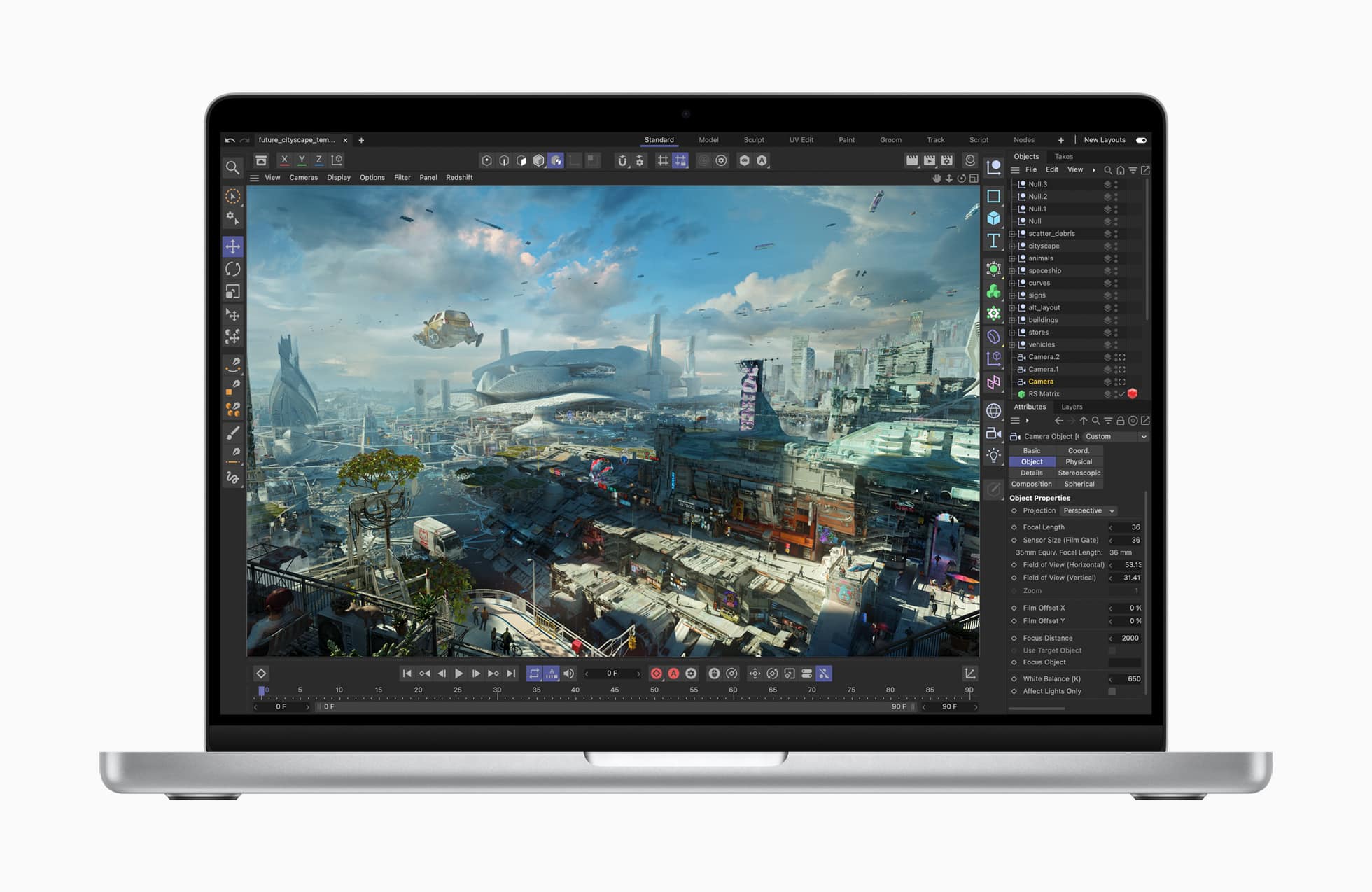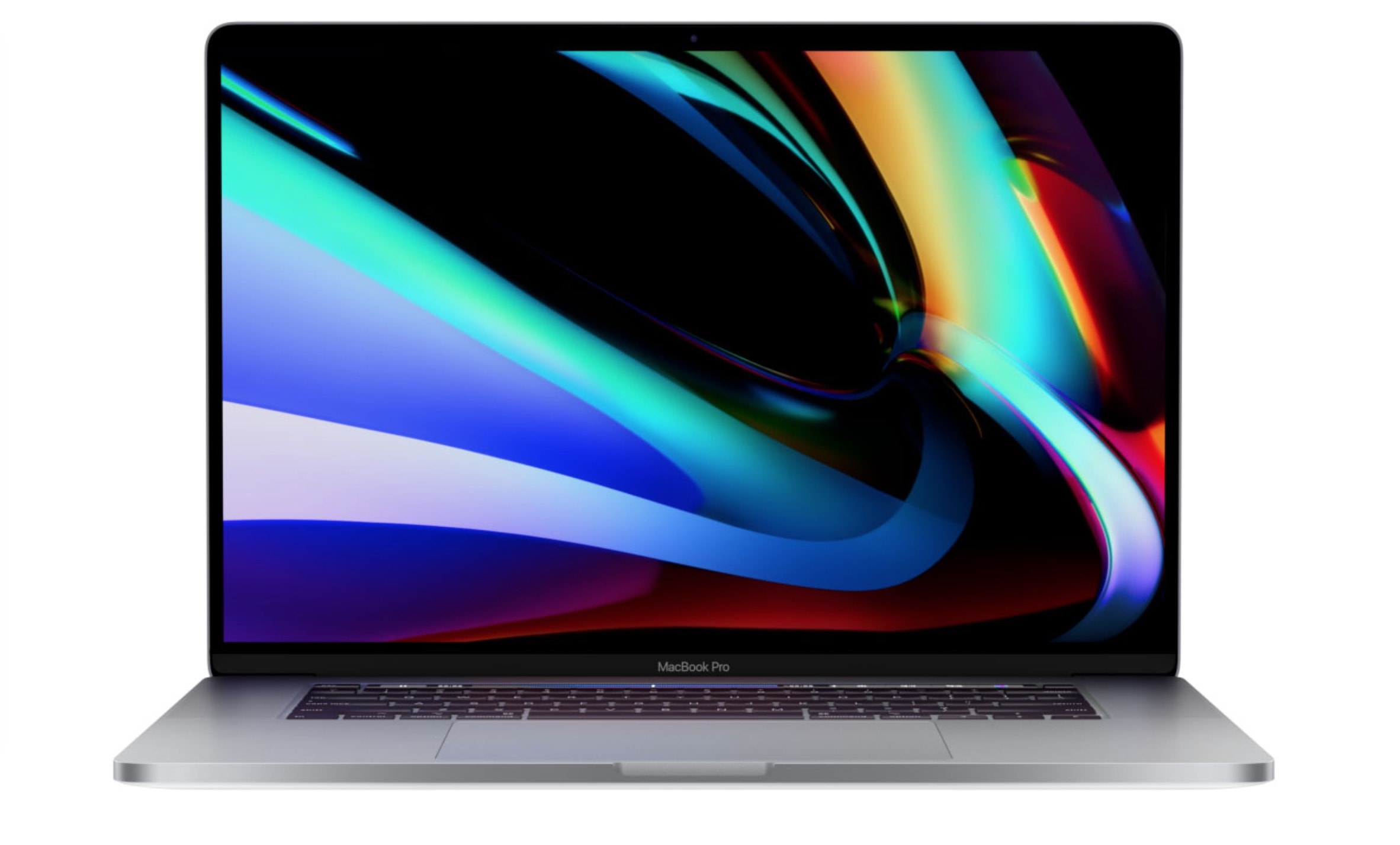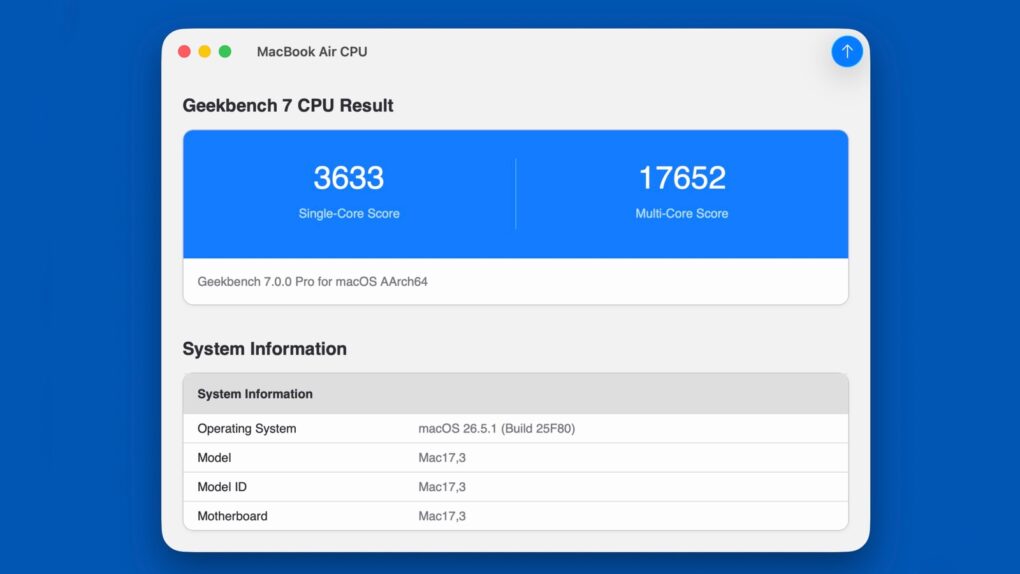
As expected, Apple's M5 Max is a performance beast. Image: Apple
The first M5 Max benchmarks surfaced online, again showing Apple silicon’s superiority. Early results show the new chip outperforms every other CPU currently on the market.
The Geekbench listing reportedly comes from a 16-inch MacBook Pro powered by the M5 Max.
Benchark results suggest you don't need to spend a fortune to get blazing-fast speeds. Photo: OpenAI/ChatGPT
Early Geekbench 6 benchmarks show Apple’s new M4 Pro and M4 Max chips deliver major performance improvements for Macs. Most surprisingly, the M4 Pro chip outperforms even the previously top-tier M2 Ultra chip in multi-core performance, despite having fewer CPU cores. And the higher-end M4 Max proves even more impressive, of course.
So if you’re on the fence about upgrading to a Mac with either of these chips, these results should encourage you.
Apple M4 offers a boost in performance. Image: Apple
Benchmarks giving an early look at the performance of the Apple M4 processor in the 2024 iPad Pro reveal that the new chip is 21% faster than its predecessor.
The processor launched in the latest iPad but is expected to make its way to Mac later this year.
In early benchmark testing, Apple's new M3 chip lives up to expectations for speed. Photo: Apple
New benchmark tests support claims Apple made about the impressive speed of the new M3 chip unveiled Monday in the Scary Fast event.
Geekbench found the new entry-level M3 chip, which appears initially in a new 24-inch iMac and one of three MacBook Pro models, performs as expected compared to M1 and M2 versions.
Update: And after the initial results for M3 came in, further tests showed M3 Max is 42% faster than M2 Max, or about as fast as M2 Ultra. That means a new top-shelf MacBook Pro is as fast as the Mac Pro released earlier this year in June, which Apple said at the time was the “most powerful chip ever created for a personal computer.” That claim lasted about five months.
While some iPhone models saw an increase in battery life with iOS 15.4.1, most did not. Photo: Ed Hardy/Cult of Mac
Benchmark testing of nine different iPhone models shows that less than half of them experienced any improvement to battery life from the recent iOS 15.4.1 update, despite Apple describing that as a major feature of the new version. More of the handsets saw a decrease instead.
On the devices affected, the drop in battery life is generally small, but it’s nevertheless likely to leave some iPhone users holding off on the update. Which is unfortunate, as iOS 15.4.1 also closes a security hole that Apple says has been actively exploited.
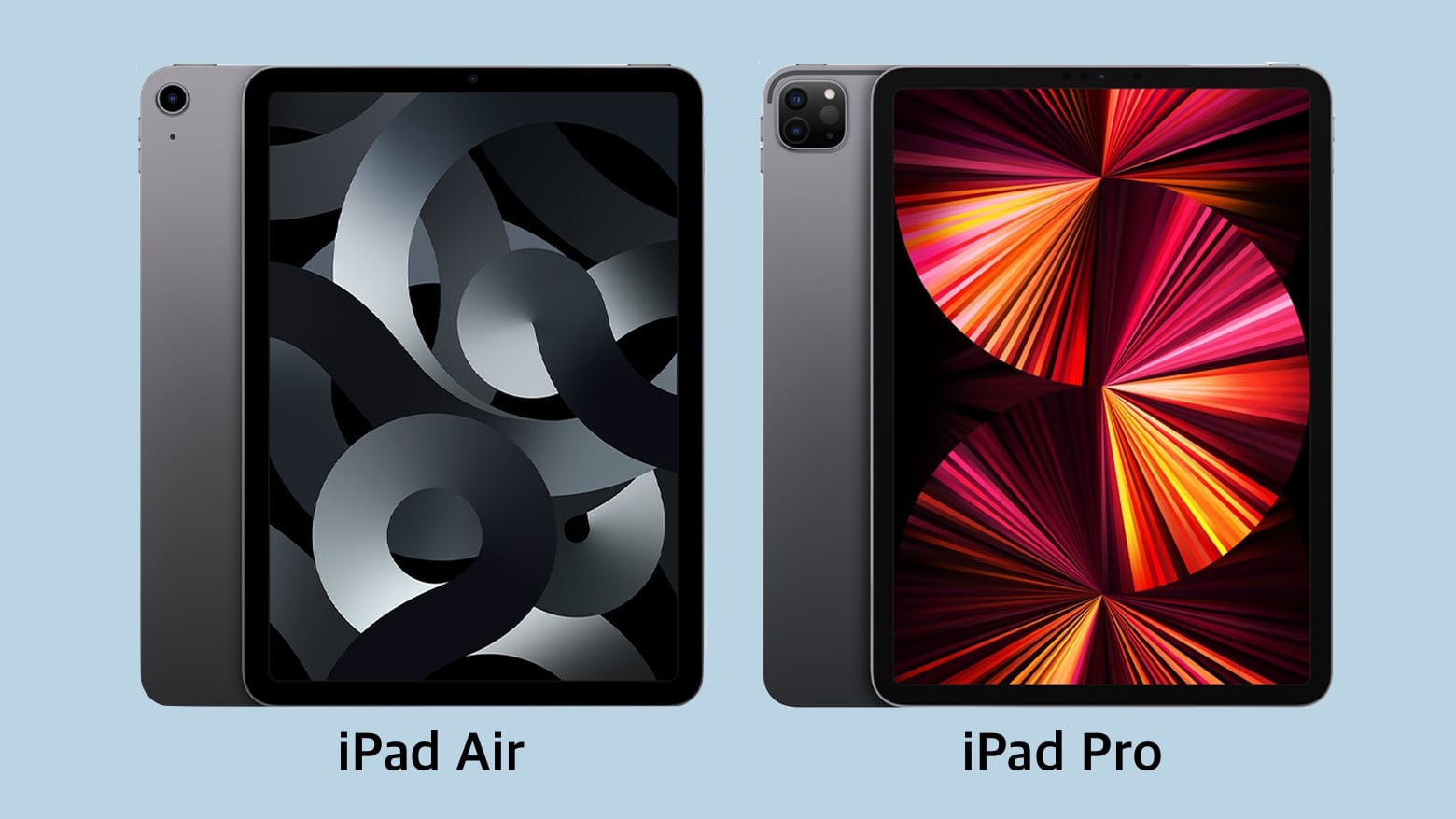
iPad Pro does not have better performance than iPad Air 5. Photo: Ed Hardy/Cult of Mac
Early benchmark scores for the soon-to-be-released iPad Air 5 show the tablet has approximately the same performance as the iPad Pro models that cost much more.
That’s not a surprise considering the new Air has the same M1 processor as the Pro.
Apple’s new third-generation iPhone SE, which starts at just $429, is just as impressive as iPhone 13 in early benchmark tests.
That won’t be too surprising to most, given that both handsets feature Apple’s latest A15 Bionic processor and the same 4GB of RAM. But it all but confirms that the chipset isn’t held back at all — despite iPhone SE’s smaller battery.
Up to 181% faster graphics than the last 16-inch MacBook Pro. Photo: Apple
Buying a new MacBook Pro with a high-end M1 Max chip? You can expect crazy gains in both processing and graphics performance — no matter which Apple notebook you’re upgrading from, according to early benchmarks.
The M1 Max blows all the MacBook chips that came before it — not just those made by Intel, but even Apple’s own M1 — right out of the water, with up to 181% faster graphics than the previous 16-inch MacBook Pro.
Graphics performance is up more than 50% over iPhone 12 Pro. Photo: Apple
iPhone 13’s new A15 Bionic chip brings big performance improvements over its predecessor, early benchmarks reveal. User can expect huge gains in graphics power, in particular, as well as noticeable gains in CPU performance.
The M1 processor in the 24-inch iMac is faster than most Intel iMacs. But not all. Photo: Apple
The first benchmark scores for the upcoming 24-inch M1 iMac are out, and the all-in-one desktop is just as fast as the laptops and desktop released in 2020 running this processor. And no faster.
That makes the new model 24% quicker than the 21-inch iMac it’s replacing. But it’s slower than the 27-inch iMac introduced in 2020 with a top-tier Intel processor.
The M1 processor in the 2021 iPad Pro has the tablet running faster than any Intel-based MacBook ever. Photo: Apple
The first iPad Pro with an M-series processor is apparently going to be as fast as many had hoped. Benchmark tests for the upcoming tablet show that it’s almost as speedy as the Macs released in late 2020. And faster than any Intel-based MacBook ever.
The 2021 model is more than 50% faster than the iPad Pro Apple introduced in 2020.
Apple’s newest Mac mini, its first desktop with an Apple Silicon M1 chip, is substantially faster than all Intel-based Macs in single-core tests, according to new Geekbench benchmarks.
The only machines that come close to matching its performance are the newest MacBook Air and MacBook Pro — also powered by M1 chipsets. The 27-inch iMac lags far behind in the same tests.
Early benchmark results for the new M1 MacBook Air have begun surfacing online, and boy are they impressive. Not only does Apple’s newest ultraportable blow away its predecessors, but its M1 chip outperforms every other mobile CPU on the market.
That’s even more astounding when you remember the new MacBook Air has a completely fan-less design that stays silent no matter how hard you push it.
Buyers of the newest iMac can look forward to better performance, along with other new features. Photo: Apple
The very first benchmark scores are coming to light for the 2020 iMac that Apple unveiled Tuesday, and this computer is already showing a healthy performance increase over the 2019 version.
Looks stunning. But is it worth the upgrade versus last year's model? Photo: Apple
Want to know how the new 13-inch MacBook Pro stacks up against its predecessor or other MacBooks on the market? A new report by Japanese language Apple blog Macotakara compares the Geekbench CPU scores for various MacBooks.
The new 13-inch MacBook Pro, announced earlier this week, has a Geekbench score of 4565 and 1093 for multi and single core scores for its Intel Core i7 variant. Meanwhile, the lower spec Intel Core i5-sporting MacBook Pro model scores 4489 and 1066. That’s only marginally better than 2019 13-inch models.
You might be better off with iMac Pro instead. Photo: Apple
Early benchmarks for the 2019 Mac Pro have now started surfacing online — and they might be a disappointment for some.
The scores achieved by entry-level and mid-tier machines are similar to those you will get from a 2017 iMac Pro. In fact, iMac Pro and even the budget Mac mini achieve significantly higher scores in some tests.
The 16-inch MacBook Pro is wicked fast. Photo: Apple
Benchmark tests confirm the MacBook Pro released today is as fast as the speedy macOS laptops introduced earlier this year. That’s good news for anyone who’s been nursing along an older MacBook, waiting for this new 16-inch model.
It's not clear what is causing the problem. Photo: Apple
Apple promised its newest 13-inch MacBook Pro would deliver faster performance than the previous model. But we weren’t expecting to be up to 83% faster!
That’s the kind of speed increase you’re getting with the latest model, according to early benchmarks. It gives existing owners a massive reason to upgrade — even if they have no interest in the Touch Bar.
The 2019 MacBook Pro is the first with an 8-core processor, giving it better performance running complex software. Photo: Apple
Apple’s marketing for the recently-announced 2019 MacBook Pro emphasizes how much faster it than last year’s model, and now a benchmark score may confirm that this macOS laptop is almost 30 percent speedier.
iMacs with new Intel processors provide plenty of performance. Photo: Apple
Apple unveiled improved iMac versions last week, and what’s apparently an early benchmark score indicates that a top-tier model will be up to 75 percent faster than its predecessor in everyday use.
That’s not surprising, given the newer Intel processor.
Apple's new iPads are a much-needed upgrade. Photo: Apple
The first Geekbench report on Apple’s new iPads suggests that at least one of the new tablets has a benchmark score of 4,806 and multi-core performance of 11,607. Those numbers put it roughly on a par with Apple’s iPhone XS Max.
Although it lags (understandably) behind the pricier and more power iPad Pro, it’s certainly promising news.
You won’t be blown away by Galaxy S10 performance. Photo: Samsung
It seems Samsung is still struggling to match the performance of the iPhone.
Alleged early benchmarks for the upcoming Galaxy S10+ suggest the company’s flagship device doesn’t come close to competing with the iPhone XS Max. It doesn’t even beat the aging iPhone X.
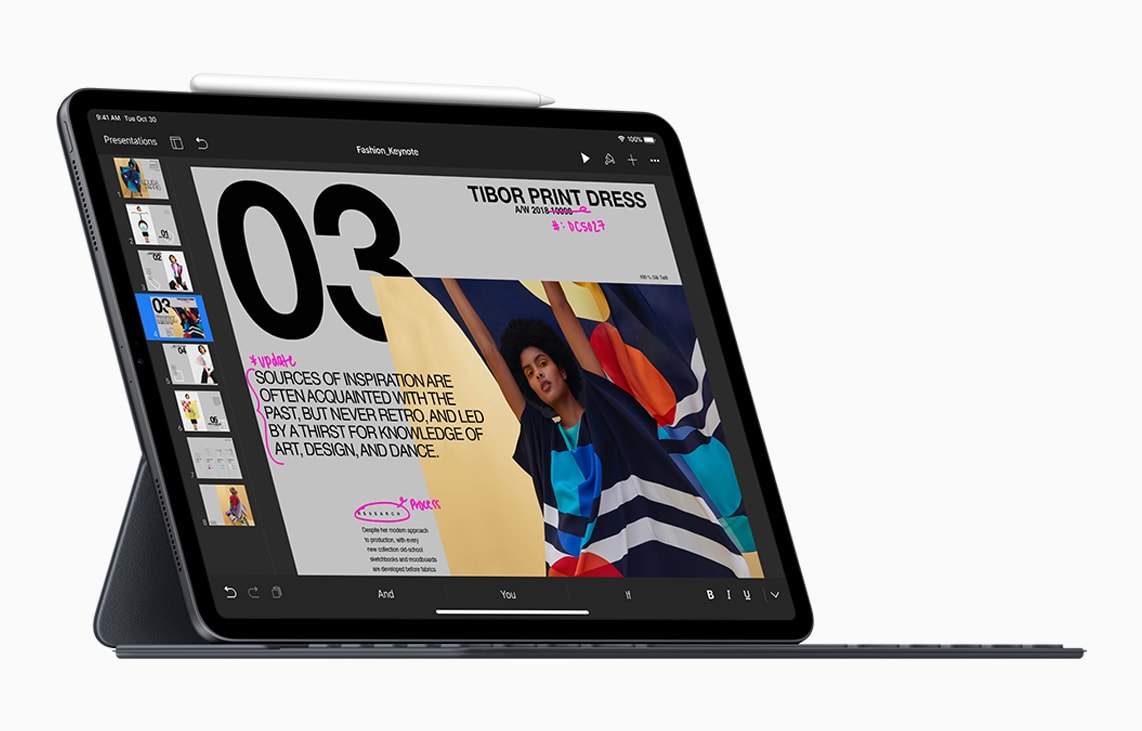
Processor speed and RAM complete the list of 2018 iPad Pro specs. Photo: Apple
The last specifications of the new iPad Pro models just recently came to light. Apple unveiled this model at the end of last month but there are some very importanttechnical details this company never reveals about iOS devices: processor speed and RAM. It’s up to the public to find them out.
On top of that, a technical glitch in a popular benchmarking app kept the exact speed of the tablet unknown to most even after it was in customer hands. But no more.