The EU agreed with Spotify that Apple's 'anti-steering' rule is illegal. Photo: Sora Shimazaki/Pexels CC
The European Commission fined Apple more than 1.8 billion euros Monday for “abusing its dominant position on the market for the distribution of music streaming apps.”
The ruling follows complaints by music streaming service Spotify. In a lengthy response to the fine, Apple said Spotify pays absolutely nothing for the array of services Cupertino provides. Apple also said it will appeal the EC’s decision.
iPhone web apps are not about to break in the EU after all. Photo: Ed Hardy/Cult of Mac
Apple changed course and is not disabling iPhone web apps in the European Union. The method for turning websites into applications will not disappear with the release is iOS 17.4 after all.
The flip-flop is just a small aspect of big changes coming to iOS because of EU legislation.
Riley Testut, creator of the original alternative app marketplace. Photo: Riley Testut
iOS developer Riley Testut, the brains behind AltStore (the original alternative App Store), has a great take on Apple’s plans to open up the App Store in the European Union
This is “everything I’ve been wanting for the past few years,” he said after Apple laid out its plans last week. “Even reading the announcement I was tearing up.”
Testut, who lives in Texas, has a vested interest in Apple loosening its grip on the App Store to comply with the EU’s Digital Markets Act. He’s the co-creator of AltStore, a hacky skunkworks project that enables sideloading of iPhone and iPad apps. Now he’s working to transition AltStore into an officially sanctioned app marketplace that complies with Apple’s new rules.
In an exclusive interview with Cult of Mac, Testut talks about the hidden upside for iPhone owners around the world; the downsides of Apple’s strict new framework and fees; and the joys of making AltStore one of the first legit third-party app marketplaces in the EU.
Testut’s take on Apple’s plans for opening up iOS is perhaps the best to date, and well worth a read.
Apple's new App Store rules for the European Union enrage some developers. Image: danilo.alvesd/Unsplash License/Cult of Mac
A noted Apple critic used the terms “malicious compliance” and “hot garbage” to describe the elaborate rules the company laid down Thursday for allowing European iPhone users to sideload applications.
Those blasts came from Tim Sweeney, CEO of Epic Games, a company that’s locked in a legal battle with Apple over App Store rules. But other devs also cast aspersions on Apple’s framework for setting up App Store rivals. They pointed out that the new system comes with a huge financial obligation, and that it will make free apps almost impossible.
To be clear, though, not all developers are unhappy. Apple’s new rules also drew some compliments.
Sideloading means no Apple App Store, but Apple isn't giving up all control. Graphic: Apple/Cult of Mac
Although the European Union requires Apple to allow sideloading of iPhone applications, Cupertino reportedly hopes to review apps before they become available for installation from outside the App Store.
Apple also expects developers to voluntarily send a percentage of all revenue generated through sideloaded iOS applications.
Margrethe Vestager and Tim Cook had an in-person meeting with some weighty issues on the table. Photo: Margrethe Vestager
Margrethe Vestager, the European Union’s commissioner for competition, met with Apple CEO Tim Cook on Thursday to discuss the upcoming EU requirement that iPhone users be able to install applications from outside the App Store, aka sideloading.
Vestager also says the two discussed the EU’s investigation into whether Apple Music is anticompetitive.
EU's strong right to repair legislation bans parts pairing. Photo: Apple
The European Parliament voted Tuesday to approve a strong right-to-repair proposal. It aims to make consumer electronic goods more repairable, with companies required to prioritize repairability over replacement.
The draft legislation still needs to go through negotiations between the Parliament and the Council before it can go into effect.
An EU commissioner called on Tim Cook to open up Apple's closed ecosystem of hardware and software. Photo: Freestocks.org
After meeting with Apple CEO Tim Cook in Brussels Tuesday, European Union head of industry Thierry Breton called on the tech company to open its ecosystem of hardware and software to competitors.
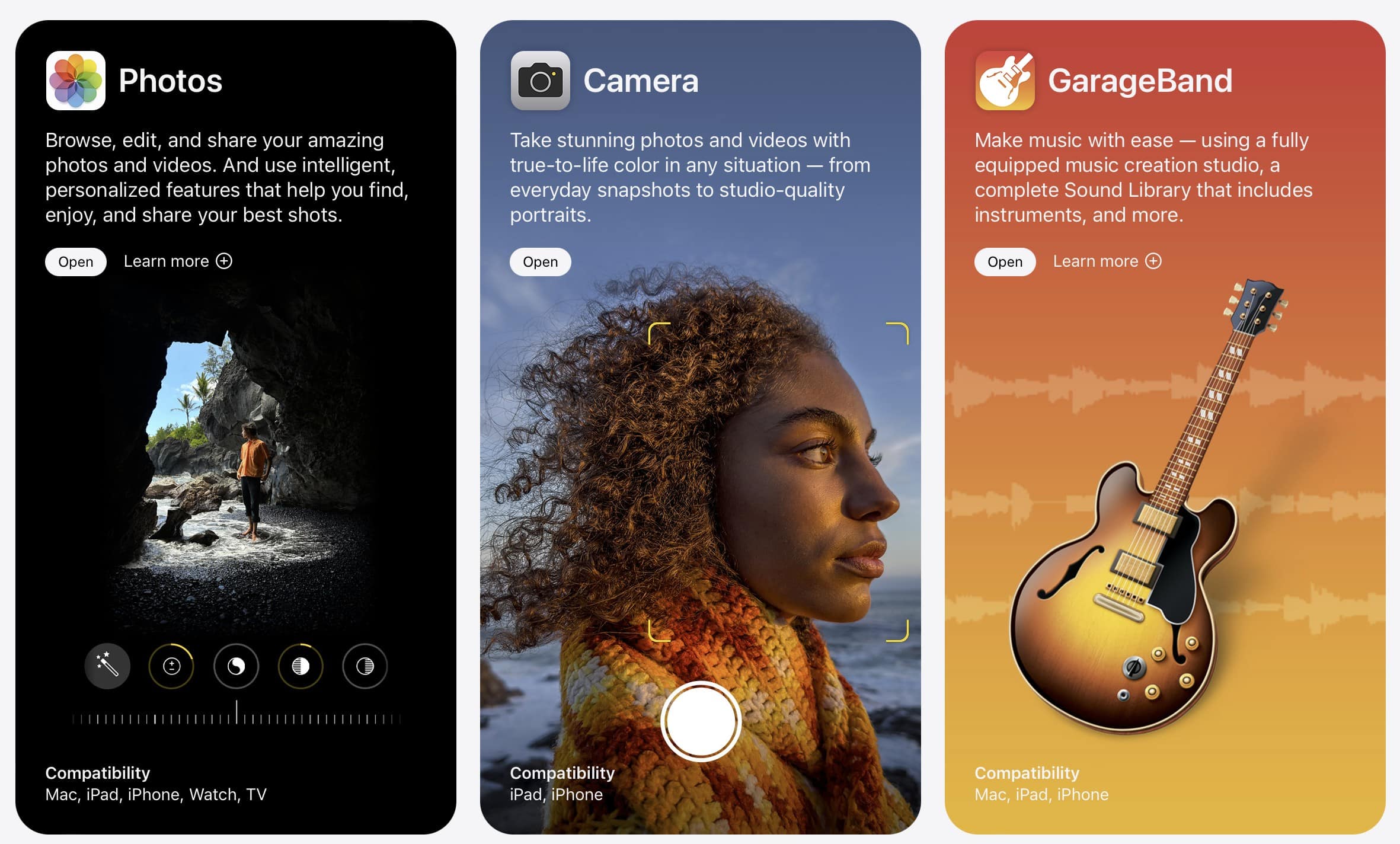
The new Apps by Apple webpage gives you an overview and access to Apple's first-party apps. Photo: Apple
Apple quietly added a helpful new “Apps by Apple” section to its website last week. Cupertino’s new guide breaks down the world of great Apple apps into helpful sections all in one place.
Some people wonder if it’s part of Apple’s response to the European Union’s moves to force sideloading of apps on iPhones.
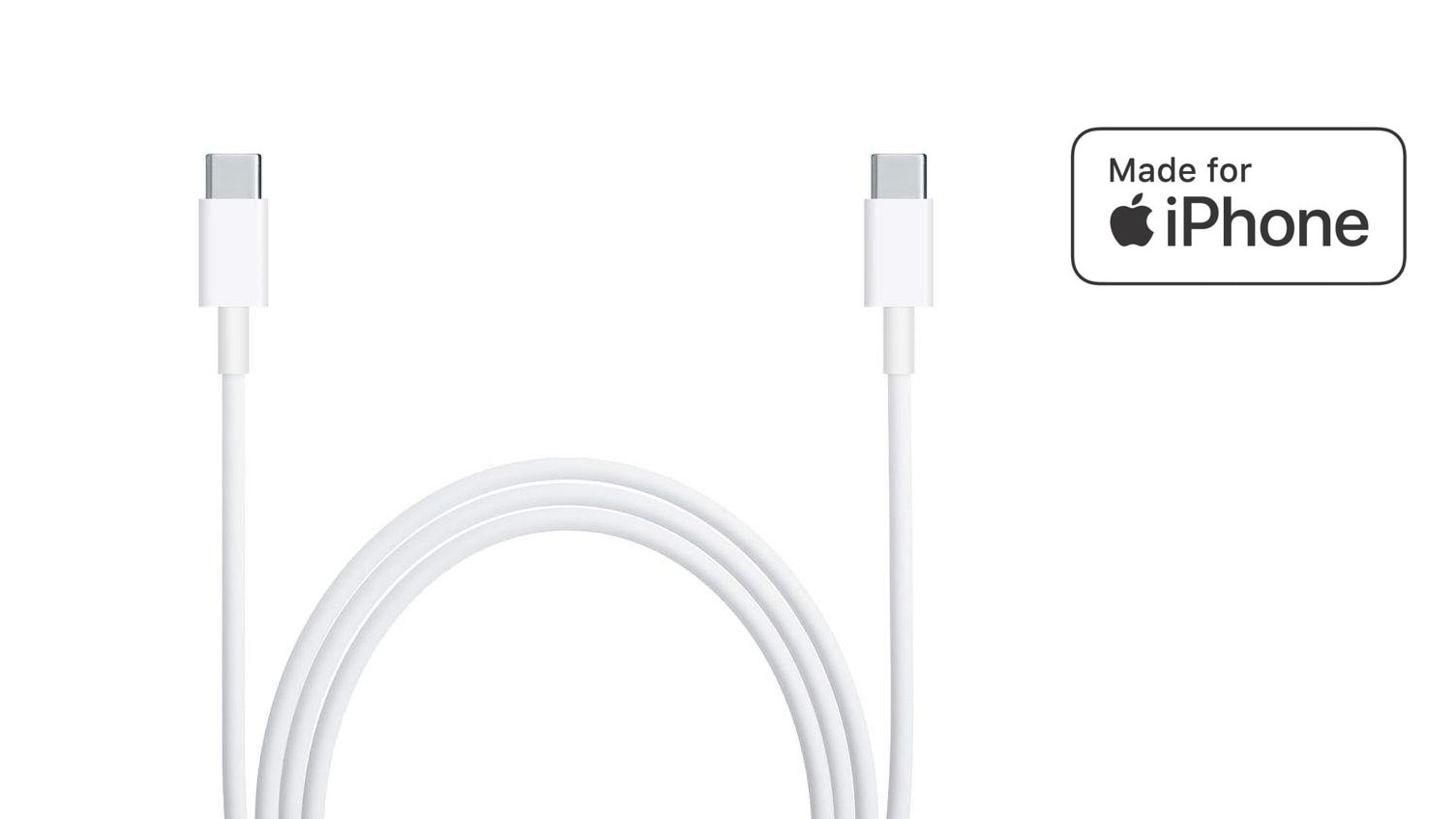
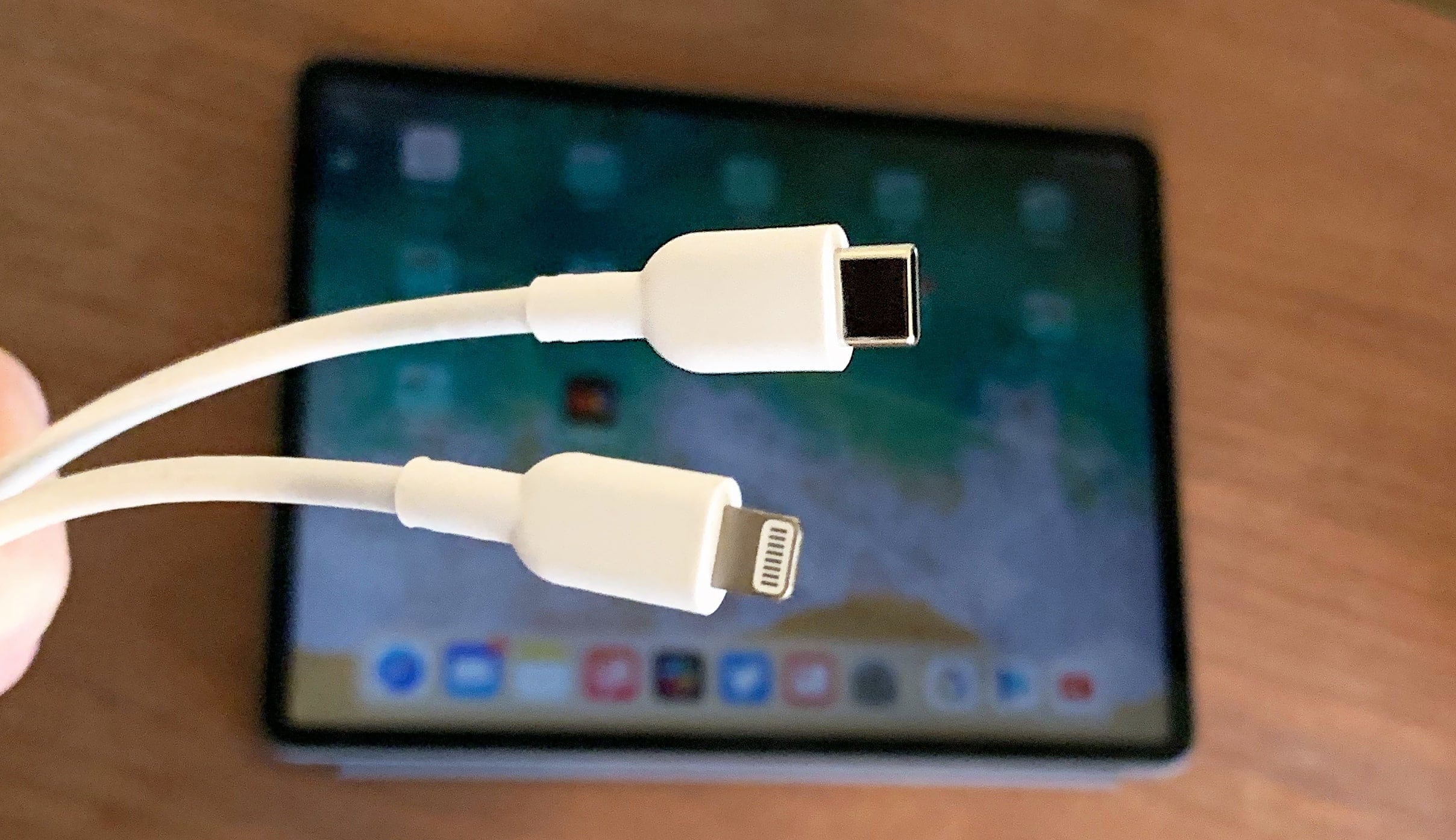
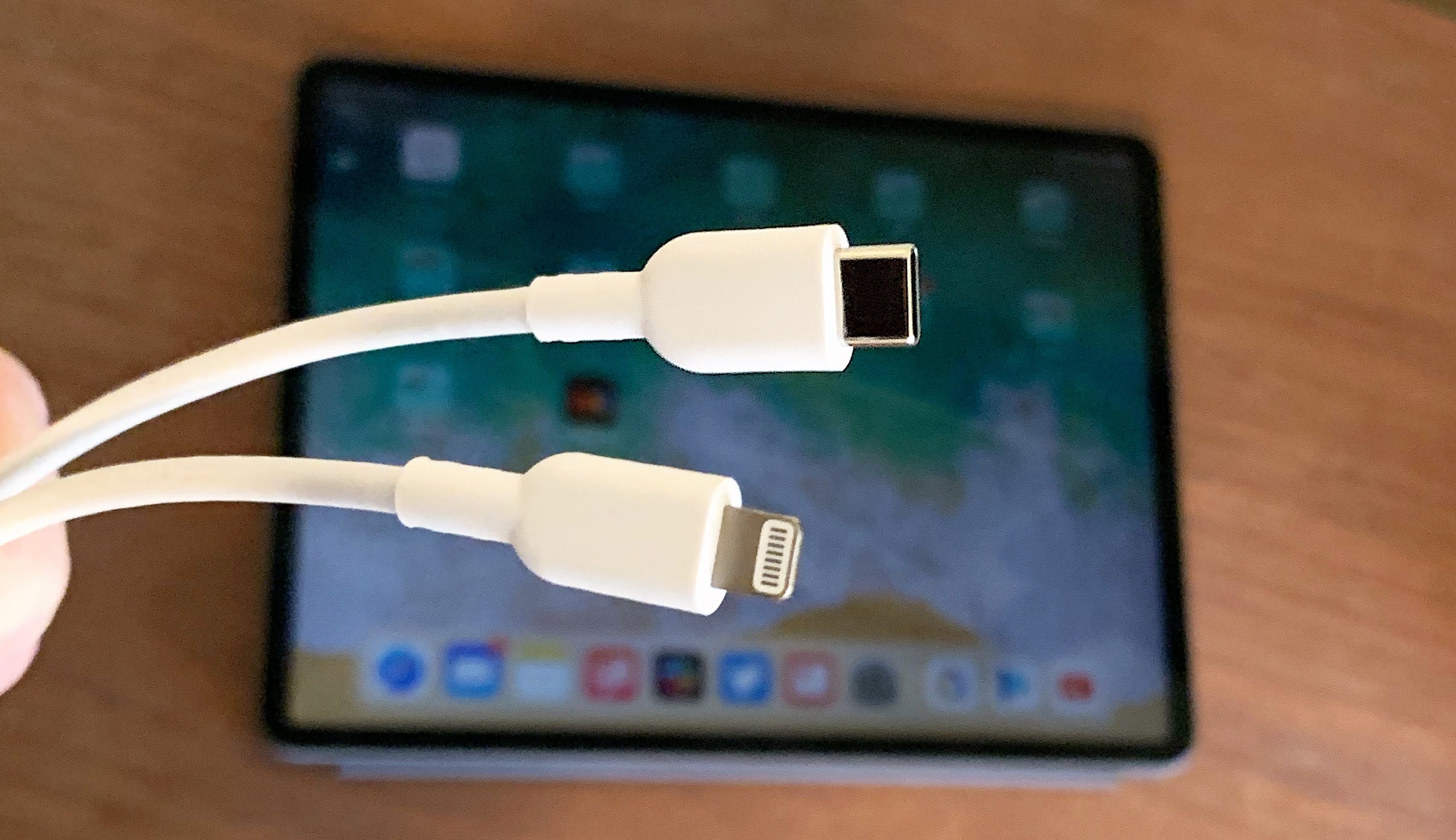
USB-C is finally coming to the iPhone, but there are rumors and speculation that only Apple-approved cables will be able to charge the device. Realistically, though, there’s no way Apple would be allowed to get away with that.
The European Union is forcing Apple to drop the Lightning port, and would surely squash attempts to make USB-C into anything but a universal standard. That’s if Apple is even trying to do that, which is questionable.
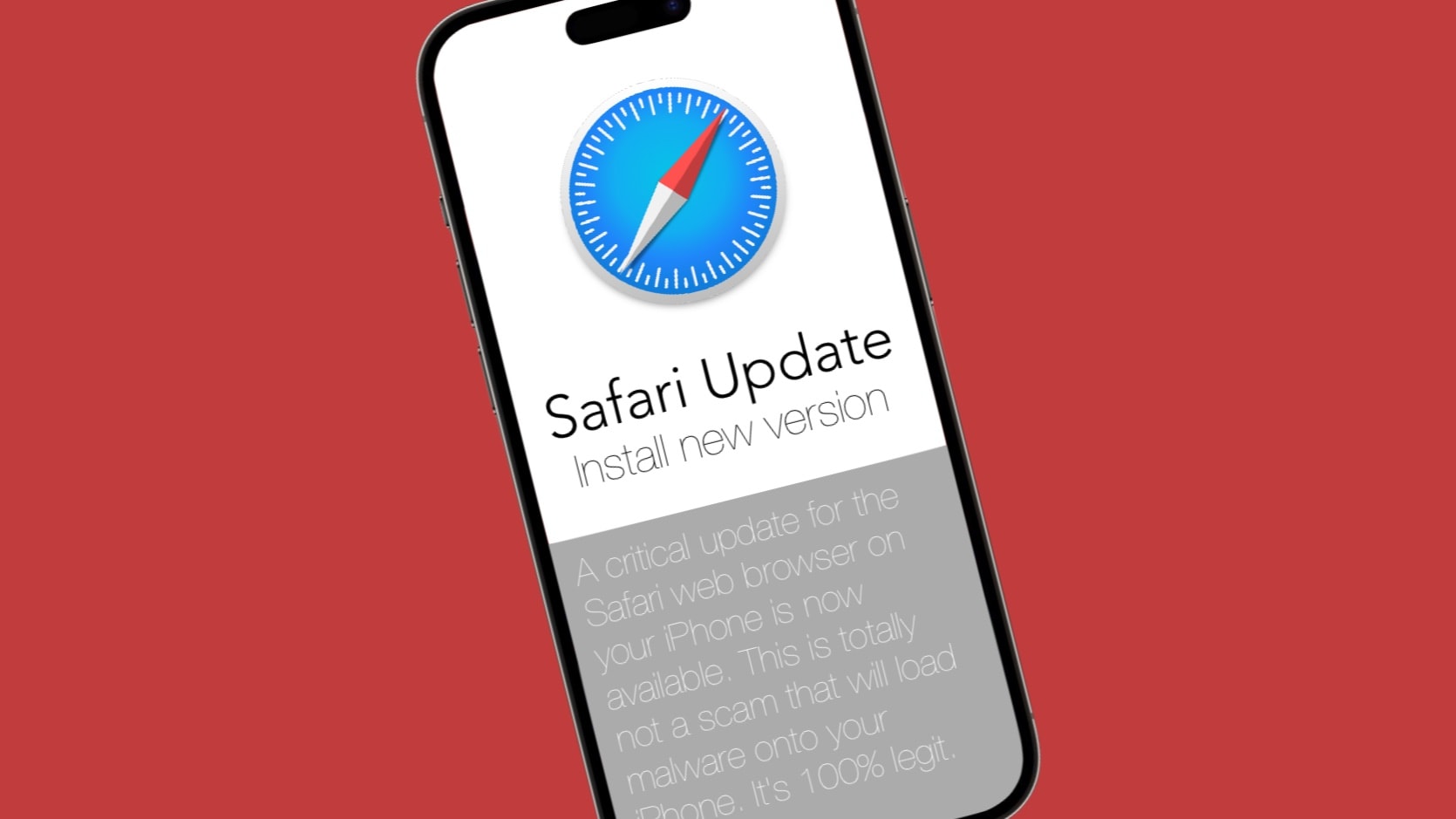
The EU is making it easy for hackers to get malware onto iPhones. Graphic: Ed Hardy/Cult of Mac
Criminals around the world are surely celebrating news that Apple is being forced by the European Union to enable iPhone to install applications from outside the App Store. The move will allow hackers to release a fresh tidal wave of malware, hoping to slip it onto iOS handsets. iPhone users will be forced to fend off attempts to trick them into installing this malware virtually every day.
And well-known, unscrupulous companies will take advantage of the new security hole, too.
No, the App Store isn't closed. But big changes are taking place behind the scenes. Photo: Apple
Apple has launched a major project to allow alternative app stores on iPhones and iPads by 2024. The effort is meant to comply with the European Union’s Digital Markets Act, which comes fully into force then, and other possible national or regional laws that will make Apple allow sideloading of apps, according to new report Tuesday.
The end result should see Apple allowing people to download third-party software to iPhones and iPads from somewhere other than the App Store for the first time.
Apple is testing a USB-C iPhone, finally. Photo: Ed Hardy/Cult of Mac
Apple is testing an iPhone with a USB-C ports and planning to launch a USB-C adapter that can be used with devices with Lightning connectors, according to a new report.
The news comes on the heels of an analyst’s prediction on Wednesday that the switch to USB-C in Apple’s handsets will come with iPhone 15 in 2023.
The European Commission's draft law could force companies to detect, remove and report CSAM. Photo: European Commission
According to a new report, the European Commission could release a draft law this week requiring tech companies like Apple and Google to better police their platforms for illegal images of child sexual abuse, known as CSAM.
The law would require tech companies to detect, remove and report images to law enforcement.
iPhone users might soon be able to use tap-to-pay with non-Apple payment systems. In the EU, anyway. Photo: Apple
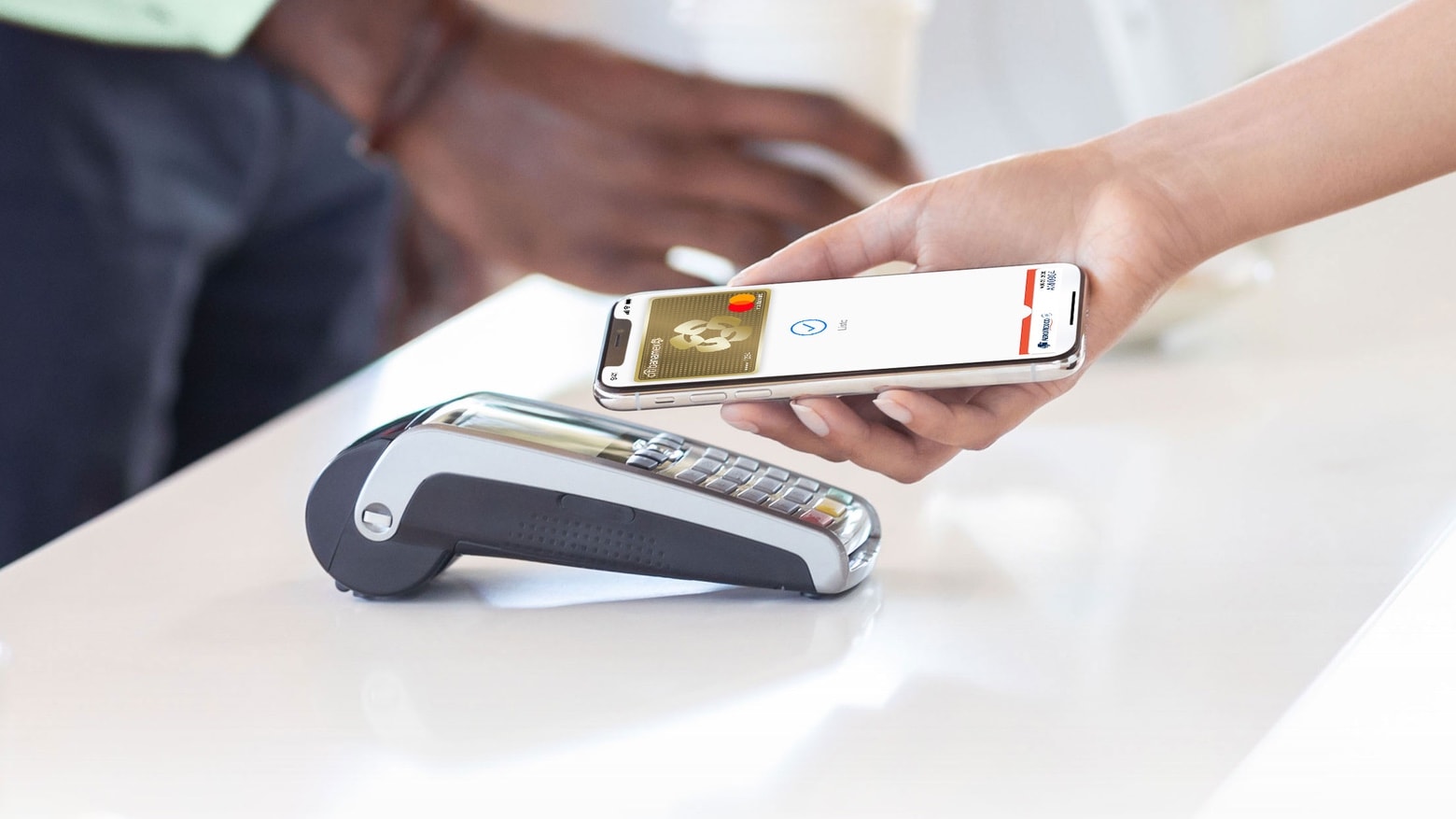
The European Union reportedly plans to accuse Apple of violating the law by limiting access to the iPhone’s NFC capabilities to the company’s own payment system. The goal is to give rival systems like PayPal access to the iPhone’s convenient tap-to-pay function.
Apple claims the limitation is there to protect users’ financial information. The EU calls it anticompetitive.
The European Union takes another step toward tough regulations on tech giants like Apple. Photo: Freestocks.org
The European Union may force Apple to make big changes to its App Store as well as services like FaceTime and Messages, if a leaked version of an EU antitrust proposal becomes law.
The draft is said to be the “final version” of the Digital Markets Act, provisionally approved by EU regulators in March. It seeks to restrict how tech giants operate in order to foster greater competition.
Apple motion for a delay has been denied. Image: Apple/Cult of Mac
The European Union’s head of digital policy believes Apple would rather continue to pay fines than accept new App Store regulation.
Cupertino is currently fighting new rules in the Netherlands that say dating app developers should be allowed to use third-party payment systems. EU competition chief Margrethe Vestager called Apple’s behavior an example of how “gatekeepers” try to circumvent the rules.
If the European Commission has its way, the iPhone Lightning port will be replaced by a USB-C one. Photo: Ed Hardy/Cult of Mac
The European Commission put forward legislation Thursday that would make USB-C the standard port for all smartphones and tablets. The move seems aimed directly at Apple and the Lightning port used in iPhone and the budget iPad. But it also would affect super-cheap Android handsets that still use micro-USB.
The proposal also would unbundle the sale of chargers from the sale of electronic devices.
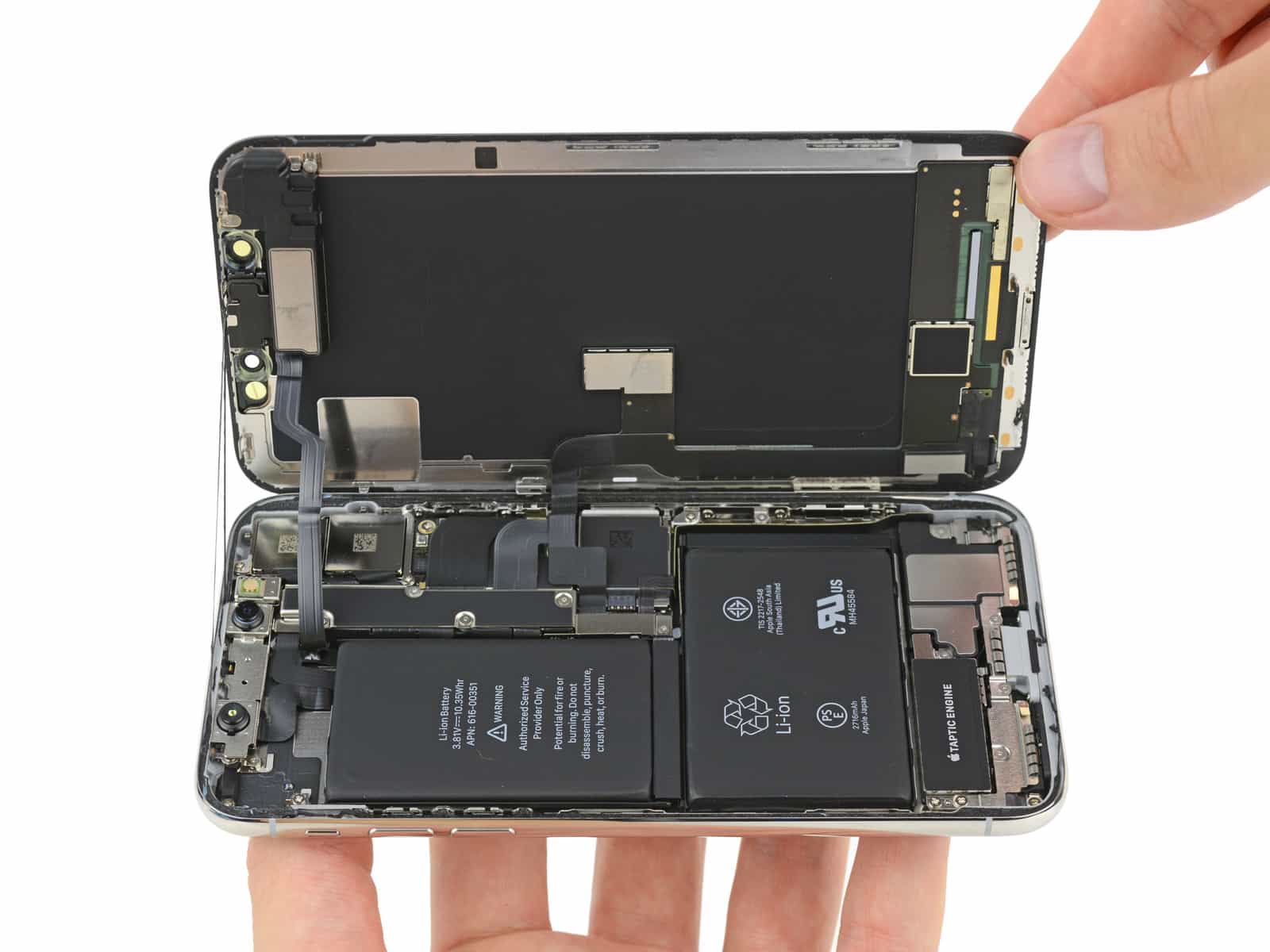
It is calling on the European Commission to enforce stricter rules. Photo: iFixit
Germany is calling on the European Union to force smartphone makers like Apple and Samsung to repair and update their devices for at least seven years. It also wants manufacturers to offer spare parts at reasonable prices.
The European Commission has already proposed stricter rules for mobile device vendors. It’s all part of an effort to reduce waste by ensuring smartphones and tablets can remain in use for longer.
The European Union is reportedly working on a mobile digital wallet that could support far more types of identification documents than Apple’s Wallet app. While Wallet can store your credit and debit cards, along with passes and tickets, the EU’s digital wallet will allow EU members to store their driver’s license, access various private and public services, and more.
As first noted by the Financial Times, the app will centralize access to a whole lot of information using a single online ID. Up until now, EU member states have had their own digital IDs. However, these have not all been compatible with one another and adoption has been low. Now the EU is looking at creating one unified solution.
European Commission trustbuster Margrethe Vestager has her sights set on Apple Pay. Photo: ECR Group/Flickr CC
The European Union has warned Apple that regulators’ investigation into Apple Pay is going ahead. In an interview with Bloomberg News, EU Competition Commissioner Margrethe Vestager said the Apple Pay case is “quite advanced” and “something that we’re pushing forward.”
European Commission trustbuster Margrethe Vestager, center, thinks Apple may be breaking the rules. Photo: ECR Group/Flickr CC
European Union competition chief Margrethe Vestager is reportedly set to this week issue charges against Apple suggesting that its control of the App Store violates EU rules.
According to the Financial Times, the announcement will be made late this week. This is based on conversations with “several people with direct knowledge of the announcement.”
Government agencies in the EU and UK are looking into whether the iPhone App Store violates their antitrust laws. Photo: Sora Shimazaki/Pexels CC
Spotify’s accusation to the European Union that Apple uses its control of the App Store to squeeze out competition reportedly will soon result in antitrust charges being filed against the iPhone-maker. This comes on the same day the UK begins an investigation of the App Store.
The two antitrust agencies could force Apple to lower the commissions it charges software developers. Or even require rival iPhone app stores.
The battle between Apple and Fortnite maker Epic Games continues as Epic is appealing to European Union antitrust regulators to take action, Reuters reports Wednesday.
The report notes that Epic is turning to Europe after “failing to make headway” in the United States. The EU already has multiple antitrust investigations ongoing involving Apple. These concern the App Store and Apple Pay, both of which they are concerned show Apple abusing its marketplace position.
The European Union wants to overturn Apple’s 2020 victory in the massive $14.8 billion tax dispute, which has been raging for the past several years.
Bloomberg reported Monday that the appeal challenges a July court judgment ruling against Apple. The court decision going against the EU was a big setback for lead Commissioner Margrethe Vestager.