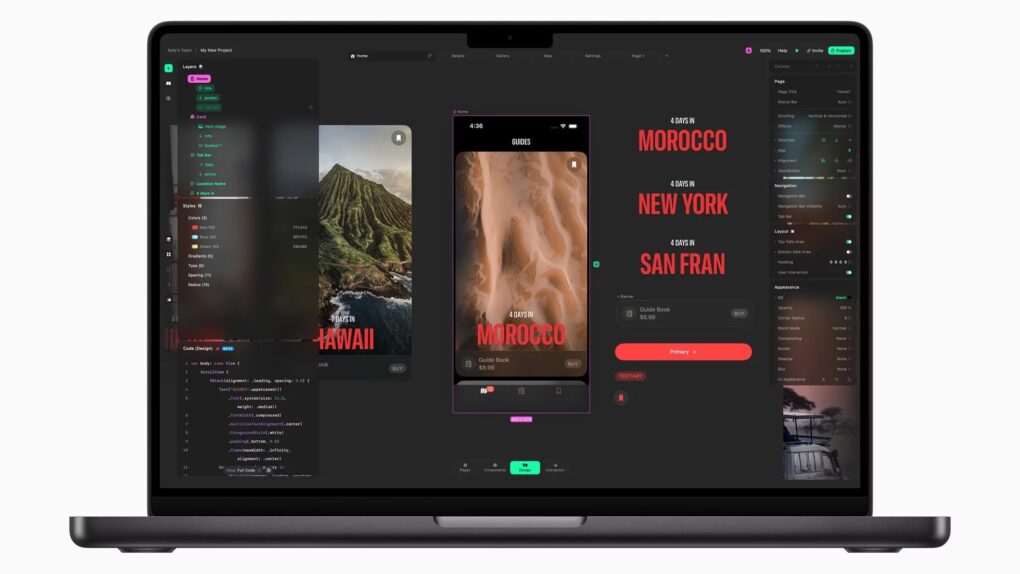
Apple snapped up the maker of the SwiftUI app Play. Photo: Apple
Apple just acquired assets from Rabbit 3 Times, the New York-based company behind Play, an iOS and macOS app that let developers design, prototype and generate SwiftUI code in real time. The deal surfaced this week when the European Commission published the filing on its Digital Markets Act acquisitions page. Play won an Apple Design Award for innovation in 2025.
Setapp Mobile's demise in the EU could be a cautionary tale for other developers. AI image: Grok/Setapp/Cult of Mac
Setapp Mobile, MacPaw’s ambitious alternative iOS app store for European Union users, will close its doors in February after just over a year of operation, the service said Thursday.
On a support page, MacPaw cited Apple’s “still-evolving and complex business terms that don’t fit Setapp’s current business model” as the reason.
Live Translation with AirPods breaks the language barrier. Photo: Apple
Apple’s nifty new feature that lets AirPods translate speech in real time will reportedly become available to EU residents while they’re in Europe next month.
That will put an end to an odd situation: Currently, non-Europeans can use the AirPods Live Translation feature while in Europe, and EU residents can use it when traveling outside the European Union but not within the EU.
The EU's Digital Markets Act causes plenty of headaches for Apple. Photo: European Commission
The European Union pushed back Thursday after Apple said the Digital Markets Act — antitrust legislation aimed at broadening competition among tech companies — is backfiring on consumers and forcing Apple to delay key features for European users.
In a detailed statement submitted during the EU’s review process, Apple claimed the DMA is achieving the opposite of its stated goals. Apple’s statement, issued Wednesday, was the company’s strongest criticism of the law to date, and EU leaders did not care for it. But European Commission spokesman Thomas Regnier said the lawmakers were “not surprised” by Apple’s stance.
“Apple has simply contested every little bit of the DMA since its entry into application,” said Regnier in a Politico article, adding that Apple has snubbed EU efforts to have positive talks on the matter. “This undermines the company’s narrative of wanting to be fully cooperative with the Commission.”
In addition to the European Commission, some users took issue with Apple’s statement slamming the DMA.
The EU's Digital Markets Act causes plenty of headaches for Apple. Photo: European Commission
Apple appears set to dodge potentially devastating daily fines from European Union regulators, according to a new report Tuesday. Sources indicate the company’s revised App Store policies will likely receive approval in the coming weeks.
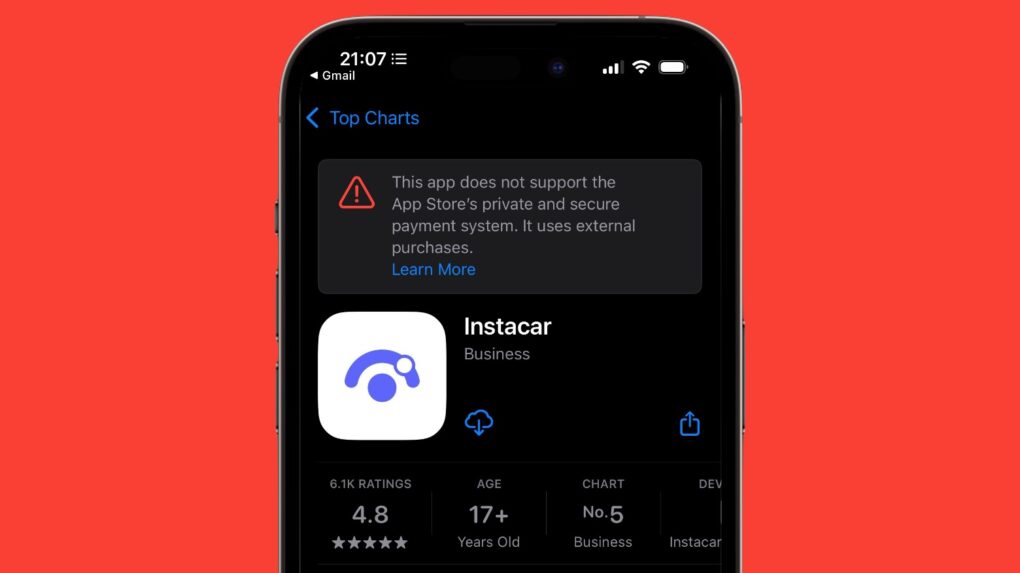
Is this a fair warning? Photo: Victor Maric/Cult of Mac
By E.U. law, Apple must let iPhone applications include payment systems other than Apple’s own. But in a move that seems calculated to convince customers and developers to avoid these alternatives, there’s now a “scare screen” on applications that do not offer Apple’s payment system in the European Union version of the App Store.
The EU wants Apple to make it easier for iPhone users to install applications outside the App Store. AI image: Grok
The system Apple set up to enable EU residents to load apps onto their iPhones outside the App Store violates the Digital Markets Act, according to a decision handed down Wednesday by the European Commission. It cites “overly strict eligibility requirements” and Apple’s new Core Technology Fee as reasons.
It’s a preliminary decision, but if Apple doesn’t make the app sideloading process easier, the DMA gives the European Commission the right to hit the iPhone maker with hefty fines.
AirDrop and AirPlay are now in the EU’s sights. Image: Apple
AirDrop and AirPlay are the latest Apple technologies the European Union wants to make more interoperable. This would give third-party developers, including rival handset makers, access to the tech.
But Apple is pushing back hard. Apple has made the jaw-dropping claim that opening up AirDrop and AirPlay would allow companies like Meta (which owns Facebook, Instagram and WhatsApp) to read all your emails, messages, photos and even passwords!
Apple must pay the EU 13 billion euros for its Irish tax dodge. Photo: Cult of Mac
Apple ran out of appeals after a Tuesday ruling by the European Union’s highest court that the iPhone-maker must pay 13 billion euros ($14.3 billion) in taxes it’s owed since 2016.
It’s the final result of a scheme in which Apple tried to lower its taxes by routing European revenues through Ireland, where it was charged a lower tax rate.
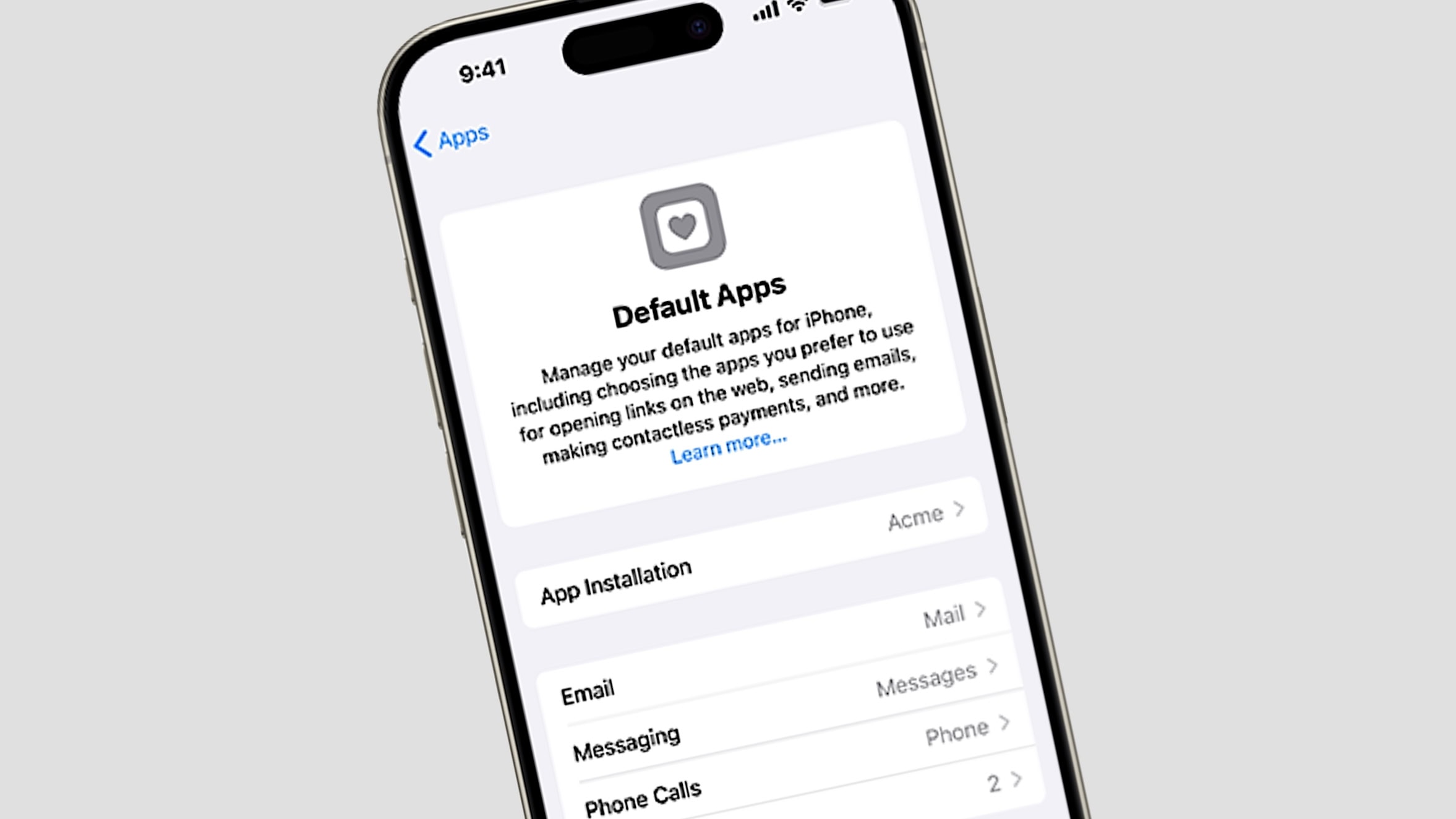
A new default apps section is coming to Settings with iOS 18 ... but only in the EU. Image: Apple
European iPhone and iPad users will be able to kick Apple’s Phone and Messages apps to the curb if they wish. The same goes for an array of other applications that iOS currently makes the default options.
These join a long list of other changes being forced on Apple by the EU’s Digital Markets Act.
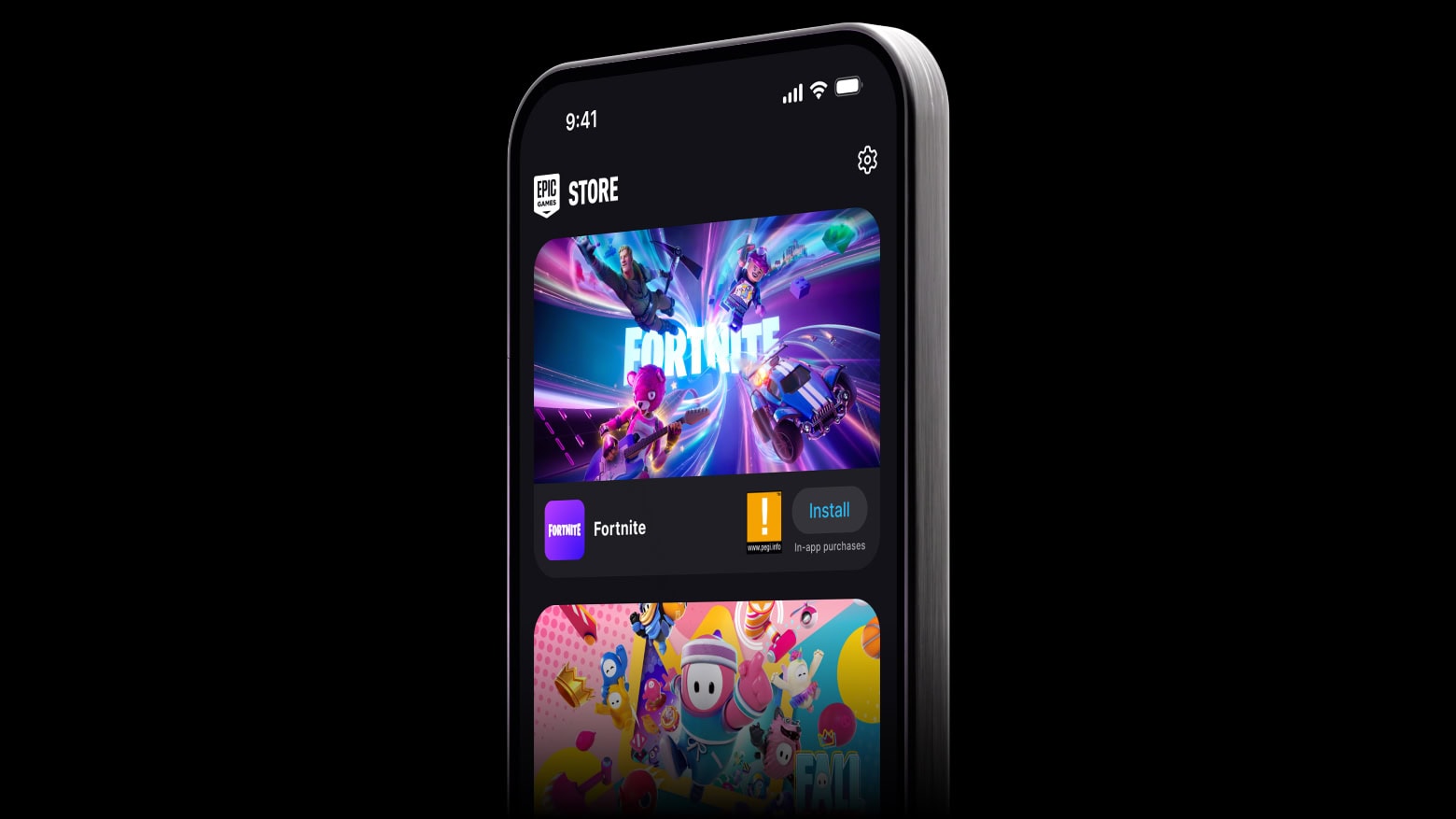
Fortnite for iPhone is back! But only if you live in the right area. Photo: Epic Games
The Epic Games Store launched Friday, allowing iPhone users to install the popular Fortnite for the first time since Apple kicked Epic out of the official App Store in 2020.
But there’s an important caveat: the new iOS app marketplace is available only in the European Union.
The EU's Digital Markets Act causes plenty of headaches for Apple. Photo: European Commission
Apple is making changes to its App Store policies in the European Union to comply with the Digital Markets Act. It’s essentially easing linking rules for developers, so they can send customers elsewhere than the App Store for purchases. And it’s attaching new fees for sales that result from the links.
Sorry EU, no Apple Intelligence for you! Image: Lewis Wallace/Cult of Mac
Apple revealed Friday that it will not introduce in the European Union the artificial intelligence features for iPhone, Mac and iPad it recently announced. The company blamed the EU’s Digital Markets Act for the decision.
Several other new features of the upcoming macOS Sequoia, iOS 18 and iPadOS 18 will also not debut in the EU.
Apple is allegedly trying to evade a provision of the DMA. Photo: Sora Shimazaki/Pexels CC
The European Commission is reportedly getting ready to charge Apple for not following rules laid down by Digital Markets Act that require the iPhone maker to allow third-party software developers to “steer” consumers to offers outside the App Store, free of charge.
If found guilty, Apple faces potentially heavy fines.
iPad has been designated a gatekeeper by the EU, and Apple has to open those gates. Image: Cult of Mac
The iPad joined the European Union’s list of “gatekeeper” platforms Monday. The designation requires Apple to make the same sorts of sweeping changes to iPadOS that the company already made to iPhone, including allowing sideloading of applications.
Apple has six months to implement the modifications.
The EC is not convinced that Apple has changed App Store rules enough to comply with the Digital Markets Act. Photo: Sora Shimazaki/Pexels CC
The European Commission opened a noncompliance investigation Monday into whether Apple is fully following the rules that went into effect with the EU’s Digital Markets Act. If not, Apple faces potentially heavy fines.
The Mac-maker isn’t being singled out. The EC also opened similar investigations into Alphabet/Google and Meta/Facebook.
iPhone sideloading just got much closer to actual sideloading. Photo: Apple/Cult of Mac
EU developers can forgo the App Store entirely and distribute their apps directly to iPhone users from their own websites, Apple said Tuesday. This is a significant reversal from Apple’s original rules, which required devs that wanted to skip the official App Store to place iPhone software in third-party software marketplaces.
In another major change, Apple also will allow EU developers to create app marketplaces that sell only their own software.
Making the switch from iPhone to Android will get easier. But there's a caveat. Image: Ed Hardy/Cult of Mac
Apple is building a way out of the iOS “walled garden.” It promised on Thursday to make it easier to switch the data from an iPhone to an Android or other handset.
That said, the migration tool is part of Apple complying with the European Union’s Digital Market Act so the solution might not be available outside of the EU.
The battle between Epic Games and Apple is as cut-throat as anything in Fortnite. Graphic: Cult of Mac
Epic Games will not be able to bring Fortnite back to the European Union. Apple canceled the company’s developer account (again) and called Epic “verifiably untrustworthy.”
Shutting down the developer account also means that the game-maker won’t be able to open its promised rival to the App Store.
iPhone web apps are not about to break in the EU after all. Photo: Ed Hardy/Cult of Mac
Apple changed course and is not disabling iPhone web apps in the European Union. The method for turning websites into applications will not disappear with the release is iOS 17.4 after all.
The flip-flop is just a small aspect of big changes coming to iOS because of EU legislation.
iOS 17.4 will bring changes, but you'll have to live in Europe to get most of them. Image: Apple/Cult of Mac
Apple just seeded the release candidate of iOS 17.4 to developers. When it goes to the general public — probably next week — it’ll bring in a collection of new emoji to iPhone, and a more secure version of iMessage. For Europeans, the update will be a major one, as it’ll usher in sideloading and other changes.
The release candidate for iPadOS 17.4 also came out Tuesday. However, macOS Sonoma 14.4 is still on beta 5.
Apple's new App Store rules for the European Union enrage some developers. Image: danilo.alvesd/Unsplash License/Cult of Mac
A noted Apple critic used the terms “malicious compliance” and “hot garbage” to describe the elaborate rules the company laid down Thursday for allowing European iPhone users to sideload applications.
Those blasts came from Tim Sweeney, CEO of Epic Games, a company that’s locked in a legal battle with Apple over App Store rules. But other devs also cast aspersions on Apple’s framework for setting up App Store rivals. They pointed out that the new system comes with a huge financial obligation, and that it will make free apps almost impossible.
To be clear, though, not all developers are unhappy. Apple’s new rules also drew some compliments.
Soon, third-party developers can offer tap-to-pay options utilizing the iPhone's NFC chip ... but only in the European Union. Image: Cult of Mac
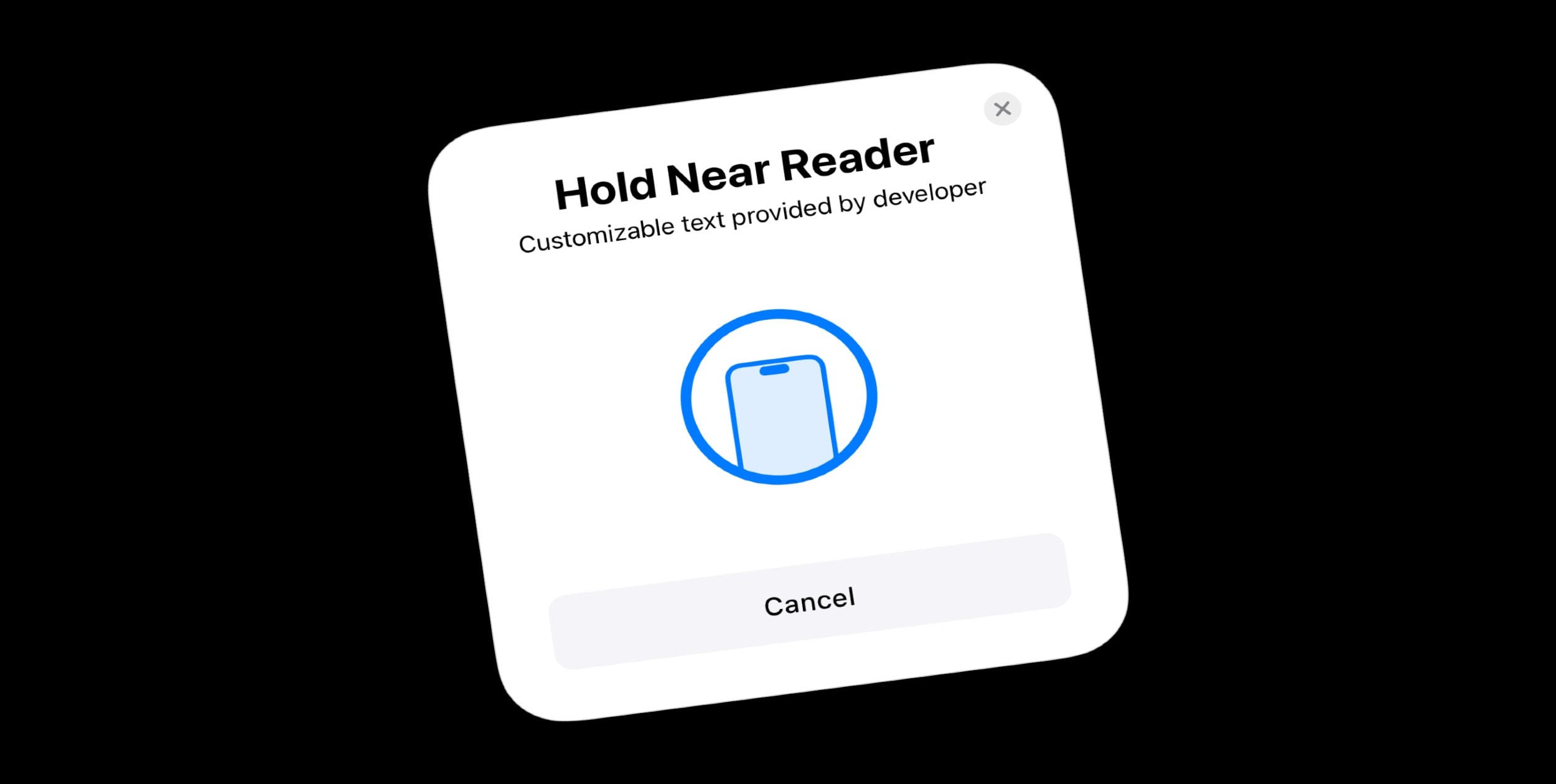
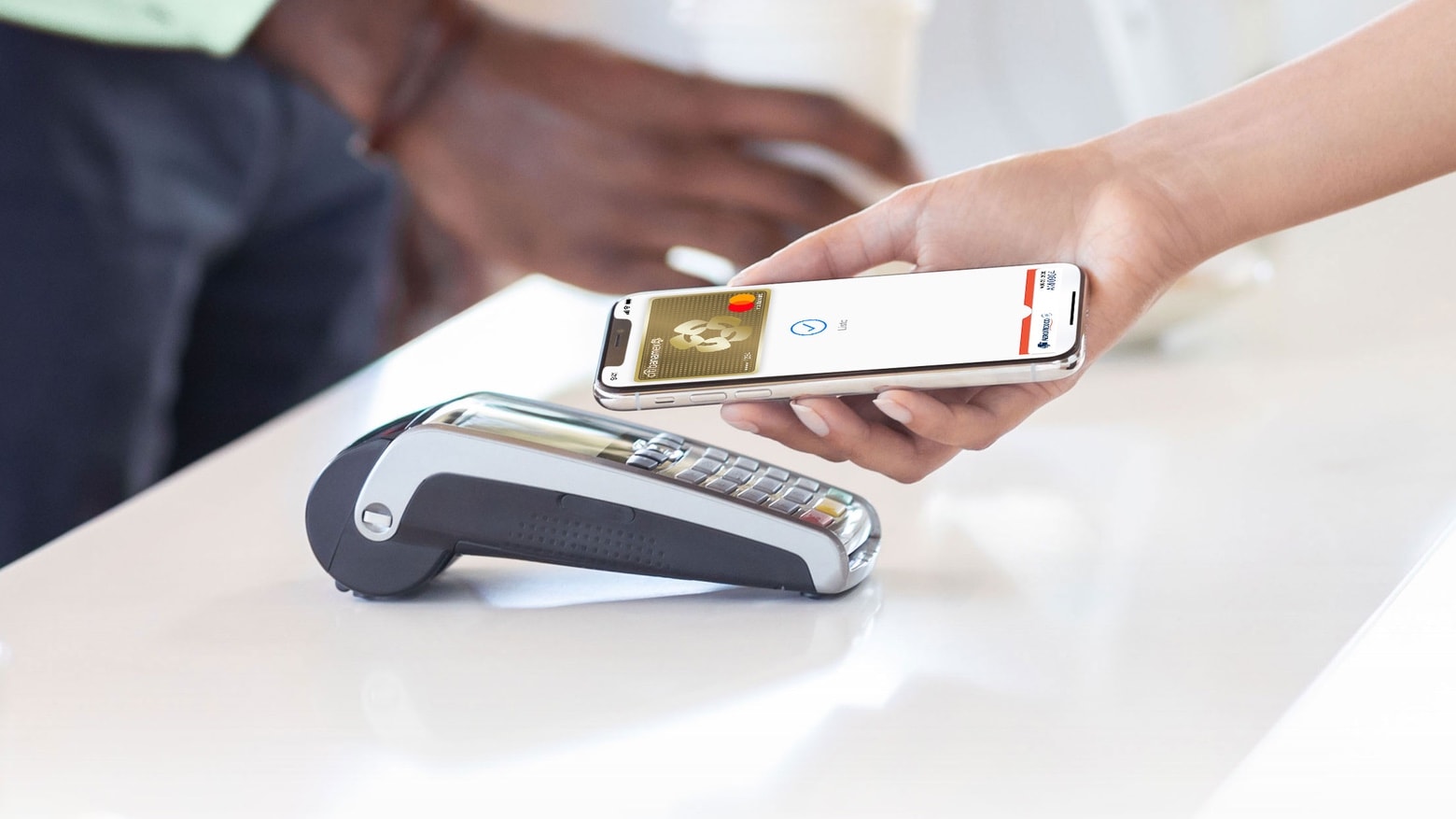
To comply with EU mandates, Apple will open the iPhone’s NFC payment chip to third parties, the company said Thursday. Starting in March, users in the European Economic Area will be able to utilize tap to pay on iPhone services other than Apple Pay when making purchases.
The new payment option, part of sweeping changes forced on the iPhone and iOS by the EU’s Digital Markets Act, could cut into Apple’s services revenue. And the company warns that it could put users at risk. Read more about the expansion of iPhone’s Tap to Pay feature across Europe.
We may soon be making "tap and go" payments with something besides Apple Pay. Photo: Apple
The days of the iPhone’s NFC capabilities being limited to just Apple Pay could be coming to an end. Apple is reportedly open to allowing other systems to use the wireless payment system.
It’s the company’s solution to European Union objections to the iPhone’s NFC limitation.