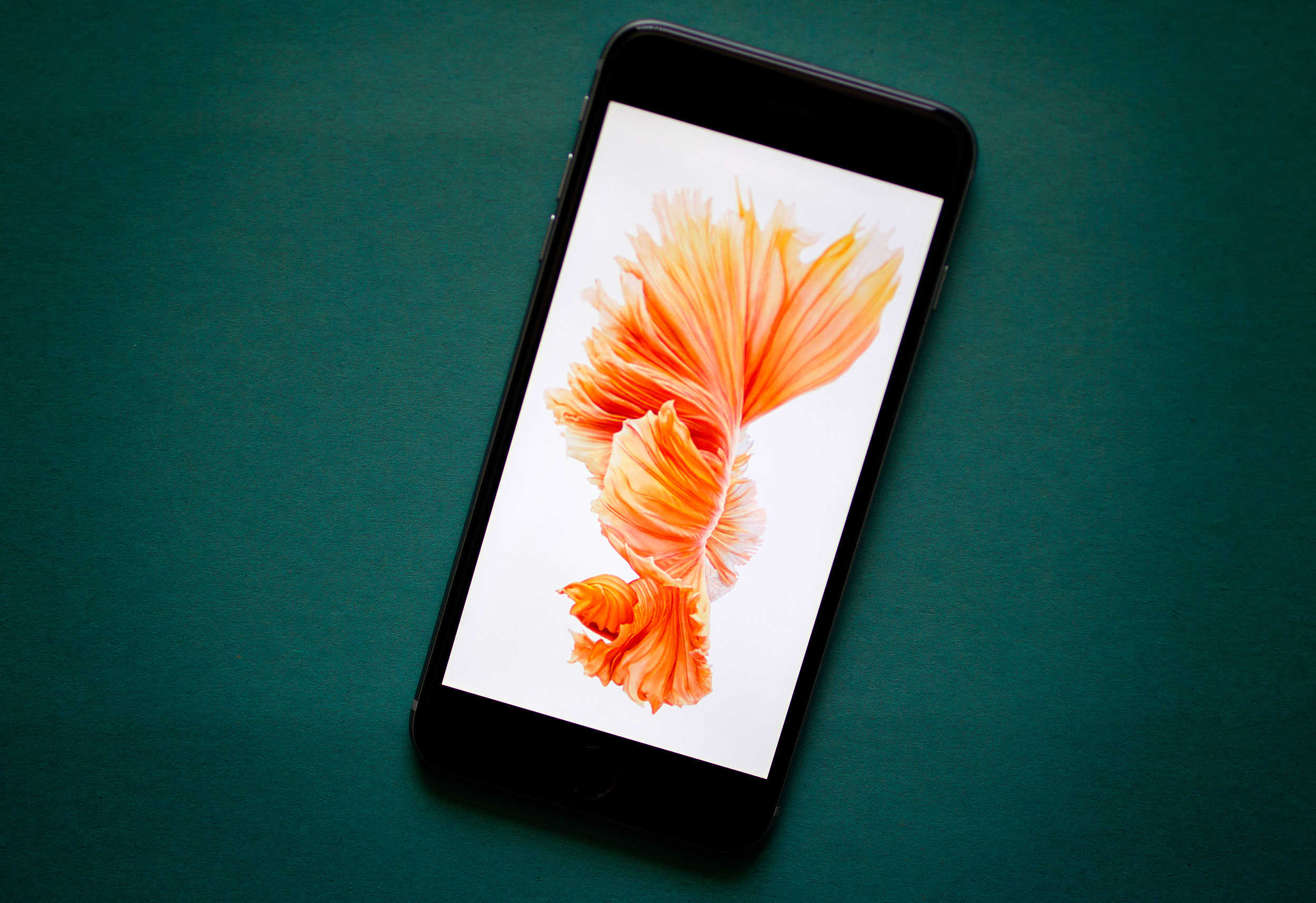
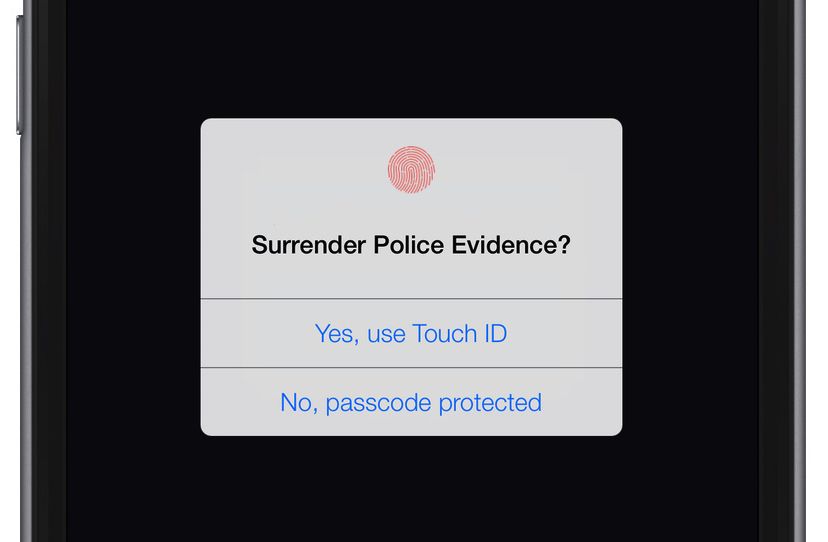
Party's at the Apple Store tonight, apparently. Photo: Evan Killham/Cult of Mac (via Apple and protestsign.org)
The battle for phone encryption is hitting the streets, as iPhone owners are going to gather at the Apple Store in San Francisco tonight in a show of solidarity for the company’s refusal to budge on security.
The bulk of protests will occur next Tuesday, February 23, exactly one week after a court ordered the device maker to allow the FBI access to an iPhone 5c belonging to one of the San Bernardino shooters. But digital-rights group Fight for the Future is stepping up the timetable and hosting its first rally in less than an hour, at 5:00 p.m. PT.
Donald Trump has slammed Apple for its refusal to unlock gunman Syed Rizwan Farook’s iPhone 5c after being requested to do so by the FBI.
“Who do [Apple] think they are? They have to open it up,” Trump told Fox and Friends when asked about Apple’s responsibility to help with the investigation following the attack in San Bernardino, California, which killed 14 people.
Since this privacy-versus-security debate isn’t going away anytime soon, here’s what you need to know about it so far — and why it’s a much, much bigger issue than just one legal case.
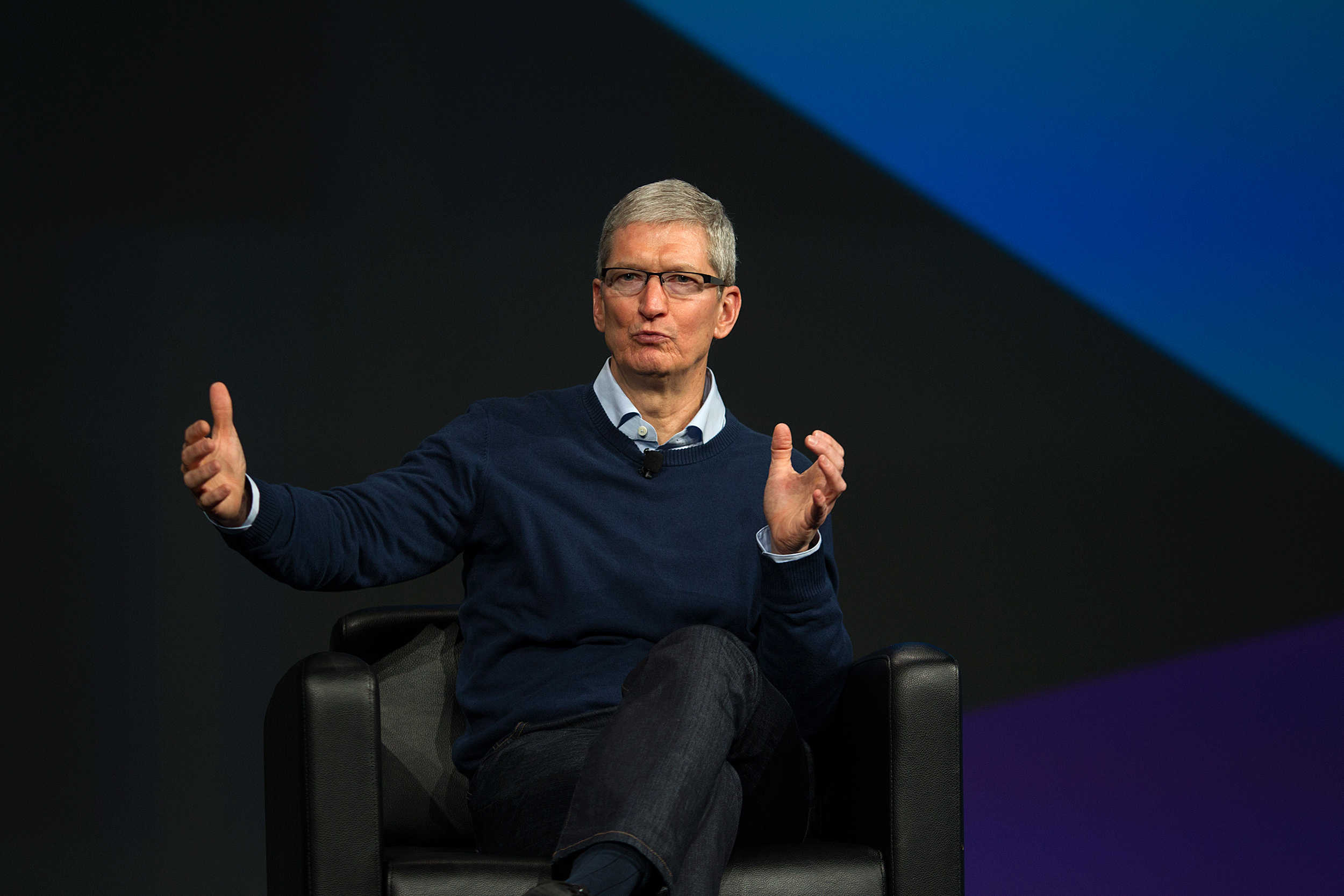
Tim Cook wants the public to be aware of the importance of this issue. Photo: Jim Merithew/Cult of Mac
Apple has posted an open letter, signed by Tim Cook, in response to the FBI’s request that Apple unlock the iPhone at the center of a San Bernardino court case.
While United States magistrated judge Sheri Pym wants Apple to hand the FBI a custom firmware file that would allow the unlocking of the handset in question, Apple argues that this represents an, “unprecedented step which threatens the security of our customers.”
And Cook wants the public to be aware of all the details.
Gmail is safer than ever. Photo: Jay Wennington/Unsplash
It’s Safer Internet Day 2016, and Google just announced two big changes for Gmail that will make it even more secure. Starting this week, the company will make it easier to identify unencrypted and unauthenticated emails to make life even harder for scammers.
Should Apple cave when it comes to encryption? Photo: Jim Merithew/Cult of Mac
Apple is a fierce defender of its customers’ privacy, which is why every iPhone and iPad has its data encrypted by default. But according to AT&T CEO Randall Stephenson, Apple and CEO Tim Cook should show their bellies and let Congress decide whether encrypted data should be accessible through backdoors by government agencies.
Designed by Apple in California. Just not for sale there. Photo: Jim Merithew/Cult of Mac
Apple could be banned from selling iPhones on its home turf of California if a new bill banning unbreakable encryption is passed.
Called bill 1681, the proposed law was put forward by California assembly member Jim Cooper, who wants any smartphone sold in California after July 1, 2015 to be “capable of being decrypted and unlocked by its manufacturer or its operating system provider.”
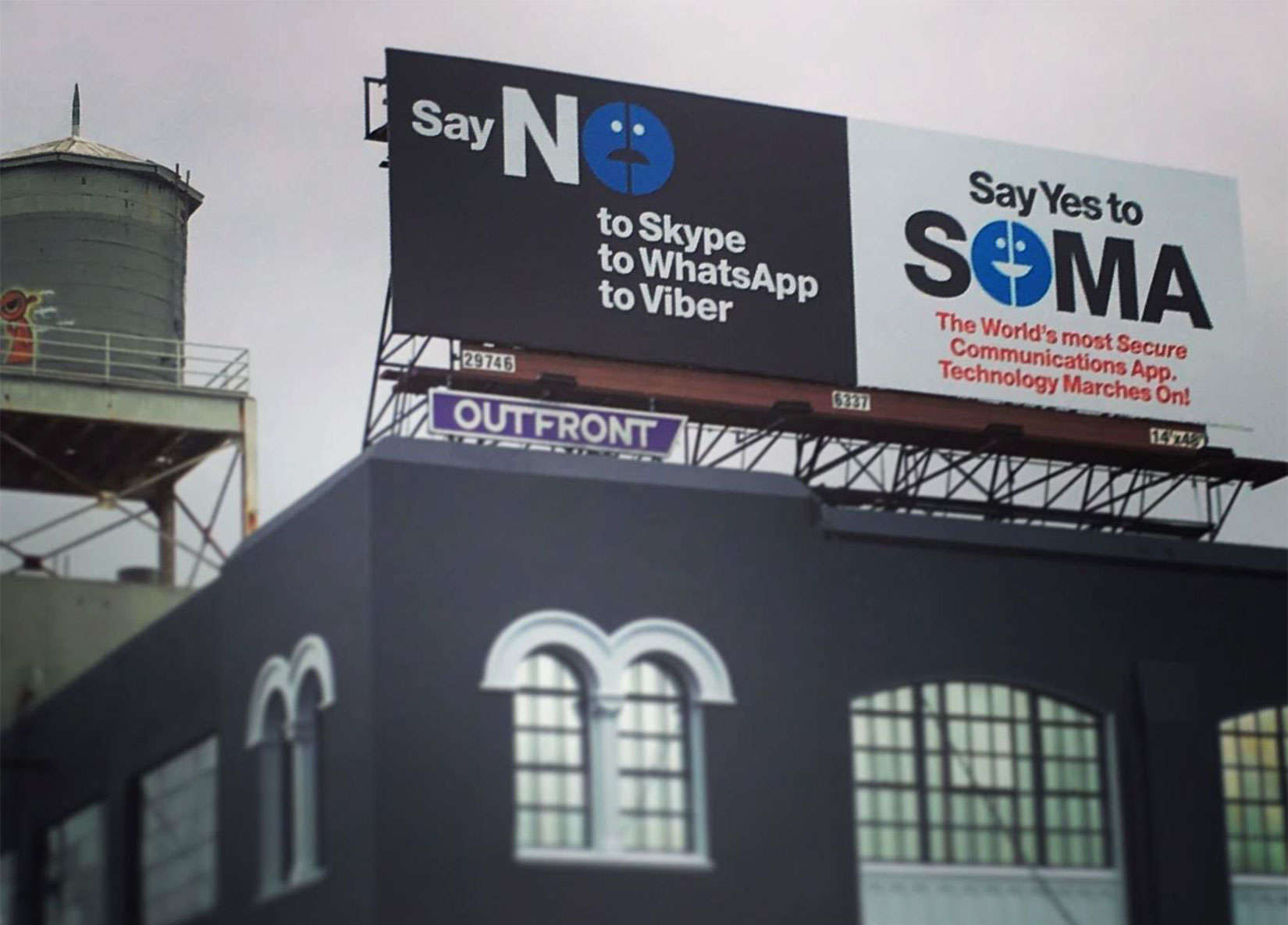
SOMA wants to grow its users for security reasons. Photo: SOMA
If you are unfamiliar with the messaging app SOMA, you will soon learn about them through a confrontational advertising campaign that implores people to give up on Skype, WhatsApp and Viber.
It’s for your own good, the company says.
SOMA Messenger encrypts data end-to-end and auto-deletes messages, its team declaring the app to be the most secure in the space. It also allows up to 500 people for group chats and up to four in group video or voice calls.
People in New York don’t actually need cell phones, do they? Photo: Dariusz Sankowski/Pixabay
Have you heard the one about the phone encryption bill in New York that will fine retailers $2,500 for each cell phone they sell that can’t be decrypted?
That set-up is its own punchline. This bill is a terrible idea.
Tim Cook thinks the government needs to be strong in its pro-encryption message. Photo: Jim Merithew/Cult of Mac
Tim Cook reportedly hit out during a meeting of White House officials with tech leaders in San Jose last week, slating the White House for its lack of leadership and insisting that the Obama administration should issue a strong public statement defending anti-encryption software.
China argues new laws are necessary to keep citizens safe. Photo: AppleChina argues new laws are necessary to keep citizens safe. Photo: Apple
China’s Foreign Ministry said today that U.S. tech companies have nothing to fear from the country’s new anti-terrorism law, which could require companies to create “back doors” in products, or to hand over encryption information to the Chinese government.
Services like iMessage could be affected by the U.K.'s Investigatory Powers Bill. Photo: Apple
Apple has publicly criticized the U.K.’s draft Investigatory Powers Bill, a.k.a. the “snooper’s charter,” for fear that forcing companies to create backdoors in encryption services like iMessage could “hurt law-abiding citizens.”
SOMA Messenger is gaining popularity around the world for free and secure communication. Photo: Instanza Inc.
Harvard classmates Lei Guo and Oliver Hayen created what could have been just another messaging app. They knew they had something unique, as every app development team claims, so they put it in the hands of 2,000 people and hit launch.
Within 30 days, their app SOMA Messenger had 10 million users and has been growing since. They’d love to brag about who is using it, except they can’t because of security measures built into the app that prevents even them from knowing SOMA’s users.
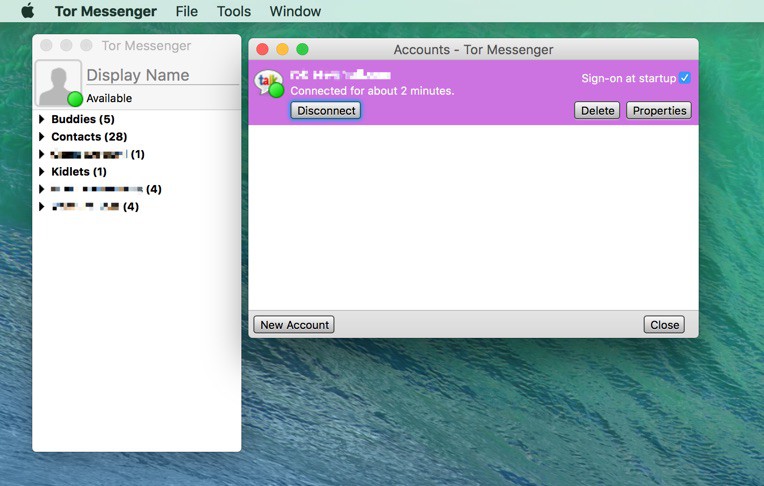
Even some of my screenshot has to be secure. Screen: Rob LeFebvre/Cult of Mac
While you may chat about state secrets while on your Mac at work, you might not want your chats to get out there or be archived. The answer is to use encryption so no one can intercept your messages and figure out you’re really angry at your boss.
The Tor Project aims to make anonymous, off-the-record chats simple with a new instant messenger app you can run on your Mac or Windows PC. Simply run the app (now in beta), log in to your preferred instant messaging service or services, and talk about whatever you want, secure in the knowledge that your chats are safe from your boss’ prying eyes.
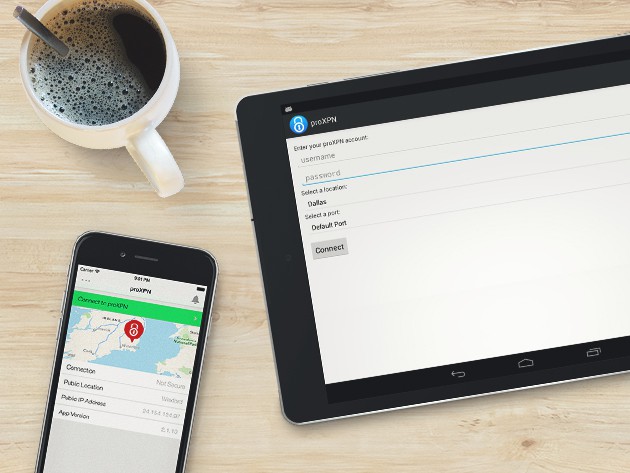
A lifetime subscription to proXPN VPN will keep your online activity secure and anonymous. Photo: Cult of Mac Deals
These days, it’s all too easy to feel vulnerable whenever conducting a transaction, sending a message, or even just idly surfing the web. One way to feel secure is with a secure virtual private network, and for those of us without the IT chops to set one up ourselves there’s proXPN VPN. Right now you can get a lifetime subscription to proXPN’s VPN service for a full 98% off the normal price, $39 at Cult of Mac Deals.
Apple's muckin' with a G here, pal! Photo: The Untouchables, Paramount Pictures
The F.B.I. and Department of Justice are so concerned about Apple’s pro-privacy iOS encryption that senior officials advocated taking Apple to court over the issue, according to a new report.
New York cops say iPhone encryption is making their job harder. Photo: Cult of Mac
Law enforcement has a love-hate relationship with the iPhone. Features like Activation Lock have helped crack down on smartphone thefts, but there’s always the lurking threat of someone asking Siri about 9/11 and accidentally dialling 911 in the process.
The latest issue police are butting heads with Apple about relates to the company’s late-2014 decision to no longer maintain decryption keys which let Apple unlock iOS 8 devices for police as part of active investigations.
FBI director isn't too keen on Apple's security measures. Photo: 1Password
There’s just no getting around it: FBI director James Comey isn’t a fan of encryption.
In an open letter, Comey writes that the kind of security seen on devices like the iPhone do more to hurt us than they do to help — potentially even aiding terrorist groups such as ISIS.
“I really am not a maniac (or at least my family says so),” he claims. “But my job is to try to keep people safe. In universal strong encryption, I see something that is with us already and growing every day that will inexorably affect my ability to do that job.”
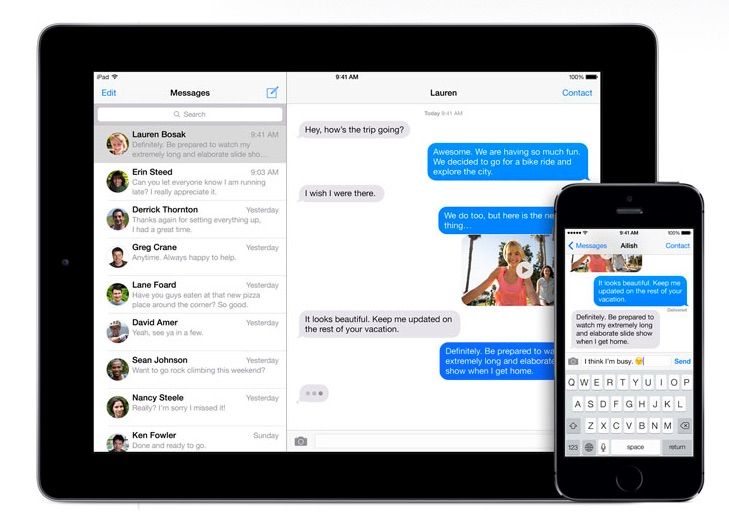
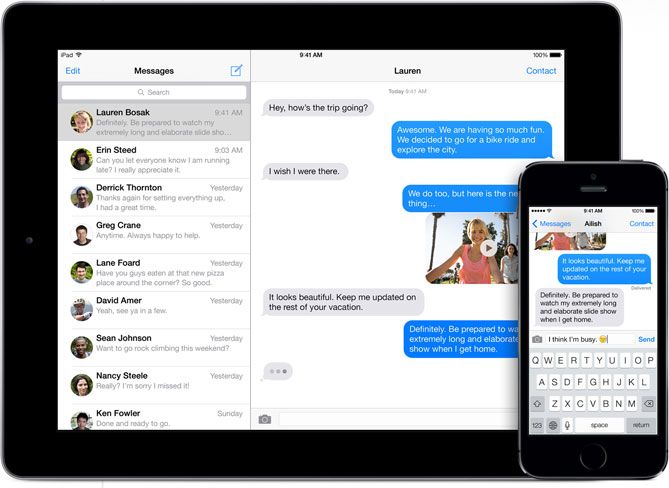
One of the great things about iMessage and FaceTime is that it encrypts your messages automatically, making it very, very difficult for hackers to spy on the messages you send.
But guess what? If U.K. Prime Minister David Cameron gets his way, iMessage and FaceTime encryption might soon be a thing of the past.
This post is brought to you by IdeaSolutions, creator of KYMS.
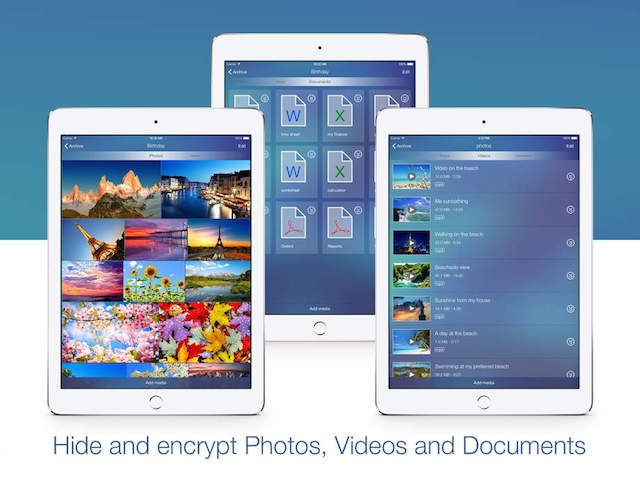
What better way to keep your media safe than to encrypt your files and hide them behind an iOS app that appears to be nothing more than a stylish calculator? KYMS (Keep Your Media Safe) encrypts all your multimedia files, photos, documents, passwords and much more, then stashes them inside a military-grade vault that’s hiding in plain sight.
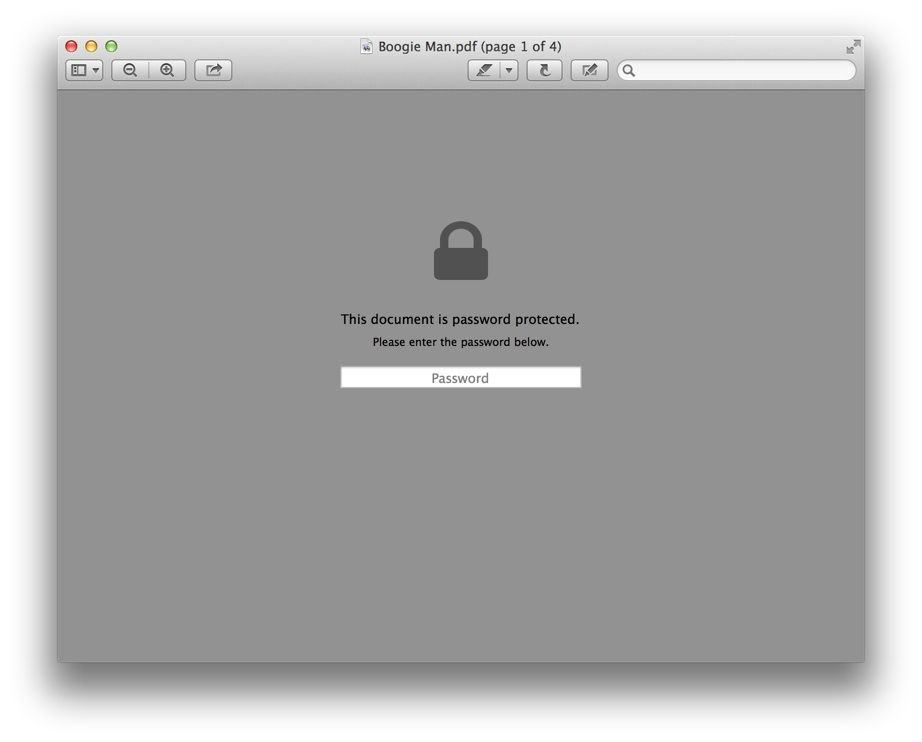
Every once in a while, you might want to password protect a PDF file with encryption. While there are several nice third-party apps that will do the trick, the simplest way to do this is with the built-in image and PDF viewer, Preview.
If you want to be sure your data is secure on your Mac, Apple has provided an easy way to do so. They’ve created File Vault, accessed via the System Preferences, to encrypt your startup drive with some heavy duty file security.
You’ll need OS X Lion or later, and you’ll have to have an OS X Recovery partition on your drive. This last bit is typically installed on newer Macs, anyway, but to test it out, reboot your Mac and hold the Command-R key down. If you see an OS X Recovery screen, you’re good to go.
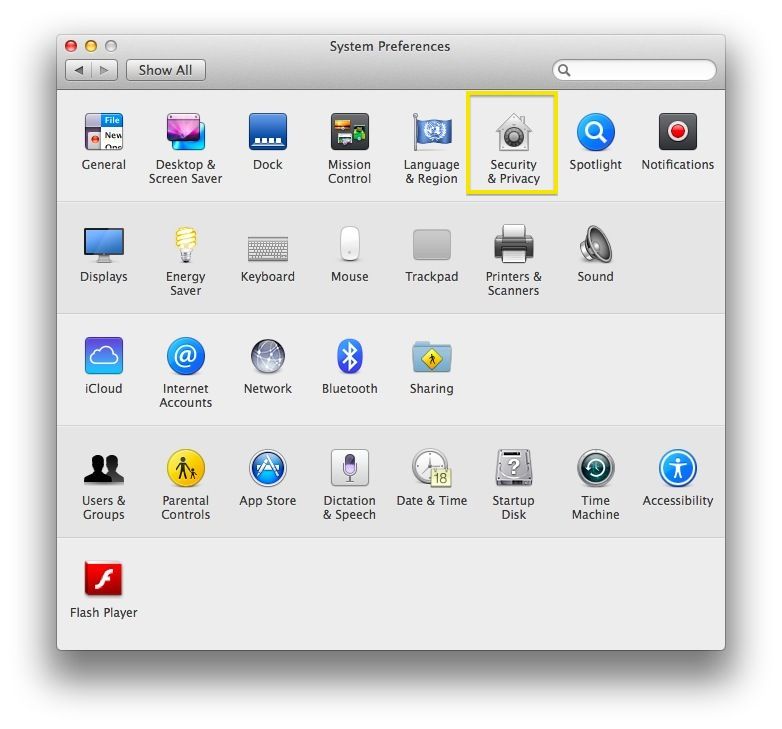
Setting up FileVault is even easier than that. Just launch System Preferences and click on Security & Privacy to get started.
Just because you’re paranoid doesn’t mean they aren’t out to get you. But short of installing an air-gap, what can you really do to improve security on your iDevices?
The good news is that your iPhone is probably the safest phone you can use, but you would be correct not to trust any U.S-based company with your data, even Apple (which makes its money selling you shiny toys and may therefore be less interested in selling your data).
But if you want to move as much of your data as possible away from iCloud, here are some service and products to help you. You won’t find them as convenient as Apple’s built-in services, but they might keep your data a little safer.
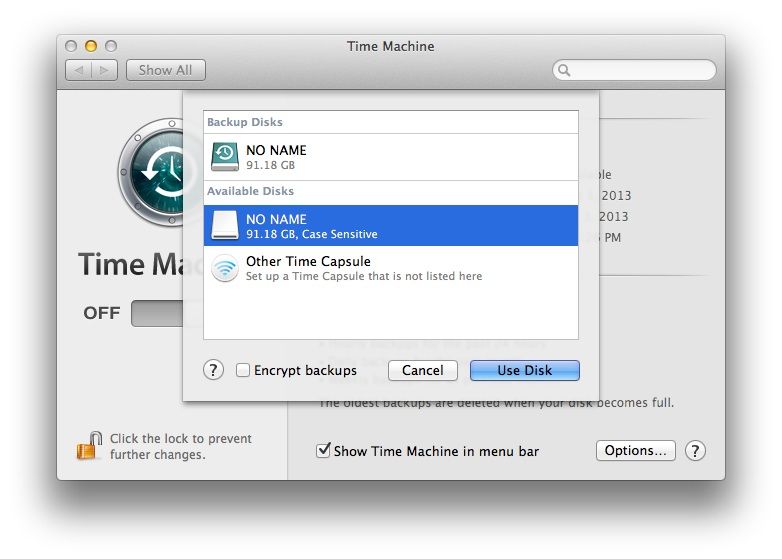
Backing up your Mac via Time Machine is highly recommended, and super easy to do, as well. It’s really the only backup system I’ve ever found myself using on a regular basis, because it’s so simple to use and easy to set up. All you need to do is connect any USB drive to your Mac, head to the Time Machine preferences, and select that USB drive as your Time Machine backup. Mac OS X does the rest.
I was thinking, though, that since I back up my Macbook Air onto a 128 GB flash drive, it’s even more possible than ever that someone might get a hold of the drive and then be able to have all my backed up stuff on it. That’s not a huge deal for me, as I don’t keep much on the Macbook Air in terms of private stuff, but if I did, I’d want to keep those files extra secure.
Encryption could be the answer, and Mac OS X Mountain Lion makes it easy.