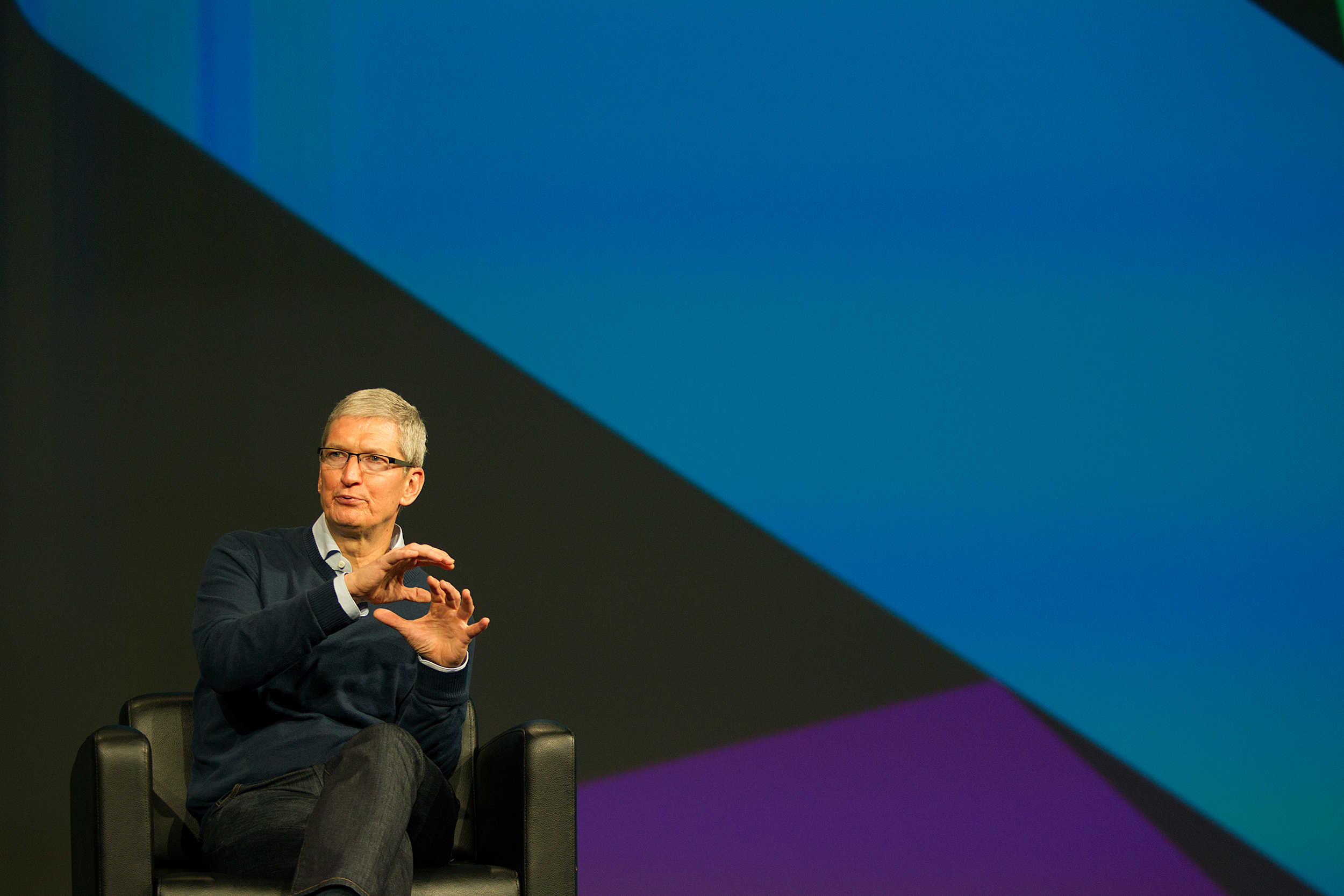
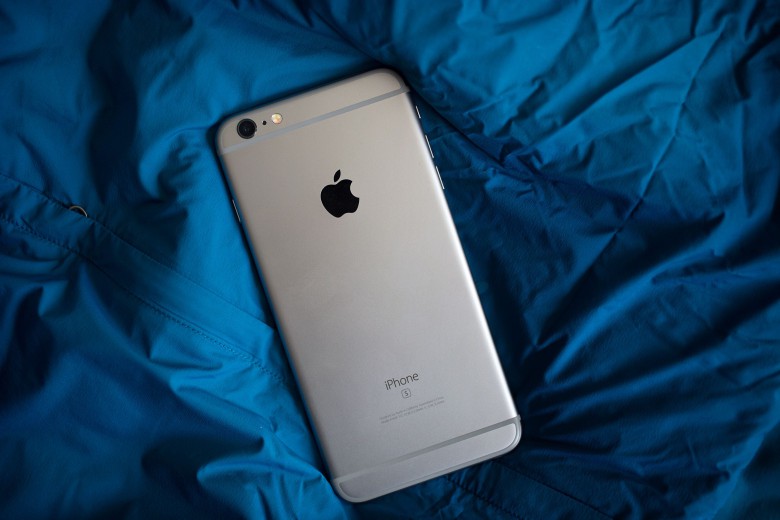
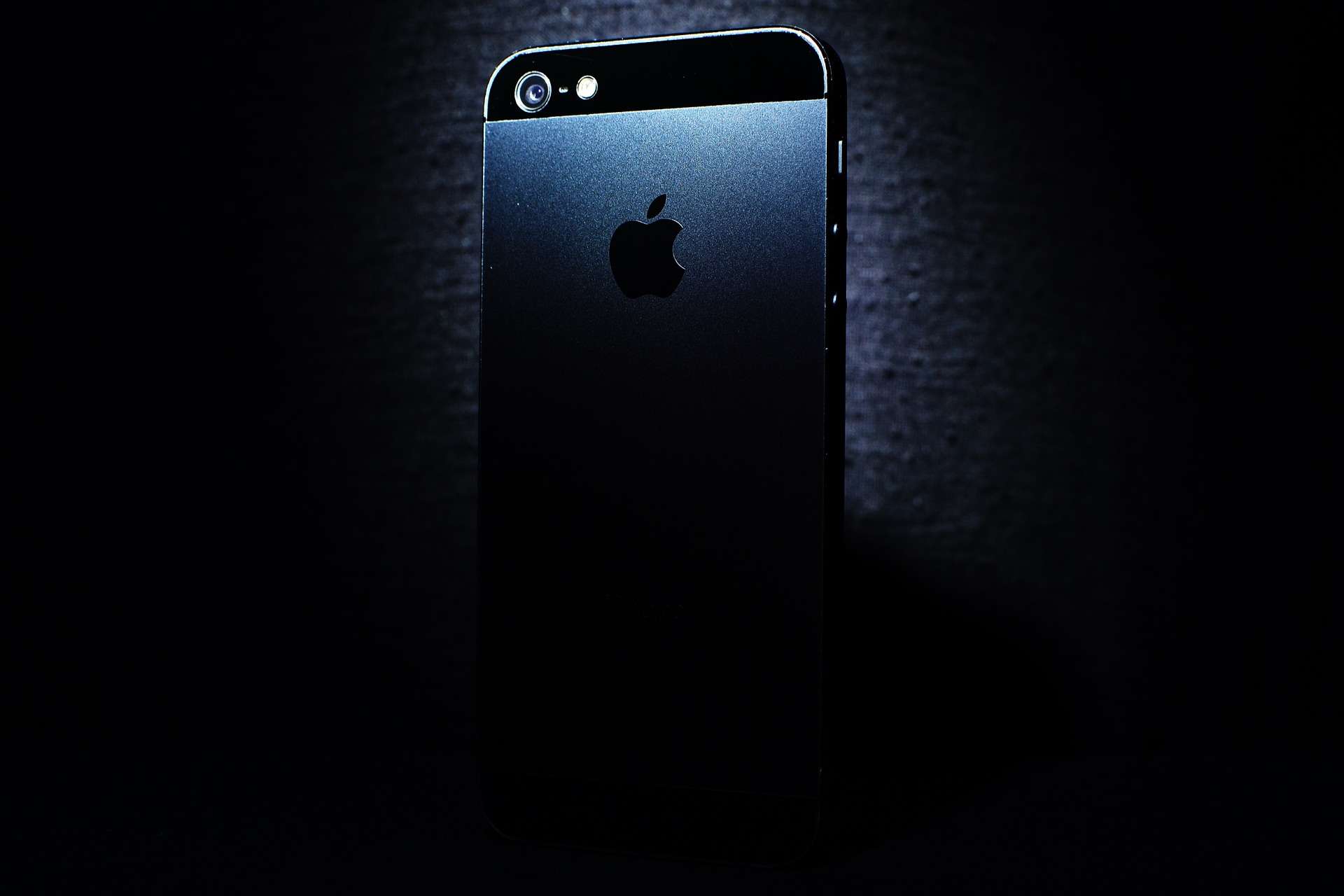
Apple is doing its bit to combat terrorism. Photo: Jim Merithew/Cult of Mac
Apple may not be willing to help hack its iPhones for the FBI, but (contrary to certain spin) it’s in no way supportive of terrorism, either.
To demonstrate this, Apple is one of several tech and media companies which met with the Justice Department yesterday to discuss ways to counter the spread of ISIS messaging on social media platforms.
This probably wasn't the move the FBI was hoping Apple would make. Photo: Jim Merithew/Cult of Mac
Apple has reportedly started work on creating new security measures for the iPhone that would make it even harder for governments to break into a locked iPhone using the methods being discussed as part of the current San Bernardino court case in California.
There is no word on exactly how Apple plans to approach the problem, but it said to have been working on a solution prior to the recent court case. One possible solution may relate to a new backup strategy for iCloud authentication, which Apple itself would not be able to decrypt.
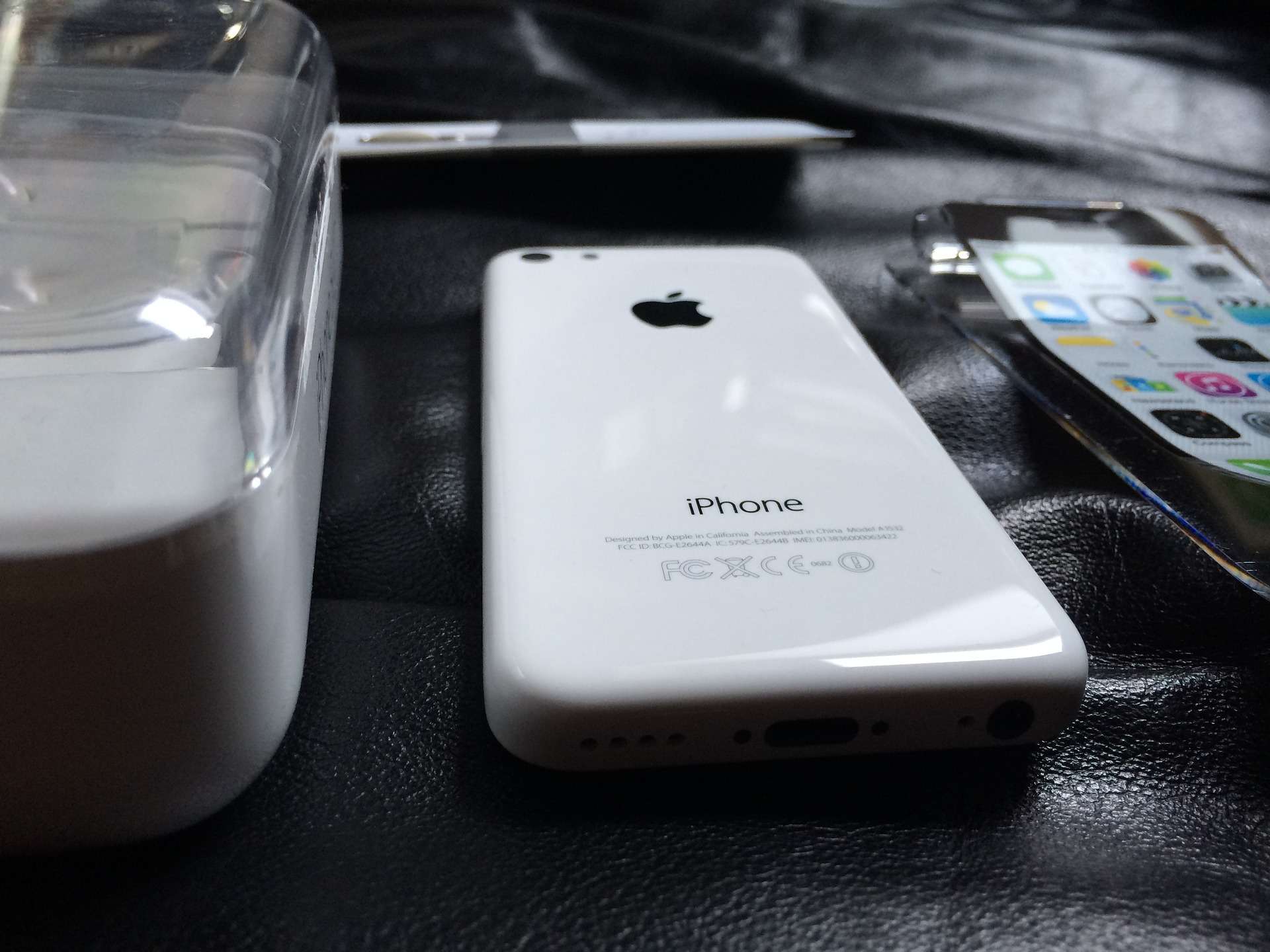
Sorry, Maricopa County Attorney's office. No more iPhones for you. Photo: Olly Browning/Pixabay
Saying that Apple’s refusal to help an FBI investigation puts the company “on the side of terrorists,” Maricopa County, Arizona’s county attorney’s office will no longer issue iPhones for official use.
Prosecutor Bill Montgomery issued the public statement today after privately communicating the new policy to “applicable staff” on Sunday.
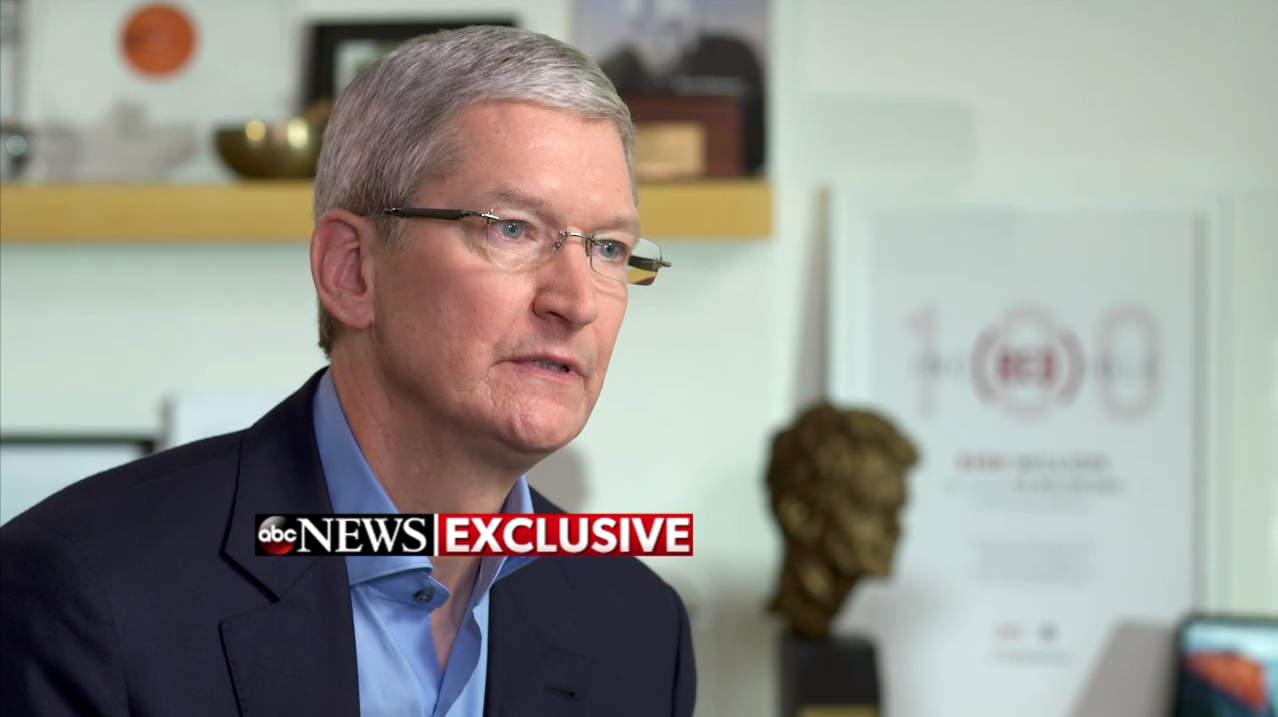
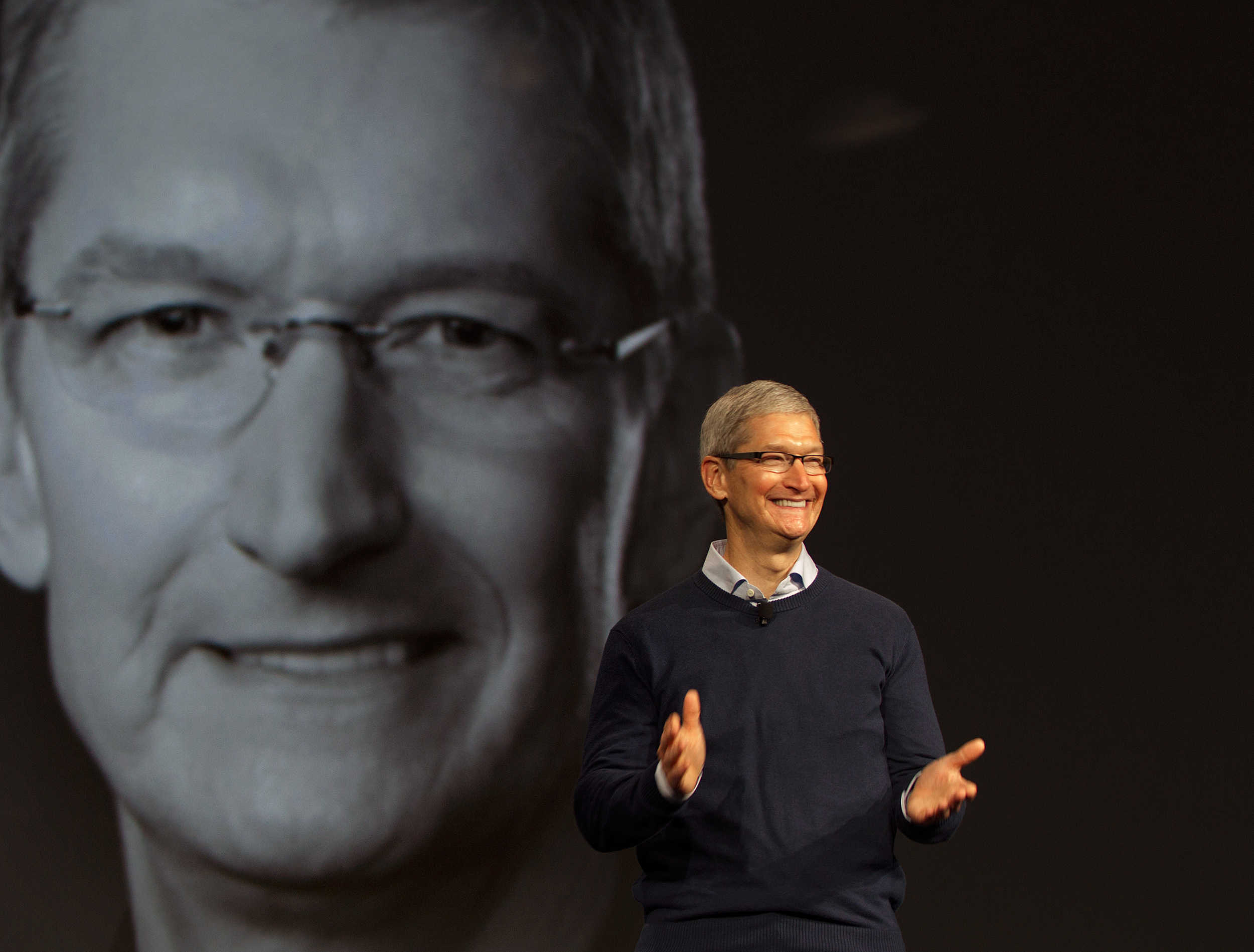
Tim Cook has a statue of Robert F. Kennedy in his office. Photo: ABC News/"World News Tonight with David Muir"
In an interview with ABC News tonight, Apple CEO Tim Cook described the code the FBI is asking the company to make to crack San Bernardino shooter Syed Farook’s iPhone as “the software equivalent of cancer.”
Cook sat down in his office with World News Now anchor David Muir to explain why the tech giant is defying the U.S. government. And while he does sympathize with those directly affected by December’s mass shooting, which left 14 people dead and 22 injured, he emphasized that the issues under debate right now are bigger than this one case.
Apple's fighting the FBI for the right to privacy. Photo: Apple
Apple CEO Tim Cook has said that he wishes the company’s current battle with the FBI will be resolved by Congress, rather than in a courtroom, and it appears that he just may get his wish.
Lawmakers in both the House of Representatives and the Senate plan to propose a new commission be created that will specialize on finding the balance between citizens’ right to privacy, while also combating terrorism and other issues of national security.
Tim Cook is fighting for the right to privacy. Photo: Jim Merithew/Cult of Mac
Tim Cook is continuing his PR crusade against the FBI this week, only instead of publishing another open letter about Apple’s pro-privacy stance, the CEO will sit down for an interview with David Muir tonight on ABC’s World News Tonight.
Maybe Apple's lobbying will help it come to a swift resolution. Photo: Jim Merithew/Cult of Mac
The current Apple vs. the FBI privacy case is fast becoming one of the biggest tech stories of 2016. But Apple clearly believes it ought to be elevated even higher — telling a federal judge this week that the case should be kicked up to Congress level, instead of being decided by courts.
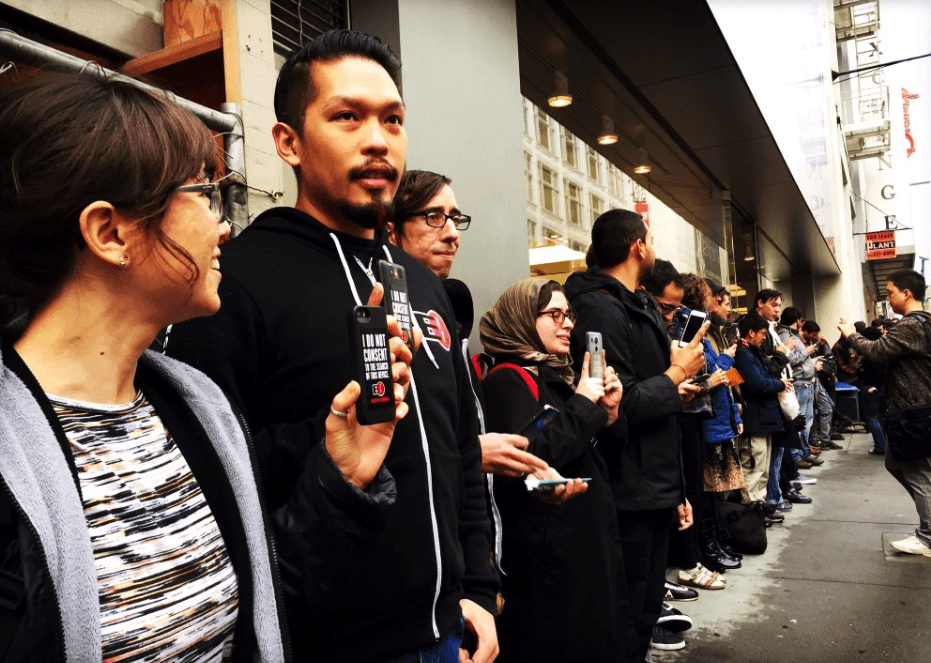
Protesters gather around the Apple Store in downtown San Francisco. Photo: Traci Dauphin/Cult of Mac
Apple fans rallied behind their privacy savior in more than 50 cities across the United States today to protest the FBI’s demands that Apple unlock the San Bernardino shooter’s iPhone and compromise the security of millions of users’ data in the process.
Grassroots protests broke out from Albuquerque to Washington, D.C., aiming to raise public awareness about the privacy battle Apple is fighting. The protesters had some harsh words for the FBI.
Protests will take place at 5.30pm today. Photo: Evan Killham/Cult of Mac (via Apple and protestsign.org)
Grassroots protests against the government’s attempts to hack the iPhone are set to take place today in nearly 50 cities around the United States, beginning at 5.30pm local time.
“FBI Director [James] Comey has been repeatedly asking the White House and Congress for a backdoor to encrypted phones for the past year,” privacy advocates Fight for the Future representative Holmes Wilson tells Cult of Mac. “If he says he doesn’t want this kind of access going forward, he’s just lying, and you can see it in the public record.”
According to Wilson, this is why this story is such a big deal — and what Cult of Mac readers can do to get involved:
Did anyone seriously believe this wasn't going to happen? Photo: Jim Merithew/Cult of Mac
FBI director James Comey and his supporters suggest that making Apple break its iPhone encryption for the San Bernardino shooter case would be a one-off event, and not the start of a slippery slope into unwanted surveillance.
Well, it seems that someone needs to tell the Department of Justice that, because the D.O.J. is reportedly salivating at the thought of being able to hack iPhones for criminal investigations — with court orders being filed for Apple to help extract iPhone data in a further dozen cases around the U.S.
On this occasion, it's Bill Gates who is thinking different. Photo: AllThingsD
We’re decades removed from Bill Gates’ vicious battle against Steve Jobs, but Gates isn’t quite as ready as some of his contemporaries to side with Apple concerning one of tech’s biggest stories of 2016.
In a new interview, Gates defies Silicon Valley consensus, arguing that Apple should create an FBI backdoor for the iPhone — and siding with FBI director James Comey by suggesting that this wouldn’t, in fact, set a dangerous precedent for the possibility of future snooping.
It is a strange fate that we should suffer so much fear and doubt over so small a thing. Photo: uveX/Pixabay
If Apple loses its encryption battle with the FBI over the data contained on a terrorist’s phone, it will make Manhattan’s district attorney and police commissioner very happy.
Despite the federal government’s claim that the updated version of the iPhone’s operating system will only be used on this case, D.A. Cyrus R. Vance, Jr. sees a government victory as a sure way to get Apple to unlock a bunch of other devices his office is sitting on. And by “a bunch,” we mean hundreds of phones that the company could suddenly be compelled to compromise.
Tim Cook isn't backing down from a fight. Photo: Jim Merithew/Cult of Mac
Tim Cook sent out an email to all Apple employees this morning, thanking them for their support and outlining the reasons why the FBI’s court order needs to be dropped.
“This case is about much more than a single phone or a single investigation, so when we received the government’s order we knew we had to speak out,” Cook wrote. “At stake is the data security of hundreds of millions of law-abiding people, and setting a dangerous precedent that threatens everyone’s civil liberties.”
Apple's muckin' with a G here, pal! Photo: Paramount Pictures
The director of the FBI has written an impassioned open letter to Apple, asking it to go along with the recent court order to unlock the iPhone at the center of the San Bernardino shooting investigation.
James Comey writes that the FBI, “isn’t about trying to set a precedent or send any kind of message. It is about the victims and justice.”
The truth is (really) out there. Photo: tookapic/Pixabay
It’s been a crazy day for news in the case of Apple v. the federal government in the battle over the data contained on a mass-shooter’s iPhone, and some surprising facts are emerging between the two side’s shots at each other.
Today, we saw the Justice Department double down on the original court order, some predictable antics from presidential candidate Donald Trump, and Apple’s responses to both. But we’re also picking up some interesting details that make this already complicated issue even murkier. And things aren’t quite as simple as either side is claiming.
Here are some of the most surprising aspects of this case that have come out in the past few days.
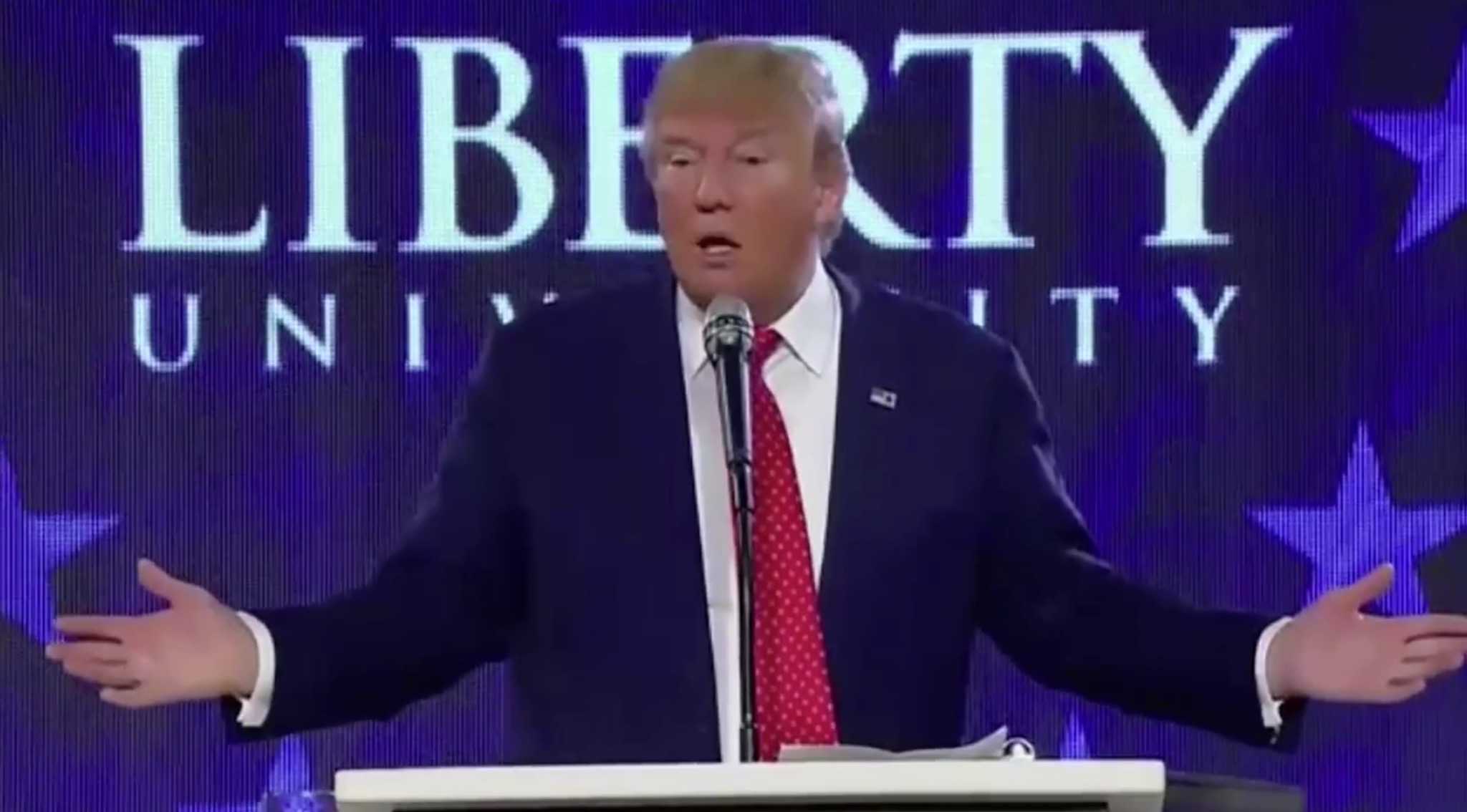
Donald Trump said he'd force Apple to build its products in the U.S. at an earlier appearance, and he's found new reasons not to like the company. Photo: Washington Post (via YouTube)
Apple doesn’t seem terribly concerned with Republican presidential candidate Donald Trump’s call for a boycott of its products. If anything, it seems pretty proud to have drawn the controversial frontrunner’s ire.
During a phone conversation with reporters shortly after Trump’s call went out, senior Apple executives made their feelings about the campaign known — and their feelings are pretty funny.
It is a strange fate that we should suffer so much fear and doubt over so small a thing. Photo: uveX/Pixabay
The U.S. Department of Justice think’s Apple’s hard public stance on encryption in the San Bernardino shooting case is nothing but a marketing scheme.
The agency said as much in a filing today that implored the court to “[compel] Apple to comply with its order.” It also cites the company’s past cooperation with law-enforcement investigations as evidence that its position has more to do with looking good to its customers than any actual inability to help authorities access the device.
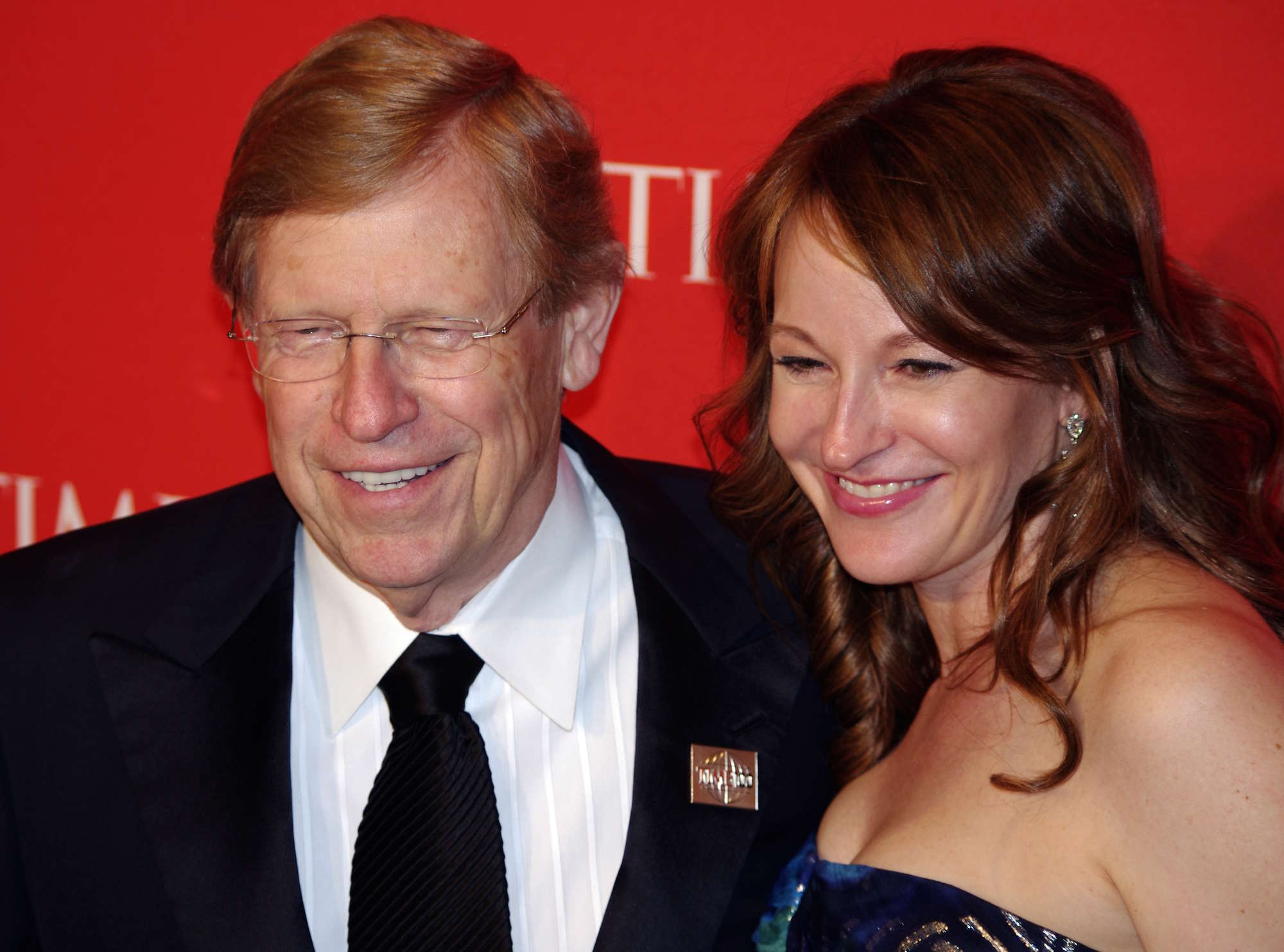
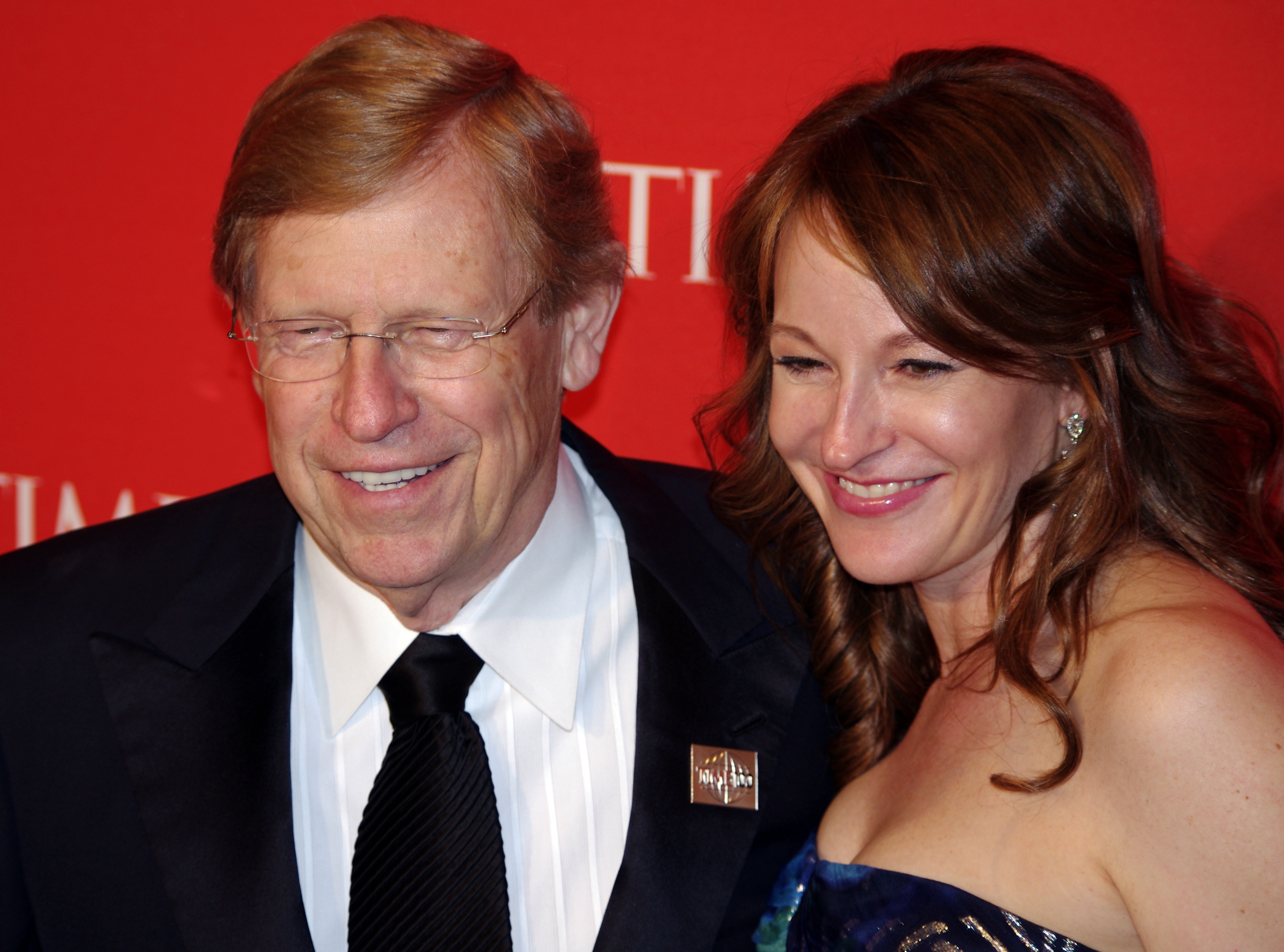
Ted Olson is one of the top legal minds in the country. Photo: Wikipedia Commons
Apple is planning to fight the FBI’s terror probe by invoking the right of free-speech and they’ve hired the most legendary free-speech lawyer in the country to help them win.
Theodore Olson, famous for successfully arguing before the Supreme Court that money is a form of free speech in Citizens United v. Federal Election Commission, is joining Apple’s fight against the FBI’s order to build a backdoor into San Bernardino terrorist Syed Rizwan Farook’s iPhone 5c.
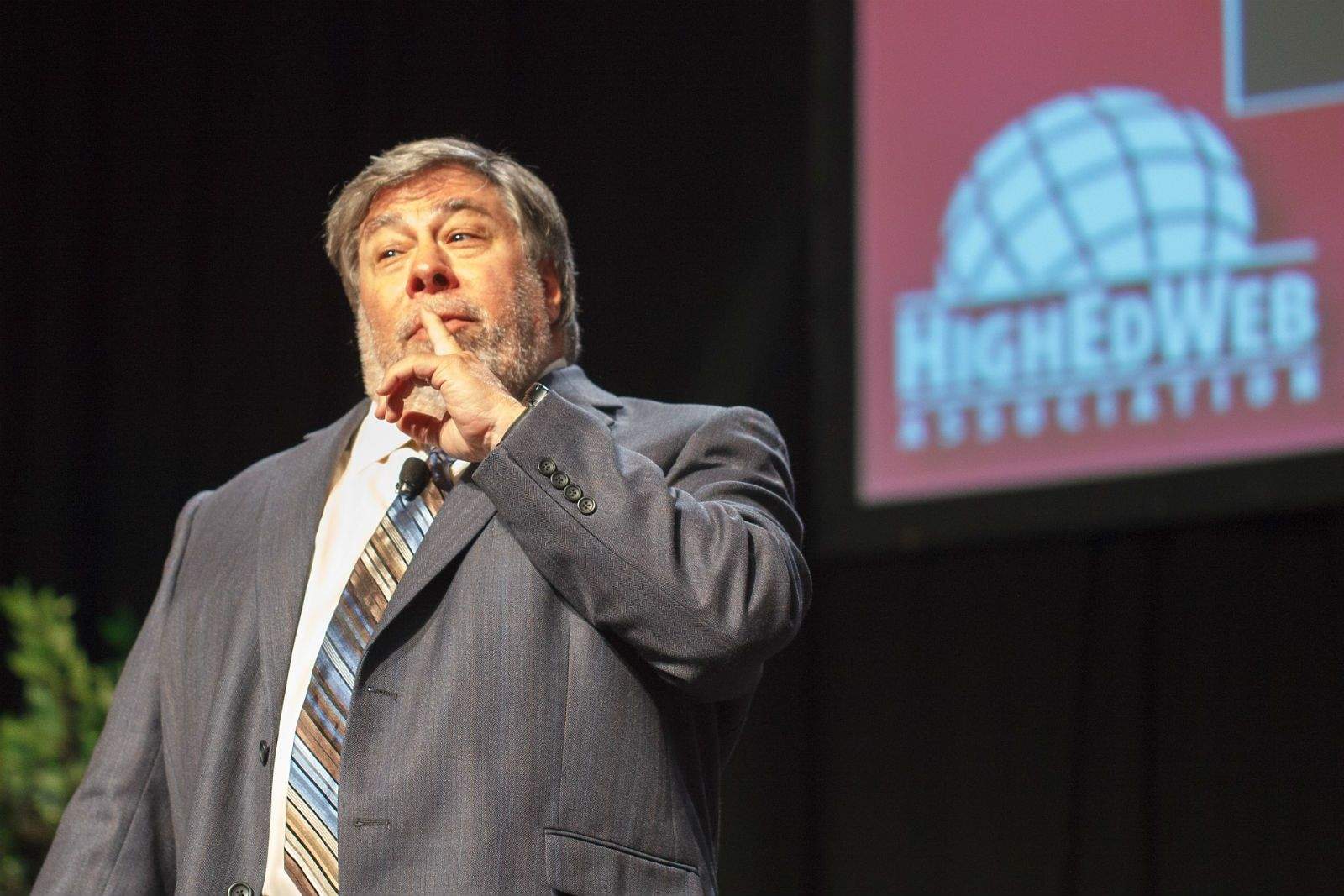
Steve Wozniak believes that Apple's 100 percent in the right. Photo: HigherEdWeb/Flickr CC
Steve Wozniak may not have been directly involved with Apple for years, but there’s no doubting where his allegiances lie concerning the current Apple vs. FBI skirmish concerning whether or not Apple should help unlock the iPhone at the heart of a criminal investigation.
Speaking with CNET, Woz made clear his opinion that, “You can’t trust who is in power,” and argues that, “Terrorism is just a phony word being used” to try and justify the potential unwarranted snooping in our lives.
Apple shouldn't give into the FBI's demands. Photo: Jim Merithew/Cult of Mac
When it comes to hacking the iPhone, it’s hard to find anyone with more experience breaking into Apple’s software than Will Strafach, aka Chronic.
The legendary hacker has spent years reverse engineering each version of iOS to give jailbreakers full control of the iPhone and he’s got some very important insight into the FBI’s demands that Apple hack the iPhone.
It looks like the Internet is squarely on Apple's side. This time, anyway. Photo: Jim Merithew/Cult of Mac
Online petitions can seem like screaming into a hole sometimes, but that isn’t stopping a crop of them from emerging in support of Apple’s stance on phone encryption.
In fact, our survey of signature-calls about Apple’s current refusal to provide the FBI a way to access the data on a locked phone belonging to one of the assailants in last year’s San Bernardino shooting turned up exactly none that demand the iPhone maker to give the government what it wants. And this is something, considering we also turned up one petition that called for a pair of tortoises to stop having to carry around iPads at the Aspen Art Museum and another that demanded that the United States legalize cockfighting.
Opinions are all over the place, is what we’re getting at, but people seem pretty sure that they don’t want Apple to unlock its phones. Here’s a quick look at some of the petitions going around.
Former Apple CEO John Sculley has an interesting idea about how Apple might approach the FBI's request. Photo: Web Summit/Flickr CC
There are plenty of opposing views about how Apple should handle the FBI’s demand to create a backdoor to unlock a dead terrorist’s iPhone.
One idea we haven’t heard before, however, is a concept put forward by former Apple CEO John Sculley: Cupertino could help provide the desired information, but Apple (not the government) could be in charge of reading the messages.
Specifically, the family of British soldier Lee Rigby — who was murdered by Islamic extremists in 2013 — has spoken out about Apple’s decision to refuse a court order to break into the San Bernardino shooter’s iPhone. Rigby’s family says Apple’s stance is “protecting a murderer’s privacy at the cost of public safety.”
Protestors show their support for Apple. Photo: DocPop CC
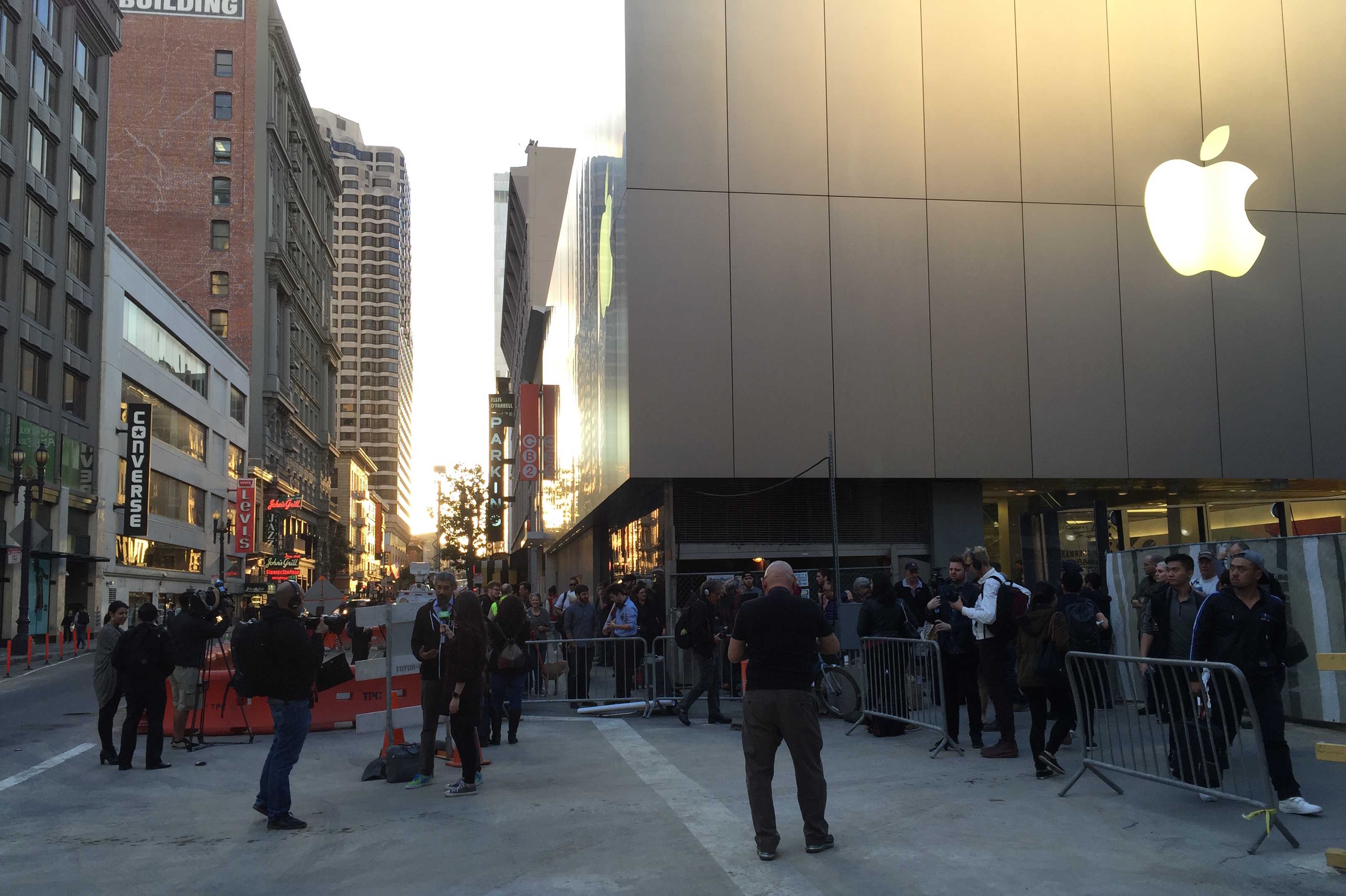
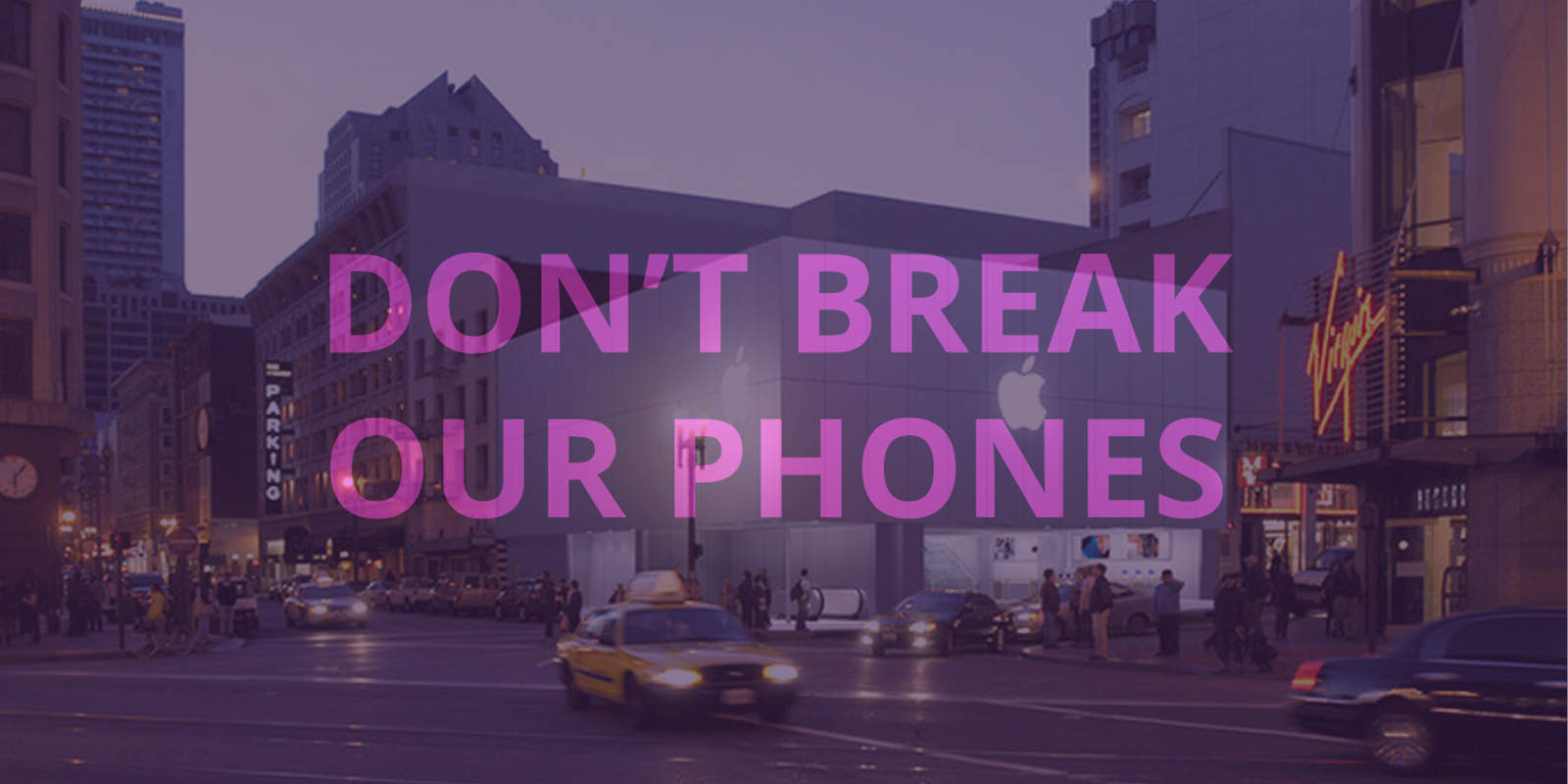
A crowd of several dozen protesters gathered in front of Apple’s flagship retail store in Francisco last night to protest the U.S. government’s attempt to force Apple to aid the FBI in hacking into an iPhone.
Ranging from privacy advocates to casual iPhone owners, the crowd argued that such a move sets a dangerous precedent that threatens the safety and security of millions of iOS users around the world.