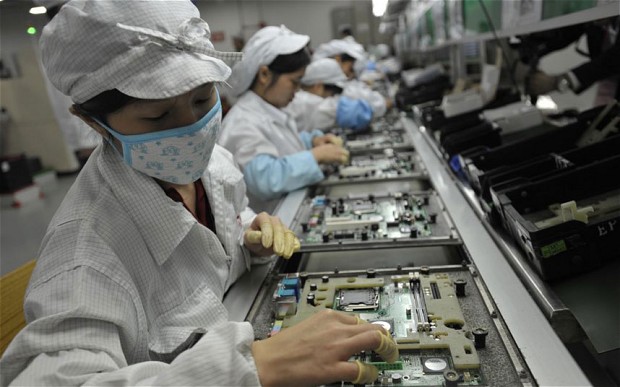
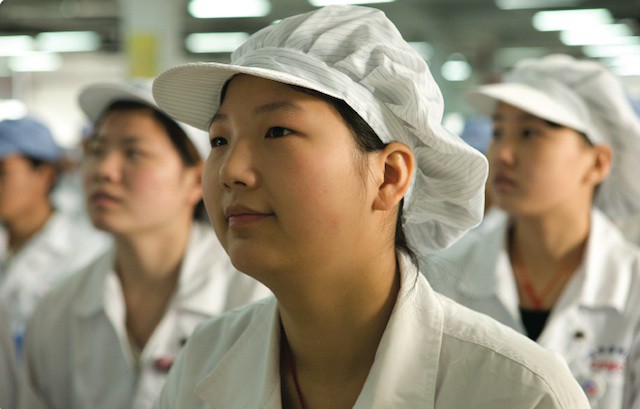
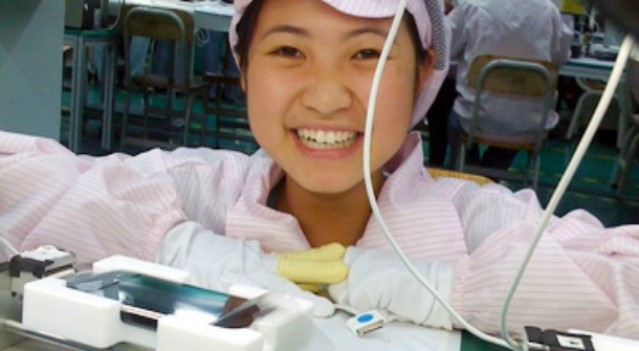
In a four-month investigation of 10 of Apple’s Chinese suppliers, China Labor Watch has found what they call “deplorable” working conditions in many of the factories of Apple’s component manufacturers. These factories allegedly contain hazardous working conditions and excessive overtime.
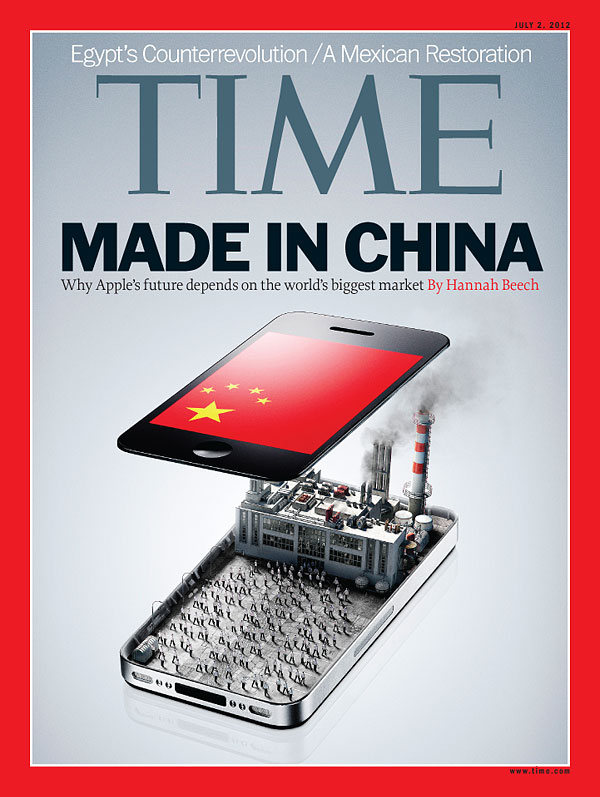
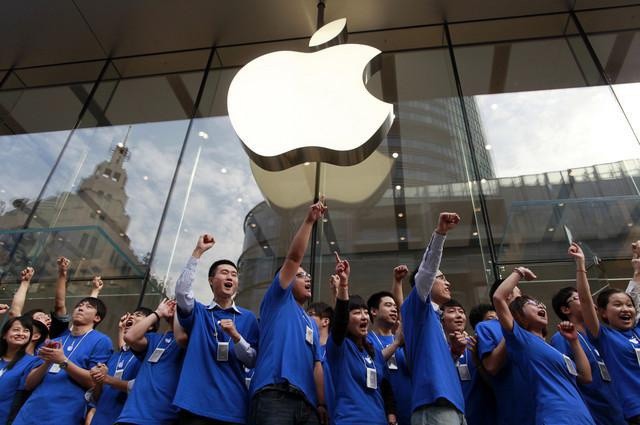
This week’s TIME Magazine cover story is called “The Cult of Apple in China.” On newsstands tomorrow, it’s an in-depth look at how Apple thrives in China.
The article’s author, Hannah Beech, writes: “The American company is thriving in China, even as other Western tech firms struggle with local competition and communications restrictions imposed by the authoritarian state. Apple products now serve as the ultimate totem of upward mobility in a country with a fast-growing middle class.”
That all sounds rosy, but as Beech makes clear, the future is far for certain as Apple, as the government of China increasingly becomes nationalistic. How long will they allow Apple to profit so handsomely within China without starting to try to take a bigger piece of the pie?
Foxconn has confirmed that a 23-year-old worker committed suicide this week by jumping from his apartment in the southwestern city of Chengdu. The worker only began his employment with Foxconn last month. Police are investigating the death.
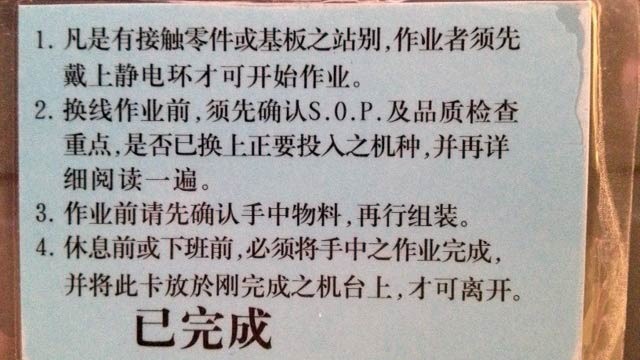
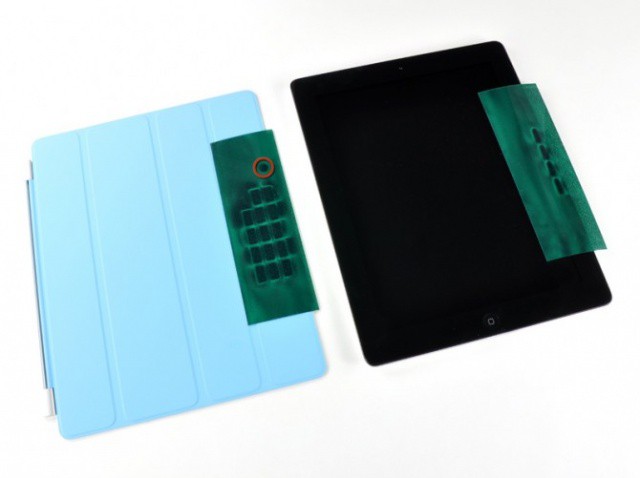
When opening up his new MacBook Pro, an Apple customer recently found the laminated card pictured above that was probably lost in the packaging by some worker at the Foxconn factory. Obviously it’s in Chinese, which adds a bit of mystery to the card because most of us Americans can’t read it. Does the card contain Apple’s secret plans for world domination? Maybe it’s an invitation to a top secret party?
Apple offers a number of search engines for iOS users, including Google, Yahoo! and Microsoft Bing. According to a new report today, Apple will be adding Baidu search engine support for iPhone owners in China as early as next week. The feature will likely be announced alongside other iOS 6 announcements at WWDC.
Baidu is basically the Google of China, owning 80% of the market there while Google only owns 17%. It’s not surprising that Apple would want to support the largest search engine in the iPhone and iPad’s fastest growing market. Not to mention that this is another move that pushes a certain company farther away from iOS.
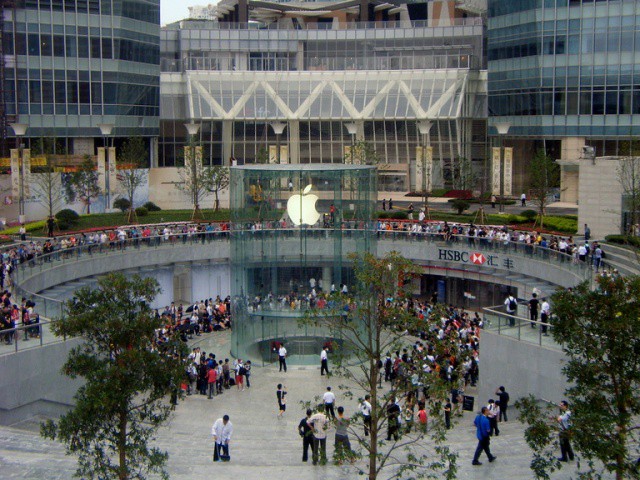
This incredible Apple store in Shanghai is one of only five Apple stores on China's mainland. Photo: Apple
Apple is reportedly gearing up to open two new stores in China which will be positioned near the Foxconn factories that assemble the large majority of its Mac and iOS devices. There are currently only five Apple retail stores on China’s mainland — three in Shanghai and two in Beijing — but Chengdu and Shenzhen could be home to another two very soon.
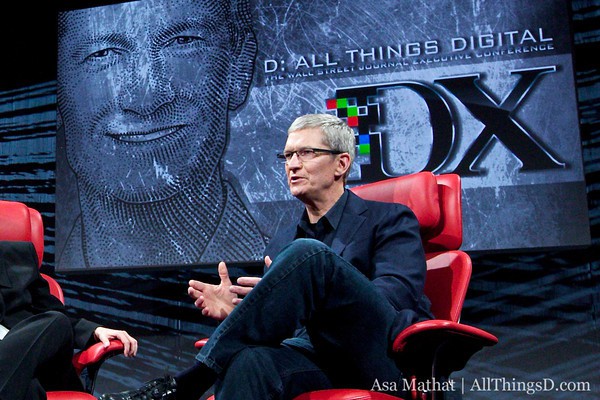
Tim Cook took a moment at the D10 conference today to defend Apple’s reliance on supply chains and its willingness to micromanage them when they fall short of expectations.
Cook said that no one else is measuring working hours in China, nor reporting on it. “We took a position to say we want to bring this down,” he said. “We’re measuring working hours for 700,000 people.”
There’s a new Plants vs Zombies stage, available only in China (for now) and only on Android (for now, we hope), called The Great Wall edition. Check out the screenshots for yourselves; we’re solidly on the fence between awe and confusion.
Proviews bid to sue Apple for $400 million just hit a stumbling block.
Proview’s legal battle against Apple over the use of the “iPad” trademark continues to drag on, but things haven’t quite gone to plan for the Chinese company. A Hong Kong court has sided with Apple and agreed that some of Proview’s evidence should be excluded from the case after it failed to comply with the court’s instructions.
Proview wants at least $400 million from Apple for using the iPad name.
Proview has long been battling with Apple over its use of the “iPad” trademark in China, but the Cupertino company has moved to put an end to the dispute by offering a settlement figure of ¥100 million (around $16 million). The problem is, that sum covers very little of Proview’s massive debt, and the company is demanding a $400 million payout instead.
Apple will help Foxconn improve labor conditions by stumping up some of the cash.
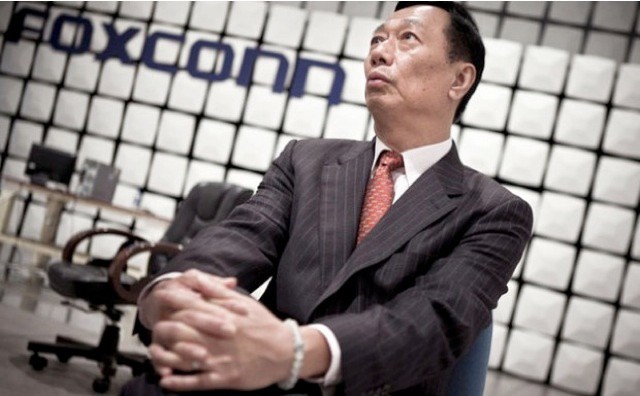
Foxconn chief executive Terry Gou has confirmed that Apple will use some of its cash to help improve the labor conditions for more than 1 million workers in Foxconn’s Chinese factories, where devices like the iPhone, iPad, and iPod are assembled.
Now Foxconn CEO Terry Gou is trying to settle the debate. Yes, Gou says, Foxconn may well be running a sweatshop… but what’s wrong with sweatshops anyway?
The new iPad is now available in 57 markets worldwide, China not included.
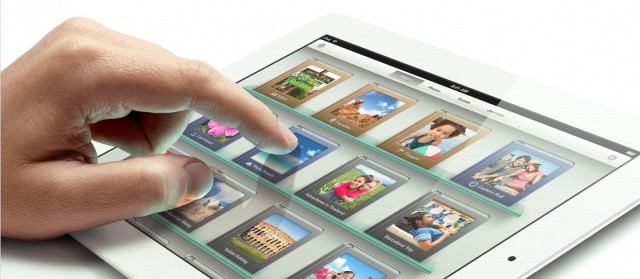
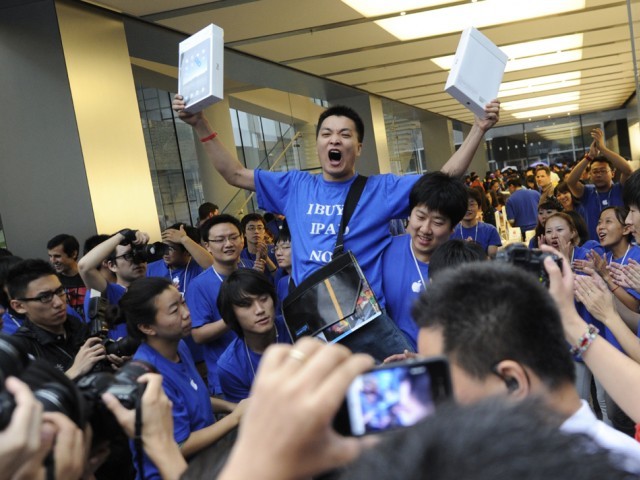
Apple continues its rollout of the new iPad in nine additional countries today, making the sought-after tablet available in 57 markets worldwide. This is now the fourth phase of rollouts since the device made its debut on March 16, but one of Apple’s key territories is still without it.
HTC admits the iPhone 4S killed its profits in the last quarter.
While the vast majority of the world’s tech press was focused on Apple’s record-breaking quarter yesterday, HTC quietly announced its own figures. Unlike Apple, the Taiwanese company reported a huge 70% drop in profits after raking in just $151.5 million during the three-month period. And it says the iPhone 4S is the main reason for its dismal quarter.
Chinese ingenuity and resourcefulness is an amazing thing, and we see it in action every time we pick up an iPhone or iPad. We also sometimes see it when iPhones are smuggled into China. First, Chinese iPhone and iPad smugglers were using crossbows and ziplines to get over the border, and now they’re cutting open glass beer bottles, stashing iPhones inside then gluing them shut.
This woman was caught trying to smuggle over 200 iPhone 4s and iPhone 4Ses at the Sha Tau Kok border this way. Wonder what she did with all that beer. And imagine finding an iPhone at the bottom of your brew. Usually the only thing I see there is pink elephants… and maybe the occasional dead mouse.
When people ask why Apple doesn’t make its iPads in America, the usual explanation is that labor costs are so high, there’s no way an iPad could be made in the country for less than $1000. That answer has always lacked weight, as the manual labor of constructing an iPad is actually a very small portion of its overall build cost: building an iPad in America would cut down margins, but not double the price.
No, there’s a better reason why every iPad gets made in China, and you can find it on your local periodic table. Every iPad is made with a sizable number of rare earth metals… all of which can only be mined in China.
Pollution is a big issue in China, but Apple is doing its bit to help.
Apple is set to expand its environmental concern by teaming up with China’s Institute of Public and Environmental Affairs to audit its Chinese supply chain for pollution. Joint investigations are expected to start “in the next few weeks,” according to one report, with “a maker of printed circuit boards” the first of Apple’s suppliers to enter the spotlight.
Apple has granted Rob Schmitz of Marketplace direct access to the Foxconn supply chain following his debunking of Mike Daisy’s inaccurate claims regarding Chinese working conditions. This makes Schmitz the second reporter to ever take a video crew behind the scenes at Foxconn. ABC News and Bill Weir previously visited China for a Nightline segment.
This 2 in a half minute video briefly takes you though the iPad manufacturing line and Foxconn life in general. Schmitz offers a very different take than that of Mike Daisey, highlighting how much people actually want to work at Foxconn.
Sure it can play Angry Birds and send email, but it's not worth an internal organ.
Five people in southern China have been charged with intentional injury after a Chinese teenager sold his kidney to purchase an iPhone and an iPad last April. The group includes the surgeon who removed the kidney from the 17-year-old, who now suffers from renal deficiency.
Firefighters in China’s Yunnan Province have rescued a two-year old toddler from a 40-foot well with the help of Apple’s iPhone. After the child kept slipping out of a rescue harness that was designed for adults, an iPhone was lowered into the well so that the rescue team could use its camera to see the boy’s position.
Another sunny day at the Foxconn factory. Photo Ged Carroll (CC BY 2.0)
Bleeding hearts the world over are very happy with the news that Apple and Foxconn are working together to make employee working conditions better in their Chinese factories. But there is a group of people who aren’t so pleased about the reductions in working hours: the workers themselves.
Security guards go to war in front of the construction site of a future Apple Store.
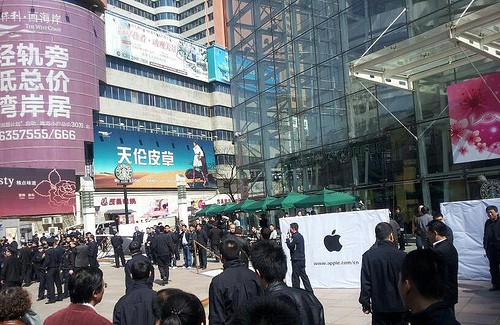
A mall war has broken out in China, as one mall is upset at another for working to open the world’s largest Apple Store. Yesterday, Apple put up posters advertising its new Store in the massive Parkland Mall in Dailan China. Neighboring mall Dalian Department Store quickly became concerned and sent its security team to knock the signs over. As you can see in the video below, havoc quickly ensued.
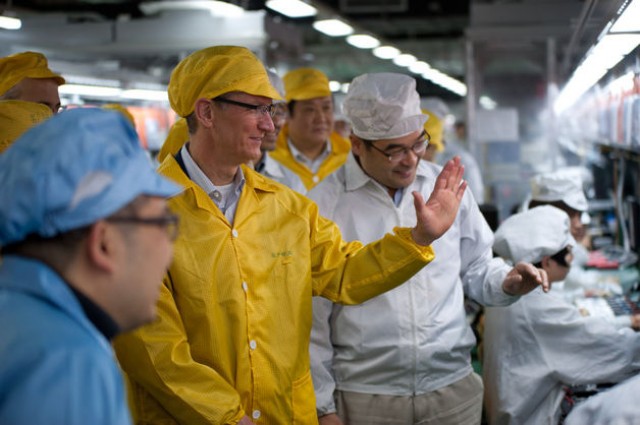
Apple CEO Tim Cook spent time with Foxconn employees during his visit to China.
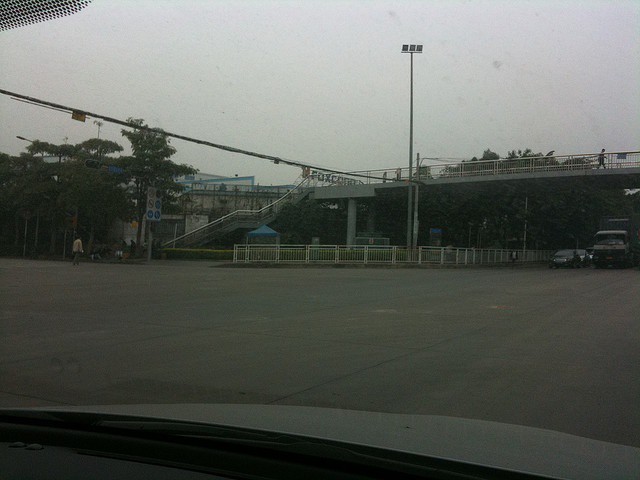
Apple CEO Tim Cook has been spending some time in China this week, meeting with officials and even posing with fans at the company Xidan Joy City retail store. He also paid a visit to Foxconn’s new plant in Zhengzhou, where the company employs around 120,000 employs, some of whom are assembling Apple’s iPhone.
The first iPad was debuted by Steve Jobs to thunderous applause on March 12, 2010. Many media pundits criticized the tablet for its ridiculous name and called it a huge flop. Fast forward two years later, and we couldn’t imagine a world without the iPad. It has shaped what Apple has dubbed the “post-PC era.”
Over 50 million iPads have been sold to date, and Apple just sold 3 million third-generation iPads over launch weekend. Most tablet manufacturers dream of selling 3 million units in a year, but analysts estimate that Apple will sell an upwards of 66 million iPads in 2012 alone. That is an absolutely astounding figure.
A new report from app analytics firm Distimo takes a look at the iPad and its App Store footprint two years later. Let’s take a closer look: