Apple celebrates the Chinese New Year by offering its fans in Asia one-day “Red Friday” deals, similar to the Black Friday sale it holds for customers in the United States. And the Cupertino company has today begun teasing the event via its online store with a big red advert that promises “great gifts for everyone on your list.”
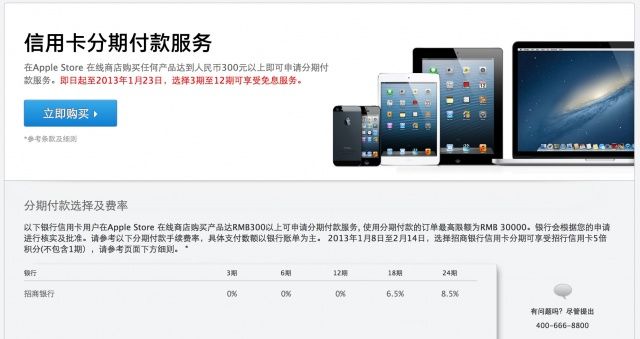
Apple products are expensive, and they’re especially expensive in China, a country where Foxconn workers can’t afford the iPhones they make. To help make its devices more affordable for Chinese customers, Apple has started offering payment plans that range from 6-24 months. The plans are available for purchases between 300 yuan to 30,000 yuan, or about $48 to $4,825.
The 6-12 month installments are offered with 0% interest, while a 2-year payment plan comes with a 8% interest charge. Customers must be using China Merchants Bank to participate.
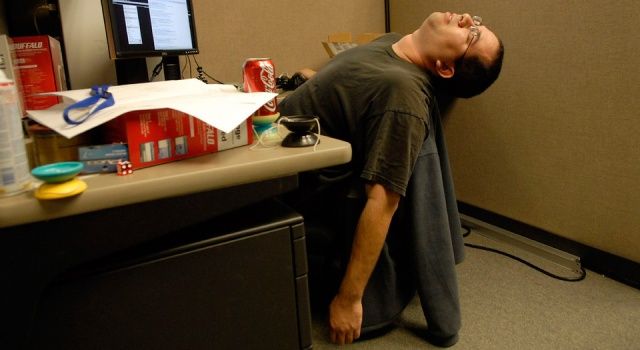
Verizon Wireless has helped a critical infrastructure company based in the United States catch one of its developers paying Chinese workers to do his job so that he could browse the Internet all day. “Bob” outsourced all of his work to China and paid the workers just a fraction of his six-figure salary so that he could spend his time on sites like Reddit, Facebook, LinkedIn, and eBay.
Verizon has revealed the fascinating story in a new case study.
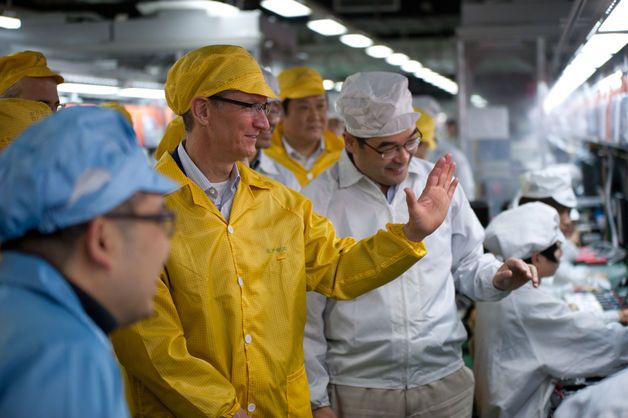
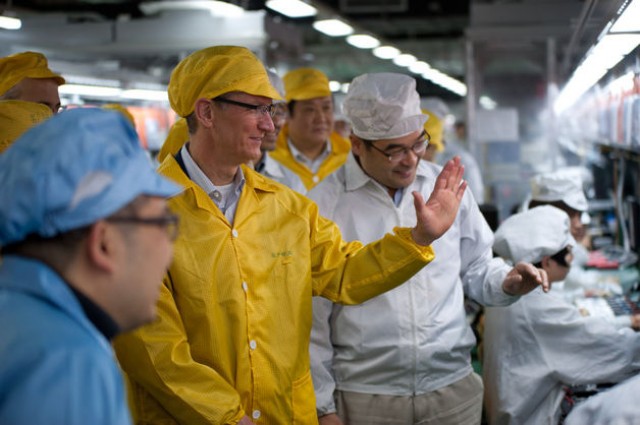
Tim Cook with Miao Wei, the head of China’s Ministry of Industry and Information Technology
Even though Apple’s headquartered in Cupertino, they’ve got operations all across the globe, and we don’t mean just retail stores. There have been rumors that Apple is opening up an R&D center in Israel, but according to a new rumor, that’s not the only place they’re considering.
Tim Cook recently talked to the mayor of Beijing, Wang Ashun, about the possibility of Apple opening an R&D center in Beijing.
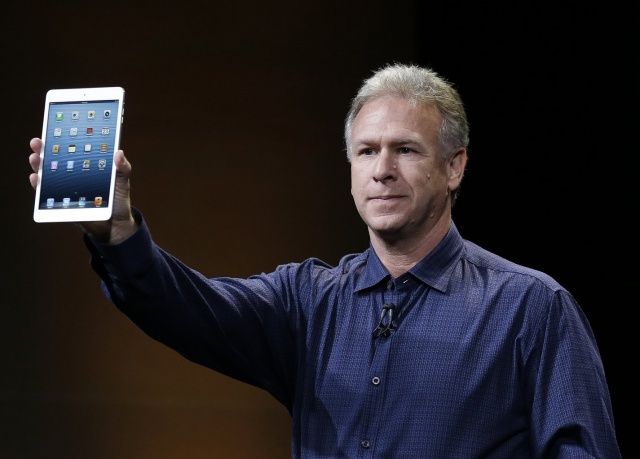
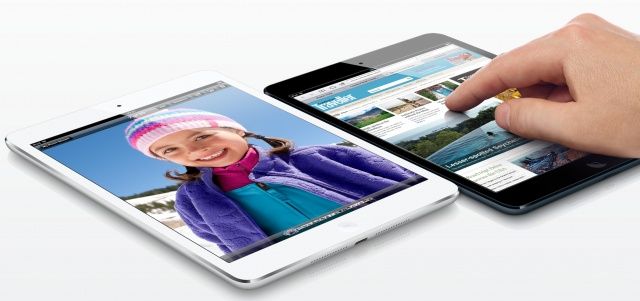
Apple just sent out a press release confirming that cellular models of the iPad mini and fourth-gen iPad will officially go on sale in China this Friday, January 15th. During a trip to China last week, Apple CEO Tim Cook confirmed that WiFi + Cellular models of the company’s newest iPads would arrive this month. The WiFi-only versions went on sale December 7th, a little over a month after U.S. sales began.
Phil Schiller, Apple’s senior vice president of worldwide marketing, reportedly shot down suggestions that the Cupertino company will launch a low-cost iPhone later this year during an interview with a Chinese newspaper earlier this week. According to the report, Schiller said that the budget devices will “never be the future of Apple products.”
Reuters was one of the first media outlets to cover the report, but in an interesting move, it has this morning pulled its piece after “substantial changes” were made to the original article. Could this mean Schiller didn’t really say those things?
Tim Cook is on his second visit to China as Apple CEO this week, and during an interview with local reporters on Thursday, he confirmed that the cellular version of the iPad mini will be arriving in the nation in late January. The Wi-Fi only model arriving in China on December 7, just over a month after it launched in the United States.
A lawsuit claims the battery of an iPhone 4s is responsible for a house fire. Photo: Apple
Digitimes has today published one of its more questionable rumors regarding Apple’s upcoming low-cost iPhone. Citing sources in the Cupertino company’s supply chain, it claims the cheaper device — believed to be called the “iPhone mini” by one analyst — will make its debut later this year, aimed at China and other emerging markets.
But it won’t be smaller to cut costs. Instead it’ll boast a larger screen to meet the “prevailing trend for the adoption of 5-inch displays.”
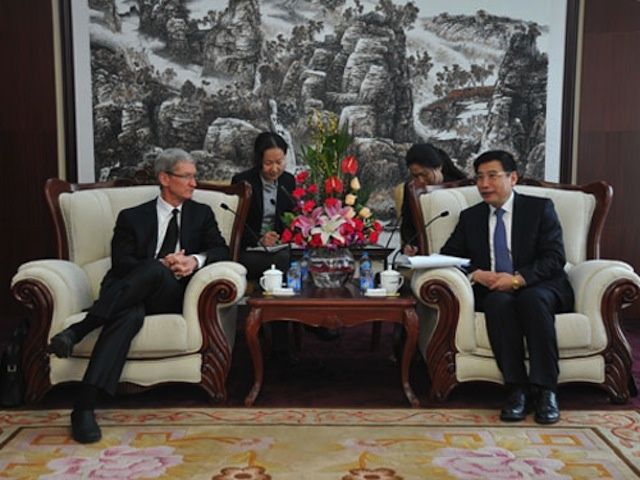
Tim Cook with Miao Wei, the head of China’s Ministry of Industry and Information Technology
Tim Cook has kicked off 2013 with a second visit to China. The Apple CEO met with Miao Wei, head of the Ministry of Industry and Information Technology, to discuss the development of China’s information technology industry, mobile communications, and Apple’s expansion in China.
The Cupertino company has doubled its number of retail outlets in the nation, and its iOS devices are becoming increasingly popular there. Cook’s last visit to China came in March 2010 before he pledged “greater investment” in the world’s largest market for consumer technology.
2012 was a very different year for Apple. For starters, it was Tim Cook’s first year as CEO. While much of Apple has remained the same, Cook has definitely shown that he is a different type of leader than his predecessor. Apple is evolving into something new.
Between four press events and the Worldwide Developers Conference in June, Apple announced an unprecedented slew of new products in 2012. Every single major product was refreshed to some extent, which leaves even more speculation as to what Apple has up its sleeve for 2013.
There have been key executive firings and hirings, heated lawsuits, and scandals. In the midst of everything, Apple managed to become the most valuable company on earth.
While there are many big Apple moments from this past year, we’ve gathered what we think are the 10 most notable stories. Here they are:
Apple has been having problems with Chinese writers suing for unlicensed eBook distribution in the App Store. After a group of writers asked Apple for 10 million yuan in damages for unlawfully distributing copyrighted works in certain Chinese apps, the court has forced Apple to pay a smaller settlement fee of 1.03 million yuan, which is only about $165,000.
After the mainstream media turned its attention to Apple and Foxconn, the Fair Labor Association (FLA) got involved to help ensure quality factory life for Chinese workers. For years, Apple has also been performing detailed audits of over 800 facilities where parts for its products are made and assembled. The Cupertino company has been beefing up its requirements in order to set the bar even higher in the supply chain. All of the combined efforts have resulted in better overall working conditions and pay raises for Foxconn employees. But that doesn’t mean there’s no more progress to be made.
Android’s market share continues to grow throughout the world, but one country where Google’s platform is having its biggest impact is in China. It’s now the largest single Android market in the world, with one third of all Android devices sold there during 2012. The iPhone, on the other hand, is struggling there.
Apple’s 4G-equipped iPad mini and fourth-generation iPad have taken a step closer towards a launch in China today after receiving their network licenses from Chinese telecommunications certification center TENAA. Like the iPhone 5, the tablets are expected to be available on the China Unicom and China Telecom networks.
The iPhone 5 officially went on sale in China only a few short days ago, and tonight Apple announced that sales topped 2 million during the first three days of availability.
When Apple originally started selling the iPhone 5 back in September, the handset sold 5 million units during launch weekend in 9 nine countries, including the United States. Just like the domestic launch, this initial turnout in China shows incredible demand for the iPhone 5.
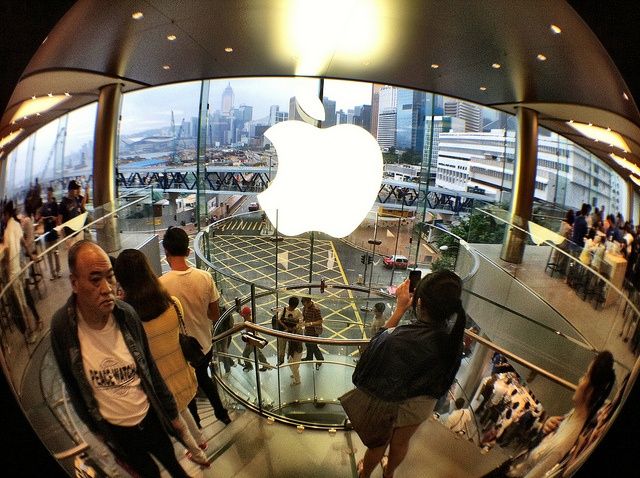
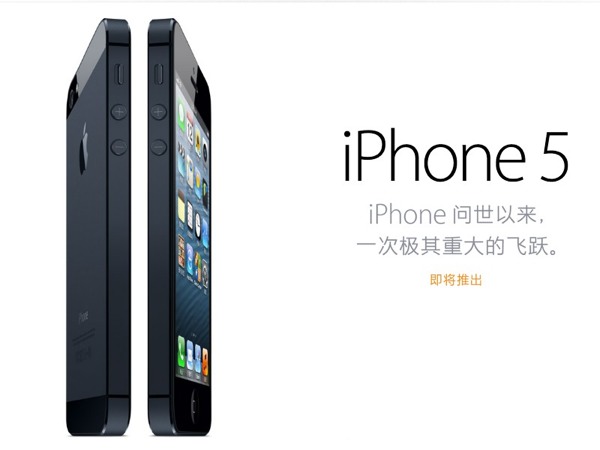
Almost three months after making its debut in the United States, Apple’s iPhone 5 goes on sale in China and 32 addition countries today. As is often the case when Apple launches a new gadget, fans lined up in droves in an effort to get their hands on the Cupertino company’s latest smartphone before it’s all sold out. Some stores, however, were unusually quiet.
Tim Cook visits Foxconn, where Apple's iMacs are traditionally assembled.
Apple CEO Tim Cook has announced that the company will invest over $100 million to bring some of its Mac production back to the United States in 2013. At least one model will be made exclusively in the U.S., Cook revealed during an interview on NBC’s Rock Center, though he wouldn’t reveal which model that would be.
Apple has announced today that the iPhone 5 will be launching in South Korea on December 7, followed by 50 additional countries throughout the month, including Brazil, Russia, and Taiwan. Add that to the 47 countries where it’s already on sale, and Apple’s latest smartphone will be in 97 markets by 2013.
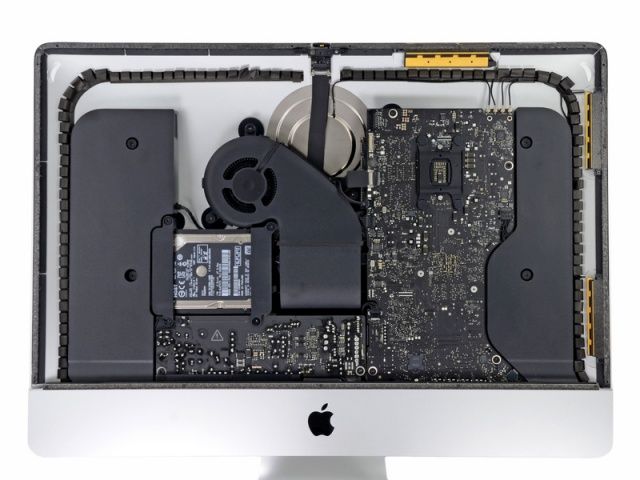
Not all of Apple's new iMacs are being assembled by Foxconn.
When you open up a new Apple gadget — whether it be a new MacBook Pro or an iPhone 5 — the packaging will almost always tell you it’s been “designed by Apple in California” and “assembled in China.” But Apple’s new iMacs are an exception to that, because some of the all-in-ones are being assembled in the good old United States of America.
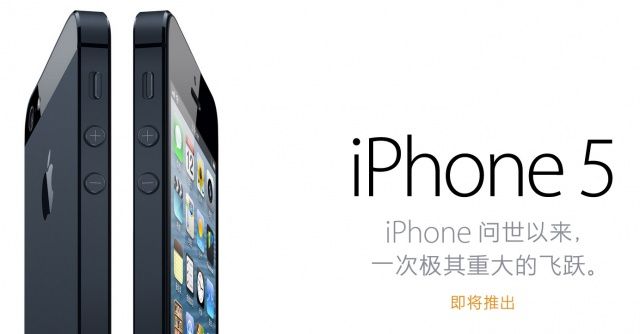
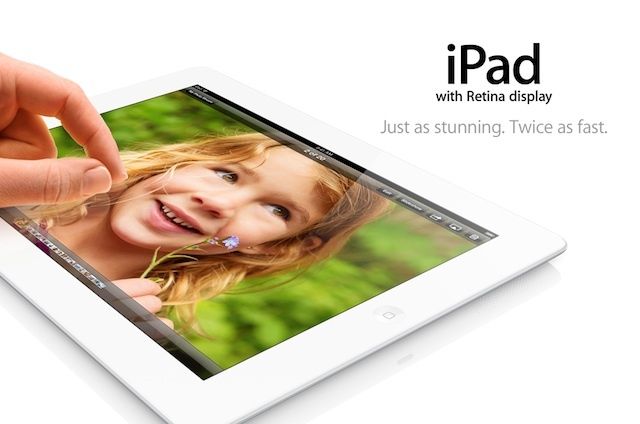
Apple has issued a press release announcing that the iPhone 5, the iPad mini, and the fourth-generation iPad with Retina display will be arriving in China next month. Both iPads will be available on December 7, while the iPhone 5 will be available on December 14.
The iPhone 5 is expected to make its debut in China next month, and that’s looking increasingly likely now that the device has received its third and final license from China’s Telecommunications Equipment and Certification Center (TENAA).
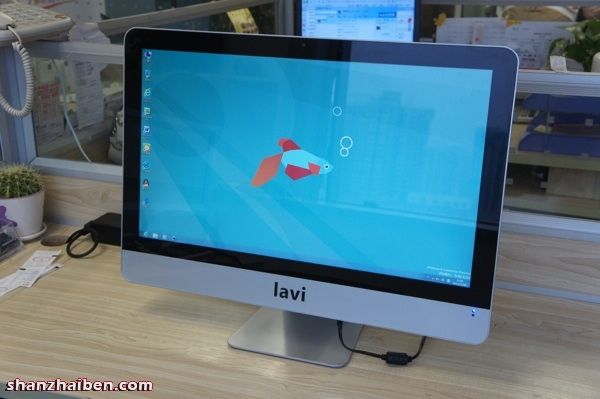
Apple is saying that the new iMac is having production problems overseas, and it’s looking like the new computer will barely be ready for Christmas. Demand for Apple’s latest desktop has spawned a Chinese knockoff called the “lavi.” Powered by Windows 8, the 21.5-inch model costs 3,350 yuan (about $540) with a 500GB hard drive.
Created by “Mr. Hong,” this knockoff has a 1920×1080 display, 4GB of RAM, and an Intel i3 dual-core or i5 quad-core CPU. A 128GB SSD can be installed for an additional fee.
After settling a longstanding trademark earlier this year over the name “iPad,” Apple has seen a big increase in iPad sales in China.
Proview, a Chinese company, had “iPad” registered years before Apple unveiled the iPad back in 2010. For the last few years the two companies have disagreed on settlement terms, but Apple finally resolved the issue by paying Proview $60 million to secure the name. Since the settlement was reached in July, iPad sales have increased 80% in China according to one analyst.
This "Foxbot" could soon be building Apple's latest gadgets.
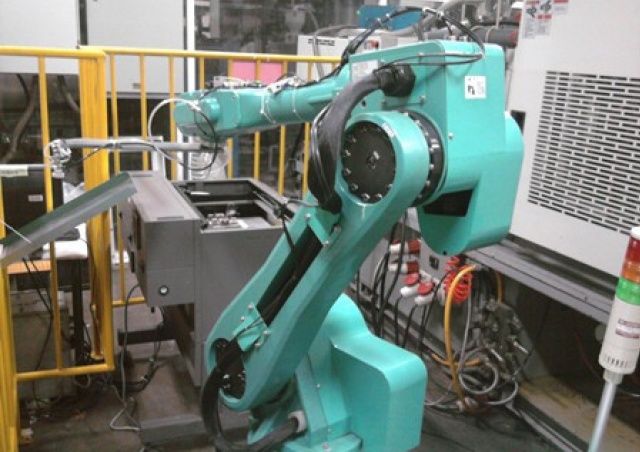
Apple gadgets you buy in the future may have been assembled by machines as Apple’s biggest manufacturing partner, Foxconn, begins replacing its workers with robots. The move is expected to improve efficiency in Foxconn’s Chinese plants, as well as combat rising labor costs.
The iPhone 4S launched on China Telecom back in March.
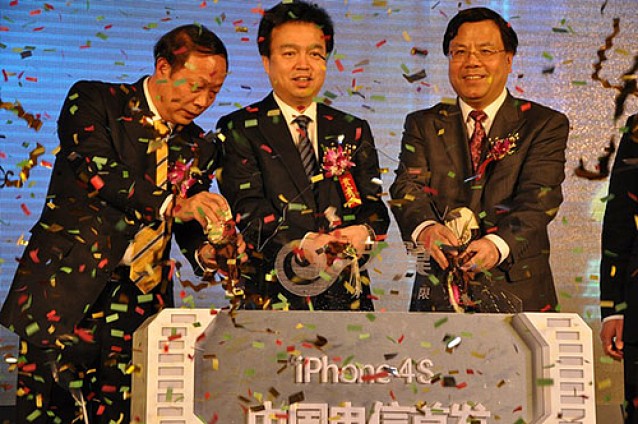
China Telecom has reportedly finalized its talks with Apple over the iPhone 5 ahead of the smartphone’s debut in China in December. The carrier told reporters that its support for the iPhone 5 is now a “foregone conclusion,” while sources claim it will get the device at the same time as, or possibly even before than, China Unicom.