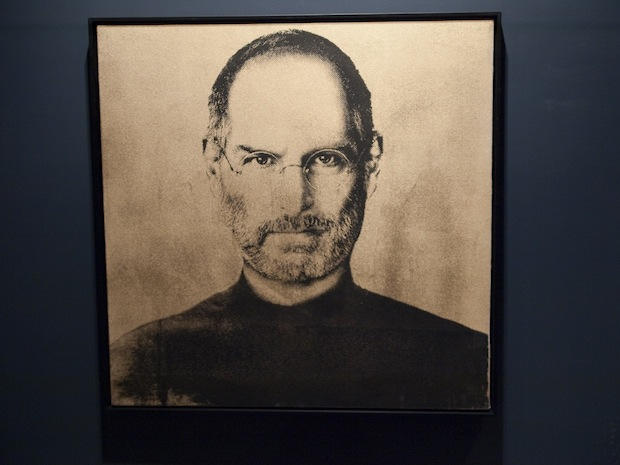
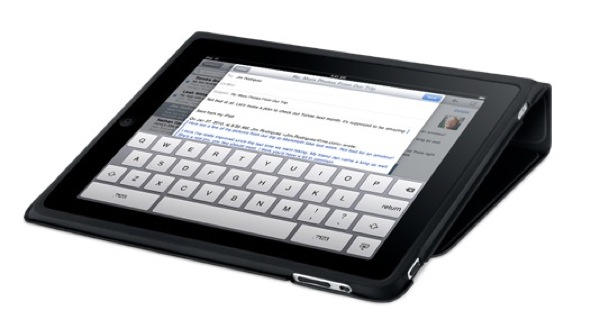
CC-licensed photo by richdrogpa - http://flic.kr/p/7D9ziS
Steve Jobs unloaded on Flash during a meeting with Wall Street Journal executives last week, according to Gawker.
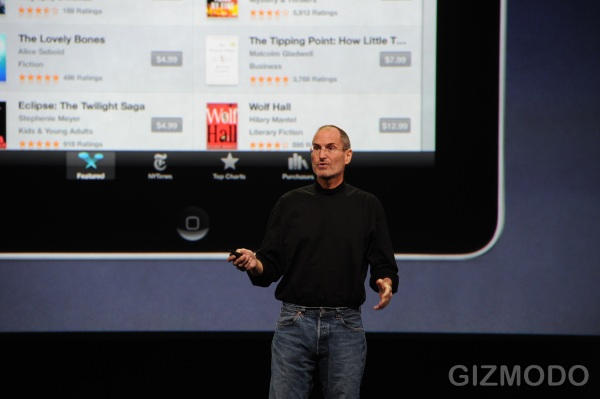
Jobs met with editors of the Journal to show them the new iPad. The Journal make widespread use of Flash on its website for video, infographics, etc., and editors raised concerns about the absence of Adobe’s plug-in.
According to Gawker: “Jobs was brazen in his dismissal of Flash, people familiar with the meeting tell us. He repeated what he said at an Apple Town Hall recently, that Flash crashes Macs and is buggy.”
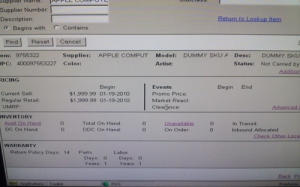
Unfortunately, Gizmodo seems to have pulled the story, but before they yanked it down, they posted a fascinating screenshot of Best Buy’s system showing several new dummy SKUs for new Apple products with a release date of February 19th, 2010…. in other words, tomorrow.
Unfortunately, Gizmodo yanked the post before I could grab a shot, so the image attached here is a lower resolution copy pulled from this scraper site. Sorry about that.
Either way, if this turns out to be true, Apple still tends to release new products on Tuesday, so it’s unlikely we’ll see anything new. The $1,999.99 price shown in the shot probably implies a 27-inch Core i5 2.66GHz iMac, presumably a restock. Still, given the display issues plaguing the 27-inch iMac line, the fact that Apple thinks it’s gotten a good enough handle on the problem to start shipping new machines is worthy of note.
I guess we’ll know tomorrow if this is just random database junk or the first glimpse of something more..
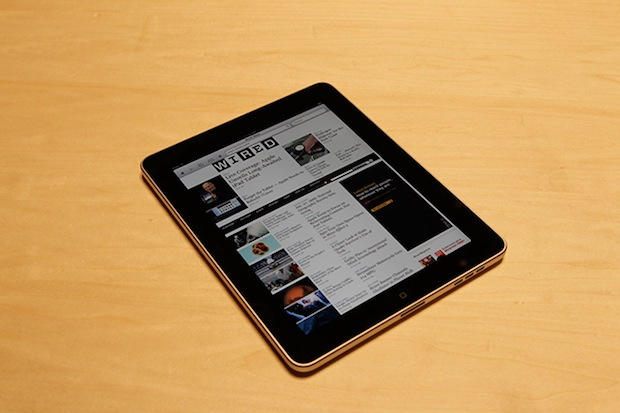
Here’s some video of Wired‘s digital version of the magazine in action.
Check out the amazing 360 of the car ad at the 1.33 point. A glossy magazine ad comes to life and you’re able rotate it with your finger. It’s totally sci-fi — and very, very cool.
Wired’s EIC Chris Anderson says the iPad and other tablets are a big opportunity for the publishing industry, and Wired is betting big on them.
“Much is still to be answered about magazines and other media on this emerging class of devices, from the business and distribution models to the consumer response. But what is already clear is that they offer the opportunity to be beautiful, highly engaging and immersive, going beyond what’s available on the web. I think tablets are going to sell like hotcakes, in part because they offer such an intimate, rich media experience. We’re betting big on them, as you can see, but this is just a taste. Stay tuned for a full release this summer.”
The app is designed to run using Adobe’s Air, but can be easily repurposed for the iPad and other devices, Anderson says. He showed it off for the first time last week at the TED conference.
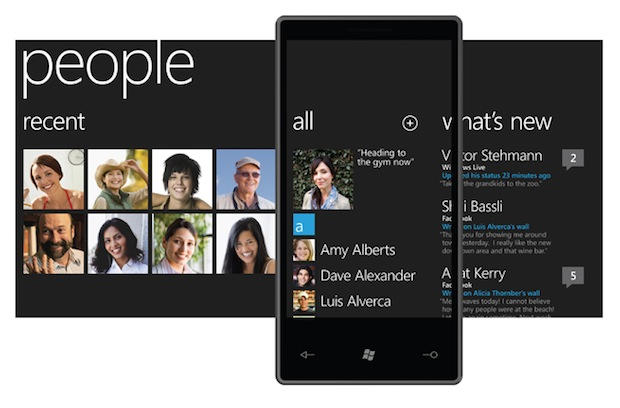
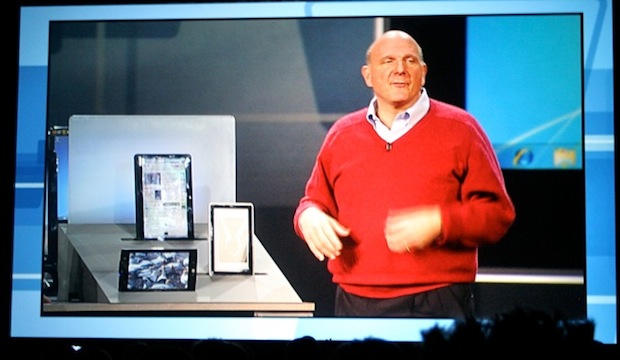
Big shocker: Microsoft isn’t supporting Adobe’s Flash in its brand new Windows Phone 7 operating system.
Windows Phone 7 joins Apple’s iPhone and iPad in snubbing the widely-used plug-in.
The news was delivered to Information Week, which received a surprise email from Adobe saying:
“While the newest version of Windows Phone won’t support Flash at initial availability, both companies are working to include a browser plug-in for the full Flash player in future versions of Windows Phone. More details will be shared at Microsoft MIX next month.”
Information Week is skeptical. It says it’s not clear if Flash is coming to WinMo 7 at all.
The book, which is in the early planning stages, would cover the entire life of Mr. Jobs, from his youth in the area now known as Silicon Valley through his years at Apple, these people said.
Mr. Jobs, who will turn 55 on Feb. 24, has invited Mr. Isaacson to tour his childhood home, one person with knowledge of the discussion said.
… Cooperation with Mr. Isaacson could be a sign that Mr. Jobs has emerged from his recent health battles with more of an interest in shaping his legacy.
Modern day hippies and endless jamming may not be among the first images that spring to mind when you think about Apple’s products and customer base, but check this promotional video for the premier Jam Band confab in the United States, the High Sierra Music Festival, and see how well the two play together.
High Sierra impressario David Margulies does a quite credible job of mimicking the classic Steve Jobs Keynote presentation method introducing the 2010 festival, to be held 4th of July weekend in Quincy, CA — he even incorporates images of the highly anticipated iPad to excellent effect and coins a new catch-phrase especially suited to his product: there’s an act for that!
The High Sierra clip is obviously a spoof, but it actually works to engage the viewer in the content, suggesting the elements of Job’s presentation style — if not, perhaps, the mock turtleneck and jeans — lie at the root of any successful product pitch.
A lot of people are nonplussed by the iPad because it doesn’t seem so new, or even very useful. It’s just a big iPod touch. So what?
But one of the most interesting things Apple said has about the iPad is how it improves the “experience” of doing everyday computing tasks — email, web browsing, making photo slideshows.
Again, people say so what? We’ve already got laptops for email and watching movies. But improving experiences is exactly what Apple is great at. The iPod wasn’t the first MP3 player, but the first anybody could enjoy using. The same thing is going to propel the iPad into the mainstream. Everyday tasks like sending email and reading newspapers are going to be so much nicer on the iPad than any other device. (see for example the New York Times screenshot after the jump.)
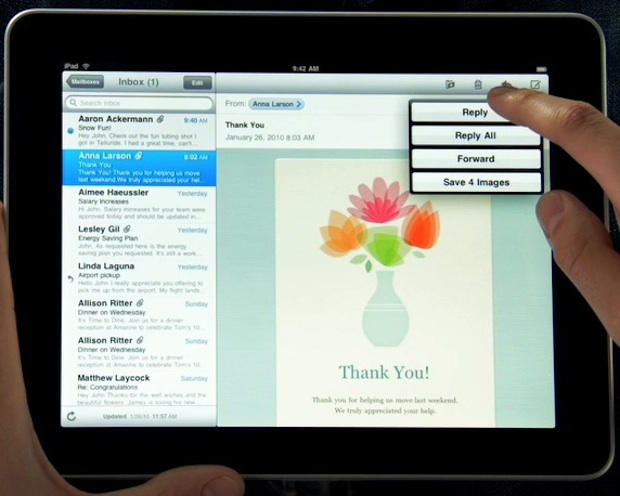
Software developer Fraser Spiers has been digging through Apple’s iPad videos, pulling screenshots to take a closer look at the details of the iPad’s UI. His conclusion? It’s going to provide a very good experience not just for media consumption, but also media creation.
Look at what’s in here: a full stylesheet engine, multi-column page layout, a complete library of cell formulae and a full set of builds and transitions. You can create a Magic Move transition on the iPad. That’s probably the most advanced technique you can do in Keynote, and it’s there on the iPad.
Internecine warfare among Microsoft’s divisions has created a “dysfunctional” corporate culture that thwarts creativity instead of nurturing it. “The company routinely manages to frustrate the efforts of its visionary thinkers,” he writes.
Kevin Lynch, Adobe's CTO, says Flash on the iPad is essential to the "open" internet. Except Flash isn't open.
Adobe’s chief technology officer has finally weighed in on the great Flash debate, and is taking potshots at Apple for not supporting Flash on the iPad. Adobe’s head software honcho Kevin Lynch says Flash on the iPad is essential to the “open” internet. Except Flash isn’t open.
Wired Magazine built an interactive version of the print publication for the iPad -- using Adobe's Air. But like Flash, Air isn't supported on the device. Photo: Jon Snyder/Wired.com
My old friends at Wired tell me that the magazine’s designers scrambled to finished their gorgeous digital version of the publication just in time for Apple’s big iPad launch last week.
Trouble is, the interactive prototype was built using Adobe’s Air — which means it won’t work on the very device it was built for. Like Flash, Apple isn’t supporting Air on the iPad.
“The magazine industry was hoping to finally get over the pay wall with a fancy, shmancy iPad version of their precious slick glossy (but) gets caught with their pants down and their wee wees out,” said one insider.
Steve Jobs doesn’t follow a presentation template but as outlined in my new book, The Presentation Secrets of Steve Jobs, he does consistently follow the same principles that have turned Apple product launches into an art form. The iPad announcement on Wednesday, January 27th was no exception: classic Steve Jobs.
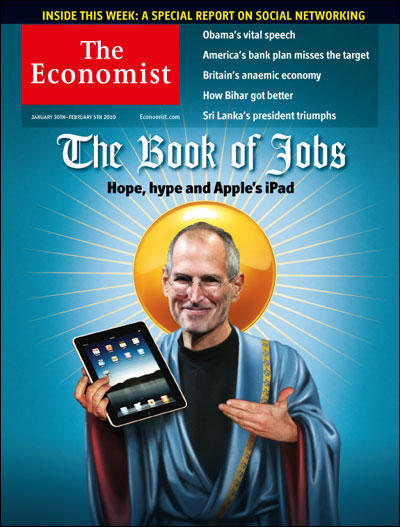
The formidable Economist magazine has blessed Steve Jobs with a rare cover story examining the potential impact of the Jesus tablet.
Even rarer, the iPad story is mostly positive, even if the religious imagery is over the top.
The Economist fancies Jobs’ chances of shaking up not just one industry, but three — especially media:
Jobs’s record suggests that when he blesses a market, it takes off. And tablet computing promises to transform not just one industry, but three—computing, telecoms and media.
Companies in the first two businesses view the iPad’s arrival with trepidation, for Apple’s history makes it a fearsome competitor. The media industry, by contrast, welcomes it wholeheartedly. Piracy, free content and the dispersal of advertising around the web have made the internet a difficult environment for media companies. They are not much keener on the Kindle, an e-reader made by Amazon, which has driven down book prices and cannot carry advertising. They hope this new device will give them a new lease of life, by encouraging people to read digital versions of books, newspapers and magazines while on the move. True, there are worries that Apple could end up wielding a lot of power in these new markets, as it already does in digital music. But a new market opened up and dominated by Apple is better than a shrinking market, or no market at all.
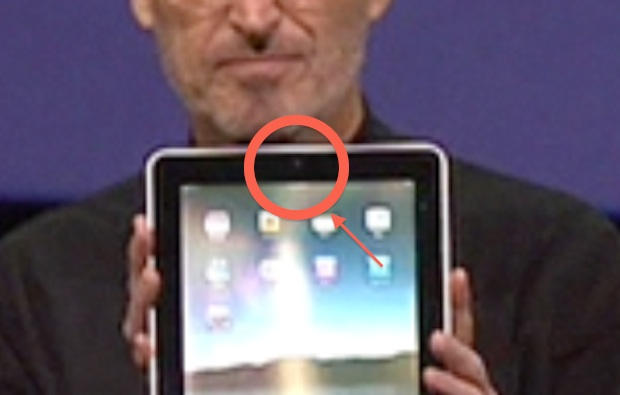
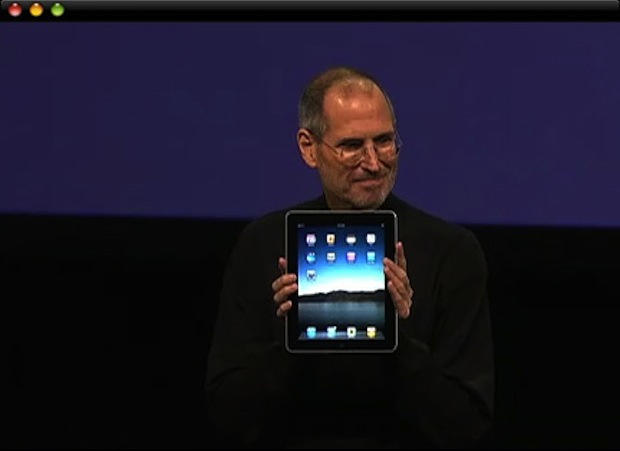
Sharp-eyed observers have noticed what looks to be an iSight camera in the iPad Steve Jobs used in last week’s keynote.
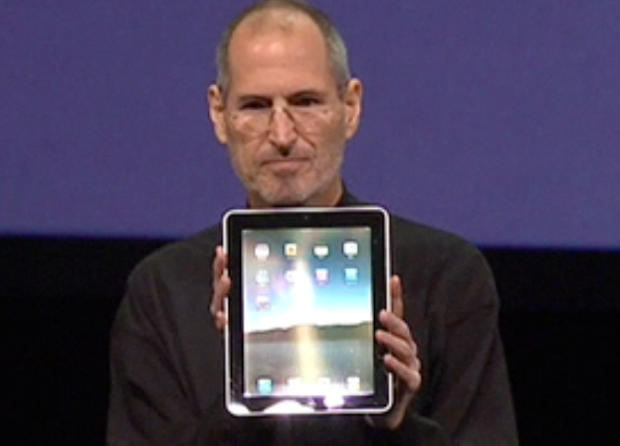
Even though Jobs didn’t talk about a camera, and it’s not mentioned in Apple’s official tech specs, something that looks like an iSight camera can be seen when Jobs first holds the iPad up for everyone to see.
As he holds it up, the light catches the iPad’s surface, illuminating something underneath. That something looks like an iSight camera, similar to the ones built into MacBooks, under the screens.
It’s not conclusive, of course, but corroborates the prototype images published by Engadget in the run up to the event, which clearly show an iSight camera in the same position. And references to a camera have been found in both the iPad’s Address Book software and the iPad firmware.
The absence of a camera on the iPad has been one of the device’s most puzzling omissions. Although, as our own John Brownlee first noted, a camera in a tablet that’s sitting in your lap, staring up at you, doesn’t produce the most flattering camera angles.
UPDATE: A repair company called Mission Repair says the iPad’s frame clearly shows an empty spot for an iSight camera, and it is exactly the same size and shape as the iSight slot in a MacBook’s screen frame. (Mission Repair received a shipment of iPad parts on Monday, the company blog says).
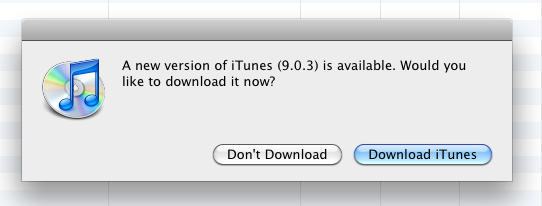
Apple has just released iTunes 9.0.3, which looks like mostly bug fixes a big upgrade with a new look, among other things. Full details of the big, fat 100MB upgrade after the jump.
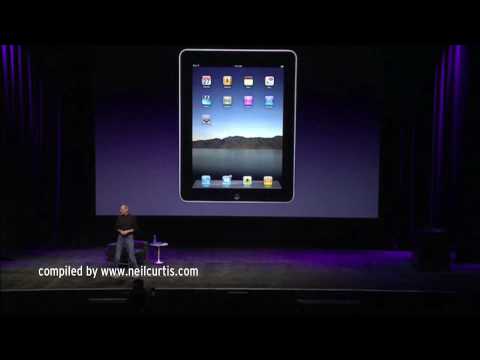
Here is Steve Jobs’ iPad keynote in less than 180 seconds. It’s wonderful! Amazing! Incredible!
The video sums up “all the important words,” says its creator, Neil Curtis.
“I assure you that no scene is repeated and everything was said on this keynote!” he adds. “Oh, and please don’t take it personal: it’s meant to be humor!”
If you’re an Apple fanboy (or girl) and your tee shirt repertoire doesn’t include as many Apple inspired tees as it should—you’re in luck—Coty over at cotygonzales.com has come to your rescue. With much sweat and toil, he’s put together a huge list of 101 T-Shirts for Apple Fanboys and the Mac Faithful that is sure to help you get you get back on the right track.
Fanboy protocol calls for 5-6 different Apple shirts to be worn publicly per week—better stock up.
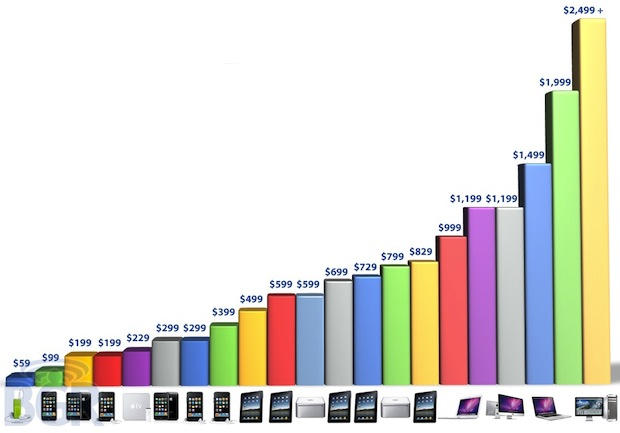
“From $59 to $7,000, if you want an Apple product, there’s a pretty darn good chance you’ll be able to pick something in your price range. Simply brilliant,” says the site.
But note that the chart does not show ALL Apple’s products and price points: there’a lot of products missing. But it does show that although Apple has a reputation as pricey, it does hit a lot of sub-$1,000 price points.
“General purpose computing is too complicated for most people anyway, and the iPad’s descendants along with similar competing products from other companies will offer an enticing alternative. So I see the death of the traditional, open personal computer as a likely occurrence.”
Pro: But Facebook iPhone developer Joe Hewitt is extremely positively about the iPad’s closed system. To his mind it’s a major asset:
“The one thing that makes an iPhone/iPad app “closed” is that it lives in a sandbox, which means it can’t just read and write willy-nilly to the file system, access hardware, or interfere with other apps. In my mind, this is one of the best features of the OS. It makes native apps more like web apps, which are similarly sandboxed, and therefore much more secure. On Macs and PCs, you have to re-install the OS every couple years or so just to undo the damage done by apps, but iPhone OS is completely immune to this.”
I’m with Hewitt. The IPad is a cloud computer par excellence, and we will likely be able to run almost any software we want on it, but it’ll be on a server somewhere and not on the iPad. Colburn notes this too, but thinks it’s a bad thing.
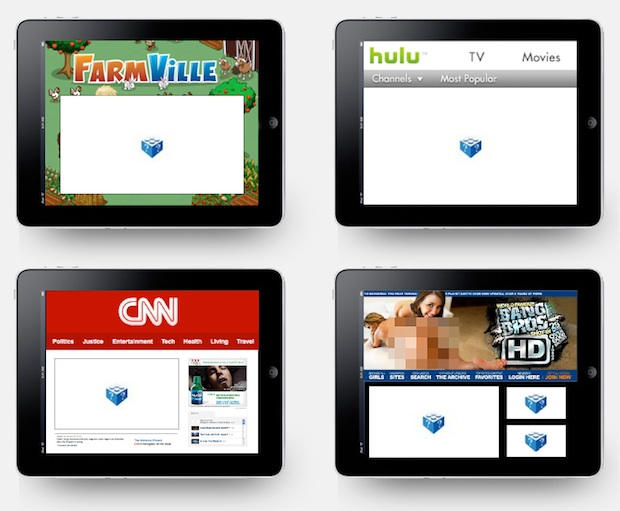
How the web will look on the Flash-less iPad, according to Adobe.
Why is there no Adobe Flash on the iPad? Adobe says it’s not because it’s buggy, as an Apple source claimed this afternoon to CultofMac.com.
It’s because Apple is protecting revenue streams derived from content like movies and games. If users could watch free TV shows on Hulu, they wouldn’t buy them through iTunes.
“It’s pretty clear if you connect the dots: the issue is about revenue,” says Adrian Ludwig, an Adobe group product manager for Flash, during a telephone interview on Friday afternoon.
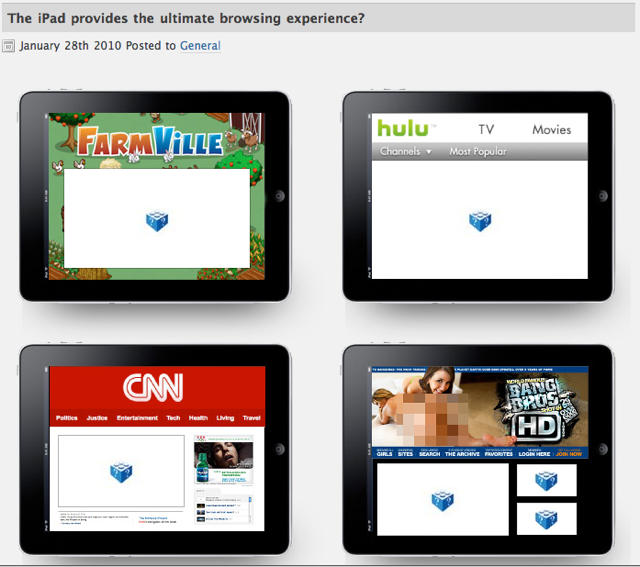
Adobe is so bothered by Apple excluding Flash from the iPad, it put porn up on its blog to prove the point.
Abobe’s official Flash Blog has a post entitled “The iPad provides the ultimate browsing experience?” which shows how several popular websites would look without Flash content. Right at the top is a screenshot of Bang Bros HD, a hardcore porn site.
As you can see, an iPad without Flash is going to be pretty much useless for HD porn.
“Millions of websites use Flash,” the blog post says. “Get used to the blue Legos.”
UPDATE: We checked, and there’s an MP4-based version of Bang Bros, which works fine on the iPad as is. So even Adobe’s most desperate tactic isn’t true.
Much has been written about all the iPad surprises, disappointments, features, missing features, hype, expectations, future, etc. adnauseam. But not much has been written about what the iPad says about Apple. I’m excited about the iPad because of the many ways it demonstrates that Apple just gets it.
Palm almost gets it, Microsoft may be on it’s way to getting it with the Zune platform, Blackberry doesn’t have to get it, and Google just doesn’t get it.
“Stop, hey, what’s that sound? Everybody look what’s going down.”
— For What It’s Worth, Stephen Stills
That sound, the one emanating Wednesday from the stage at San Francisco’s Yerba Buena Center for the Arts and reverberating throughout the blogosphere and interwebs, the one heard in literally millions of conversations at lunch counters and water coolers and dinner tables across the globe, was the sound of another ding in the universe.
Once all the snickering about feminine hygiene finally dies down, once Apple finally puts the iPad into the retail chain that saw 50,000,000 people walk through the doors in the most recent fiscal quarter, once people — aside from jaded technology journalists and geekazoids — get the iPad in their hands, Apple’s description of it as a “magical and revolutionary” product will begin to come into focus.