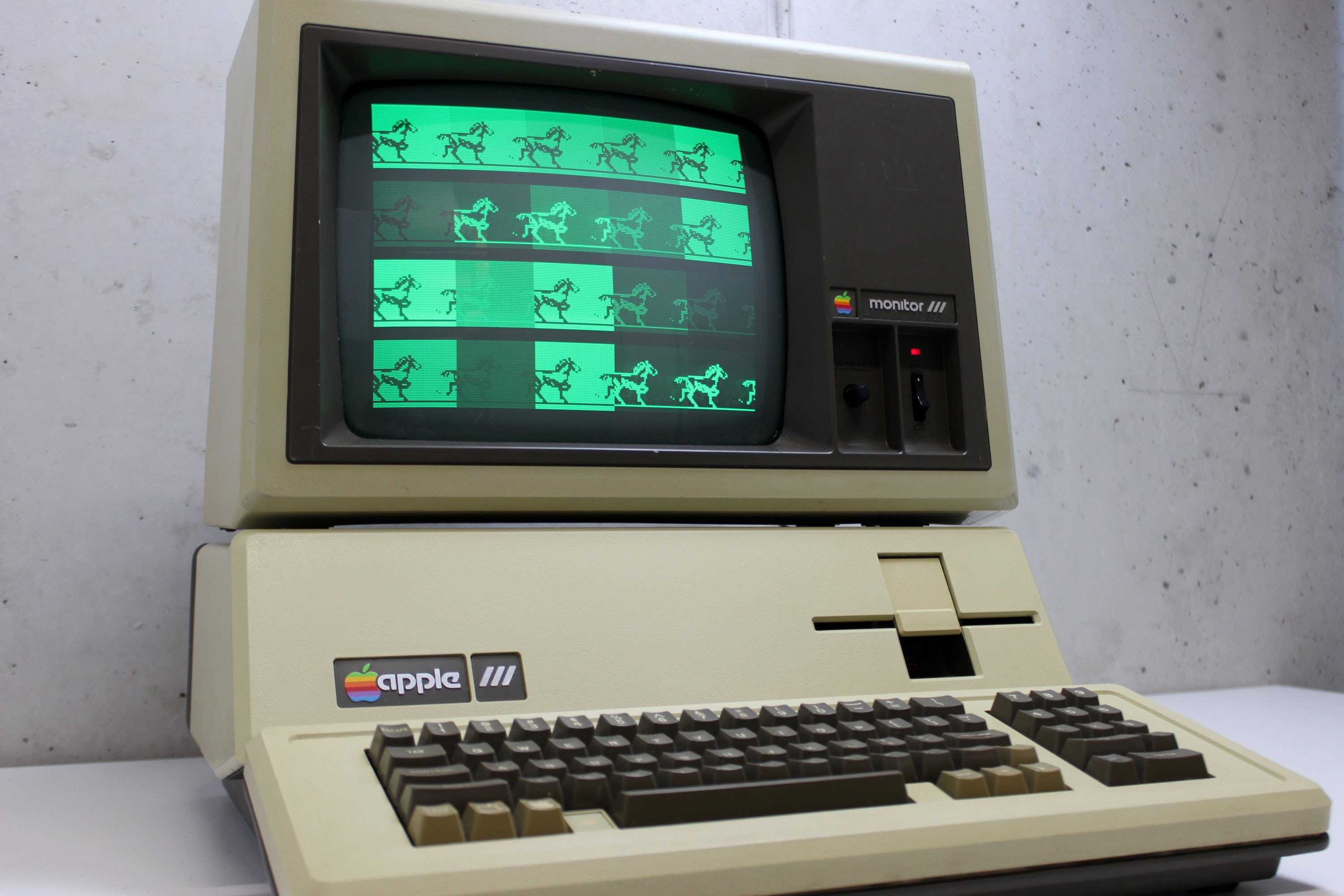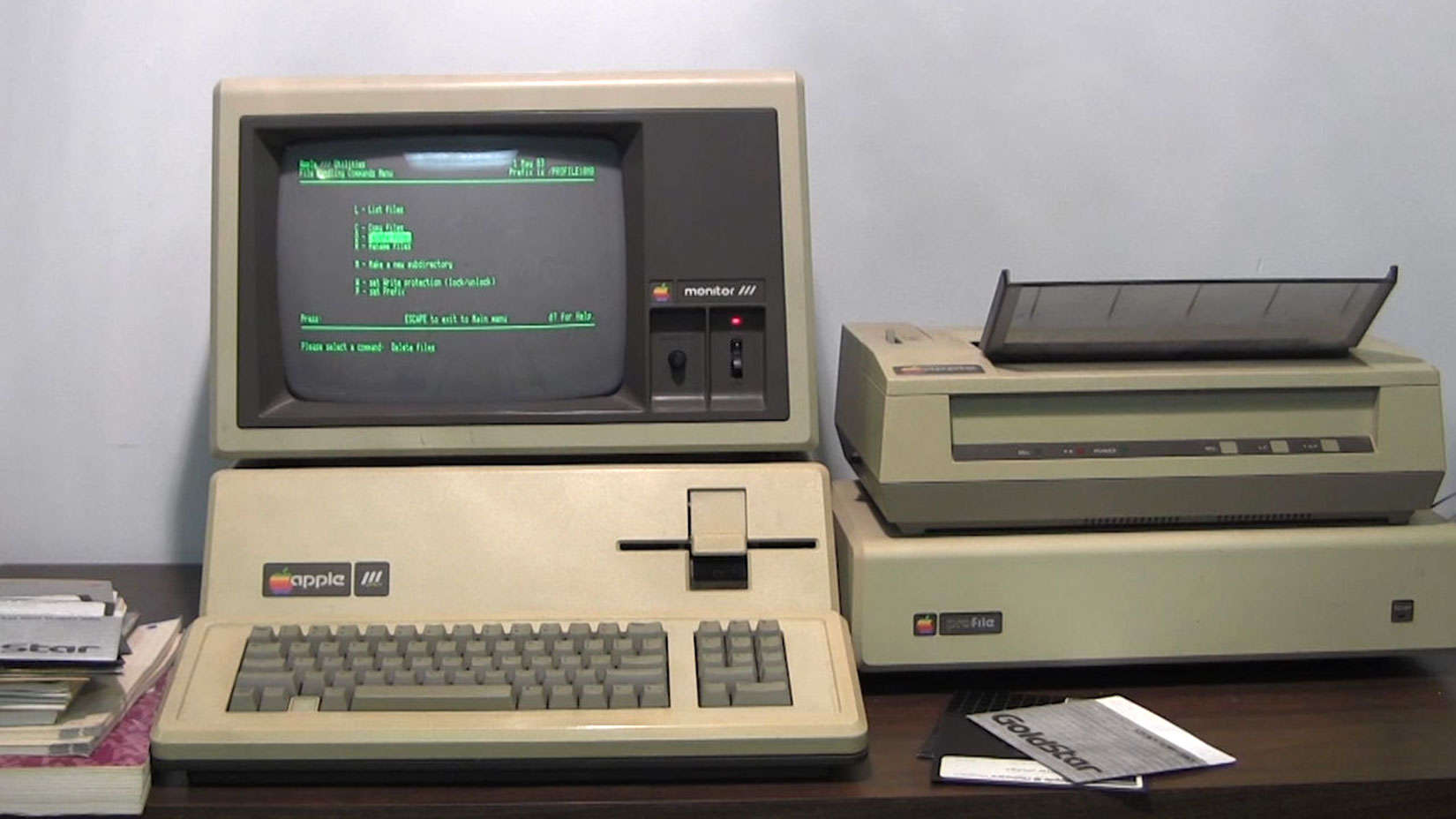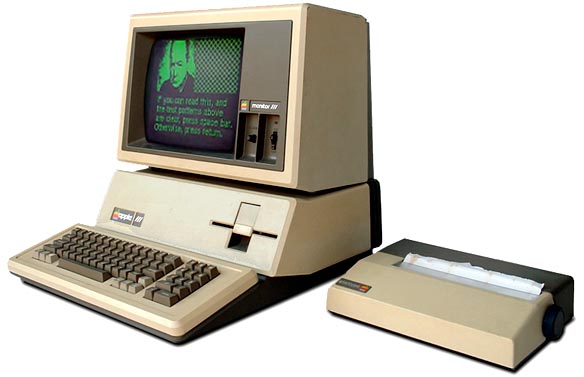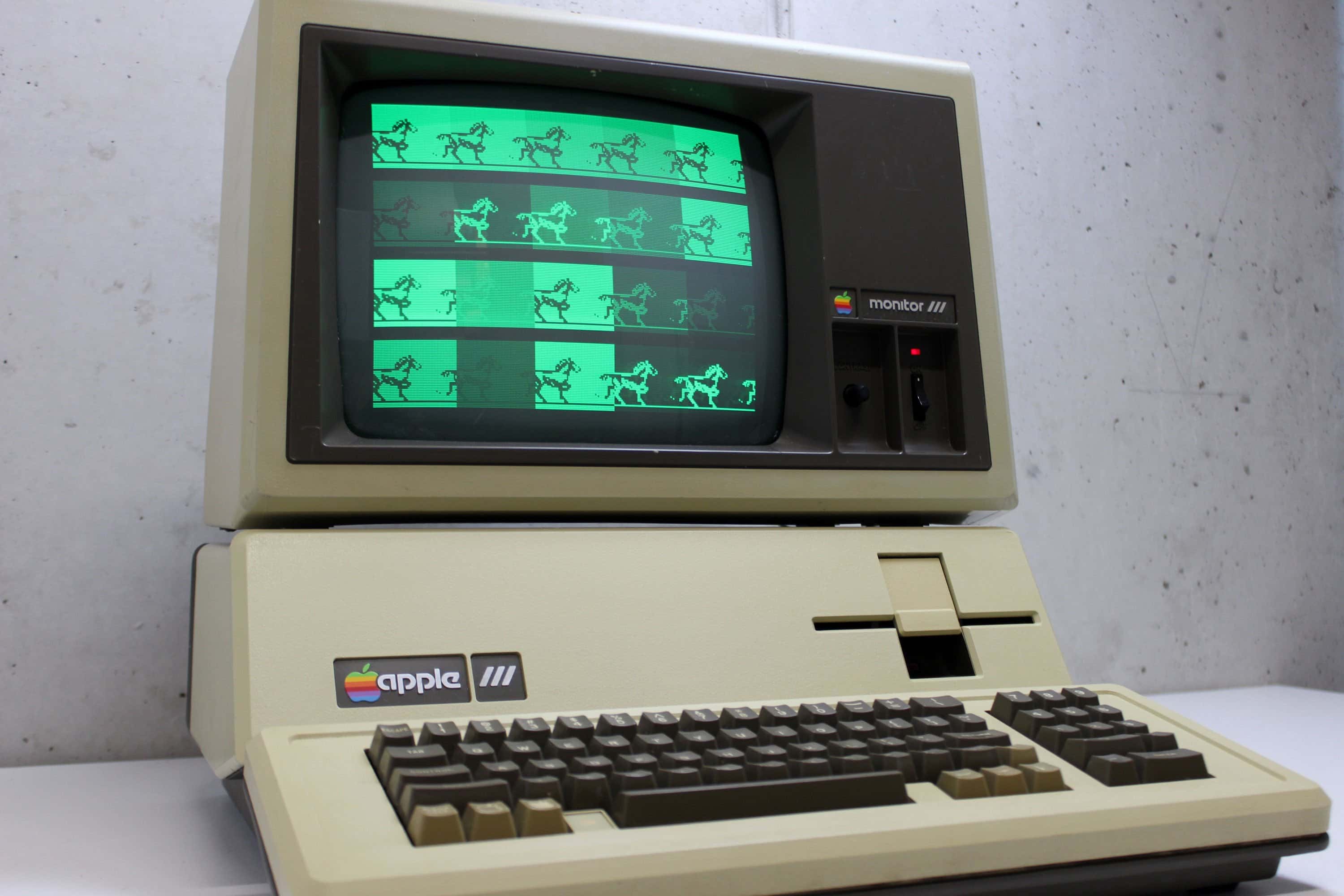
The Apple III was a business-oriented personal computer released by Apple in 1980 as the successor to the popular Apple II. It featured a more advanced operating system dubbed Apple SOS (Sophisticated Operating System), a built-in keyboard, an internal power supply and support for uppercase and lowercase text — unlike the Apple II.
It used a Synertek 6502A processor running at 2 MHz and came with up to 512 KB of RAM.
However, the Apple III suffered from serious hardware reliability issues, including overheating problems due to its fanless design. Despite efforts to fix these issues in later revisions, the product failed to gain traction in the business market and was eventually discontinued in 1984. It’s now remembered as one of Apple’s early commercial missteps.
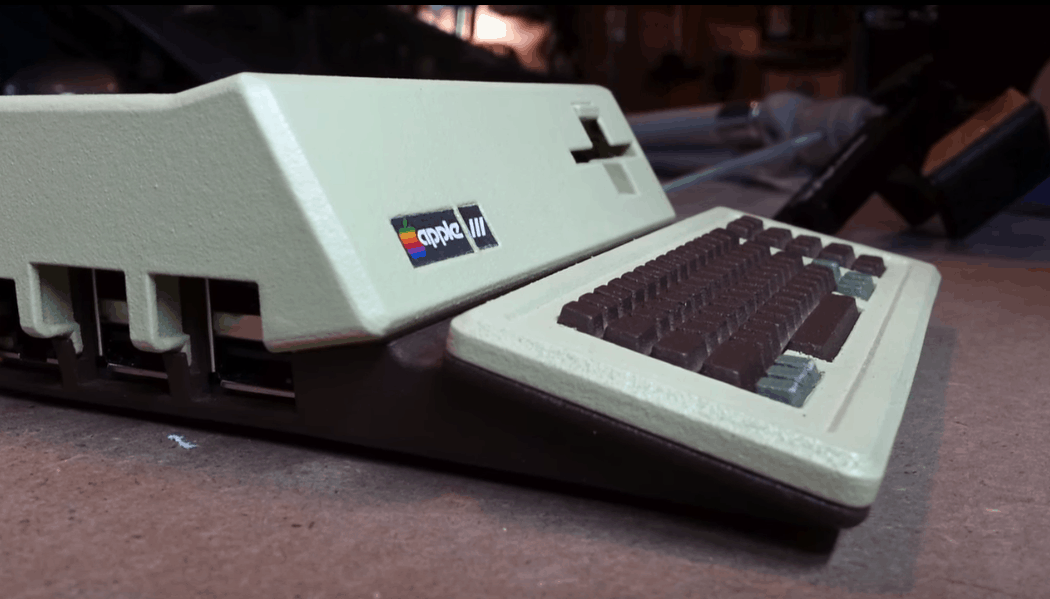
Apple relaunched its ill-fated Apple III, hoping to address some serious problems with the original model. Photo: Alker33/YouTube
December 1, 1981: After the disastrous rollout of the “next-gen” Apple III in 1980, Apple releases a revised edition of the computer that corrects most of its glaring hardware faults.
Unfortunately, the damage has already been done. Apple experiences its first “flop” product with the Apple II’s doomed successor.
The problems encountered by the Apple III sound strangely familiar. Photo: Alker33/YouTube
April 15, 1981: Apple CEO Mike Markkula defends the struggling Apple III computer with a surprisingly straightforward admission. The comment comes even as the company pushes an unorthodox “fix” for the Apple III motherboard, which tends to overheat due to a questionable design.
“It would be dishonest for me to sit here and say that it’s perfect,” Markkula tells The Wall Street Journal, after critics blast the new computer for its overheating motherboard. Apple’s official solution to the problem? Ask users to drop their Apple III from a height of 6 inches to reseat the chips.

The Apple III should have been a smash hit. It wasn't. Photo: Alker33/YouTube
May 19, 1980: Apple introduces the Apple III at the National Computer Conference in Anaheim, California. After two years of development, the business-oriented computer arrives to follow the enormously successful Apple II. However, for a variety of reasons, the Apple III launch turns out to be the company’s first major misstep.
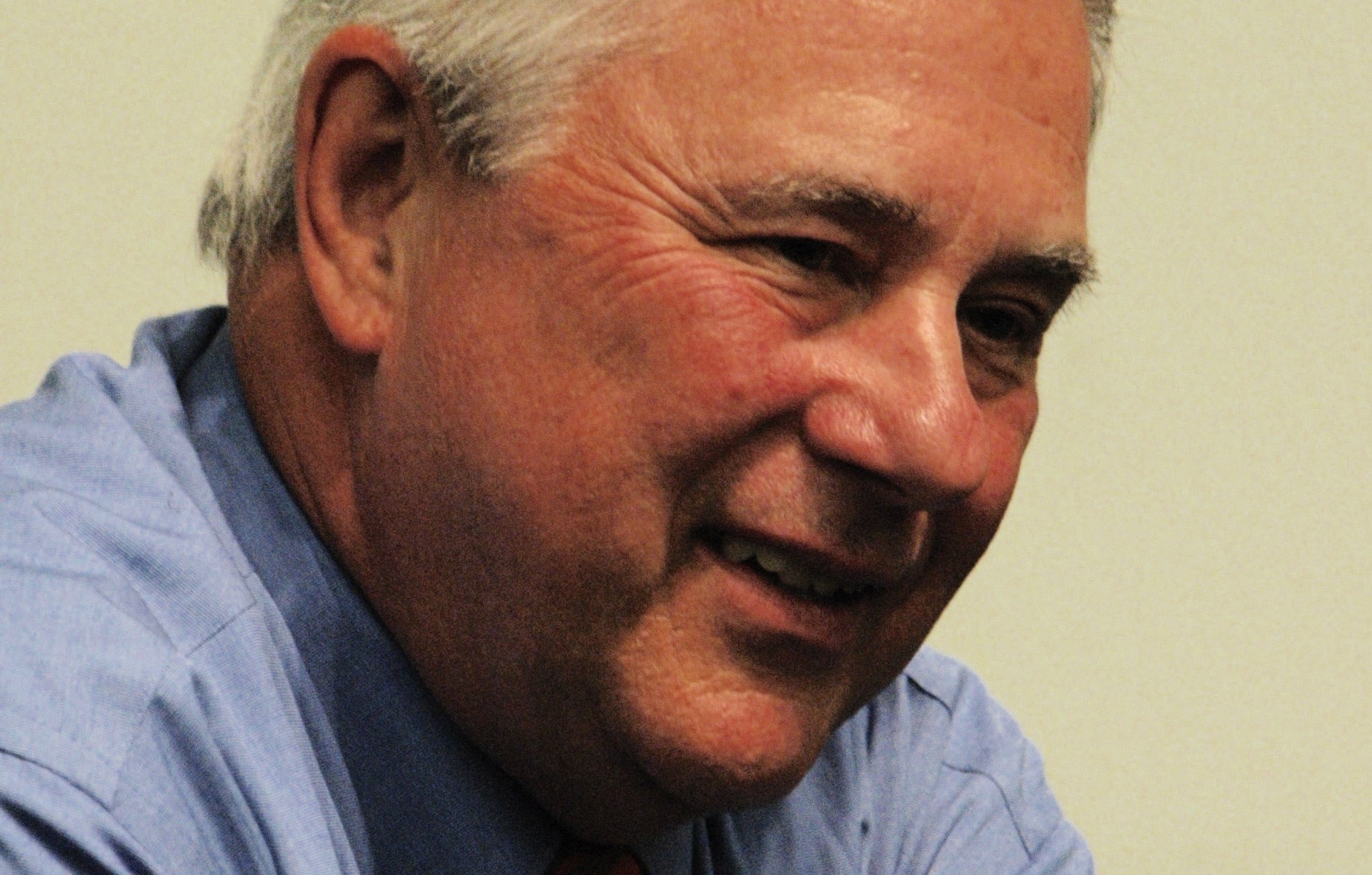
Apple’s first proper industrial designer, Jerry Manock crafted the look of the Macintosh and other memorable computers. Photo courtesy Jerry Manock
Jerry Manock is one of the great unsung heroes of Apple design. As the father of Apple’s Industrial Design Group, Manock made an indelible contribution to the company’s long line of hit products.
He may not be a household name like Jony Ive, but, starting with the Apple II, Manock played a massive role in making the company what it is today. In an exclusive interview with Cult of Mac, the 76-year-old industrial designer recounts many colorful stories about Cupertino’s past — including one that shows even Steve Jobs got nostalgic.
You can pick up some pretty snazzy cases for your Raspberry Pi, but none of them beat this insane Apple III mod. Built using drawings of the real thing and a 3D printer, it looks almost identical to Apple’s machine, only smaller.
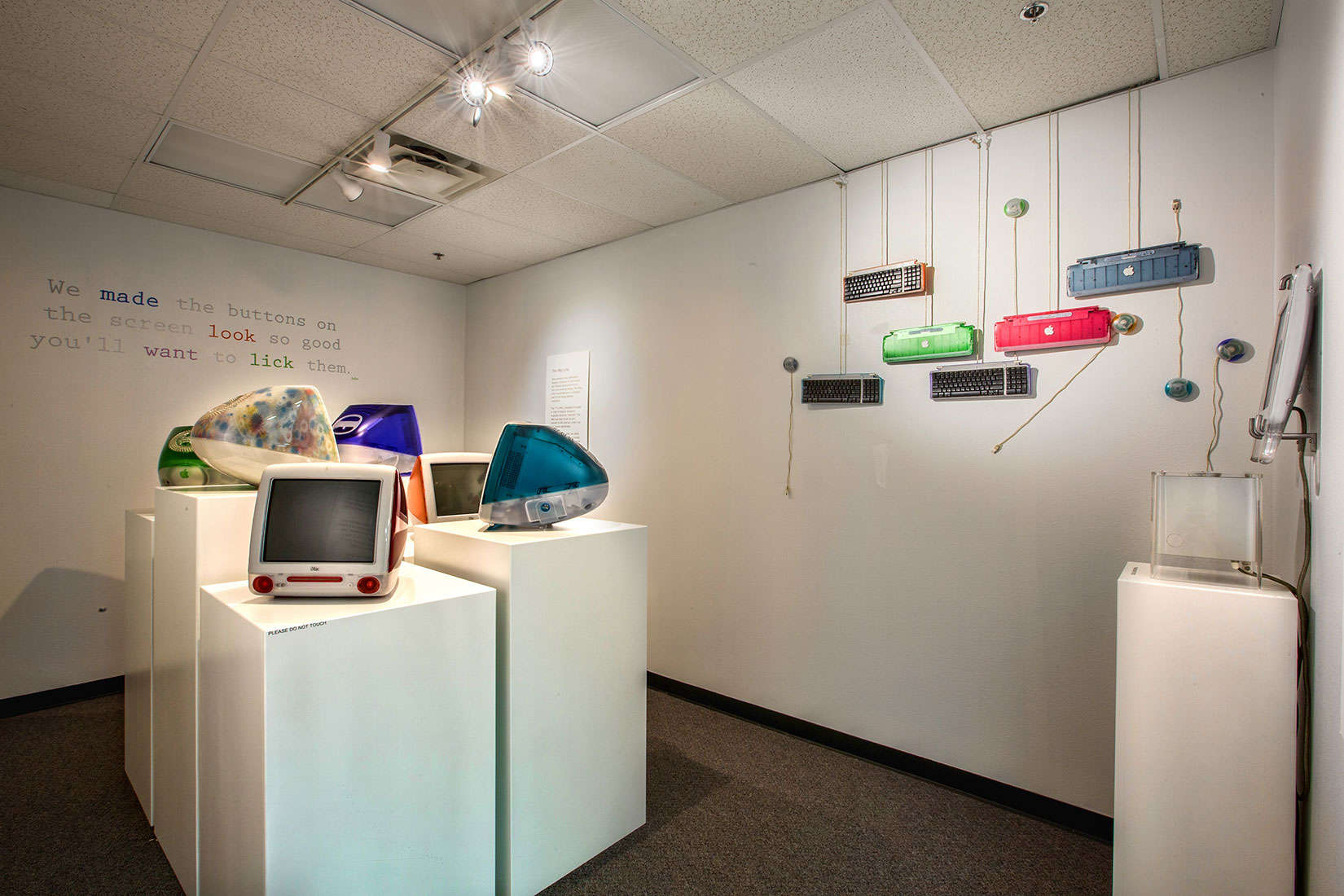
Colorful early iMacs are among the technological wonders on display in the Apple Pop Up exhibit at the Computer Museum of America. Photo: Computer Museum of America
Phil Schiller says Apple is too busy “inventing the future” to “celebrate the past” by building a museum.
So if you are in search of history on the 40th anniversary of Apple’s founding, you might want to travel to Georgia. There, a guy named Lonnie Mimms has taken over an old CompUSA building and meticulously crafted a tangible timeline that would make Apple’s futurists — perhaps even Schiller — pause with nostalgia and pride.
This Apple III Plus still works after spending the 1980s scheduling yoga classes at a spiritual retreat center. Photo: Yogaville/eBay
As far as computers go, the Apple III was a rather rotten Apple. The first 14,000 were recalled with hardware problems galore and even with bugs eventually worked out, Apple never could erase the computer’s “lemon” label.
But if you’re willing to give the Apple III a second chance, there is a working one for sale, complete with manuals, startup disks and, quite possibly, the good karma of a famous swami.
One of the first arguments that springs up in the many debates of Mac versus PC is cost. Traditionally, Apple computers come with premium price tags, which are almost always well-deserved. But there are a handful of Apple machines that were priced well above what you would normally expect to pay, even for Cupertino’s latest computer.
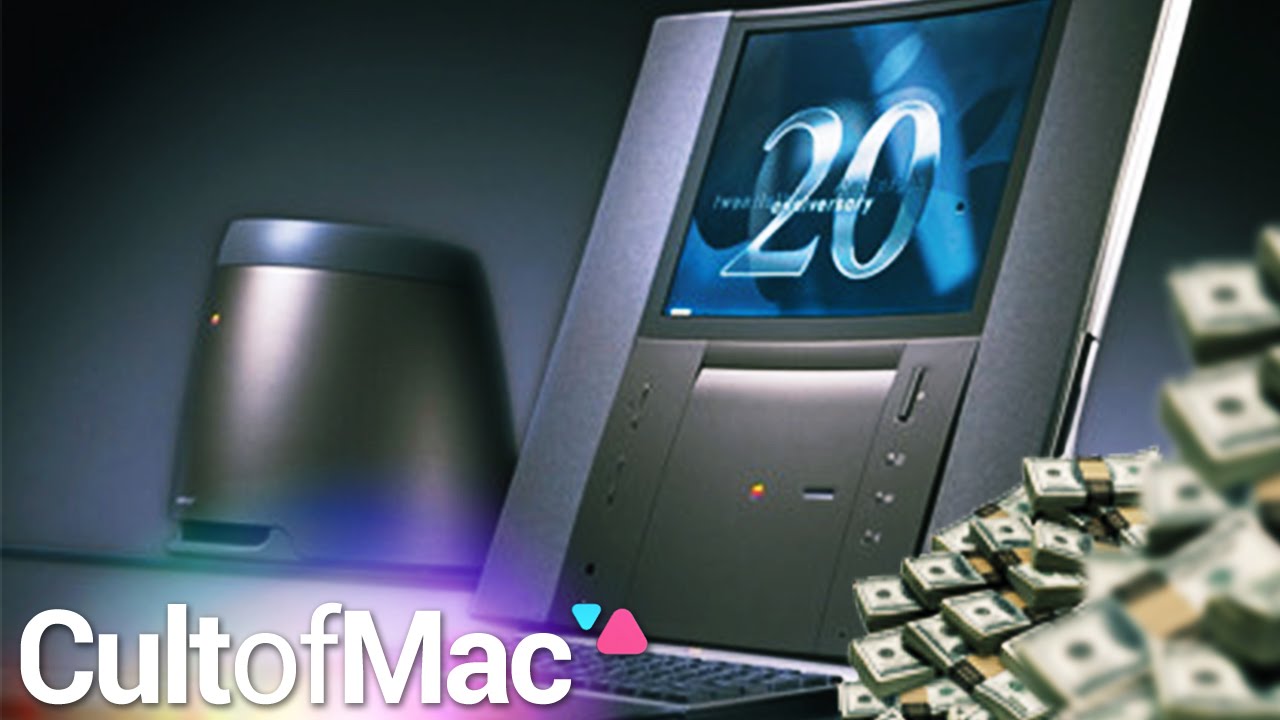
In today’s video, we take a look at the five most expensive Macs of all time — and tell you how much they would cost today with their price tags adjusted for inflation. You might think the new Retina 5K iMac is outrageously expensive, but compared to some of Apple’s older machines, it’s not that pricey.
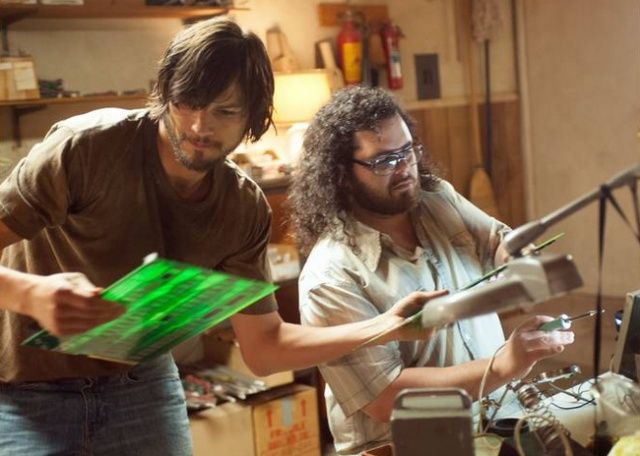
Apple co-founder Steve Wozniak famously slammed the one-minute teaser for Ashton Kutcher’s Steve Jobs biopicand its script back in January, but that doesn’t mean he has a hatred for JOBS before he’s even seen it. In fact, Woz says he’s open to it as long as it’s entertaining and inspirational, and accurately portrays what really happened during the early days of Apple.
But he’s concerned the movie will depict Steve Jobs as a saint who was immune to failure.
What if the history books have it wrong? What if the tool is the master of its maker? Did Mac create Man?
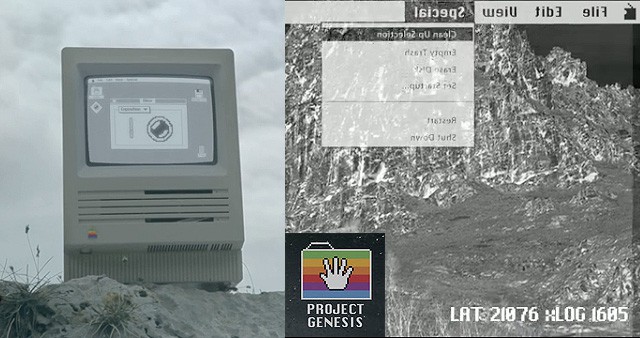
Project Genesis, a short film about a world populated only by old Apple computers, has arrived. The computers have issues. And they have spoken:
We have always looked at our world with a single point of view: with resignation, limiting ourselves to survive. We were wrong! From this moment on, everything changes: new unexpected ways open up in front of us, the world we knew now becomes more accessible, simple, within everyone’s range.
With “Project Genesis” we open the door to our dreams: now we only have to start living, as we truly mean it
Cue the spotlights. Cue the fanfare. Today on Cult of Mac, we present the International Premiere of this groundbreaking short film by Italian director Alessio Fava. It was worth the wait:
You might think that the new MacBook Pro with Retina display breaks the bank as far as computers go, but compared to some of Apple’s older machines, it’s just a drop in the bucket. Apple has never had the most economical options for computers, but they’ve come a long way towards being affordable to most consumers. Don’t believe me? Forbes has compiled a list of the five most expensive Apple computers of all time.
Apple co-founder and burly all-around cuddle bear Steve Wozniak was in India last week to talk to up-and-coming entrepreneurs a thing or two about becoming a technology legend, and while he was there, he gave a great interview in which he said that competing smartphones were “failures,” just like the Apple III and the Lisa.
Things at Apple are going to be a little different without Steve Jobs at the helm. I have no doubt that Tim Cook will step up to do a fantastic job, but there are many reasons why we’ll never forget Steve’s time at Apple. Here we take a look at some of Apple’s greatest achievements while Steve was at the company, and the products that have made it the world’s largest company.