Mac sales (and services) drive Apple revenues to record highs once again. Photo: Rachel Moenning/Unsplash CC
Apple pulled in more revenue last quarter than in any previous July-through-September period, despite the COVID-19 pandemic. Growth came from sales of Mac and iPad, as well as revenue from services.
But iPhone revenue was down dramatically because of the delayed release of the iPhone 12 series. That hurt earnings significantly.
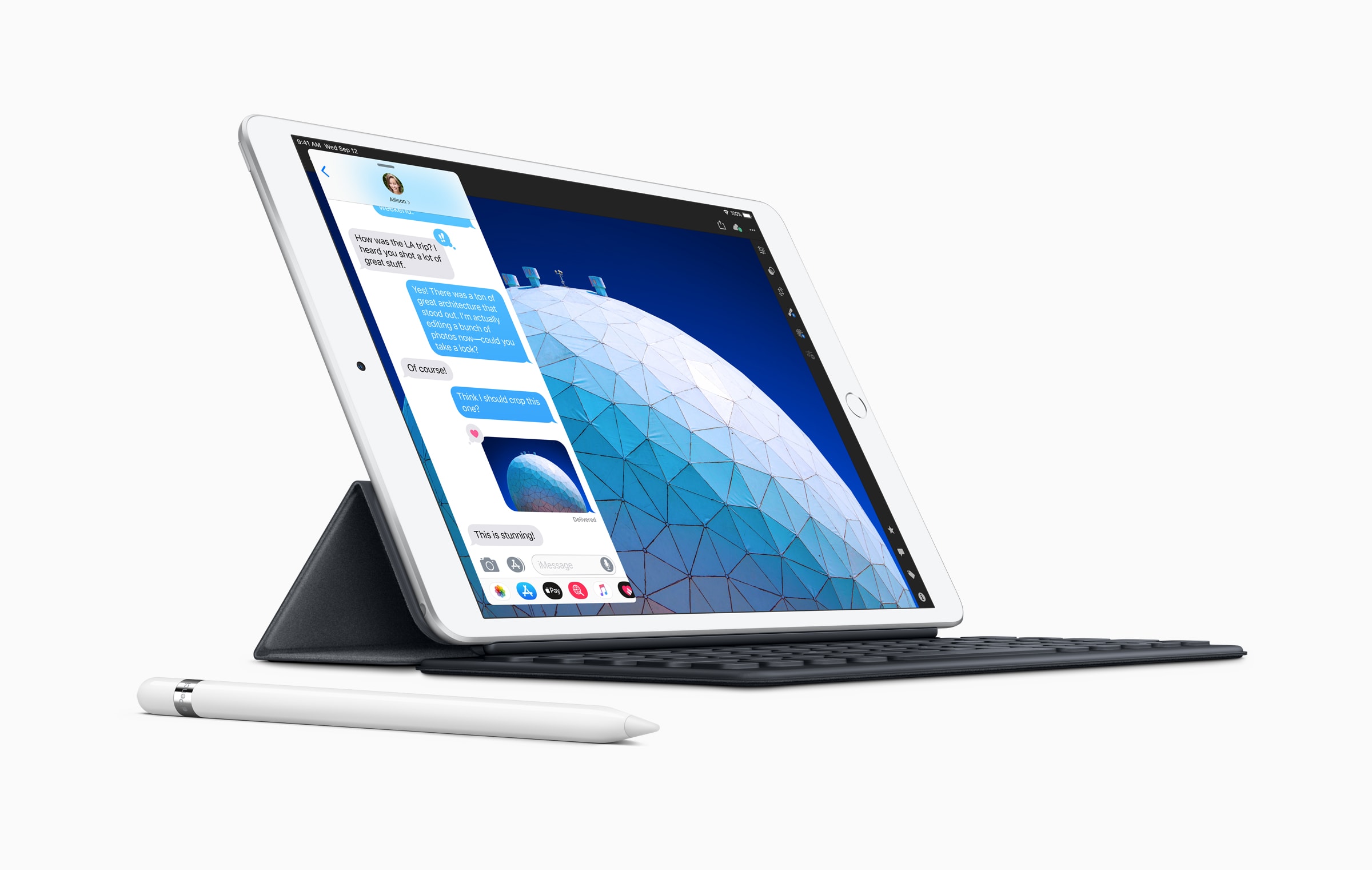
The first quarter of 2020 wasn’t great for iPad Sales but Q2 might be much better. Photo: Apple
Revenue from iPad sales dropped 10% during the first quarter of 2020. And shipments dropped 3%, according to a market-research firm. But analysts say that people working and studying from home during the pandemic could bring a burst of purchases this quarter.
Can nothing stop the Cupertino juggernaut? Image: Lewis Wallace/Cult of Mac
While COVID-19 certainly overshadowed Apple’s most recent financial quarter, the company actually saw an annual increase in revenue, with the growth primarily coming from services and wearables.
Looking ahead, the company predicts that Mac and iPad sales will be strong. And CEO Tim Cook remains confidant about Apple’s future.
Apple TV+ did not get off to a strong start, if one analyst is correct. Screenshot: Apple TV+
Even though every new iPhone, Mac or iPad purchased last fall came with a free subscription to Apple TV+, a relatively small percentage of people signed up, according to an analyst, who estimates that the strategy garnered the streaming service only 10 million subscribers.
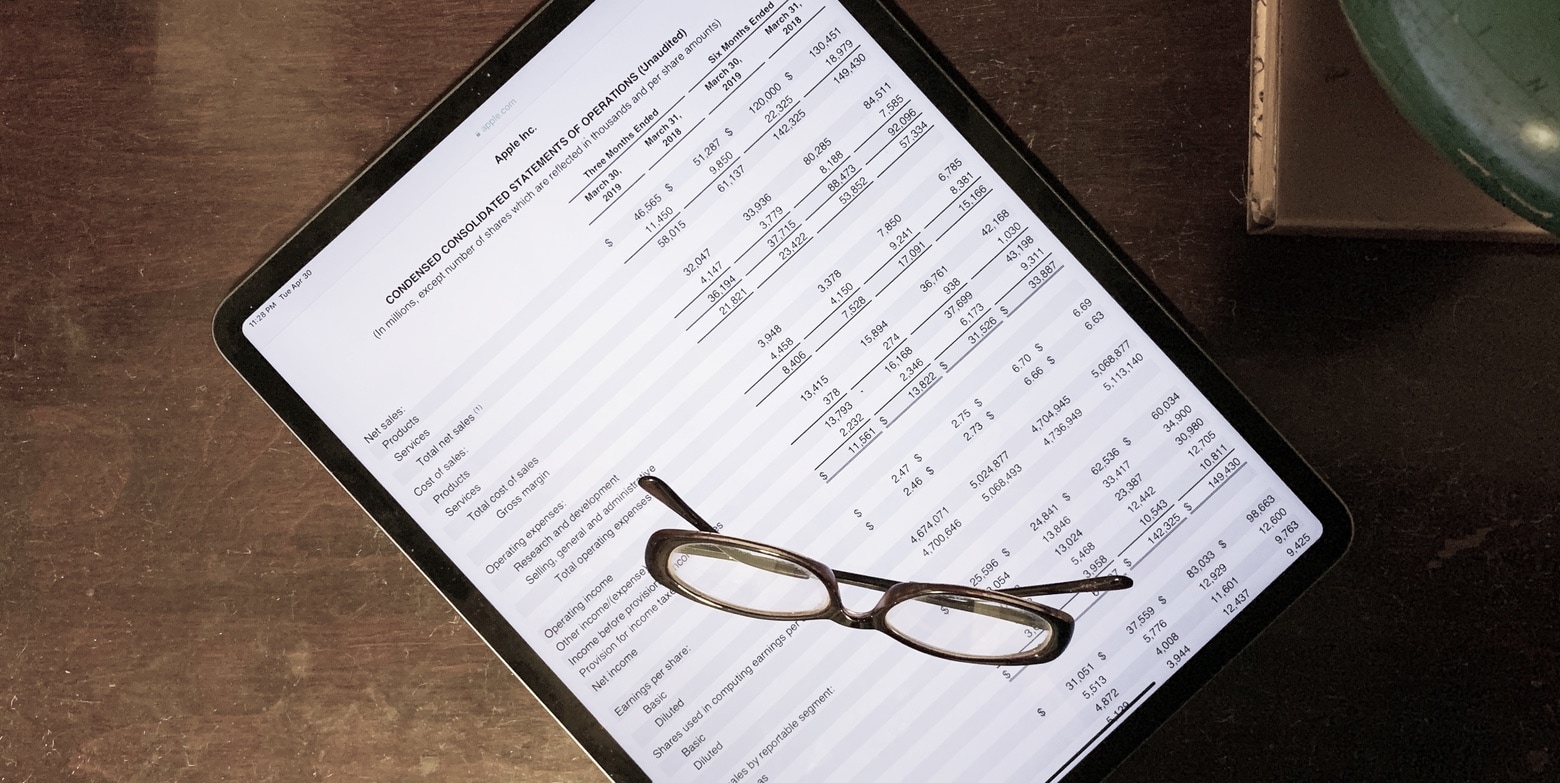
A dive into Apple’s most recent financial results shows what’s really happening with the company. Photo: Ed Hardy/Cult of Mac
Apple pulled in more revenue and profits last quarter than it ever has before. These numbers were buoyed by strong iPhone and wearable sales. But the news isn’t all good.
Check out these charts that show with a glance how the company made its money last quarter.
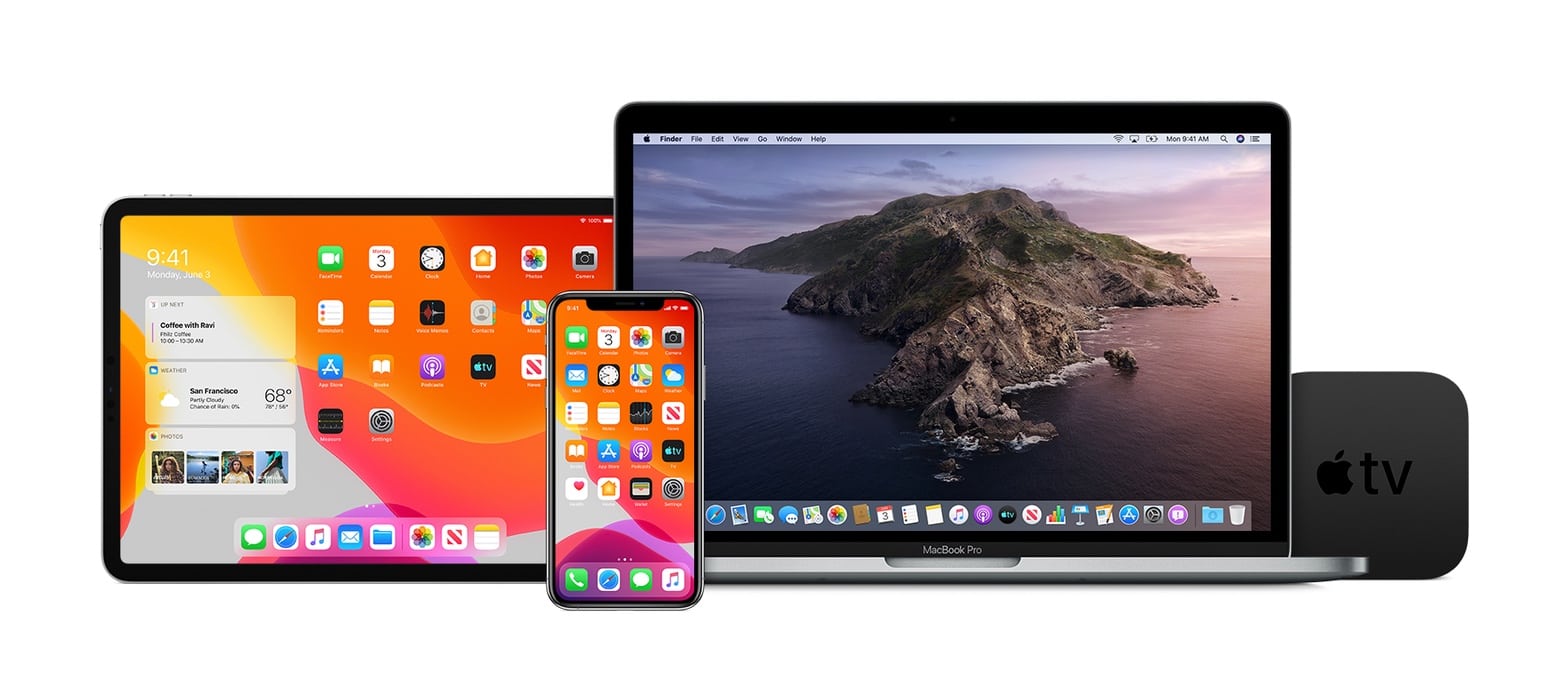
Revenue from iPad and accessories like Apple TV is up, but iPhone and Mac are down. Photo: Apple
A quick glance at the Apple Q4 2019 earnings report shows the company just finished a record three months, but a deeper dive into the numbers reveals how Apple managed to pull in more revenue than it ever has in a July-through-September period, including strong increases from wearables, iPad and Services.
A dive into Apple’s most recent financial results shows what’s really happening with the company. Photo: Ed Hardy/Cult of Mac
After several rocky quarters, Apple set a new record for third-quarter revenue. Plus there’s good news in iPad and Mac sales. However, iPhone revenue slipped considerably.
Check out these charts that demonstrate with a glance how the company did last quarter.
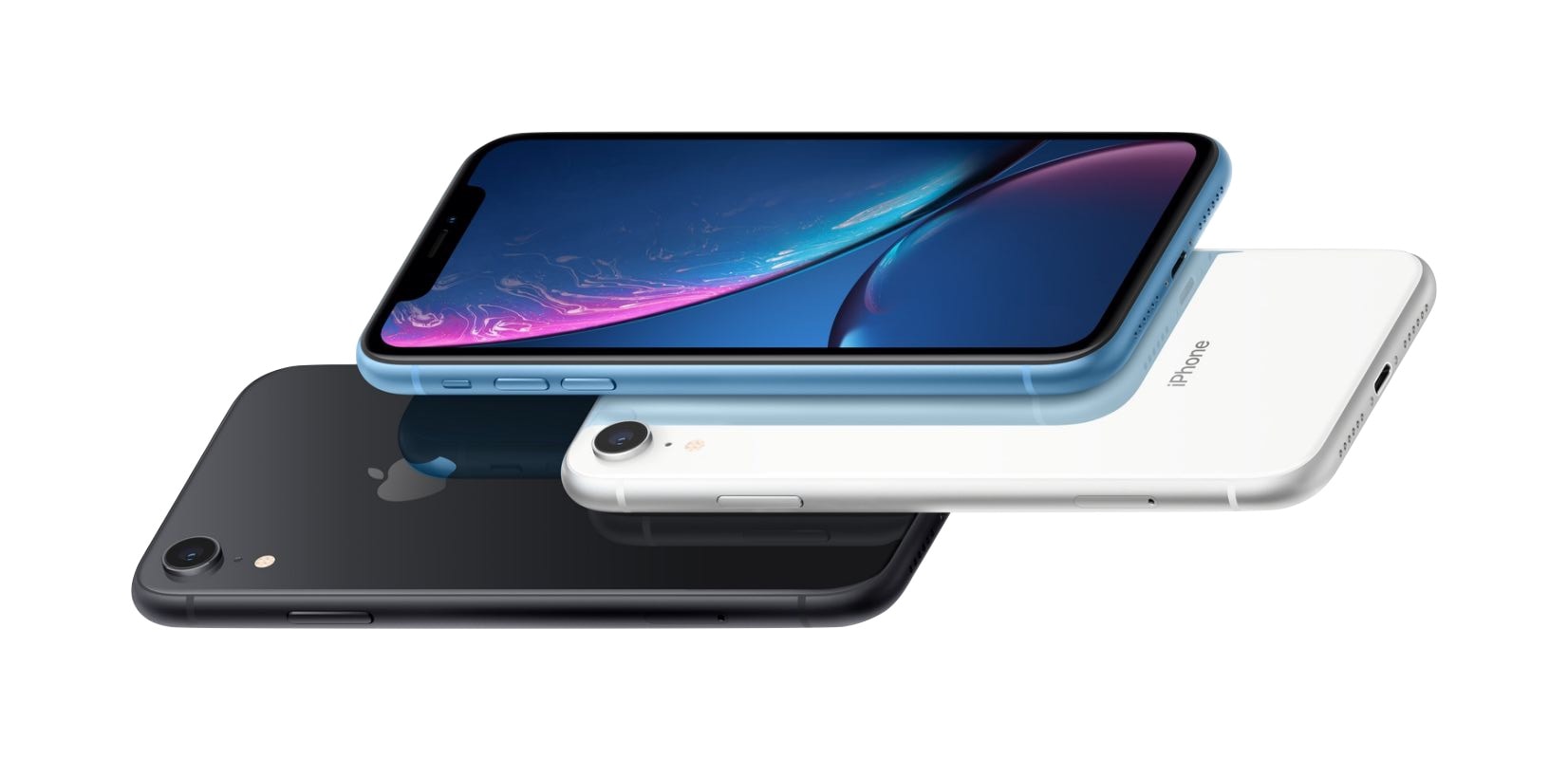
The iPhone XR hasn’t been enough to spur demand for Apple’s handsets. Photo: Apple
The fact that iPhone sales were down in the first three months of the year is no secret, but new information shows that the decline wasn’t isolated to one or two areas. No, Apple admitted that iOS handset sales dropped in every region of the world.
A dive into Apple’s most recent financial results shows what’s really happening with the company. Photo: Ed Hardy/Cult of Mac
Taking a close look at Apple’s financial results during the first three months of this year in hard numbers shows how the company is changing. Services are getting more important to its bottom line, and so are iPads. While iPhone is still a big part of Apple’s business, it’s not as significant as it used to be.
Check out these charts that demonstrate with a glance how the changes play out.
Apple research and development spends oodles of cash on secret projects. Photo: Pexels
Apple’s spending on research and development of new products keeps growing. The company’s R&D spending increased by hundreds of millions in the second quarter of this year, totaling more than ever before.
But where is all this money going? Some of its R&D projected are obvious, but others the company tries to keep secret.
Apple is stilling on huge stacks of cash, some of which will go owners of Apple shares. Photo Illustration: Ste Smith/Cult of Mac
Apple stockpiled $252.3 billion overseas, but it’s bringing that money back to America. A market analysts predicts the company will spend $100 billion of it on its stock buyback and dividend program. This will directly benefit those with Apple shares.
The company decided to bring the money home from foreign banks after the new GOP tax law gave companies a limited time for cash repatriations at lower rates, possibly just 8 percent.
Apple shipped millions of iPhone 7 units last quarter, maybe more than the iPhone X. Photo: Ste Smith/Cult of Mac
Buyers just aren’t going for the latest iPhone models. An industry analyst says nearly half the handsets Apple shipped last quarter were older devices, not the company’s latest.
Even worse, the Apple reportedly sold about 45 million devices, down about 13 percent from the same quarter a year ago.
Apple earnings calls are usually a time for celebration and gloating, but for the first time in over a decade the company is poised to post declining profits.
Tim Cook warned Wall Street that this would likely happen due to declining iPhone sales. Have we really reached “peak iPhone”?
Analysts and reporters will be grilling Cook and Apple CFO Luca Maestri during today’s Q2 2016 earnings call. Investors will be looking for signs that Apple still has room to grow. And Cult of Mac will be right here, liveblogging the entire Apple earnings call — and translating the financial gibberish — when the big event starts at 2 p.m. Pacific.
Note to self: always bet on Apple. Photo: Ste Smith/Cult of Mac
As a tech fan, there are plenty of times — particularly when you hear about billionaire investors and record-breaking stock prices — when you wonder whether you would have had the foresight to predict things turning out the way they have.
Would you have bet big on Apple around the time of its 1980 IPO? Was it obvious that Steve Jobs was going to turn around the company in 1997? Or would you have been the equivalent of folks calling the Titanic an unsinkable ship, and pouring your life savings into pre-crash dot-com companies?
An amazing new data-viz shows how the returns on a $1,000 investment made in Apple, Microsoft and IBM would have fared over the next 20 years following January 1, 1996. Check it out below:
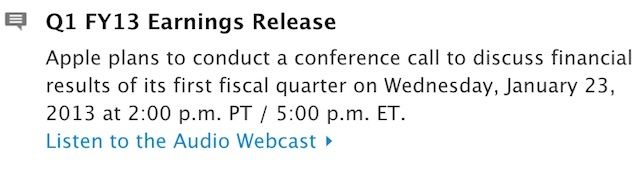
The holidays were great for me, but they were probably even better for Apple. Fiscal Q1 is when Apple always has record-breaking sales numbers, and this year will probably be no different.
Apple has announced that they will release their first quarter earning report and call on Wednesday, January 23, 2012 at 2:00pm PT.
iPhone and iPad continued to grow, the Mac outpaced the PC industry for a 25th quarter - just a couple of facts from Apple's latest financial call.
Apple CEO Tim Cook and CFO Peter Oppenheimer presented the results of the company’s spring 2012 quarter. The quarter included extensive growth for the iPhone, iPad, and Mac product lines though iPod sales declined 10% from the same quarter a year ago.
Here are the financial numbers delivered during the call.