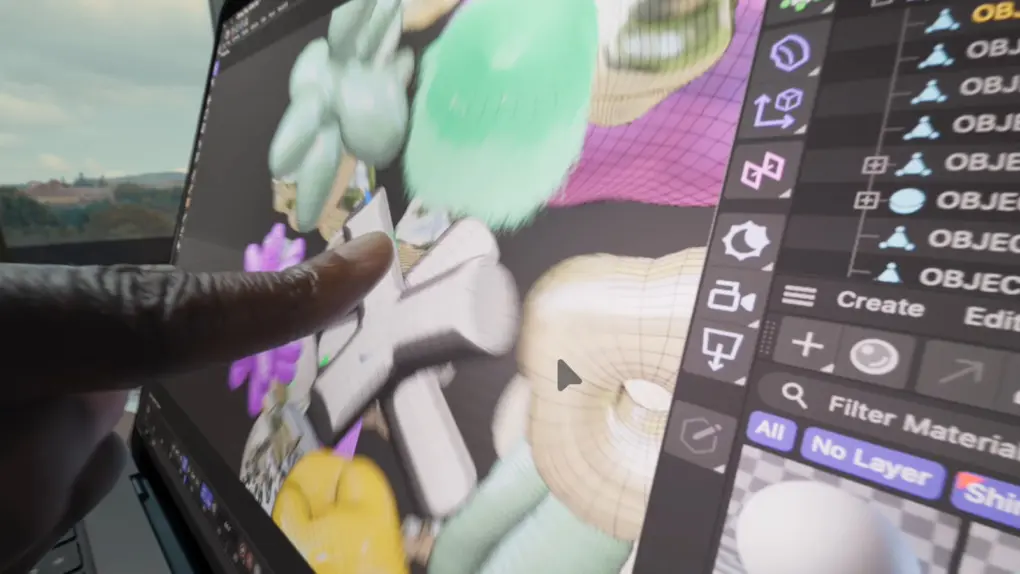
Ask Apple CEO John Ternus, and he’ll tell you his company didn’t just introduce the first touchscreen MacBook Pro. No, they made a MacBook with a beautiful tandem OLED display that also has touch support. The distinction matters.
Still, there were good reasons to add limited touch support to the notebook, as company executives explained in a new interview.
Also, if you strongly object to the inclusion of a touchscreen in a MacBook, you’re simply not the target market. Apple execs spelled out who was asking for the feature.
Why Apple changed its mind about a touchscreen MacBook Pro
When Apple announced its new premium laptop on Wednesday, it started off by gushing about how the new tandem OLED screen “offers a visual experience unlike any other.” The touchscreen doesn’t even come up until well down the page.
The company’s emphasis is right there in the name of the product: MacBook Pro with PROLED XDR Display. It’s definitely not named the MacBook Touch.
In an interview, Apple’s new CEO was asked about the touchscreen, and made it clear it’s a secondary feature there only for convenience.
“The Mac is first and foremost an indirect input device, built around the trackpad and keyboard. But I think there’s times when it’s comfortable and handy to have touch,” Apple CEO John Ternus told Wired.
Customers want it
Greg “Joz” Joswiak, Apple’s senior vice president of Worldwide Marketing, told Wired the company was responding to demand from a segment of its customers, and it isn’t average users.
“Most pros own an iPad, and almost every pro owns an iPhone,” Joswiak said. “So this is something that they’re natural with. There’s a generation of young creators and young people using our MacBook Pros that expect to touch.”
So if you’re a manager, meteorologist or mom complaining on social media that you don’t want a touchscreen MacBook, understand that there are people who want one, even if you don’t.
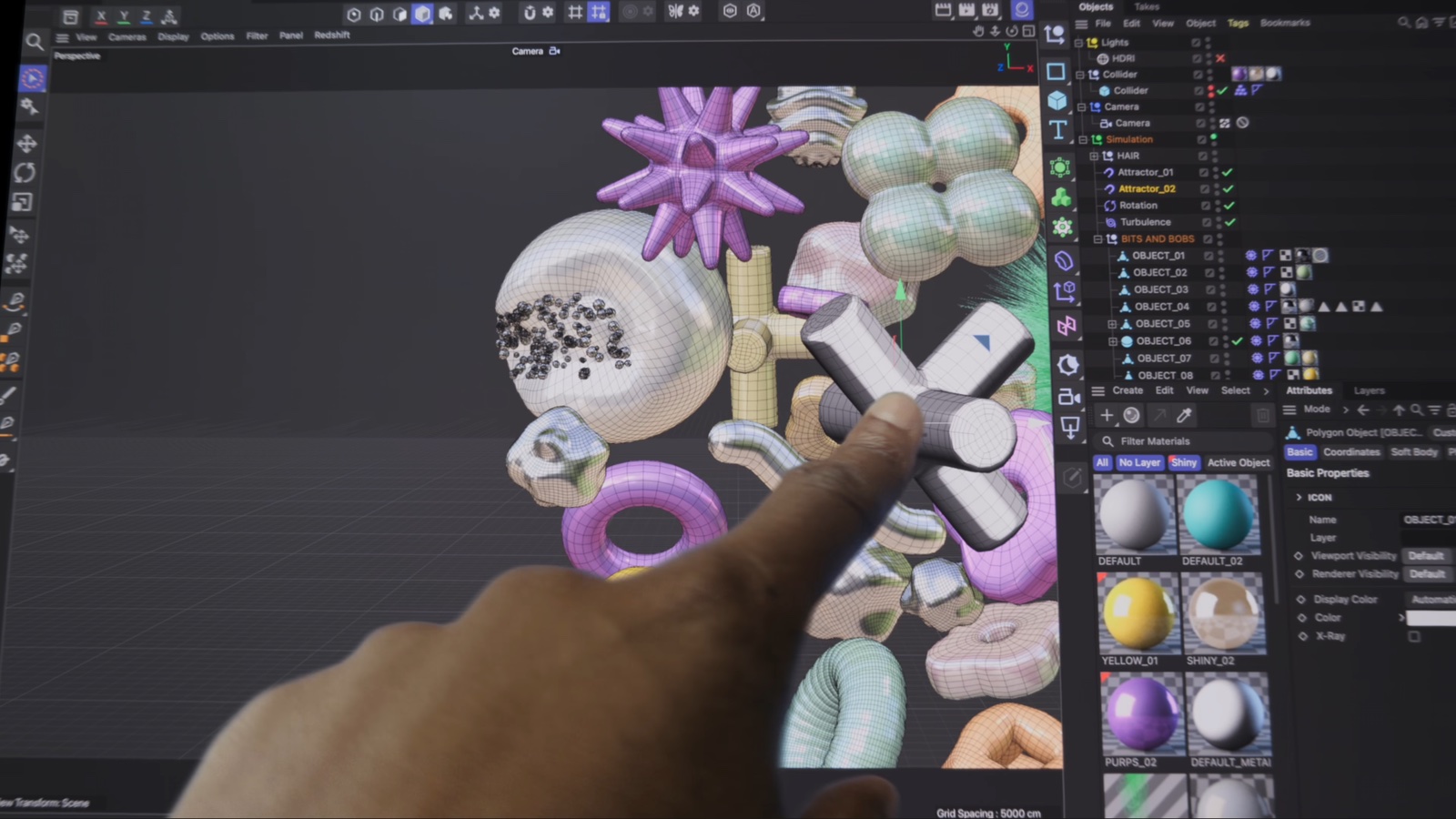
“Apple clearly named the target users: designers working with 3D objects, photographers, illustrators, musicians using the on-screen keyboard in Logic, developers testing touch interactions, STEM students and business professionals on video calls,” said Francisco Jeronimo, a VP with market-analysis firm IDC. “That is a narrow and valuable audience, and it is not the buyer who accounts for most of today’s touch volume. The $2,899 MacBook Pro with touch is obviously not a mass market product, but it will delight all advanced Mac users, for whom touch enhances productivity.”
Screenshot: Apple/Cult of Mac
macOS didn’t transmogrify into iPadOS
In light of the touchscreen’s role as a secondary input device for the MacBook Pro with PROLED XDR Display, Apple made fairly minor adjustments to macOS Golden Gate for the new feature. As Ternus made clear, it did not sacrifice the keyboard-and-trackpad experience Mac users know and love.
There appear to be just enough modifications to make the touchscreen useful. Buttons and menu controls expand when touched to make them easier to select, while tapping certain controls brings up contextual menus near the user’s finger.
The operating system also supports familiar gestures such as swiping to scroll, pinching to zoom and dragging items around the screen.
Apple adapted the Dock, menu bar and other interface elements for touch input, while the Dynamic Island provides touch-friendly access to Spotlight search, Siri AI and Live Activities.
The goal seems to be to enable users to switch easily between fingers, the trackpad and the keyboard as they prefer.
Preorder MacBook Pro with PROLED XDR Display today
Beyond its tandem OLED touchscreen, the MacBook Pro with PROLED XDR Display is thinner and lighter than its predecessors, offers up to 24 hours of battery life and features three Thunderbolt 5 ports, HDMI, an SDXC card slot and MagSafe charging. It is powered by Apple’s M5 Pro or M5 Max chips, delivering the performance needed for demanding workloads.
Available in 14-inch and 16-inch sizes, the new MacBook Pro is available to preorder now ahead of its Friday, November 6 launch.
Preorder now: Apple

Ed Hardy has been writing full-time about tech for 26 years, and using it for much longer than that. His intro to Apple was a Macintosh SE/30 (which he still has), but now he uses a 13-inch iPad Pro as his primary computer.
That’s because he’s a “tablet first” type of guy. Rather than use a Macbook, he connects a keyboard case to the iPad. And instead of a desktop Mac, he connects his tablet to a 27-inch display and full-size keyboard. (So don’t try to tell him that everyone has to use a Mac to be productive.)
Before coming to Cult of Mac, Ed wrote for NotebookReview, TabletPCReview and Brighthand, as well as other sites.