The powerful Pixar Image Computer II simply cost too much to thrive. Photo: Wikipedia CC
April 25, 1990: Steve Jobs shuts down Pixar’s hardware division (yes, it used to have one!), ending production of the pricey Pixar Image Computer immediately.
Jobs sells the company’s hardware unit to Fremont, California-based imaging company Vicom Systems for a paltry $2 million.
Steve Jobs was distraught at being removed as general manager of the Mac division. Photo: iFixit
April 10, 1985: During a fateful meeting, Apple CEO John Sculley threatens to resign unless the company’s board of directors removes Steve Jobs as executive VP and general manager of the Macintosh division.
Sculley’s threat triggers a series of events that ultimately will result in Jobs’ exit. The marathon board meeting — which continues for several hours the next day — leads to Jobs losing his operating role within the company. However, the Apple board allows him to stay on as chairman. Things won’t exactly play out like that.
March 31, 2010: The world gets its first sense of how Apple’s tablet measures up, as the first iPad reviews hit the internet.
The consensus? That there’s no Flash, no USB, no multitasking — but Apple’s tablet offers an exciting new computing experience all the same. As USA Today writes, “The first iPad is a winner.”
Steve Jobs was born on this day in 1955. Photo: Jason Mercier
February 24, 1955: Steve Jobs is born in San Francisco. He will go on to co-found Apple and become one of the most important figures in the history of consumer technology. He’s also probably a big part of why you’re reading this website right now.
Happy birthday, Steve! Let’s take a moment to reflect on your innovation, artistry and overall brilliance.
Apple becomes the world's biggest music vendor. Photo: Ste Smith/Cult of Mac
February 23, 2010: The iTunes Store officially passes the 10 billion music downloads mark, reaching a major milestone. The 10 billionth purchase? “Guess Things Happen That Way” by Johnny Cash.
The buyer of the song in question is Louie Sulcer of Woodstock, Georgia. As part of a “Countdown to 10 Billion Songs” promotion by Apple, Sulcer wins a massive $10,000 iTunes Store gift card — and receives a personal phone call from Steve Jobs for good measure!
The first iPhone was definitely a bit ... different from current models. Photo: Bob Ackerman/Wikipedia CC
February 21, 2007: Apple comes to an agreement with Cisco over the iPhone trademark, which Cisco legally owns but Apple wants to use.
Under the agreement, both companies get to use the iPhone trademark on products throughout the world. The two businesses also dismiss outstanding lawsuits against one another, and agree to “explore opportunities for interoperability in the areas of security, and consumer and enterprise communications.”
It’s a classic bit of Apple CEO Steve Jobs steamrolling the opposition.
The iPhone sure has changed over the years. Photo: Ste Smith/Cult of Mac
The iPhone packed a lot into its first astonishing decade. Not only has the device itself evolved significantly since its promising-but-by-no-means-perfect beginnings, but it’s transformed Apple’s business — and many of our very lives — in the process.
All this week, Cult of Mac’s “iPhone Turns 10” series will look at the innovative device’s massive impact on worldwide culture. The iPhone, which launched on June 29, 2007, truly changed the world.
What iPhone milestones have passed since Steve Jobs introduced this stunning hybrid device, which combined a widescreen iPod with touch controls, a revolutionary mobile phone, and a breakthrough internet communications device? Check out our handy guide to 10 years of iPhone history.
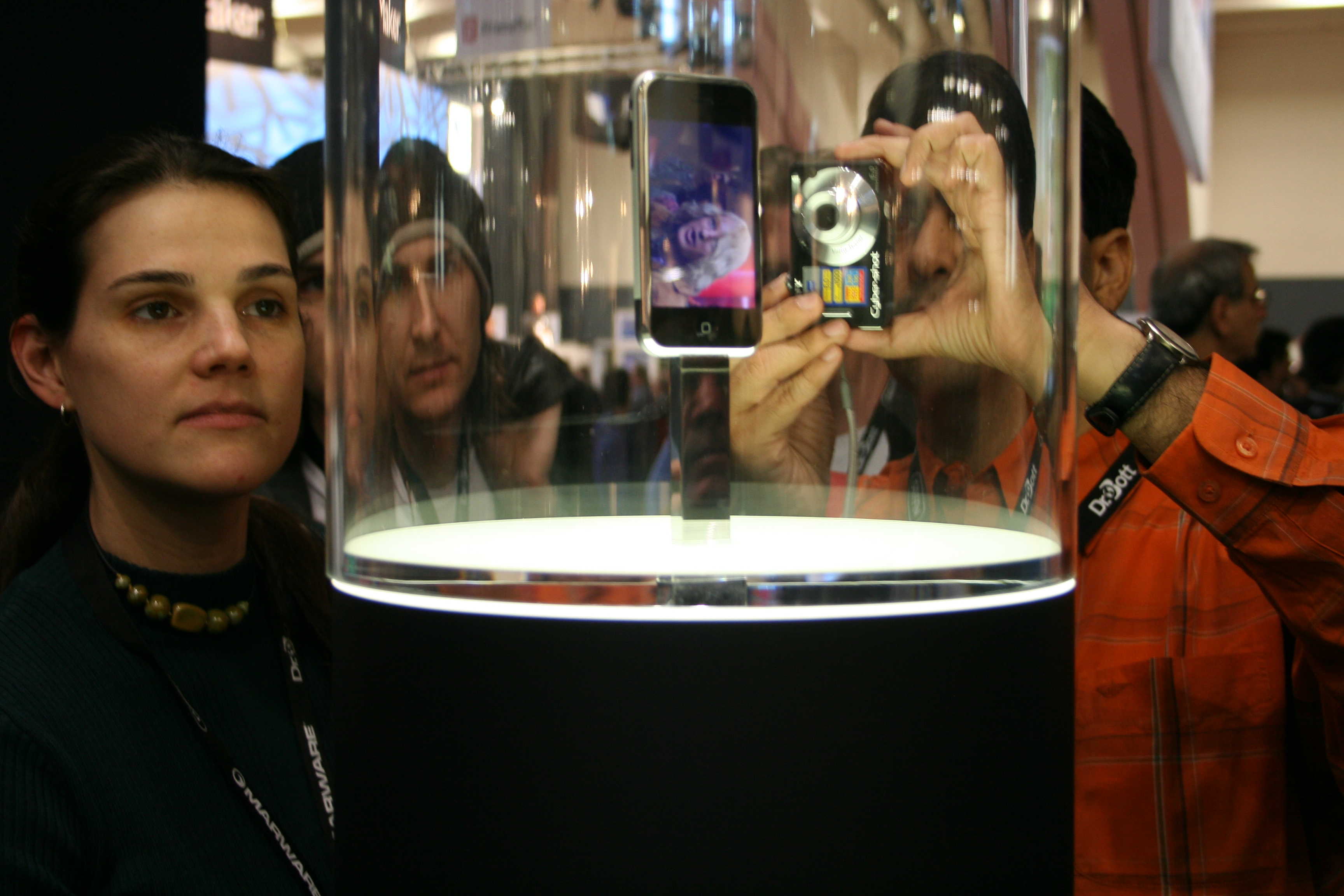
All hail the original iPhone! Photo: Traci Dauphin/Cult of Mac
September 6, 2007: Apple deals with its first iPhone PR crisis, as early adopters complain about the company dropping the price of its new smartphone by $200 just two months after introducing it.
In response, Apple CEO Steve Jobs offers affected customers a $100 credit, which can be used toward the purchase of any Apple store product.
“Our early customers trusted us, and we must live up to that trust with our actions in moments like these,” he writes in an open letter to iPhone customers published on the Apple website.
How did that cat print pattern ever make it past Steve Jobs? Photo: Apple
August 23, 2002: Apple ships Mac OS X Jaguar, the third major release of OS X and the first to publicly adopt the cat-themed code name it had been known by inside the company.
The $129 operating system is well-received by Mac users, who correctly view it as the most stable version of OS X yet — and with a few neat features, to boot.
August 17, 1944: Larry Ellison, billionaire co-founder and former CEO of Oracle, and Steve Jobs’ best friend, is born.
A later member of the Apple board of directors and the closest thing Jobs had to a confidante, in the 1990s Ellison even considered staging a hostile takeover of Apple to reinstall Jobs as CEO during his time away from the company.
Jobs’ son, Reed, reportedly referred to Ellison as, “our rich friend.”
What was the first app you downloaded on your iPhone? Photo: Ste Smith/Cult of Mac
July 14, 2008: Apple crows that its newly opened App Store hit a massive 10 million downloads in its first 72 hours.
“The App Store is a grand slam, with a staggering 10 million applications downloaded in just three days,” Steve Jobs said in a statement issued eight years ago today. “Developers have created some extraordinary applications, and the App Store can wirelessly deliver them to every iPhone and iPod touch user instantly.”
Jobs' turnaround of Apple was one of the most dramatic in corporate history. Photo: Steve Jobs: The Lost Interview
July 7, 1997: Apple CEO Gil Amelio officially steps down from his role, turning the company over to the returning Steve Jobs, who immediately begins making his presence felt.
If you’re looking to pinpoint a turning point when Apple began the transition from the ailing company it was in the first half of the 1990s to the powerhouse it is today, this is it!
The App Store name used to be exclusive to Apple. Photo: PhotoAtelier/Flickr
July 6, 2011: Amazon wins a landmark verdict against Apple over its proprietary use of the term “App Store” — opening up the possibility of other rival services calling their own app stores by the phrase Apple had helped popularize.
The case highlights just how central the concept of downloadable apps had become to the mobile experience, only three years after Apple launched its iOS App Store.
One of today's surviving Apple 1 computers. Photo: Christie's
July 1, 1976: The Apple 1 goes on sale, becoming the first computer ever sold by the Apple Computer Company.
Arriving the same month Jimmy Carter was nominated for U.S. president, Family Feud debuted on TV, and the United States celebrated the 200th anniversary of its Declaration of Independence, the Apple 1 is only produced in small numbers, and sells for the unusual price of $666.66.
A working Apple 1 will set you back a small fortune. Photo: Auction Team Breker
On June 24, 2013, an Apple I — the first ever computer built by Apple Computer, Inc. — was listed for auction by international auction house Christie’s.
Thought to be one of the first 25 units to be built by Steve Jobs and Steve Wozniak in the late 1970s, the unit featured no Apple logo, but rather a signature from Woz, who designed the machine. It sold for an impressive $390,000, ranking it among the most expensive computers ever sold.
Sometimes affectionately called the “cheese grater,” the original Power Mac G5 first went on sale on June 23, 2003 — offering what was then Apple’s fastest-ever machine and the world’s first 64-bit personal computer.
Check out the video of Steve Jobs introducing the computer 13 years ago today.
iOS 4 was not only the last version of Apple’s mobile operating system released during Steve Jobs’ life, it was also a significant step up in terms of the software’s productivity features.
Watch Jobs introduce it in the video below, which was recorded on June 21, 2010.
There was, to put it mildly, a lot that was insanely great about Steve Jobs’ return to Apple. But one thing that always struck me as less than good from an Apple fan’s perspective was that he stopped giving revealing in-depth interviews.
As his ability to command the narrative increased, Apple’s CEO understandably shifted away from playing the media hound he’d been for the first part of his career, where he’d speak with often painful honesty to seemingly any magazine that would have him. One of his last such interviews? The one that appeared in the June 16, 1994, edition of Rolling Stone.
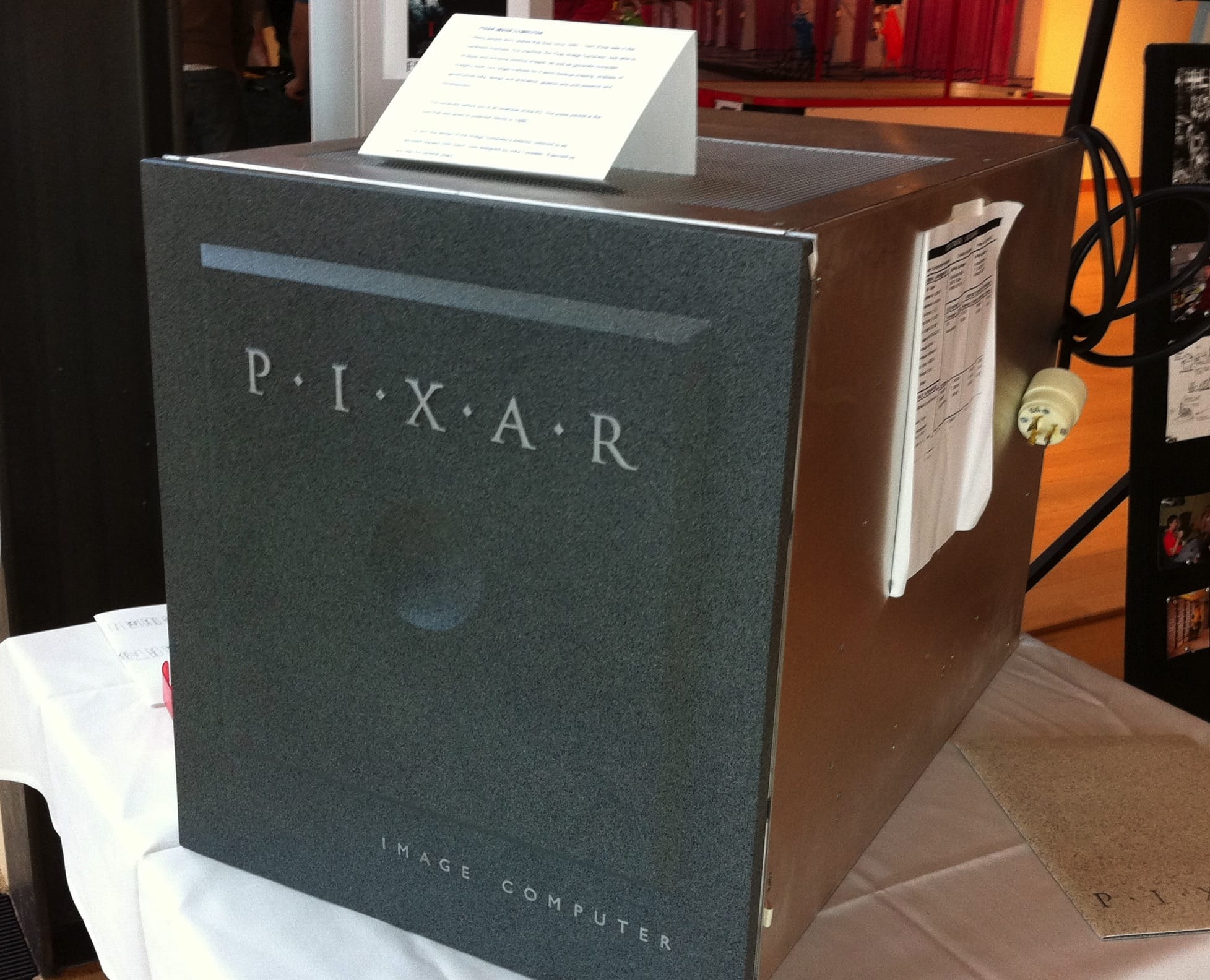
 April 25, 1990: Steve Jobs shuts down Pixar’s hardware division (yes, it used to have one!), ending production of the pricey Pixar Image Computer immediately.

 April 10, 1985: During a fateful meeting, Apple CEO John Sculley threatens to resign unless the company’s board of directors removes Steve Jobs as executive VP and general manager of the Macintosh division.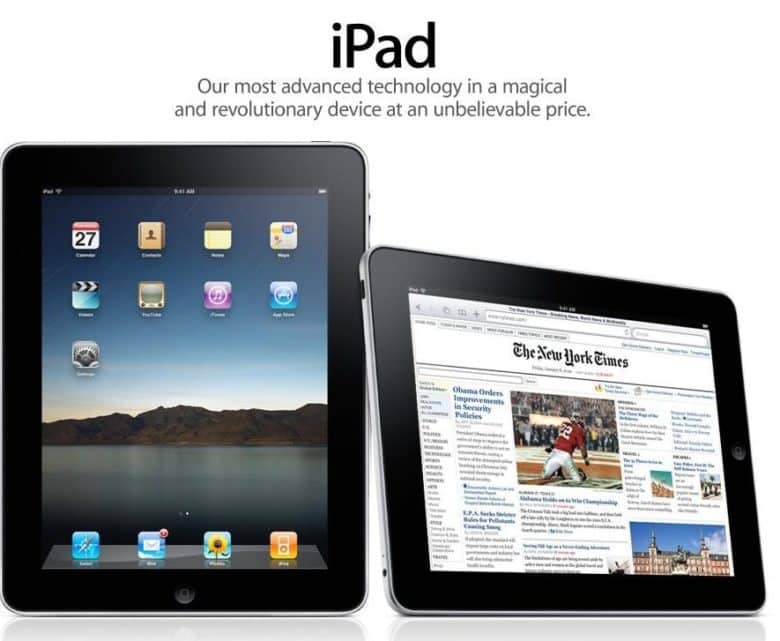
 March 31, 2010: The world gets its first sense of how Apple’s tablet measures up, as the first iPad reviews hit the internet.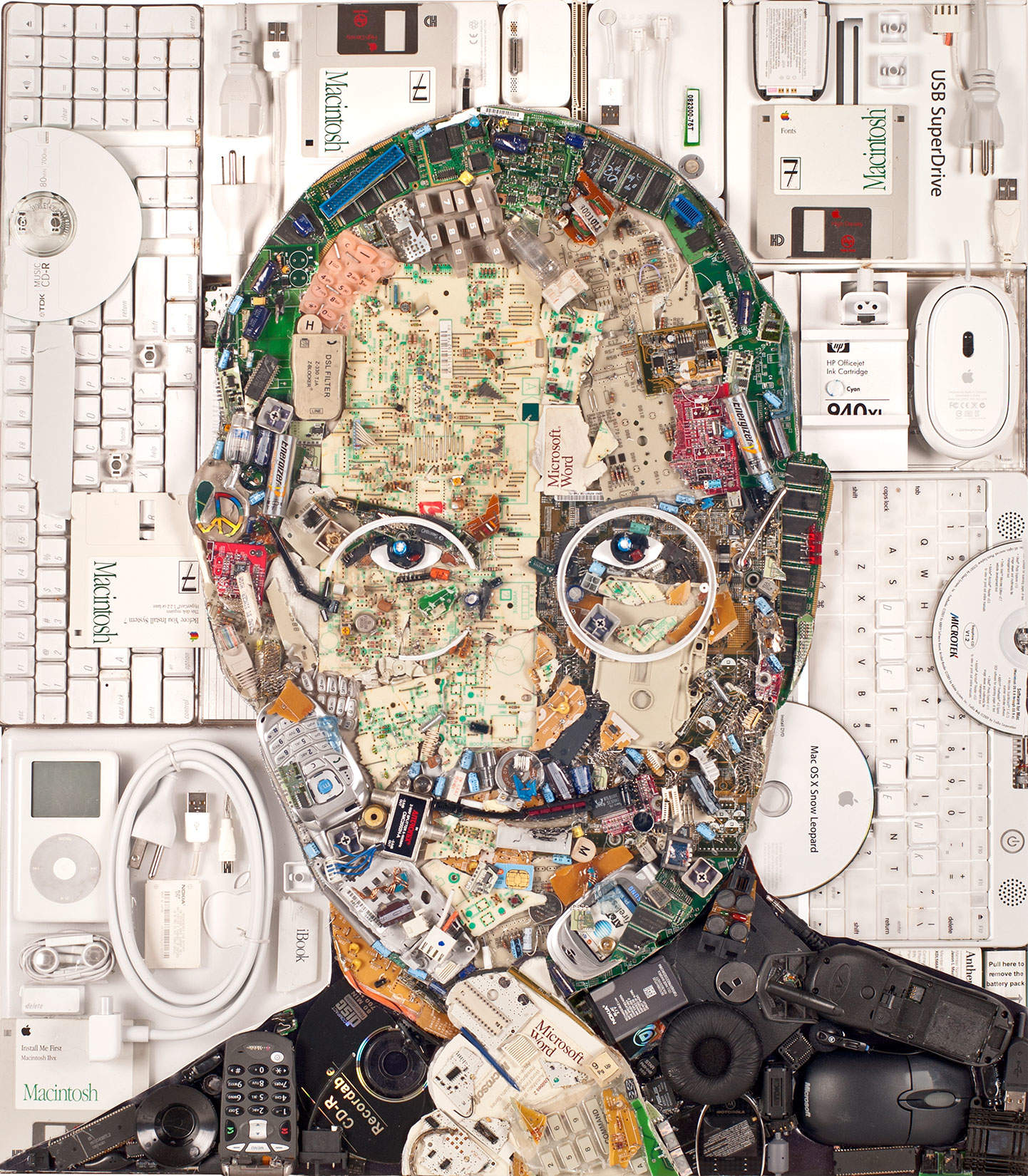
 February 24, 1955: Steve Jobs is born in San Francisco. He will go on to co-found Apple and become one of the most important figures in the history of consumer technology. He’s also probably a big part of why you’re reading this website right now.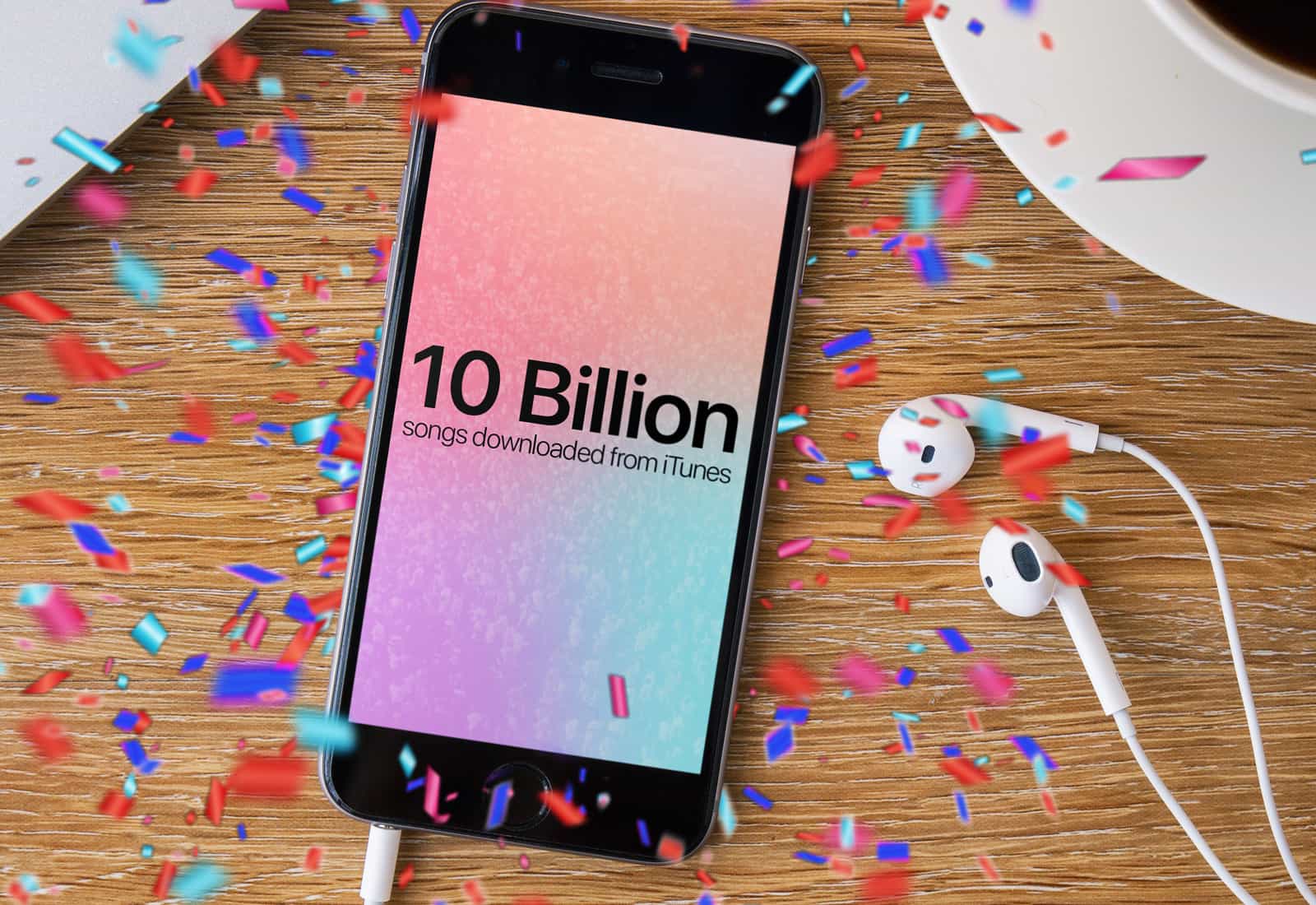
 February 23, 2010: The iTunes Store officially passes the 10 billion music downloads mark, reaching a major milestone. The 10 billionth purchase? “Guess Things Happen That Way” by Johnny Cash.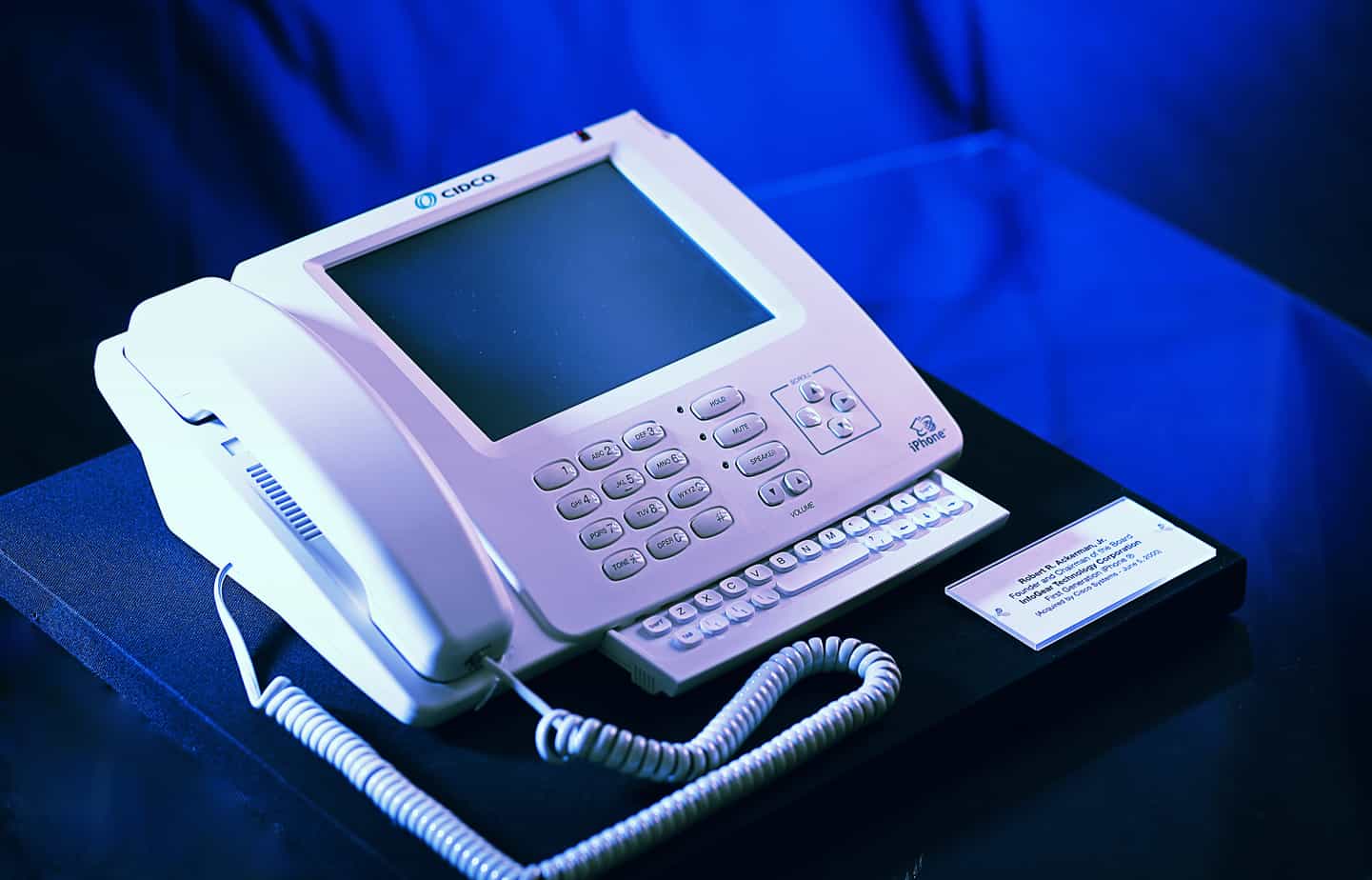
 February 21, 2007: Apple comes to an agreement with Cisco over the iPhone trademark, which Cisco legally owns but Apple wants to use.

 September 6, 2007: Apple deals with its first iPhone PR crisis, as early adopters complain about the company dropping the price of its new smartphone by $200 just two months after introducing it.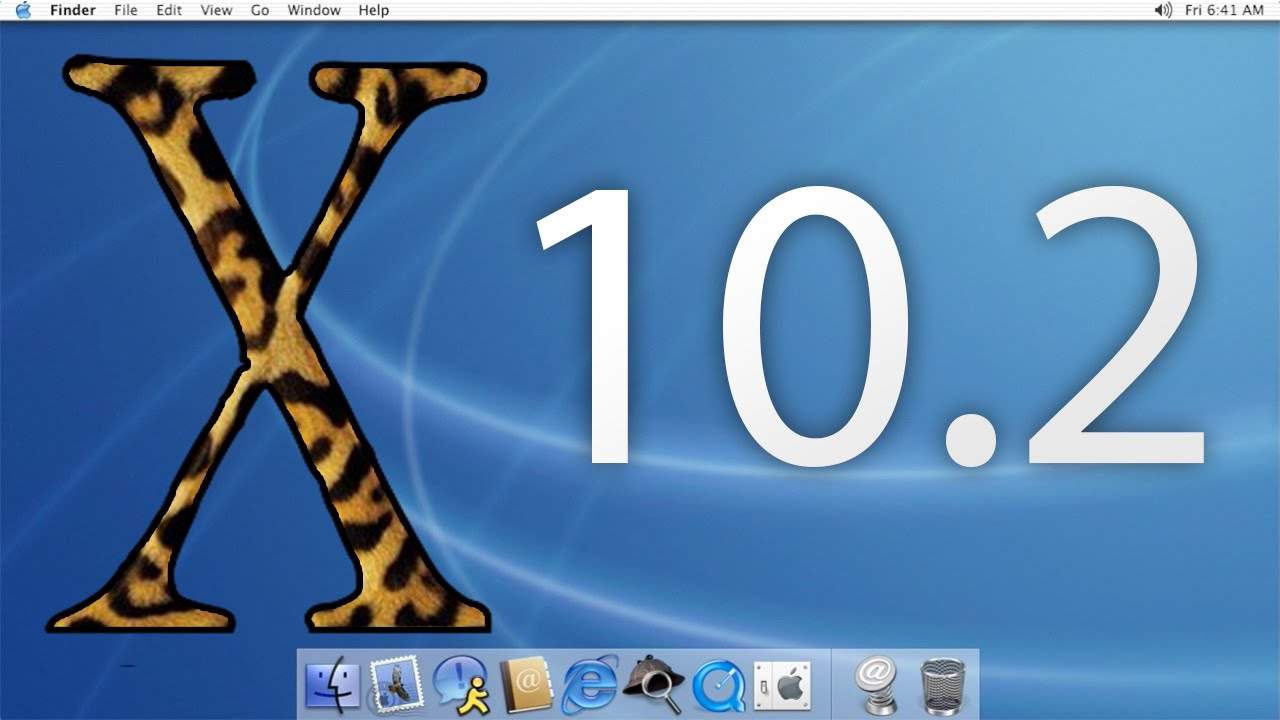
 August 23, 2002: Apple ships Mac OS X Jaguar, the third major release of OS X and the first to publicly adopt the cat-themed code name it had been known by inside the company.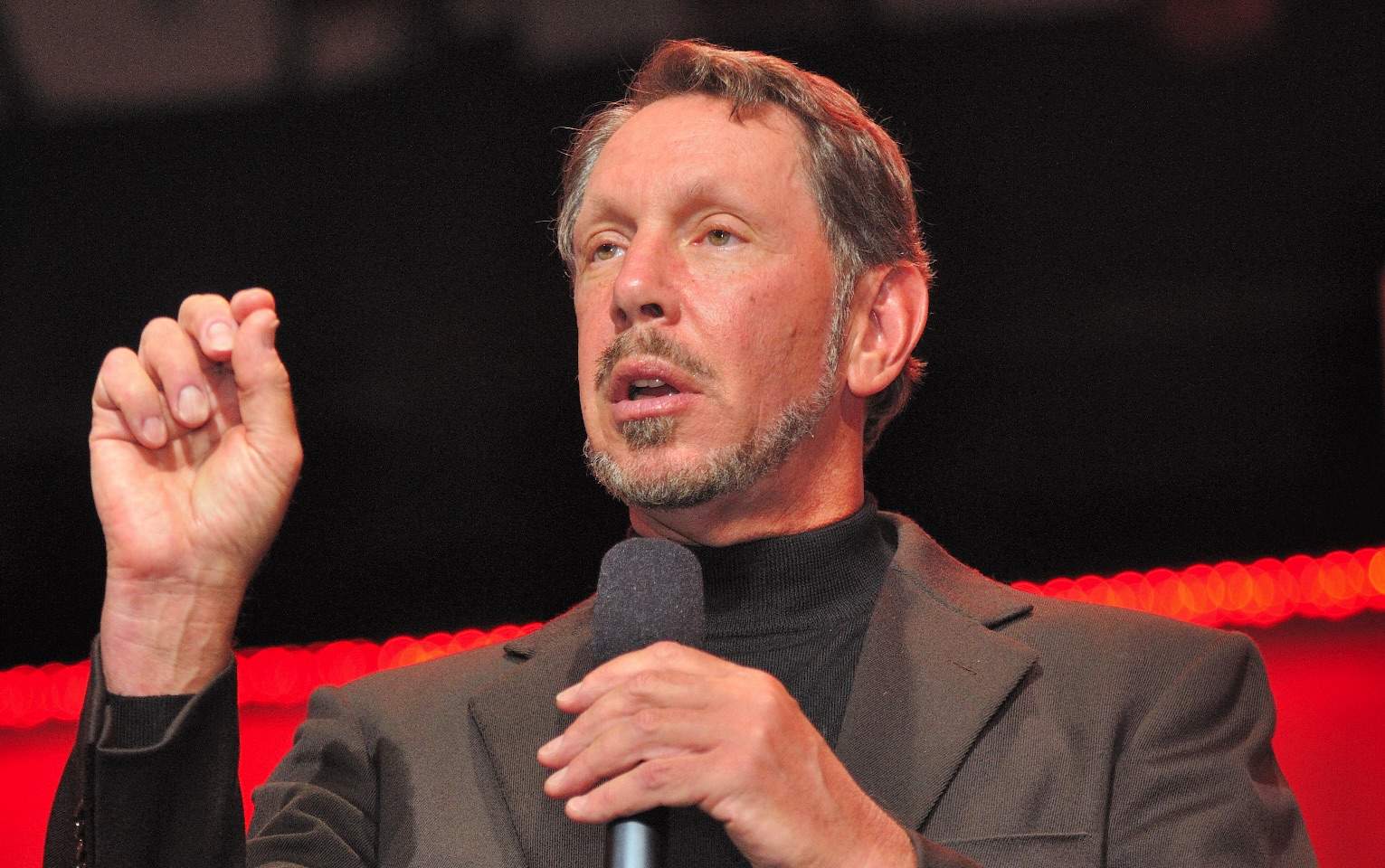
 August 17, 1944: Larry Ellison, billionaire co-founder and former CEO of Oracle, and Steve Jobs’ best friend, is born.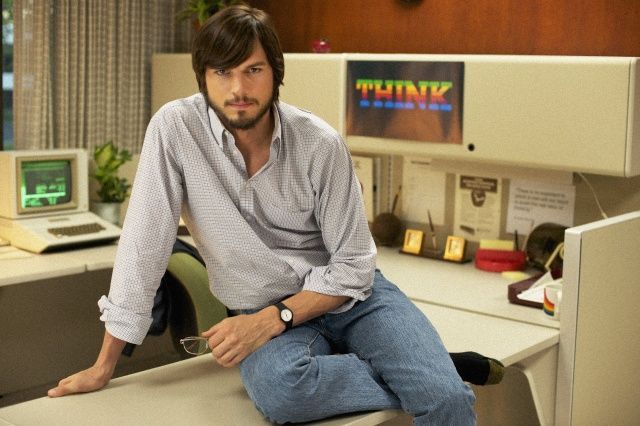
 August 16, 2013: JOBS, the Steve Jobs biopic starring Ashton Kutcher, lands in theaters.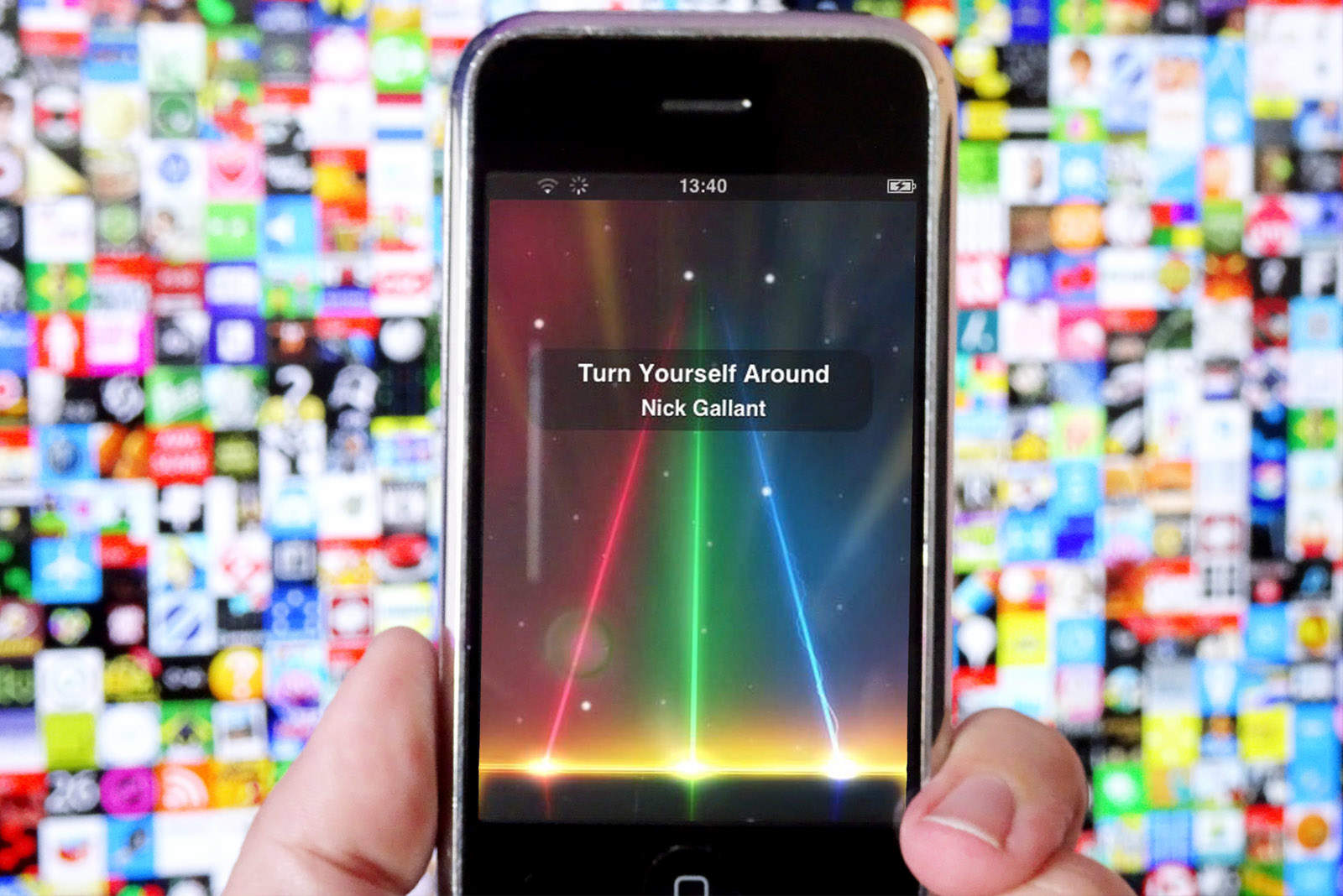
 July 14, 2008: Apple crows that its newly opened App Store hit a massive 10 million downloads in its first 72 hours.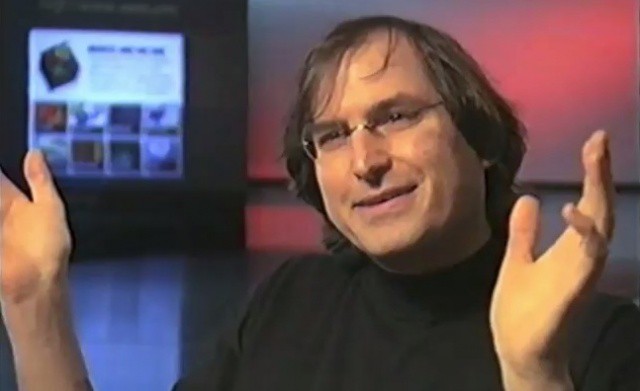
 July 7, 1997: Apple CEO Gil Amelio officially steps down from his role, turning the company over to the returning Steve Jobs, who immediately begins making his presence felt.
 July 6, 2011: Amazon wins a landmark verdict against Apple over its proprietary use of the term “App Store” — opening up the possibility of other rival services calling their own app stores by the phrase Apple had helped popularize.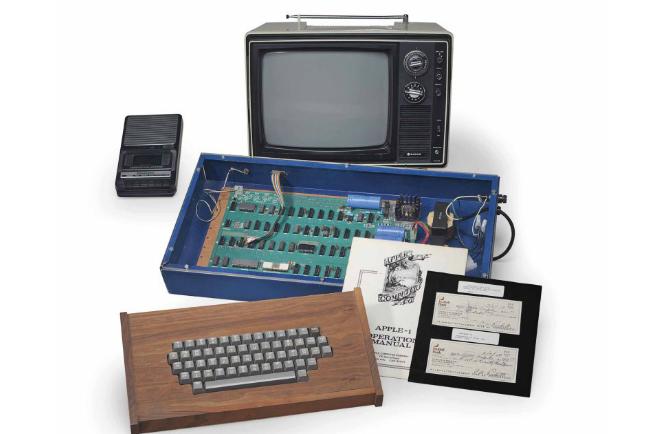
 July 1, 1976: The Apple 1 goes on sale, becoming the first computer ever sold by the Apple Computer Company.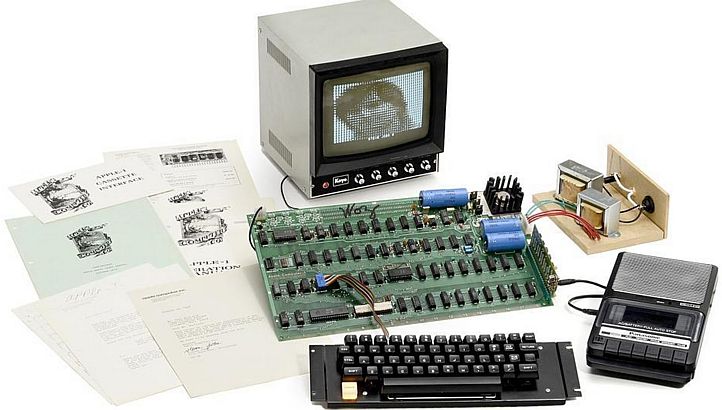
 On June 24, 2013, an Apple I — the first ever computer built by Apple Computer, Inc. — was listed for auction by international auction house Christie’s.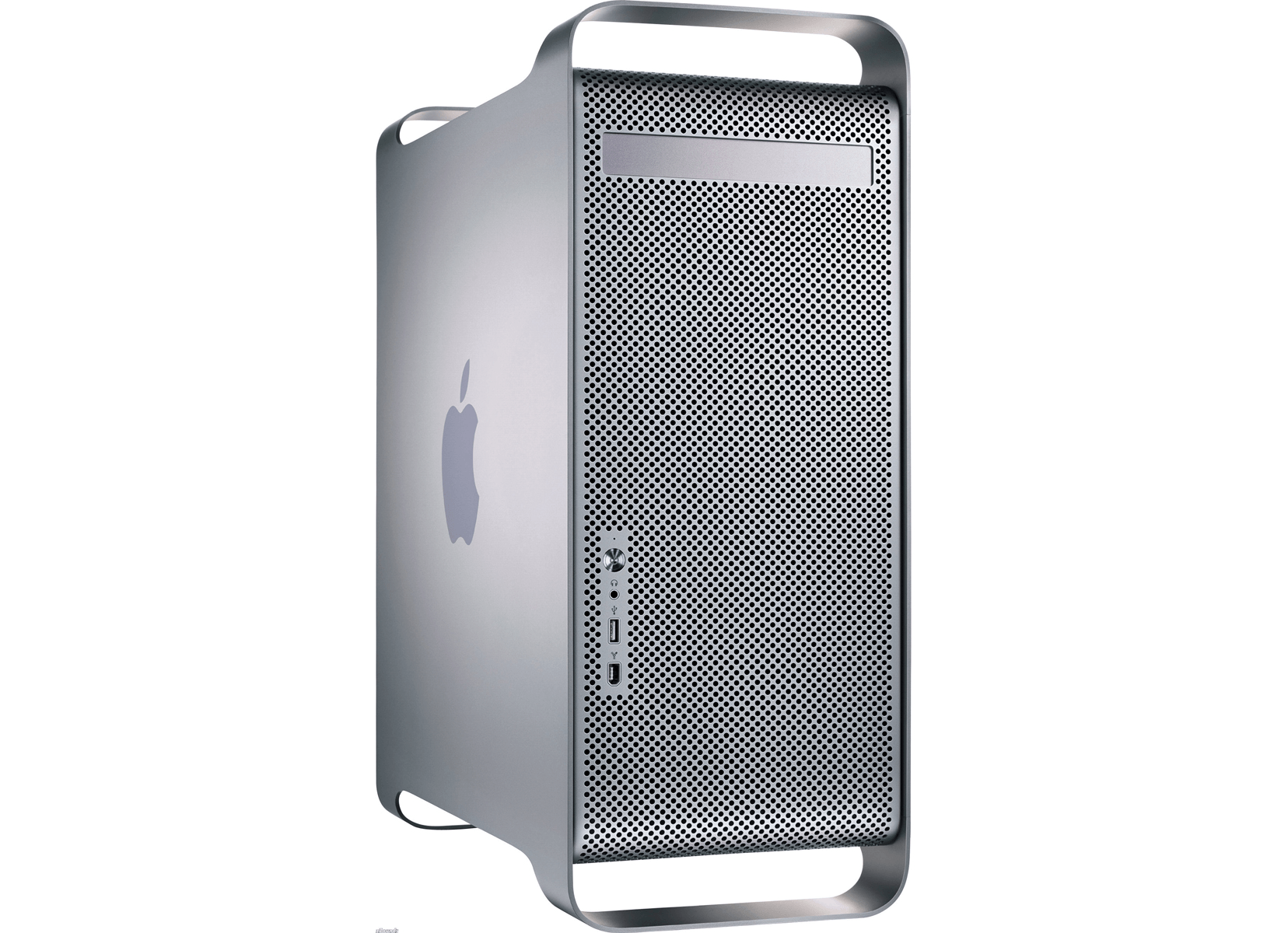
 Sometimes affectionately called the “cheese grater,” the original Power Mac G5 first went on sale on June 23, 2003 — offering what was then Apple’s fastest-ever machine and the world’s first 64-bit personal computer.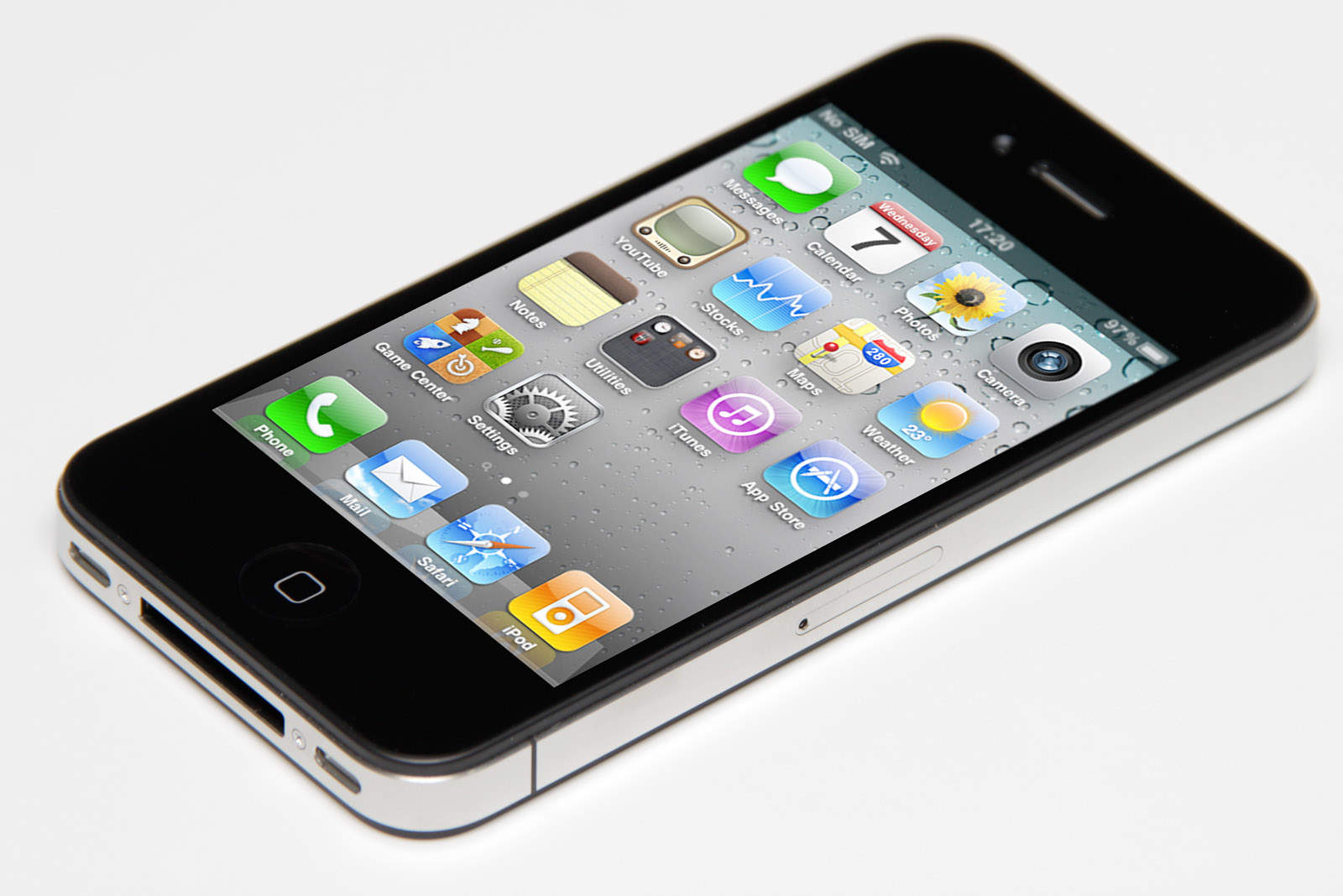
 iOS 4 was not only the last version of Apple’s mobile operating system released during Steve Jobs’ life, it was also a significant step up in terms of the software’s productivity features.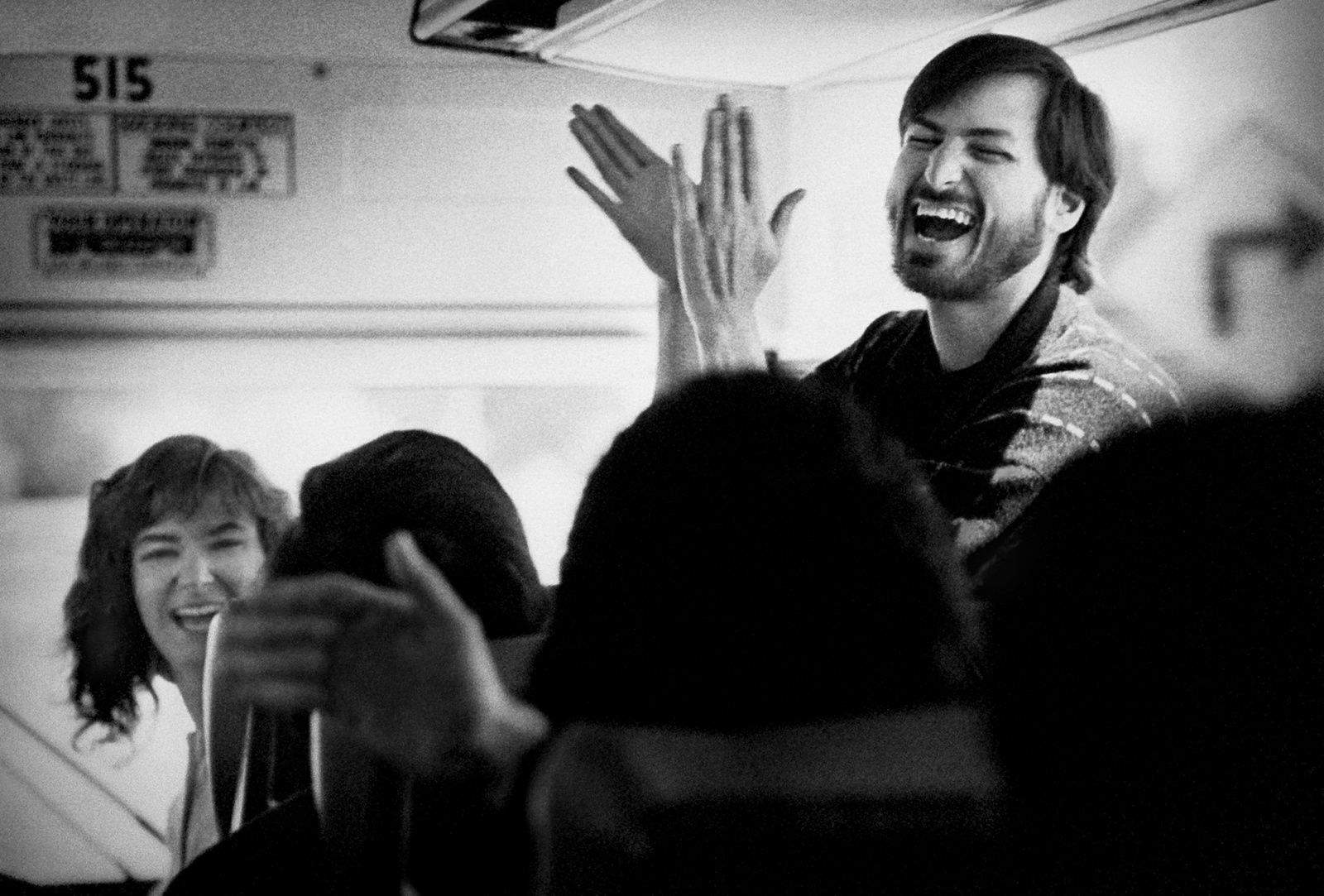
 There was, to put it mildly, a lot that was insanely great about Steve Jobs’ return to Apple. But one thing that always struck me as less than good from an Apple fan’s perspective was that he stopped giving revealing in-depth interviews.