Four years of AT&T exclusivity on iPhone finally comes to an end. Photo: Jon Fingas/Flickr CC
February 3, 2011: The iPhone finally arrives on Verizon Wireless, the United States’ largest carrier, ending nearly four years of exclusivity with AT&T.
The move comes as Apple faces pressure to expand its customer base, with Android phones steadily growing in popularity. The deal commences with the iPhone 4, available for preorder by Verizon’s 93 million customers.
Some feared we officially hit "peak iPhone" in 2016. Photo: Ste Smith/Cult of Mac
January 26, 2016: After nine years of spectacular growth, iPhone sales flatline for the first time. Some observers say the sales plateau means that “peak iPhone” has finally arrived.
Numbers posted by Apple show that during the final three months of 2015, iPhone sales grew by only 0.4%. The crucial holiday season sales compare quite unfavorably with the 46% jump recorded during the same period a year earlier.
The iPhone was immediately recognized as a breakthrough device. Photo: Time
November 1, 2007: Six months after Steve Jobs showed it off, the original iPhone becomes Time magazine’s “best invention of the year.”
The iPhone stands out from the rest of 2007’s gadget pack, which includes the Nikon Coolpix S51c digital camera, the Netgear SPH200W Wi-Fi Phone and the Samsung P2 music player. Remember those? (Yeah, we thought not.)
The iPhone 4s was the last iPhone that Steve Jobs directly worked on. Photo: Apple
October 7, 2011: Two days after the death of Steve Jobs, Apple opens preorders for its next-gen iPhone 4s.
The last iPhone that Jobs worked on directly, the 4s boasts a speedier A5 chip, improved 8-megapixel camera with 1080p HD video recording, and — most significantly — Apple’s new AI virtual assistant, Siri.
Apple envisioned an AI helper like Siri way back in the late 1980s. Photo: Ste Smith/Cult of Mac
October 4, 2011: With the unveiling of the iPhone 4s, Apple introduces the world to Siri. A groundbreaking example of artificial intelligence in action, the Siri launch fulfills a long-term dream at Apple.
In fact, the company first predicted such a feature in the 1980s — with Siri’s debut coming at almost the exact month Apple envisioned.
Apple finally cracked the 10 million sales opening weekend benchmark. Photo: Apple
September 22, 2014: Apple notches a new sales record with the iPhone 6 and iPhone 6 Plus launch, selling an astonishing 10 million units in the first weekend the handsets go on sale.
The eagerly anticipated smartphones bring a redesigned form factor that will persist for years. The most obvious change? Larger 4.7-inch and 5.5-inch displays built to lure phablet fans. The iPhone 6 and 6 Plus also boast an A8 chip, improved iSight and FaceTime cameras, and — significantly — Apple Pay for secure mobile payments.
“Sales for iPhone 6 and iPhone 6 Plus exceeded our expectations for the launch weekend, and we couldn’t be happier,” Apple CEO Tim Cook says in a press release. “We would like to thank all of our customers for making this our best launch ever, shattering all previous sell-through records by a large margin.”
iJustine's reaction to her massive 300-page iPhone bill fueled one of the first iPhone "scandals." Photo: iJustine
August 18, 2007: A video goes viral on YouTube when 23-year-old internet personality Justine Ezarik, aka iJustine, posts a 300-page iPhone bill mailed to her in a box by AT&T.
The bill — which lists every single action that consumed cellular data on Ezarik’s brand-new iPhone — is quickly viewed by 3 million people and receives extensive media coverage. (You can watch it below.)
Touch ID represented a massive step forward for Apple. Photo: Apple
July 28, 2012: Apple buys biometrics company AuthenTec, acquiring the technology that will power Touch ID for authentication and secure payments on the iPhone and other devices.
With a price tag of $356 million, the deal gives Apple the right to use AuthenTec hardware, software and patents. In the short term, Apple engineers start working to build Touch ID sensors into the iPhone 5s. Longer-term, AuthenTec’s mobile wallet tech paves the way for Apple Pay.
"Antennagate" caused big problems for Apple. Photo: Apple
July 12, 2010: The iPhone 4 suffers a major blow when respected trade publication Consumer Reports says it can’t, in good faith, recommend the new Apple smartphone. The reason the magazine refuses to give its vaunted “recommended” label to the previously top-ranked device in its devastating iPhone 4 review? A little Apple scandal called “Antennagate.”
iPhone OS 3 turned Apple's smartphone into a much more capable device. Photo: Ste Smith/Cult of Mac
June 17, 2009: Apple releases iPhone OS 3, the third iteration of its mobile operating system (and the last before a name change). It adds Cut, Copy and Paste functionality, among the most requested features since the original iPhone shipped in 2007.
“iPhone 3.0 has more than 100 new features for our customers,” says Scott Forstall, Apple’s senior vice president of iPhone software, as he demos the new operating system in front of developers. “Let me walk you through just a few, starting with Cut, Copy and Paste. So, we’ve been working really hard to design an easy-to-use, straightforward user interface for Cut, Copy and Paste on our large touchscreen display, and we think we’ve nailed it.”
iPhone OS 3 also brings a host of other new features, including MMS, a landscape keyboard, support for audiobooks and iTunes video, and Spotlight search, which users can access by swiping left on the iPhone’s Home Screen. And the Find My iPhone app comes along for the ride.
In retrospect, Apple's Newton MessagePad survey seems like stealth iPhone research. Photo: Moparx
March 10, 2004: Apple sends out a survey to select Apple customers, claiming that it is considering relaunching the Newton MessagePad.
“We need to determine why the Apple Newton was not a commercial success and whether there is an interest in re-launching a new version of the Newton,” Apple’s survey says. “Your comments will help understand why the Newton failed and if there is interest in re-launching a new, improved Newton.”
In hindsight, it seems pretty clear that this apparent “interest” in launching another personal data assistant was a way of doing some undercover market research for the still-in-development iPhone.
At launch in 2014, CarPlay appeared in Volvo cars, as well as Mercedes-Benz and Ferrari models. Photo: Volvo
March 3, 2014: With the CarPlay launch, Apple introduces iOS functionality for iPhone users behind the wheel via the car’s in-dash screen.
Showcasing the new car infotainment platform at the Geneva International Auto Show, Apple calls CarPlay “a smarter, safer and more fun way to use iPhone in the car.” Vehicles from Ferrari, Mercedes-Benz and Volvo are the first off the line to incorporate it.
September 12, 2012: Apple introduces the iPhone 5, with a super-slim form factor that makes it the thinnest smartphone in the world.
The new iPhone also brings impressive upgrades such as a greatly improved display and the Lightning port. Despite some controversy, it proves a massive hit.
The smartphone that changed smartphones! Photo: Traci Dauphin/Cult of Mac
June 29, 2007: The first-generation iPhone goes on sale, generating massive queues of Apple fans lining up outside Apple Stores around the United States.
With its intuitive touchscreen display, it’s a massive leap forward for smartphones. The device goes on to change the course of not only Apple’s business, but that of the entire mobile industry!
The iPhone sure has changed over the years. Photo: Ste Smith/Cult of Mac
The iPhone packed a lot into its first astonishing decade. Not only has the device itself evolved significantly since its promising-but-by-no-means-perfect beginnings, but it’s transformed Apple’s business — and many of our very lives — in the process.
All this week, Cult of Mac’s “iPhone Turns 10” series will look at the innovative device’s massive impact on worldwide culture. The iPhone, which launched on June 29, 2007, truly changed the world.
What iPhone milestones have passed since Steve Jobs introduced this stunning hybrid device, which combined a widescreen iPod with touch controls, a revolutionary mobile phone, and a breakthrough internet communications device? Check out our handy guide to 10 years of iPhone history.
All hail the original iPhone! Photo: Traci Dauphin/Cult of Mac
September 6, 2007: Apple deals with its first iPhone PR crisis, as early adopters complain about the company dropping the price of its new smartphone by $200 just two months after introducing it.
In response, Apple CEO Steve Jobs offers affected customers a $100 credit, which can be used toward the purchase of any Apple store product.
“Our early customers trusted us, and we must live up to that trust with our actions in moments like these,” he writes in an open letter to iPhone customers published on the Apple website.
What was the first app you downloaded on your iPhone? Photo: Ste Smith/Cult of Mac
July 14, 2008: Apple crows that its newly opened App Store hit a massive 10 million downloads in its first 72 hours.
“The App Store is a grand slam, with a staggering 10 million applications downloaded in just three days,” Steve Jobs said in a statement issued eight years ago today. “Developers have created some extraordinary applications, and the App Store can wirelessly deliver them to every iPhone and iPod touch user instantly.”
The iPhone 3G went on sale on this day in 2008. Photo: Apple
July 11, 2008: The iPhone 3G goes on sale, becoming the first Apple product in history to sell more than 1 million units in its first weekend.
Building on the original iPhone by adding GPS, 3G data and a higher-quality build, the iPhone 3G also coincided with the launch of iOS 2, which introduced push email, turn-by-turn navigation and, most importantly, the App Store.
The App Store name used to be exclusive to Apple. Photo: PhotoAtelier/Flickr
July 6, 2011: Amazon wins a landmark verdict against Apple over its proprietary use of the term “App Store” — opening up the possibility of other rival services calling their own app stores by the phrase Apple had helped popularize.
The case highlights just how central the concept of downloadable apps had become to the mobile experience, only three years after Apple launched its iOS App Store.
iOS 4 was not only the last version of Apple’s mobile operating system released during Steve Jobs’ life, it was also a significant step up in terms of the software’s productivity features.
Watch Jobs introduce it in the video below, which was recorded on June 21, 2010.
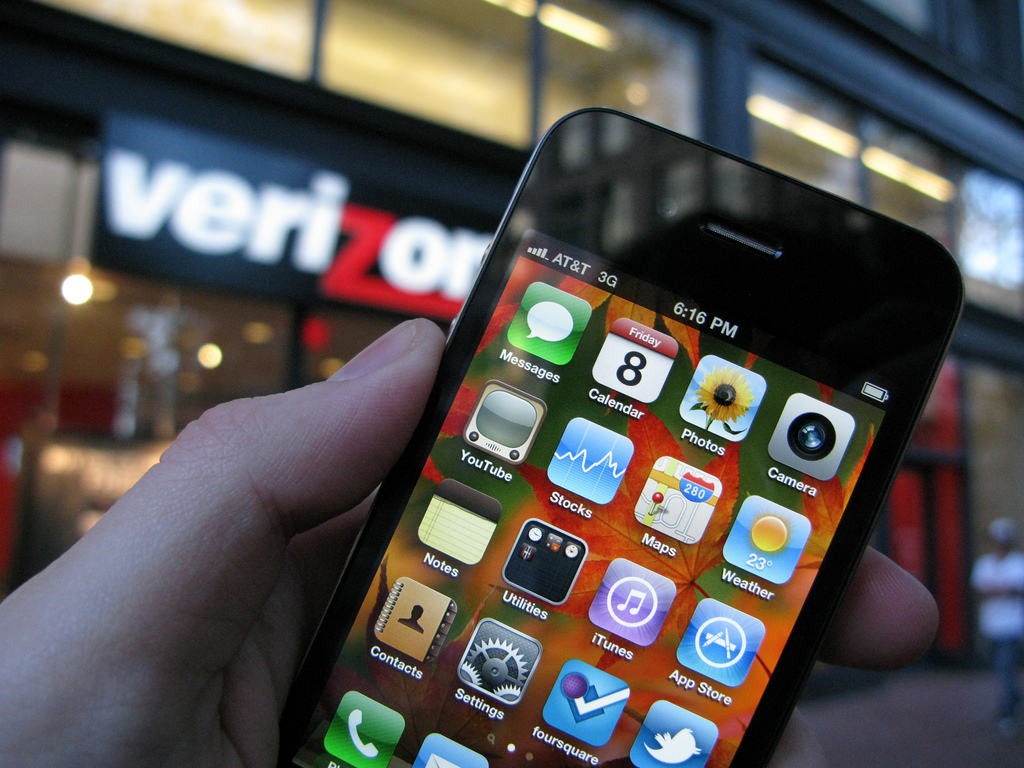
 February 3, 2011: The iPhone finally arrives on Verizon Wireless, the United States’ largest carrier, ending nearly four years of exclusivity with AT&T.
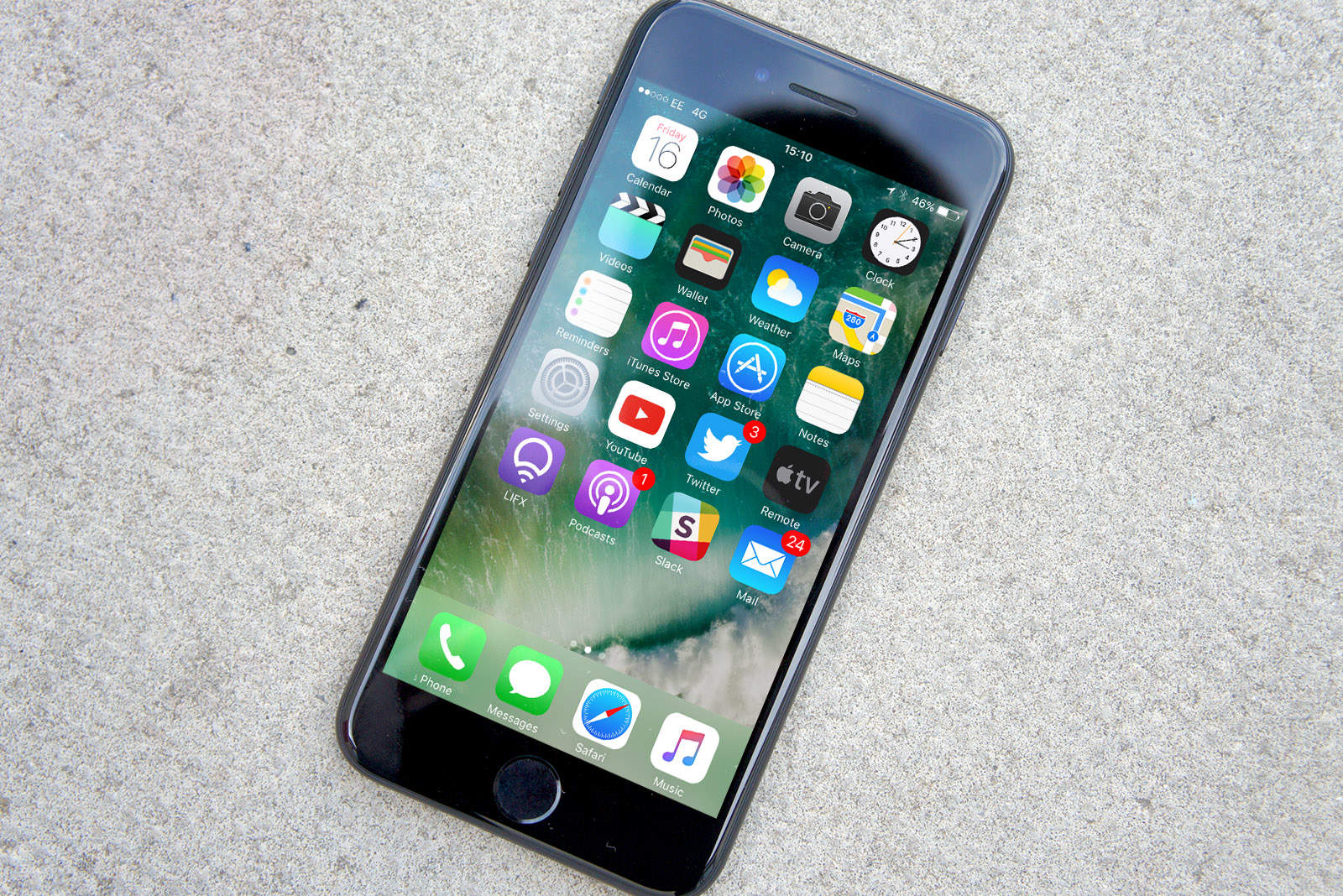
 January 26, 2016: After nine years of spectacular growth, iPhone sales flatline for the first time. Some observers say the sales plateau means that “peak iPhone” has finally arrived.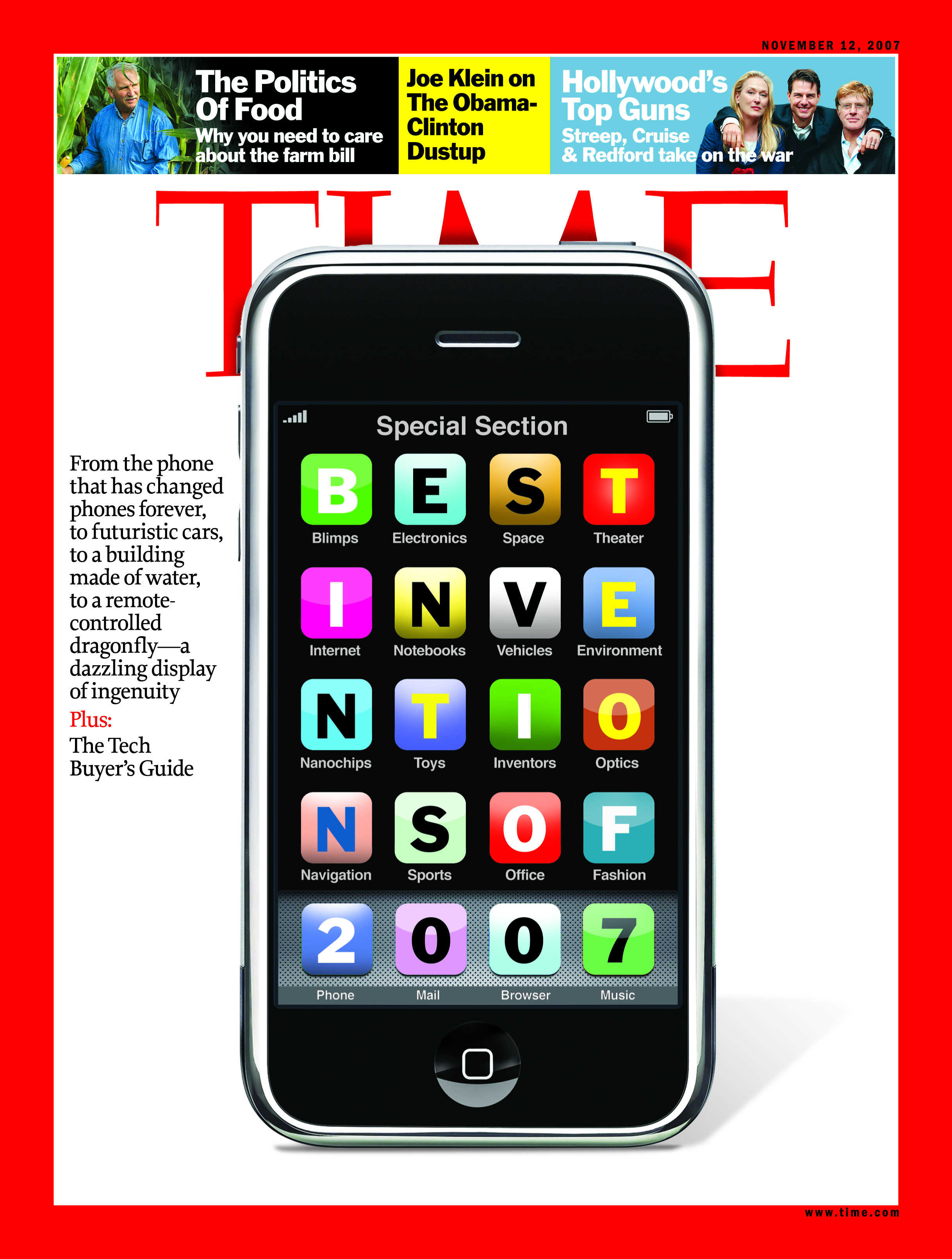
 November 1, 2007: Six months after Steve Jobs showed it off, the original iPhone becomes Time magazine’s “best invention of the year.”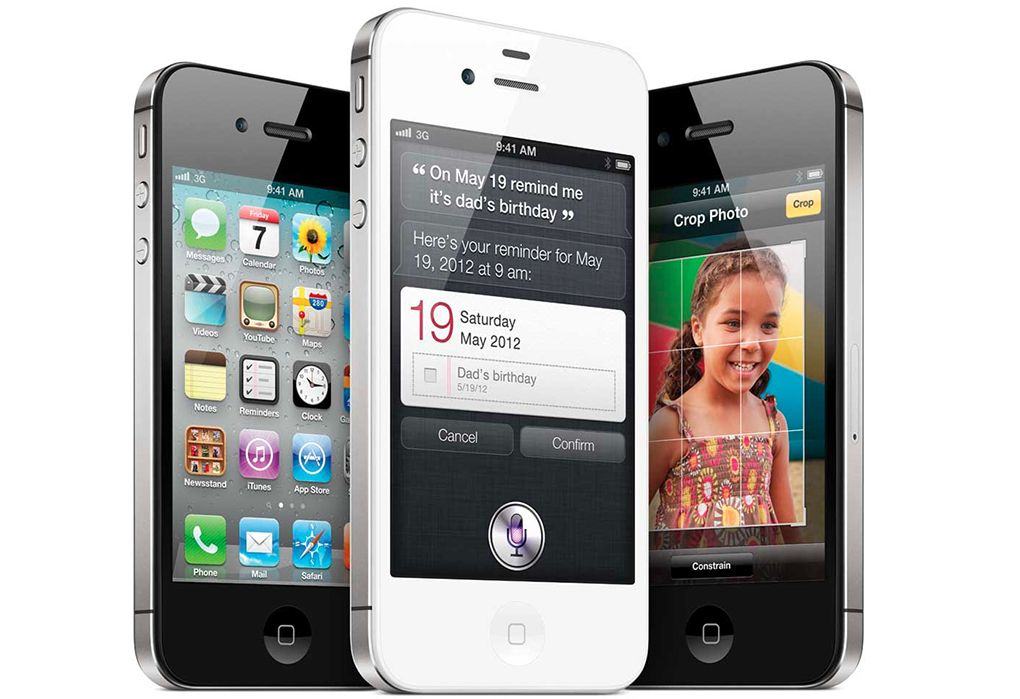
 October 7, 2011: Two days after the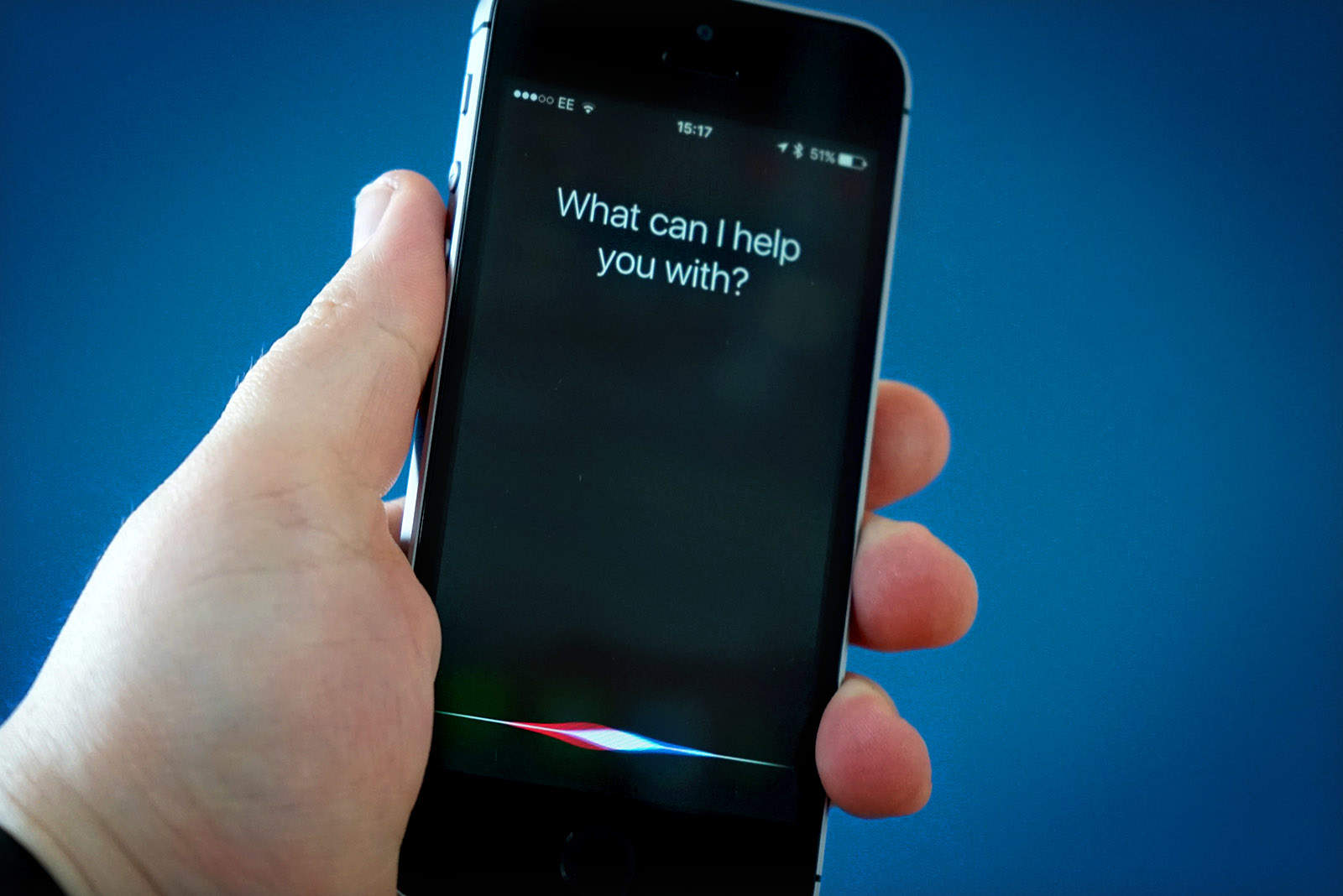
 October 4, 2011: With the unveiling of the iPhone 4s, Apple introduces the world to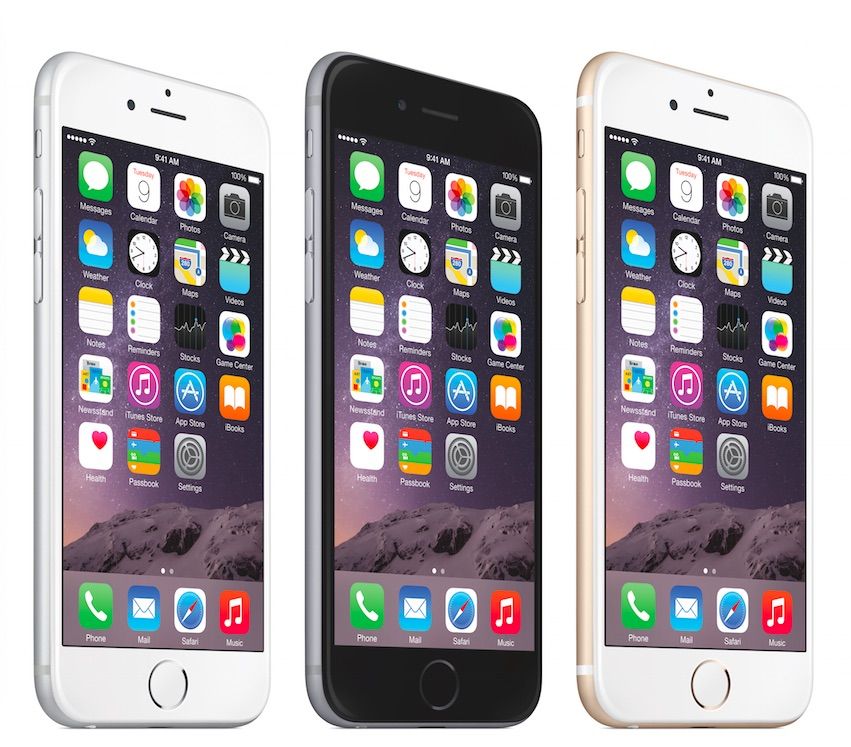
 September 22, 2014: Apple notches a new sales record with the iPhone 6 and iPhone 6 Plus launch, selling an astonishing
 August 18, 2007: A video goes viral on YouTube when 23-year-old internet personality Justine Ezarik, aka iJustine, posts a 300-page iPhone bill mailed to her in a box by AT&T.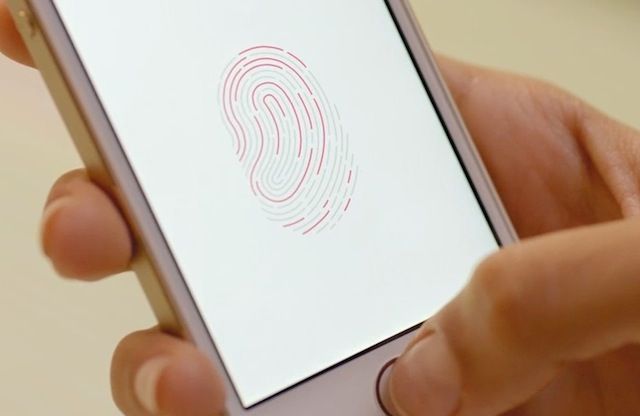
 July 28, 2012: Apple buys biometrics company AuthenTec, acquiring the technology that will power Touch ID for authentication and secure payments on the iPhone and other devices.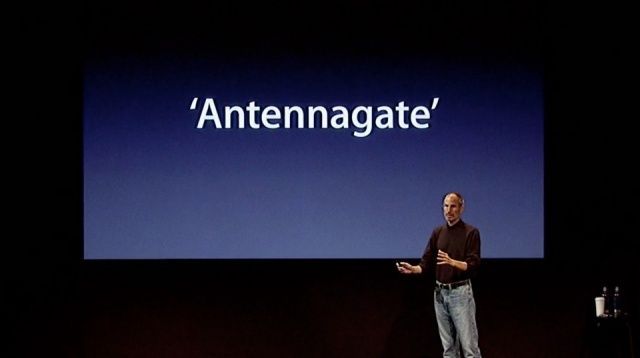
 July 12, 2010: The iPhone 4 suffers a major blow when respected trade publication Consumer Reports says it can’t, in good faith, recommend the new Apple smartphone. The reason the magazine refuses to give its vaunted “recommended” label to the previously top-ranked device in its devastating iPhone 4 review? A little Apple scandal called “Antennagate.”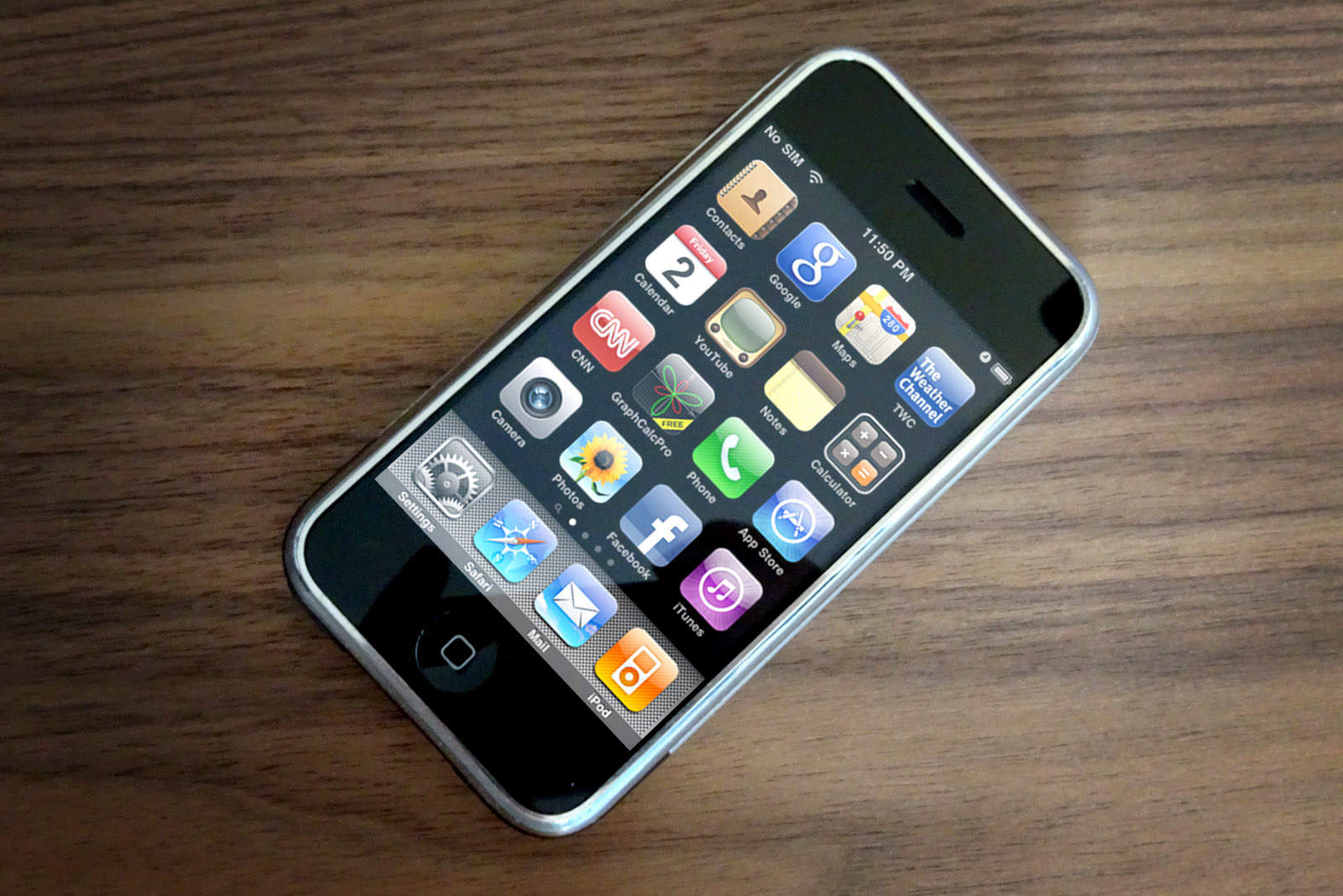
 June 17, 2009: Apple releases iPhone OS 3, the third iteration of its mobile operating system (and the last before a name change). It adds Cut, Copy and Paste functionality, among the most requested features since the original iPhone shipped in 2007.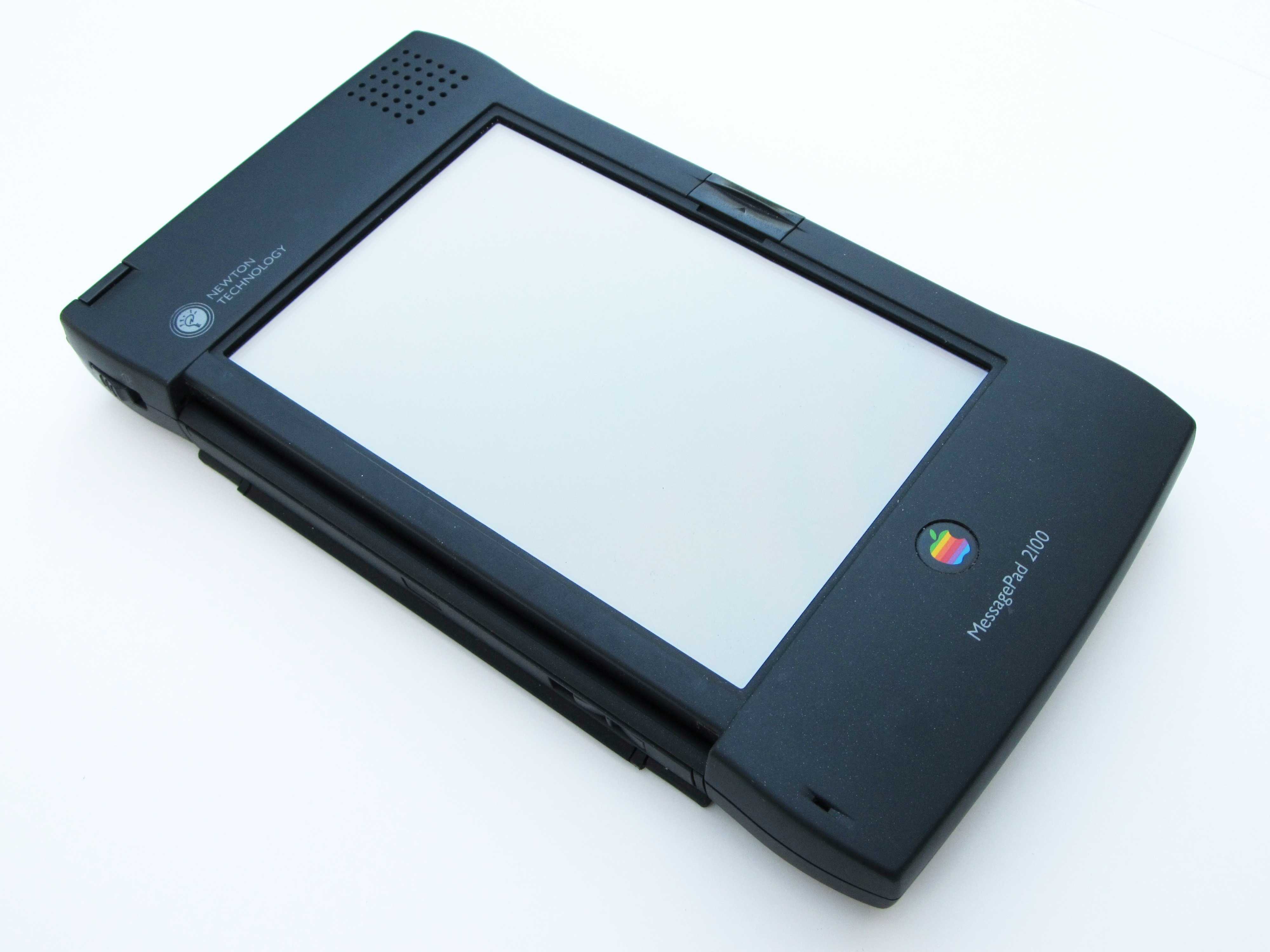
 March 10, 2004: Apple sends out a survey to select Apple customers, claiming that it is considering relaunching the Newton MessagePad.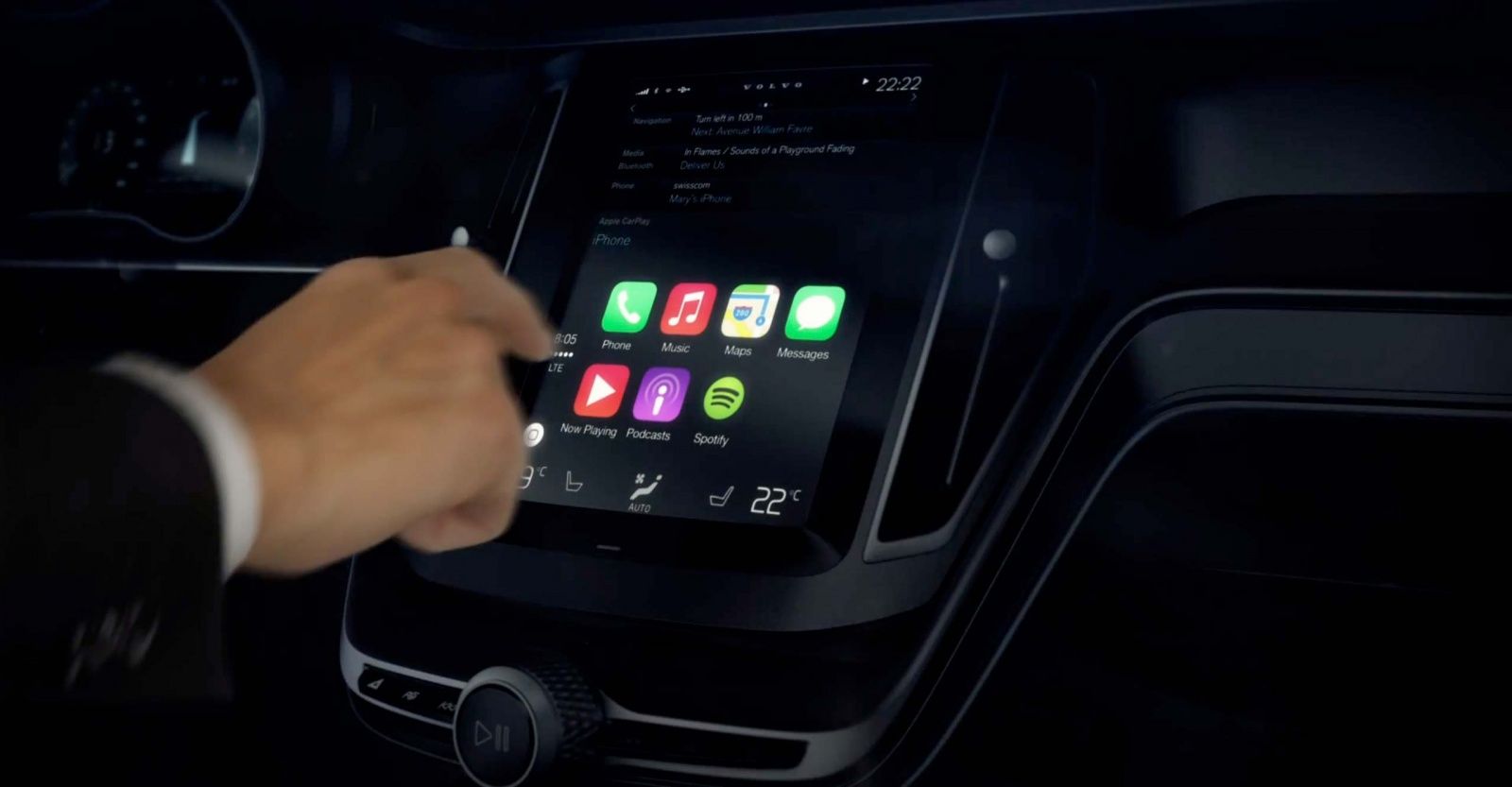
 March 3, 2014: With the CarPlay launch, Apple introduces iOS functionality for iPhone users behind the wheel via the car’s in-dash screen.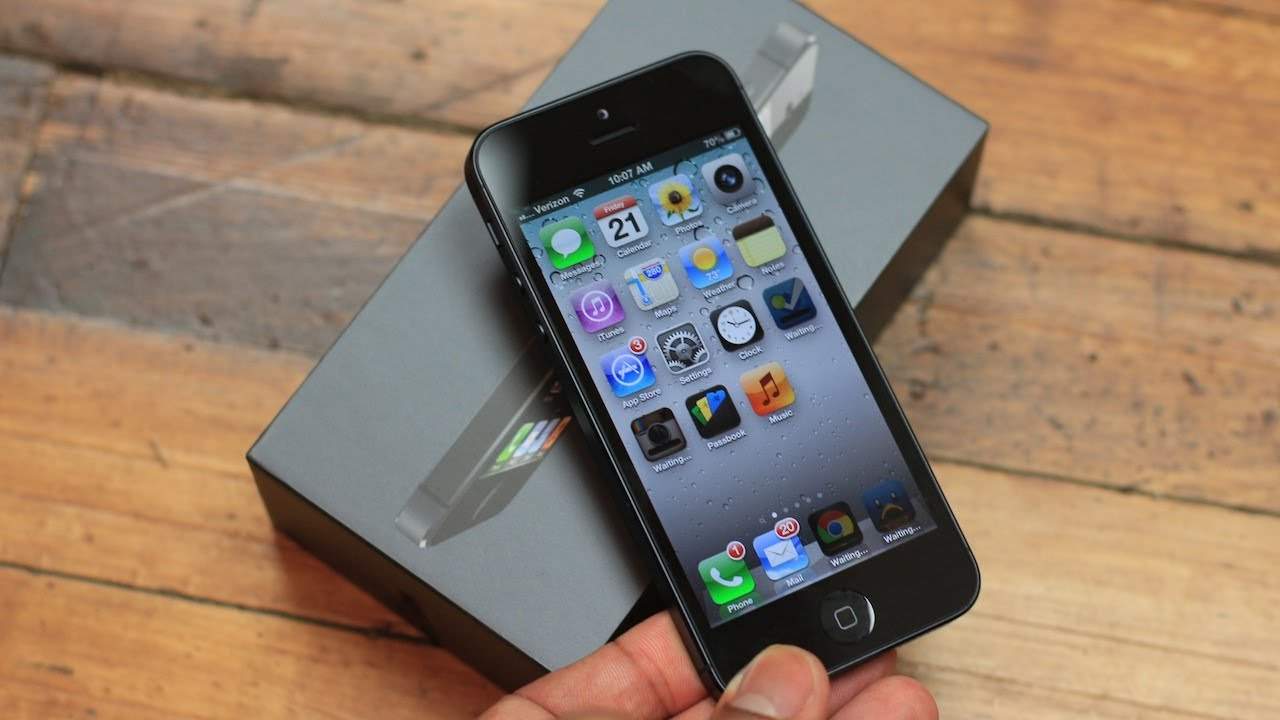
 September 12, 2012: Apple introduces the iPhone 5, with a super-slim form factor that makes it the thinnest smartphone in the world.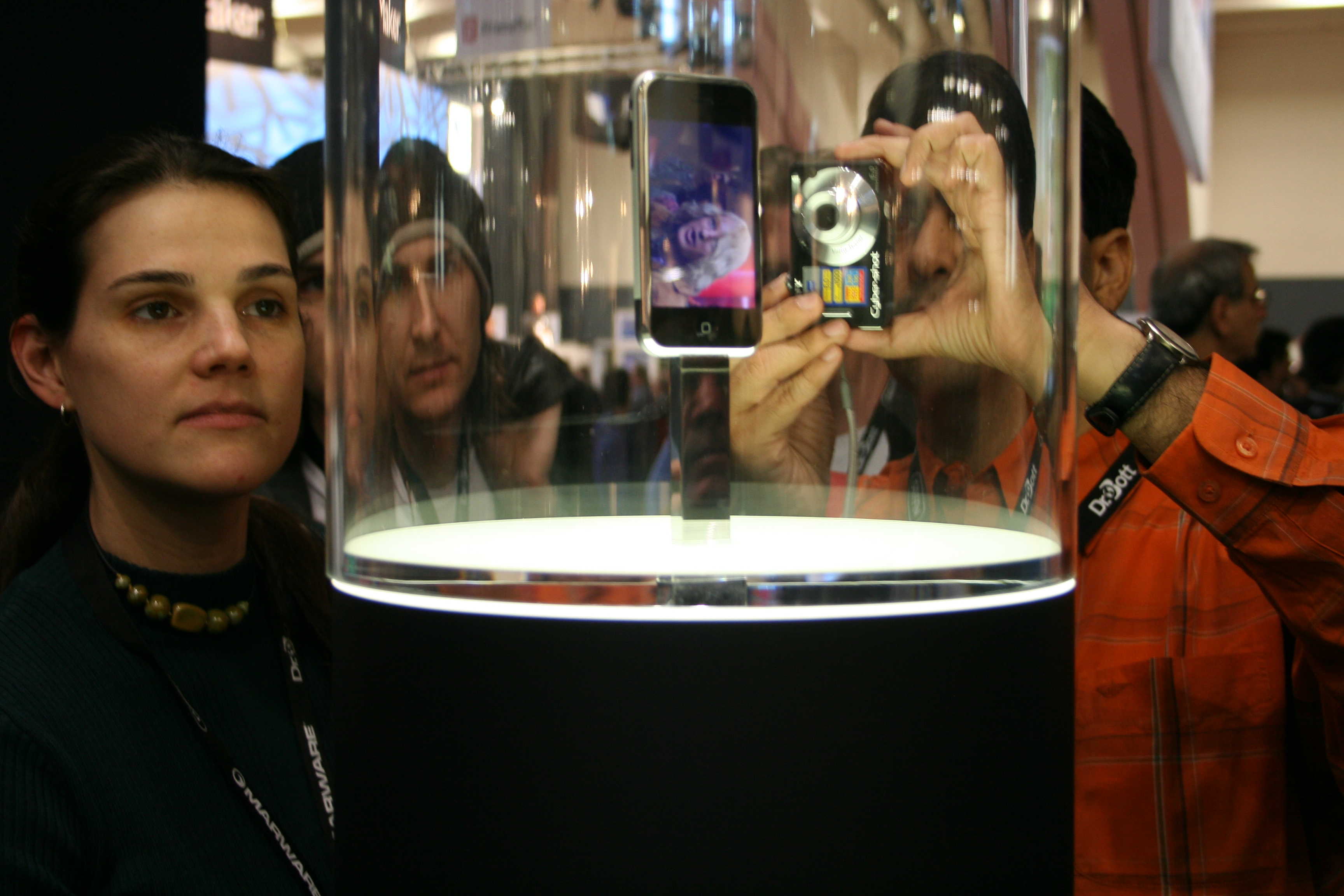
 June 29, 2007: The first-generation iPhone goes on sale, generating massive queues of Apple fans lining up outside Apple Stores around the United States.

 September 6, 2007: Apple deals with its first iPhone PR crisis, as early adopters complain about the company dropping the price of its new smartphone by $200 just two months after introducing it.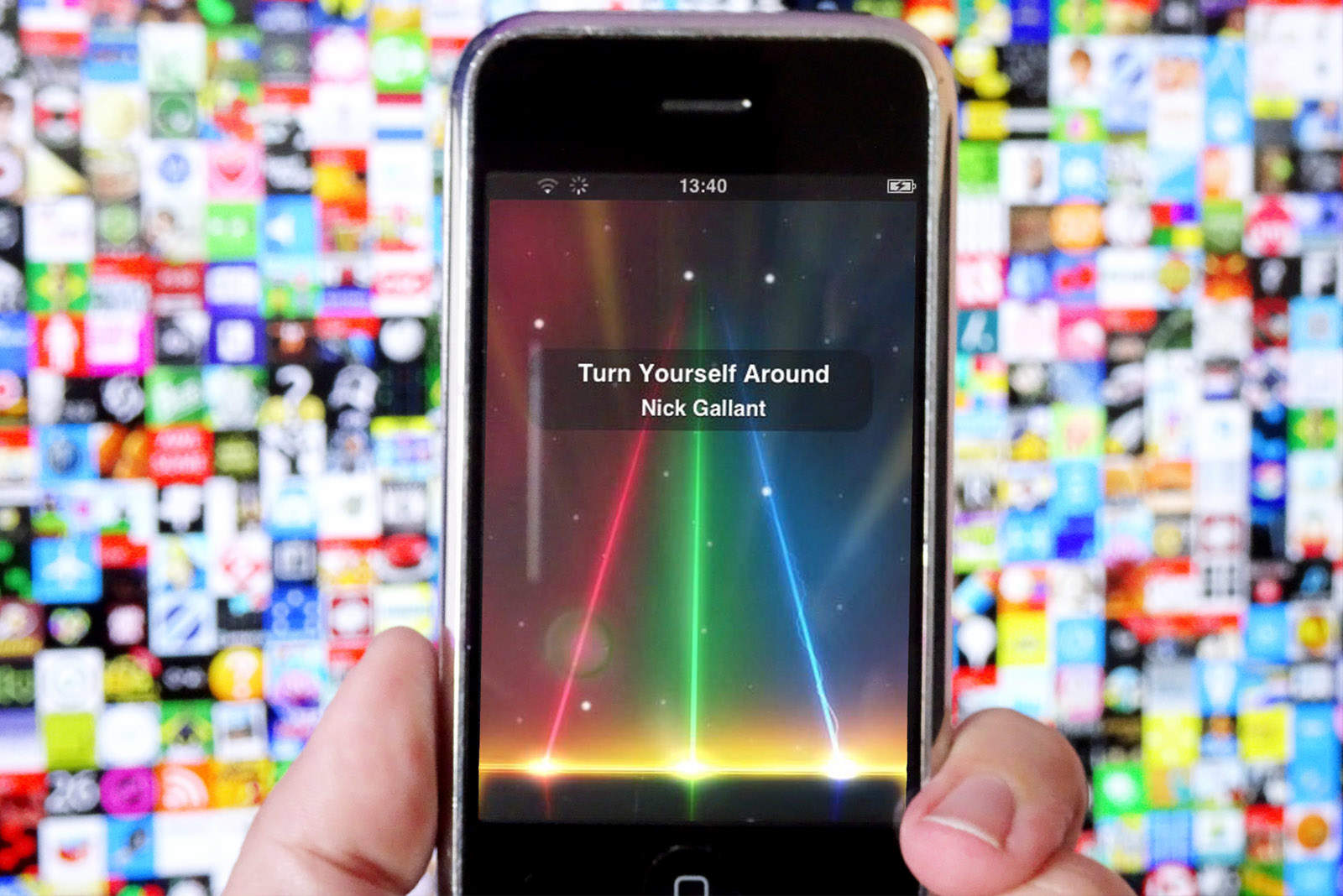
 July 14, 2008: Apple crows that its newly opened App Store hit a massive 10 million downloads in its first 72 hours.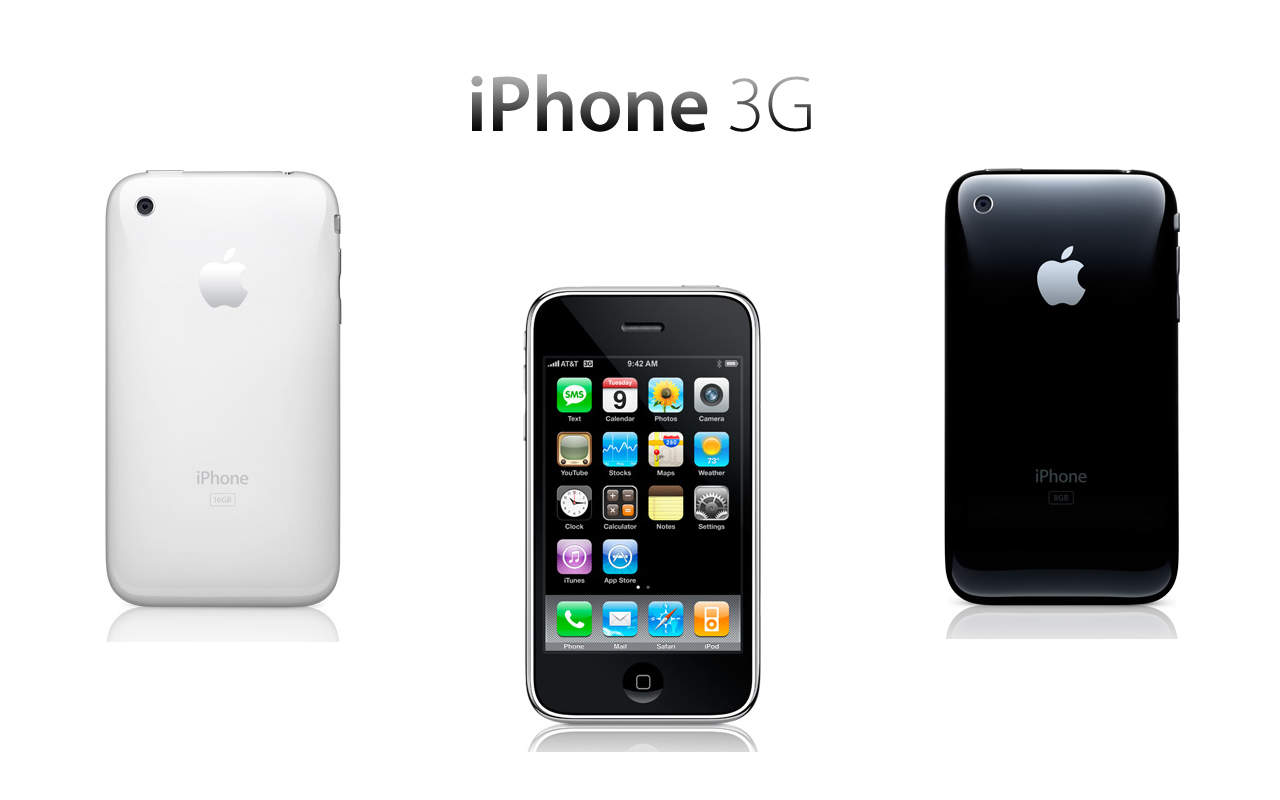
 July 11, 2008: The iPhone 3G goes on sale, becoming the first Apple product in history to sell more than 1 million units in its first weekend.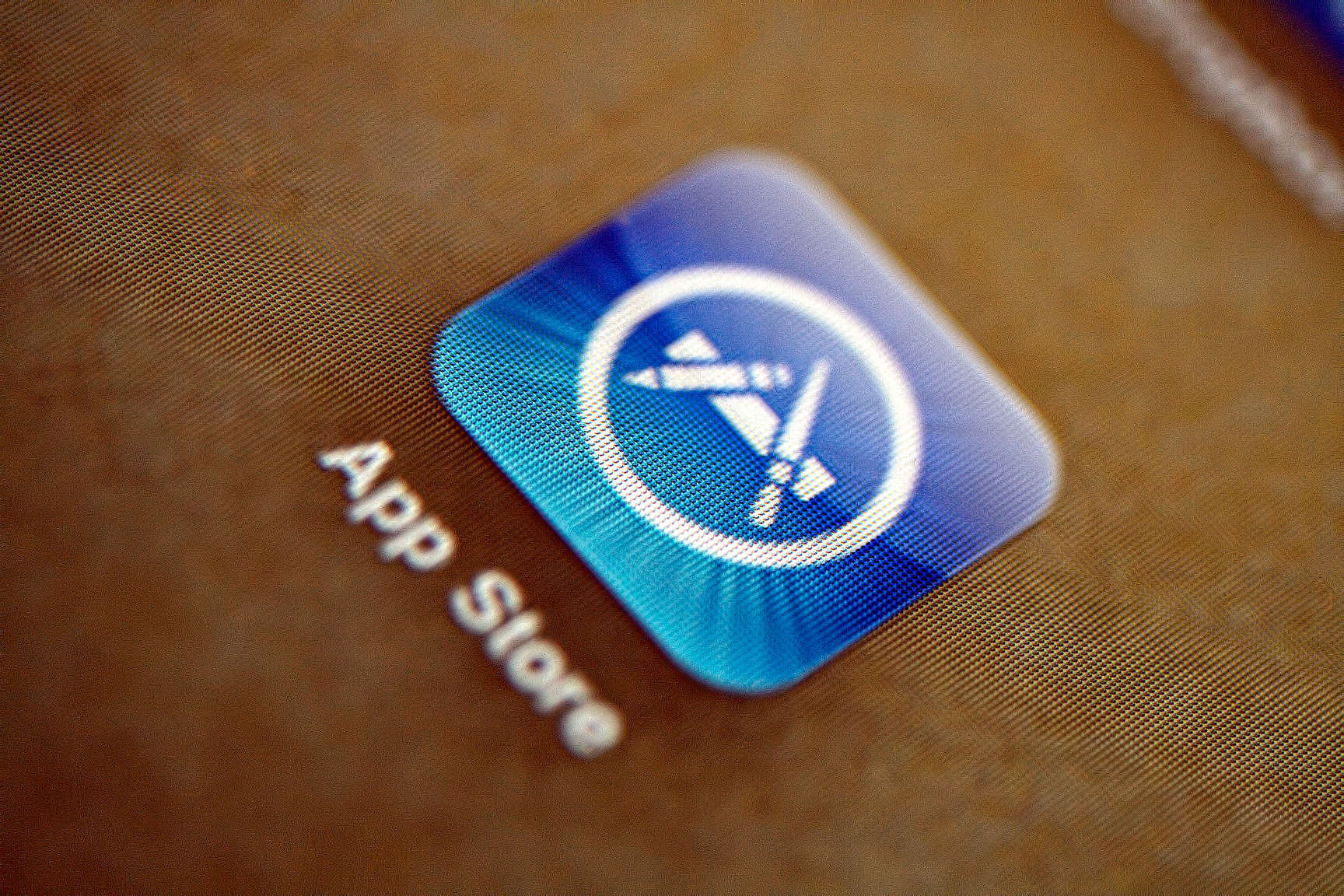
 July 6, 2011: Amazon wins a landmark verdict against Apple over its proprietary use of the term “App Store” — opening up the possibility of other rival services calling their own app stores by the phrase Apple had helped popularize.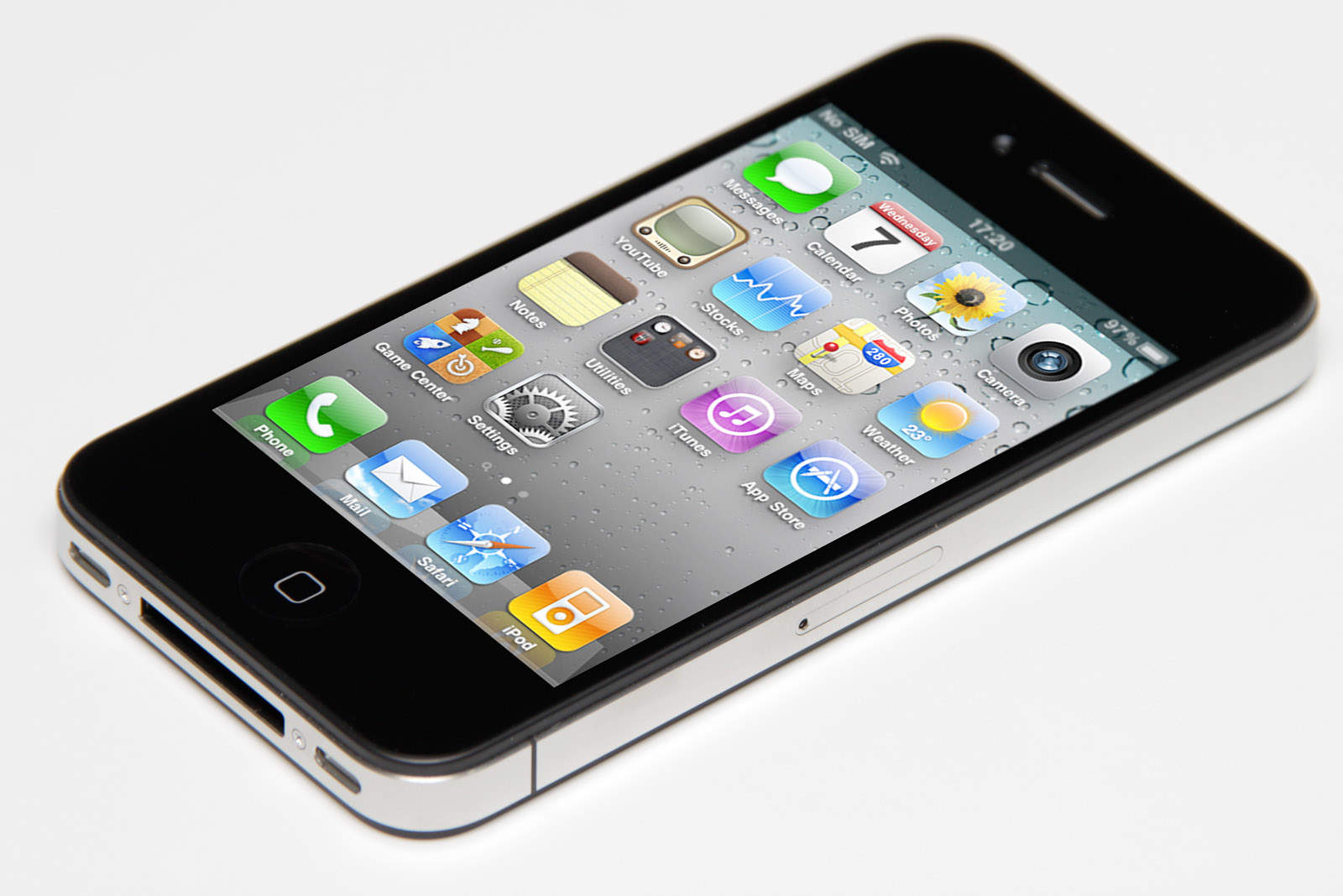
 iOS 4 was not only the last version of Apple’s mobile operating system released during Steve Jobs’ life, it was also a significant step up in terms of the software’s productivity features.