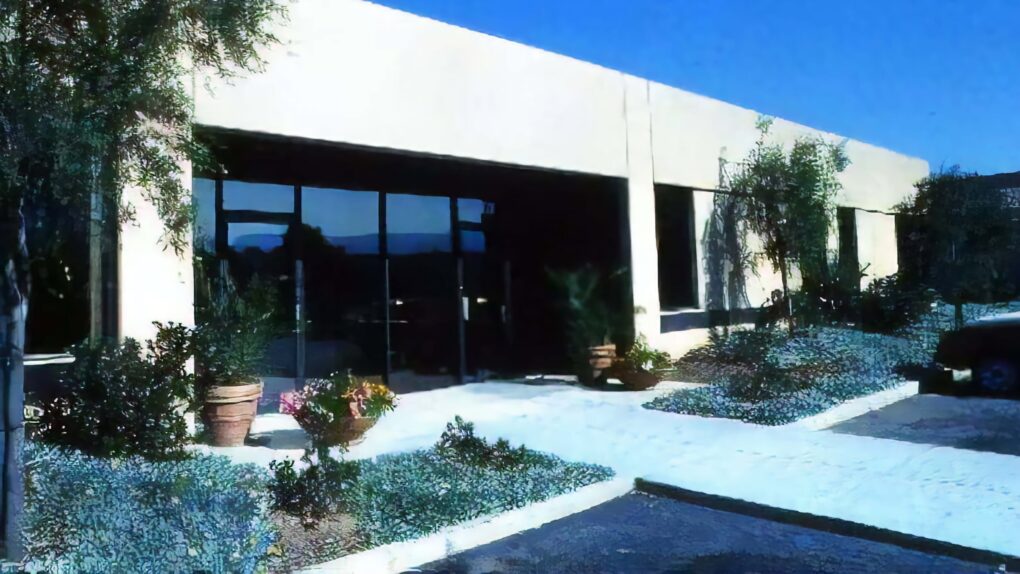
 January 28, 1978: Apple Computer occupies Bandley 1, its first custom-built office, giving the company a bespoke business center to house its growing operations in Cupertino, California.
A full 15 years before 1 Infinite Loop, and almost four decades before Apple Park’s stunning “spaceship” HQ landed, 10260 Bandley Drive in Cupertino becomes the first purpose-built, permanent headquarters for the newly founded company.

 January 3, 1977: Apple Computer Co. is officially incorporated, with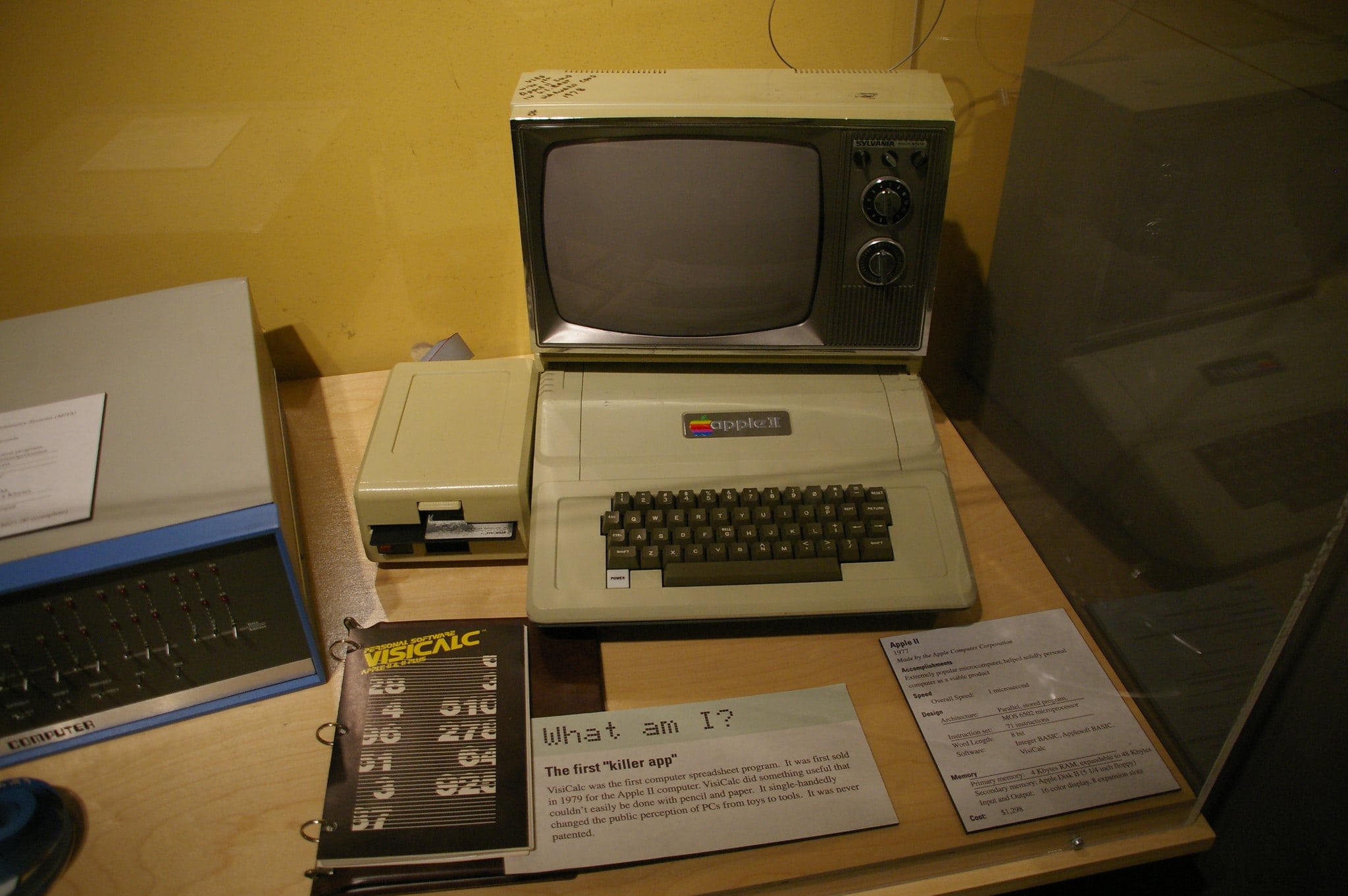
 January 2, 1979: Entrepreneurs Dan Bricklin and Bob Frankston incorporate their company Software Arts to publish a program called VisiCalc. The first spreadsheet software for the
 December 25, 1977: Apple co-founder Steve Wozniak spends the holidays building a prototype of the Disk II, the Apple II computer’s revolutionary floppy disk drive.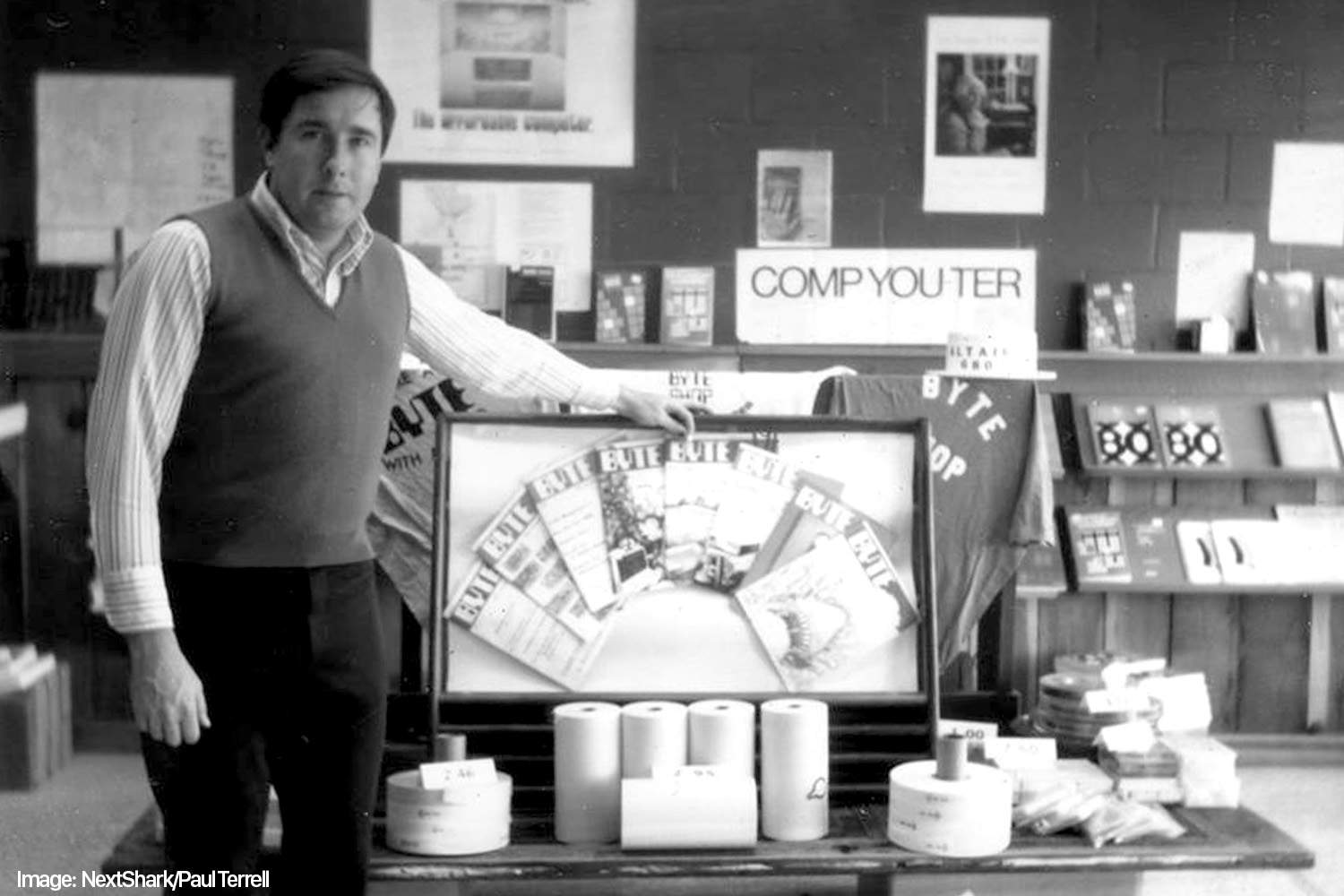
 December 8, 1975: San Francisco Bay Area entrepreneur Paul Terrell opens the Byte Shop, one of the world’s first computer stores — and the first to sell an Apple computer.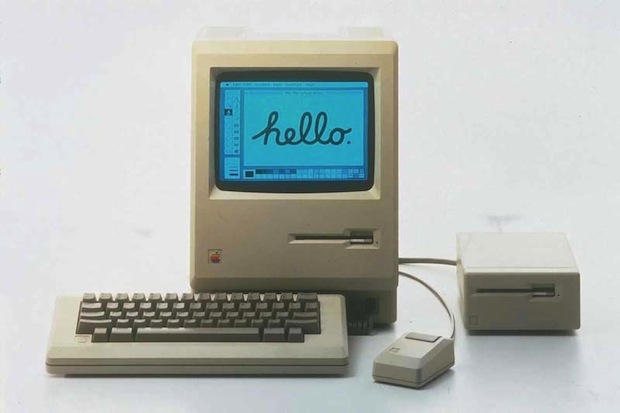
 September 27, 1979: Years before the Macintosh will ship, Steve Jobs and Jef Raskin clash for the first time over the direction of the R&D project to produce Apple’s revolutionary computer. Raskin, the founder of the Macintosh project, wants to produce a machine that’s affordable for everyone. Apple co-founder Jobs wants a computer that’s going to be the best, regardless of price.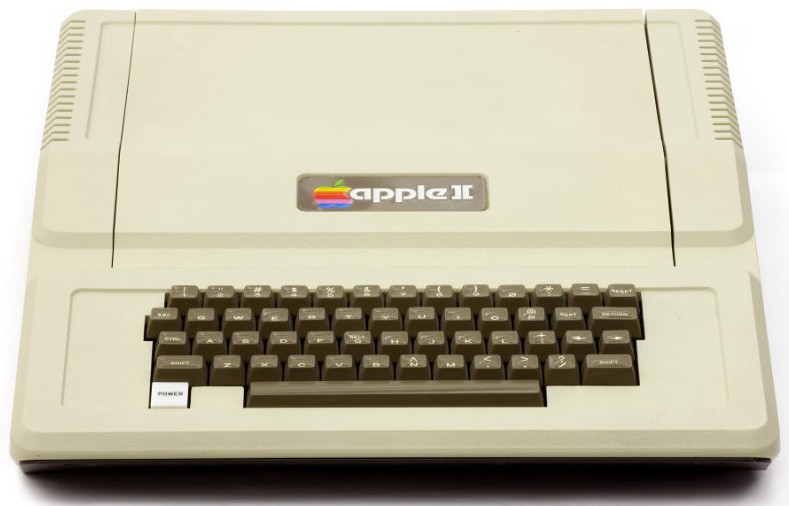
 June 5, 1977: The first
  June 1, 1978: Apple launches the Disk II floppy drive, one of the company’s most important peripherals ever.
 May 17, 1978: Steve Jobs’ first child, a daughter named Lisa Brennan-Jobs, is born. The child of the 23-year-old Apple co-founder and his high school girlfriend Chris-Ann Brennan, Lisa’s parents are no longer a couple when she comes into the world.
 April 17, 1977: The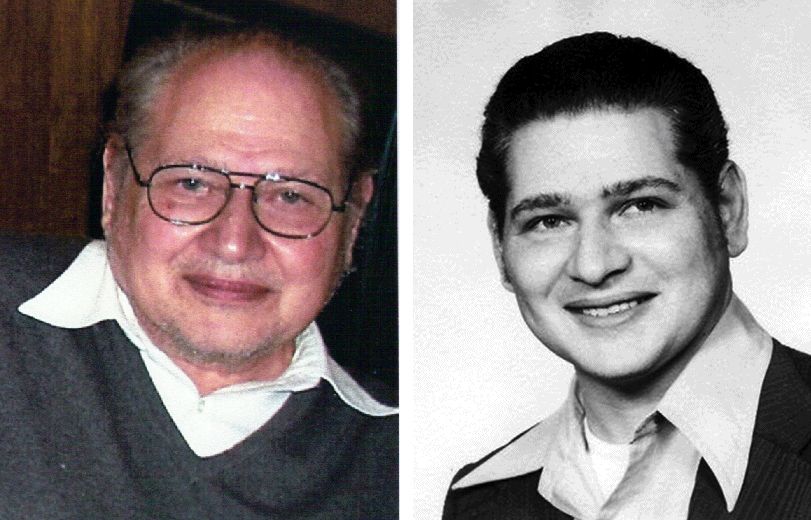
 April 12, 1976: Apple’s third co-founder, a former Atari colleague of Steve Wozniak’s named Ron Wayne, cashes in his Apple shares for just $800.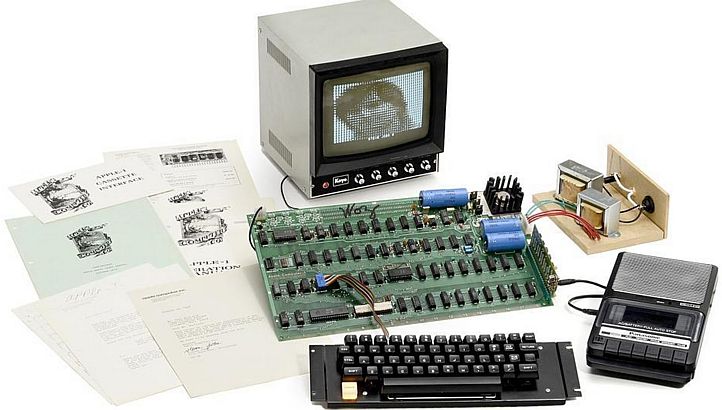
 April 11, 1976: Apple releases its first computer, the Apple-1.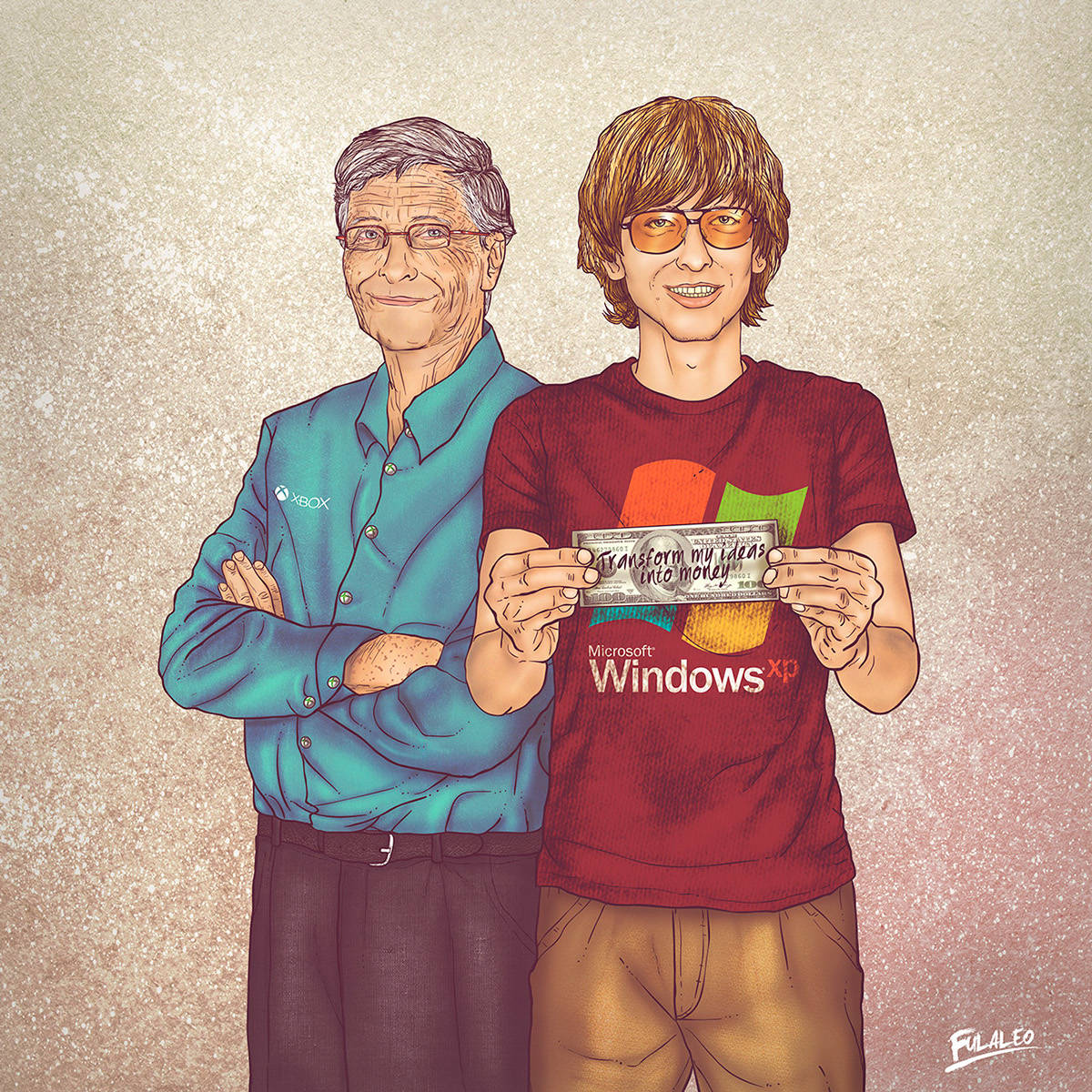
 April 4, 1975: Microsoft is founded by childhood friends Bill Gates and Paul Allen. The software company destined to become a tech behemoth — and a major Apple frenemy.
 April 1, 1976: The Apple Computer Company is founded by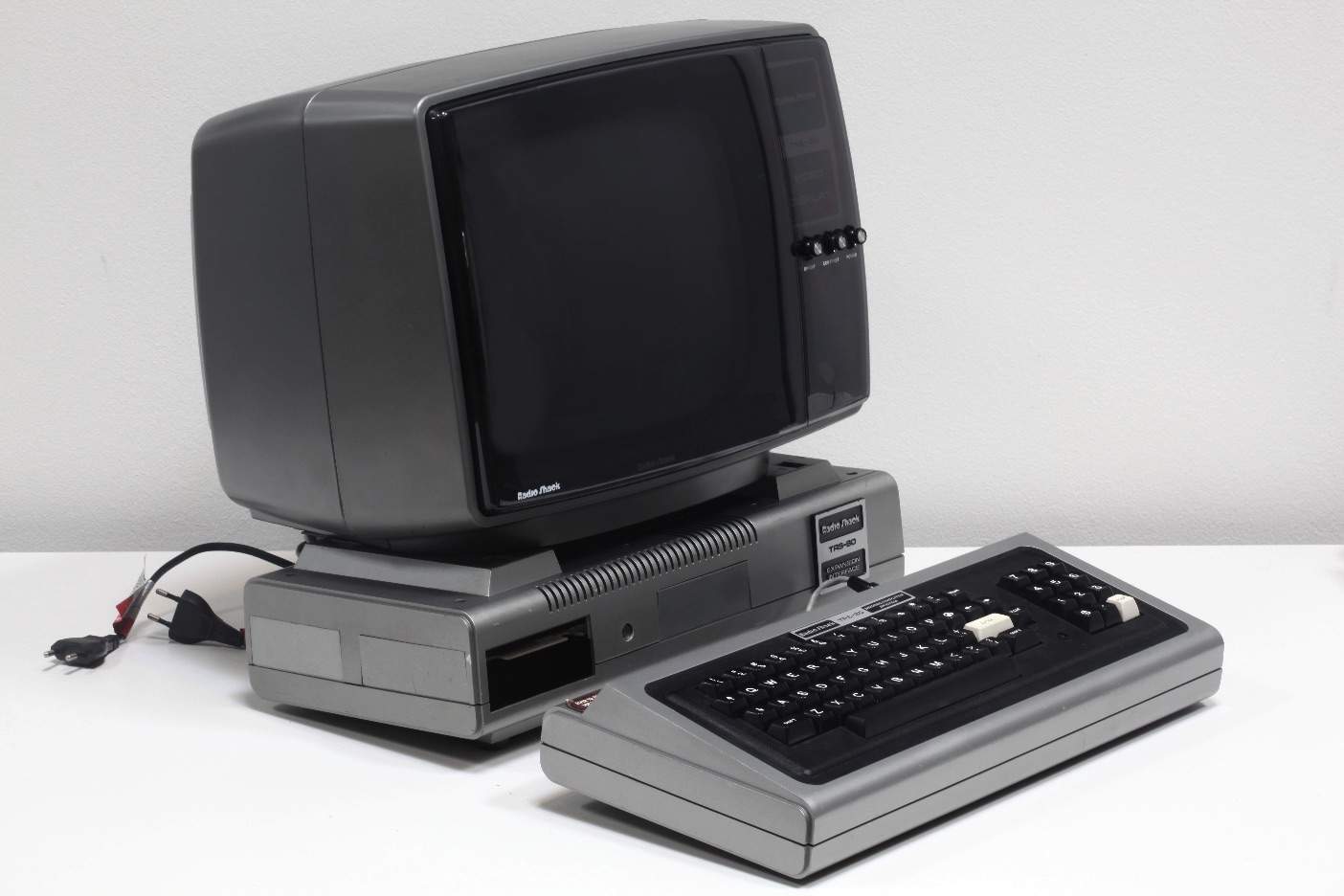
 August 3, 1977: The Tandy TRS-80 personal computer makes its debut. The first affordable, mass-market computer gives the Apple 1 some serious competition.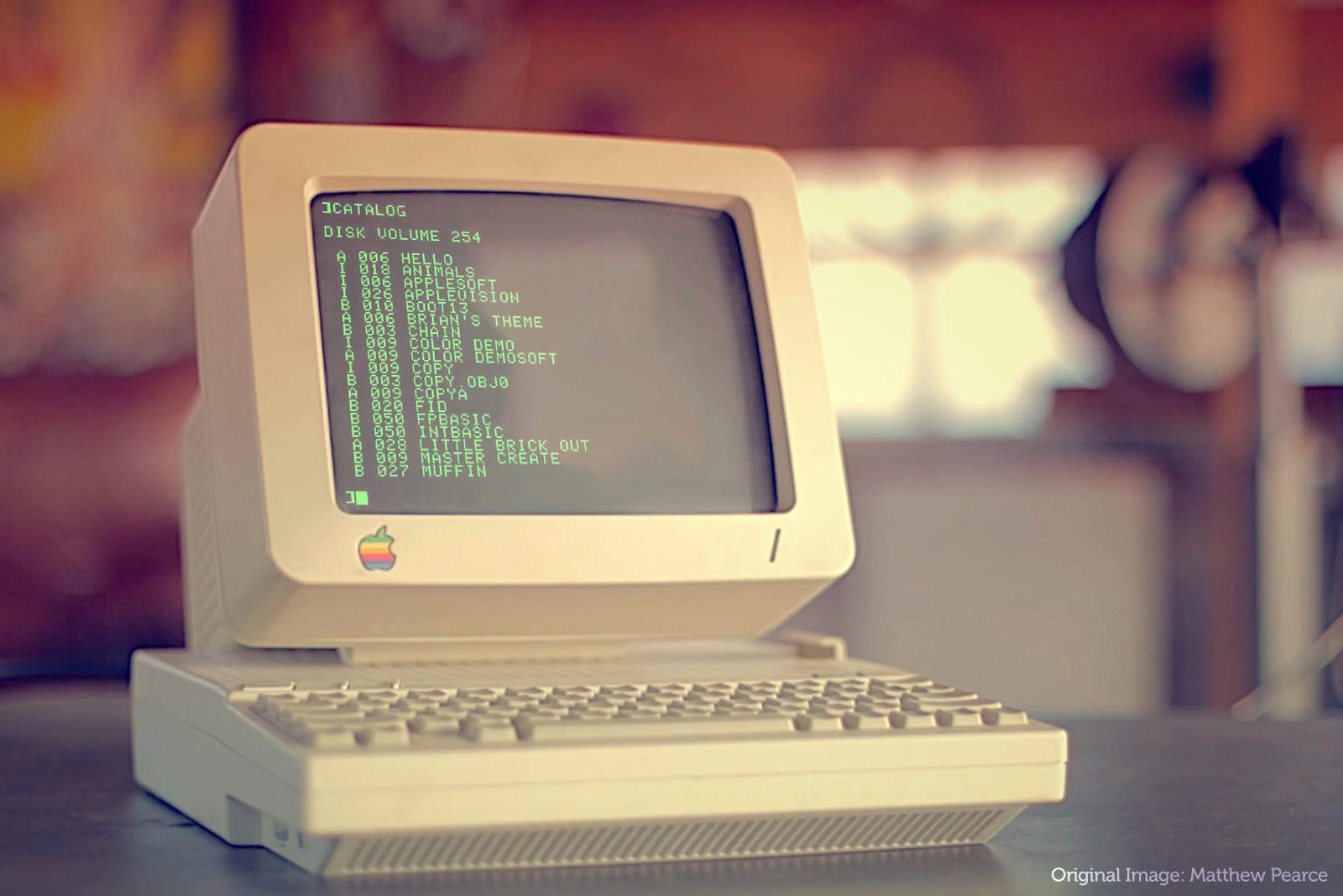
 July 20, 1978: Apple DOS makes its debut on the Apple II, giving Apple its first official operating system.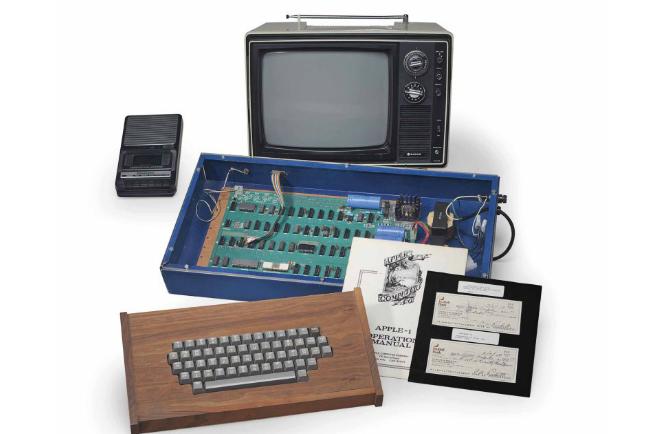
 July 1, 1976: The Apple 1 goes on sale, becoming the first computer ever sold by the Apple Computer Company.