 April 21, 1995: Rumors swirl that Japanese camera company Canon might take over Apple in either a partial or complete acquisition.
Speculation grows about a possible deal after Apple reveals its latest earnings, which show big improvement but still fall far short of Wall Street’s expectations.

 March 28, 1996: In a dire message to Wall Street, Apple warns that it will report a $700 million after-tax loss for its most recent quarter.
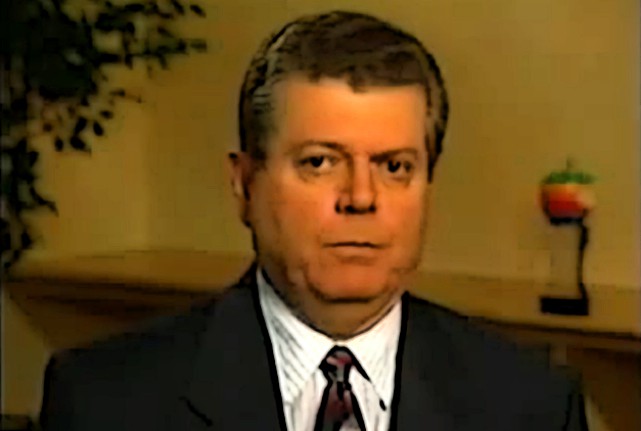
 February 2, 1996: Apple reveals that turnaround artist Gil Amelio will take over from Michael “The Diesel” Spindler as CEO of the struggling company.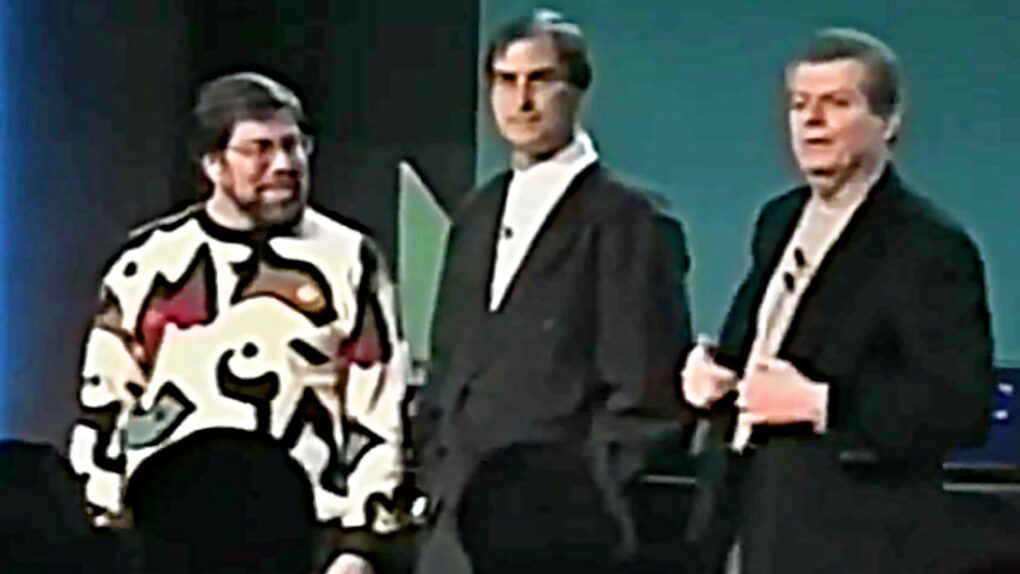
 January 7, 1997: Apple co-founder Steve Wozniak returns to the company to participate in an advisory role, reuniting with Steve Jobs onstage at the Macworld Expo in San Francisco.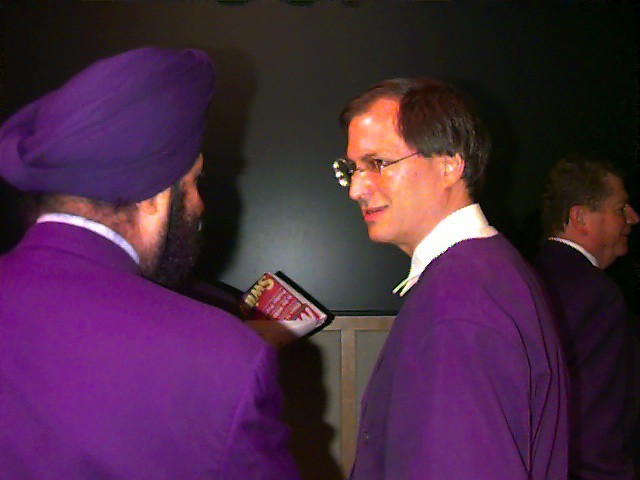
 December 20, 1996: Apple Computer buys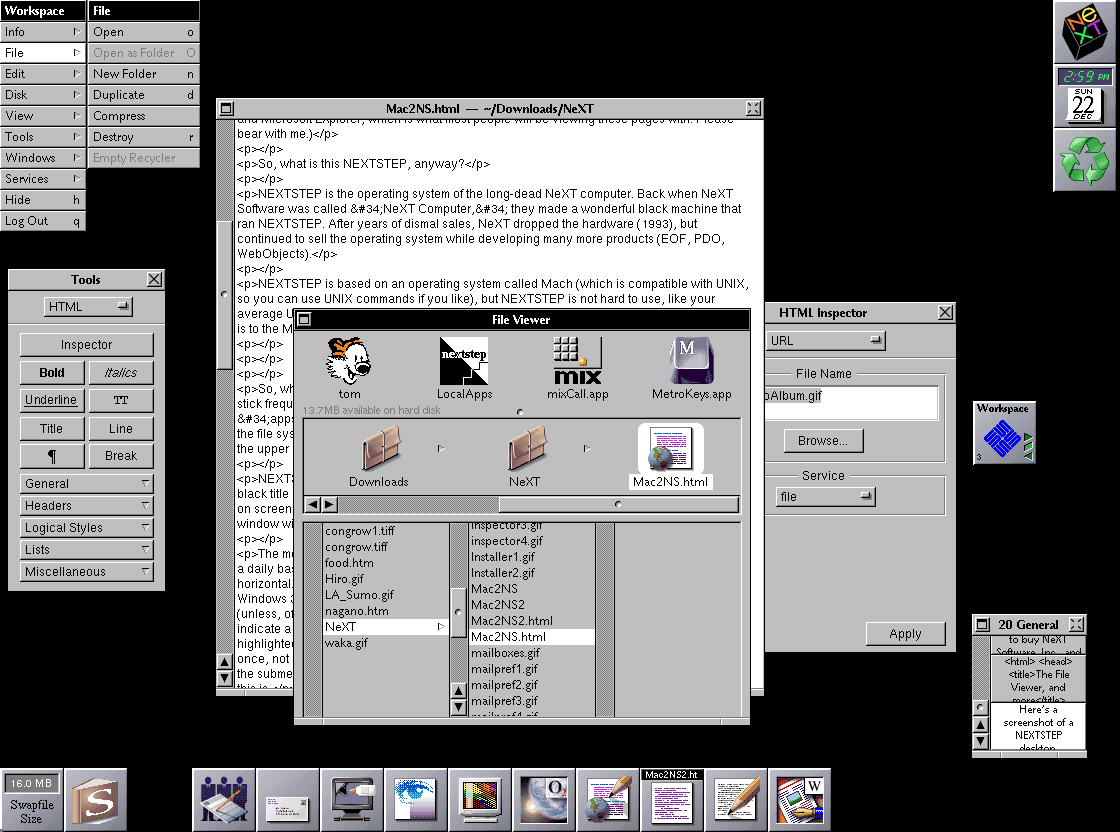
 November 25, 1996: A midlevel manager at NeXT contacts Apple about the possibility of Cupertino licensing NeXT’s OpenStep operating system. The phone call sows the seeds of Mac OS X and Apple’s rejuvenation.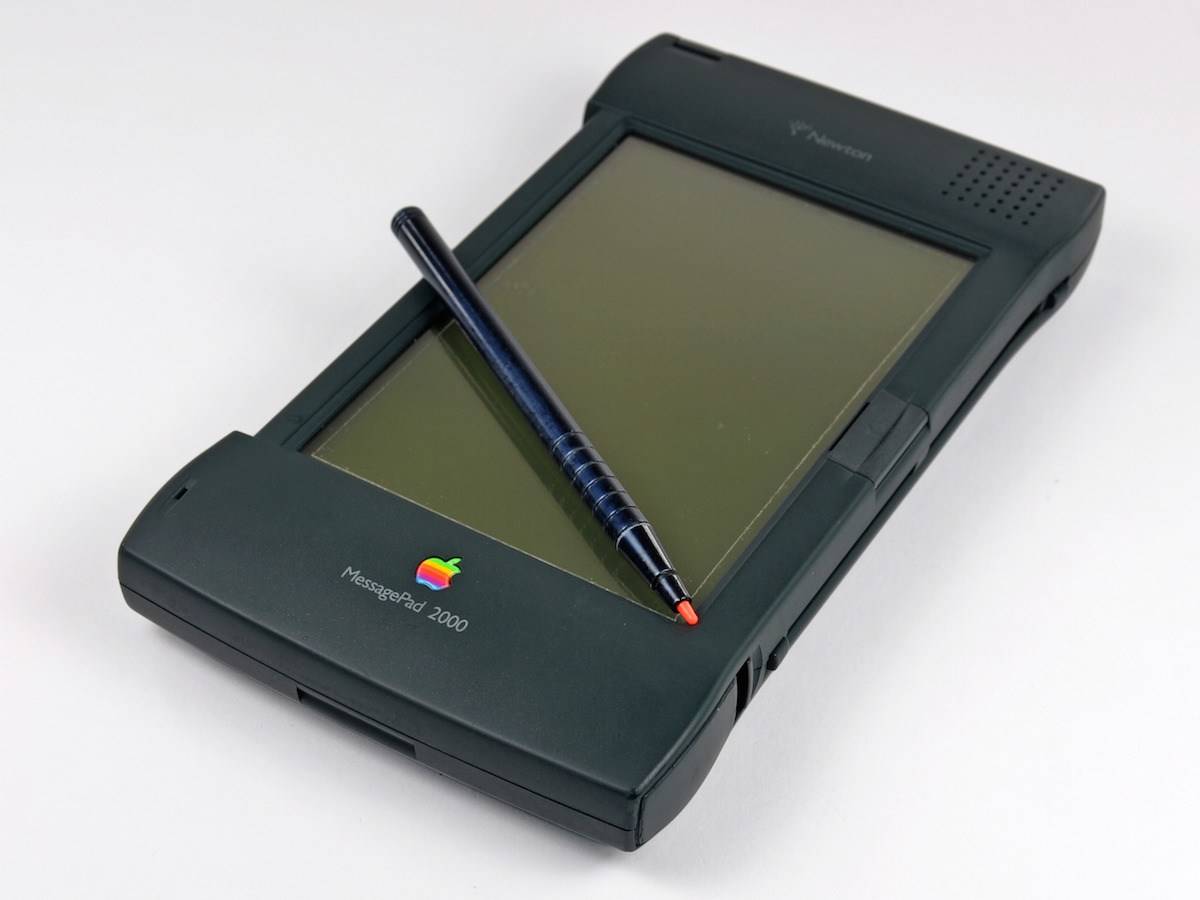
 September 4, 1997: The writing is on the wall for Apple’s Newton product line as the recently returned Steve Jobs effectively kills the Newton Inc. spinoff.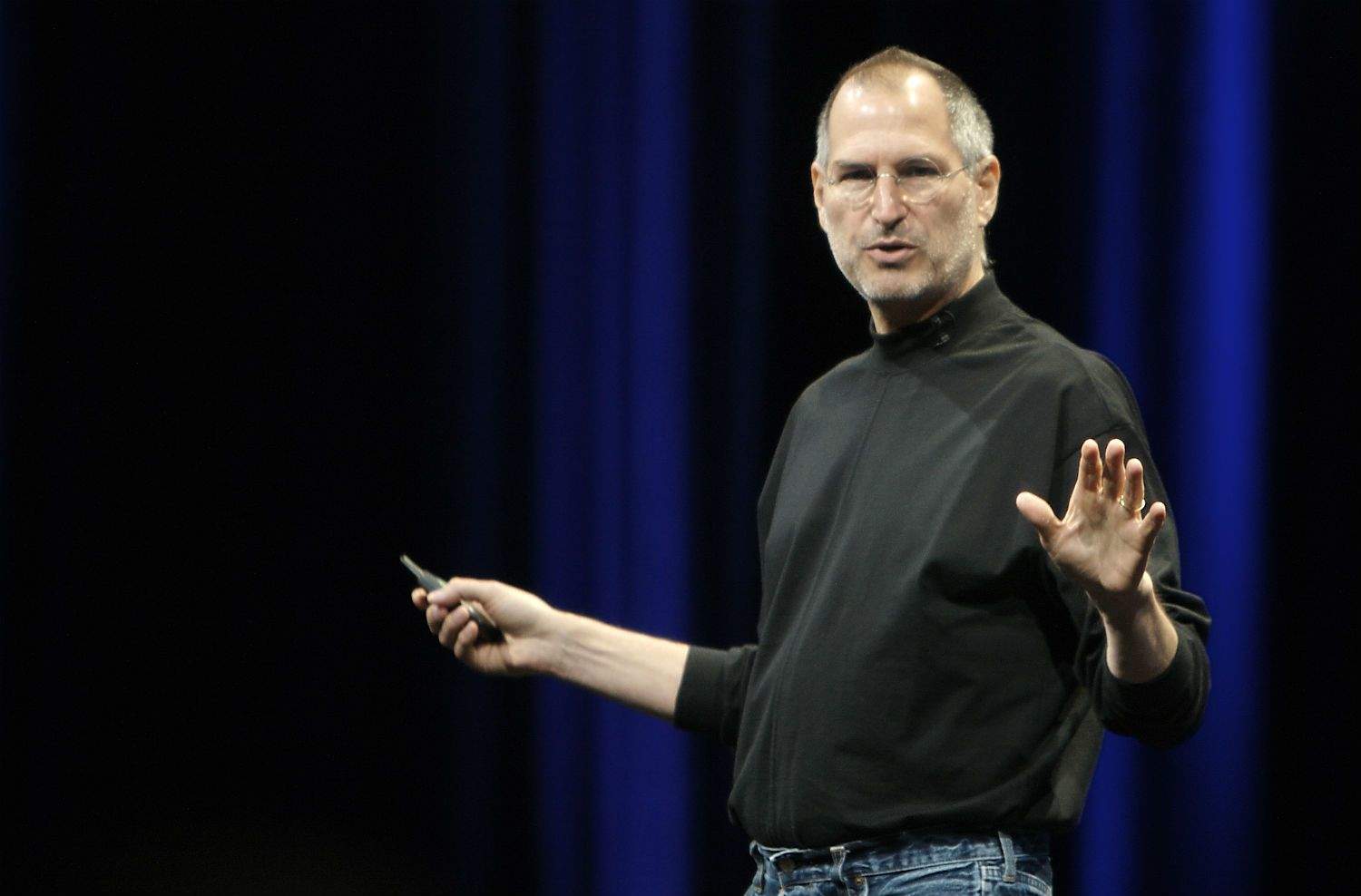
 July 8, 1997:
  July 6, 1997: Following a massive quarterly loss for Apple, board member Edgar S. Woolard Jr. calls CEO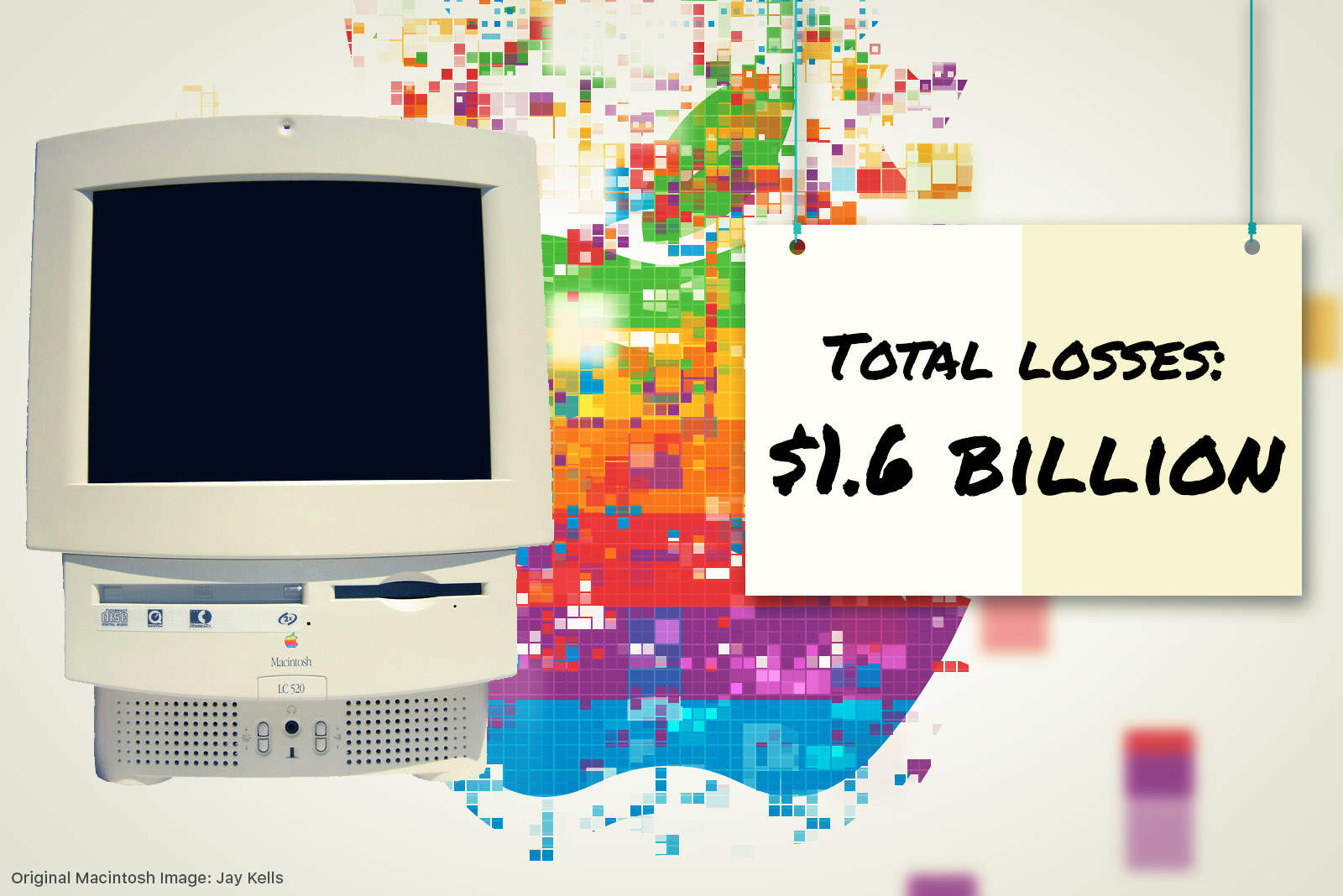
 June 27, 1997: The last day of another disappointing quarter brings an end to CEO Gil Amelio’s 500 days running Apple.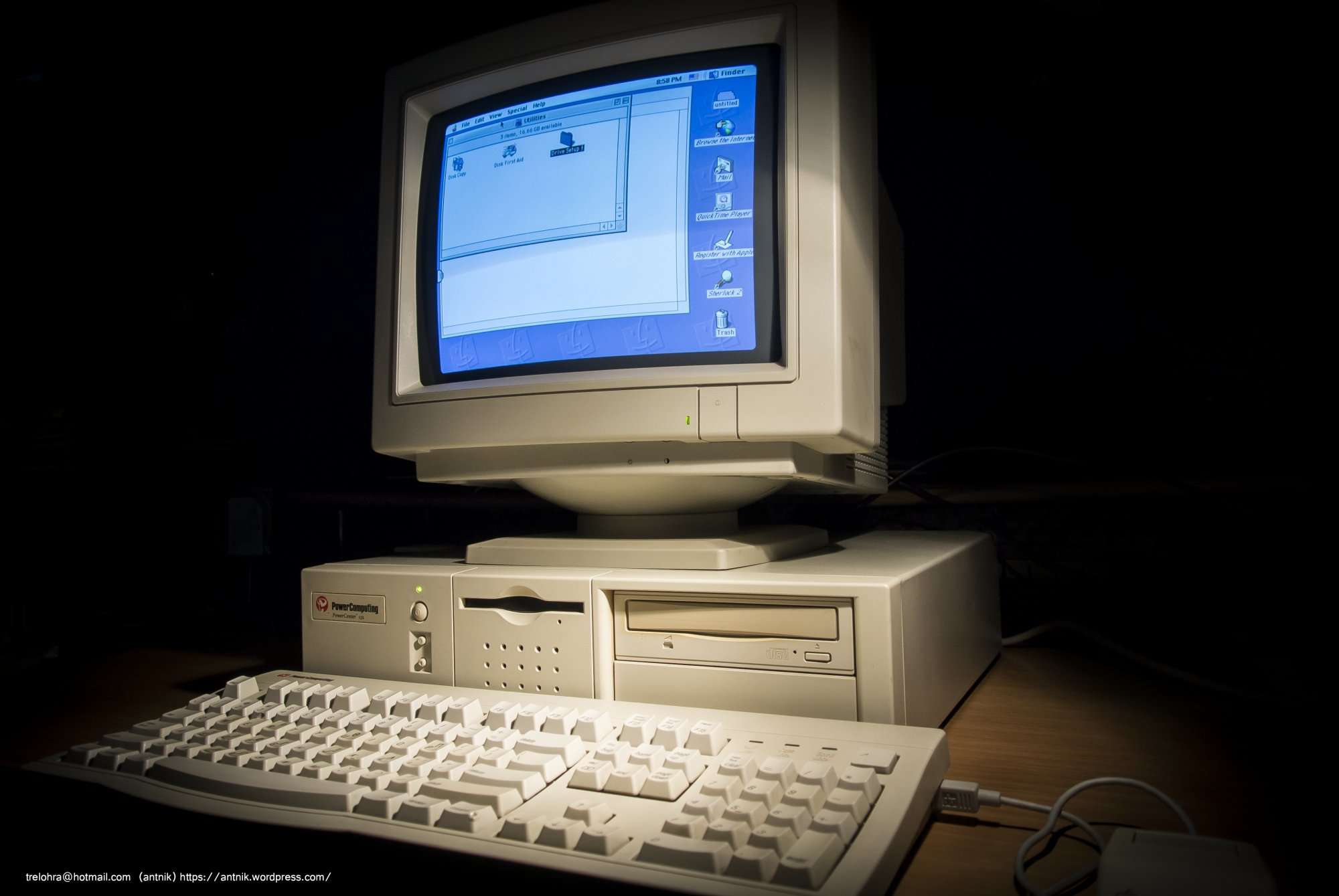
 June 4, 1997: Mac clone-maker Power Computing hits its high point as the company’s top exec reaches an agreement with Apple concerning the forthcoming
  November 9, 1994: Gil Amelio, a businessman with a reputation as a talented turnaround artist, joins Apple’s board.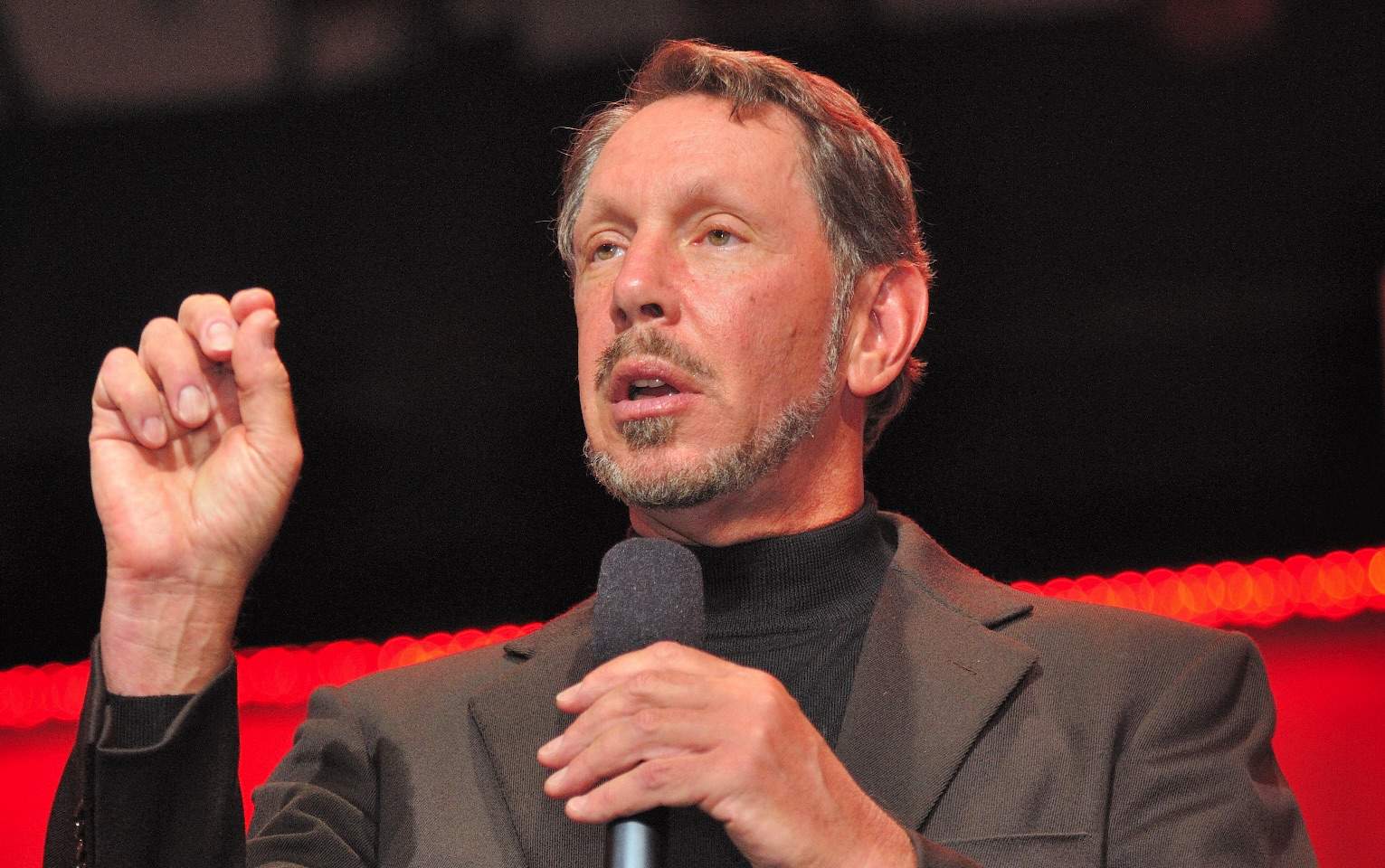
 April 29, 1997: Steve Jobs’ friend
  June 27, 1997: The worst financial year in Apple history comes to an end. During the quarter, Apple lost $56 million — effectively bringing an end to then-CEO