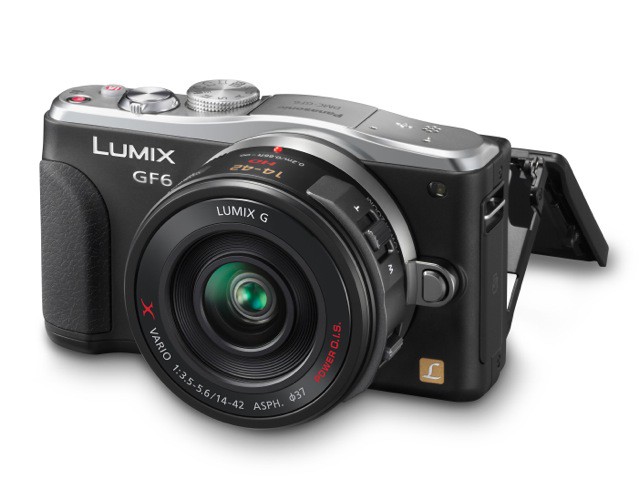
Panasonic’s new GF6 Micro Four Thirds camera has two new gimmicks: NFC and Wi-Fi, with the latter acting as a fast way to set up a Wi-Fi connection between the camera and an NFC-enabled phone.
Along with this it brings a new 16MP sensor, fast startup and the promise of great low light performance. Let’s take a look.
There seem to be two ways to make a Wi-Fi-enabled camera. The first is to build an actual camera and add a Wi-Fi radio. The second is to make an iPod Touch with a decent 5MP camera module inside. Depending on your requirements, either one can be great.
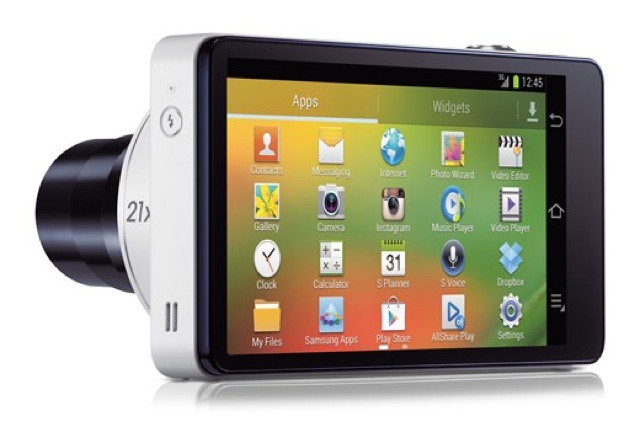
But there now appears to be a third way. Samsung has taken a camera, added an Android phone, and then taken away the phone part of that phone. Behold! The Wi-Fi Galaxy Camera.
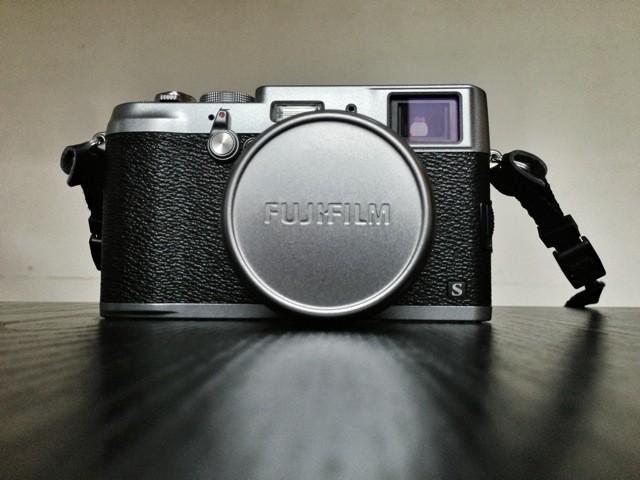
X100S by Fujifilm Category: Cameras Works With: Uh, hands? Price: $1,200
First, remember one thing: this isn’t a full review of the Fujifilm X100S, even though I had to write it up there in the title to please our CMS. I’ve only had the thing for a few days, and even though Cult of Mac isn’t DP Review, a few days isn’t enough to evaluate an iPhone case, let alone a camera like the X100S.
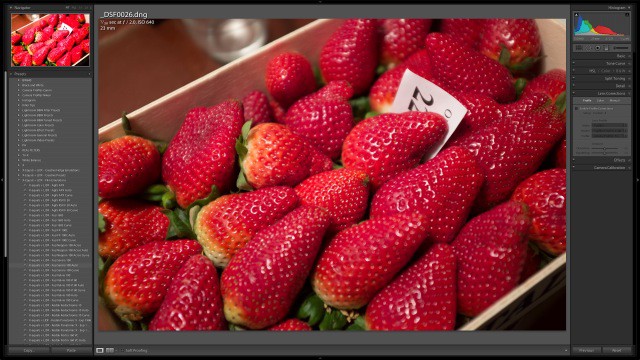
On the other hand, the X100S is So Hot Right Now, and I’ve been staying up tip 3AM since I got it because I can’t stop playing with the thing. Combining those two interesting facts leads me to think that an in-depth first look might be a good idea — especially as you can now convert the RAW files on your Mac using the just-released Lightroom 4.4.
Let’s take a look — You might want to go make a cup of coffee first.
If you’re the proud owner of a Fujifilm X100s camera, then today is yet another happy day for you: Lightroom has been updated to v4.4 and now supports your camera’s wacky X-Trans sensor, the clever sensor which removes the need for an anti-aliasing filter by placing the color pixel filters in an irregular grain-like pattern.
And of course the update supports a whole bunch more camera (listed below), as el as fixing bugs.
Do you use an Eye-Fi or other wireless card to send pictures from your camera to your iPhone or iPad? Or maybe you have one of those fancy cameras with built-in wifi? Well, be careful: If the card’s network isn’t locked down, then it’s as vulnerable to hacking as an unsecured home network. And depending on your setup, attackers could gain access to your camera and its photos, and even seize control of the camera’s functions.
Tempted as I am by the likes of the amazing Fujifilm X100s, I know that I’ll keep coming back to my iPhone 5 camera thanks to its combo of convenience, quality, connect-ability and apps. But the Sun & Cloud camera has just the right balance of price to quirky novelty to get me interested.
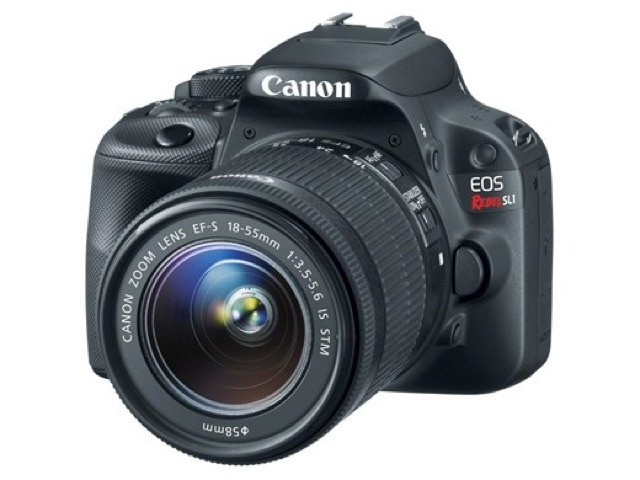
Oh man, this is what happens when companies don’t really know what to do with themselves. We’re familiar with Apple’s ultra-simple product lineup, a hallmark of a focused corporate mind. Canon, on the other hand, decided that — after stripping down the DSLR to make the mirrorless EOS M — it would take that stripped-down camera and, uh, strip it back up again.
So here we have the EOS 100D (or Rebel SL1, to further confuse things), billed as the smallest DSLR in the world, and essentially an EOS M with a mirror and therefore a viewfinder. And corporate confusion aside, it might actually be a cool little camera.
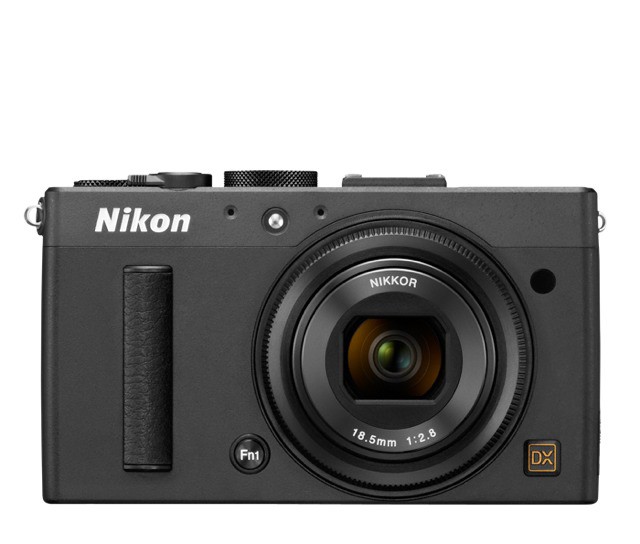
Nikon has announced the Coolpix A, a compact camera with a big SLR sensor in it. Like many of Nikon’s cameras of late, it doesn’t actually sound that exciting on paper, but as it seems designed to work more like a stripped-down SLR rather than a gussied up compact, I have a feeling that it might be pretty damn good.
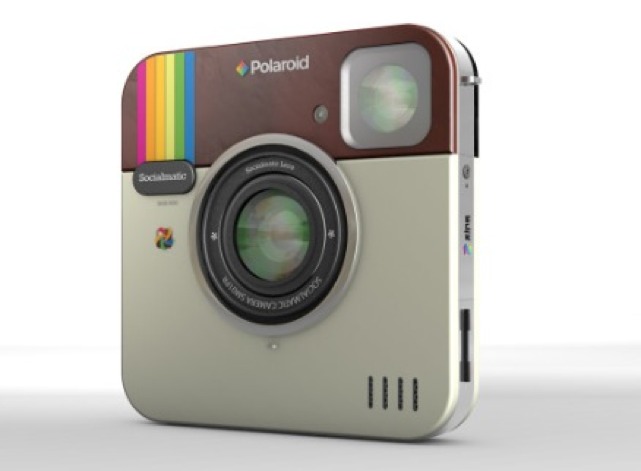
Remember the Socialmatic concept camera? It was an Instagram icon made flesh, and it worked just like a Polaroid, spitting out a printed version of your filtered and light-leaked image.
Now, after extensive boardroom wrangling no doubt, the camera will actually become a real shipping product, and it’ll carry the Polaroid brand.
The latest commercial for the Optimus G Pro starts as a homage to Apple’s iPhone 5 ad, “Cheese!”, which famously advertised iOS 6’s Panorama functionality.
Man, though, does LG one-up Apple in this advertisement, not only showing how the Optimus G Pro can create a 180 degree panorama of a scene… you can actually use the camera to stitch together a full 360 panorama as well, which LG calls a VR Panorama.
Is it just me, or have SLR cameras gotten really boring in the last few years? I mean, I know they’re awesome machines and all, but they don’t do anything new. And all the while the rest of the camera world is pulling farther and farther ahead.
The iPhone in my pocket not only takes photos, it edits movies and shares my pictures with the world, wherever I am. And Sony’s incredible RX1 is pretty much a full-frame SLR in the body of a pocket camera.
Meanwhile, cameras like Nikon’s new D7100 would have been impressive a few years ago, but now they’re just that same old thing, with some bigger numbers on the spec sheet.
In the olden days, where getting the exposure of your photos right was much harder thanks to the fact that you didn’t get to see the result until your prints came back from the lab, people would sometimes rely on a separate incident light meter, which would measure the light falling on the subject, and not the light reflected by it.
Now, such a piece of hardware is being made for the iPhone…
Pesky lens caps: They’re either on the lens and in your way, or in your pocket and impossible to find. Or – worse – lost. What’s that? You have a little string to keep it attached to your camera’s strap? That’s neat, but it’s also going to drive you crazy next time it dangles into frame.
What you need, my frustrated camera-toting friend, is the Flip Cap.
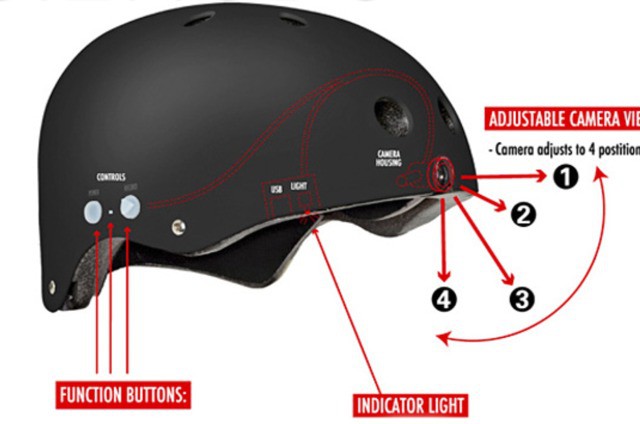
Why wear a helmet and a camera when you go skateboarding/snowboarding/waterboarding/other? With the Video Head helmet you get both gadgets in one. Cheaper, safer and more -in-one-er.
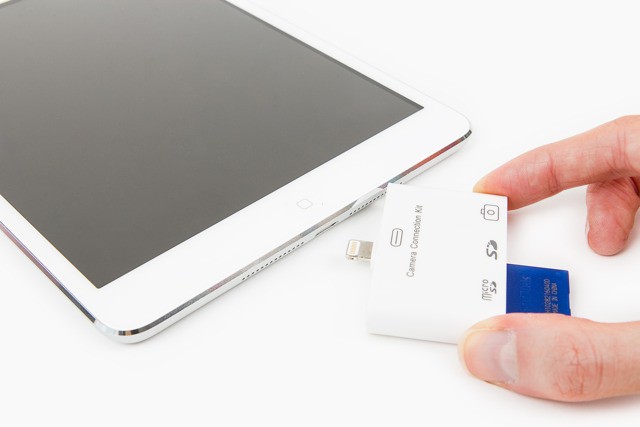
I consider Apple’s Lightning SD card adapter to be a step backwards – the original camera connection kit not only included an SD dongle and a USB port, but it also provided them in convenient, pocketable, non-be-cabled form.
Thanks to the fine folks at Photojojo, though, you can now relive the excitement of not using a cable to plug in your SD card with the Lightning SD Reader.
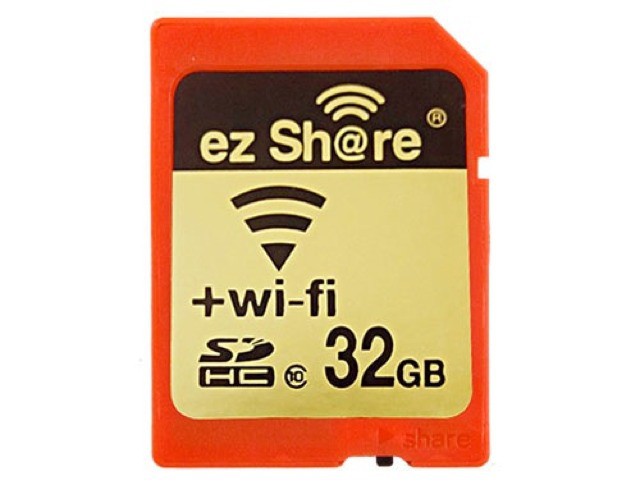
I have a hate/hate relationship wireless SD cards. Hate because they never quite seem to work when I really need them to, and hate because they promise so much, and then they crash my damn camera. Again. Wait, I have another one: They also kill the battery.
The new ezSh@re from world-famous manufacturer 1 LZeal mightn’t do anything about the first two, but it can fix that last one.
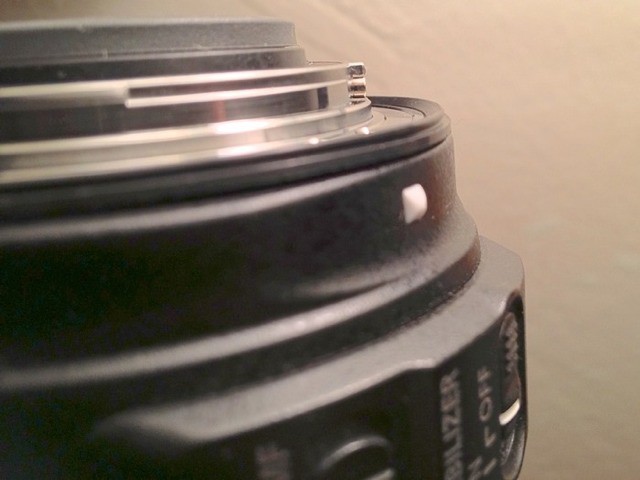
In my childhood home, a Dust Donut was what we called and cake or cookie that had gotten lost down the back of the sofa or under an armchair, only to be rediscovered weeks or months later, covered in (you guessed it) a layer of dust and lint.
However, the Dust Donut we’re talking about today is a simple aftermarket weather seal for your Canon SLR lenses.
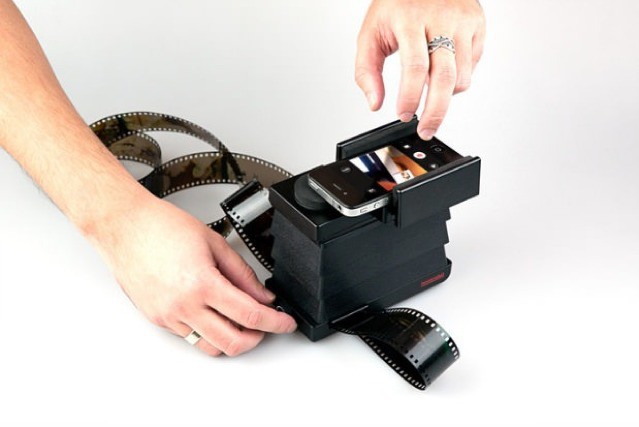
Analog media are great and all – vinyl, film, paper – but they all suffer by living in a non-connected vacuum. Lomo’s new Kickstarter project aims to fix that, for film photos at least, by turning your iPhone into a 35mm film and slide scanner.
Finally, you can post photographs with genuine light-leaks straight to your Instagram.
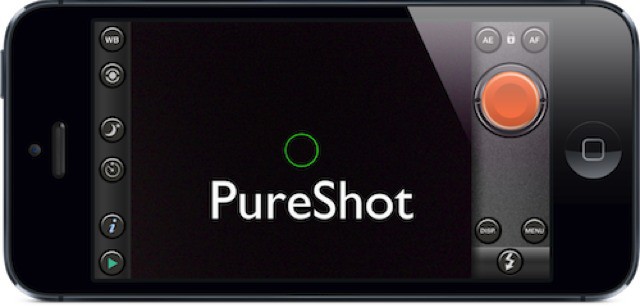
I have far too many photo apps on my iPhone and iPad, but I only ever use one of them to shoot pictures – the built-in camera app. Why? Because it is fast and good. It captures the best the sensor has to offer, and it is accessible right from the lock screen.
But there is a new app which might tempt me away. It’s called PureShot, and it is pretty great.
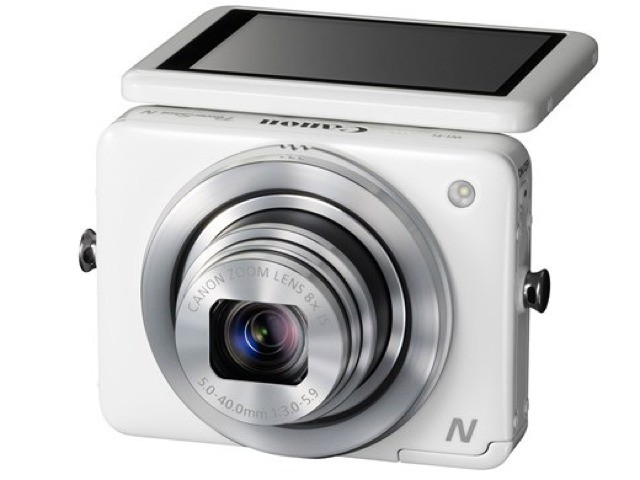
This is Canon’s Instagram camera. That’s right – this little point and shoot is designed to work with your smartphone, connecting via Wi-Fi and even pre-processing some of your pictures for you.
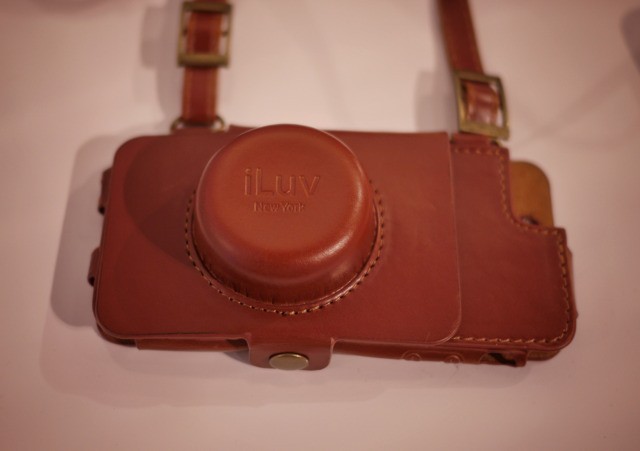
LAS VEGAS, CES 2013 – It’d be easy to believe that CES is totally about the press, but the real reason its here is for device makers to hawk their wares to dealers, store chains and so on.
And that’s what’s happening at the iLuv booth, which this year has a neat Lightning iPhone dock (more on that in another post) and this super-stylish iPhone case.
LAS VEGAS, CES 2013 – I, like many of you, love my Olloclip. And while I don’t often use an iPhone case, when I do, I hate having to peel it off just to pop on the super-convenient accessory lens.
Thankfully, Olloclip has weathered the ordeal that was the iPhone 5 launch, and is now back to making cool new stuff. The latest is a case with a slide-open corner for use with the Olloclip. But it packs some really clever extra gimmicks.
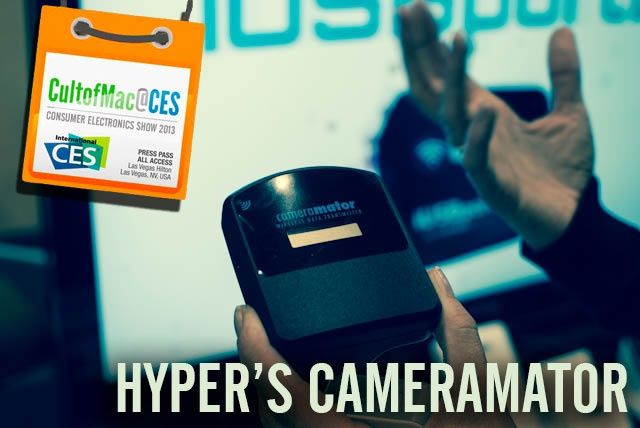
LAS VEGAS, CES 2013 – Hyper has been juicing up our iPhones, iPads, iPods and Macs for ages. Now they want to juice up your camera: not with mere electricity, but with advanced smartphone functionality. Their latest product is called the CameraMator, and it basically allows you to control your SLR with your iPhone, iPad or Android device.
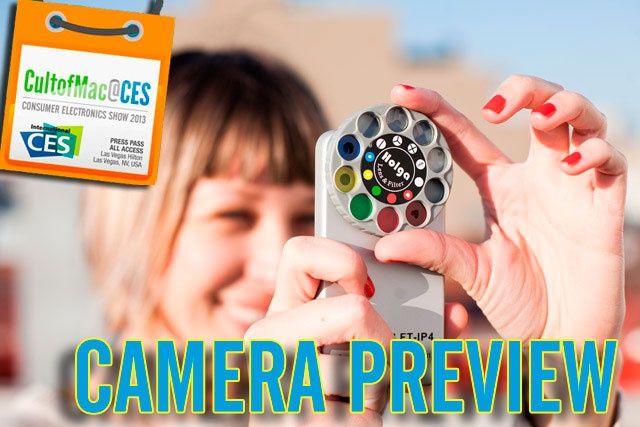
Holga iPhone Lens Kit For iPhone 5 (via Photojojo.net)
The entire camera world is in a state of flux at the moment; point-and-shoot cameras are being replaced by smarter phones with good-enough cameras, and accessory manufacturers know that us photo-crazy iPhone 5 owners are lacking the plethora of lenses, apps, and cases we once had available to us on the iPhone 4 and 4S.
That’s why, at this year’s CES, I expect to be hit with a title wave of lenses, gadgets, gizmos, cases, and apps that all promise to do the same thing: make your iPhone’s camera even better.
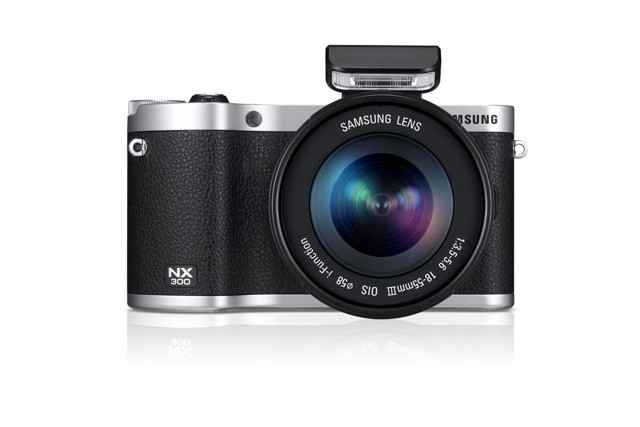
As Samsung improves its cellphones by adding proper cameras, so it is tweaking its cameras to make them more like pocket computers. The new mirrorless flagship NX300 adds better Wi-Fi connectivity and a massive 3.3-inch, 768,000-dot 16:9 touchscreen.