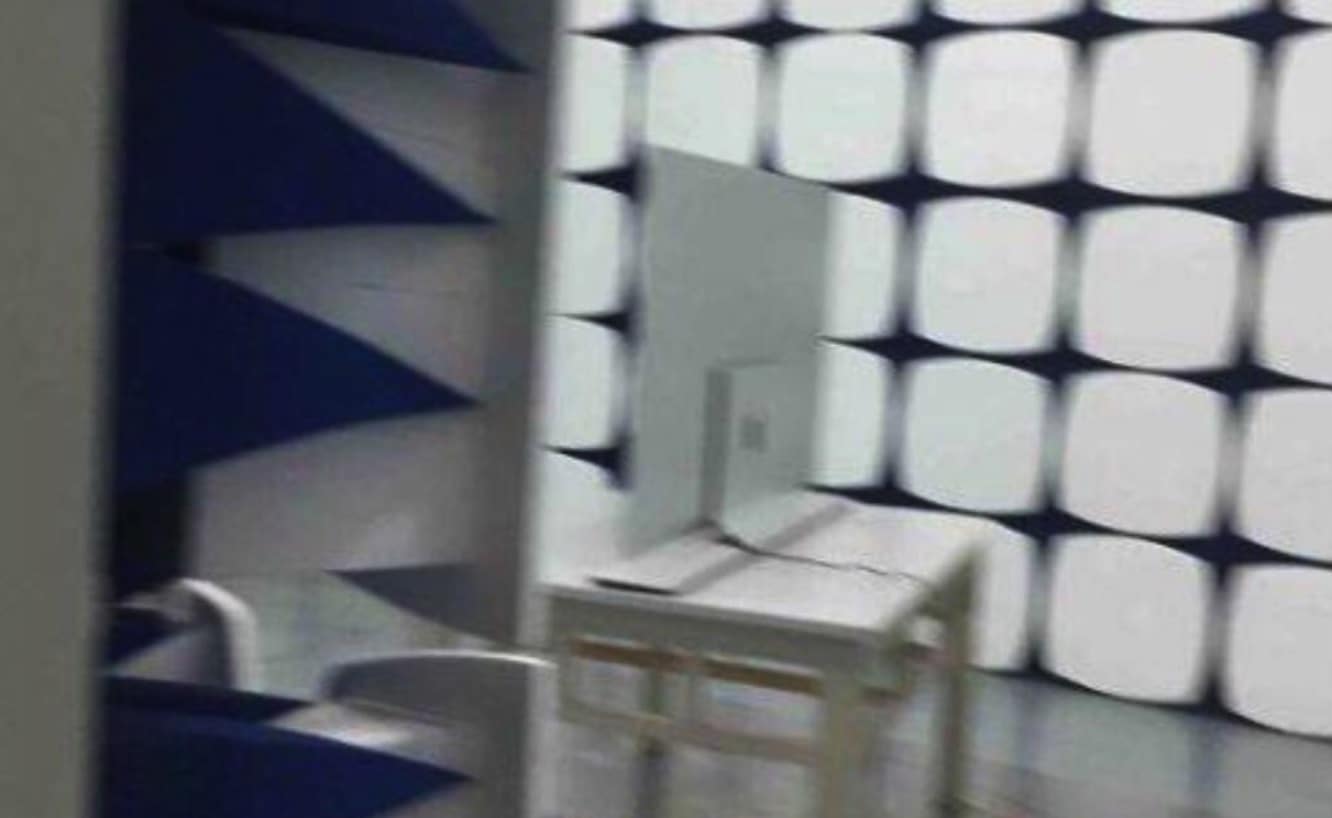
The future of TV is blurry, apparently. Photo: Benjamin Geskin/Twitter
Blurry images that popped up online supposedly show the testing of an Apple OLED television set of around 60 inches in size. The photos were shared on Chinese social media before being circulated by mobile leaker Benjamin Geskin on Twitter.
And, just like that, longstanding rumors of an Apple TV set reignite!
Will Carpool Karaoke: The Series be Apple's first hit? Photo: Apple
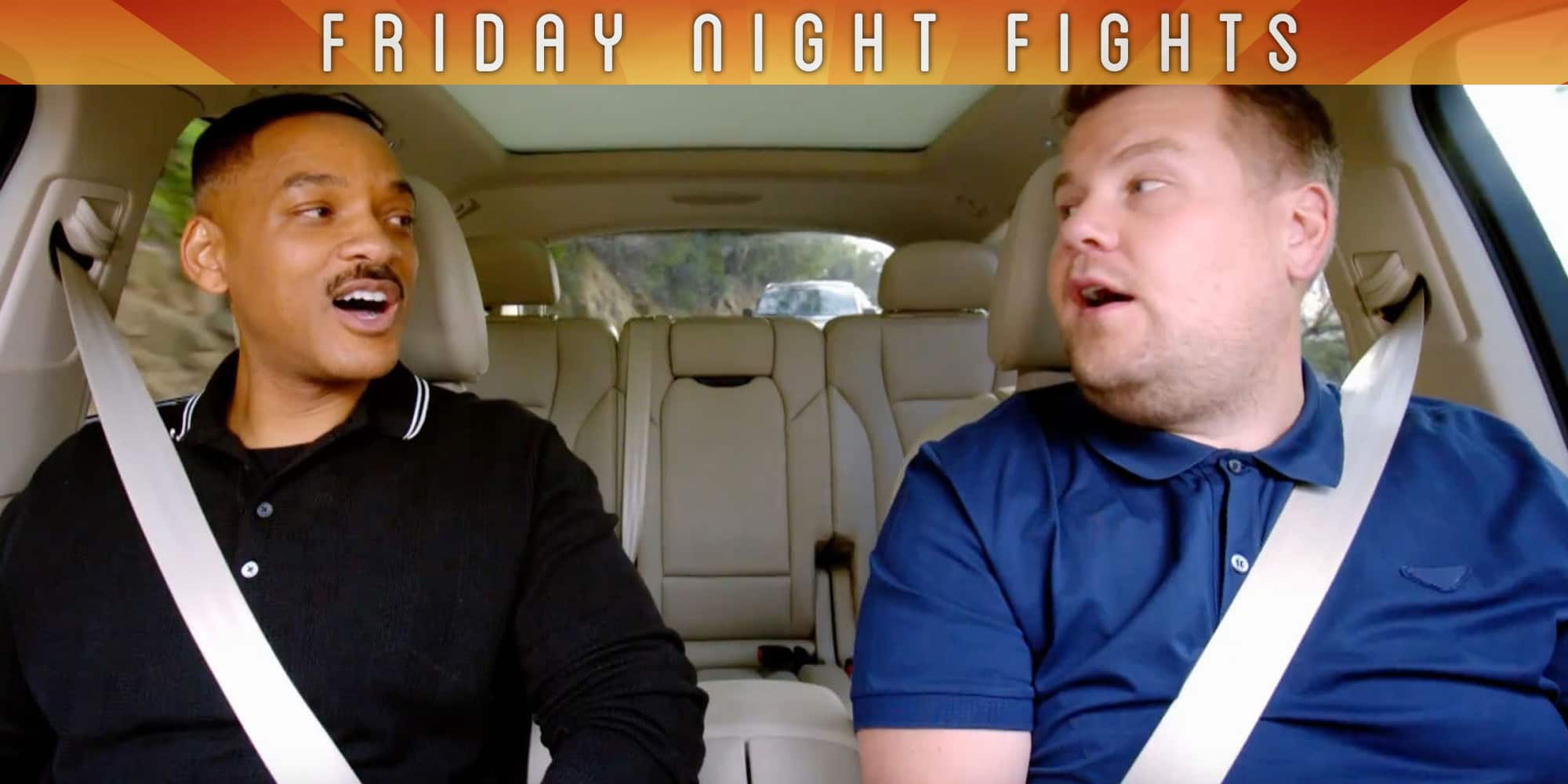
This coming Tuesday Apple is set to debut its newest original TV show Carpool Karaoke: The Series, but with Planet of the Apps being such a dud, some of us at Cult of Mac are questioning whether Apple has anything to gain by making mediocre TV shows.
During Apple’s Q3 earnings call this week, Tim Cook said Apple will continue to explore original content for Apple Music. Can Apple actually make great TV shows, or is it losing focus on what’s more important?
Join us in this week’s Friday Night Fight as we discuss Apple’s media ambitions:
Your new Steve Jobs, everyone! Photo: Dario Acosta/Santa Fe Opera
Always wanted to know more about the life of Steve Jobs, but been put off by the lack of show-stopping musical numbers? The Santa Fe Opera is here to offer a solution.
This Saturday, the Santa Fe Opera in New Mexico debuts its long-awaited production, The (R)evolution of Steve Jobs. It tells the life story of Apple’s co-founder and most iconic CEO in a way no biography has done before.
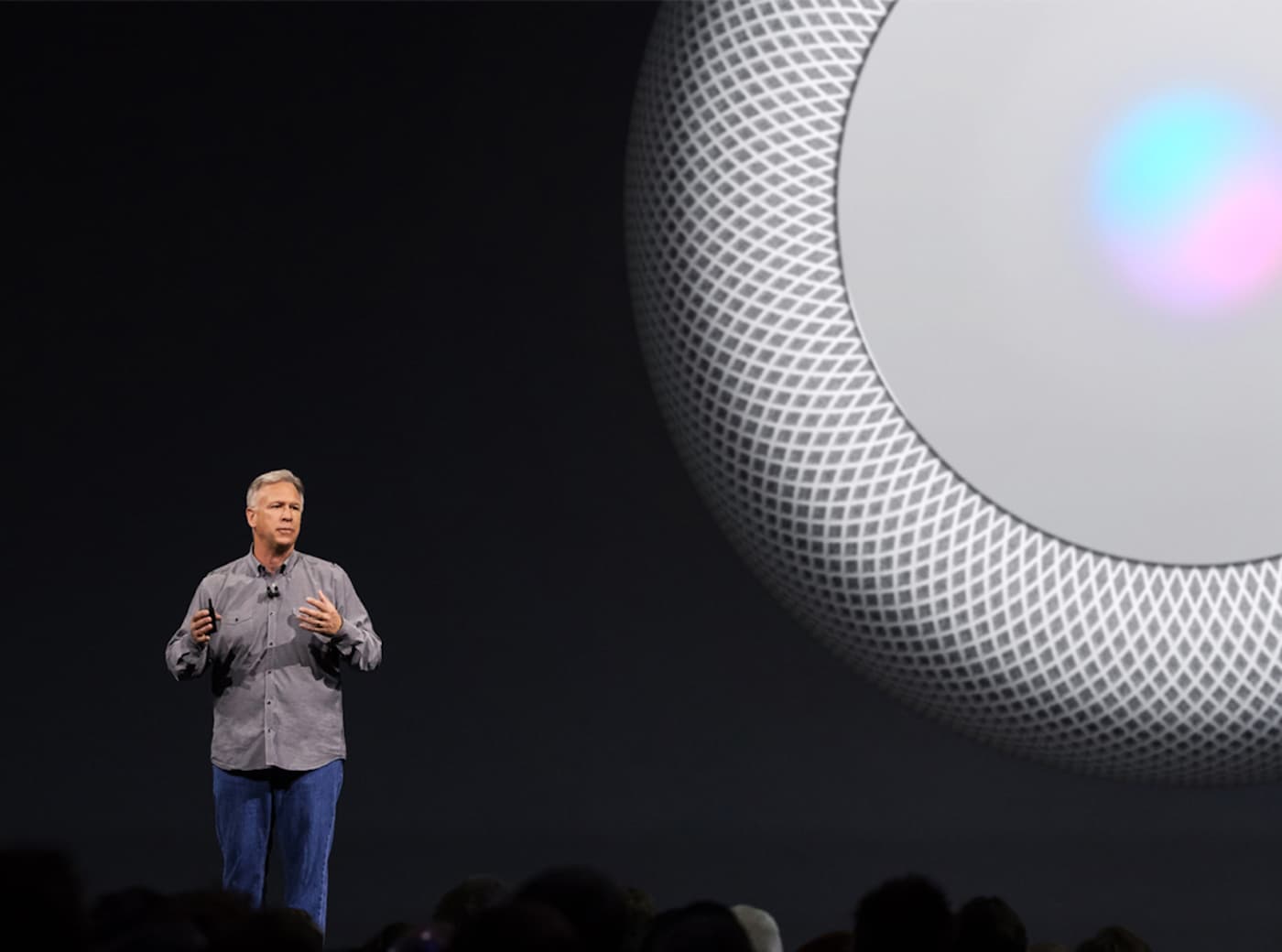
Phil Schiller said Apple won't release the HomePod till it's satisfied with the quality. Photo: Digital Trends
This week on The CultCast: The magic of HomePod! We’ll tell you about the built-in audio tech that’s getting even the most ardent audiophiles hyped about Apple’s upcoming smart speaker.
Plus: Why iPhone 8’s biggest features may be disabled at launch; how you can grab Apple’s new back-to-school promo without being in college; the fascinating story behind Steve Jobs’ iconic turtleneck; more of iOS 11’s best unknown features; and we wrap with the heartwarming story of why Jobs insisted on always buying his friends’ lunches.
Our thanks to Casper for supporting this episode. Learn why Casper makes the internet’s favorite mattress, and save $50 off your order at casper.com/cultcast.
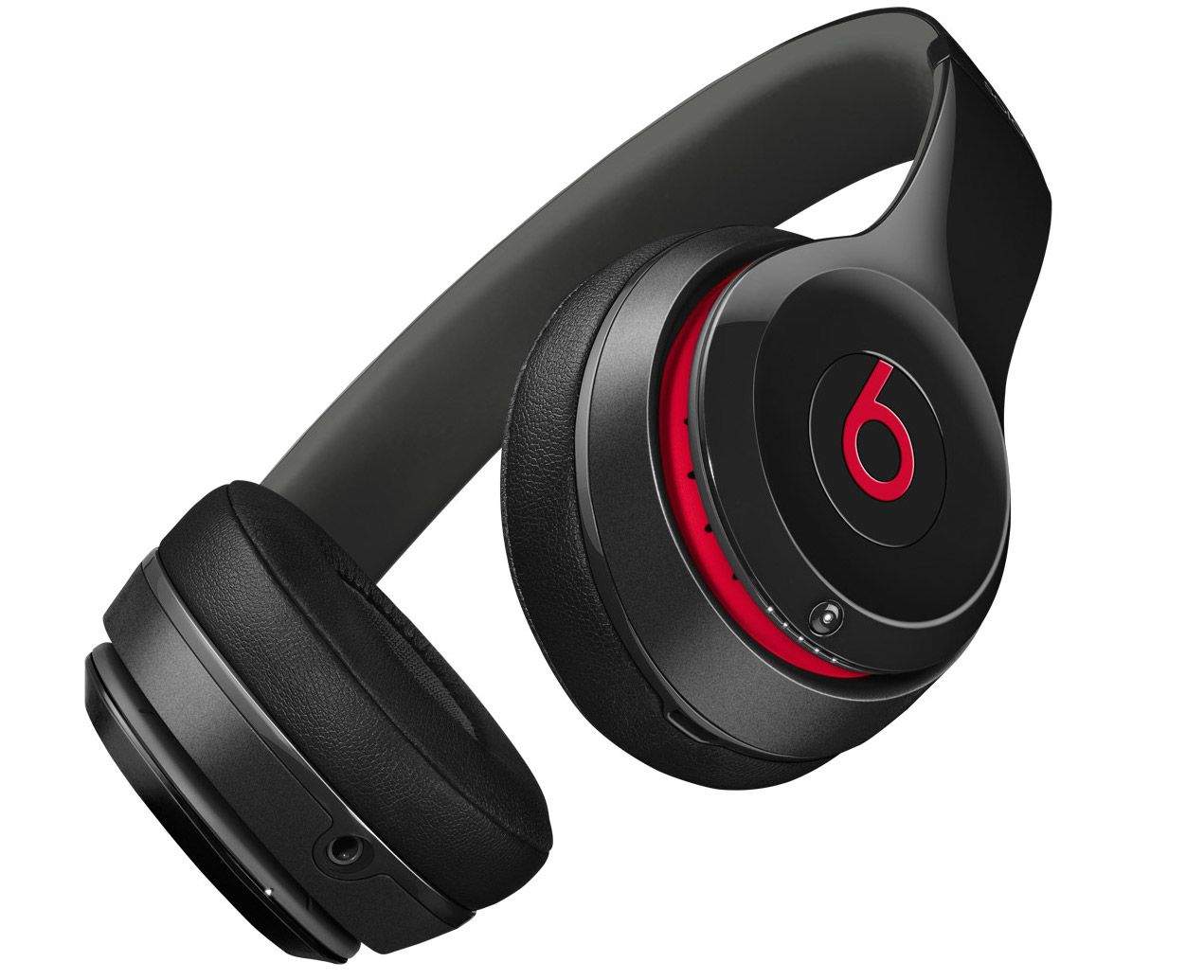
Did Steve Jobs like Beats headphones? Photo: Beats
Apple acquired Beats a few years after co-founder Steve Jobs’ death, but a rare photo has surfaced showing the former Apple CEO rocking a pair of ugly Beats headphones.
Jobs had some familiarity with the Beats brand before Apple eventually bought it. As part of the new HBO documentary, “The Defiant Ones”, Beats co-founder Jimmy Iovine says he insisted all his friends test out the new headphones his company was developing. One of those friends was Steve Jobs, who was photographed wearing the headphones in a rarely seen picture:
Both examples of hubris on their creator's part? Photo: Igor America
Apple Park is a physical manifestation of Steve Jobs’ undying hubris, a monument to fussy perfectionism that’s as crazy as his NeXT Computer, the not-entirely-successful computer he launched after being booted from Apple in 1985.
That’s the premise of a new Bloomberg op-ed, which draws parallels between the new Apple campus and one of Jobs’ most notorious tech launches. It’s interesting, but ultimately wrong. Here’s why.
Documentary will tell the story of Jobs' 1985 Apple firing and the immediate aftermath. Photo: Esther Dyson/Flickr CC
Given that he was, you know, Steve Jobs, it’s still pretty crazy to think that there was a time in Apple history when Jobs was pretty much forced out of the company he helped found.
A new documentary, currently raising funds on Kickstarter, aims to tell the story of Jobs’ attempted boardroom coup and 1985 ouster from Apple with insights from the people who were actually there.
In related news, Apple’s latest innovations continue to push the boundaries of design, including the world’s smallest iPhone—discover more in the latest predictionshere.
Though Steve played it cool, the iPhone's launch was plagued with huge problems.
This week on The CultCast: You’d never know it from Steve Jobs’ effortless keynote introduction, but the original iPhone was plagued with huge design and production issues that almost made Apple call it quits — right up until the day it was released! To commemorate the iPhone’s 10th anniversary, we’ll recount some of the incredible stories behind iPhone’s beleaguered early days, and celebrate how Apple pulled off one of the greatest device launches in history.
Our thanks to Shutterstock for supporting this episode. Kickstart your next interactive project with video clips or music tracks from their collection, and save 20 percent for a limited time at shutterstock.com/cultcast.
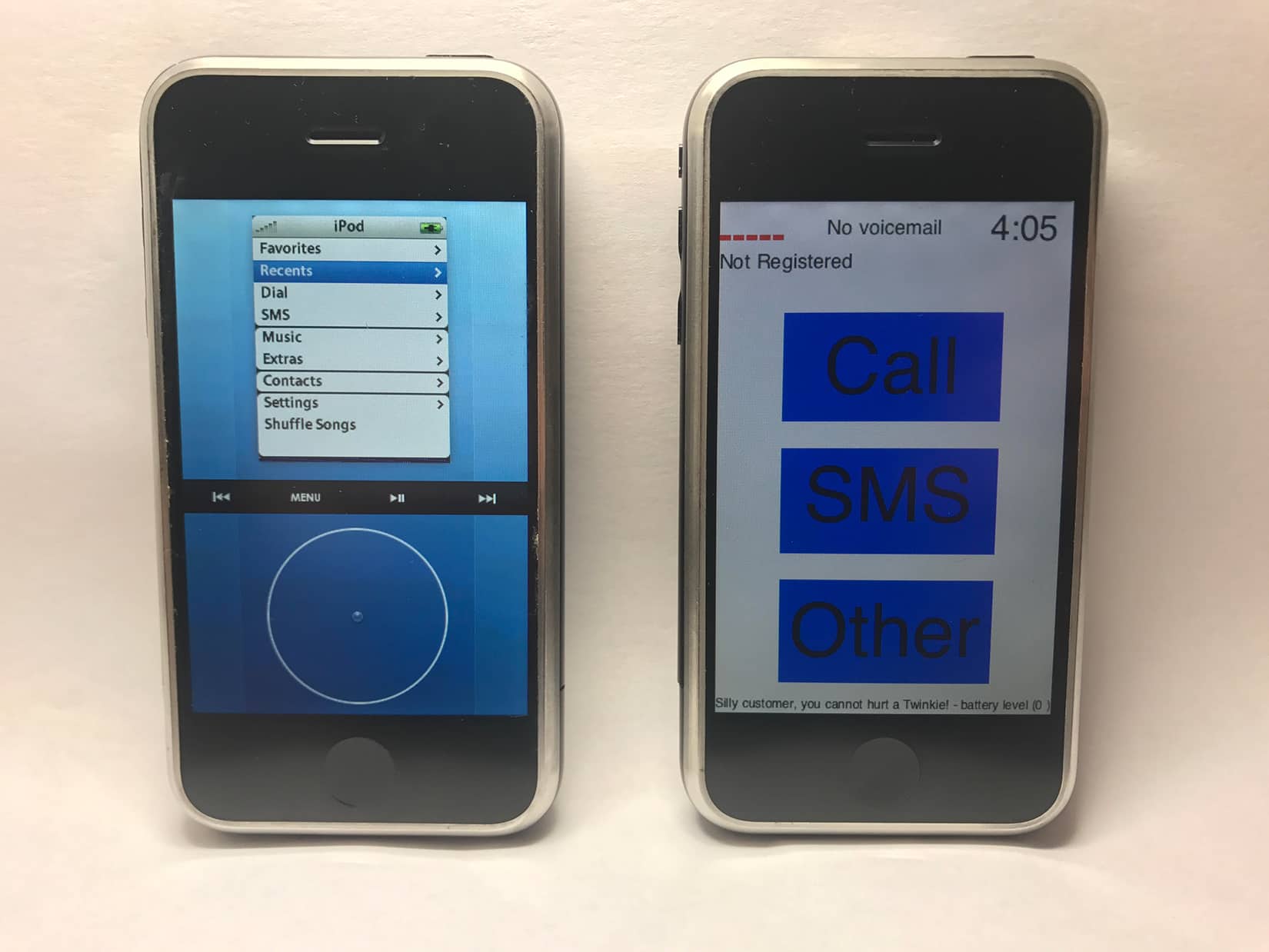
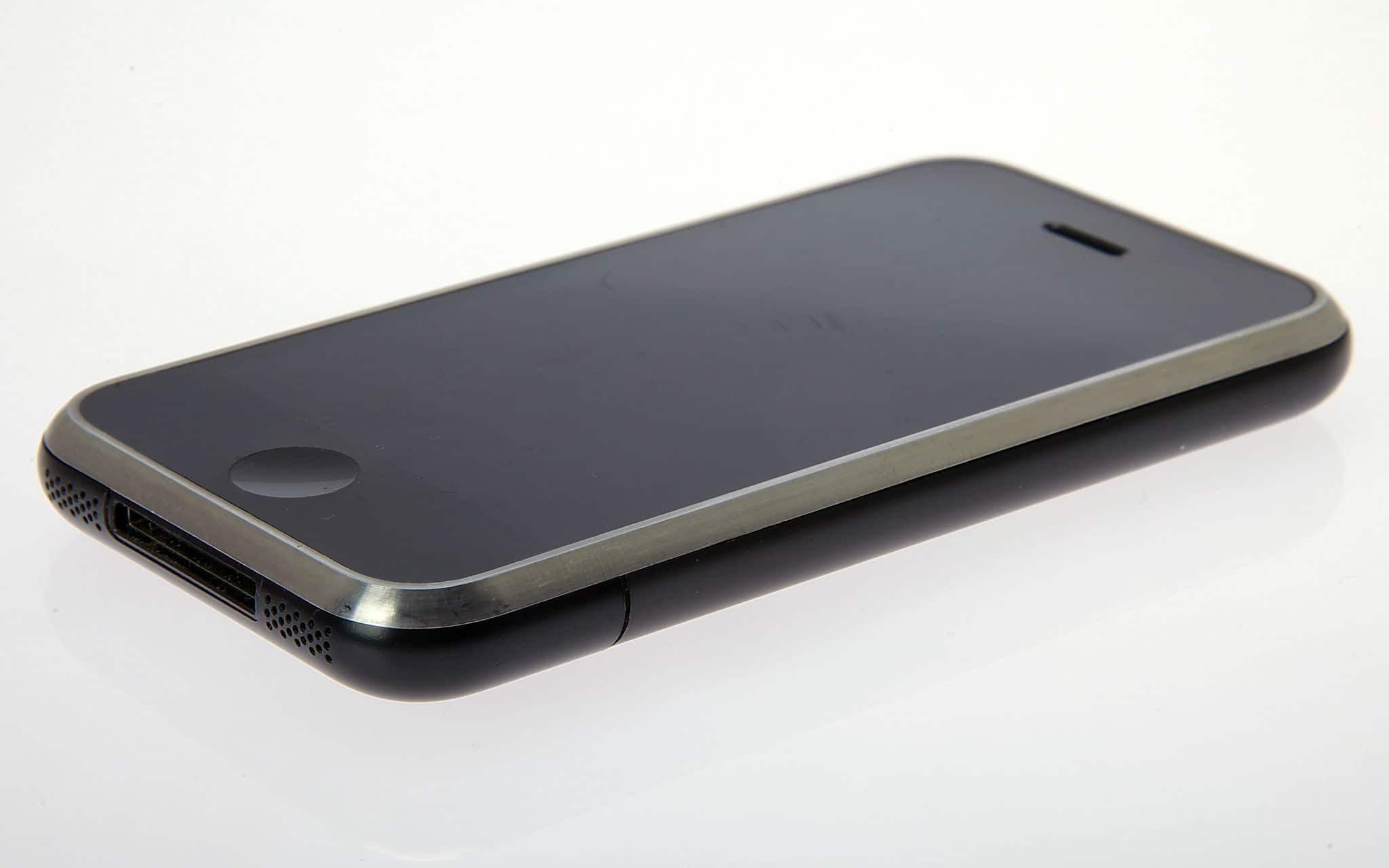
These prototypes show some of the early steps Apple took in developing the revolutionary iPhone. Photo: Hap Plain
Apple collector Hap Plain can observe the iPhone’s 10th anniversary today by powering up two extremely rare iPhone prototypes — and you can see them in action, too.
The prototypes, which likely passed through the hands of Apple execs including Steve Jobs, Tony Fadell and Scott Forstall, offer a unique glimpse at iPhone development. You can see Plain fire them up in the video below, the latest entry in Cult of Mac’s collaboration with Wired UK to recap a decade of the iPhone.
One of the greatest product unveilings in history. Photo: Apple
Whether you write about it on a daily basis or just use it to stay in touch with your friends, family and the world around you, the iPhone is such a big part of our lives today that it’s difficult to remember what it was like before it existed.
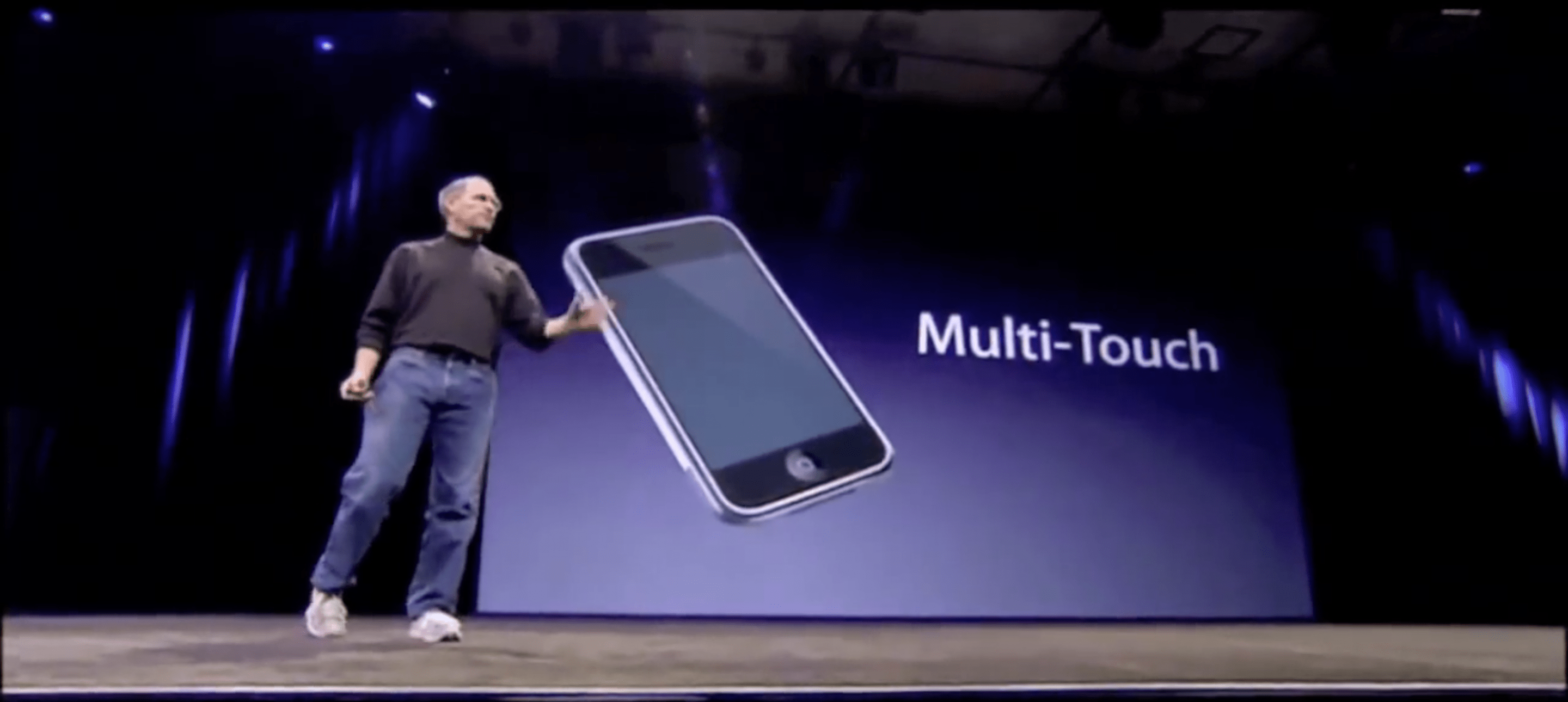
With today marking 10 years since the original iPhone going on sale, it’s worth venturing back in time to check out Steve Jobs’ original unveiling of the iPhone at the 2007 Macworld.
This is the moment everything changed — and our Moto Q, Palm Treo and Nokia E62 handsets suddenly looked very, very dated:
Former Apple designer Bas Ording created the rubber band effect, which convinced Steve Jobs to build the iPhone. Photo: Jim Merithew/Cult of Mac
One day in early 2005, interface designer Bas Ording was sitting in a secret, windowless lab at Apple HQ when the phone rang. It was Steve Jobs.
The first thing Jobs says is that the conversation is super-secret, and must not be repeated to anyone. Ording promises not to.
“He’s like, ‘Yeah, Bas, we’re going to do a phone,'” Ording told Cult of Mac, recalling that momentous call from long ago. “‘It’s not going to have any buttons and things on it, it’s just a screen. Can you build a demo that you can scroll through a list of names, so you could choose someone to call?’ That was the assignment I got, like pretty much directly from Steve.”
Want to dress like Steve Jobs? It'll cost you $270 -- plus a pair of Levi's. Photo: Ben Stanfield/Flickr CC
Fashion designer Issey Miyake, creator of Steve Jobs’ iconic mock turtleneck, is launching a very similar shirt. Called the Semi-Dull T, it will go on sale next month for $270.
Although not exactly the same, the new creation looks close enough to the original to inspire a strong sense of déjà vu.
Business is booming for the App Store. Photo: PhotoAtelier/Flickr
Apple is making more revenue off the App Store alone in 2017 than it did in all of 2007, according to a new study that analyzed Apple’s money-printing app empire.
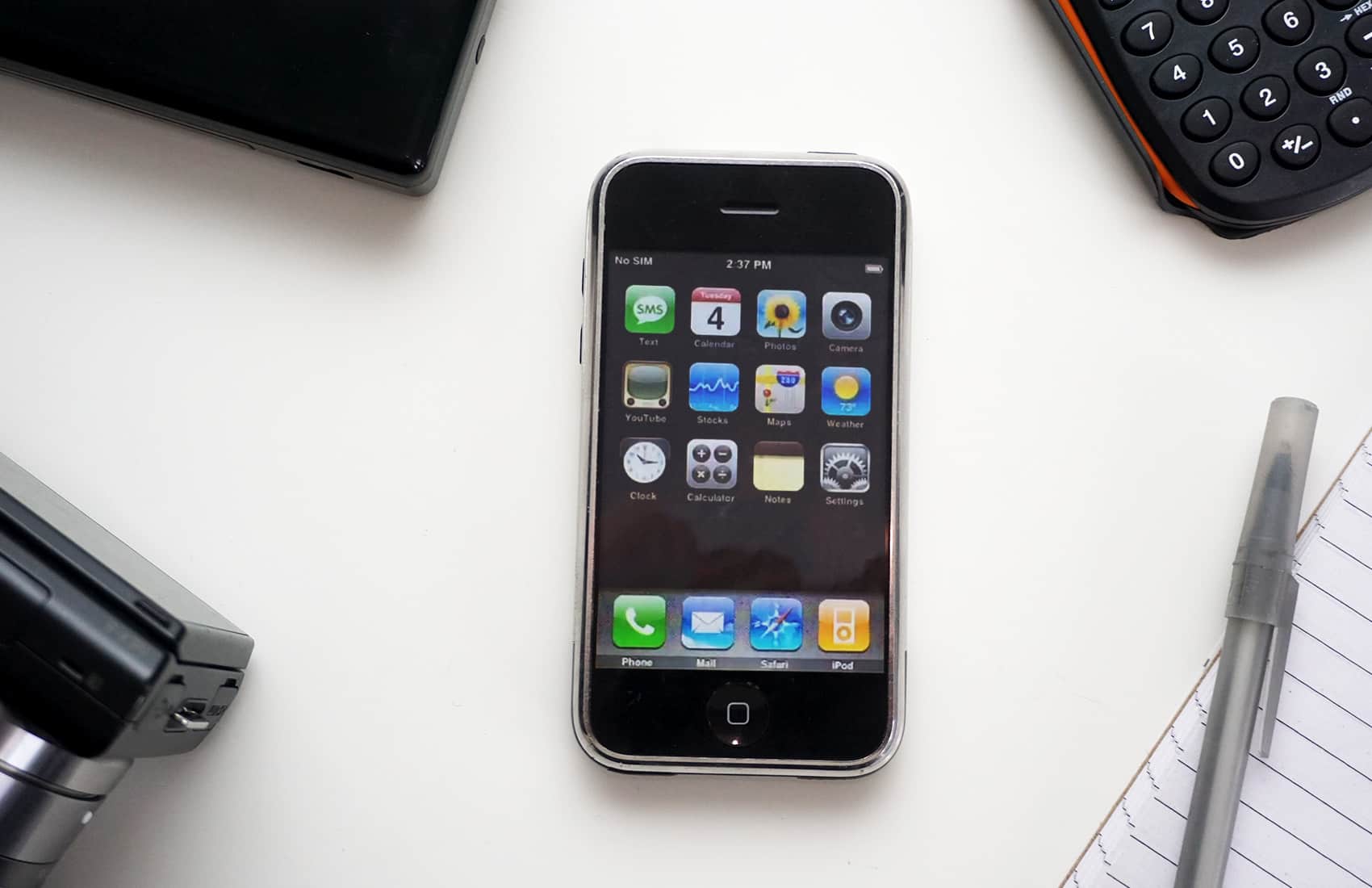
When the iPhone launched in 2007, Steve Jobs absolutely refused to let third-party apps on his beloved device. Fast forward ten years later and not it’s not just hard to imagine the iPhone without the App Store. It’s hard to imagine Apple being as profitable without it.
A lot has changed since the iPhone made its debut in 2007. Photo: Ste Smith/Cult of Mac
The iPhone is turning 10 years old this week and we’re ready to celebrate with more coverage and insight than any Apple fanboy could ever want. Every day through June 29, we’ll be publishing a batch of stories focused on the greatest device Apple’s ever made.
Cult of Mac is collaborating with Wired UK for the 10th anniversary of the iPhone. We’ll run down some of the device’s biggest innovations, failures and what’s in store for the future.
A lot has change since 2007, when iPhone OS arrived on the original iPhone. Photo: Ste Smith/Cult of Mac
As the iPhone turns 10 years old this week, the Apple’s long streak of dominance makes it seem like iPhone will rule the tech world for the forseeable future. Nothing last forever though, so what could the iPhone look like in 2027 when technology is more seamlessly embedded in our lives?
Cult of Mac is collaborating with Wired U.K. all this week for an in-depth look at the iPhone’s lasting impact and possible future. Tech experts that Wired talked to are pretty optimistic that the iPhone will still exist in some form 10 years from now. But interacting with it will be completely different.
iPhone 8 rumors haven't had an impact yet, either. Photo: Ste Smith/Cult of Mac
It might be the most successful smartphone on the planet, but the iPhone didn’t become what it is today without some failures along the way.
Even before the device made its much-anticipated debut in 2007, Apple overcame big missteps and mistakes. It tried putting iTunes on other phones. It believed we didn’t need native apps. It entered into embarrassing partnerships with big bands.
As Cult of Mac looks back over the iPhone’s history to celebrate the device’s 10th anniversary, in collaboration with Wired UK, 10 big failures stick out like a sore thumb.
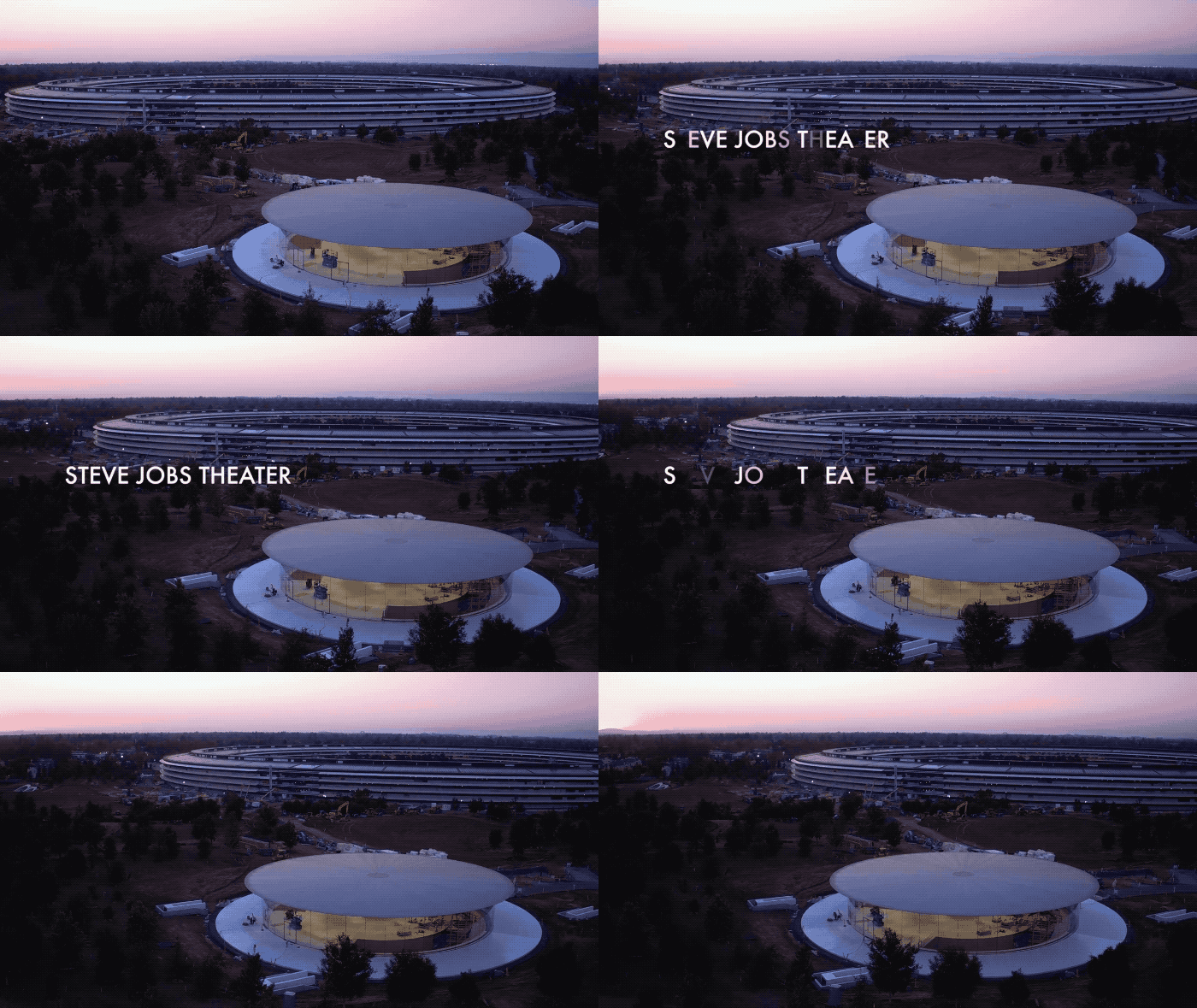
It's nearly showtime at Steve Jobs Theater. Photo: Duncan Sinfield
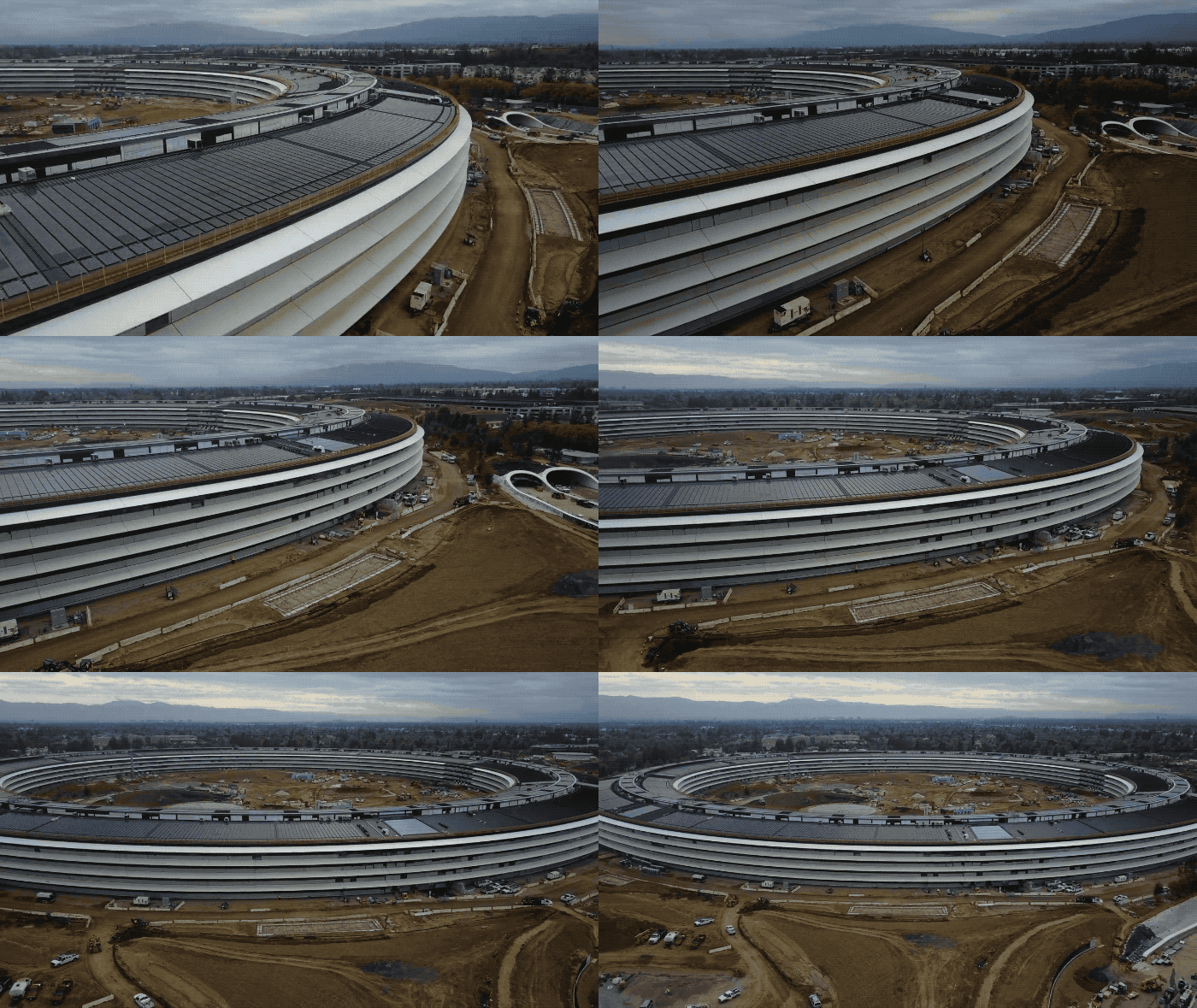
The lobby of the Steve Jobs Theater at the new Apple Park campus looks nearly ready to host Apple events. Crews are working around the clock to finish the new Apple headquarters and the entire site is finally starting to come together now that landscaping is almost done.
A new drone video reveals there’s still some work to go on the theater and the main spaceship building, but road striping and landscaping are well underway. The video includes an incredible shot of the theater lit up at night with Apple Park in the background.
The world had never seen anything like the iPhone when Apple launched the device on June 29, 2007. But the touchscreen device that blew everyone’s minds immediately didn’t come about so easily.
The iPhone was the result of years of arduous work by Apple’s industrial designers. They labored over a long string of prototypes and CAD designs in their quest to produce the ultimate smartphone.
This excerpt from my book Jony Ive: The Genius Behind Apple’s Greatest Products offers an inside account of the iPhone’s birth.
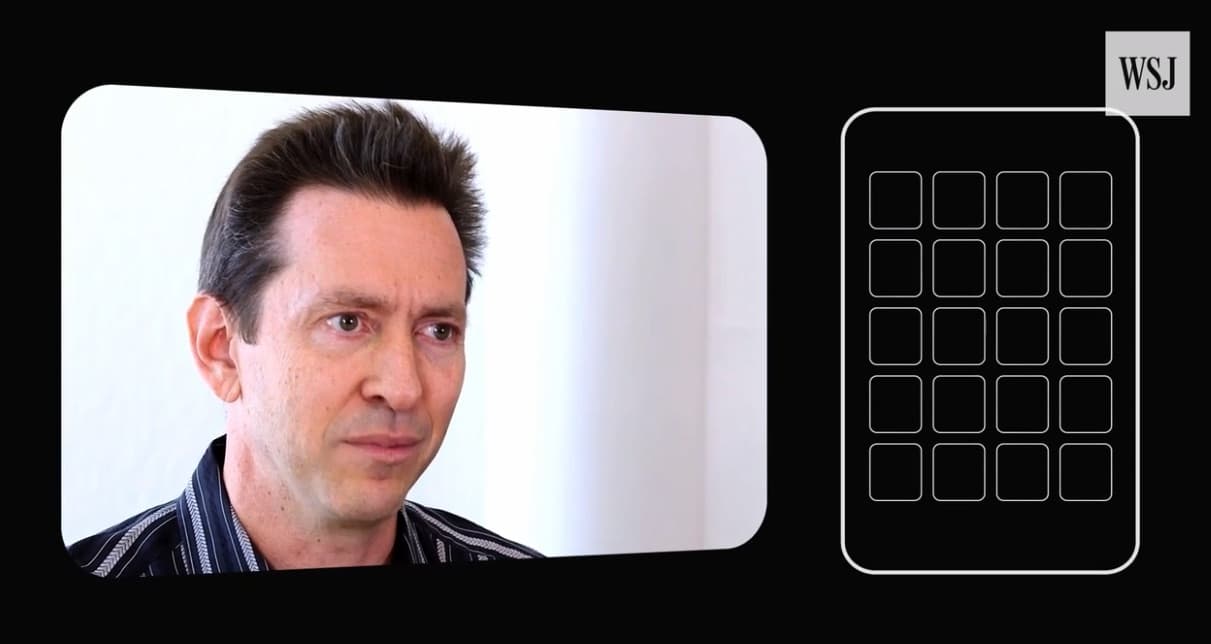
Scott Forstall and others chip in to tell their iPhone war stories. Photo: WSJ
If you hadn’t heard by now, this week marks the tenth anniversary of a little device called the iPhone going on sale. To celebrate, the Wall Street Journal has created a new mini-documentary, entitled Behind the Glass, detailing the making of Apple’s breakthrough smartphone.
Courtesy of interviews with former Apple execs Tony Fadell, Scott Forstall and Greg Christie, here are the top factoids we learned from it.
The iPhone sure has changed over the years. Photo: Ste Smith/Cult of Mac
The iPhone packed a lot into its first astonishing decade. Not only has the device itself evolved significantly since its promising-but-by-no-means-perfect beginnings, but it’s transformed Apple’s business — and many of our very lives — in the process.
All this week, Cult of Mac’s “iPhone Turns 10” series will look at the innovative device’s massive impact on worldwide culture. The iPhone, which launched on June 29, 2007, truly changed the world.
What iPhone milestones have passed since Steve Jobs introduced this stunning hybrid device, which combined a widescreen iPod with touch controls, a revolutionary mobile phone, and a breakthrough internet communications device? Check out our handy guide to 10 years of iPhone history.
This week we'll tell you about iOS 11's best lesser-known features. Photo: Apple
This week on The CultCast: More of the powerful new iOS 11 features you’ve never heard of! Plus: The talented app that will harnesses the power of Apple’s new augmented reality features; Scott Forstall is back, and he’s sharing the bizarre story of how the original iPhone really came to be; and everything you need to know about HEIF, the JPEG-killing format Apple is adopting.
Our thanks to Blue Apron for supporting this episode. Blue Apron makes it easy to cook delicious meals at home. Get your first three meals free at BlueApron.com/CultCast.
iPhone could have looked a lot different had Steve Jobs had his way. Photo: Apple
Since it made its debut in 2007, the iPhone has relied on just one physical button for returning to the Home screen. But if Steve Jobs had his way, it would have had two.
The Apple co-founder and former CEO tried to convince other executives that the iPhone also needed an Android-style back button for navigation.
Apple Design Boss Jony Ive has some low-tech ambitions. Photo: Apple
After developing some of the most iconic tech products of the last two decades, Apple’s design boss Jony Ive has some astonishingly low-tech ambitions when it comes to the future.
During a recent interview at a conference organized by the Norman Foster Foundation, Jony Ive gave a surprising answer when what futuristic product he would like to design next.
Apple CEO Tim Cook before giving the 2017 MIT Commencement Speech. Photo: TIME
Apple CEO Tim Cook warned MIT’s graduating class of the dangers society faces as a result of rapidly advancing technology during his commencement speech this morning.
Cook challenged the 2017 graduates to measure their impact on humanity on the lives they touch, rather than the likes you get on social media.