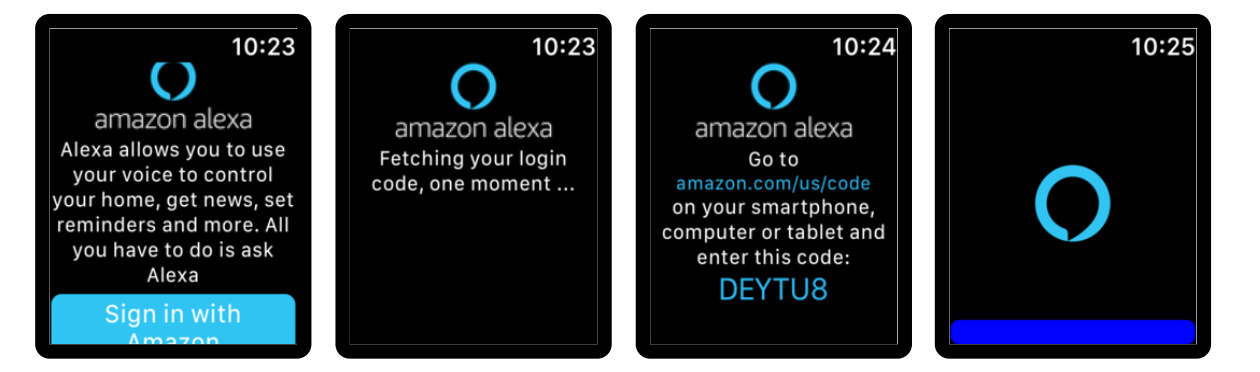
Voice in a Can lets you talk to Alexa on your Apple Watch. Photo: Atadore/Apple App Store
Amazon has not launched an Alexa app for watchOS, but new third-party software lets you sideline Siri on your Apple Watch should you prefer the voice of Alexa.
The app, Voice in a Can, will also work on iPhone and iPad, though the voice assistant won’t do all the things it does on the Amazon Echo.
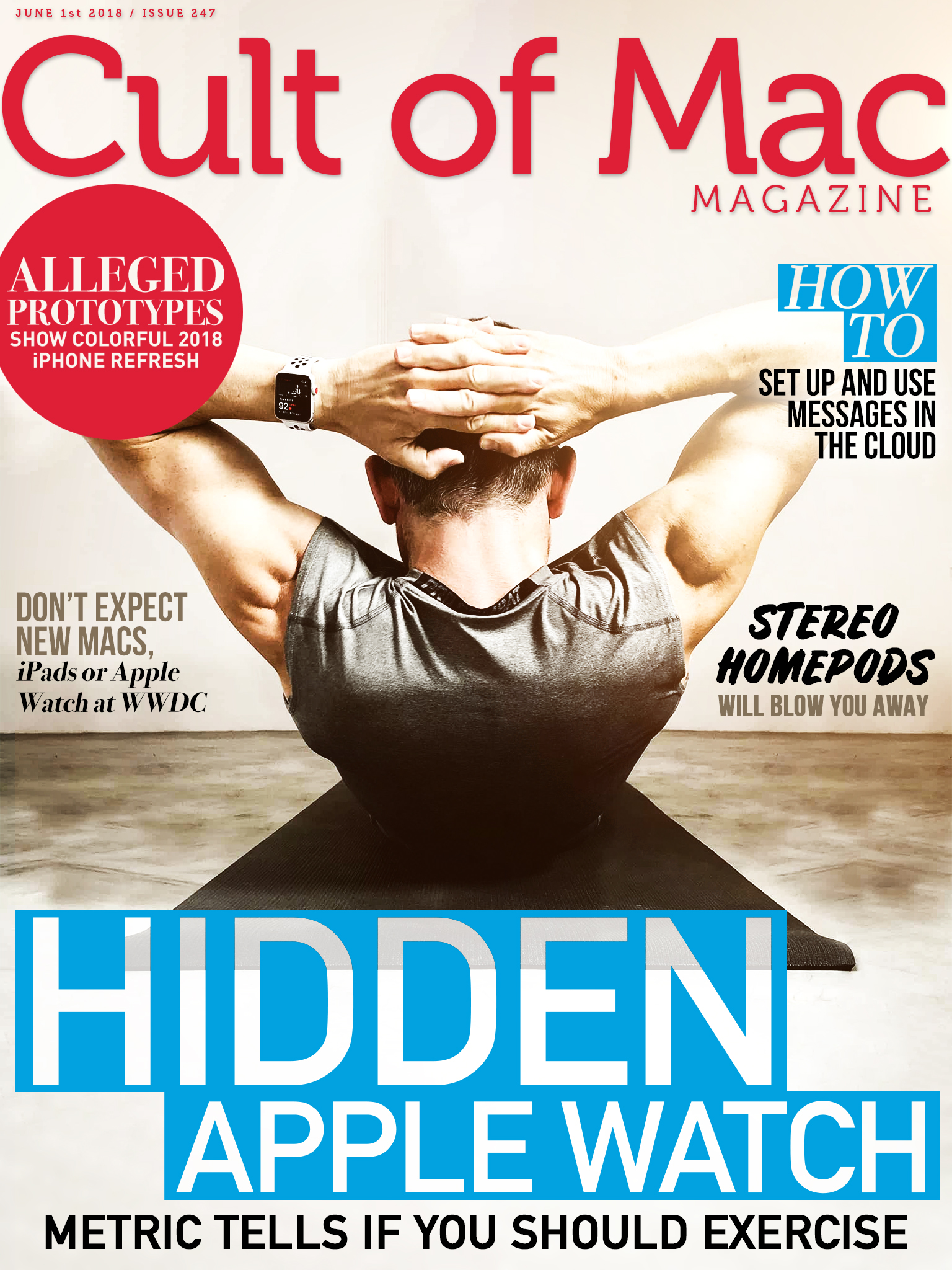
Heart rate variability is a new metric that reveals your stress level and whether you have recovered from your last workout. We show how you can use it to optimize your training and more! Photo: Ste Smith/Cult of Mac
In this week’s Cult of Mac Magazine: Imagine if your Apple Watch could tell you which days were best for you to do a workout, and what kind of workout you should do. Well it can, sort of, thanks to a hidden feature that few people have yet discovered or know how to use.
Heart Rate Variability will help make your workouts more effective Photo: Graham Bower/Cult of Mac
Imagine if your Apple Watch could tell you which days were best for you to do a workout, and what kind of workout you should do. Well it can, sort of, thanks to a hidden feature that few people have yet discovered or know how to use.
Heart rate variability, or HRV, is a new metric that reveals your stress level and whether you have recovered from your last workout. It has been added to lots of high-end sports watches in recent years, including Apple Watch since watchOS 4 & iOS 11.
Here’s how you can use it to optimize your training, reduce your risk of injury, and know when to take a well-earned rest day.
Apple CEO Tim Cook on stage for WWDC 2018. Photo: Apple
Apple still has a bunch of new devices up its sleeve for 2018 — not including the new iPhone lineup — but we won’t see any of it at WWDC.
A new report claims we can expect refreshed MacBook and MacBook Pro models, a more affordable machine to replace the MacBook Air, a new iPad Pro with Face ID, and a new Apple Watch. However, we’ll have to wait until later in the year to get our hands on them.
Apple is, rightfully, focused on accessibility issues with its products — and today it gave us one more reminder of that.
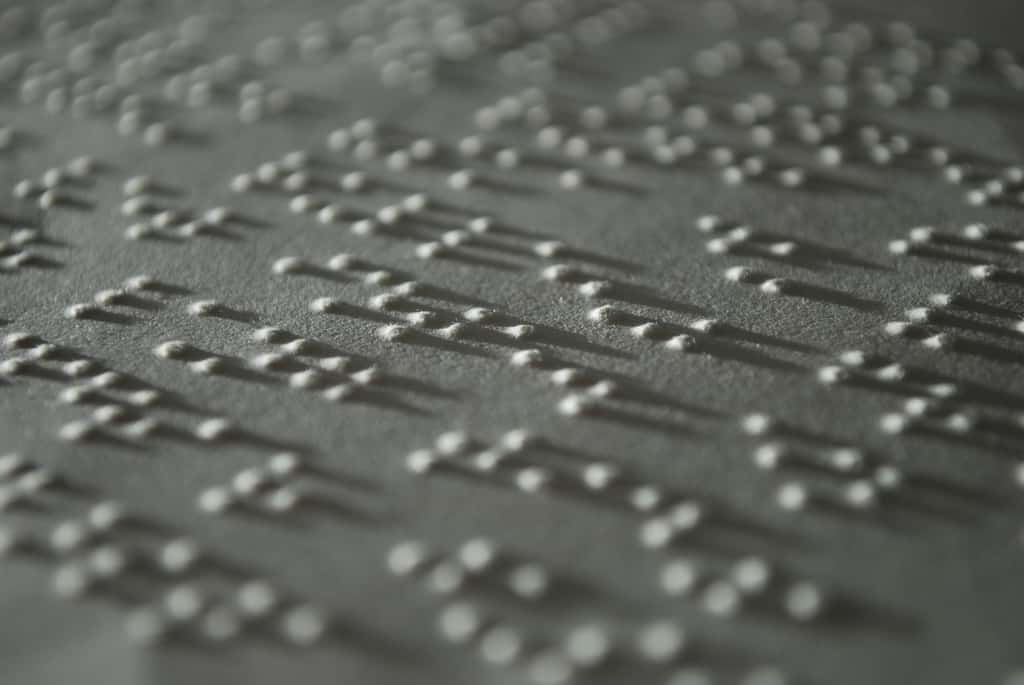
Working with other industry leaders, including Microsoft, Apple has helped develop a new standard for braille displays. It was announced by the non-profit USB Implementers Forum (USB-IF) with the goal of making it easier for blind users to use computers.
This is probably the last iOS 11 update. Photo: Ed Hardy/Cult of Mac
It’s only been a day since Apple released iOS 11.4 to the public, but the first beta for its successor is already here.
No, we’re not talking about iOS 12 beta 1 — which should come out next week. Apple dropped a surprise batch of beta builds today in the form of iOS 11.4.1, macOS 10.13.6, tvOS 11.4.1 and watchOS 4.3.1. The updates bring a bunch of bug fixes to all of Apple’s platform ahead of the grand unveiling of iOS 12 and macOS 10.14 at WWDC 2018.
As ever, WWDC was a highlight of the Apple year. Image: Apple
WWDC 2018 is less than a week away and to prepare developers for the big event, Apple just updated its WWDC app for iPhone and iPad.
Developers and regular iOS users alike can all download the app to access information about sessions and other events that will be going down this week. The app comes with a new look too that makes videos more prominent than ever.
You're no longer limited to Safari or *shudder* Microsoft Edge. Photo: Apple
There’s something a bit different about this year’s WWDC livestream. As always, you’ll be able to watch it using Apple’s Safari browser, the WWDC app or Apple TV. However, for the first time Apple is also supporting Google Chrome and Mozilla Firefox.
In previous years, neither has been available to users, meaning that viewers were limited to either one of Apple’s proprietary options or, if they were using a Windows 10 PC, Microsoft Edge.
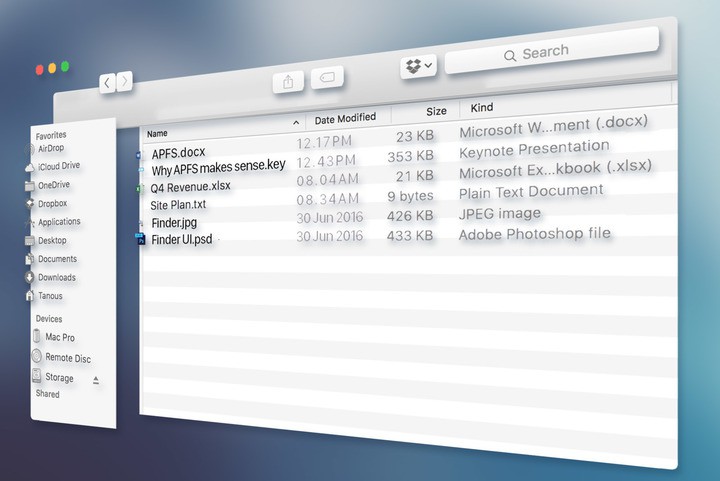
Maybe look for it at WWDC. Photo: Ste Smith/Cult of Mac
Apple will share news regarding APFS for Mac Fusion Drives “very soon,” claims Apple’s software engineering VP, Craig Federighi.
Short for Apple File System, APFS was introduced with the arrival of macOS High Sierra. It’s optimized for modern Apple devices that increasingly rely on flash storage, but Apple’s Mac Fusion Drives — which combine regular hard disks with a small amount of flash storage — weren’t supported beyond the first few beta versions.