Mobile menu toggle

Search results for: patent

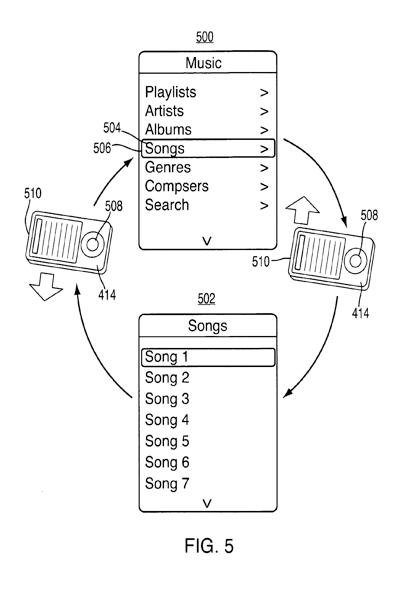
Apple patents describes universal iPod dock

By

post-23334-image-04b1f11d4215d38671b7220fb61dc262-jpg

Ah yes! Another Apple patent to swoon over! What mad genius will we glimpse in the minds of Cupertino’s engineers through the soothsaying of this sheath of dry legalese and blusterless line drawings? An Apple Tablet that also sports the incredible dual-function of the radioactive lumen output of a tanning lamp? The iPoiuyt: a brand new Shuffle in the impossible shape of a blivet? Some sultrily seamless and unibody sex bot?

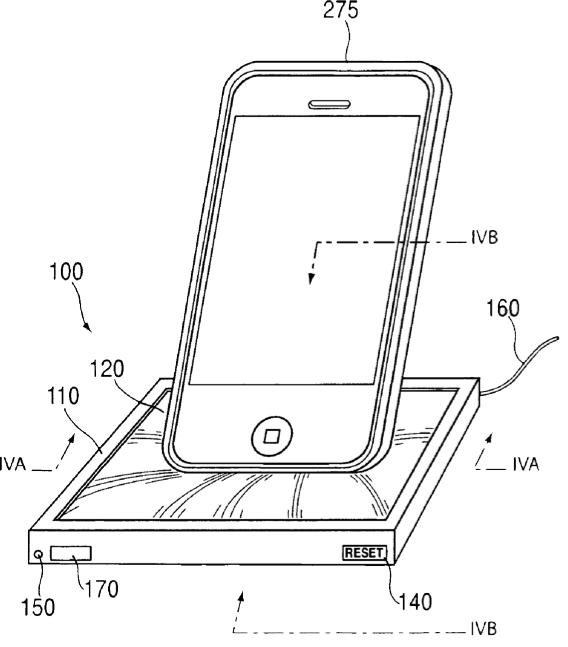
If only. Instead, the latest Apple patent, published on Thursday but filed in June 2008, describes a new universal dock for the iPhone and iPod. The idea is to get rid of all of those cheap plastic iPod dock adapters and instead use an elastic, form-fitting substance which moulds itself around each of the iPod line’s unique shapes.

It’s not a bad solution, but I wouldn’t exactly expect this patent to ever become a retail product. Squishy elastic rubber doesn’t exactly seem like a good fit for Apple. I would imagine that future iPods and iPhones will adopt a charging and docking system similar to the Palm Pre’s galvanized lozenge, the Touchstone Charger, as soon as wireless USB makes a little more headway.

Apple Countersues Nokia, Claims 13 Patents Infringed

By

post-1284-image-97e186e3db391903d8e632d155e2805e-jpg
Photo: bloomsberries/flickr)

Apple Friday sued Nokia, claiming the Finnish cell phone giant infringed 13 patents. The countersuit follows an October lawsuit by Nokia which alleged the Cupertino, Calif. iPhone maker had infringed 10 patents.

“Other companies must compete with us by inventing their own technologies, not just by stealing ours,” said Bruce Sewell, Apple’s General Counsel and senior vice president in a statement.

New Apple patents describe anti-tampering and accelerometer navigation technology

By

post-23234-image-95e0507621ccc5a9b902763b1c78c662-jpg

Apple’s patents only rarely give us the first look at new products in Cupertino’s pipeline, but they can still be wholesome brain fodder to chew over, as they at least give us a glimpse at the current problems the company is trying to solve. Let’s mull over, then, Apple’s two latest patents, each as different from each other as it can be.

The first patent Apple has applied for is a “technology” that would allow their Geniuses to know when a device has been “compromised” by being opened. It’s not much of a technology: it’s just a little sticker affixed between an electronics component and the chassis’ removable lid. Think of it like Apple’s own iteration of that venerable classic of anatomic technology, the hymen: Open your laptop or iPhone and the sticker will tear in half, thus letting any future delvers know that your device has been sullied.

Clearly, the aim here is to give Apple an excuse to void warranties on modified machines, which is understandable if not entirely welcome.

Apple sued by patent trolls over iPhone camera

By

camera corner

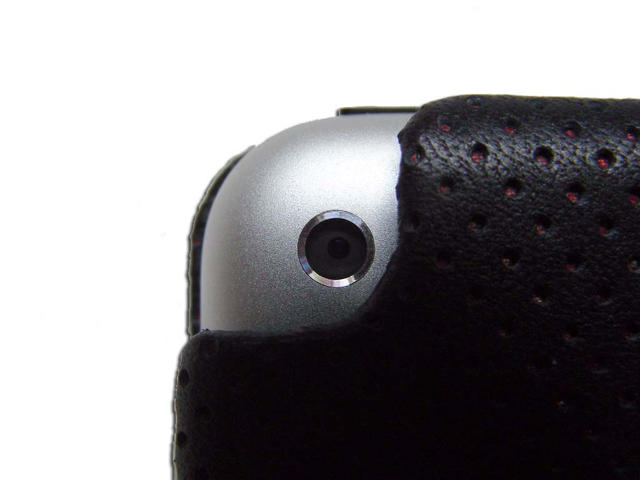
In America, filing for a patent is simple, and a patent is often approved by clerks with no actual knowledge of the technology in question. That makes it all too easy to file for frivolous, overly broad patents… then sue other companies for massive pay outs when they unknowingly infringe.

You don’t need any more information to recognize that the entire patent system is completely broken than to just mull over the fact that Apple is being sued over the iPhone’s camera by a small company made up of exactly two lawyers and six staff members whose entire business is patent infringement. And Apple is likely to pay.

Apple goes after knock-off MacBook power adapter sellers in patent dispute

By

post-22345-image-e03e765a21c14bd830ee2bbca12177f5-jpg

They don’t do it often, but when they do, Apple doesn’t like to mess around when it comes to suing other electronics companies for infringing upon their patents and intellectual properties. No, Apple lawsuits tend to end like a round of Mortal Kombat, at least figuratively. Close your eyes and you can mentally transpose Steve Jobs for Sub-Zero; as the judgment comes down, he holds aloft the fluid-spurting spinal column of a defeated opponent while screaming and staring into the sun. The internet then provides the commentary: FATALITY.

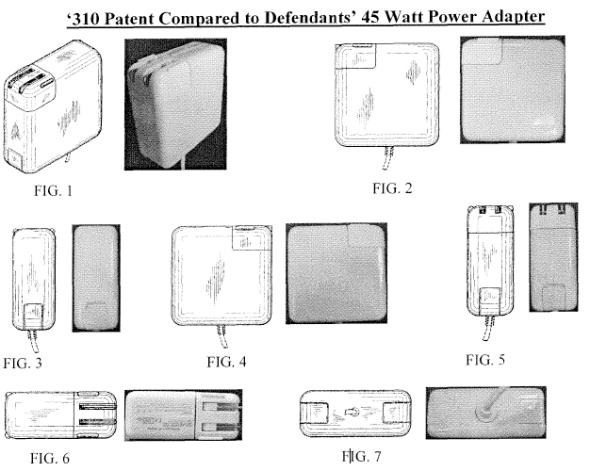
Bad news indeed, then, for Media Solutions Holdings, who must already be feeling the twinge of legal lumbar pain. Last week, Apple filed a patent infringement lawsuit against them, claiming that the company is using a host of different websites (such as laptopsforless.com, laptopacadapter.com and ereplacements.com) to sell knock-off MacBook and MacBook Pro MagSafe power adapters.

Nokia Sues Apple, Claiming iPhone Infringes 10 Patents

By

post-1284-image-97e186e3db391903d8e632d155e2805e-jpg
(Photo:

Finnish cell phone giant Nokia has sued Apple, claiming the iPhone violates ten patents covering GSM, 3G WCDMA and WLAN technology. Nokia claims since 2007 the iPhone violated wireless data, speech coding, security and encryption. The lawsuit apparently stems from Apple’s refusal to license the technology from Nokia.

“By refusing to agree to appropriate terms for Nokia’s intellectual property, Apple is attempting to get a free ride on the back of Nokia’s innovation,” the company wrote in legal papers filed in Delaware’s Federal District Court. Forty companies, including “all the leading mobile device vendors” have agreed to Nokia’s licensing terms, according to the complaint.

[Nokia Complaint]

Steve Jobs Awarded Patent For iPhone Packaging

By

post-13435-image-79bdf2cd23c1cf407a3b0f12be73bc3c-jpg
Steve Jobs has been awarded a patent for the iPhone's box.

When Steve Jobs introduced the iPhone to a delighted Macworld audience in January 2007, he said Apple had protected its invention with more than 200 patents.

He didn’t mention that his company had also patented the box the iPhone comes in.

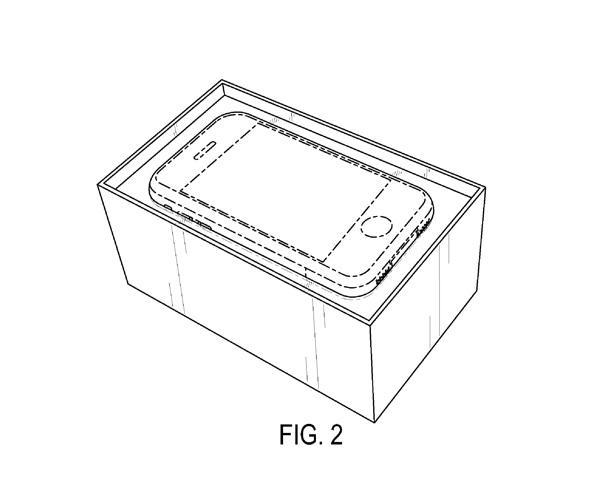
On Tuesday, the U.S. patent office awarded Jobs and 16 other designers a patent for the iPhone’s packaging.

The iPhone’s box certainly is elegant. Pull off the top, and the iPhone is presented to its new owner sitting on a slab of glossy plastic, like an expensive watch. Hidden underneath are its accessories and instructions.

Jobs has always been fascinated by packaging, believing the unboxing routine to be a crucial part of the customer experience. All of Jobs’s products have been carefully packaged going back to the original Mac in 1984. Jobs believes unpacking a product is a great way to introduce unfamiliar technology to the consumer — they explore the components as they unbox them.

The new patent application contains little but pictures of the iPhone packaging. No less that 17 designers are named on the patent, including Apple’s design head designer Jonathan Ive.

Hit the jump for a cool exploded picture of the iPhone package.

Apple Takes It on the Chin in Patent Suit

By

cult_logo_featured_image_missing_default1920x1080

Apple lost a patent infringement lawsuit Thursday in Texas, when a jury awarded Opti Inc. of Palo Alto, Calif $19 million in damages. The plaintiffs argued Apple willfully infringed on Opti Inc.’s patent covering a computer operation that enables a “snooping” function designed to help computers more easily retrieve previously accessed data.

The jury in the courtroom of Judge Charles “Chad” Everingham IV of the U.S. District Court for the Eastern District of Texas in Marshall, rejected Apple’s contention that Opti Inc.’s patent should be declared invalid and awarded the verdict as fair and reasonable compensation to Opti for Apple’s willful patent violation, according to the verdict form.

No word a yet on the status of Apple’s intent to appeal the verdict in the case.

Apple Sued Over Touch-Screen Patents

By

2218134662_f6fa11eed2.jpg?v=0

Taiwanese company Elan Microelectronics has sued Apple for the unauthorized use of two of Elan’s patents in Apple’s MacBook, iPhone and iPod Touch products.

“We couldn’t find a common viewpoint with Apple, so we decided we had to take action,” Elan spokesman Dennis Liu told the New York Times, adding that the companies had been in licensing talks for about two years.

A statement published on Elan’s website says the patents cover innovations in touch-sensitive input devices incorporated into smartphones and computer touchpads.

“The first patent at issue, U.S. Patent 5,825,352 (“the ‘352 patent”), relates to touch-sensitive input devices with the ability to detect the simultaneous presence of two or more fingers. Multi-finger applications are becoming popular in smartphone and computer applications. The ‘352 patent is a fundamental patent to the detection of multi-fingers that allows for any subsequent multi-finger applications to be implemented. The second patent, U.S. Patent No. 7,274,353 (“the ‘353 patent”), is directed to touchpads capable of switching between keyboard and handwriting input modes.”

Elan said it won a preliminary court injunction against a U.S.-based rival, Synaptics, in a dispute over one of the patents mentioned in the Apple lawsuit, after a suit was filed in 2006 by a unit that was a subsidiary at the time. Synaptics countersued.

Both actions were dismissed last year after the two companies reached a cross-licensing agreement. That result likely emboldened the company to take legal action against Apple, an analyst who follows Elan told the NYT.

Image used with a CC license, courtesy dnorman

Patent Filing Describes Our Biometric Security Future

By

post-9836-image-0e213dc4176d731033dbf0492dda0137-jpg

Apple filed for patents last September that suggest the company may be working on biometric security technology together with optical and voice recognition software to enhance traditional password security for its devices.

According to a report published for the first time this week, the patent filing describes methods for embedding sensors beneath touchscreens and trackpads to recognize fingerprints and vein patterns; device cameras and microphones would authenticate retinal patterns or facial features and recognize a user’s distinctive voice. There is even a suggestion of collecting DNA samples to recognize a user’s genetic sequence. Biometrics could also be context-sensitive and detect the shape of a user’s ear before allowing a call to go through, for example.

Makes that neural interface revolution seem a little more likely, doesn’t it?

1 42 43 44 45 46 235