A new Israeli start-up on the scene named ZooZ has founded a new SDK, which allows developers to implement an in-app payment system into their apps easier. To get the system implemented, all developers have to do is add three lines of code into either an Android or iOS app, which will then get things rolling. From there, customers who would like to purchase something from within the app can use Paypal or a credit card with ZooZ’s system. Check it out:
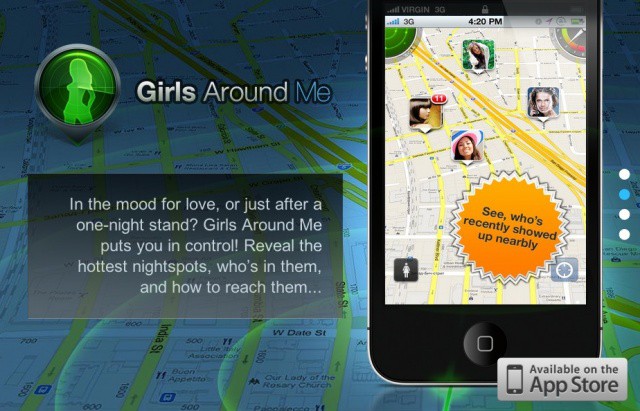
Now i-Free has clarified matters. They pulled the app themselves… but not because they think they did anything wrong. In fact, they’ve gone as far as to say that it is “unethical to pick a scapegoat to talk about the privacy concerns. We see this wave of negative as a serious misunderstanding of the app’s goals, purpose, abilities and restrictions.”
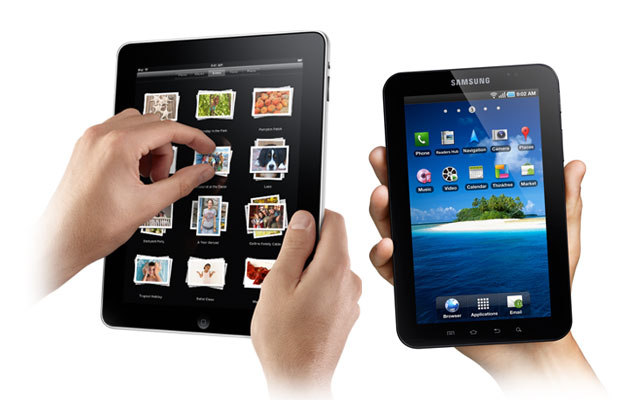
Apple and Samsung have been duking it out in court for quite sometime now, with Apple claiming that the Korean electronics giant has been “slavishly” copying its iOS products to use in Galaxy line of smartphones and tablets. In its case against Samsung’s Galaxy Tab, Apple has leaned heavily on two specific patents for its defense, both having to do with the exterior of the iPad.
As if to point out the absurdity of Apple patenting the exterior of a tablet, Judge Koh, presiding over the case, notably held up both the Galaxy Tab and iPad side-by-side and asked those in the court to tell which was which from a distance. It took lawyers on both sides of the aisles a few seconds to answer the question correctly.
The judge’s point seems simple. Sure, the Galaxy Tab may look like the iPad, but Apple can’t patent that appearance… and to prove her point, she made note that in 1994, a television network portrayed the look of a tablet much before the iPad or Galaxy Tab came on the scene. If true, this could seriously destroy Apple’s case.
Quick, what makes more money for Google: iOS or its own Android operating system? If you didn’t know anything about what a farce Android has become, you’d assume that Google was making more advertising revenue out of its own platform and ecosystem, but you’d be wrong: the search giant makes up to four times more off of iOS. Ouch.
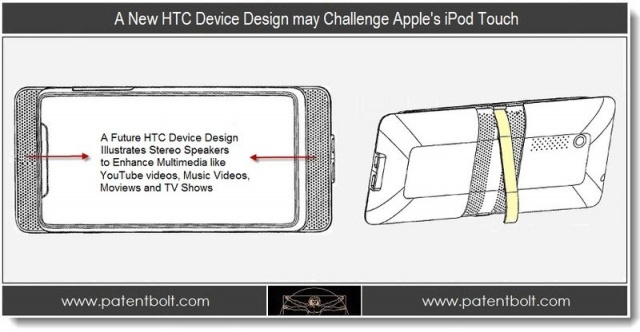
According to an HTC patent filed back in 2011 and a new device design discovered by Patent Bolt, it appears HTC is working on a handheld PMP device to rival the ever dominant iPod Touch. With companies like Philips, Sony, and Samsung all failing to chip away at the iPod Touch’s domination, I guess it couldn’t hurt to give HTC a chance. This new device combined with the new Google Play model could give this HTC device a fighting chance but I wouldn’t put my money on it.
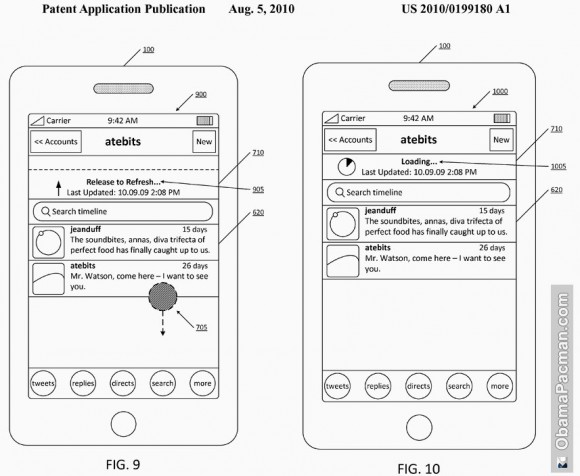
Do you like the pull-to-refresh feature found in many popular iOS apps? Well, you might want to prepare to see it go the way of the dodo, as Twitter is now trying to patent it.
David Artuso from cellpig and Michael Rondinelli from EyeSee360 offer us their best tips for ensuring your Kickstarter project is a success.
With millions of dollars pledged to all kinds of projects every week, it’s no wonder that Kickstarter has become one of the most popular funding sources for getting a new product off the ground. The process is simple: Start a project, spread the word, then — if your idea is a good one — watch the pledges roll in.
If you’re a budding entrepreneur with a great idea for a Mac or iOS accessory, or even an app or game, then Kickstarter could be the fastest and most effective route to success. Not only is it a great source of funding, but it also helps you establish just how popular your product will be.
Here at Cult of Mac we’ve stumbled across a handful of really outstanding devices that wouldn’t be around if it wasn’t for Kickstarter. But it’s not as easy as it sounds. While creating your project may be pretty straightforward, ensuring it succeeds is hard work.
To help you out, we’ve spoken to a couple of companies who recently used Kickstarter to launch their latest products, and they’ve given us some feedback and a few tips on how to ensure your Kickstarter project is a success.
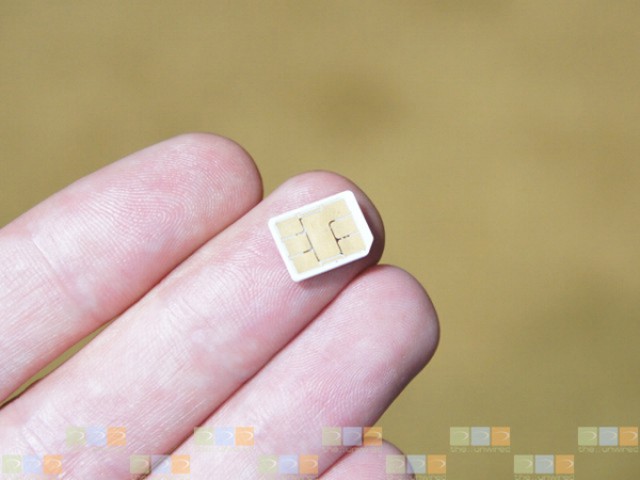
Despite the promise of royalty-free licensing, Nokia is still against Apple's nano-SIM proposal.
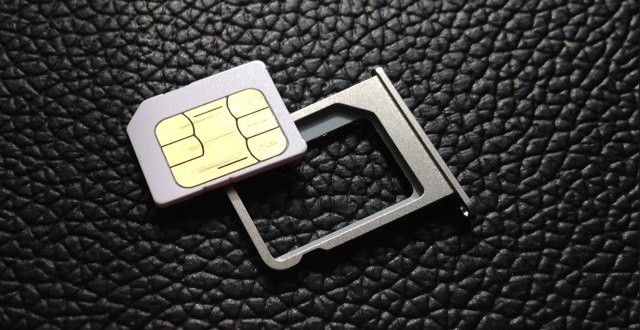
Despite promising that it would provide its rivals with royalty-free licenses for its nano-SIM technology, Nokia still isn’t convinced by Apple’s proposal for the next-generation of miniaturized SIM cards. The Finnish company has already spoken out against the tiny SIM, but following Apple’s offer of free licensing yesterday, it has labelled the plan nothing more than an attempt to devalue the intellectual property of its rivals.
Apple has agreed to give rival smartphone makers free licensing if its nano-SIM standard is adopted.
It was revealed last week that Apple is pushing to make its new nano-SIM the next industry standard for miniaturized SIM cards. The company has the backing of most European mobile operators, but rival smartphone vendors — particularly Motorola, RIM, and Nokia — are against the idea.
In a bid to win them over, Apple has promised that it will make nano-SIM licensing free if its proposal is approved.
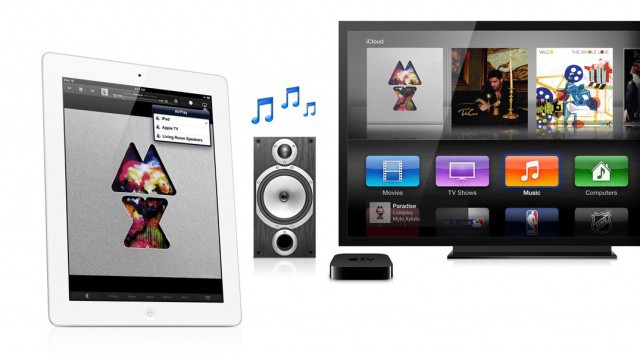
Imagine a world where your iPad or iPhone controls everything in your living room.
With all the rumors surrounding Apple’s intense negotiations to acquire licensing agreements with Hollywood studios for its upcoming television, it can be easy to forget about another aspect of the equation that needs to be reinvented: the remote. When Apple does unveil its long-awaited ‘iTV’ to the dismay of cable providers, you can bet that it won’t come with a clunky clicker like every other TV on the market. If there’s anything that needs to be changed about the industry, it’s the tool we use to communicate with our TV sets.
How would Apple do its own remote? Some have speculated that the iTV will be completely controlled by Siri, but there’s more to the puzzle than just voice control. In fact, you probably already use the future iTV’s remote every day.