I wrote a column last week saying that the “smoking gun” document Apple submitted into evidence in the Samsung patent infringement lawsuit does not constitute proof of infringement by itself.
Still, it’s a remarkable document that does prove something: Samsung is very impressed with Apple. In fact, it’s clear that Samsung is a huge Apple fanboy.
It was time for another Apple expert witness today, who said that consumers would be willing to pay $100 for three specific, patented features that are at issue in the high-profile, high-stakes court case against Samsung. John Hauser, called by Apple as an expert due to his role as a marketing professor at the Massachusetts Institute of Technology (MIT), said that in his internet survey, consumers were willing to pay this much more for features like scrolling or multitouch. The survey, Apple proposes, has relevance when calculating potential damages for Apple due to potential patent infringement. Apple is seeking over $2.5 billion from Samsung.
On the sixth day of the Samsung-Apple trial, deeply granular elements of each company’s products continue to be mined for infringement claims. Testimony from industry experts focused on innovations present in scrolling and pinching gestures used on touch-screen gadgets like the iPhone and whether Samsung blatantly ripped them off.
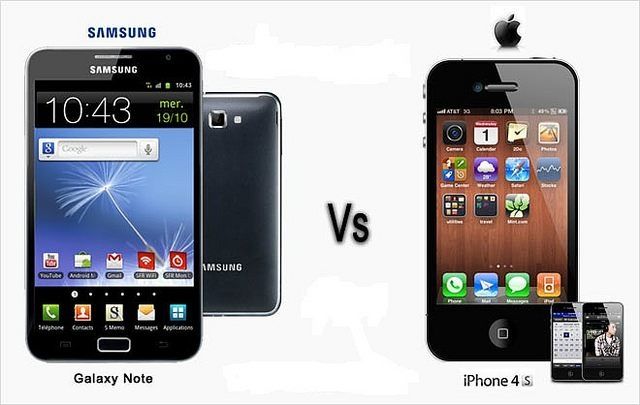
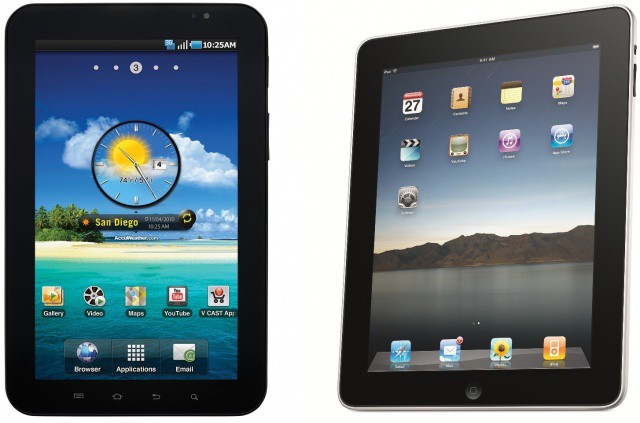
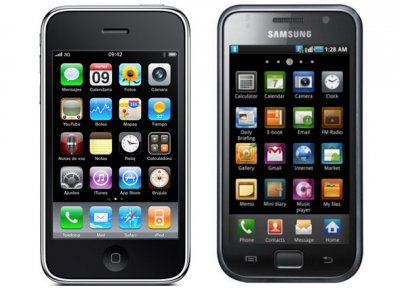
Judging from the cheap seats of the media bench, the claims appear valid. In particular, visual evidence comparing the functionality of the iPhone’s operating system to that of its rival makes similarities pop out. For example, two-finger gesturing to zoom in on web browsers on relevant Samsung and Apple products is practically the same.
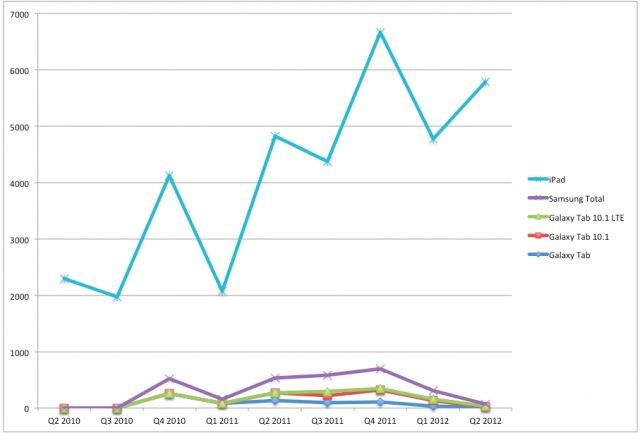
We’ve always been curious about just how Samsung managed to sell 2million Galaxy Tabs. I mean, do you actually know anyone that bought one? Have you seen one in the wild? Because we haven’t. Yet in 2010 Samsung reported that they had shipped over 2 million units.
Turns out that there’s a huge discrepancy over the way Samsung reports “units shipped” and the amount of units that were actually sold. In some new court documents for the Apple vs Samsung trial, both companies had to reveal their sales figures for each device in the case. Turns out that Samsung really only sold 262,000 Galaxy Tabs in 2010, and their other sales figures were hugely disappointing as well compared to the iPad.
Hard to keep these kind of secrets when you're suing the crap out of each other.
For those of us watching the trial of Apple vs Samsung this week, the fact that Judge Lucy Koh made the companies reveal confidential sales data is something of a no-brainer. The jury will need to look at the sales of the various devices from the two mobile technology giants to decide at some point what the damages should be, if any.
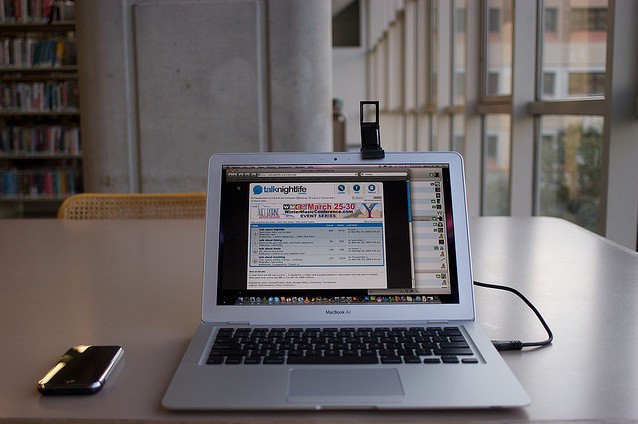
This is from the always-questionable Digitimes, so take it for what it’s worth, but Intel may be planning on rolling out the ability to wirelessly charge smartphones to its 2013 Ultrabook standard. If so, that means that we might all be wirelessly charging our iPhones and iPads from our MacBook Airs as soon as the end of next year.
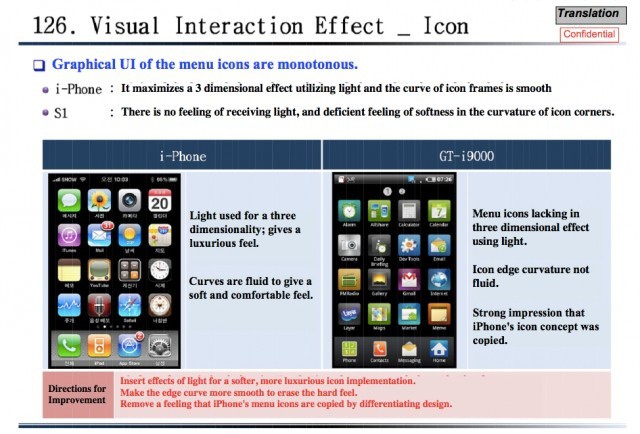
New evidence from inside Samsung appears to prove that Samsung copied Apple’s iPhone ideas and used them to design Samsung’s Android phones.
As damning as the “Relative Evaluation Report” appears to be, it does NOT constitute proof that Samsung copied Apple’s ideas or infringed on Apple’s patents, and for 3 reasons.
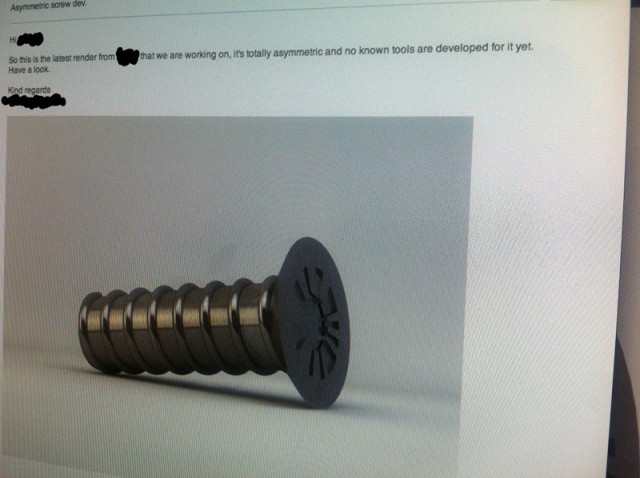
Forget Pentalobe screws, Apple's next-gen screw design could lock DIYers out of their Macs once and for all.
Self-repairability is often an aspect of Apple’s modern product design that gets Cupertino blasted by critics, with the Retina MacBook Pro being deemed “the least repairable laptop yet” by repair experts iFixIt. But if the leaked image above of a next-generation assymetric screw Apple is reportedly working on is to be believed, things are about to get a lot worse for Mac and iDevice owners who like to tinker with their devices.
Here’s something to read over your morning cup of joe this morning: amassive 132 page report Apple released into evidence this morning in its trial against Samsung, proving without a doubt that this case is about a lot more than — as the Korean handset maker would have you believe — “patenting the shapes of rectangles.”
The evidence contains a lot of snippets from a 2010 report, translated from Korean, in which Samsung’s engineers went through their phones feature-by-feature and stacked it up against the iPhone. In almost every instance, Samsung’s engineers decided their phones would work better if they were more like the iPhone.
Ouch. That’s damning.
It’s looking undeniable at this point that Samsung systematically and shamelessly ripped-off practically every aspect of the iPhone’s design, right down to the UI. Comparing a Samsung smartphone pre-iPhone and post-iPhone is like comparing a Cambrian trilobyte with a 21st century ballerina.
Does anyone else get the impression that Samsung might not win this one… and that they know it?
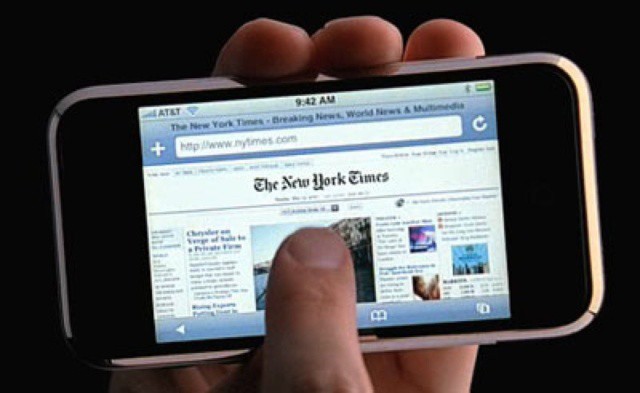
Steve Jobs was particularly proud of the iPhone's inertial scrolling feature.
If there’s one thing I’ve learned blogging about Apple, it’s that the company doesn’t stand for copycats — especially when those copycats go after patents that Steve Jobs was particularly proud of. That’s what Samsung did when it copied Apple’s inertial scrolling feature, right after Jobs told them not to.