Have you ever had to say that you’re terrible at something just so you can get some preferential treatment, even though you’re really not as bad as you claim? It’s silly, but sometimes it works.
That’s what happened to Samsung today. In order to not get their products banned from the Netherlands, Samsung had to tell the court today that their multitouch software is really terrible in comparison to Apple’s.
Apple cut its order for memory chips slated to go into the upcoming iPhone 5, according to a report at Reuters this evening. Citing a “source with direct knowledge of the matter,” the report says that while the South Korean chip manufacturer is still on the list as an initial supplier of memory chips for the new iPhone model, but that Apple continues to decrease its reliance on Samsung as a chip supplier.
Apple may have been awarded $1Billion in damages by the jury in their case against Samsung last month, but it will be awhile until Apple can start counting that cash. In fact, Apple might not even get the full $1Billion they were rewarded if Judge Koh changes the ruling.
Trip Chowdhry, the Managing Director of Equity Research at Global Equities Research, told a financial writer a few months ago that Apple’s biggest challenge without founder Steve Jobs is that Apple lacks a “unified force.” In order to become unified again, Apple would need a “supernatural person” overseeing things.
But according to Thai Buddhists, they may have exactly that — the reincarnated spirit of Steve Jobs himself, who they say is living in a “mystical glass palace hovering above his old office at Apple’s Cupertino, California headquarters,” according to The Wall Street Journal.
I’ll tell you in this post more about Jobs’ so-called reincarnation, and also about several ghosts caught haunting various Apple products. (And I’m not talking about problems with the MacBook Pro Retina screens.)
Fearing the fury of your boss after a really crappy performance isn’t unique to any profession. No one wants to make the big kahuna angry, and see them go nuts. Samsung’s executives tried to take the “maybe the chairman won’t be so mad if we wait a few days to tell him the bad news” approach. It didn’t work.
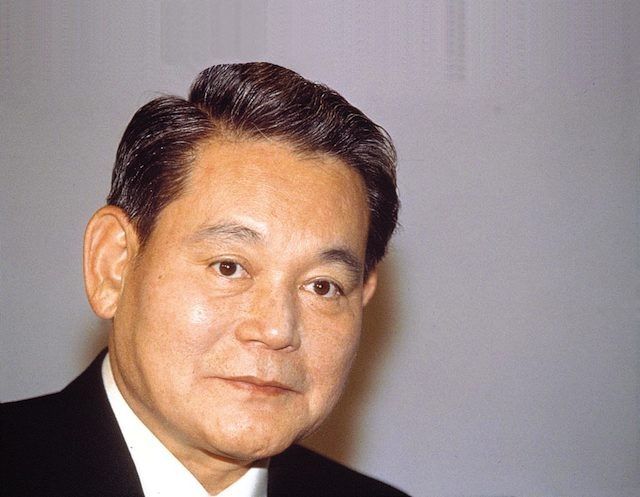
Last Friday, Samsung received the verdict that Apple won the patent lawsuit in the U.S., but top executives at the company waited four days before telling the company chairman Lee Kun-hee the bad news because they were afraid how he might react. Apparently, he freaked out a bit.
Samsung is still fuming that they got their trash handed to them in court last week. The legal beat down they received in court was just raw and powerful and awesome, and they totally deserved it.
Samsung is understandably mad, and probably a little embarrassed and majorly vindictive, so they went out this morning and declared that if Apple even thinks about releasing an iPhone 5 with LTE they will sue them immediately, and they may have the patents to win. Maybe.
In a laughable post over at LawPundit, Andis Kaulins makes an argument that Apple’s landmark $1 billion win against Samsung for patent infringement is at least partially bogus.
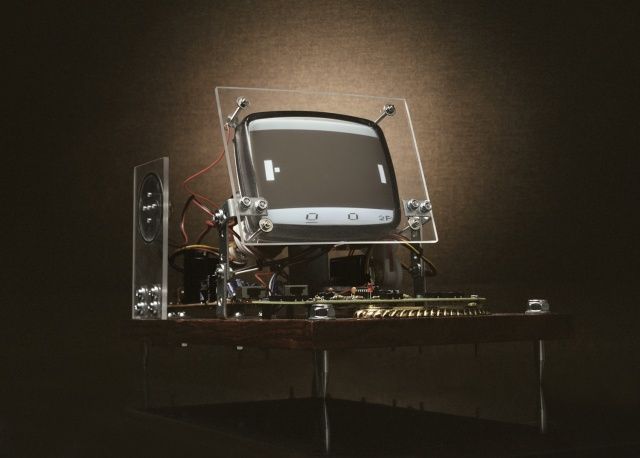
Why? Because Apple’s patent for bounce-back scrolling isn’t an original idea, but was, in fact, stolen from Pong, a game first released back in 1972. There are just a few problems with this idea…
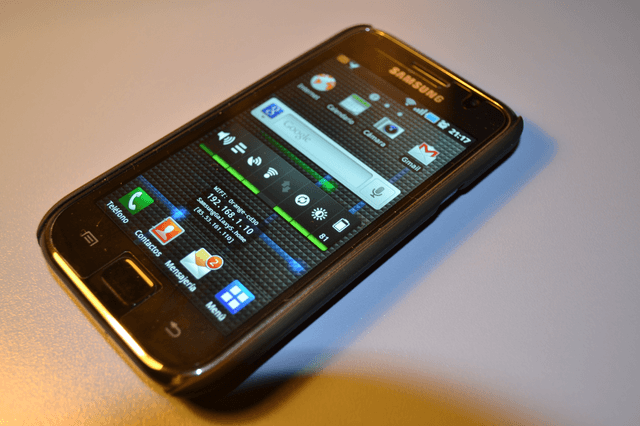
Trying to sell one of these? You're not the only one.
Apple’s lengthy battle with Samsung came to a close last Friday when a jury decided Samsung was guilty of infringing six of Apple’s patents, and that it must pay more than $1 billion in damages as a result. Not only was this a huge blow to Samsung, but it appears it’s also hit the Korean company’s customers, too.
One used electronics company has seen a 50% growth in the sale of Samsung devices as customers “jump ship” following its loss.
Exclusivity to TSMC's production would make things very difficult for Apple's competitors.
In an effort to better meet the demand of its mobile devices — and make things very difficult for its competitors — Apple has reportedly been bidding to secure exclusive access to TSMC’s (Taiwan Semiconductor Manufacturing Co.) custom smartphone chips. Qualcomm has also been bidding up against the Cupertino company, and both parties are believed to have submitted bids in excess of $1 billion.
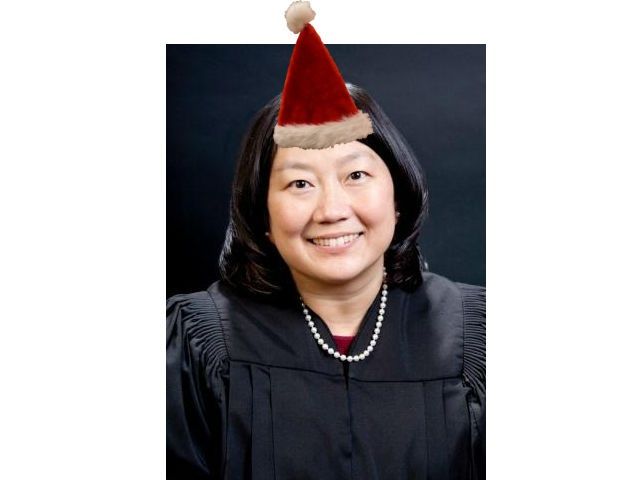
U.S. Federal Judge Lucy Koh has moved the hearing for Apple’s request for an injunction against Samsung phones to December, possibly diluting the economic effect of last week’s patent trial verdict.