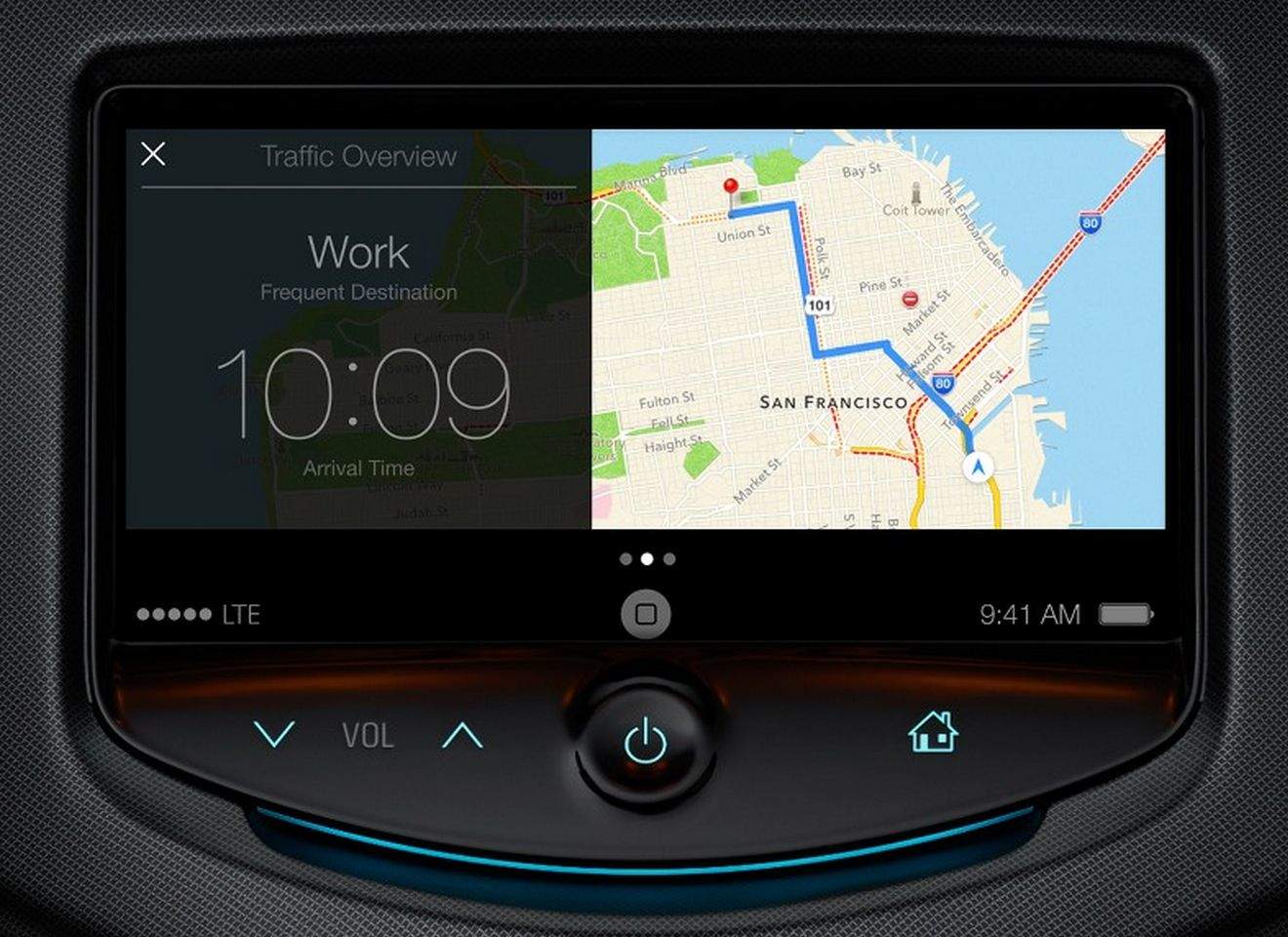
In the past three years, Apple has dared to be dull.
During Apple’s best years, between 2007 and 2010, Apple introduced the first iPhone and the first iPad, two world-changing products that now define the company (and bring in most of its revenue). These products, along with their touch interfaces and apps stores, were a shock to the industry.
That’s great, Apple. But what have you done for me lately?
Here’s one theory about how Apple works: The company finds a horrible content consumption experience. They figure out how the experience can be made wonderful. They work on the products until they’re ready, both from product quality and price perspectives. Then they ship it and spend the next few years refining and perfecting the original vision.
If that oversimplification about how Apple works is accurate, then Apple isn’t really in full control of when its groundbreaking new products ship. They have to wait for technology, such as Bluetooth Low Energy (BLE), or for various industries to come around to making a critical mass of content deals.
In the past three years, every Apple announcement has been preceded by speculation and rumor that Apple would at long last announce an iWatch, an iTV set and other products that would signal a radical new product category for Apple. And every announcement ended in disappointment. Every announcement was about refinement of old products, rather than bold launches of new products.
Will Apple ever enter new markets again, including the ones perennially rumored?
I say they will. The fact that they haven’t shipped the long-rumored iWatch or iTV, for example, makes perfect sense from a readiness perspective.
In fact, I think the next three years will be twice as awesome as the iPhone-iPad years, in the sense that Apple will break into four new businesses. Why? Because the technology and content deals will fall into place during this time.
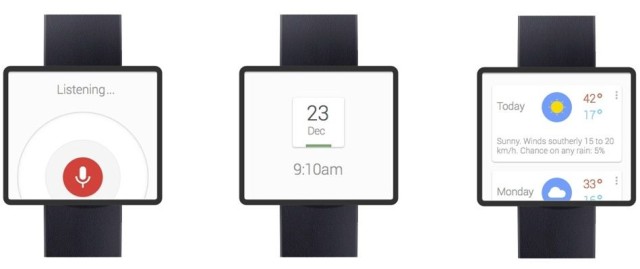
A Google smartwatch powered by Android with built-in Google Now is in the late stages of development, according to people familiar with the matter, who have been speaking to The Wall Street Journal. Google is now in talks with Asian suppliers, which could begin mass producing the device “within months.”
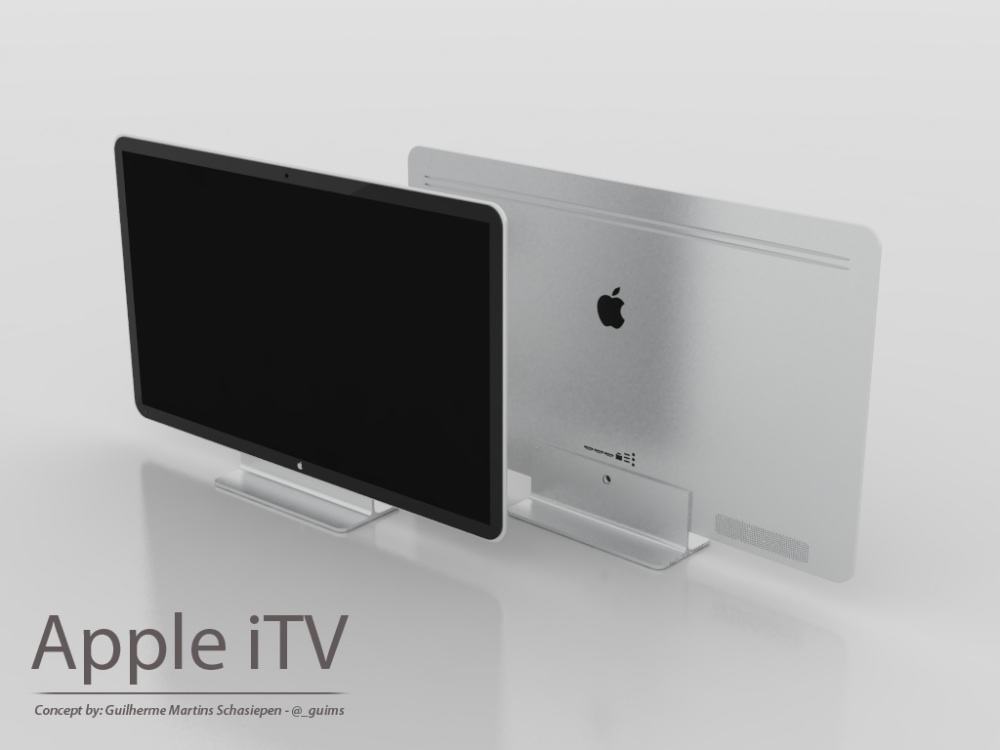
Even though most of the focus has shifted t the iWatch, people can’t seem to stop talking about Apple’s mythic HDTV, the iTV. Case in point: ahead of today’s iPad event, a Tokyo-based analyst has gone on record out of the blue saying 4K 55-inch and 65-inch iTVs are coming next year.
Until two days ago, Apple had been without a head of retail for nearly a year. As part of the upper-management reshuffling Tim Cook oversaw last October, John Browett was let go after filling the role for only six months. Apple executives reportedly clashed with Browett, who previously had been the CEO of British retailer Dixons, and he didn’t seem to leave Apple on the best of terms.
After a year of searching, Apple has finally found a Senior Vice President of Retail and Online Stores: Angela Ahrendts, the former CEO of Burberry in Britain. She’s coming to Apple at a very crucial time in the company’s development post-Steve Jobs, and although she’s worked in fashion most of her life, she looks like the perfect fit.
Tim Cook revealed in an internal email to employees today that he’s had his sights set on Burberry CEO Angela Ahrendts for quite sometime, and while Ahrendts’ work at Burberry is what won her the spot, new details about Ahrendts suggest that her affinity for watches has been an added bonus for Apple as it prepares to launch the iWatch.
According to former WSJ reporter Jessica Lessin, people who know Ahrendts say she is a “watch lady” and took a particular interest in the watch retailing space of Burberry’s stores:
I miss Steve Jobs. He made tech reporting a lot of fun. The world of technology is dull without him.
Larry Ellison skips his own conference to watch the America’s Cup? Boring! Steve Ballmer steps down from Microsoft without taking anyone with him? Yawn.
Life was never so dull when Jobs was around. He said crazy stuff. He was rude to people. He insulted competitors. He was unpredictable.
Jobs was always up to something. He was either trying to destroy historical landmarks (like his derelict Woodside mansion) or put them up (Apple’s spaceship campus). He could turn a kill-me-now planning meeting at Cupertino city council into something fascinating.
His public presentations were always interesting. I went to almost every one from the late 1990s onwards. I’d be lying if I said they were all great. Some were routine, although it was always amusing to see him get lathered up about small things, like sending email postcards from iPhoto. But they were often fascinating, and some felt important. His iPhone introduction in 2007 felt like history being made and I was thrilled to see it firsthand.
It’s been two years since he died and I miss the excitement he brought to tech. There was always a lot of drama around Jobs. Illegitimate children. Secret liver transplants. Coffeeshop dates with Google’s Eric Schmidt. Parking in handicapped spots.
People talked about him, and not always in a good way. He was constantly criticized. For most of his career, almost everything he did was doomed to failure by the press: the iMac, Apple retail stores, the iPod, the iPhone. Each was greeted with withering, dismissive criticism. It was only after the iPhone became a hit, around 2009, that the world woke up to his genius. He’s lionized now, of course, but for most of his life he was a loser (remember the NeXT years?) or a slick marketer who got lucky.
The last couple of years of his life, as Apple rode the iPhone and iPad explosion, Jobs tended to get all the credit. Now that he’s gone, Apple is doomed without him.
I’m not worried about the future of Apple. It’s still too early to tell, but by all outside measures the company is doing just fine. Nine million iPhones sold in a single weekend is not a sign of a company in trouble.
There’s been only one major executive departure –Scott Forstall, the man in charge of iOS– and few have mourned his passing. The iPhone’s Touch ID has the potential to be as revolutionary as iTunes or the App Store were when they launched. And there are signs of some very exciting products being cooked up in the design lab, especially a wearable iWatch that measures your biometrics. And I’d love to see an Apple TV that brought some smarts to the tube.
This past year I’ve been working on a book about Apple’s top designer, Sir Jonathan Ive. Ive is a genius and he’s responsible for a lot more of Apple’s success than he’s been given credit for. But the best stories belong to Jobs. He’s by turns fascinating, funny or horrifying. He was colorful. A huge character.
This issue of our Newsstand magazine collects a few stories about Jobs. As you’ll see, he wasn’t always a jerk. Some of these anecdotes show a rather kind and thoughtful man. Some portray a runaway monster. But none of them are boring.
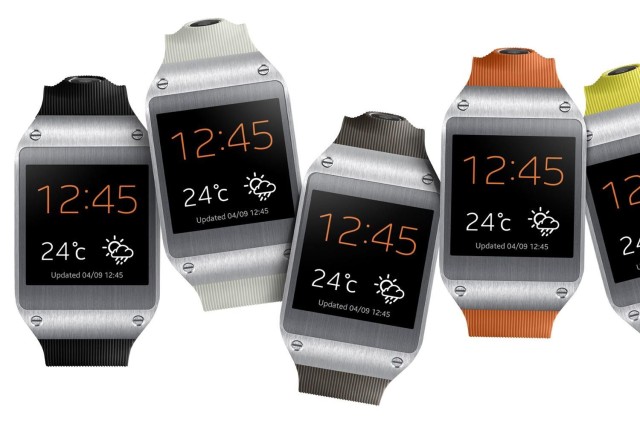
Samsung’s Galaxy Gear has been on sale for a number of weeks now, but today the South Korean company lifted its embargo on reviews. If you’ve been trying to decide whether or not you should spend hundreds of dollars on one, then, now’s the time to find out.
To make things a little easier for you, we’ve put together a roundup of the biggest and best reviews so you don’t have to trawl through them yourself.
Apple devices are on the most wanted list for thieves who snatch smartphones and tablets out of the hands of distracted commuters in big cities.
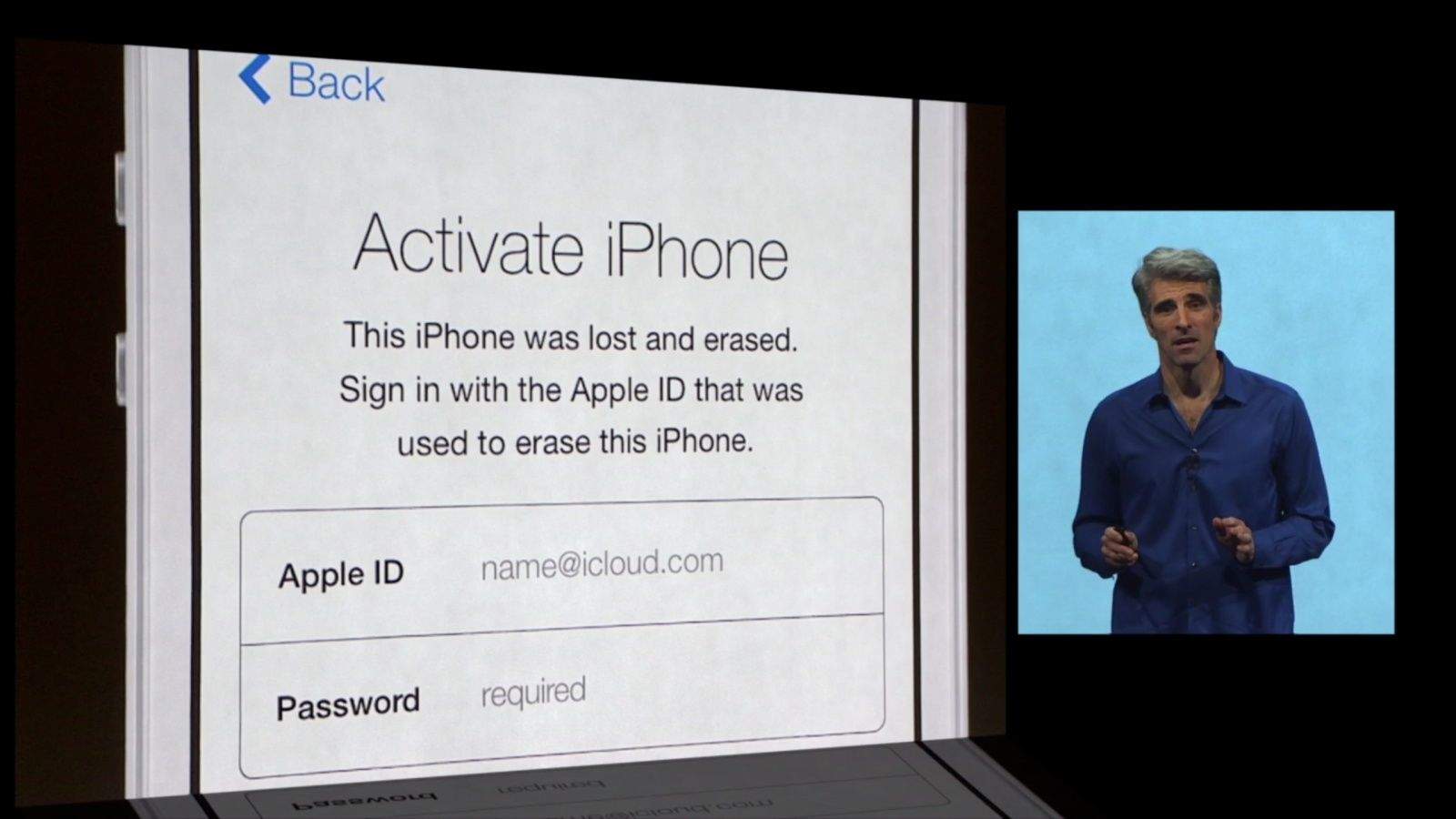
This type of theft is so easy and generally without consequence that it’s become known as “Apple picking.” The Cupertino company has been on the forefront of trying to curb these crimes, dating back to the Find My iPhone app in 2010 and the new Touch ID fingerprint sensor for the iPhone 5s. Apple has also added a new i0S 7 feature called Activation Lock, which many are dubbing the “kill switch.”
“As a consumer, I love the idea of a kill switch for the device that I, as the owner, can invoke, but giving that type of power to my carrier is another thing.”
The industry insiders Cult of Mac sounded out, not so much.
“To really make this work, the ‘kill switch’ would need to be wired to carrier networks, so that as soon as the device’s IMEI shows up on the network, the device is disabled by the carrier,” said Tom Kemp, CEO of Centrify, a company that provides unified identity services across data center, cloud and mobile for businesses. “As a consumer, I love the idea of a kill switch for the device that I, as the owner, can invoke, but giving that type of power to my carrier is another thing.”
As smartphone use grows — nearly half of Americans own one — so has iCrime. According to recent comScore data, Apple owns almost 40 percent of the smartphone market, more than its next closest competitors Samsung and HTC combined, with 23 percent and 8.7 percent, respectively. But part and parcel with Apple’s success and their distinctive design aesthetic is the fact that Apple products are an easy targets for a quick snatch-and-resell.
“How much would mugging decrease if your wallet was worth $0? Essentially, that’s what Apple is doing with its new kill switch feature – making your smartphone worthless, ideally. But, who is it really worthless for in the end?” said David Anderson, director of product for smartphone insurance company ProtectYourBubble. “Smartphone thieves often resell stolen devices on the secondary market…Unknowing consumers will purchase devices from sites like eBay and Amazon to cut costs but (will) end up receiving a ‘killed’ device in the mail.”
Craig Ferenghi introduces iOS 7’s new “kill switch” during the WWDC keynote.
Companies that survive on tracing stolen gadgets are also not worried that the kill switch will sound the death knell for their businesses. “Unfortunately for consumers, Apple’s tracking and other anti-theft measures are also fairly easy to disable. People are going to continue to steal iPhones and hackers will find a way around the kill switch. It can be as simple as jailbreaking the phone,” said Ken Westin, founder of GadgetTrak. Most of GadgetTrak’s customers are tracing Apple devices — check out the live map — and use of the service has led to a few spectacular recoveries like this one from Kansas to Mexico.
Which brings up another point: whether Apple should be partnering with authorities rather than potentially enabling users to pursue their stolen iPhones
Maybe Apple should be partnering with authorities rather than enabling their customers to pursue their stolen iPhones.
Absolute Software, which says it has recovered 29,000 devices in 100 countries to date, recently launched a partnership with Samsung and says one with Apple is very possible. They work with police and discourage people from trying to get their gadgets back, rogue style.
“Deactivating a device with Activation Lock so that an unauthorized user is unable to use it or sell it can have a positive impact on deterring theft. However, the value of this capability is limited and could lead to encouragement of owners trying to recover devices from thieves themselves,” said Ward Clapham, vice president of recovery services at Absolute. “Self-recovery can be dangerous – even fatal. The best case scenario is for the user to rely on trained professionals to work with law enforcement to recover the device and pursue any criminal charges that may result.”
iPhone users who keep their smartphones mute in their pockets out of fear may find the new service makes it once again OK to stumble down a crowded sidewalk while checking email.
The iWatch might be a really popular theft target.
“With the kill switch, you will no longer feel unsafe using your iPhone on a city street. The kill switch makes the iPhone a much less desirable target for thieves — they’ll have to go back to nicking gold watches and fancy handbags,” says Dave Howell, founder and CEO of Avatron Software, which makes a number of productivity apps. “With this feature, Apple is responding to rising iPhone theft rates, but the company may also been preparing for the launch of the iWatch. The iWatch might be a really popular theft target. The kill switch is a neat, thoughtful feature but it won’t move the market-share needle.”
Howell, a former Apple software engineering manager whose team includes a number of veteran Mac programmers, says he doesn’t have any inside knowledge about the kill switch but that the service fits into Apple’s general ethos.
“I know Apple’s been working hard for some years to make iPhone as safe as possible…Apple has always garnered a reputation for designing for the benefit of users, even when it hurts sales. Certainly preventing theft will put a dent in replacement iPhone revenues.”
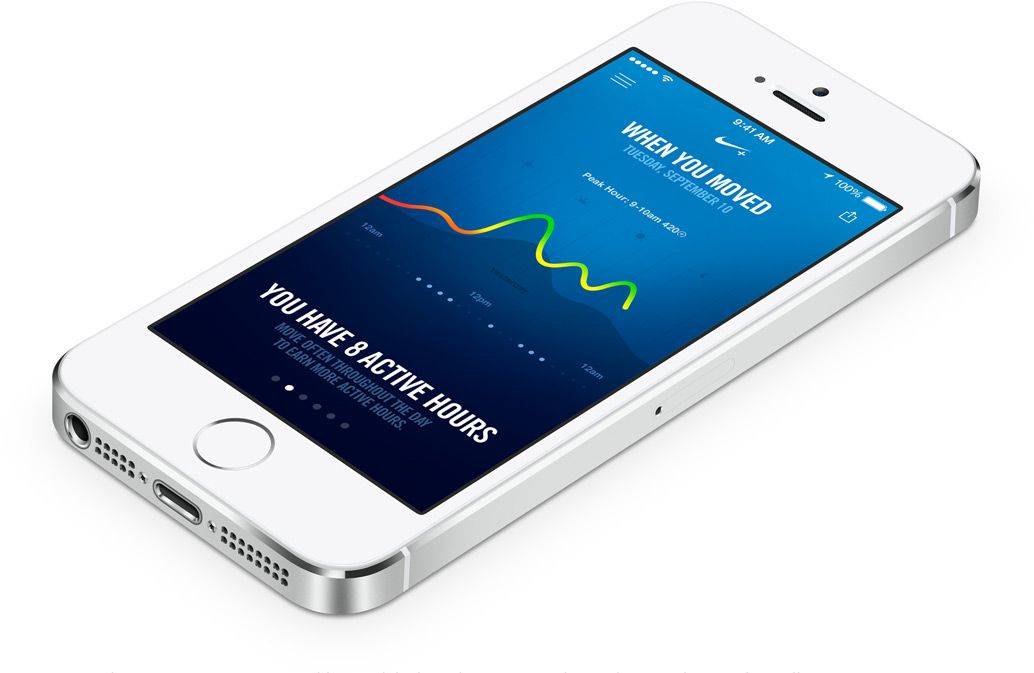
The M7 Motion Coprocessor (MoCoPro?) in the iPhone 5s is something of a mystery beast. It’s function is clear – it is an always-on low-power chip that processes data from the accelerometer, gyroscope, and compass in your iPhone – but its eventual purpose is still a little unclear. So why don’t we do some speculation?