A cheaper iMac that proves you get what you pay for, fresh beta updates for iOS 8 and OS X Yosemite, and a “rare” iPhone with a $15,000 price tag. You’ll get these stories and more in Cult of Mac’s video rundown of the week’s biggest Apple news.
Back in 2008, basketball star LeBron James received a small stake in Beats Electronics in exchange for promoting the company’s headphones. Now that Apple has bought Beats, guess how much James is set to make? You really don’t want to know, but watch our news wrap anyway. The rest of it, including updates on split-screen iPad multitasking and the future of the iPhone 5c. will cheer you up.
Don’t forget to subscribe to Cult of Mac TV on YouTube to catch all our latest how-tos, tips and other videos.
We’ve been seeing reports on Twitter of the iTunes Store not working, and it does indeed seem that Apple’s cloud servers are acting up. Both the App Store and iTunes Store are having trouble loading for a lot of people.
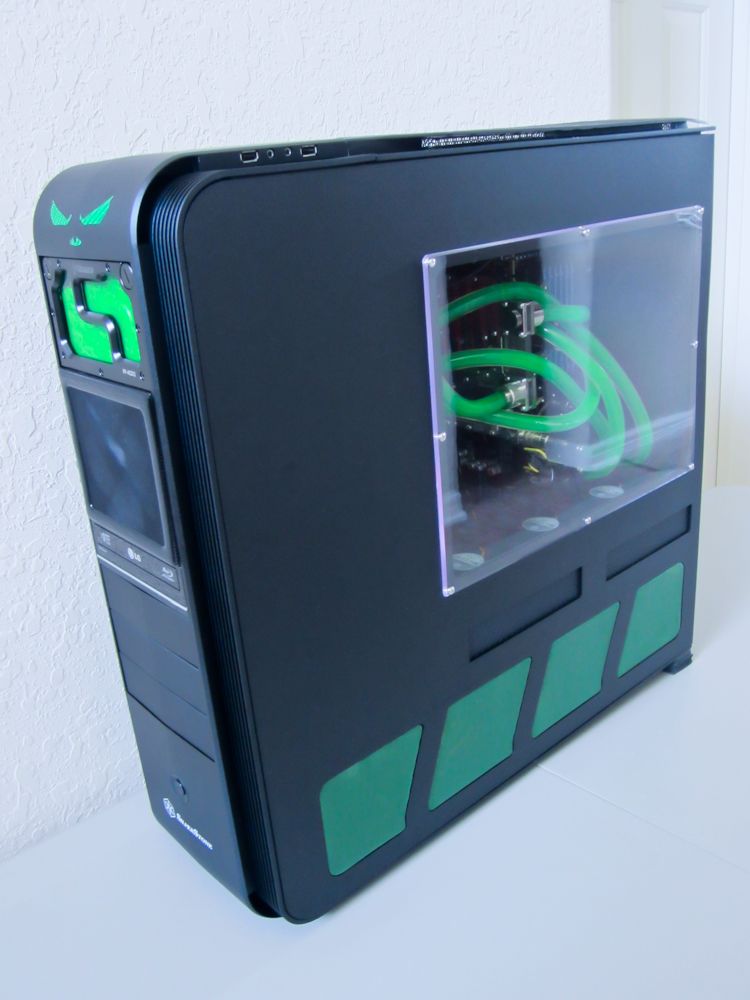
These are the computers Apple never built, and never will — a water-cooled Cube; a teeny-tiny G5; a faux Mac Pro in a trash can.
Oh wait. Apple did the trash can, but not a genuine rubbish bin with a matching toilet brush, like the purple beauty in the Hackintosh gallery above.
These homemade Macs, built from non-Apple hardware, come in a thousand different shapes and sizes, built by legions of dedicated, ingenious hackers. In the nine years since Apple switched to Intel processors, a DIY subculture dedicated to building alternative Mac hardware has steadily grown. It’s not a strictly legal endeavor — Apple’s EULA forbids OS X from running on non-Apple hardware — but Cupertino turns a blind eye to hobbyists.
“You know what? We’ve never gotten anything from Apple other than a few anonymous employees asking for help :),” said Tony, who runs Hackintosh website tonymacx86.com, in an email to Cult of Mac. “It’s clear that tonymacx86.com doesn’t sell hardware. I would think that they’d understand that we are promoting the purchase of OS X and Apple peripherals and laptops, and have zero tolerance for piracy.”
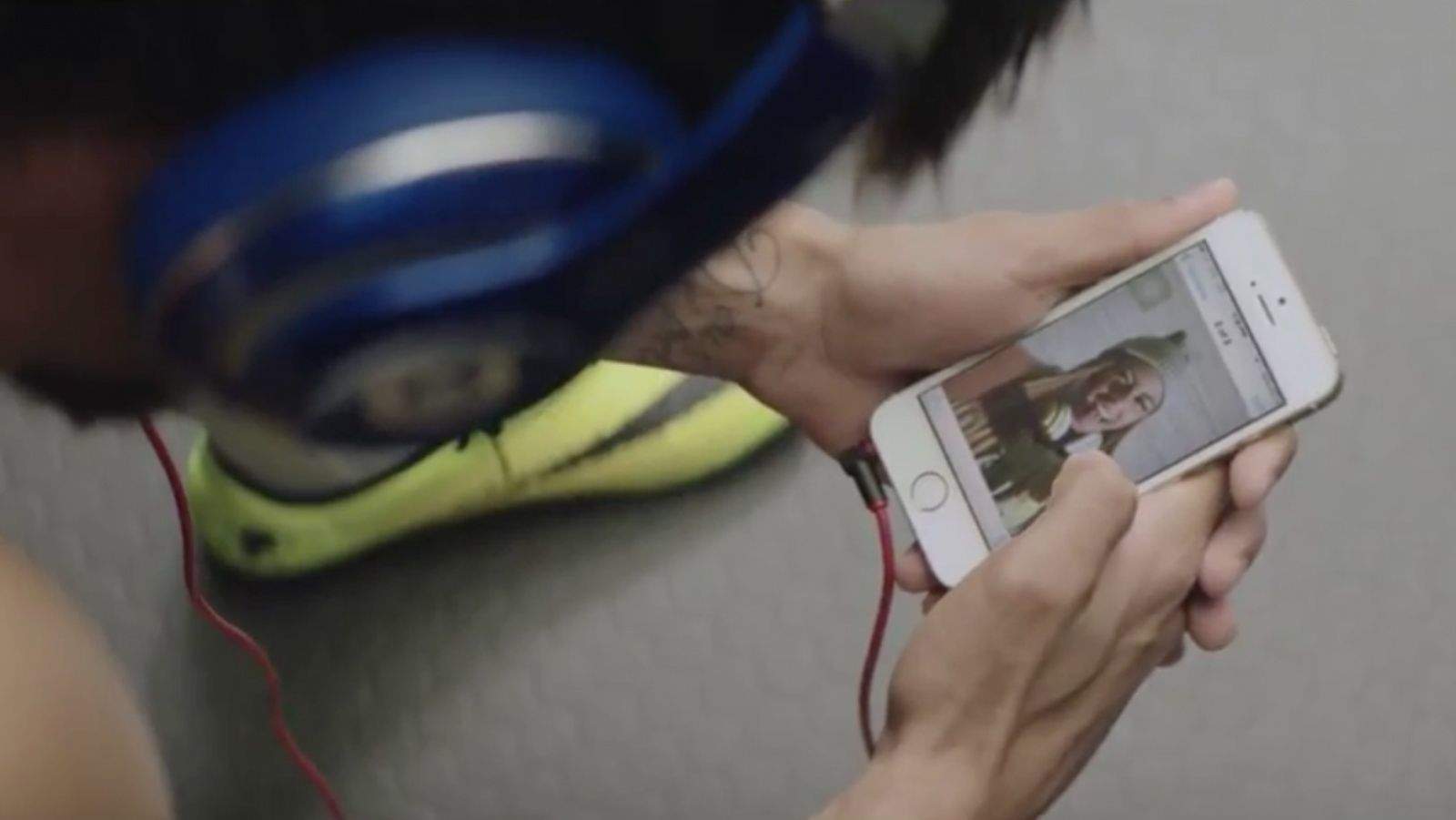
The latest ad for Beats headphones prominently displays Apple products, which probably has something to do with the fact that Apple is spending $3 billion to buy Beats.
Clocking in at just over five minutes, you won’t see the ad on TV. It’s tailored for the upcoming World Cup, and Beats is not an official sponsor. Nevertheless, the ad is compelling and filled with celebrity cameos. Could this be the direction Apple is heading with its in-house advertising?
In a new TV ad for the iPhone 5s, Apple shines a spotlight on some popular fitness trackers. Called “Strength,” the minute-long spot features the old song “Chicken Fat” from President Kennedy’s Physical Fitness Program for schools in the 1960s.
Trackers like the Withings Health Mate, Misfit Shine, and Adidas miCoach Smart Ball are shown in use. Apple just announced its new HealthKit framework for iOS 8 at WWDC, so developers will be able to start feeding Apple’s new Health app data from the kinds of wearables shown in the commercial.
Today a report said that Apple is starting to move its TV ad making in-house. The latest iPad ads featuring the voices of Robin Williams and Bryan Cranston were made internally by Apple, while iPhone spots like the one above are still being made by the ad agency TWBA\Chiat\Day.
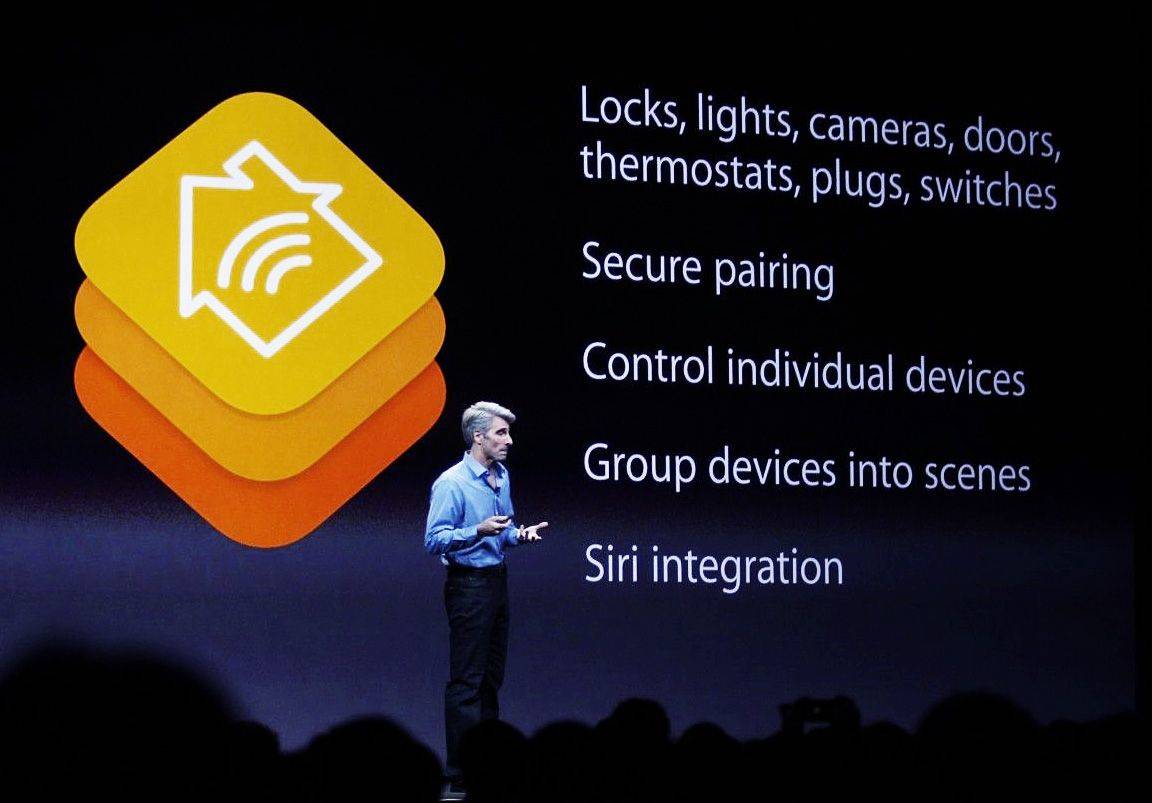
Craig Federighi talks up Apple's home automation plans. Photo: Roberto Baldwin/The Next Web
In the not-so-distant future, we’ll use smartphones to control nearly everything around our homes. We already have smart light bulbs, thermostats, locks and appliances, but we lack a central platform for all these devices.
That’s all going to change this fall when Apple releases iOS 8 with HomeKit, an important new protocol for developers. This will create the kind of universal platform that could revolutionize home automation.
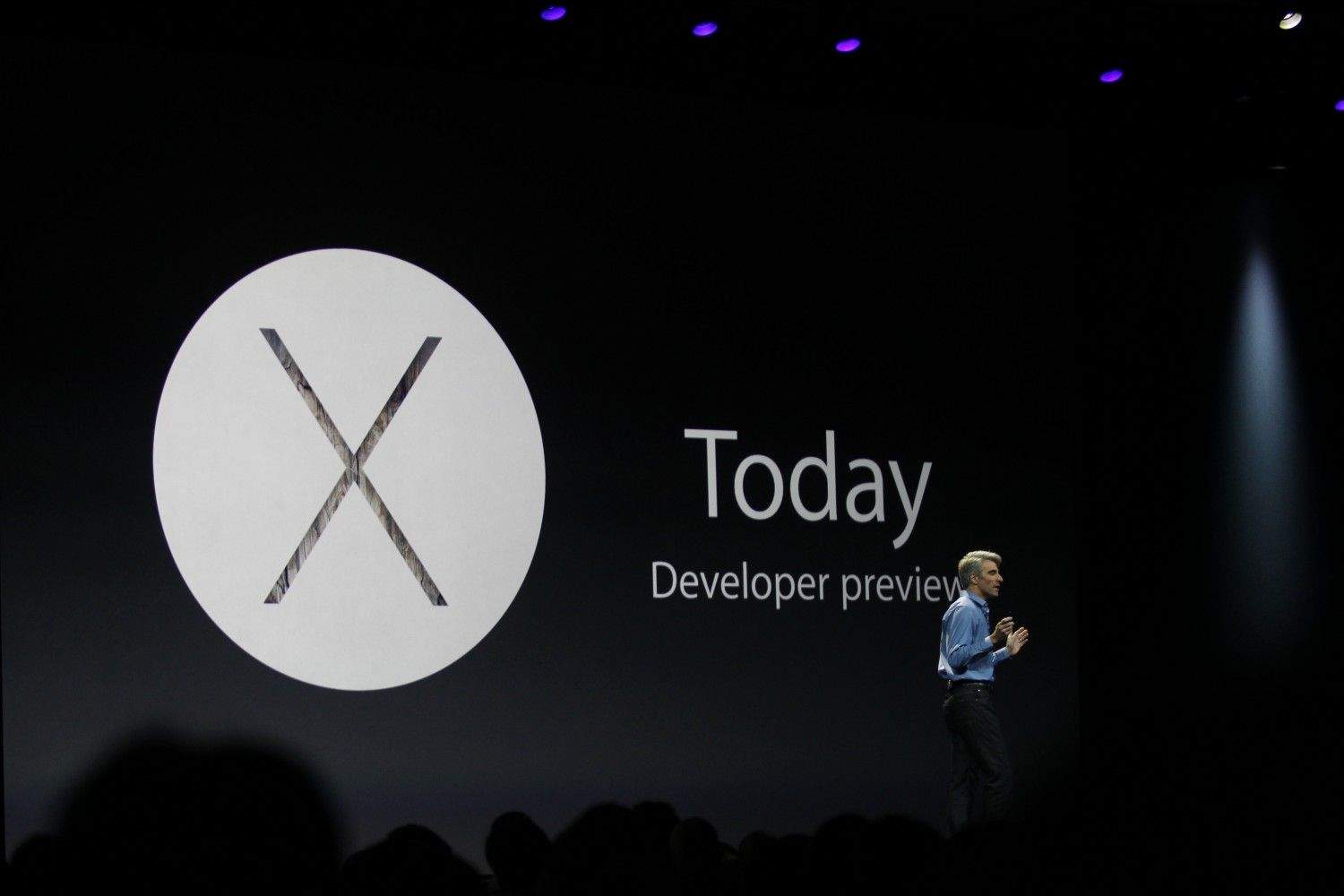
Craig Federighi stalks the stage at WWDC 2014. Photo: Roberto Baldwin/The Next Web
Monday’s fantastic WWDC keynote was the most significant product introduction since Steve Jobs unveiled the original iPad in 2010. But this time, the revolutionary product wasn’t hardware — it was software.
The surprisingly well-executed event demonstrated two things:
1. Steve Jobs’ greatest product wasn’t the iPad or the Macintosh, but Apple itself. He created a company that can very clearly innovate without him.
2. Although there was no new hardware (for now), Apple’s trajectory is clear: It’s getting into some very big things.
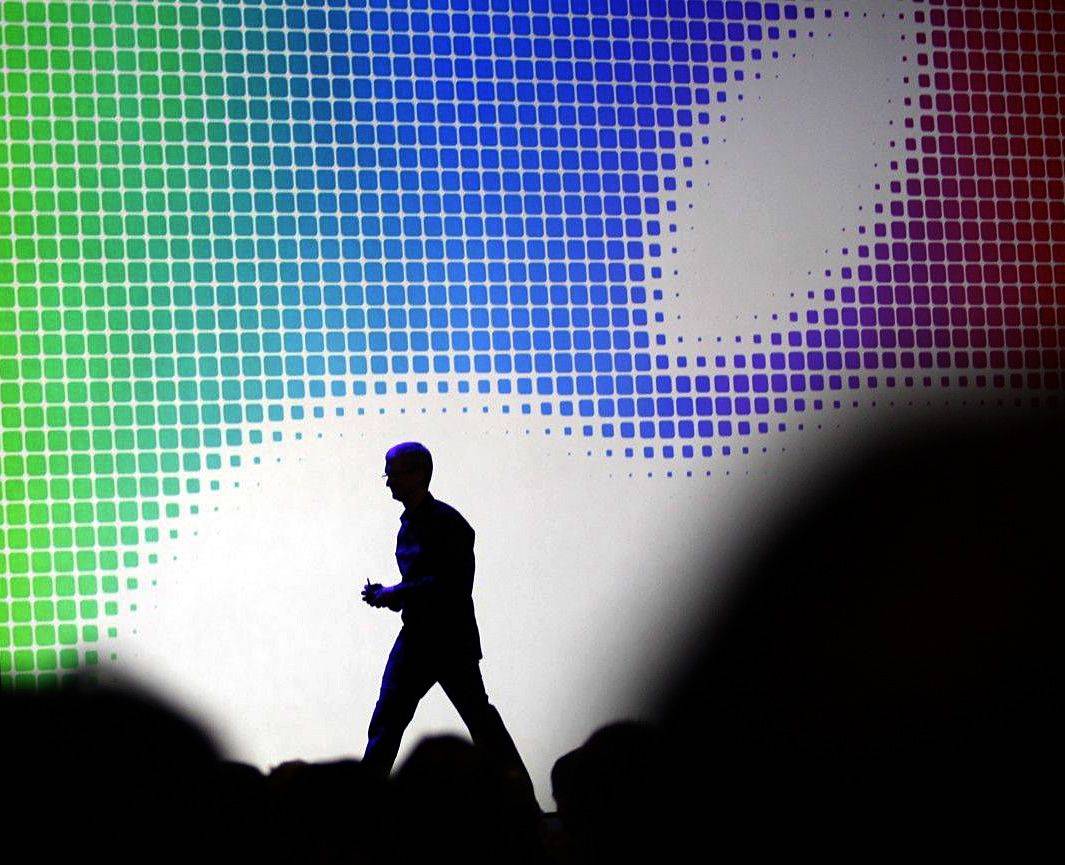
Tim Cook leaves the stage at the end of the 2014 WWDC keynote. Photo: Roberto Baldwin/The Next Web Photo: Roberto Baldwin/The Next Web
Instead of dropping a smartwatch or some other hardware bombshell at WWDC 2014, Apple showcased the futuristic tools it will use to extend its rapidly growing empire.
“Apple engineers platforms, devices and services together,” said Apple CEO Tim Cook as he wrapped up the Worldwide Developers Conference keynote Monday in San Francisco. “We do this so we can create a seamless experience for our users that is unparalleled in the industry. This is something only Apple can do.”
Casual observers (and stock analysts) might fret that there was no big wearables reveal, no amazing new Apple TV, not even a spec boost for an existing device during the highly anticipated WWDC kickoff. Yet while there were was absolutely no talk of new hardware, Apple offered an exciting peek at where the world is headed next with iOS 8 and OS X Yosemite, both of which are available to developers now and will be released to the public this fall.
“We’re always future-focused,” said Cook, who shared presenting duties with Craig Federighi, Apple’s senior vice president of software engineering, and others. Here’s a look at the shiny, translucent, interconnected future Apple is focusing on.