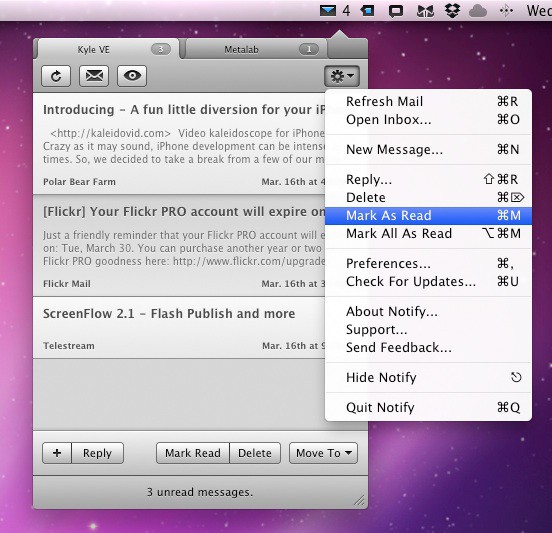
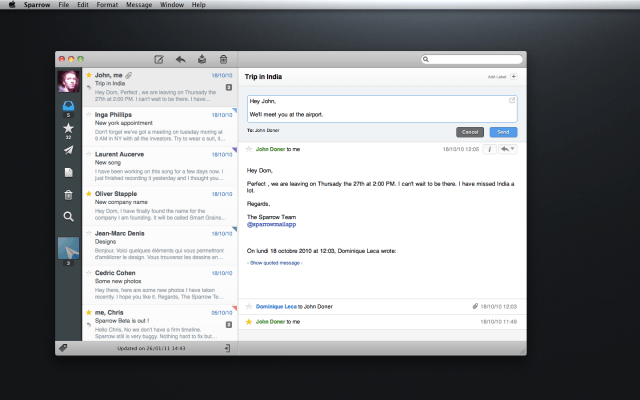
If you use Gmail, MobileMe, or a standard IMAP email account, you might enjoy the seductive unobtrusive behavior of Notify, which does quite a lot more than simply notify you of new messages.
That’s its most basic function, and in that it does the same job that many of its rivals do for free.
But Notify offers so much more, to the point where it’s very nearly a replacement email client – but one that sits out of the way in your Menu Bar.
If you’ve ever heard a snatch of a catchy song on television or in a bar and wondered what it was enough to pull out your iPhone, you’re probably familiar with music-identifying services like Shazam which record a snippet of music and then try to identify the artist, album and title against the information in its database.
Ever wonder, though, how Shazam gets all of its data? Intriguingly, it doesn’t all just get pumped in from the labels. Instead, Shazam employs a constabulary of music detectives who not only track down on-the-rise tracks and artists, but also actively search out new tracks to index, implement and program into their data frames.
A fantastic piece explaining how one of iOS’s most casually impressive apps is driven by the invisible magic of human ingenuity.
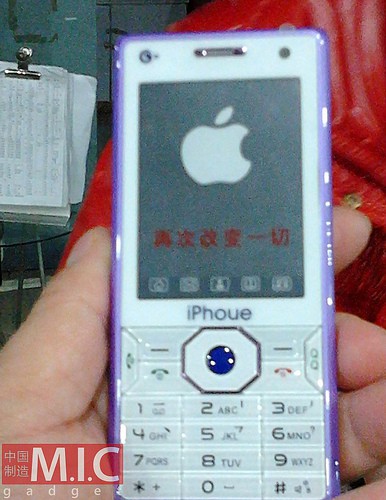
I’m old enough that I’ve stopped giggling at Chinglish in most of its forms, but I hold a still hold a pecial place in my heart for the way the knock-off shops of Shenzhen will mutate and mutilate the iPhone’s branding when slapping a name upon their crappiest phones. Perhaps why I love it so much is that, unlike Chinglish, these guys know exactly what they are doing.
Consider, for example, the iPhoue, found at the notorious Shanzhai Market by our friends over at M.I.C. Gadget. Instead of going through all the hard work of releasing a competent phone, these guys just contented themselves with turning the “n” in “iPhone” upside down, slapped an Apple logo on the handset, dusted their hands and called it a day, without even considering the hysterical pronunciation of the resulting “brand.” Gentlemen… meet the iFoo.
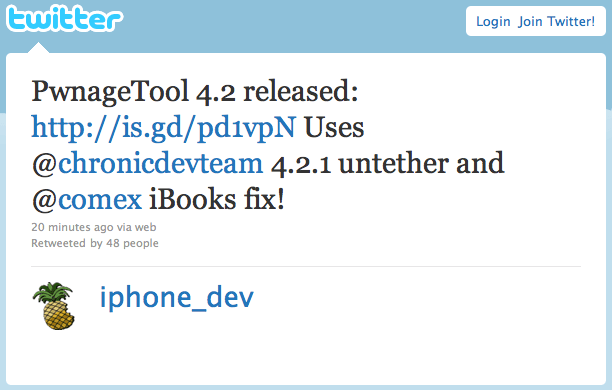
The latest update to PwnageTool from the iPhone Dev-Team is now available to download, and version 4.2 brings with it untethered jailbreaking for devices running iOS 4.2.1 and fixes the recently discovered iBooks issue that prevents a user opening an iBookstore purchase on their jailbroken device.
PwnageTool uses the “feedface” untether developed by the Chronic Dev Team to allow for untethered jailbreaking in the latest release, and supports all 4.2.1 devices other than the iPod touch 2G. Another issue fixed in this version is the Wi-Fi problem that some users had with the second-generation AppleTV.
If you’ve already jailbroken your device and you’re desperate to gain access to your iBookstore purchases, don’t think you need to restore and jailbreak again with the latest version of PwnageTool. On their blog, the iPhone Dev-Team have stated that fixes for both the iBooks issue, and the Wi-Fi issue for AppleTV, will be available in an upcoming Cydia package that you’ll simply be able to download and install on your device.
Sky Combatis a vertical shooter from Chillingo that combines cutting-edge graphics with classic shoot ’em up gameplay to deliver one of the most visually stunning aerial assault games for the iPhone. It’s packed full of intensely exciting levels and challenging bosses that pack some serious action; dodge missiles, hails of bullets, tank fire, and turrets, on your mission to take over the skies. Three difficulties levels ensure Sky Combat is hugely enjoyable whatever your level of gaming experience, and give you a reason to keep coming back for more in a bid to beat every tier.
For an unparalleled aerial combat experience and blow-away graphics that make the Retina display worth having, grab Sky Combattoday for the bargain price of $0.99!
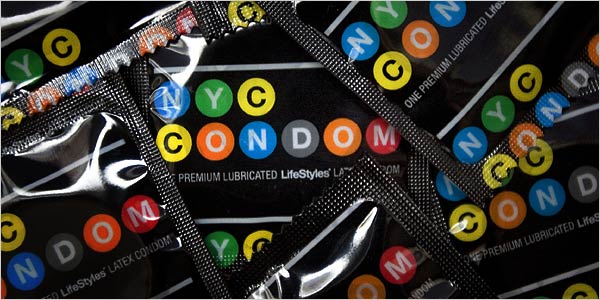
New York City is one of the most progressive countries in the nation, and it’s easy enough to find free condoms at many locations spread throughout the city. Thanks to the new app, though, there’s simply no excuse to not have your pockets perpetually stuffed with prophylactics: just type in your address and it’ll automatically find the five nearest spots to pick up some free sheaths.
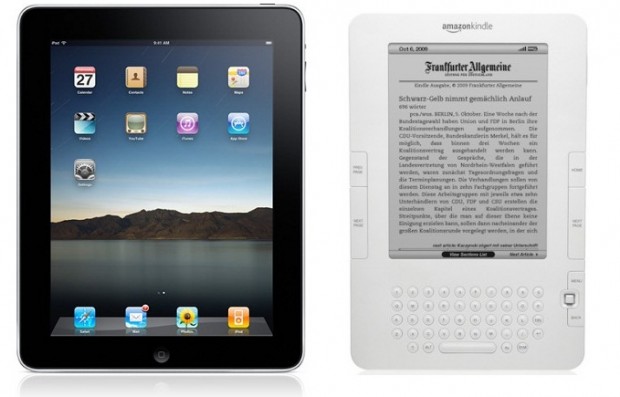
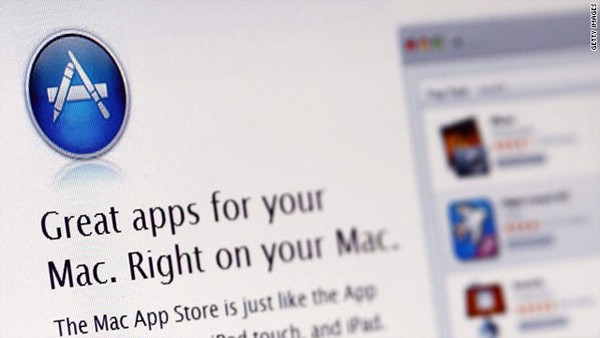
Early today, Apple finally unveiled its long-anticipated App Store Subscriptions service, while simultaneously making official a pretty big effective rule change in the way in-app purchases / subscriptions work: app developers now need to make the exact same purchases (at the same price) available in-app as are available out-of-app, giving Apple at least the chance of getting a 30% cut.
Although Apple says this rule has always been on the books and they’re only now enforcing it, it’s a huge change that is likely to complicate a lot of existing business models.
For example, Amazon’s Kindle app currently channels all in-app purchases through the Amazon.com website, but soon, the Kindle app will have to make all the titles in its e-book library available as in-app purchases available through Apple. Since Amazon’s cut on every e-book is already less than 30%, every e-book they sell through Apple (for which they will have to pay a 30% cut) will result in a loss. Amazon can’t respond by offering in-app e-books at a higher price to cover the Apple tax, because Apple has prohibited it.
It’s a pickle: Amazon either has to raise prices of Kindle e-books all around, sell e-books to iOS owners at a loss, or stop selling e-books through the iOS Kindle app altogether. Amazon’s not alone in this: other services in similar predicaments are Hulu and Netflix.
Unfortunately, though, they don’t have long to try to figure out alternatives: Apple has allegedly given publishers until June 30th to fall in line with the new policies or get kicked out of the App Store.
For services like Hulu and Netflix, where most users subscribe through a web interface, this probably isn’t a big deal, but it’s Amazon and Kindle that are clearly in Apple’s crosshairs. I don’t know what Amazon will do, but if I had to hazard a guess, I think they’ll stop selling e-books in-app on the iOS platform all together. That’s a drastic solution, though, and not really very good for Amazon in the long-run. Perhaps the most obvious solution is a good, old fashioned lawsuit?
Last week, one of the most interesting Mac programs to come out in years hit the App Store in Sparrow for Mac, an elegant and attractive e-mail client that looks and acts a lot like Twitter.
I loved it, comparing it to more full-featured clients like Postbox 2 by saying Sparrow was “the equivalent of skipping stones, not piloting a submarine.”
I decided to reach out to Sparrow for Mac team member Dom Leca and ask him a few questions about the origins, inspiration and future of the e-mail program that treats your Gmail as if it were Twitter.
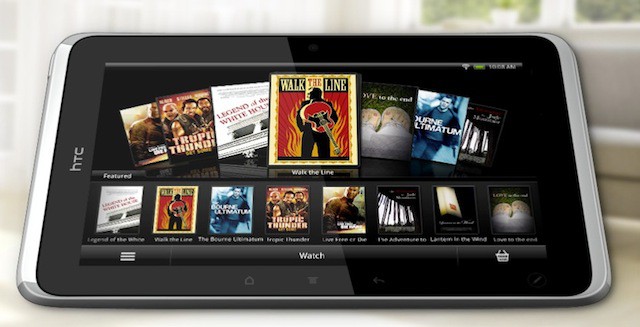
Here’s the next would-be iPad competitor: the HTC Flyer was just unveiled today at the Mobile World Congress in Barcelona.
The Flyer boasts a 7 inch 1024×600 pressure-sensitive screen, 1.5GHx processor, 32GB storage built-in (plus an SD card slot), WiFi, Bluetooth, cell network connectivity, and front- and rear-facing cameras. Oh, and it supports Flash.
The OS is Android with HTC Sense, a collection of HTC-specific add-ons designed to make using the device a little easier.
What I find interesting is the push HTC is making into portable gaming. Apple’s already taking a slice of the mobile gaming pie away from Sony and Nintendo, thanks to the iPod touch. Now HTC wants some of that pie too, and it’s promoting the Flyer as “a lightweight tablet that takes gaming to the next level”.
What do you think? Like the look of it? You should be able to get your hands on one later this year. By which time, of course, you might also be able to buy an iPad 2…
Remember when AT&T made bundles of cash hawking the iPhone, which only ran applications designed for Apple’s mobile platform? That appears to be a distant memory now that the carrier losts its iPhone exclusivity to Verizon. AT&T CEO Randall Stephenson Tuesday told a crowd in Barcelona, Spain all apps should run on all smartphones. Additionally, carriers should have their own app store as an alternative to Apple’s, Android’s and RIM’s.
“You purchase an app for one operating system, and if you want it on another device or platform, you have to buy it again,” the AP reports Stephenson saying in a keynote speech at the Mobile World Conference, a gathering of mobile phone industry players. “That’s not how our customers expect to experience this environment,” he adds.