iPhone Stolen Device Protection offers increased safety for your accounts and financial information if someone steals your handset and its passcode.
Here’s how to activate the security feature, and — more importantly — why you should do it now.
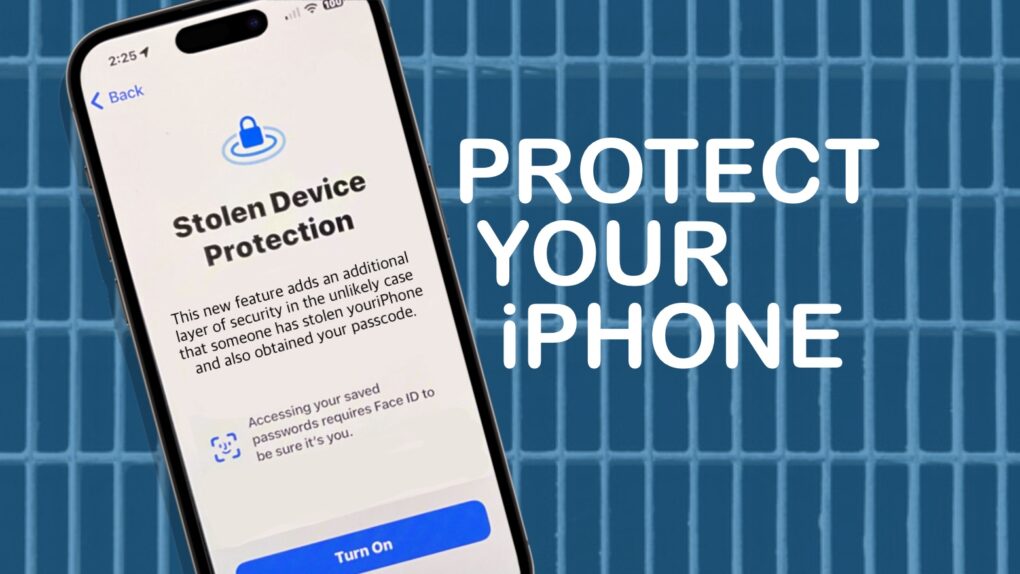
iPhone Stolen Device Protection offers increased safety for your accounts and financial information if someone steals your handset and its passcode.
Here’s how to activate the security feature, and — more importantly — why you should do it now.

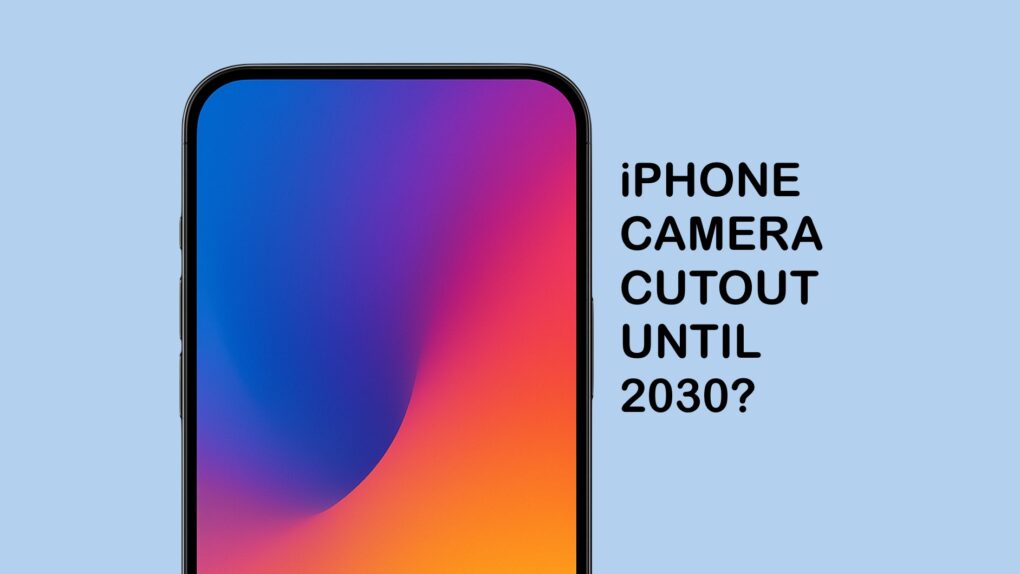
The gradual process of reducing the size of the iPhone screen cutout that’s been ongoing for years will continue, but the front-facing camera will remain visible until 2030, according to a reliable source of leaked Apple info.
Getting the various scanners to work well from behind the iPhone’s OLED panel isn’t a trivial task.
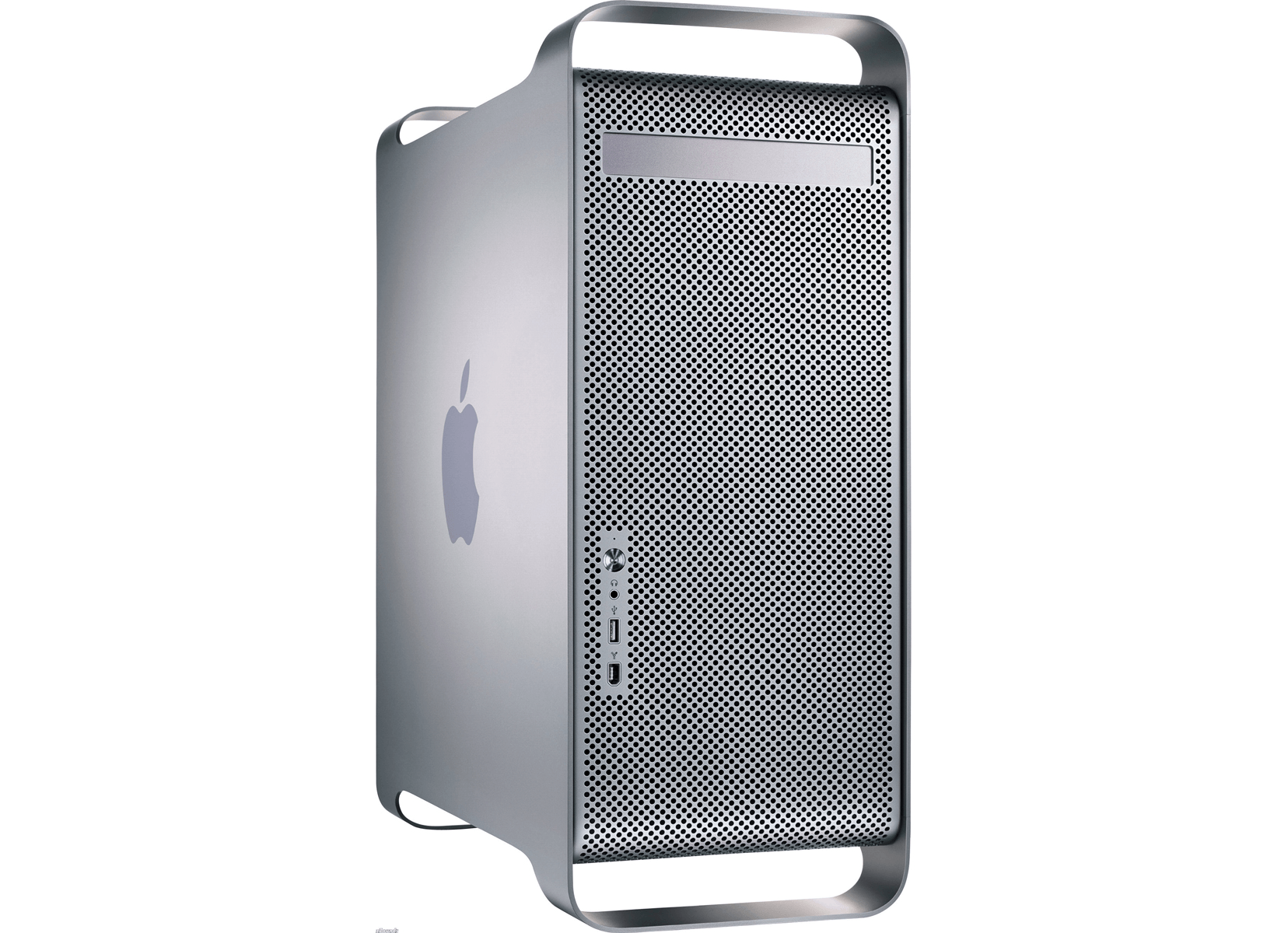
 June 23, 2003: Apple launches its gorgeous Power Mac G5, a powerhouse desktop computer with a perforated aluminum chassis that earns it the affectionate nickname “the cheese grater.”
Starting at an affordable $1,999 (nearly $3,500 in today’s money, adjusted for inflation), the Power Mac G5 is the world’s first 64-bit personal computer. It’s also Apple’s fastest machine yet.

 June 22, 2009: Steve Jobs returns to work at Apple, a couple months after undergoing a liver transplant as part of his treatment for pancreatic cancer.
Although Jobs has been steadily getting back into work for the past several weeks, the news is made official when a quote from him appears on a June 22 press release about iPhone 3GS sales. An Apple employee also alerts the media after spotting Jobs on campus.
With his return confirmed, everyone wants to know how long Jobs will continue to lead Apple.
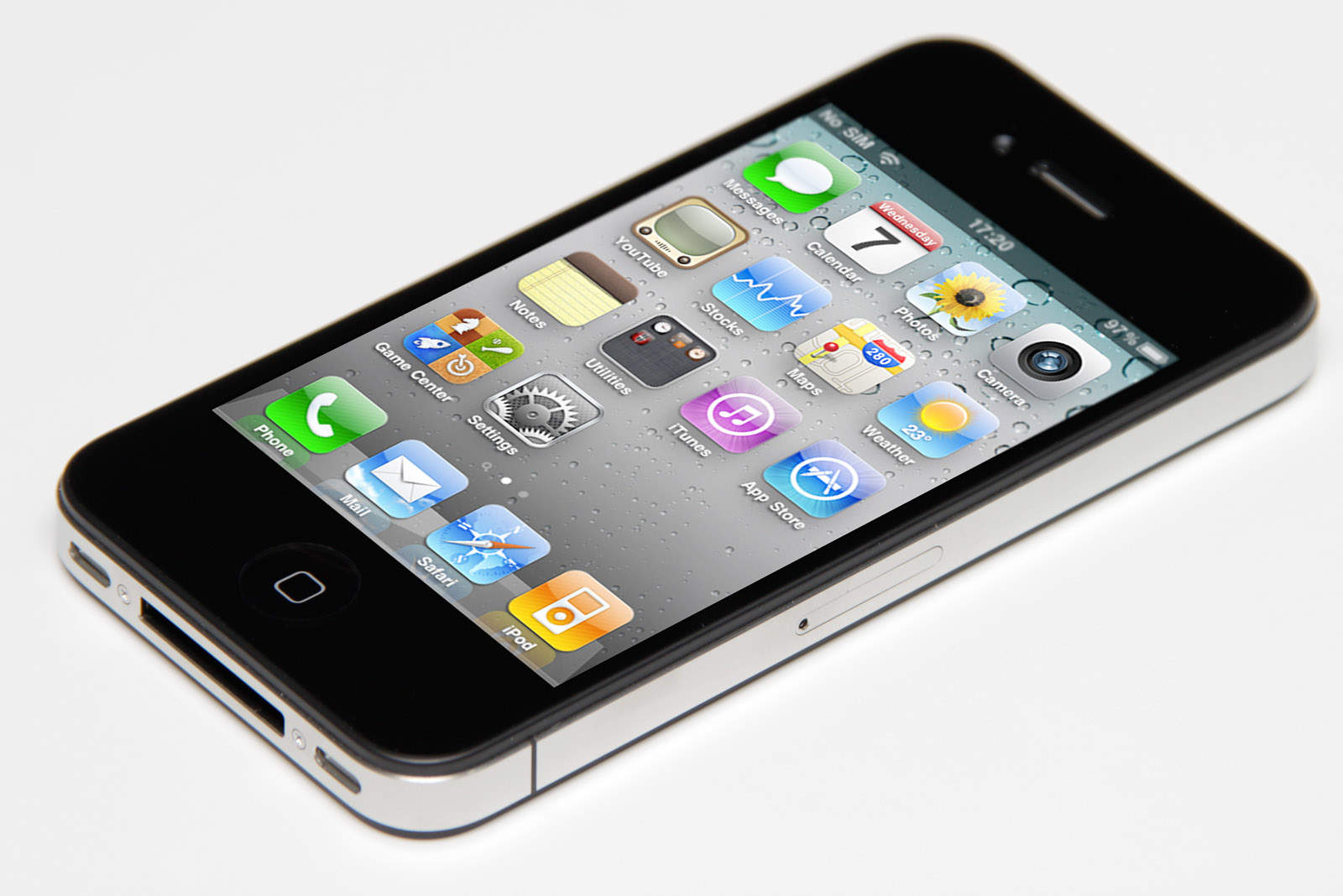
 June 21, 2010: Apple releases iOS 4, which introduces a range of productivity features as well as the FaceTime videotelephony service. The iOS 4 launch represents a big step forward for Apple’s flourishing mobile devices.
Due to the arrival of the first-gen iPad earlier in the year, iOS 4 also brings a transition from the mobile operating system’s original name, “iPhone OS.”

Apple reportedly held internal discussions to acquire AI startup Perplexity AI. The latter is an AI-powered search engine. It uses a large language model (LLM) to process the answers and presents them in an easier-to-understand format.
The discussions inside Apple are seemingly at an early level, and it may not even officially provide an offer to the young startup.
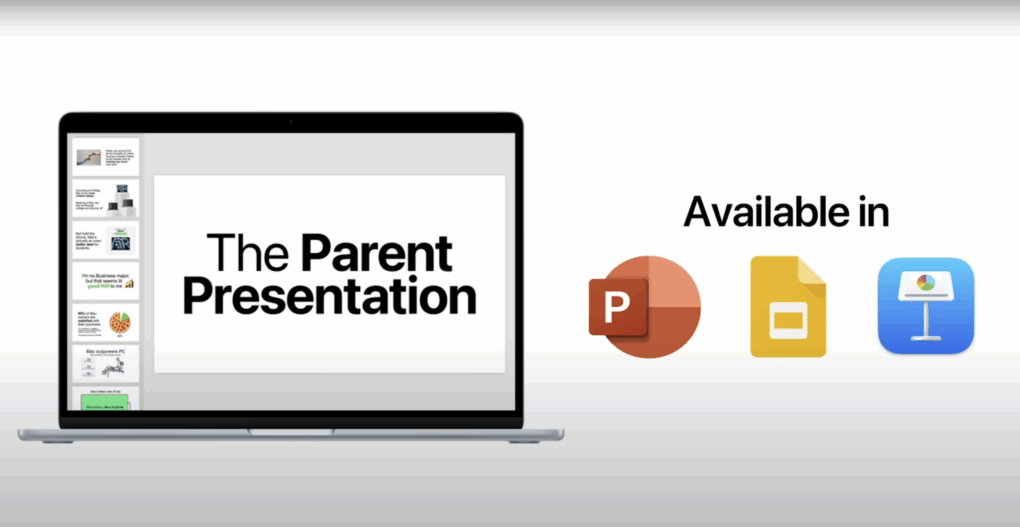
Apple posted a clever new marketing tool Friday that puts students in charge of making their own sales pitch — a customizable template called The Parent Presentation, designed to help convince parents that a Mac is essential for college success. And it comes complete with a video demo by comedian and Saturday Night Live performer Martin Herlihy (part of the trio behind those Please Don’t Destroy digital shorts videos, which are a lot funnier than his work here, to be honest).
Update: Apple made the YouTube video private for unknown reasons Saturday. It remains offline, although The Parent Presentation is still available as a free download.
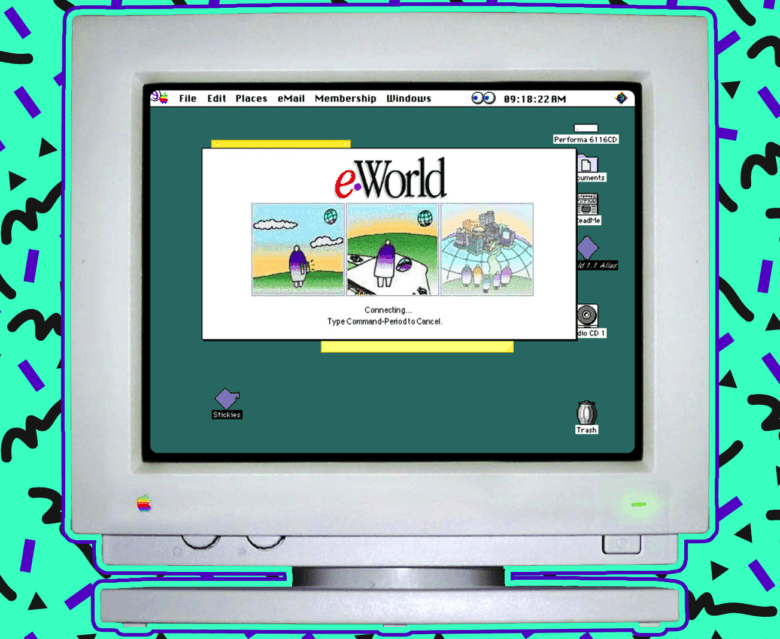
 June 20, 1994: Apple launches eWorld, a subscription service for Mac owners that’s designed to compete with America Online and other nascent online properties. Part messaging service and part news aggregator, the early internet service gives customers access to email, a bulletin board, and software downloads and support.
Apple envisions eWorld, which runs on Macs and Apple IIGS computers, competing with heavy hitters like AOL, Delphi, CompuServe and Prodigy. Unfortunately, Apple’s online service is doomed from the start.
 ★★★★☆
★★★★☆
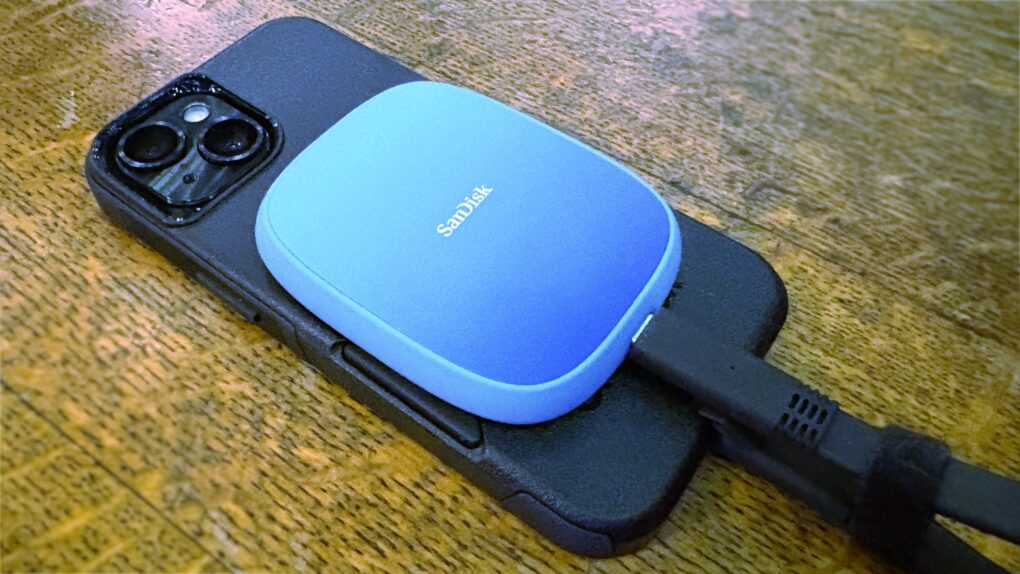
SanDisk designed its Creator Phone SSD specifically for people recording large amounts of 4K ProRes video with a recent iPhone Pro/Pro Max model. The MagSafe drive magnetically attaches to the back of the handset so it’s out of the way during filming.
It holds up to 2TB of data without making the handset difficult to film with. And transferring data to a Mac for editing is a snap.
I tested the SSD with my iPhone and it worked very well. But the cable is bulkier than it should be.
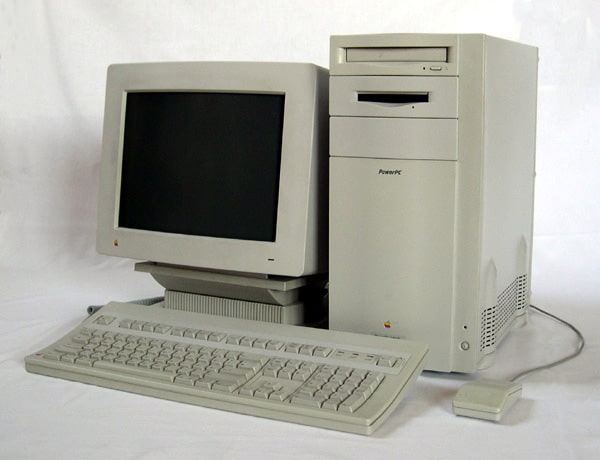
 June 19, 1995: Apple releases the Power Macintosh 9500, a high-end Mac that boasts a second-generation PowerPC chip that’s much faster than its predecessor.
The Power Mac 9500 is also significant for having six Peripheral Component Interconnect, or PCI, slots. They allow owners to attach hardware using Intel’s industry-standard connection. Along with seven bays for internal drives and a swappable daughterboard, this makes the 9500 the most expandable Power Mac ever produced.