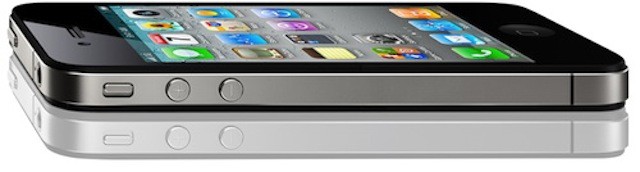
New technologies could make the next iPhone significantly thinner than its predecessor.
Dreams of getting our mucky mitts on a super speedy LTE-enabled iPhone in 2011 have just been quashed by a new report which claims Apple’s plans to release an ‘iPhone 4S’ later this year have gone down the pan.
Apple’s had patents float through the USPTO, hinting that they were working on a new technology that could let you just swipe a future iPhone’s display over a document to scan it and translate it into OCR text. Now a new patent has emerged, and it fits another piece into the puzzle.
As we reported yesterday, Apple’s planning something absolutely huge at its retail stores across the country this weekend, possibly to celebrate their 10th Apple Store anniversary. But what could it be? A new product or service? Discounts or goodie bags?
Possibly, but another rumor’s starting to form: Apple is prepping for the September launch of the next iPhone by getting their retail stores equipped to take NFC payments.
An Apple job listing for a “Carrier Engineer” located near the Sprint headquarters in Kansas City, Missouri, has sparked speculation that Sprint could soon be the third U.S. carrier to adopt the iPhone.
Rumors are circulating about a new design feature in the upcoming iPhone 5: An edge-to-edge screen.
The scuttlebutt originated a couple of months ago with a post on iDealsChina, and has been re-enforced by the appearance of a case for such a design on AliBaba, a disreputable online clearinghouse for buying cheap crap from China.
It all sounds pretty shady, but these kinds of sources predicted other Apple products in the past. Even more compelling is that the Wall Street Journal claims a source that has seen a prototype of such a design.
The rumor is either true or false. Who knows? Regardless, an edge-to-edge screen makes sense. If it’s possible to engineer, it’s likely to be built.
Here’s why: There is a fundamental tension in mobile design between minimum case size and maximum screen real estate. For the overall size of the phone or tablet: the smaller, the better. For the size of the screen: the bigger, the better.
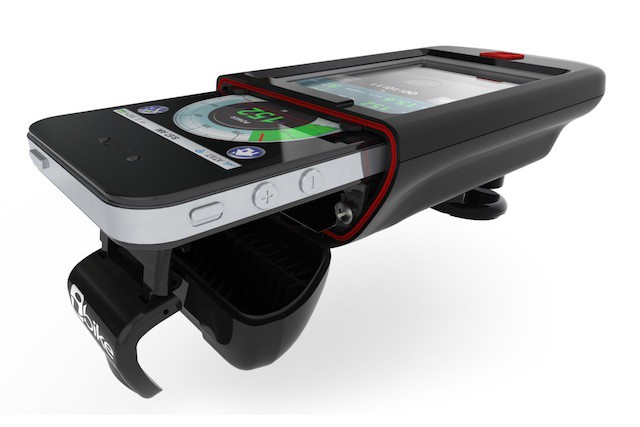
Seems practically everyone has cottoned on to the idea that the iPhone makes for a stellar cycling computer — because hardware that turns the iPhone into a feature-packed riding companion keeps popping up. The latest is Velocomp’s iBike Dash series of app-enhanced hardware stashed inside their waterproof Phone Booth case that work with its free iBike app.
The unit starts out at $200 for the waterproof case with built-in ANT+ receiver and a speed sensor for your bike; $329 will bag you the Deluxe kit that adds a heart-rate strap, cadence sensor and supplemental battery for the iPhone. Velocomp also sells the Phone Booth case only — without the ANT+ electronics in it — for $50.
The waterproof case looks pretty rugged, but pricing strikes us as a tad steep compared with other kits out there from Wahoo, Digifit and New Potato Technologies (even though we were less-than-enthusiastic about the latter).
The hits just keep coming from Cupertino. Apple is breathing down the neck of cell phone giant Nokia, posting triple-digit year-over-year growth in smartphones — and climbing to the 35th spot on the Fortune 500 list of U.S. corporations.
Apple “not only continues to expand its reach in existing markets, it also keeps creating new ones,” lauds Fortune. The iPad maker not only “showed the world the power of tablet computing” but also introduced the iPad, “one of the most highly anticipated electronic products this year.” The tech giant rose more than 20 places on the vaunted list compared to 2010, when Apple ranked 56th.
A shameless clone of the popular Canabalt running game for iOS has passed Apple’s approval process and is now available in the App Store. Free Running uses the Canabalt source code and makes no effort to be different or hide its imitation.
Canabalt’s source code was released by its developer last year so that other developers code use its game engine to create their own games. It was released under an MIT open source license, and its developer makes it clear that other developers cannot “distribute or redistribute [the] game code, art or sounds.”
PLD Soft have done exactly that with Free Running; taking the code, repackaging it with little to no changes, and submitting it to the App Store under a new name. Unfortunately for the great Canabalt, Apple approved it, leading to questions about its App Store approval process.