Apple has been sued by THX, the company founded by Star Wars producer George Lucas, in a patent case filed in a federal court in Northern California. The case was part of a list of new filings in the court clerk’s office, Bloombergreports.
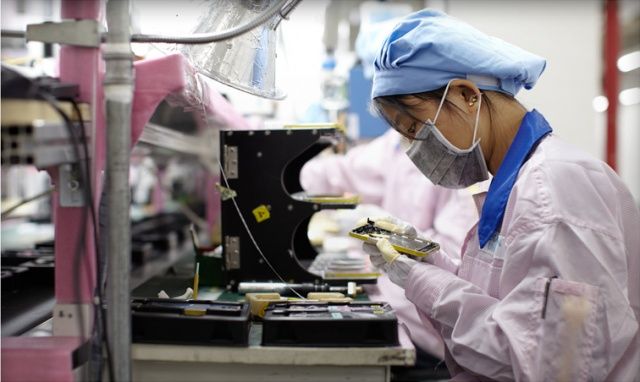
This photograph of a Foxconn line worker working on what appears to be a yellow iPhone 5 is doing the rounds, with the suggestion being that Apple slipped up and accidentally leaked an upcoming colored iPhone on their System Reliability page.
I have no idea if Apple will colorize the iPhone 5S, but I can comfortably say that Apple’s not that stupid, and isn’t going to leak a photo of an upcoming product on their own website. That’s not a urine yellow iPhone 5S: it’s an iPhone 5 with a yellow protective coating to keep the bezel from being scraped or chipped during manufacturing.
It seems you can’t go anywhere these days without seeing an advert for the iPhone. They’re on billboards in the street, they’re there when you switch on the TV, and you’ll also find them in newspapers and magazines. But believe it or not, there’s one company that spends more — a lot more! — on advertising its smartphones than Apple does.
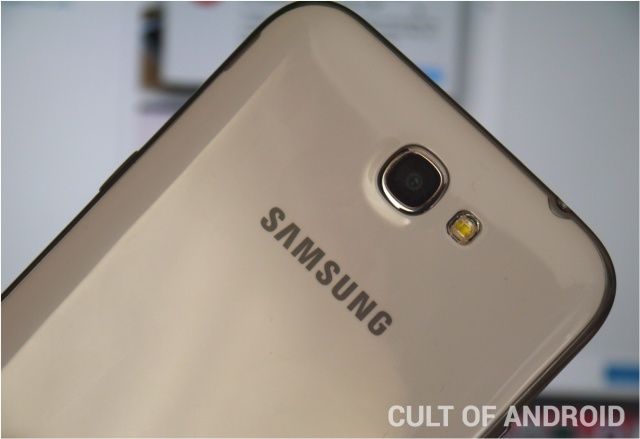
That company is Samsung. In 2012, Samsung outspent Apple by more than three to one in smartphone advertising, with a number of large campaigns on TV, in print, and on the Internet. In total, the Korean company spent $401 million advertising its phones.
Apple’s latest ad campaign for the iPad has been somewhat underwhelming, but that’s not stopping Cupertino from bringing the same format to some new iPhone 5 ads.
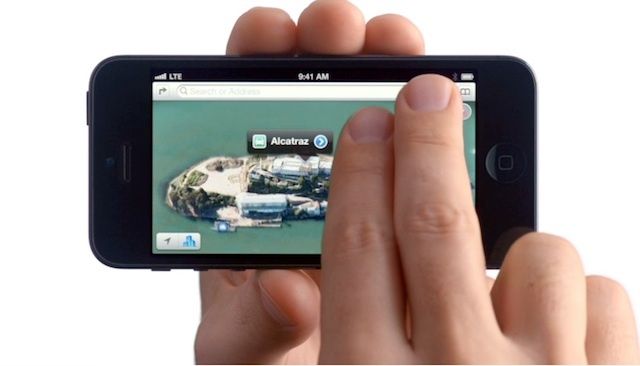
Apple just unveiled the two new iPhone 5 ads called ‘Discover’ and ‘Brilliant’ that show off features like Apple Maps 3D Flyover feature, Garage Band for iOS, Yelp, Hue light bulbs, Cards, and much more.
Apple is edging closer towards a settlement with Brazilian telecommunications firm IGB Eletronica over the “iPhone” trademark. IGB owns the brand Gradiente, which obtained the trademark in 2007 — the same year Apple announced its popular smartphone. The company has been keen to prevent Apple from using it, but it appears it’s now willing to reach a deal.
Apple hasn’t announced the iPhone 5S yet, but Chinese clone specialist GooPhone has already created a cheap knockoff of it. And it has done a pretty incredible job. As you’ll see in the video below, the “i5S” looks identical to the real thing, and you probably wouldn’t even know it was a clone. That is, until you started using it.
Samsung smartphones outsold those from rivals Apple, Nokia, and Lenovo in China throughout 2012, allowing the Korean company to claim the biggest share of the Chinese smartphone market, according to the latest report from Strategy Analytics.
Nokia had claimed the top spot in 2011, but the Finnish firm has struggled to compete with Samsung’s Galaxy devices this time around, and couldn’t even make its way into the top five.
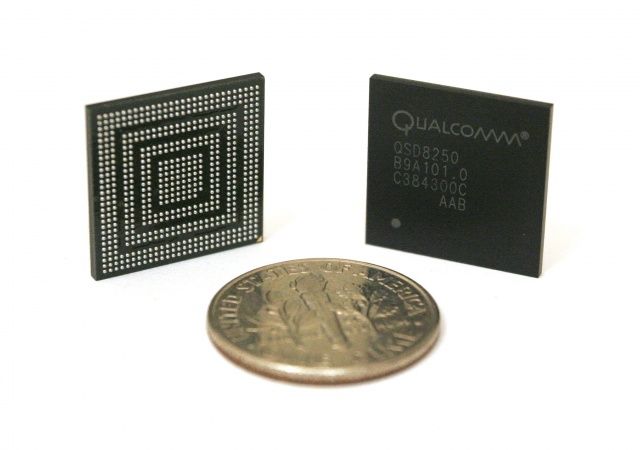
China Times is reporting this morning that Apple is going to save costs on a budget iPhone for emerging markets by using a 28nm Snapdragon SoC which has Bluetooth, WiFi and 3G all on the same chip, but wouldn’t support LTE.
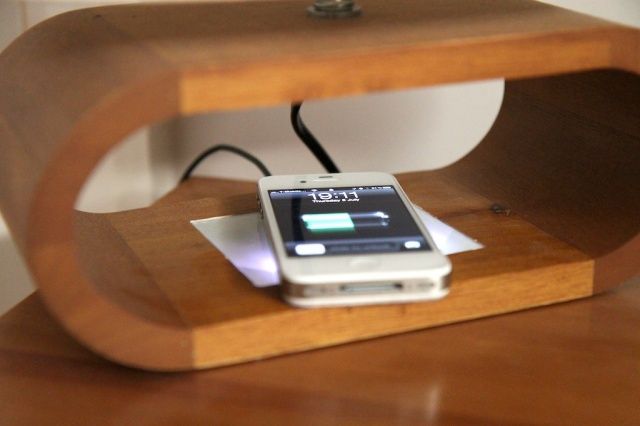
Apple and Samsung are both looking to bring wireless charging to their smartphones this year, following in the footsteps of rivals like Nokia, LG, and HTC. The feature will come to flagship devices, such as the upcoming Galaxy S IV, according to industry sources who have been speaking to DigiTimes.
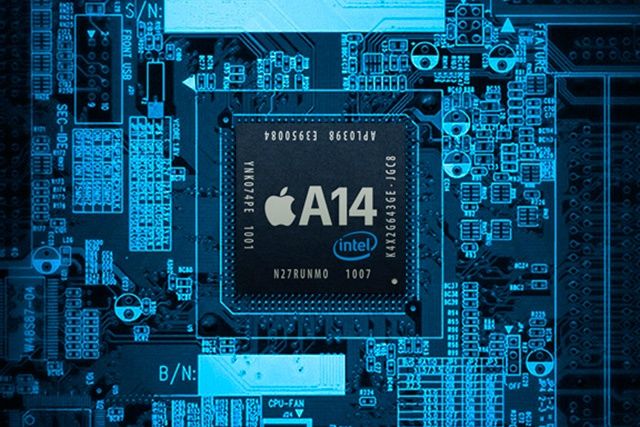
Intel and Apple, teaming up to make A-series chips for the iPhone and iPad? That’s what the rumors are saying, with a recent Reuters report going so far as to claim that executives from both companies have actually met to discuss the possibility of the x86 maker pumping out ARM chips custom designed by Apple!
“Intel Once Again Rumored To Be Working On iOS Device Chips With Apple,” read our headline this morning. But would Intel really cash in on its x86 heritage to make ARM chips? And if Apple did switch, would that really be a win for everyone?
The short answer? Yes, Intel would make ARM chips for Apple. But no, it probably wouldn’t be a win for either company. Here’s why.