Mobile menu toggle

Search results for: Apple One

Apple believes Congress should decide iPhone privacy case

By

20150923_iphone-6s_0010-780x535
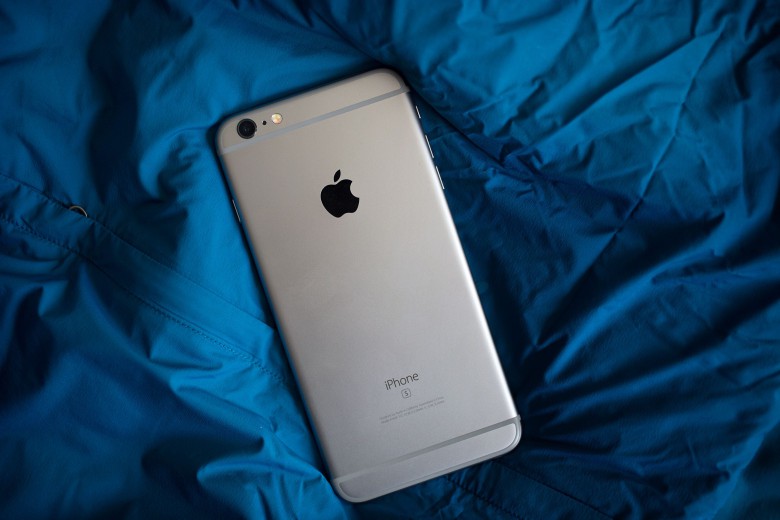
Maybe Apple's lobbying will help it come to a swift resolution.
Photo: Jim Merithew/Cult of Mac

The current Apple vs. the FBI privacy case is fast becoming one of the biggest tech stories of 2016. But Apple clearly believes it ought to be elevated even higher — telling a federal judge this week that the case should be kicked up to Congress level, instead of being decided by courts.

No precedent, eh? Justice Department wants Apple to unlock 12 more iPhones

By

iPhone 6s
Did anyone seriously believe this wasn't going to happen?
Photo: Jim Merithew/Cult of Mac
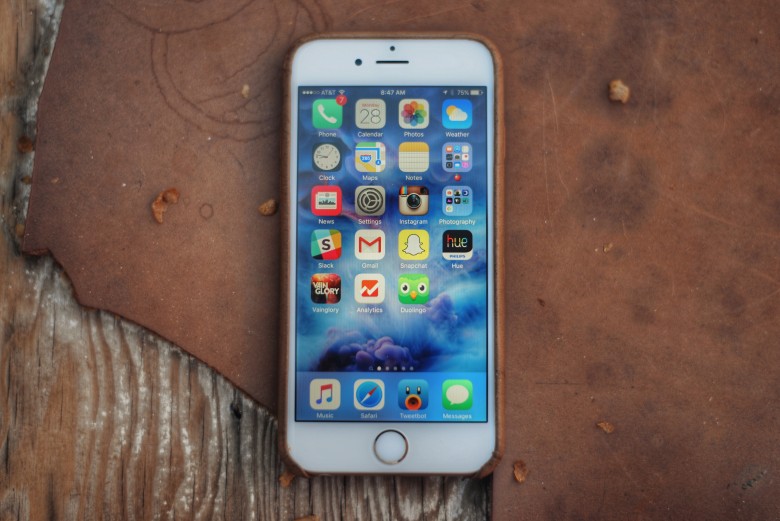
FBI director James Comey and his supporters suggest that making Apple break its iPhone encryption for the San Bernardino shooter case would be a one-off event, and not the start of a slippery slope into unwanted surveillance.

Well, it seems that someone needs to tell the Department of Justice that, because the D.O.J. is reportedly salivating at the thought of being able to hack iPhones for criminal investigations — with court orders being filed for Apple to help extract iPhone data in a further dozen cases around the U.S.

Bill Gates insists Apple should help the FBI unlock iPhone

By

Steve Jobs and Bill Gates, rivals and friends.
On this occasion, it's Bill Gates who is thinking different.
Photo: AllThingsD

We’re decades removed from Bill Gates’ vicious battle against Steve Jobs, but Gates isn’t quite as ready as some of his contemporaries to side with Apple concerning one of tech’s biggest stories of 2016.

In a new interview, Gates defies Silicon Valley consensus, arguing that Apple should create an FBI backdoor for the iPhone — and siding with FBI director James Comey by suggesting that this wouldn’t, in fact, set a dangerous precedent for the possibility of future snooping.

Apple fights the FBI, get more HD space, secret iPhone emoticons and more

By

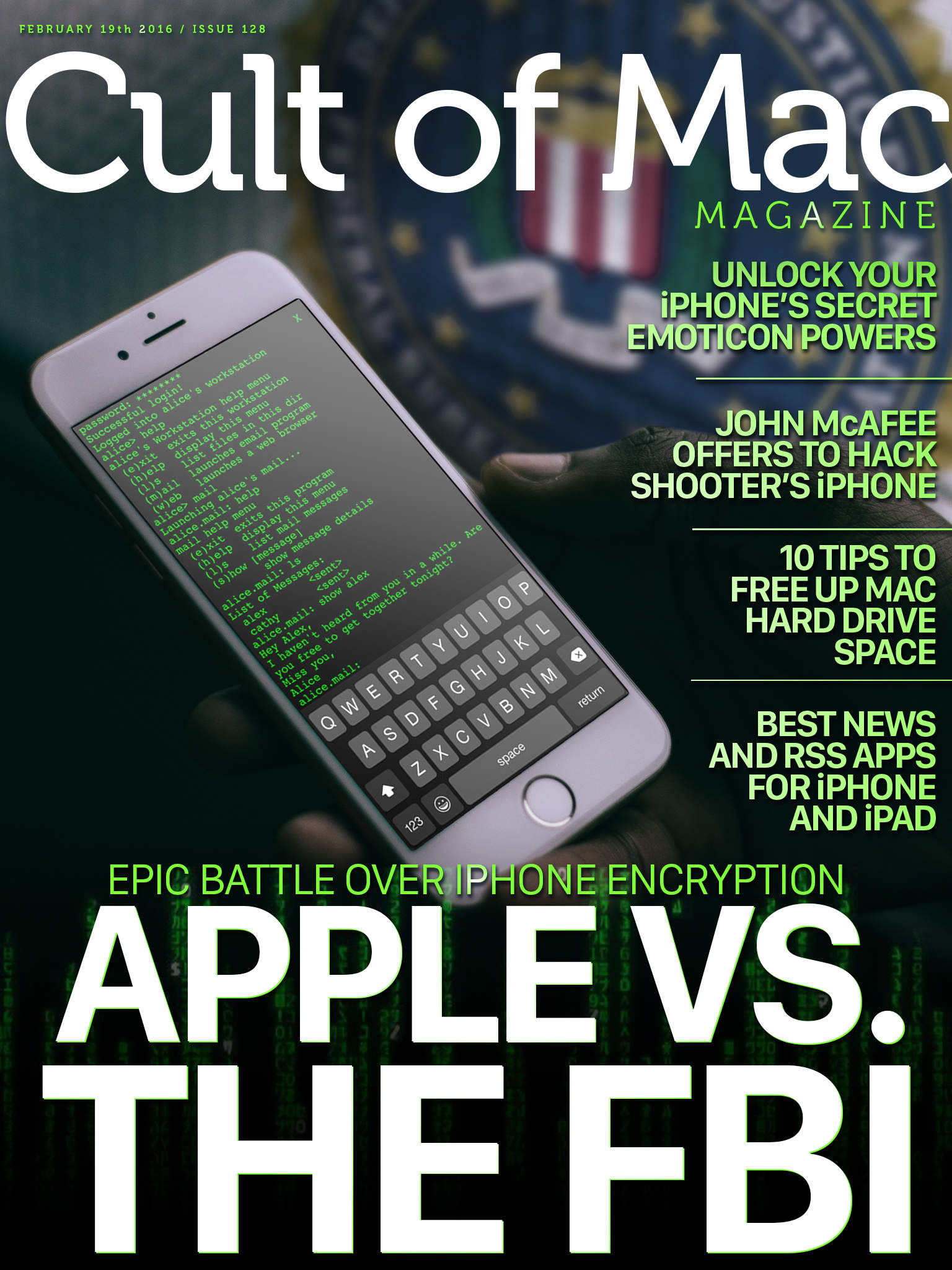
Apple takes on the FBI.
Cover Design: Stephen Smith/Cult of Mac

Tim Cook sparked an internet controversy when he penned his open letter to Apple customers about why the tech giant was pushing back against a court order to create an FBI-friendly version of its iOS software.

Find out more about Apple’s epic battle over iPhone encryption, along with how to unlock your iPhones secret emoticons, 10 hard drive space-saving tips, the best news and RSS apps for your iOS devices, and a bit about John McAfee’s bid to hack the iPhone for the FBI.

All that and much more in this week’s Cult of Mac Magazine. Here are the top stories this week.

iPhone user Donald Trump calls for Apple boycott

By

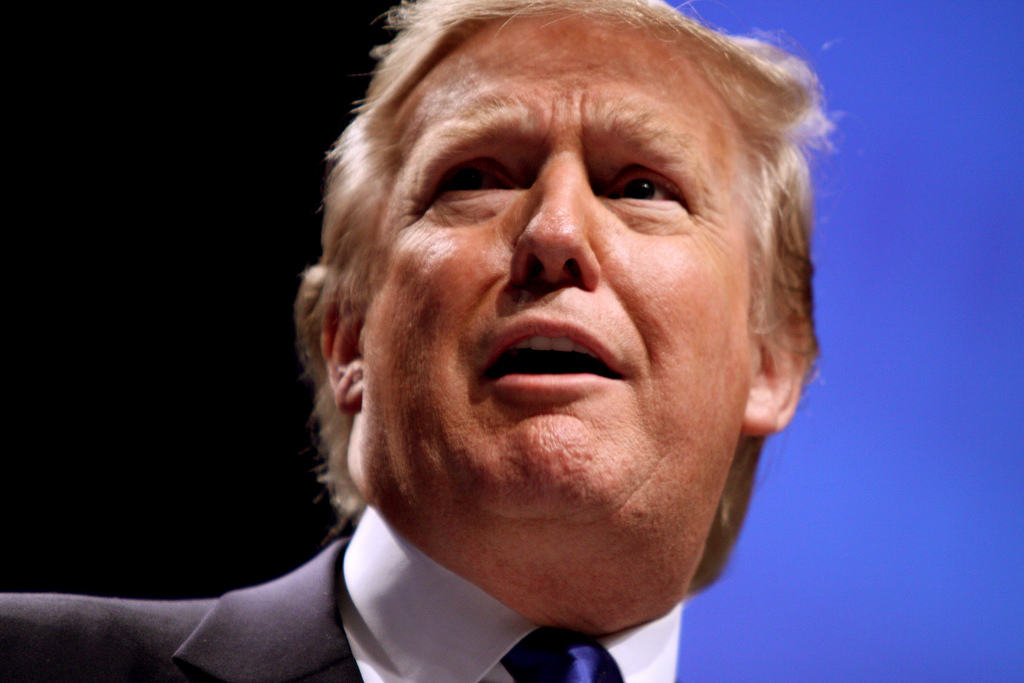
Yeah, we're pretty incredulous about your ideas, too, Mr. Trump.
The brief has been successful despite support from big companies.
Photo: Gage Skidmore/Flickr CC

Donald Trump has threaten to permanently switch to Samsung if Apple doesn’t give in to the federal government’s demands, and he’s calling on all his followers to do the same.

At a rally in South Carolina this morning the US presidential candidate says that citizens should boycott Apple products until the company hands over the PIN to one of the San Bernardino terrorist’s iPhone 5c. Trump neglected to mention though that nearly all his tweets come from an iPhone.

One way to keep iPhones secure: Let Apple look inside, not the FBI

By

john-sculley
Former Apple CEO John Sculley has an interesting idea about how Apple might approach the FBI's request.
Photo: Web Summit/Flickr CC

There are plenty of opposing views about how Apple should handle the FBI’s demand to create a backdoor to unlock a dead terrorist’s iPhone.

One idea we haven’t heard before, however, is a concept put forward by former Apple CEO John Sculley: Cupertino could help provide the desired information, but Apple (not the government) could be in charge of reading the messages.

Apple’s new plan lets you trade in old iPhone for an upgrade

By

iPhone 6S
Upgrading has never been more tempting.
Photo: Buster Hein/Cult of Mac

Apple is launching a new strategy to get customers to ditch their old iPhones for a new model by combining aspects of its two upgrade programs to create the “Trade Up With Installments” plan.

The new program lets customers trade in an old iPhone or Android (they’ll even take Windows phones if you can find one). Apple will then apply the value of the old device toward a new iPhone and let you pay off the rest of the purchase price over 24 months.

Crowd at San Francisco Apple Store protests FBI’s iPhone backdoor request

By

Screen Shot 2016-02-18 at 10.25.15
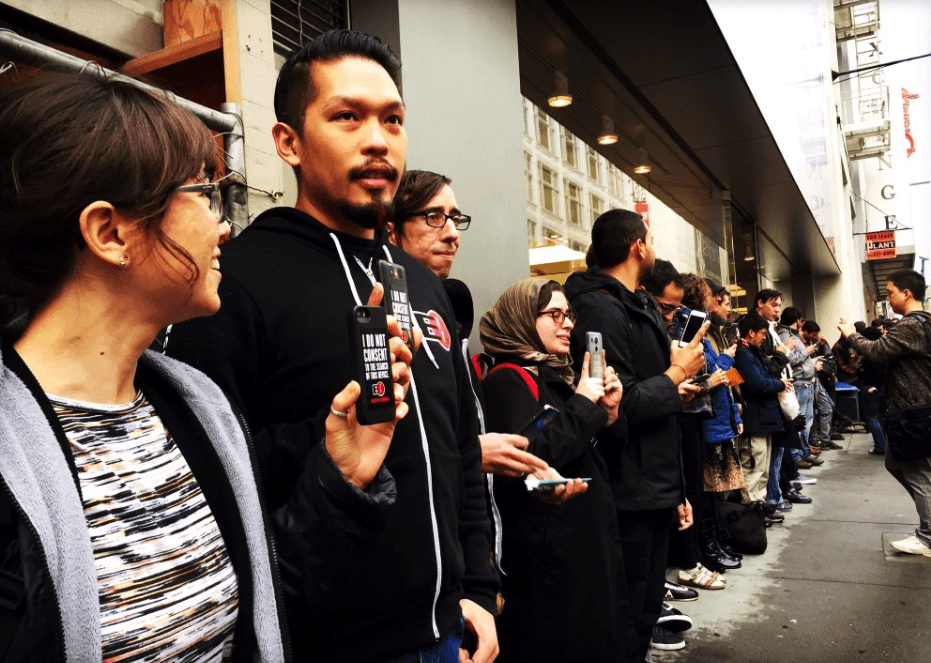
Protestors show their support for Apple.
Photo: DocPop CC

A crowd of several dozen protesters gathered in front of Apple’s flagship retail store in Francisco last night to protest the U.S. government’s attempt to force Apple to aid the FBI in hacking into an iPhone.

Ranging from privacy advocates to casual iPhone owners, the crowd argued that such a move sets a dangerous precedent that threatens the safety and security of millions of iOS users around the world.

How Apple could hack terrorist’s iPhone for FBI (if it wanted to)

By

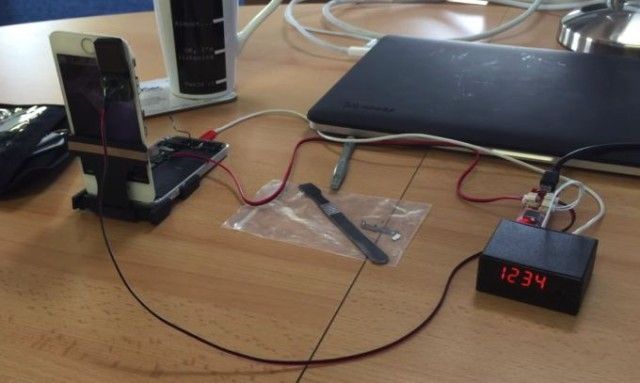
This tool can unlock any iPhone's PIN.
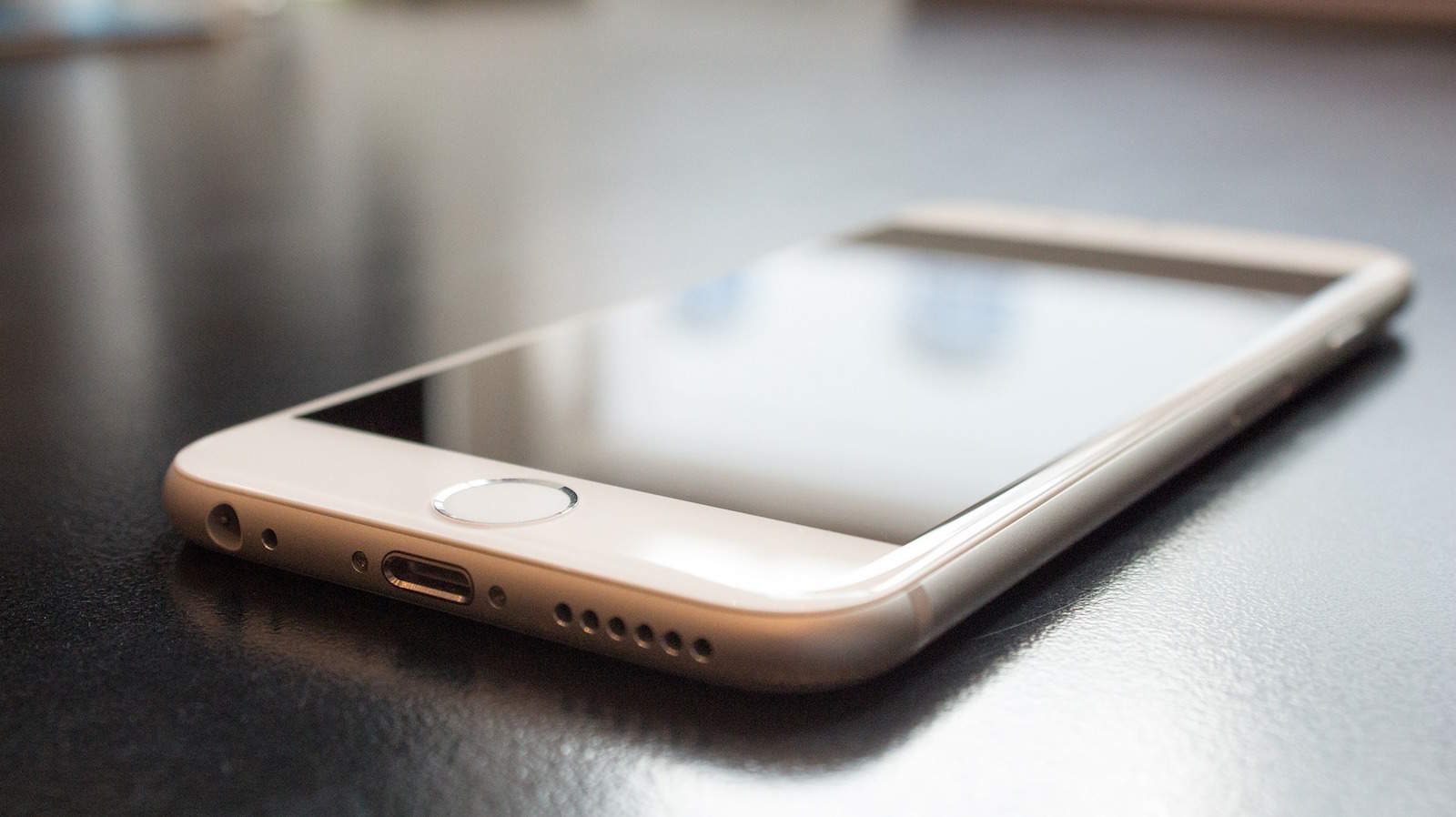
Open up! The FBI wants in.
Photo: Jim Merithew/Cult of Mac
A federal judge has ordered Apple to comply with the FBI’s demands to unlock the San Bernardino terrorist’s iPhone 5c. Apple CEO Tim Cook has boldly and politely refused. However, his reason has nothing to do with whether Apple has the ability to hack the iPhone.

It simply doesn’t want to.

Apple has spent the past few years making its devices more secure by adding Touch ID and a secure element. The iPhone 5c doesn’t have Touch ID, though, so the FBI wants to brute-force unlock it by guessing the terrorist’s PIN. The problem is, iOS will automatically wipe the device after too many unsuccessful attempts — and iOS also delays how often you can guess a passcode. So the FBI created a plan for how Apple can help the bureau get around it.