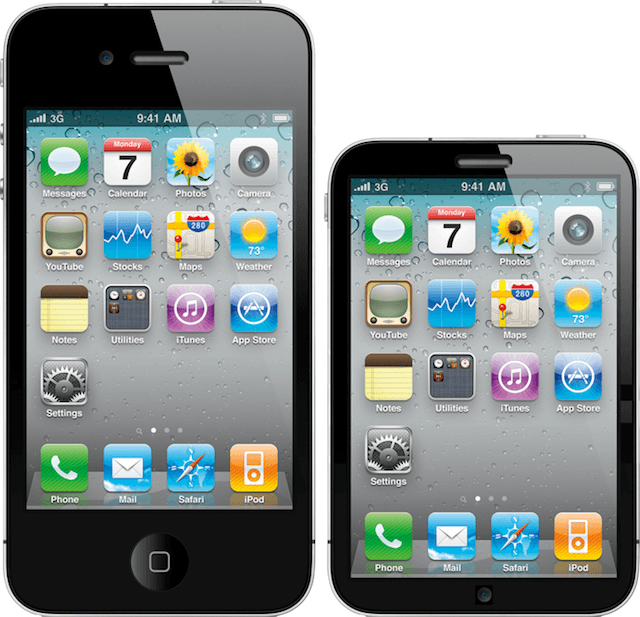
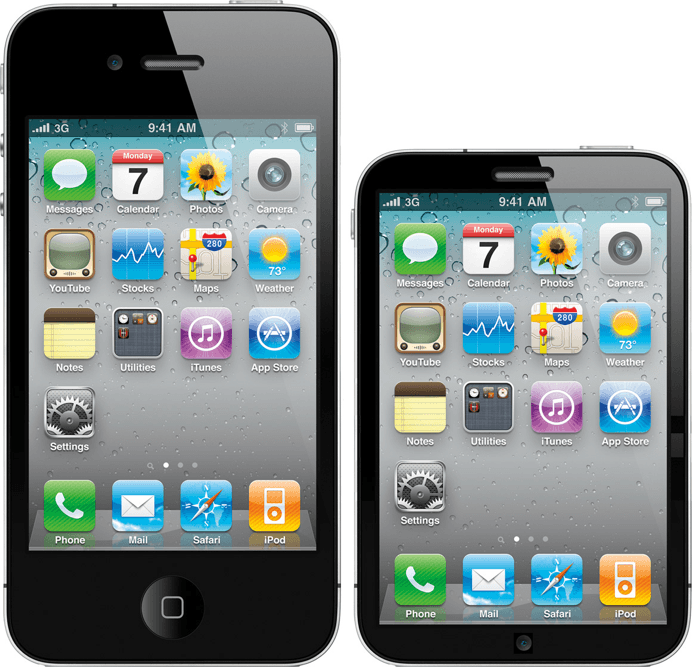
The iPhone nano mockups are coming in thick and fast.
The one above is by iOSboy. It has the same screen size as the full-size iPhone to make it easy for app developers. But he’s put the camera on the bottom. Does that make sense?
Yesterday, Intel announced a massive hardware recall that surely stopped the hearts of a few investors: the Cougar Point chipset used for their cutting-edge Sandy Bridge CPU had a hardware bug that caused the SATA 3GB/s port to degrade over time, potentially harming hard drives and other devices connected to it.
All things considered, it’s not actually a huge issue. Intel expects that over 3 years of use it would see a failure rate of approximately 5 – 15% depending on usage model. Still, at the end of the day, Intel expects to spend a billion dollars recalling and replacing the chipset. Oof.
The good news, of course, is that a Mac owner, this won’t affect your current system a whit: there aren’t any Macs available with Sandy Bridge just yet. Here’s the bad news, though. That imminent imminent Sandy Bridge MacBook Pro refresh? That might get delayed.
Flying is always a bit of a conflicted experience for me. On the one hand, I’m off on an adventure; on the other, I have to deal with unpredictable flight schedules, labyrinthine terminals and $9 burritos. But FlightTrack Pro — with its attractive, clean-looking pages offering an abundance of detailed information — makes everything better (except the burrito prices).
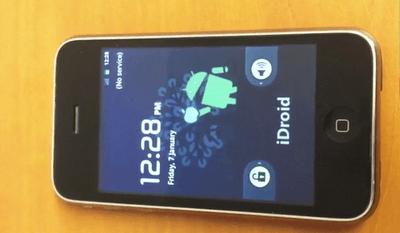
There can only be so many good reasons as to why someone would feel compelled to do this, but apparently, some ingenuitive hackers have managed to get Android 2.3 Gingerbread ported to an iPhone 3G.
After several weeks of work, Nick Pack and others have found a way to install the Android OS on an iPhone 3G, using the OpeniBoot software that has been used on previous ports. OpeniBoot is an open source implementation of iBoot for iOS devices, which allows booting of unsigned code, such as Linux kernels, on the device.
A work in the 12LVE series by digital artist, Michael Tompert
There’s a lot more happening in the Cupertino-centric world than the usual porn-unboxing videos and edible iPhones: here are the most bizarre moments involving Apple in 2010 — from severed appendages to exploded iDevices as art and spy evangelists.
We start the day off with bargains on applications for the iPad and iPhone. First up is a new crop of price drops for Apple’s tablet, including “Spirit HD,” a puzzle. A number of iPhone apps are offered for no cost, including “X Invasion 2: Extreme Combat.” The deal spotlight wraps up with the just-announced new MacBook Air computers, including a $999 unit that includes an 11.6-inch screen, 1.4GHz Core 2 Duo processor and 64GB of solid state storage.
Along the way, we also take a look at other iPhone applications, as well as a rubber bumper for your iPhone, a 27-inch LED Cinema Display and Apple’s new iLife ’11 software bundle. As always, details on these and many other bargains can be found at CoM’s “Daily Deals” page right after the jump.
Apple made a lot of changes to iTunes when it introduced version 10. A lot of those changes were cosmetic, but some of them included removing features like ringtone creation. Luckily, you can make your own ringtones out of any song in iTunes 10 using these nine easy steps.
All you need to get started is a copy of iTunes 10 installed on your Mac and your music library.
Cheap Chinese knockoffs of the iPhone 4 are a dime-a-dozen, but this new handset runs Android 2.1, Google’s ever-improving mobile OS.
It’s actually a dual-boot phone. It also runs Windows Mobile 6.5 (yuck!). It has a 3.6-inch capacitive touch-screen with multi-touch controls. It comes with 512MB of RAM and includes a 5 megapixel camera with auto-focus.
It costs about $257, which is a bargain. It might be worth looking for one of these on eBay. The ability to run Android is a game-changer for knockoffs. For the first time, the software won’t totally suck.
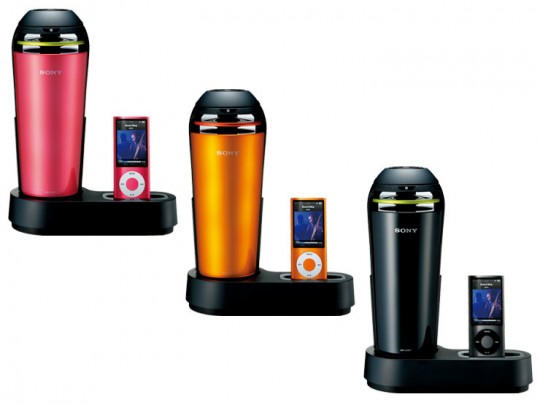
Sony’s attractive new line of speakers might look like some strange hybrid between a thermos and an iPod dock, but there’s no madness behind the weird engineering of the Sony SRS-V500IP… just smart, practical design.
You see, the thermos or travel-mug-like pod you see above is actually a removable speaker, inside of which is Sony’s Circle Sound Stage System, which blasts 16 watts of stereo in a 360 degree bubble. Use it at home and that sound pod sits in a bundled iPod cradle, but if you want to beef up your car’s stereo, you can remove it, hook it up to your in-car power adapter and position it in your vehicle’s drink tray. Cute.
The Sony SRS-V500IP is available now for just $239.99
Dealing with overheating engines by running cold air over them is fine for old Volkswagen Beetles with almost the horsepower of an electric toothbrush and weird French cars (I know, the word “weird” there is redundant). As engines have become more powerful though, air-cooling has become less attractive — at least, in the automotive world. Computers still lag behind though. Mostly.
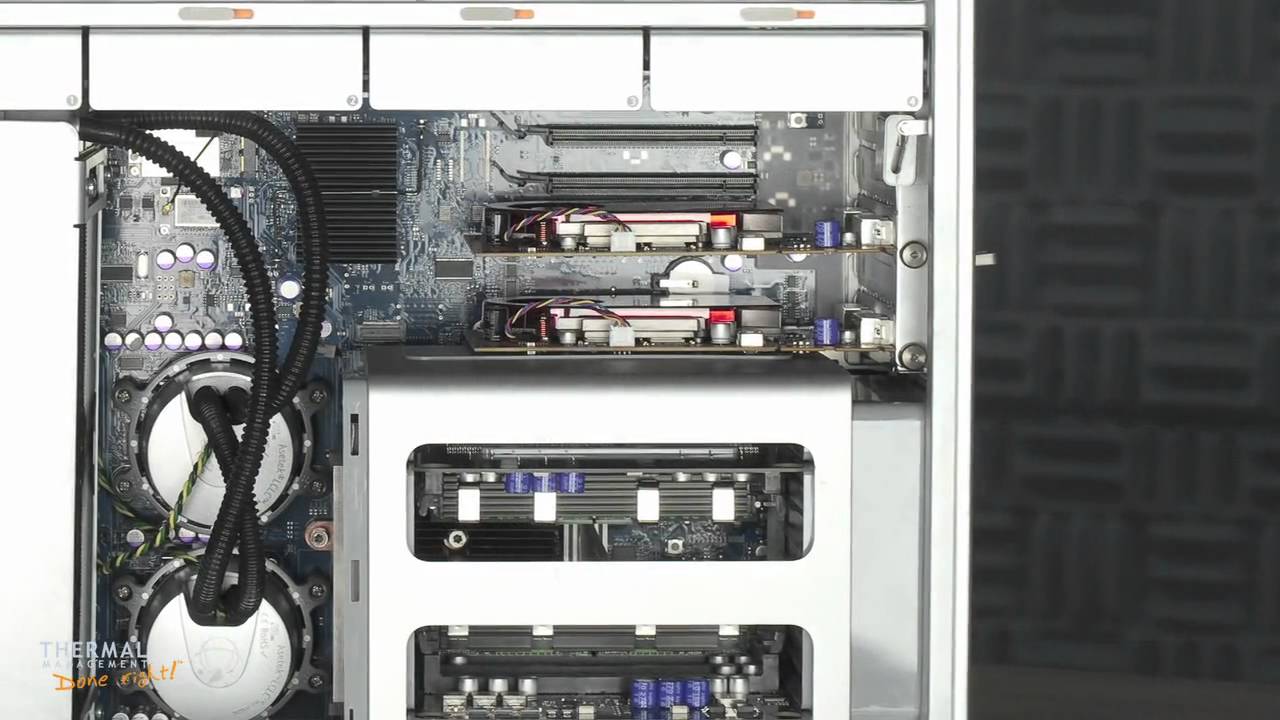
Zack Fanning, who handles (surprise) marketing for computer cooling system expert Asetek, asked the outfit’s engineers to mod his Mac Pro with a liquid cooling system. The results are pretty interesting: He’s able to overclock his 2.8 ghz Mac Pro to 3.18 while reducing noise — due to the fan not having to work as hard — by 13 decibels over a strictly air-cooled Mac Pro running at the same speed. Pretty cool.
Want one? While Zack’s is a one-off, lovingly handcrafted custom job, Corsair’s H50 liquid cooling system (actually made for them by Asetek) can be had for about $80; just make sure to check first about compatibility, because the H50’ll only work with later-model Mac Pros.