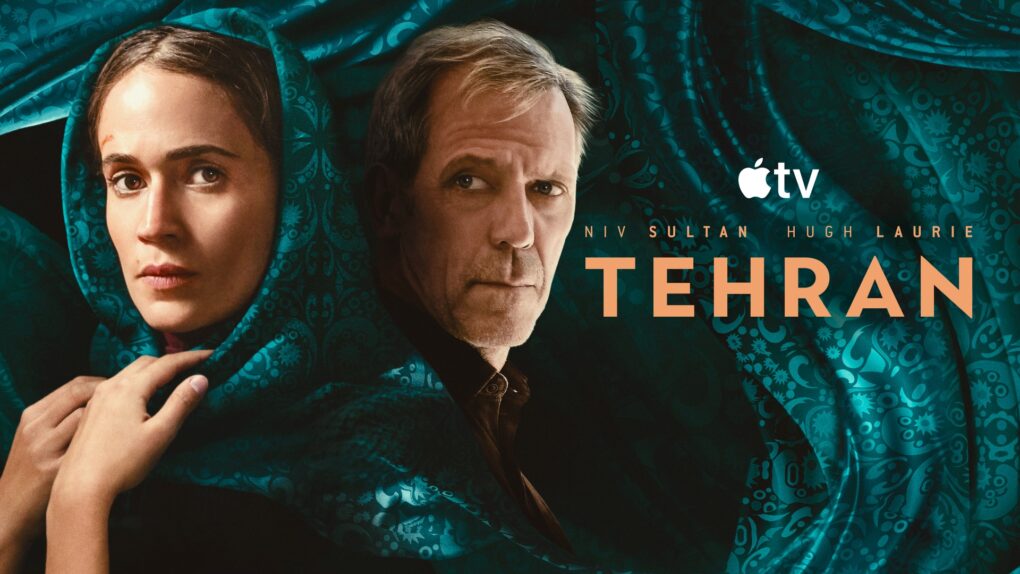
In the crowded landscape of spy shows and movies, Apple TV’s Tehran cuts through the noise with a visceral intensity few titles can match. This Israeli thriller, which started airing season three on January 9, doesn’t just tell a spy story. It grabs you by the throat from the first frame and doesn’t let go until the credits roll.
For anyone who’s ever found themselves disappointed by the too-fast or too-slow pacing or predictable plotting of typical spy dramas, Tehran, now streaming season three (with a fourth on the way), offers a masterclass in sustained tension and genuine surprise. That makes it easy to forgive the subtitles, which most people will need for the Farsi (Persian) and Hebrew spoken on the show.
Tehran Apple TV series review: 3 reasons to watch
The Apple TV series follows Tamar Rabinyan (Niv Sultan), a Mossad (Israeli intelligence) hacker who goes undercover in Tehran to keep radar from seeing Israeli fighter jets coming to bomb nuclear program targets. But nothing goes according to plan. With alarming speed, everything unravels, forcing Tamar into increasingly desperate situations where every decision could mean life or death.
The first season pulls you in with high stakes and constant suspense. Then, in a sign of the show’s success, the second and current third seasons expand the story while adding movie stars to the mix. American actress Glenn Close shows up as a local Mossad agent in season two and British actor Hugh Laurie appears as an international nuclear inspector in season three. They knew good roles in a good show when they saw them. The series often gets compared to hits Homeland and 24 for a reason.
1. The setting creates constant, suffocating tension
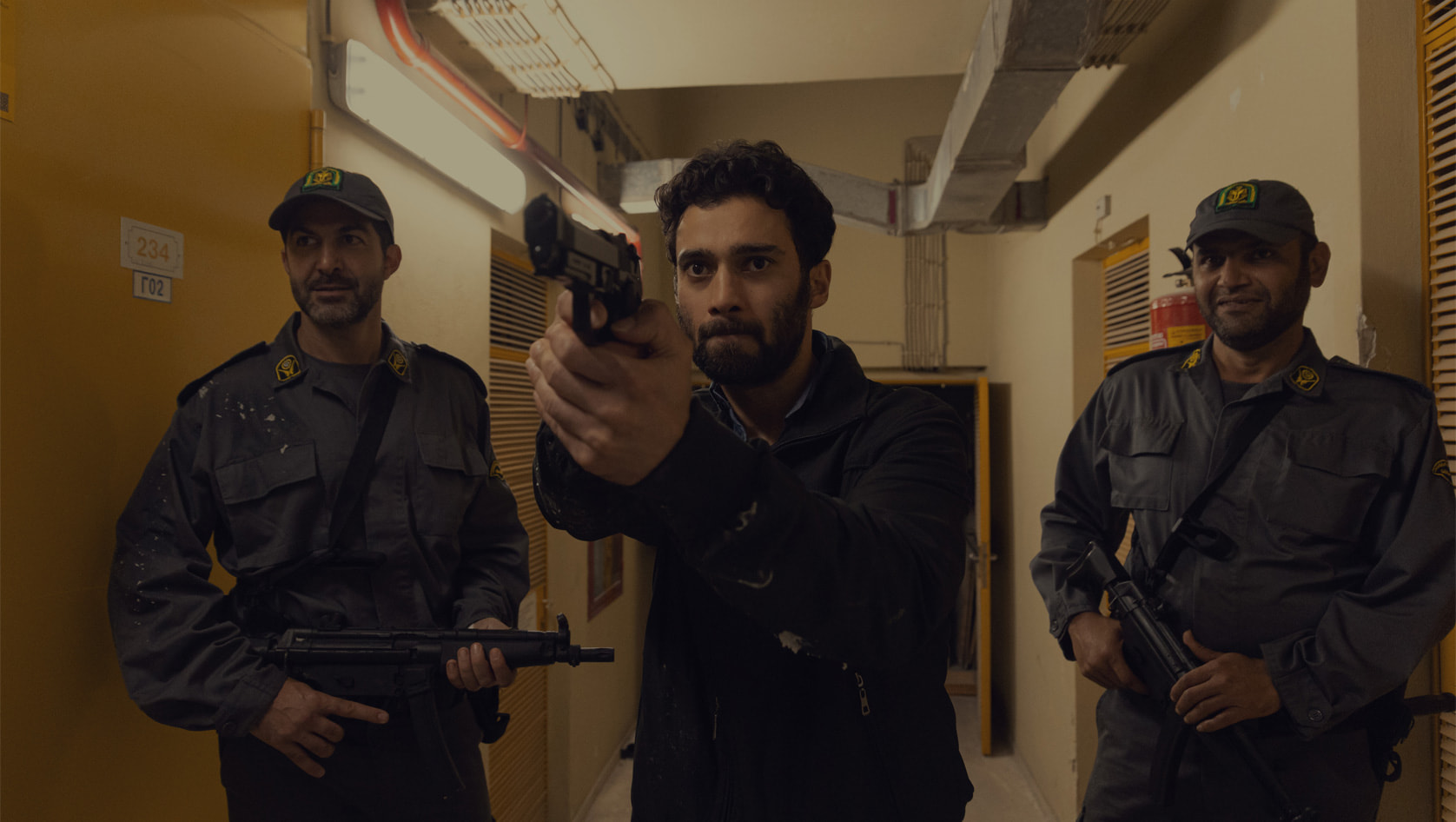
Photo: Apple
Tehran itself becomes a character in this series, and it’s arguably the most terrifying presence on screen. The show brilliantly exploits the fact that Tamar is operating in one of the most dangerous cities on Earth for an Israeli agent. Every street corner could hide Revolutionary Guard members. Every conversation carries the risk of exposure. Each moment of normalcy feels like borrowed time.
The claustrophobic atmosphere is relentless. Unlike spy series set in European capitals where agents can blend into cosmopolitan crowds, Tamar’s isolation in Tehran is absolute. She can’t call for backup. She can’t flee to a friendly embassy. One misstep, one wrong word in Farsi, one suspicious glance, and she’s finished. The show never lets you forget this reality, creating a baseline level of anxiety that permeates every scene. Even the quiet ones.
What makes this setting particularly effective is how the series portrays Tehran as a real, lived-in city. Tamar encounters ordinary Iranians going about their lives, forms genuine connections and discovers nuance in a place she was trained to see as purely adversarial. This complicates her mission emotionally while making the danger feel even more immediate and personal. You’re not watching a faceless agent navigate enemy territory. You’re watching a young woman trapped in a place where any of the decent people she meets could unwittingly become her executioner.
2. The protagonist is constantly out of her depth in the most compelling way
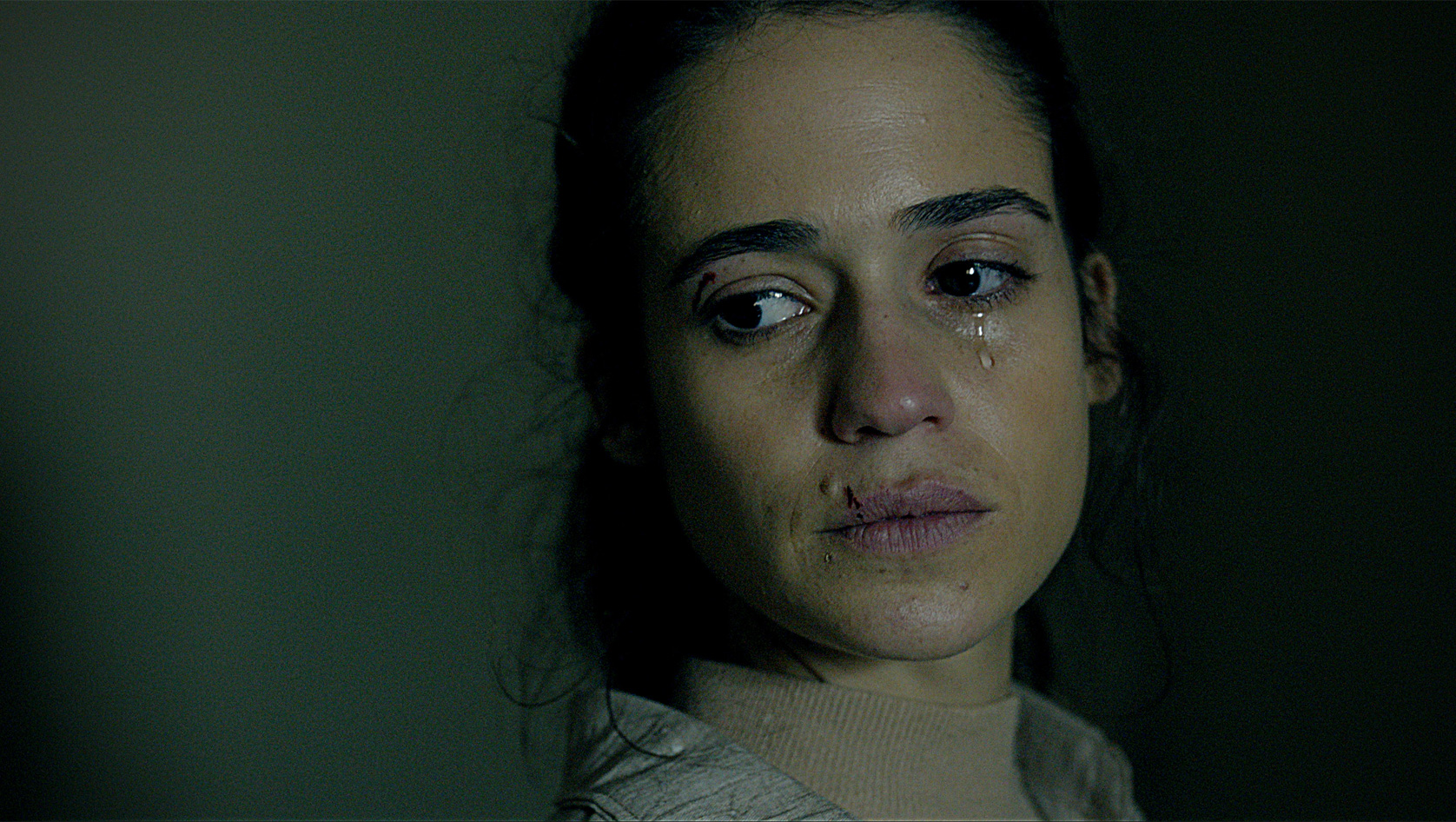
Photo: Apple
Tamar Rabinyan is not Jason Bourne. She’s not James Bond. She’s a talented hacker thrust into field operations for which she has minimal training, and the series exploits this gap ruthlessly. Watching her struggle to maintain her cover while improvising solutions to escalating problems creates the kind of genuine suspense that comes from knowing the protagonist is genuinely vulnerable.
Sultan’s performance is revelatory in this regard. She portrays Tamar with a combination of fierce determination and barely concealed terror that makes every scene crackle with unpredictability. You can see the calculations happening behind her eyes, the panic she’s suppressing, the moments where she nearly breaks. When things go wrong — and they go wrong constantly — her reactions feel authentic rather than choreographed. She doesn’t have infinite resources or improbable skills to fall back on. She has her wits, her training, her commitment to Israel and her desperation to survive.
This vulnerability makes the action sequences hit harder. When Tamar runs, you feel the genuine fear. When she talks her way out of a situation, you’re holding your breath wondering if her story will hold up. The series understands that suspense comes not from invincible heroes performing impossible feats, but from watching people pushed to their limits trying to survive impossible situations.
3. The moral complexity adds psychological depth to the thriller mechanics
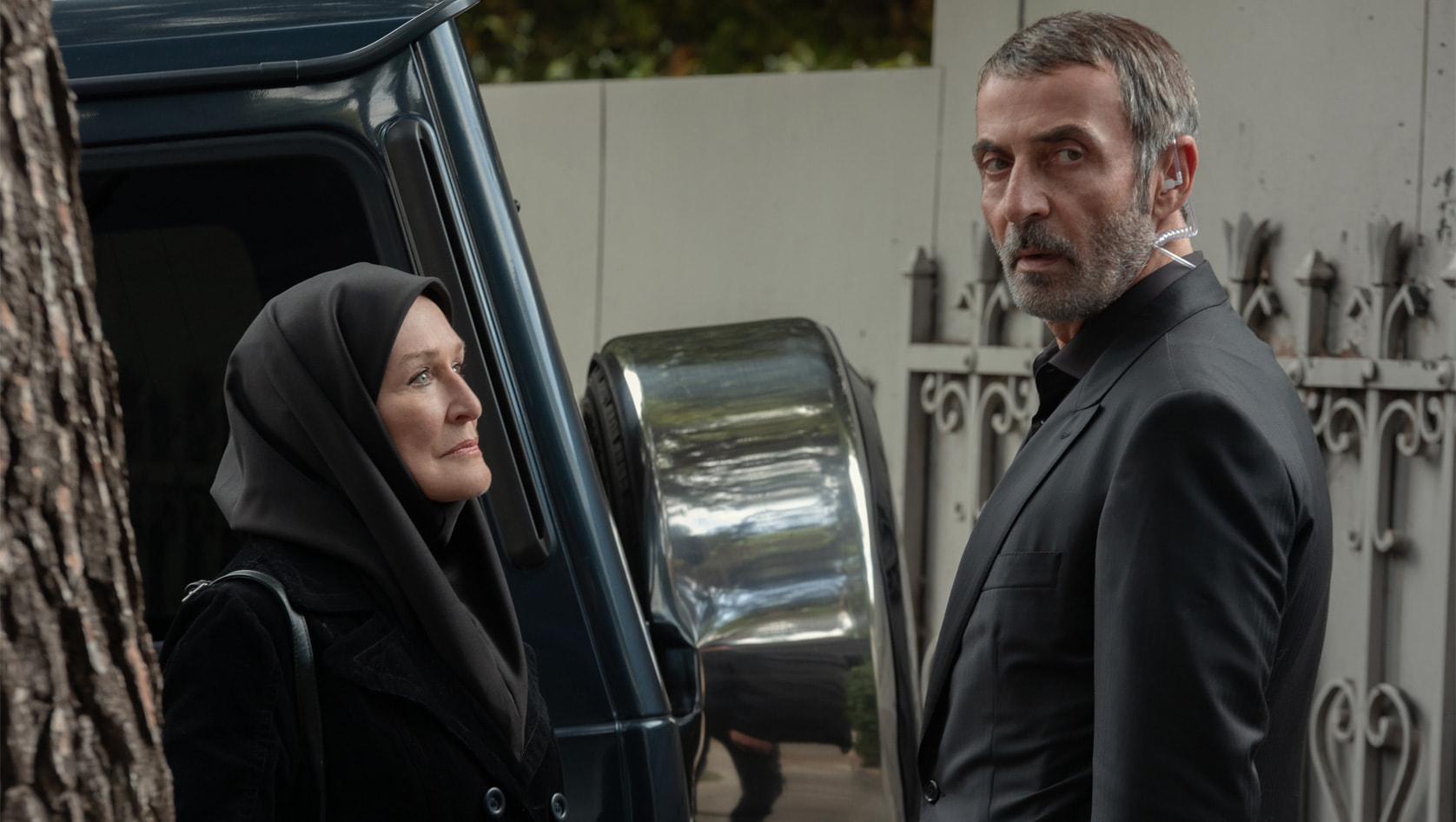
Photo: Apple
Beyond the surface-level thrills, Tehran grapples with genuinely thorny ethical questions that deepen the emotional stakes. Tamar’s mission requires using people, lying to those who show her kindness and potentially causing collateral damage to innocent lives. The series doesn’t flinch from exploring these moral costs, making her internal struggle as gripping as the external threats she faces.
The show particularly excels in its portrayal of the people Tamar encounters in Tehran. These aren’t cardboard villains or faceless enemy combatants. They’re individuals with their own motivations, fears and moral codes. Some of them are genuinely good people who would help her if they knew her true identity, which makes her deception all the more painful. Others are products of a complex political system that the series portrays with unusual nuance for a thriller.
The show even makes a relatable human being out of someone who looks the part of an ice-cold villain. As a high-ranking and well-respected Revolutionary Guard security official Faraz Kamali (American actor Shaun Toub) shows such tenderness for his wife — in addition to an unimpeachable work ethic and devotion to professionalism — you forget he’s one of the bigger cogs in a repressive police state.
Moral complexity also jacks up the pacing
This moral complexity doesn’t slow down the breakneck pacing; it enhances it. Every relationship Tamar forms becomes another pressure point, another vulnerability that could expose her. Her growing attachment to certain people in Tehran creates an internal conflict that mirrors the external danger, making her journey as much about psychological survival as physical escape. The result is a thriller that engages your mind and heart while keeping your pulse racing.
Tehran proves that the best espionage television doesn’t need to choose between intelligent storytelling and white-knuckle suspense. It can deliver both simultaneously, creating something that’s as thought-provoking as it is genuinely thrilling to watch.
Watch Tehran on Apple TV (season 3 trailer below)
You can watch Tehran seasons one, two and three (so far) on Apple TV. It’s available by subscription for $12.99 with a seven-day free trial. You can also get it via any tier of the Apple One subscription bundle. For a limited time, customers who purchase and activate a new iPhone, iPad, Apple TV or Mac can enjoy three months of Apple TV for free.
In November 2019, Apple TV “became the first all-original streaming service to launch around the world, and has premiered more original hits and received more award recognitions faster than any other streaming service. To date, Apple Original films, documentaries and series have been honored with 682 wins and 3,115 award nominations and counting,” the service said.

David Snow, an expert on Apple hardware and software, writes on a variety of technological and cultural topics for Cult of Mac. They include Apple news, technology buying guides, and features about computer setups and Apple TV shows and movies.
With 30 years of experience covering technology and other subjects, he has written and edited for numerous print and online publications, including CMP Media, TechTV.com, CNET, Wired News, Red Herring magazine, Law.com, The National Law Journal and Law Technology News magazine. Among other roles, he served as executive editor of the Law.com network of websites and editorial director, technology, for ALM Media.
Snow graduated with a B.A. from Syracuse University with majors in magazine journalism and psychology. While there, he worked as a reporter for The Daily Orange newspaper and associate editor of Equal Time magazine.
Founder of the blog At the Waterline, he can be reached on X (formerly Twitter) via @atthewaterline and on Mastodon via @dsnow.