Mobile menu toggle

Mobile Me Shows Apple Still Dislikes Being a Team Player

By

post-2088-image-c885638ab983d4ae29e58dfc705e5b72-jpg

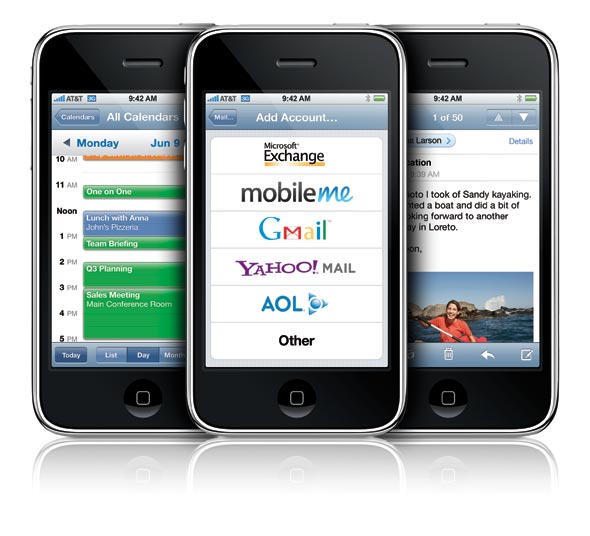
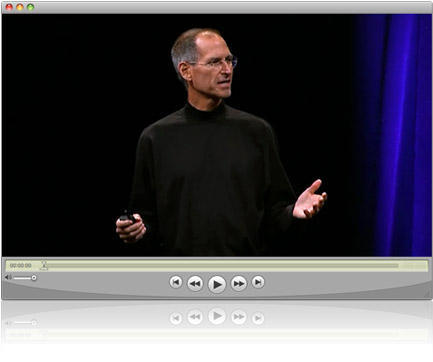
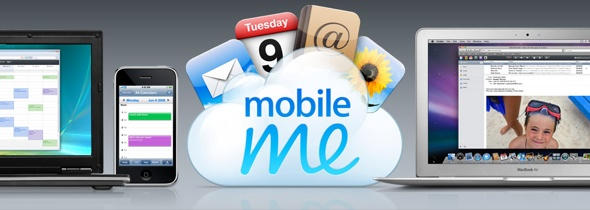
For a Steve Jobs Keynote, the kick-off to last week’s Worldwide Developer Conference was surprisingly, well, surprise-free. Apple rumor-mongers nailed the specs on the iPhone 3G, the pricing, the slipping ship date, and even the launch of Mobile Me, a major redesign of Apple’s .Mac service that focuses on Push technology for the rest of us. For subscribers of Mobile Me, all you have to do is make a change to your calendar on one platform, whether Mac, PC or iPhone, and the change instantly occurs on your other machines. Apple was going to become the Push company.

Phil Schiller demoed the applications involved, from photos to e-mail to address book for almost a half-hour, repeating the phrase “desktop-quality applications” roughly 900 times. As promised, the apps instantly updated across platforms. The Push technology really works, as well as, or, Apple hopes, even better than Microsoft Exchange for corporations. In every respect, it looked like a winning platform. For $99, anyone can have world-leading syncing of their entire digital lives. There’s just one problem: you have to use Apple’s Web applications to do that. No GMail, no Flickr, no GCal, no Facebook. Rather than delivering on the promise of automating the process of keeping every aspect of your life up to date, Apple requires you to leave behind your existing digital life to build a new one. Unless you’re an existing .Mac user, you need a new e-mail address, a new online photo gallery, a new calendar, a new form of online storage. And I, like a lot of people, am not going to make that change. I love Google Apps, Flickr, and Facebook. They’re where I keep my stuff. And that isn’t going to change any time soon. Rather than Mobile Me, Apple seems to have created Mobile Steve. To see the implications of this decision, click through.

iPhone 3G coming to T-Mobile any time soon? Don’t bet on it.

By

post-2083-image-bfe8212668661f5e22d23e54cd1340a3-jpg

AT&T announced to its shareholders that it’s iPhone agreement with Apple underwent some substantial changes with the release of the iPhone 3G. AT&T’s press release reads:

“The new agreement between Apple and AT&T eliminates the revenue-sharing model under which AT&T shared a portion of monthly service revenue with Apple. Under the revised agreement, which is consistent with traditional equipment manufacturer-carrier arrangements, there is no revenue sharing and both iPhone 3G models will be offered at attractive prices to broaden the market potential and accelerate subscriber volumes.”

Now of course this substantive change in agreement between Apple and AT&T has the net all a twitter with the possibility that Apple will begin marketing the iPhone 3G on other networks. Even AT&T’s statement that their relationship with Apple is now “consistent with traditional equipment manufacturer-carrier arrangements…” would seem to imply that Apple’s side of the arrangement is also “typical”, meaning that after a predetermined period of exclusivity, they can market their handsets to other carriers.

There are articles at CNET and MacWorld that arrive at this conclusion, and speculate that Apple soon will market the iPhone 3G on other carriers in the US.

The only difficultly is, that it ain’t gonna happen, not right now or anytime we’d call “soon”.

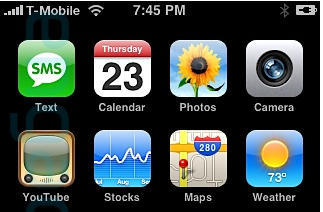
That’s because there’s only one other national GSM carrier and T-Mobile’s 3G network is Voice Only.

That tends to suggest that there isn’t what we call a “Business Opportunity” for iPhone 3G on T-Mobile’s network right now. Of course original iPhones running software 2.0 would be great to have, except Apple seems to have stopped making them.

(note: there are technical details in the comments that are too boring to include in the post)

Jobs Claims PA Semiconductor Will Make iPhone, iPod Chips

By

cult_logo_featured_image_missing_default1920x1080

Steve Jobs made an interesting disclosure to the NY Times yesterday while talking about the remarkable Grand Central technology in Mac OS X Snow Leopard that will allow programmers to get more power out of multicore computers and also to use GPUs for additional performance. In the midst of such talk, he announced for the very first time the reason that Apple purchased processor-maker PA Semiconductor in April.

“PA Semi is going to do system-on-chips for iPhones and iPods,” he said.

Many had speculated that future iPhones could run on Intel silicon, or that PA Semi had been purchased just to recruit some of its talented engineers. Steve says otherwise. Apple’s getting into the mobile processor game. Two years from now, all our iPods and iPhones might be running on their hardware. And if PA’s stuff is as good as everyone says, such exclusive hardware could maintain the competitive advantage that software already offers the iPhone.

iPhone 3G: the day after

By

post-2080-image-b1a5209ba32980f4bda22b1de45e1864-jpg

Now the dust has settled, and the excitement has waned, it’s possible to calmly reflect on yesterday’s iPhone announcements. Only the excitement hasn’t really waned, and the only reason the dust has settled is because I can’t run to the nearest O2 shop and grab an iPhone 3G yet.

Ultimately, Apple delivered. Most of the rumor bridge went away satisfied, with the revamp being lighter, more efficient, and including both 3G and GPS support. Yes, the camera is still rubbish, and the lack of a front-facing camera still irks some, but most people are happy with the upgrade. (Well, apart from the idiots web-wide who are rattling on about HOW UNFAIR it is that Apple had the audacity to release a new iPhone when they bought one JUST LAST WEEK, and how APPLE IS EVIL, and so on.)

Also, the pricing rumor turned out to be pretty much spot-on. The iPhone’s going to ship with a price-tag of just $199 (for the 8GB model—the 16GB model is an extra hundred bucks), and so even with the still fairly hefty monthly contract, it’s now a lot more affordable. Clearly, Apple is gunning for market share (its estimate of 10 million iPhones sold by the end of 2008 now looks remarkably achievable), to get its platform ingrained in people’s minds as the obvious choice for anyone after a smartphone.

From a British standpoint, things are looking even more rosy. I recently bitched about Apple’s over-the-odds charging in Europe, and it seems someone was listening. Not only is the new iPhone priced in a straight US dollar-to-Sterling conversion (I was expecting $199 to become £139, truth be told, not £99), but also Brits retain existing tariff pricing (reports suggest AT&T’s raising its prices), and get a new tariff at the £30 mark (even if its minutes and texts allocations are both utterly miserly). Handily, existing iPhone owners forking out £45 or £75 per month also get the new iPhone as a free upgrade.

The only disappointing thing is that I now need something else to complain about. Ideas on a postcard…

UPDATE:  Confirmation about AT&T’s price-hike suggests that there’s still something to complain about, at least if you’re in the US. Despite the hardware price-drop, the overall contract cost for the 8GB phone is now an extra $40 over two years. If anything, this makes the pricing in the UK even more surprising. Still, perhaps Apple will actually be able to sell some iPhones in Britain now.

How to hide an iPhone Purchase From My Wife?

By

post-2075-image-139233a66f1426029156e483672069f9-jpg

Update: Reader imajoebob has got a really funny response in the comments. Worth a read.

Trying to write this post on a Blackberry has taught me something, this thing’s web browser stinks. Now that the 3G iPhones will be on-sale in July, I’m gonna hafta break-down and get one. That said, only one-question remains: How to hide the purchase from my wife?

After the break, we’ll talk through my strategy, in the hopes that a fellow husband in a similar pickle might benefit from my experience, or maybe even able to help me devise a better strategy.

Cult of Mac Coverage of iPhone 3G at Popular Mechanics

By

cult_logo_featured_image_missing_default1920x1080

I’m not allowed to repost it fully, but please check out the coverage of the iPhone 3G launch that I worked up for Popularmechanics.com.

First, there’s the actual live-blog, which covers the complete blow-by-blow. Dig it.

Then, I have a short news analysis piece studying the implications of Apple dropping the price so much and opening the doors to third-party development.

I’ll have more original Cult content tonight, but this is a pretty thorough day’s work in the mean time.

Two Intesting iPhone 2 Tidbits

By

post-2074-image-b693330f53c0df37adce15d22ecf9228-jpg

I heard two interesting tidbits about the possible design of the iPhone 2 at the weekend:

Better Battery Thanks To Better Software

3G is generally assumed to be a drain on battery life because of the hardware, which sucks down juice, but it is actually the iPhone’s software that is the problem, according to engineers working on Google’s Android phone. According to a conversation reported to me by a colleague at Wired.com, Google’s engineers say the first iPhone OS was basically a hack. It was adapted from the desktop OS and had none of the advanced power-management features necessary to properly run the networking chips. But the iPhone 2 will have not only better integrated circuits, it will have proper power-management software also.

The iPhone 2 Won’t Have an All-Plastic Case

There are several rumors speculating that the iPhone 2 will have an all-plastic case, replacing the metal back of the current design. But an engineer I talked to last year said the metal cases of the iPod and the iPhone were probably designed to dissipate heat from inside the device . They were likely big heat sinks. And that’s why I doubt the iPhone will have a plastic back, because plastic doesn’t conduct heat as a well as metal.

iPhone 2 To Cost $200 or Less — Reports

By

post-2072-image-4fe0fcb7791e46cafaf64ddf0138c2f2-jpg

USA Today, the London Guardian and the Financial Times are all independently reporting that the new iPhone 2 will start at $200, bolstering the rumors we heard last week.

The Guardian says that in some cases, the iPhone will even be free to new subscribers:

… the handset will be offered at lower prices – or even for free. Those who sign up for a contract costing £75 a month will be offered the handset for no extra charge, breaking with Apple’s earlier attempts to avoid the large subsidies common in the rest of the industry. Elsewhere, the gadget is likely to be subsidised to lower the price, which could drop from £269 to as little as £100.

Crazy Overnight 3G iPhone Leaks! Tri-Band UMTS! GPS! Video Calls!

By

post-2068-image-4b4df64e2885db083bccd4ab5520d44a-jpg

Good heavens, but a lot can change when you get on one plane. I just arrived in Atlanta (friend’s wedding), hopped online, and the Intertubes have gone mad with credible leaks for the iPhone 2 that is universally expected to be introduced at Monday’s WWDC keynote. None of it is 100 percent confirmed, obviously (lots of commeters are skeptical about the missing lock button on the RED model), but these are much better than typical pre-keynote speculation. Here’s what you need to know:

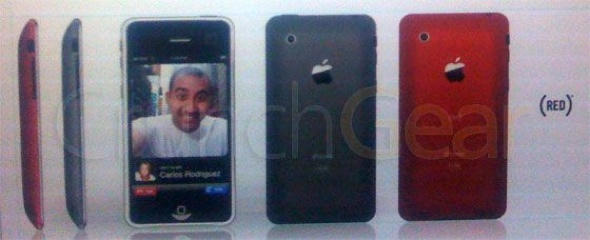
  1. True iChat mobile looks to be a go. CrunchGear obtained what appears to be an AT&T or Apple promotional flier showing off the industrial design and features of the iPhone 2 that spotlights its front-facing camera for video phone calls over 3G networks, and video conferencing with iChat users over WiFi where available.
  2. Subtle Changes to Industrial Design. The front of the new iPhone looks virtually identical, but the back has changed, using a matte black back with shiny silver Apple, as well as a (Product) RED model that swaps in a red back to fight AIDS. The tapering evokes the industrial design of the MacBook Air and might offer clues to the look of the rumored new MacBooks, as well. Still no flash on the camera, either.
  3. iChat for Windows. To really push video chat on iPhone, it looks like Apple will roll out iChat for Windows. I repeat: iChat for Windows will soon be available.
  4. 3G Networking, 5 MP camera, GPS. Engadget reports that a source got a copy of the firmware for the device, which discloses the actual silicon that the iPhone 2 runs on. We’re talking about quad-band GSM with tri-band UMTS, which basically means that the new iPhone can run at blazing speeds in virtually every market in the world (except lots of the United States, of course). The chip powering it is confirmed to be Infineon’s S-GOLD3H, which has support for up to 7.2 Mbps networking, 5 megapixel camera support and mobile TV access. I would still be shocked to see mobile TV, of course. The firmware also includes hooks for GPS connectivity, so that looks likely, too.

Quite a flurry of activity. Only Steve will prove or disprove the accuracy of these reports.

Apple offers movie rentals for the UK and Canada

By

cult_logo_featured_image_missing_default1920x1080

Brits (and Canadians) finally got to join the iTunes movie party this week, with Apple unleashing movie rentals and purchasing for the two territories. I’d actually been mulling over grabbing an Apple TV for a while (what with my ten-year-old DVD player starting to make strange buzzing and wheezing noises), but decided against it. Instead, I bought a cheap replacement DVD player and an iPod dock, and so I was initially feeling a little irked.

And then I looked at the prices and felt much better. In the UK, rental pricing initially doesn’t seem too awful at £2.49 for old stuff and £3.49 for shiny new films, which is mostly on a par with high-street rental outlets such as Blockbuster and DVD-by-mail companies. However, this is the realm of digital, and so there aren’t as many barriers to business regarding upkeep, location, shipping, and so on. A swift comparison with the US store sees that Apple’s making an extra $2 on library titles and $3 on new releases (the price of which almost doubles during a film’s trip across the Atlantic). Take into account taxes, and the extra profit is reduced, but still pretty hefty. On the plus side, you do at least get a 48-hour window to watch, which is a small added bonus.

However, it’s the purchase price-tags that really have me confused. They come in at £6.99 for library titles and £10.99 for new releases (the latter of which is $14.99—about £7.50—in the US). Even when you add on British taxes, this doesn’t look like a great deal, and with the usual raft of cheap outlets available (HMV, Play.com, Amazon UK), I fail to see how Apple will make a dent in the market with this pricing model.

Commentators are already saying this pricing has nothing to do with Apple (“Blame the movie studios!” “Apple is innocent!” “I wuv Apple and will GET YOU if you write bad things about Stevie!”), and how it’s more expensive to do business in the UK (blah, blah, blah), but this just reminds me of Adobe doubling CS3’s pricing when it goes across the Atlantic and offering a toothy grin in return.

With hardware, there’s now very little difference when taxes are taken into account, and I’m happy for Apple to mark things up a little in case Sterling tanks or the US Dollar rallies. In software, pricing is generally getting better (if you pretend CS3—something of an exception—doesn’t exist), and Apple again is gradually taking the piss less and less with each new release.
So why does the difference in pricing remain in media, when there’s no shipping, no printed artwork, and no shelf-space required? Apple always makes a point about thinking different, but in this case, it looks like the company’s done a quick price-check of its rivals and is thinking exactly the same.

John Nack on future Photoshop UI changes

By

cult_logo_featured_image_missing_default1920x1080

4.jpg

Recently, I posted here about Adobe Fireworks CS4 Mac OS X beta’s UI, which I rather unsubtly subtitled ‘UI hell’. Clearly, lots of other people felt the same, and now John Nack has responded to the sometimes scathing criticisms on his insightful blog.

I admire Nack’s openness and the way in which he’s clearly not in agreement with every Adobe decision.

However, it’s strange to see some of his explanations for the CS4 changes, with comparisons to a disparate selection of software that’s not in the same space as the likes of Photoshop.

That said, I don’t recall any other software worth a bean that stuffs the title bar full of buttons.

Still, for any regular Photoshop user, Future Photoshop UI changes is essential reading, and Nack often responds inline to comments, trying to address concerns.

Who knows? Maybe Adobe might have a slight change of heart before Photoshop CS4 yomps on in.

If not, I already know a dozen designers who aren’t upgrading from CS3 and who are already looking for alternatives, often for specific tasks, rather than weighty behemoths that suck RAM and processor cycles like a greedy digital vampire bat.

A Retroactive Look at the Design Strategy of the iPhone and iPod touch

By

post-2060-image-c028d3239d28c587ccdd84a59e83ce23-jpg


With a new iPhone all but guaranteed to be announced Monday, there’s never been a better time to perform a quick post-mortem on the existing multi-touch devices from Apple. Though the iPhone has been talked nearly to death, one topic that has gone relatively unexplored over the 18 months since the unveiling of the iPhone is the strategy behind its design. People have talked plenty about its design, of course, from the loved-or-hated chrome bezel to the iconic but somewhat-too slippery back edge to the software and the revolutionary touchscreen interface. That’s all fine, but those are all aesthetic and functional choices. At a more fundamental level, the iPhone constituted a strategic move by Apple into the mobile phone market. And it’s here where the look, feel, and positioning of the iPhone are most fascinating. The iPhone was explicitly designed to rapidly drive the adoption of technologies that most people had never even contemplated before, and it’s been an overwhelming success. To learn why and to hear what this might mean for the second iPhone, click through!

WWDC 2008 Preview: Rumors, Speculation, and Innuendo

By

post-2055-image-8de520d5da5dba542714cf4d26b96696-jpg


Image via Uberreview
WWDC is nearly upon us. San Francisco’s Moscone West is plastered with Apple logos. Rumors are in the air. Unannounced products are just out of reach. Rather than try to calm the fervor, I’m just going to pour some gas onto the blaze with the help of my friend Zoltar, The Fortune Telling Machine. It’s that time again — Cult of Mac’s Top 5 Unlikely WWDC wishes! Four of them are credible rumors, the other’s a crazy rumor that I started. See if you can tell the difference!

5. New MacBooks
With the rest of Apple’s product line moving to anodized aluminum cases, having MacBooks in retro-iPod white is looking jankier by the day. It’s high time that Apple revamped its low-end laptops to match the hot design of the current generation iMac. And if Apple wanted to throw a real graphics card and a higher-resolution screen into the mix, that would be nice, too.
Likelihood (out of five): Three. The MacBook has gotten a processor boost as recently as February, but this is a sorely needed shot in the arm for the product line, and Apple likely needs a Mac announcement in addition to whatever happens in the iPhone and iPod universe.

“Just One More Thing…” Timeline

By

cult_logo_featured_image_missing_default1920x1080

With WWDC on the horizon, and keynote fever ramping up, we thought it might be nice to take a stroll down memory lane. The “One More Thing” timeline below covers every Stevenote we could find, focusing on the “Just One More Thing…” product announcement, with video clips for most of them.

Of course if we got anything wrong, or if you have additions, or clips we don’t have, please let us know in the comments, and we’ll get them added — Enjoy!

Updated: Cult of Mac WWDC Live Blog With URL

By

post-2049-image-8ca722fb4cf8631b13ee28c51b09a71c-jpg

Updated: The Live blog is now available here. Bookmark it, and I’ll see you bright and early no ON Monday!

The next great keynote from Steve Jobs at WWDC is this Monday in San Francisco, and I’ll be there live-blogging on behalf of Popular Mechanics. I’ll provide the blow-by-blow account, as well as the most rapid-fire analysis I can muster. The actual page for the live blog isn’t up yet, but I’ll provide the link in an updated version of this post when it is. Once things are done over there and I’ve got my top thoughts synthesized, various Cult of Mac folks will be back up here providing our thoughts, speculation and wishes based on the latest and greatest from Apple.

It’s going to be a great one, folks. In the mean time, stay tuned for my two big pre-WWDC posts still to come. One will be a preview of sorts, but the other is something more like the epic analysis of the slow change from Carbon to Snow Leopard. I’m going to look at the designs of the iPhone and iPod touch to shed light on the strategies that they reflect, and also suggest possible future directions for the second iPhone based on those design principles. It will be partly based on a white paper I helped write earlier this year at my day job. It’s a good read and includes a similar dissection of the original iPod. If you want to bone up in advance, you can read it here.

Otherwise, stay tuned. It’s going to be a great week in the world of the Cult!

WWDC Flashback: Why It’s Taken 10 Years from Carbon to Snow Leopard

By

post-2046-image-131ec59367161a5363db14d794bb02ae-jpg


Image: AP, via Guardian UK

Today’s rumors that Steve Jobs may introduce an incremental update to OS X called Snow Leopard at his Worldwide Developers Conference keynote provide a powerful reminder of just how effective the project to replace the Classic Mac OS has been. Buzz on the wires has it that Snow Leopard would be for Intel processors only, completely abandoning the PowerPC platform that Steve Jobs inherited at Apple in 1996. Some have even speculated that Carbon and the last pieces of the original Mac OS toolkit could be similarly discarded in the release. If all that is true (and the latter part is particularly hard to swallow without bricks of salt), it officially marks the death of the Macintosh OS at the hands of its proud successor, OS X.

This is a really significant achievement, and not because I’m nostalgic for MultiFinder. This officially marks the conclusion of the most patient, incremental, and down-right conservative campaign of change ever waged by one Steven P. Jobs. At a WWDC much like this one, just 10 years ago, he began to wage that war. Next Monday, he will have won. The Mac is dead. Long live OS X. To read why and how this happened, please click through.

Tutorial: How to Sell your iPhone Online

By

post-2041-image-c29705cae3199fa3376f835601528a6f-jpg

It’s iPhone upgrade season. With the deluge of iPhone 3G rumors convincing just about everyone that now might be a good time to dump the old phone, in anticipation of getting one of the new models, here’s a tutorial to help you sell your iPhone safely, and get the best price.

Across the pond: iPhone in the UK

By

cult_logo_featured_image_missing_default1920x1080

Following up on the posts by Leander and Leigh about the various iPhone rumors floating around, I thought I’d add a little perspective from the other side of the pond.

The subsidization rumor isn’t one I’m entirely convinced by (given Apple’s track record), but it is something Brits in general expect when it comes to new phone hardware, which might explain Apple having a change of heart.

When the iPhone finally arrived in the UK, somewhat late, Apple got the market wrong, inflicting an American model on the Brits. In this wee island, we’re not used to paying for hardware when on a monthly contract. Typically, if you’re paying £35 per month, you get a decent phone for free (or very little) and a decent number of minutes and texts; alternatively, you grab a pay-as-you-go card and pay full-whack for your phone.

Apple’s cunning plan was to go for all of the expensive options—a relatively high monthly charge and full-price hardware, along with a frankly insulting number of texts and minutes when compared to other local plans of the same cost. This pretty much explains why the iPhone borderline bombed initially in the UK.

The dreadful sales picked up some when the number of texts and minutes increased, but until Brits see iPhones on sale for £150 or less, they’re not going to go for it in any number, especially if there’s a (minimum) £35 per month contract attached. And the same goes for a lot of other European countries.

It wouldn’t entirely surprise me to see a subsidized iPhone in Europe, but the older system remain in place in the US. Frankly, it’d be about time we got something out of Apple after its many years of having fun with exchange rates and charging way over the odds for its goods in Europe.

OpEd: Is the 3G iPhone a Red Herring?

By

post-2034-image-8477abe9a2292360a9d799ff3a1e2e88-jpg

Filed under: probably wishful thinking

It’s WWDC time, only this year something is different. Where’s the wild speculation? If patent applications are any evidence, there are many cool things brewing in Apple’s lab —but all is quiet. Where’s the hype that precedes any Stevenote? Oh sure people are talking, but only about one thing: iPhone v.2.0.

Personally, I think this whole 3G iPhone business is a red herring. Sure, it’ll be announced, and people will love it. But the leaks abound so much. I find myself hoping that it’s part of a disinformation campaign; to keep us distracted so we don’t guess to closely at what new cool products Apple might unveil, and that there will be a terrific surprise for all of us at WWDC.

It’s been nearly a year and a half since the “Jesus-Phone” was announced at last year’s Macworld and since then it’s been: all iPhone, all the time, everywhere. I don’t want to seem to hate on the device; the defense will even go so far as to stipulate, your honor, that the iPhone might be best thing that’s ever been invented. But c’mon! Eighteen months after Prometheus descended from the heavens, I’m pretty sure folks were like: “Uh… yeah… fire… great…”

There is definitely more to talk about. There have been some great things come out of Cupertino this year, heck, there is a MacBook Pro that you can literally give the finger to, and it will respond accordingly. Yet it’s relegated to a footnote in technological history.

Now virtually everyone, including those villagers recently discovered in the Amazon, who have had no previous contact with the modern world, knows that the new iPhone 3G is coming out at WWDC this year. Yet, Steve rarely (if ever) uses the “Just one more thing…” part of the Stevenote to unveil a simple product update especially one so obvious (I know that a 3G iPhone, with GPS, and built in margarita machine is probably considered by some to be more than an update).

So what do you think? Other than a iPhone update, what else do you think Steve will unveil in his Stevenote? I know what I’m hoping for, but like the time I got up the nerve to ask out Sarah Andrews in 10th grade, I’m also steeled for disappointment.

Hot Tip: iPhone 2 Features Detailed — 3G, GPS, 2xRAM, Thinner, Better Battery and Only $200

By

post-2032-image-72ab657c28b2f7453d11db3a7f6f735e-jpg

UPDATE: RE: the comments below. I Photoshopped the image above for illustrative purposes. It’s not a spy shot. Also, my tipster said the iPhone will be subsidized, but he didn’t specify whether the subsidy will come from Apple, AT&T, overseas carriers, or all of the above. I can only guess that Apple will sell the iPhone 2 at a loss — to customers and carriers — and recoup the cost from monthly subscriber charges.

I just got a hot tip from a programmer at a major software publisher who claims to have seen the specs for the iPhone 2. This is unconfirmed, but according to the tipster, the iPhone 2 will be announced by Steve Jobs at Apple’s WWDC on June 9, and will much offer more for much less — and be thinner to boot. The iPhone 2 will have:

  • 3G
  • GPS
  • 2 x memory (16GB and 32GB)
  • 22 percent thinner
  • Better battery life

The tipster says Apple will subsidize the iPhone’s price to better compete with RIM’s Blackberry. The London Times is reporting the same thing — that the iPhone will cost about $200 in the UK when it goes on sale in July.

HP Exec Confirms That MacBook Air Slices. Rumors of Dicing Still Unverified.

By

post-2030-image-fa808b91d7702afba664c524a54eb432-jpg

Rahul Sood, the CTO of HP Gaming and founder of Voodoo PC recently celebrated his birthday, and a friend gave the over-clocking king a MacBook Air as a gag gift. Not one to look a gift-horse in the mouth, Sood used the Air as a knife, cutting his birthday cake quite nicely.

<Mock-Serious Voice>No word from Apple yet on why it kept the Air’s cutting features under wraps for so long, but it’s a classic “under-promise, over-deliver” move in the Steve Jobs mold, so I guess we shouldn’t be surprised to find such major functionality down the road.</Serious>

Rahul Sood via Gizmodo

10.5.3 Fixes WiFi Issues

By

cult_logo_featured_image_missing_default1920x1080

A few months back we reported many Mac users were experiencing problems with WiFi maintaining connections. These connection drops seemed to be mysteriously tied to large file transfers. The issue became so bad that the NYC school system stopped all orders for new Macs until the issue was fixed.

I’m happy to report that for at least this user the issues seem to be resolved. For the past three days I’ve been seeding and leeching “The Cult of Mac” and “The Cult of iPod” by our own Leander Kahney with no interruptions in WiFi service. I’d love to hear if anyone else is still having problems.